When It Stops Being a DIY Job
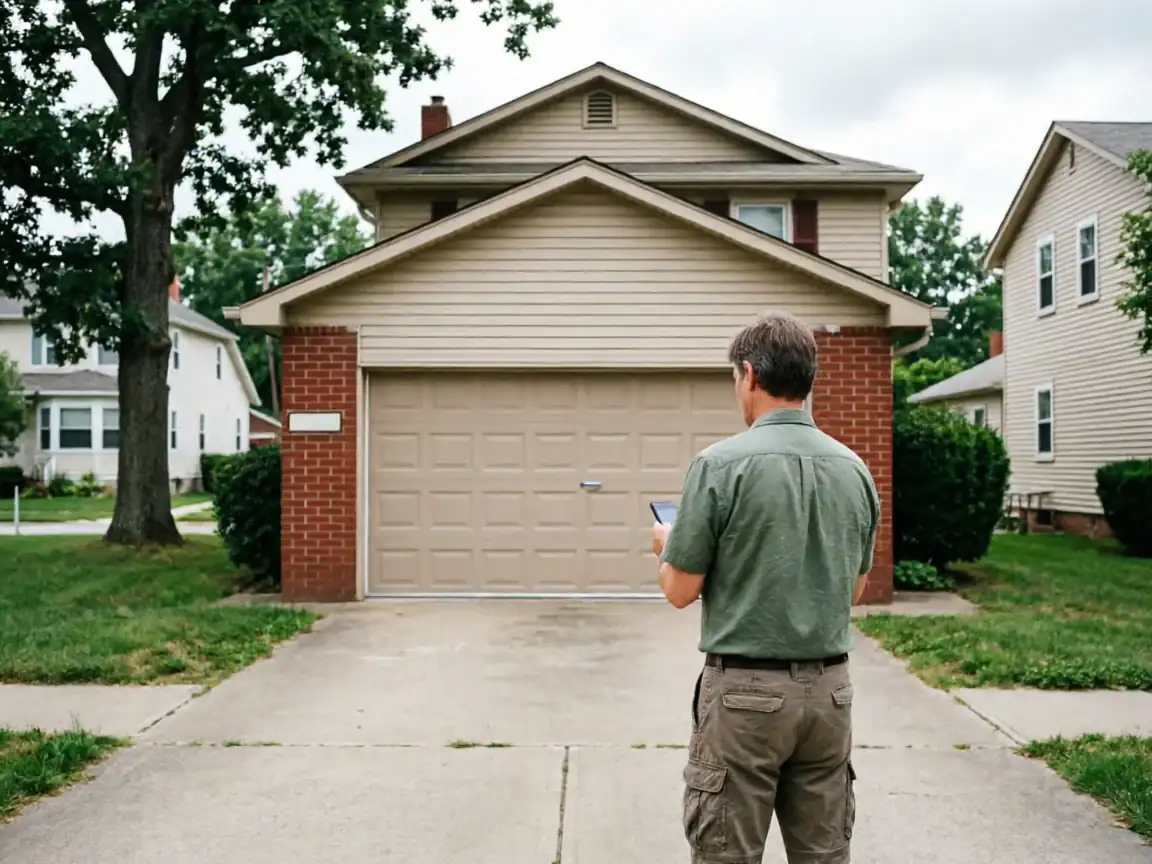
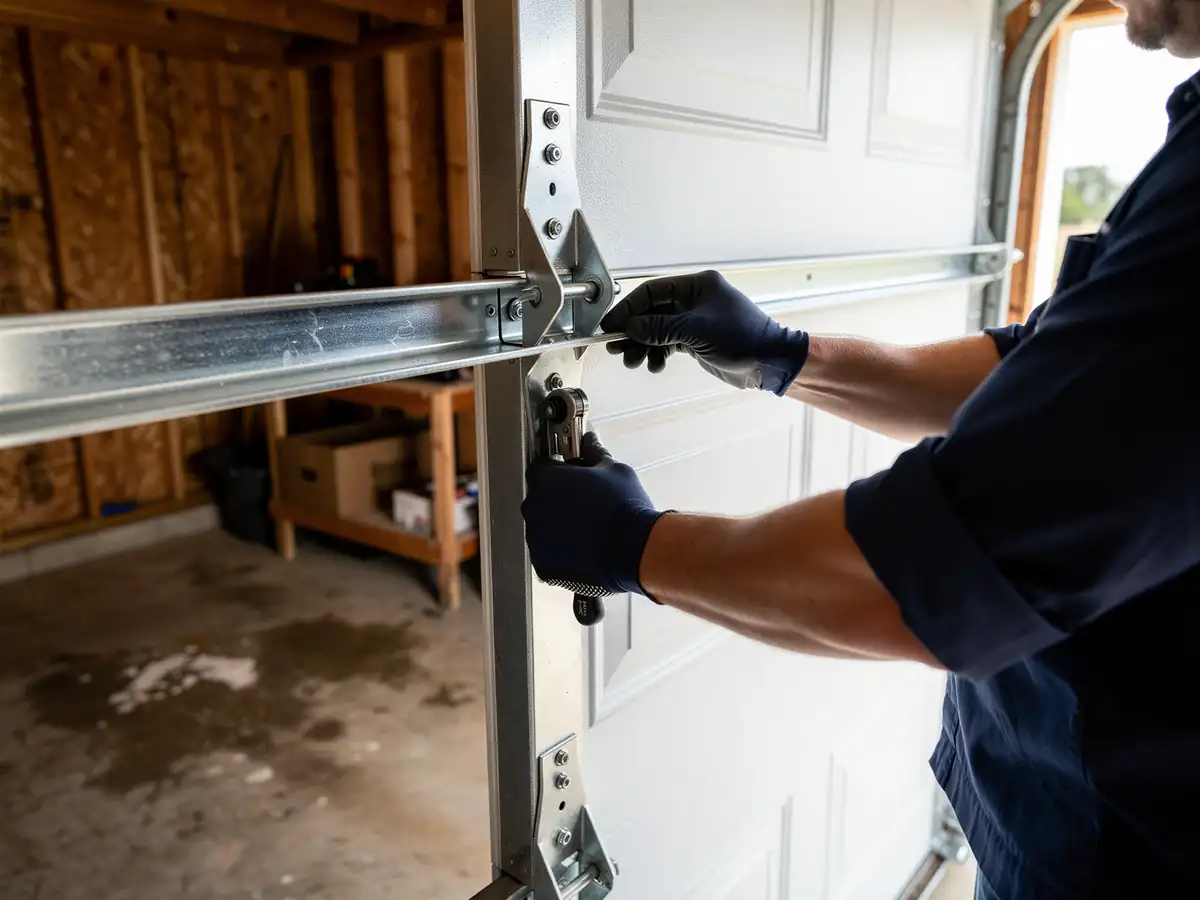
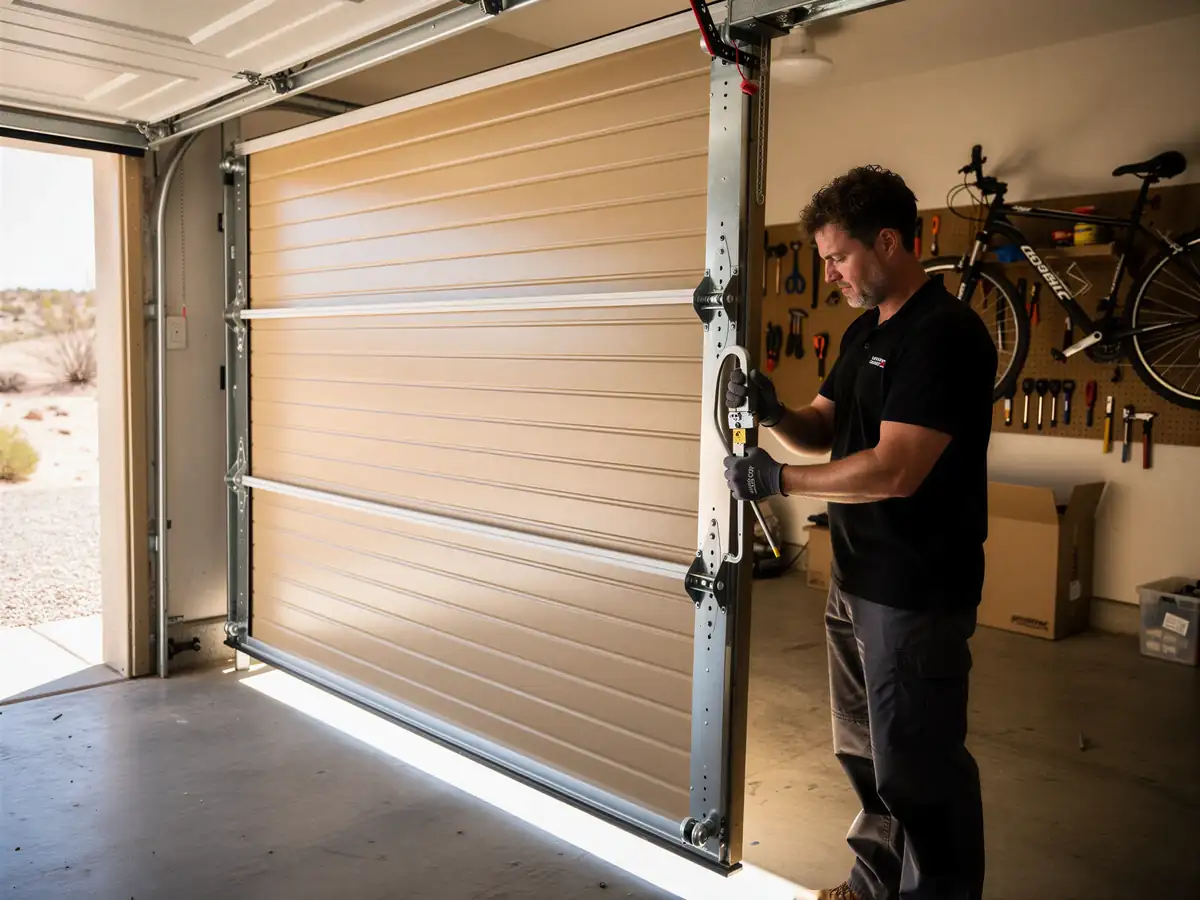
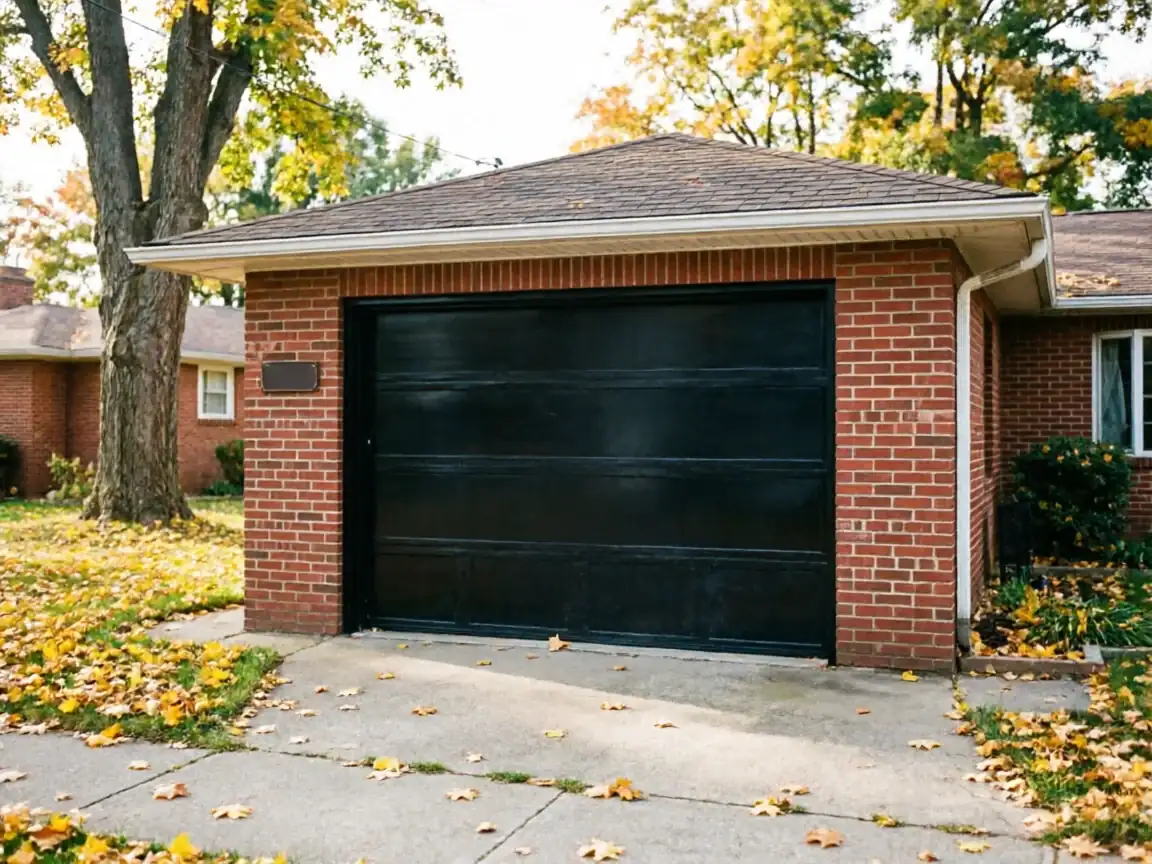
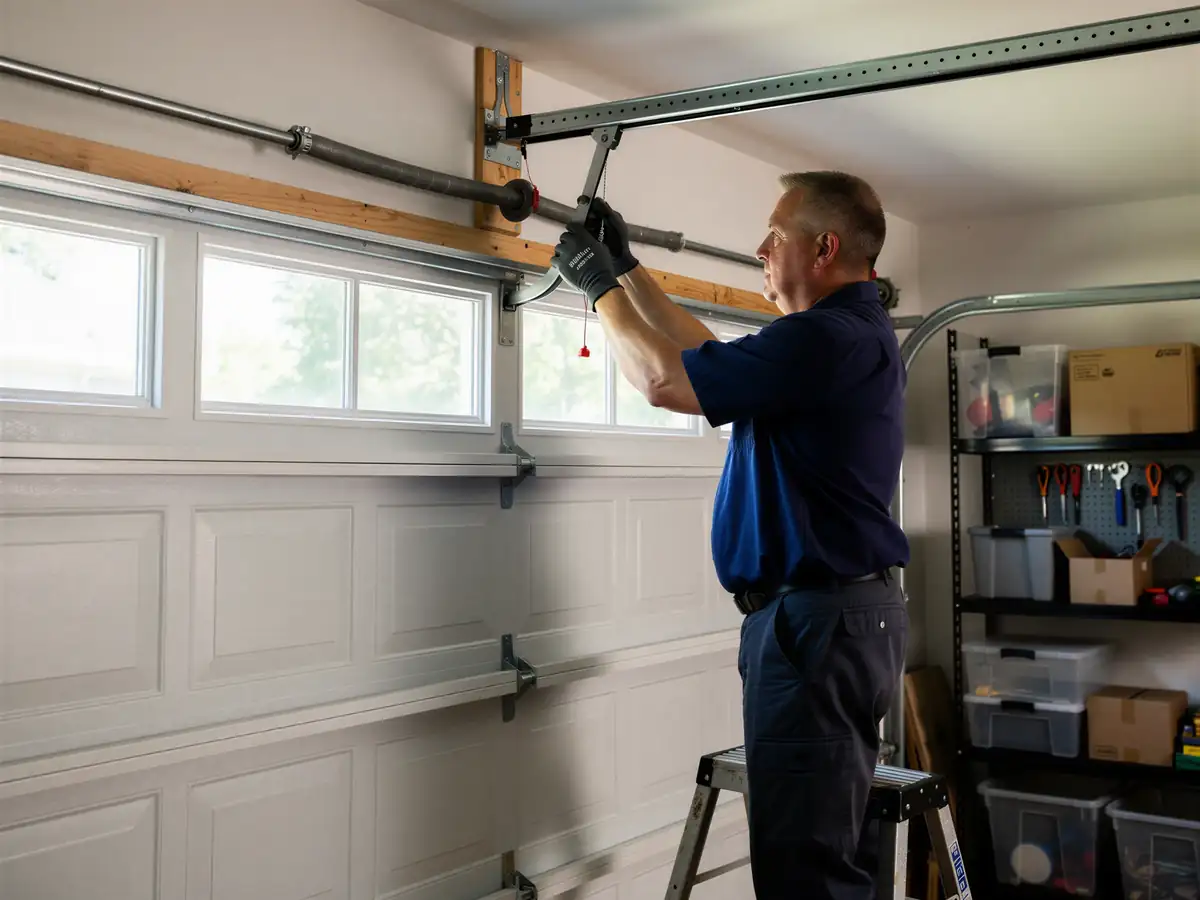
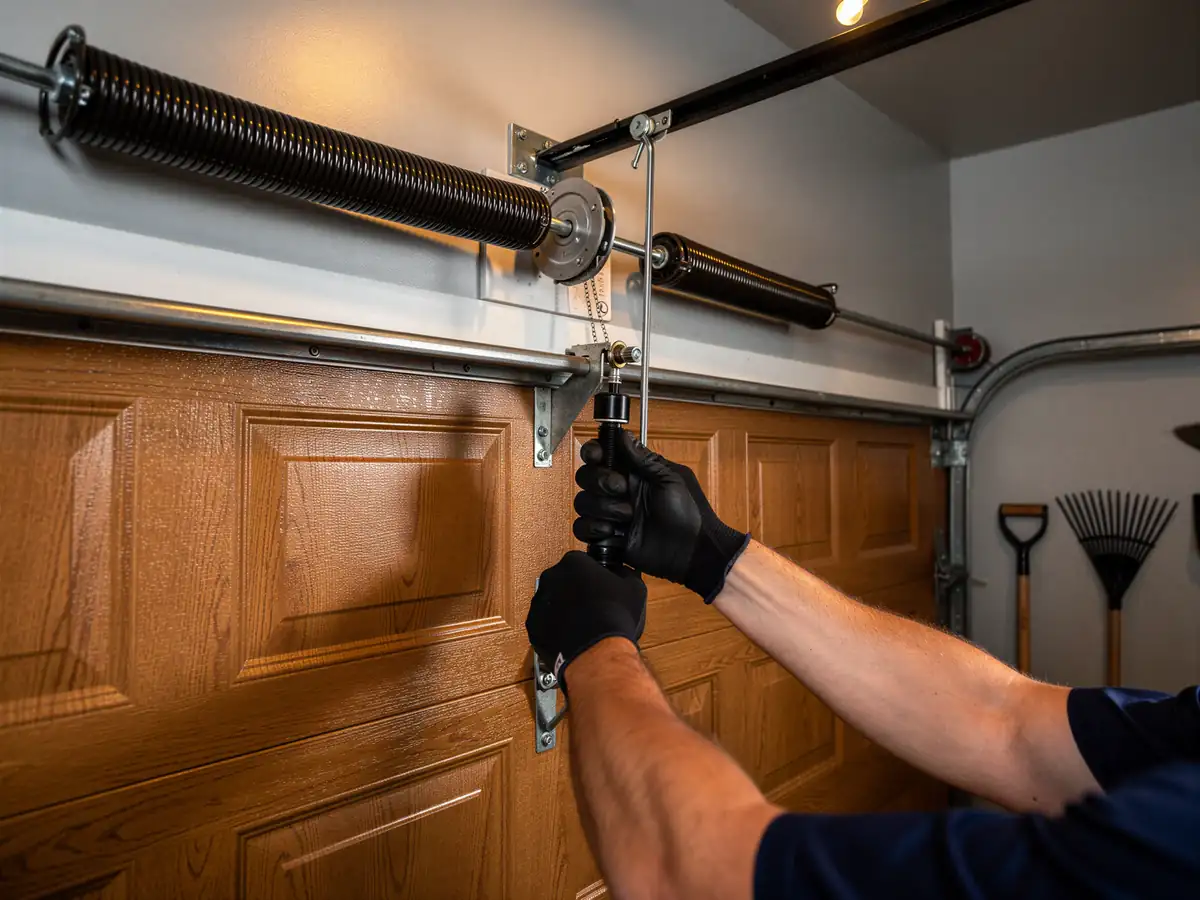
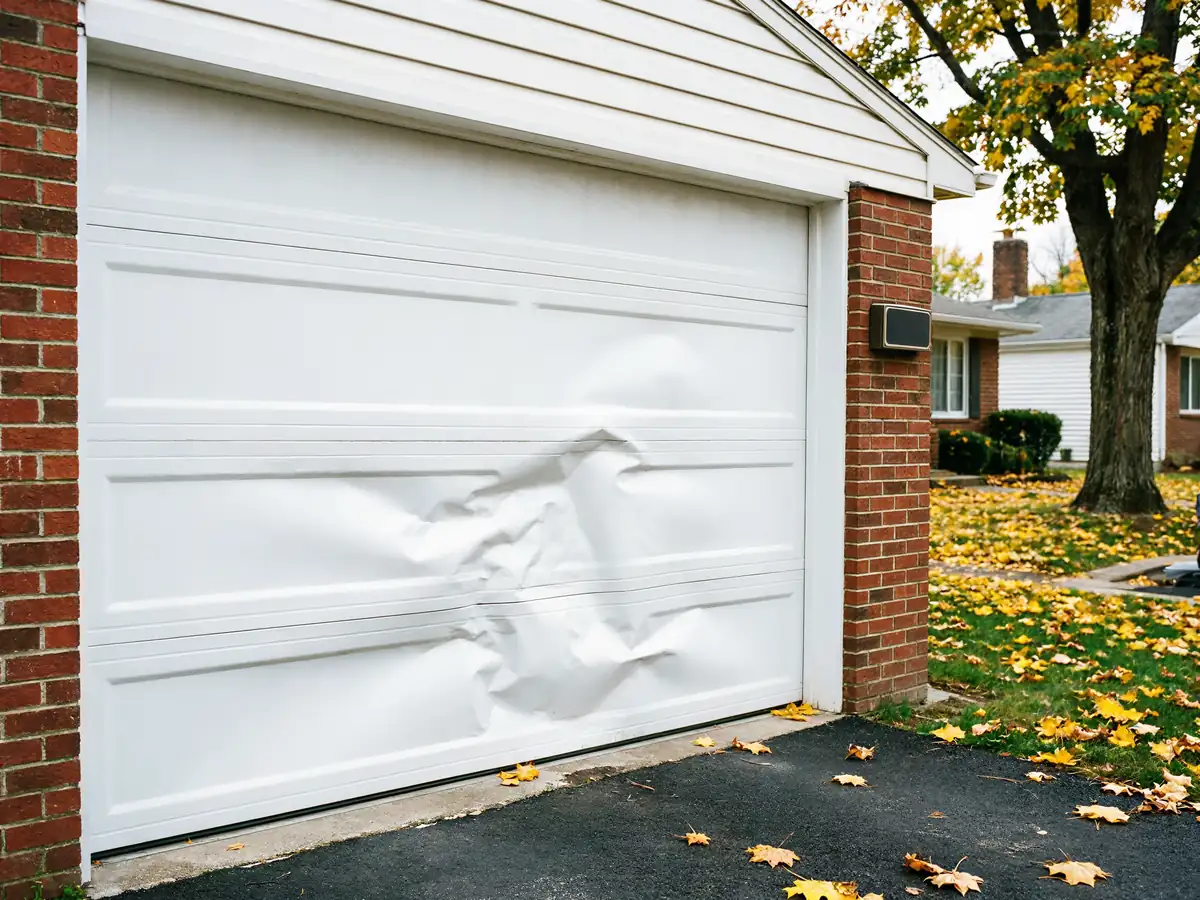
Lakeville's housing stock runs 1955 to 2004, with the median build year sitting around 1984. That matters more than most homeowners realize, because insulation standards for garage doors weren't where they are now when a lot of these houses went up. A door from the 1980s or earlier is often a single layer of steel with no foam core at all, or a thin strip of rigid insulation stapled in as an afterthought. Tightening a loose roller or swapping a worn weatherstrip is a fair weekend job on any door, regardless of age. But once you're dealing with a door panel that's warped, denting easily, or sweating condensation on the inside face during a cold snap, you've moved past maintenance and into a structural problem that a new seal won't solve. If the door is original to a house built in that 1955-2004 window and it's never been replaced, the question isn't whether to fix the symptom - it's whether the door itself is still doing its one real job, which is keeping outside air outside.
We don't push replacement on a door that's just cosmetically rough. If the panel is sound and the hardware is serviceable, a repair is the honest call and we'll say so.
What to Check
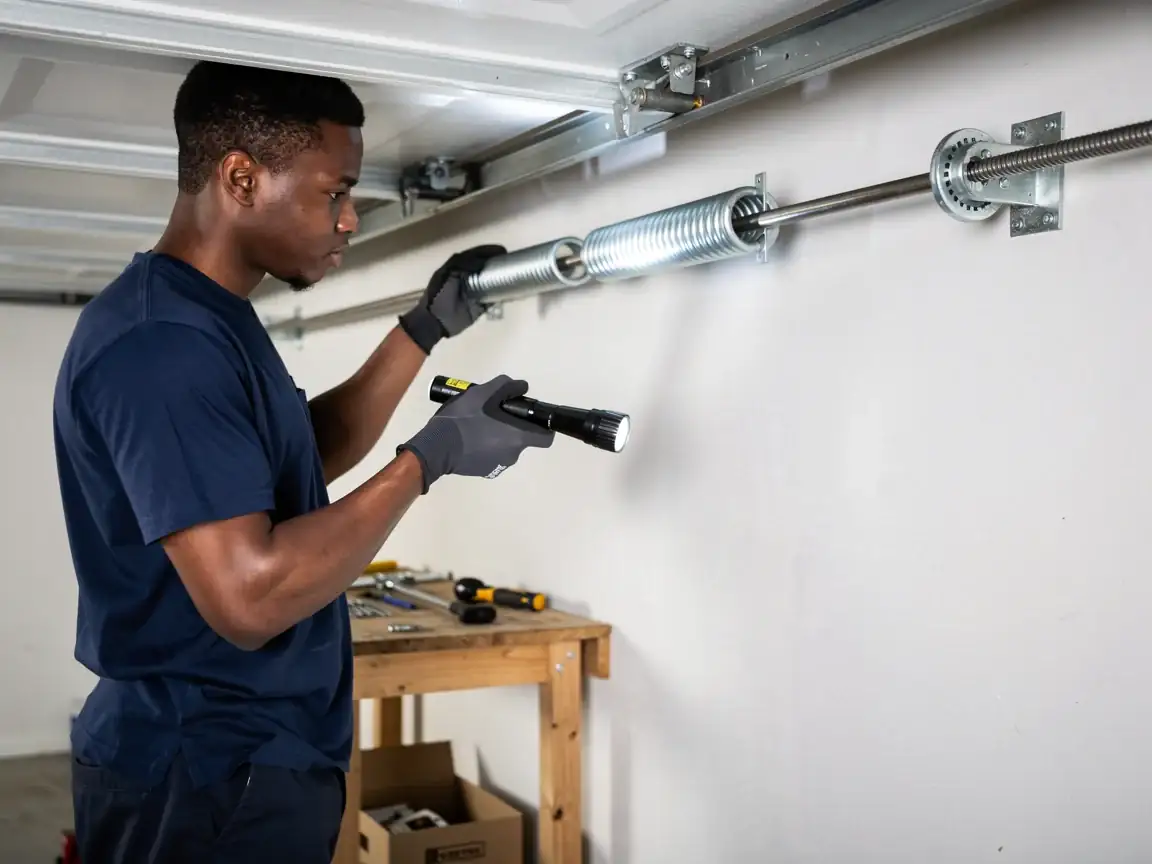
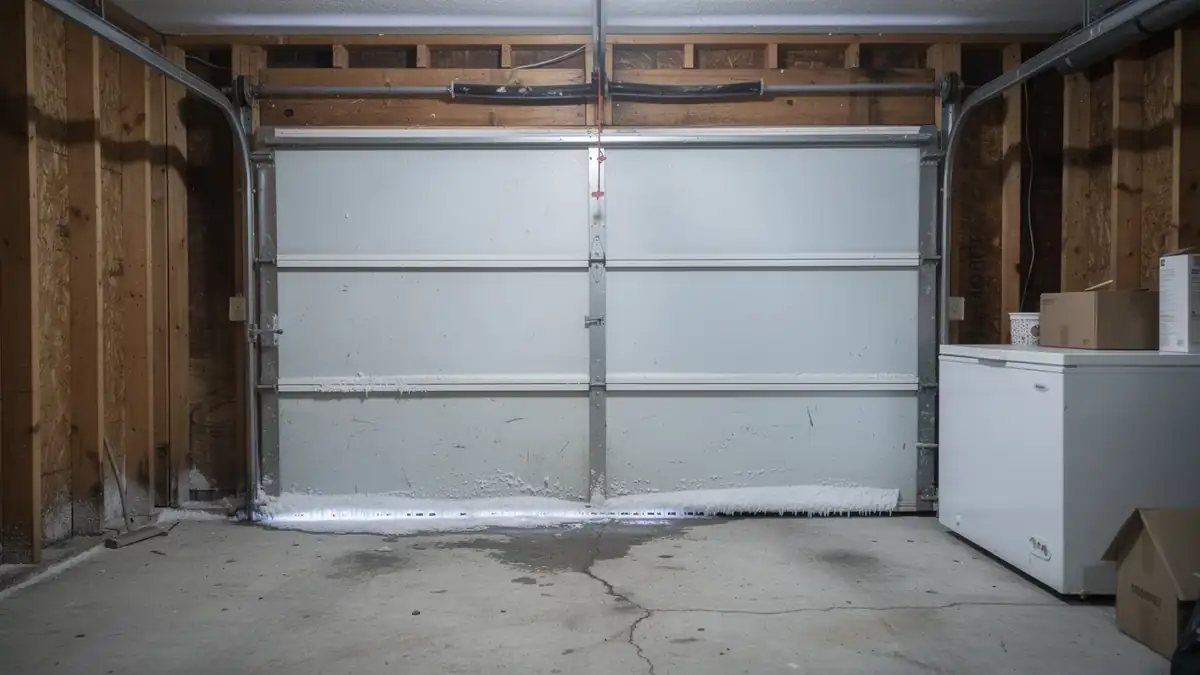
Start with the panel itself. On doors from the older end of Lakeville's 1955-2004 range, look for a hollow sound when you knock on the inside - that usually means no insulation core, just sheet steel. Check the bottom seal where it meets the slab; on a door that predates current insulation expectations, this is often the only thing standing between your garage and outside air, and if it's cracked or flattened, cold air is getting a direct path in.
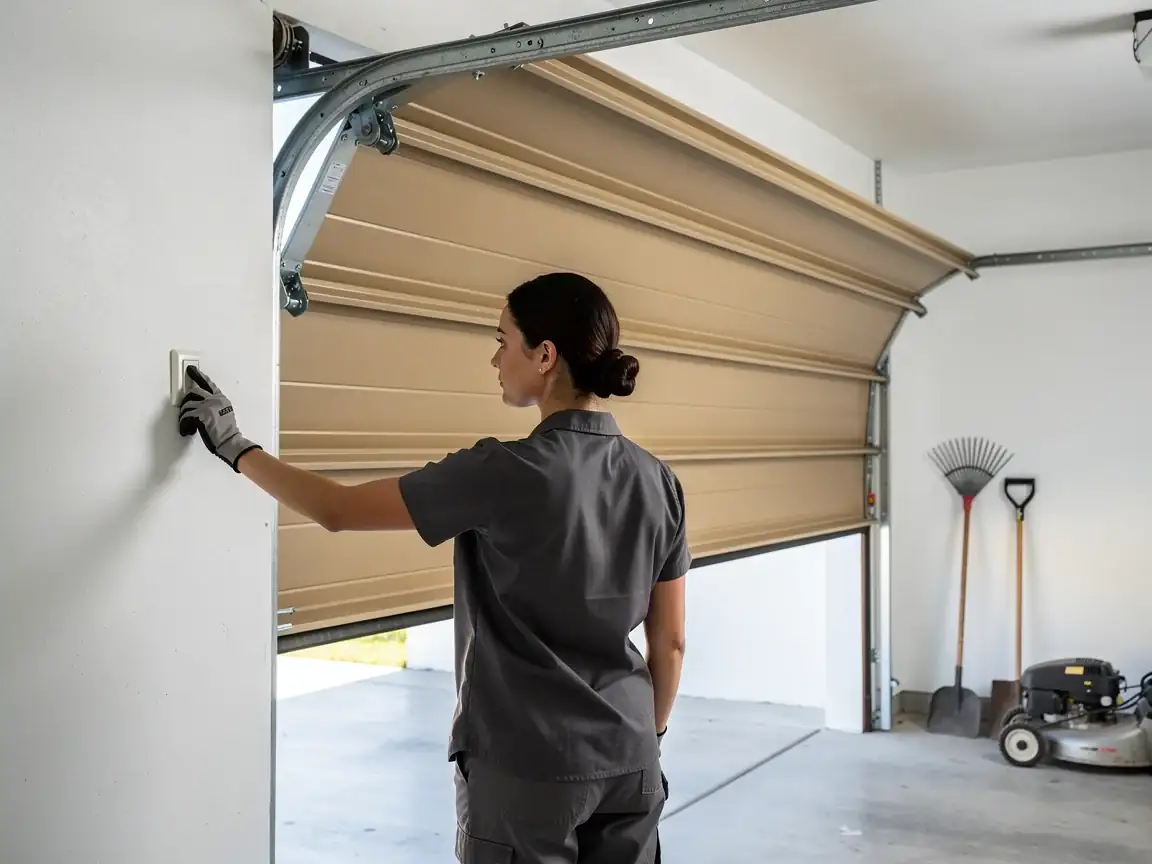
Next, check the gap at the top and sides when the door is closed. Original framing from this era can shift over decades, and a quarter-inch gap that seemed fine in 1986 lets through a lot more cold than it used to, especially paired with a door that has no R-value to speak of. Last, put a hand on the inside of the door panel on a cold day. If it's near the outdoor temperature, the door isn't insulating anything - it's just a steel sheet separating two air masses. That's a straightforward sign the door is original equipment from a time before this was standard, not a sign anything is broken.
How Local Conditions Play In
Lakeville sits in a cold climate band
And that's the whole reason the age of a door's insulation matters here in a way it wouldn't somewhere milder. A non-insulated or poorly insulated panel doesn't just make the garage chilly - it lets cold transfer into anything attached to that wall, including a mudroom or a room above an attached garage, which is a common layout across the 24 or so named areas that make up this kind of housing stock. In a region with real winters, an uninsulated steel door is also more prone to denting and warping as the metal contracts in the cold, which shows up as sticking or binding at the track long before the opener itself has a problem.
This is also why a repair-only approach on a 1980s-era door tends to hit a wall faster here than it would in a warmer climate
The seals work harder, the steel moves more with temperature swings, and a door that's already thin on insulation gets asked to do a job it wasn't built for every winter it's still in service.
The Situation
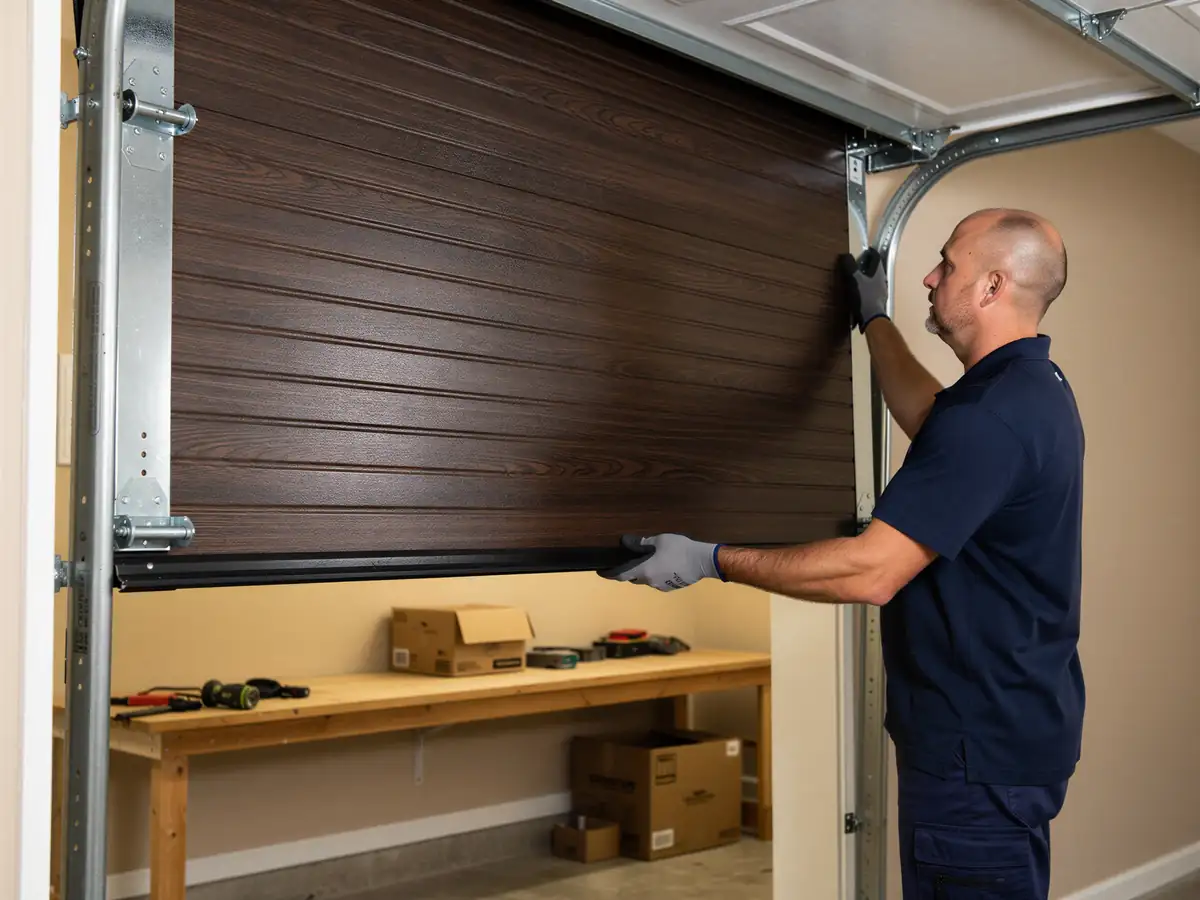
Put plainly: if your door is original to a house built anywhere in that 1955-2004 stretch and it's never had the panel replaced, you're very likely running a door with little to no insulation, in a climate where that costs you something every winter. That doesn't mean every older door needs to go. Plenty of them are structurally fine and just need better weatherstripping and a tighter bottom seal to close most of the gap. But if the panel itself is thin steel with no foam core, no seal adjustment is going to change what the door is. At that point the honest conversation is about replacement, not repair, and we'll tell you straight which situation you're in once we've had a look.