How to Book
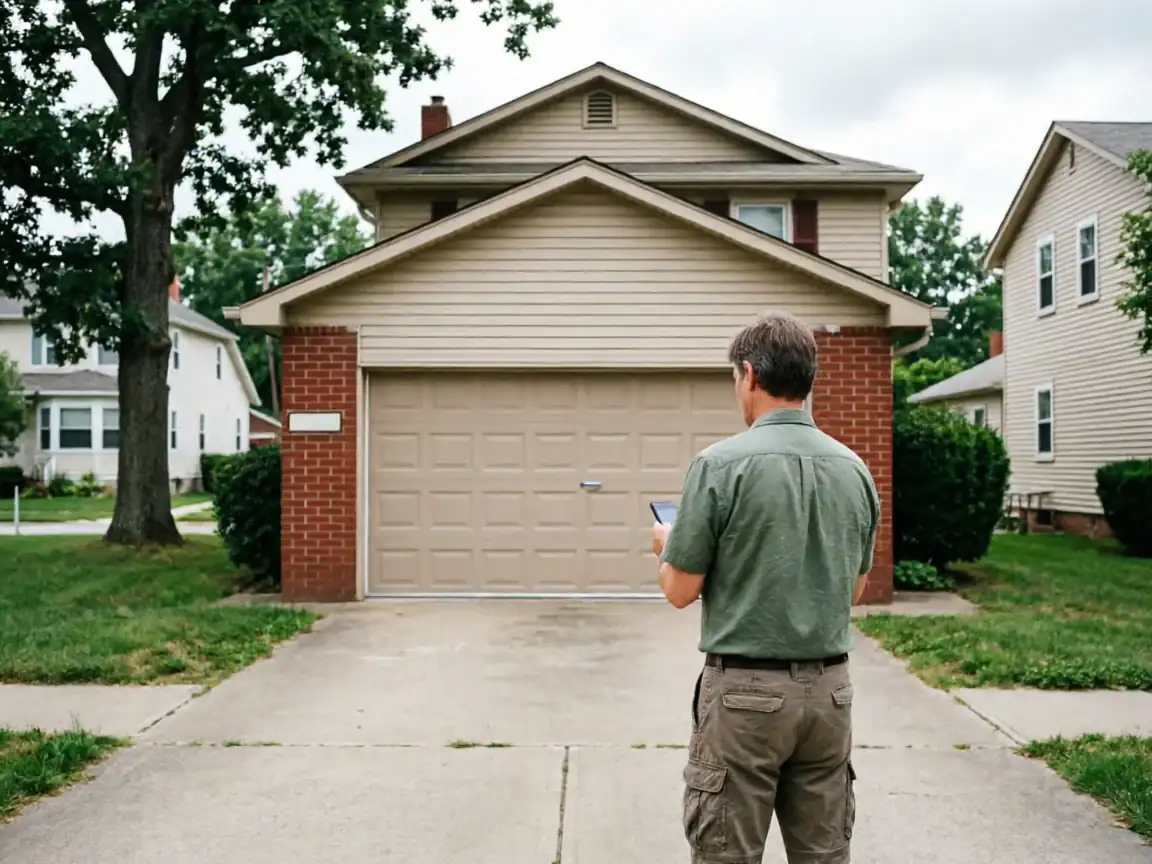
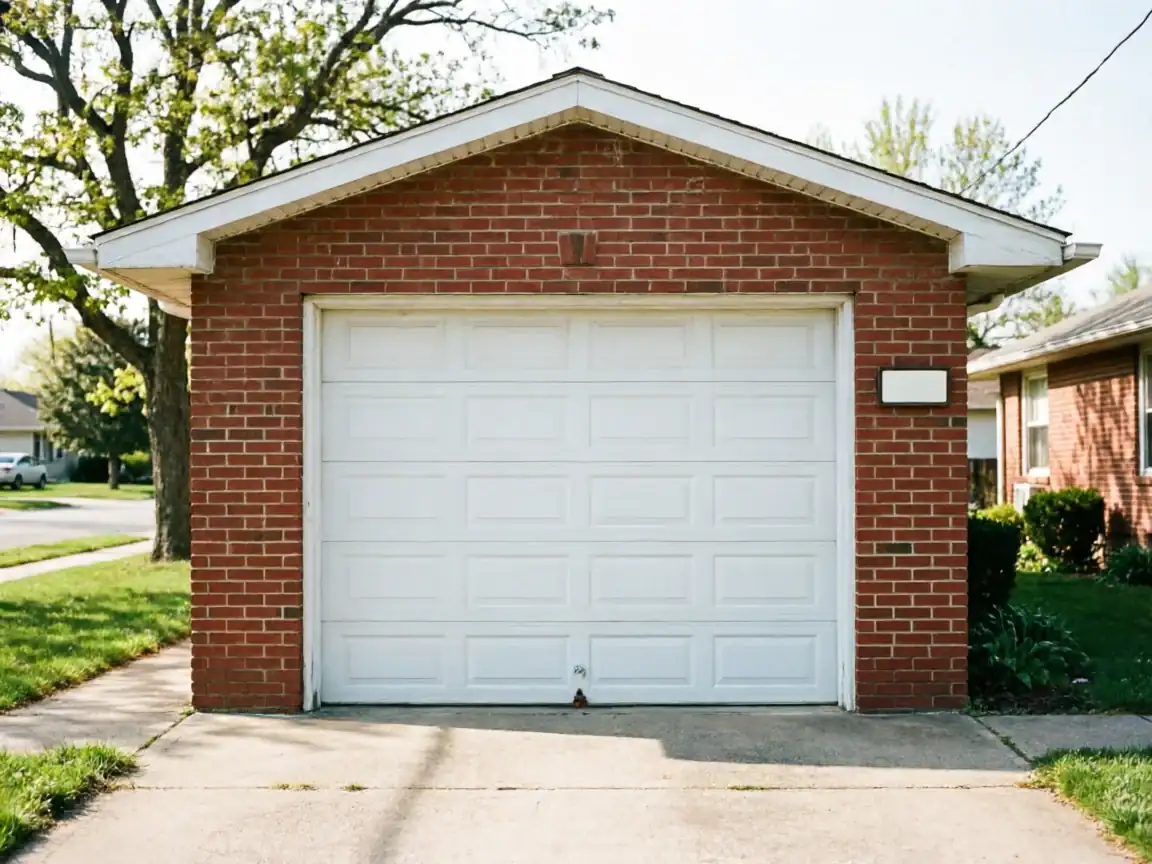
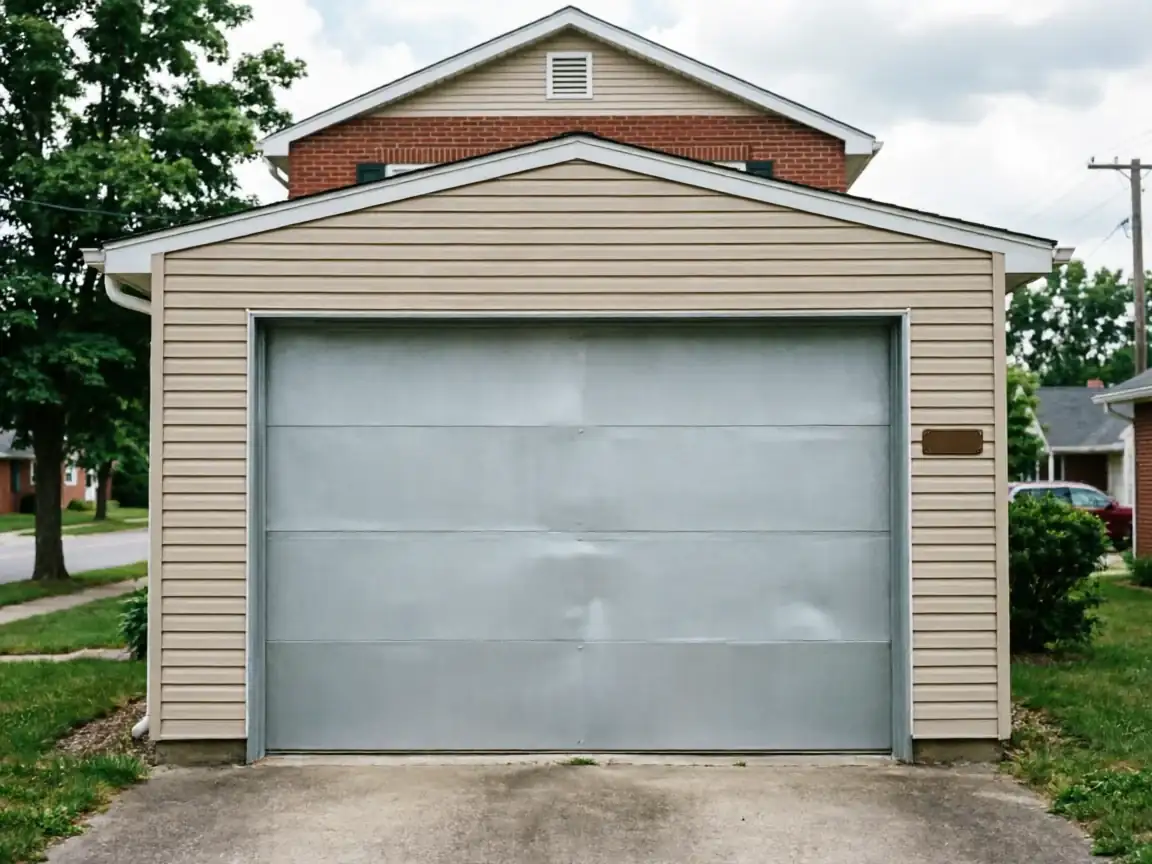
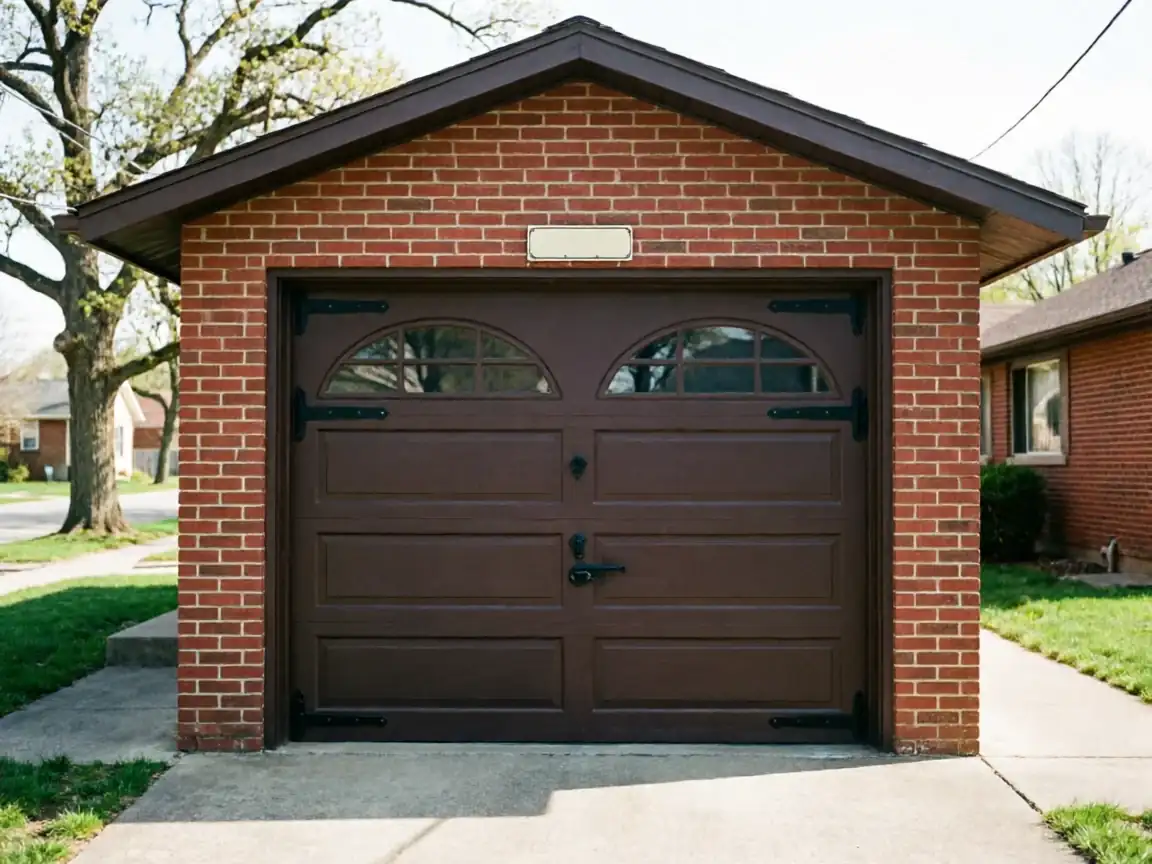
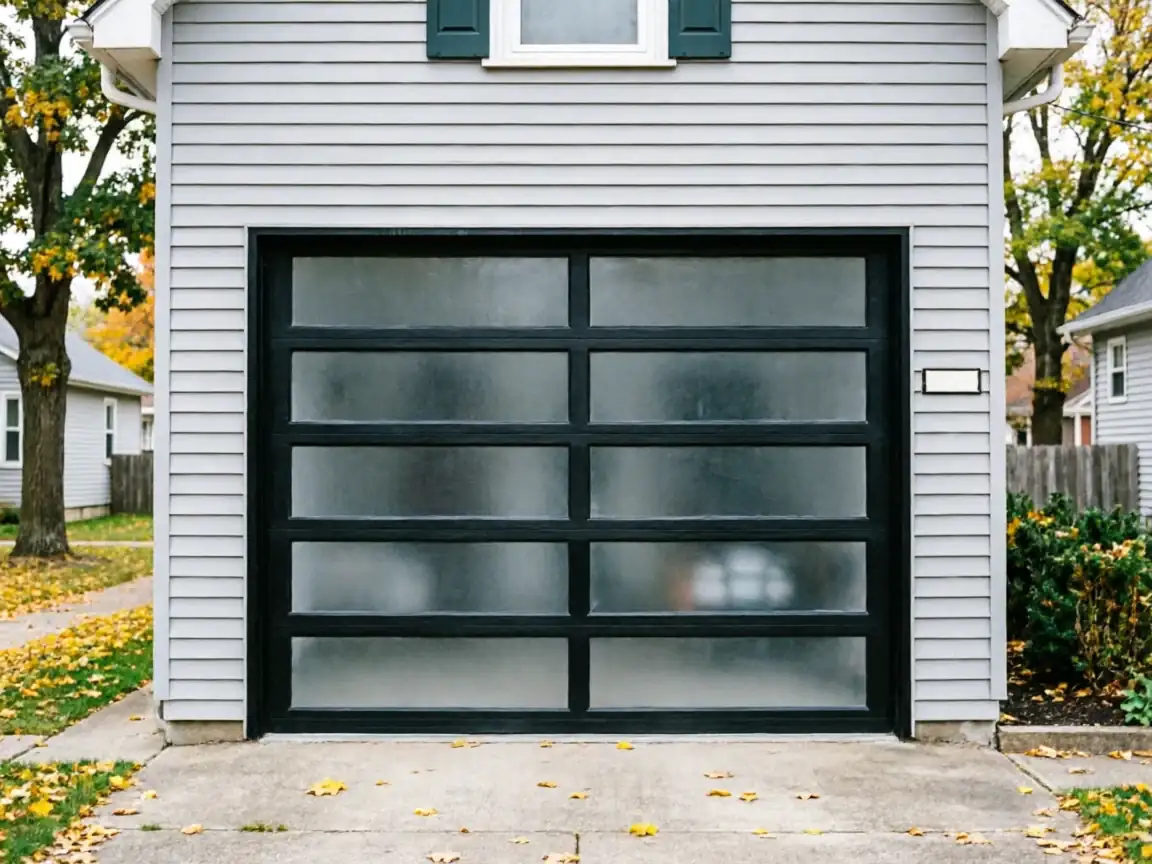
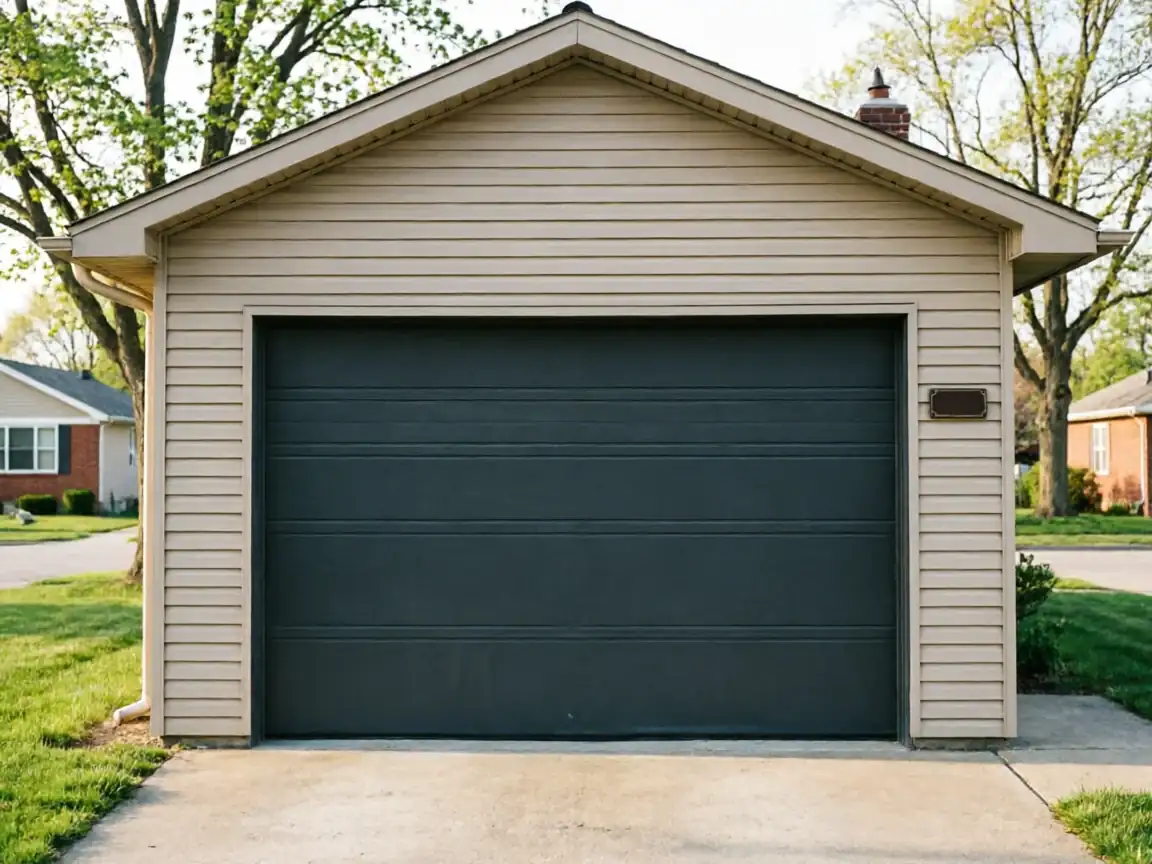
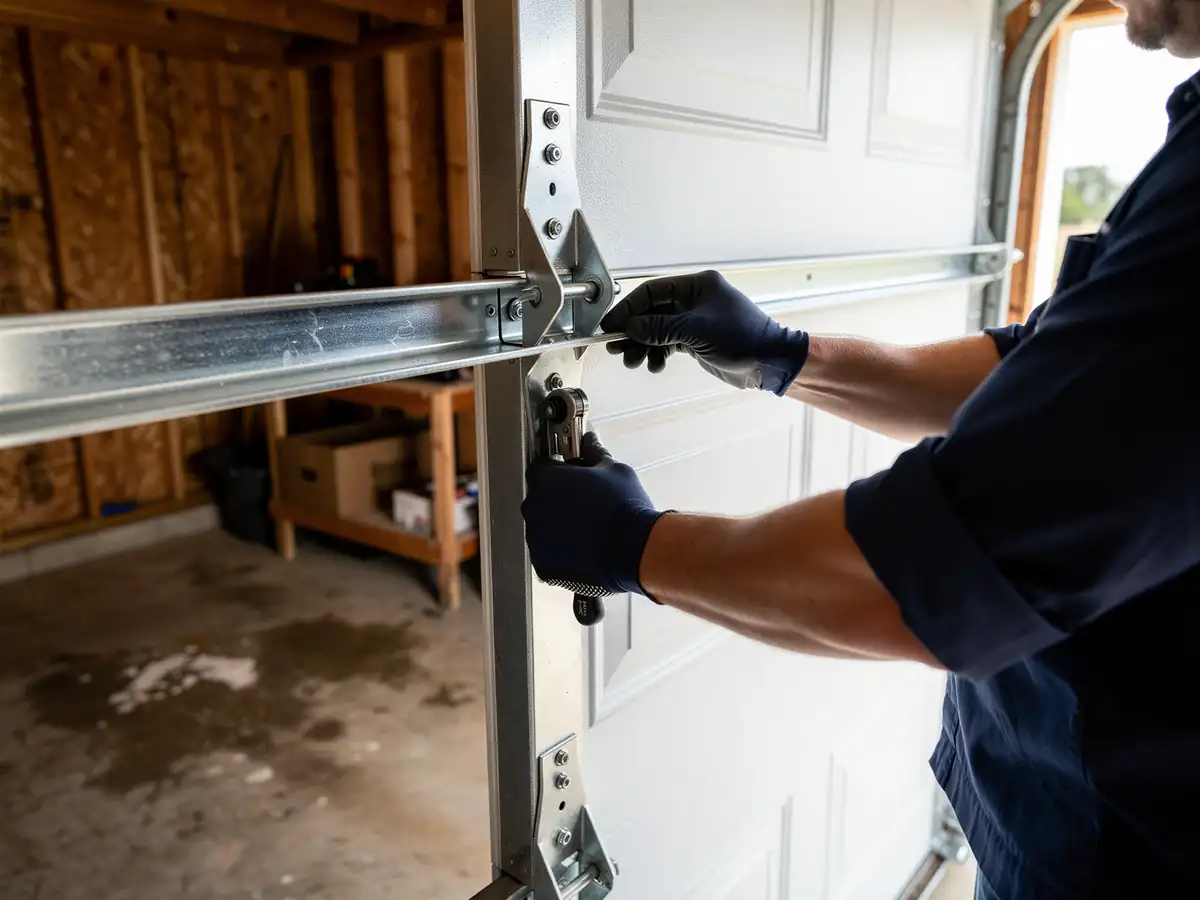
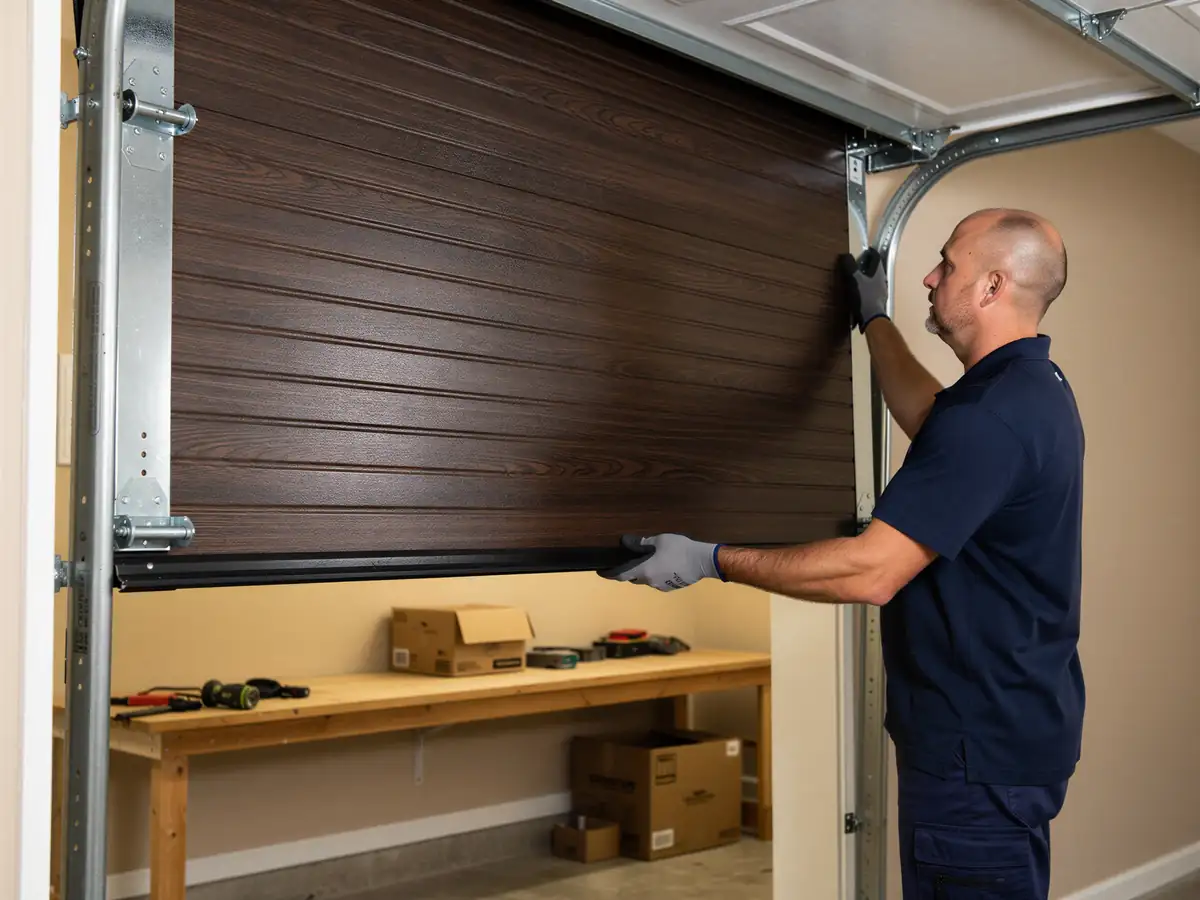
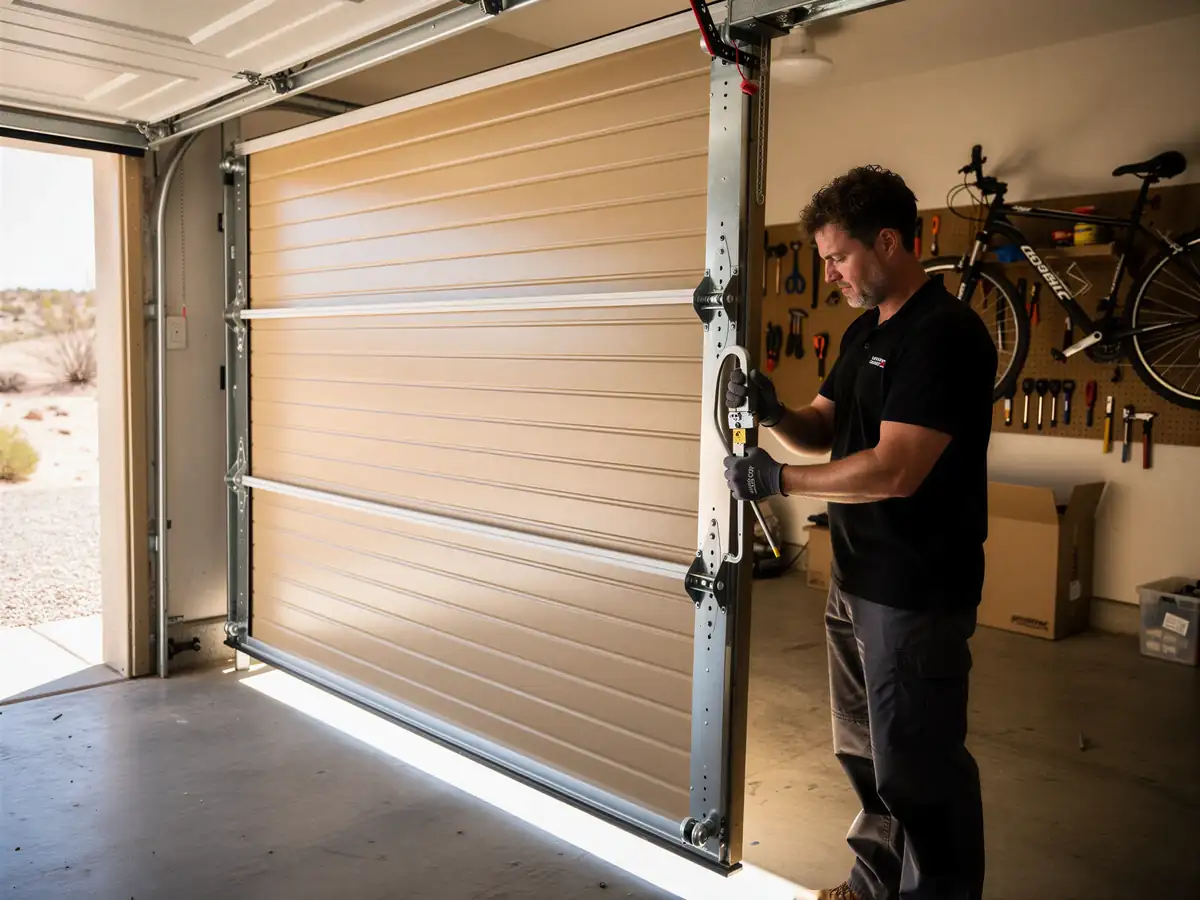
Start with a look at the door you have now. If it's an original builder door from the 1980s or 90s, we check the opening for standard sizing before we quote anything, since a lot of this stock used dimensions that newer insulated doors don't match without trim work. We measure the opening, headroom, and track path in person - photos aren't enough for a job where the wrong spring size means the door comes back off the truck. From there we walk you through door styles that fit the house, not just the opening, and we schedule the install around your week rather than ours. Most installs are a single day. If the opening needs framing work or the old track was never square to begin with, we tell you before we start, not after we've pulled the old door down. You can reach us through the site to get a measurement visit on the calendar.
One thing we won't do: quote a door sight unseen off a phone call. Too many of these openings have settled or shifted over three or four decades, and a quote that ignores that isn't a real quote.
The Cost of This Job
We're not going to put a number here that doesn't match your door, because it won't. What actually moves the price is size - a 16-foot double costs more hardware and labor than an 8-foot single - plus insulation level, track type, and whether your opener is staying or getting replaced alongside the door. Houses built in the Lakeville area's main era, the 1980s and 90s, often have openings sized for doors that are no longer made the same way, which can mean added trim or jamb work that a newer-construction install wouldn't need. That's a real cost driver, not an upsell.
The honest limitation here: if your framing is out of square by more than a small amount, or the slab has settled under the track, that's extra time and extra material, and we'd rather tell you that on the measurement visit than surprise you on install day. We'll give you a firm number once we've seen the opening, not before.
What Causes It Around Here
The reason installation jobs cluster the way they do in Lakeville comes down to when the houses went up
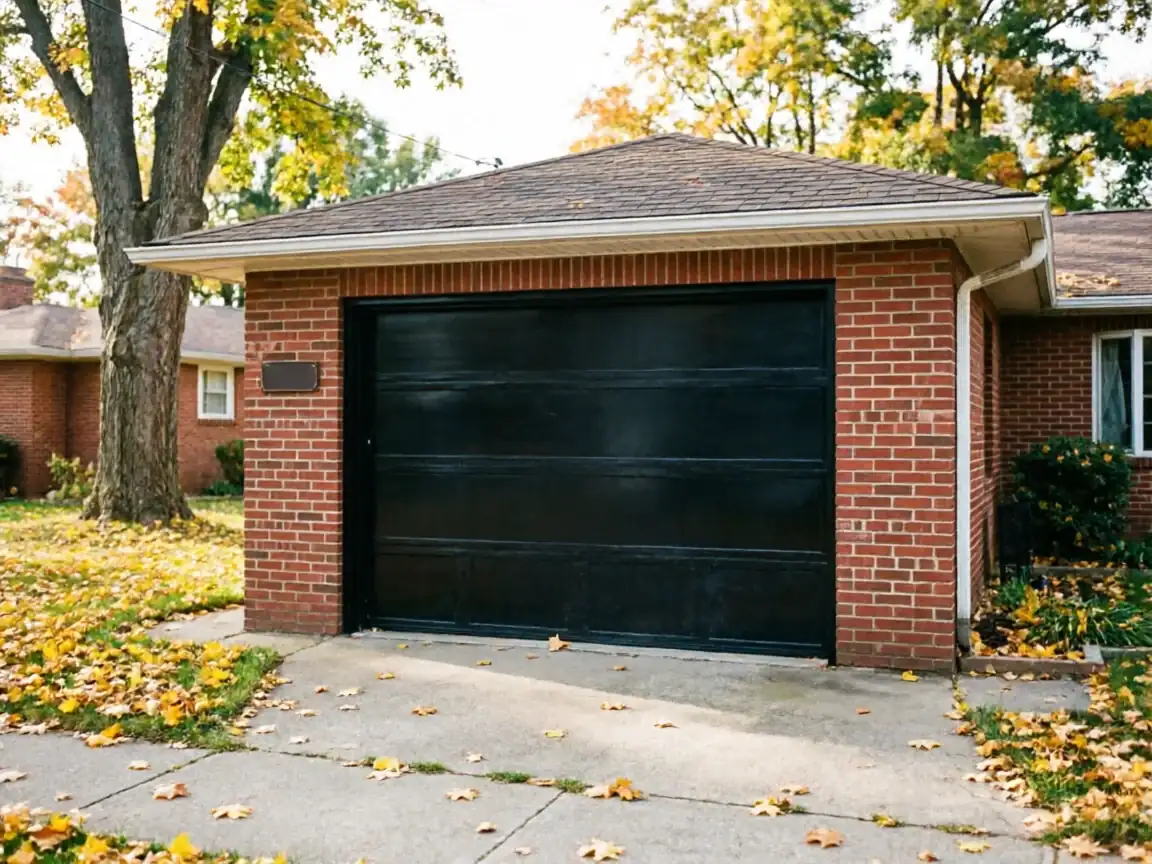
Across the area, housing runs from 1955 to 2004 with a median around 1984, and most of what you'll find across the two dozen communities we draw from is specifically 1980s and 90s construction. That generation of door is now old enough that the steel has fatigued, the panels have denting and rust at the bottom section, and the original springs are well past the cycle count they were rated for.
The cold-moderate climate here adds to it
A door built in that era typically used a thin single-layer skin or minimal insulation, and decades of winter temperature swings work the seams and the foam seal until they crack and stop sealing at all. That's a different failure path than a door that just breaks - it's a door that still opens and closes but no longer does the job of keeping weather and cold air out of the garage, which is usually the point where replacement makes more sense than another repair.
How It Shows Up
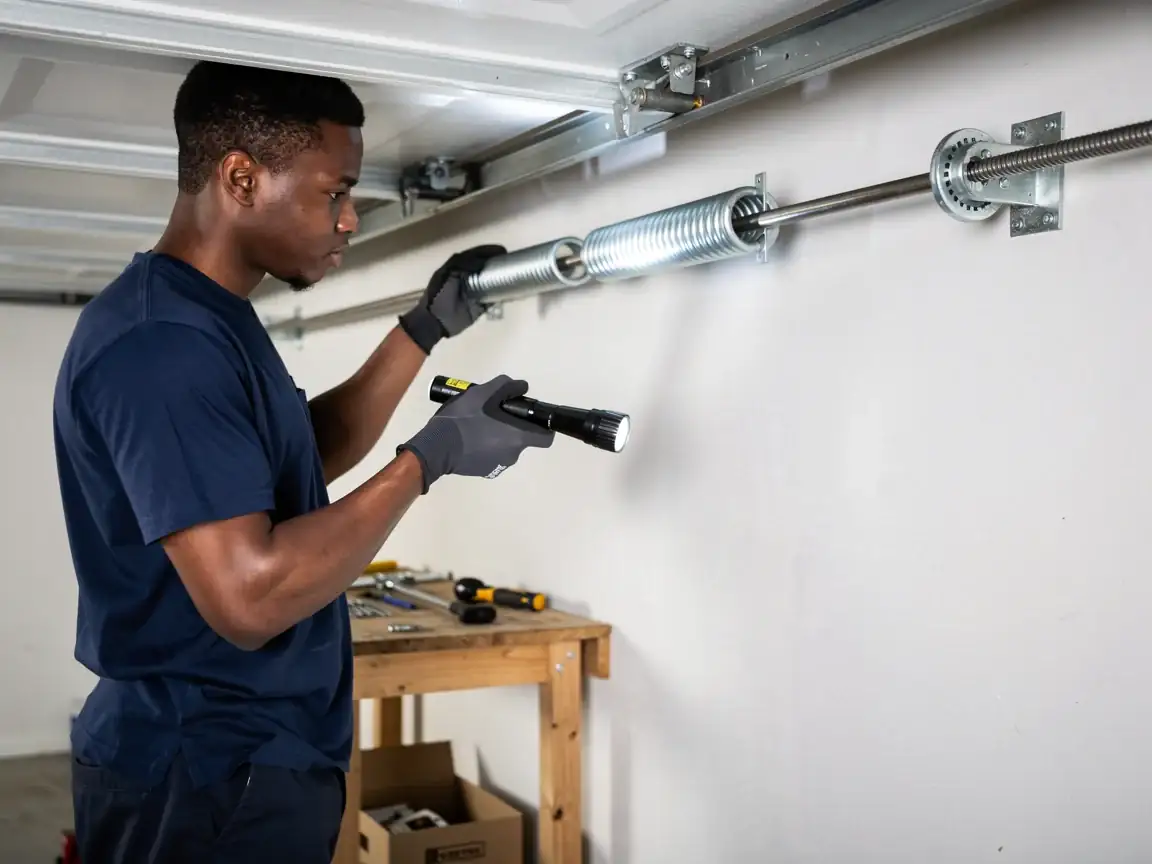
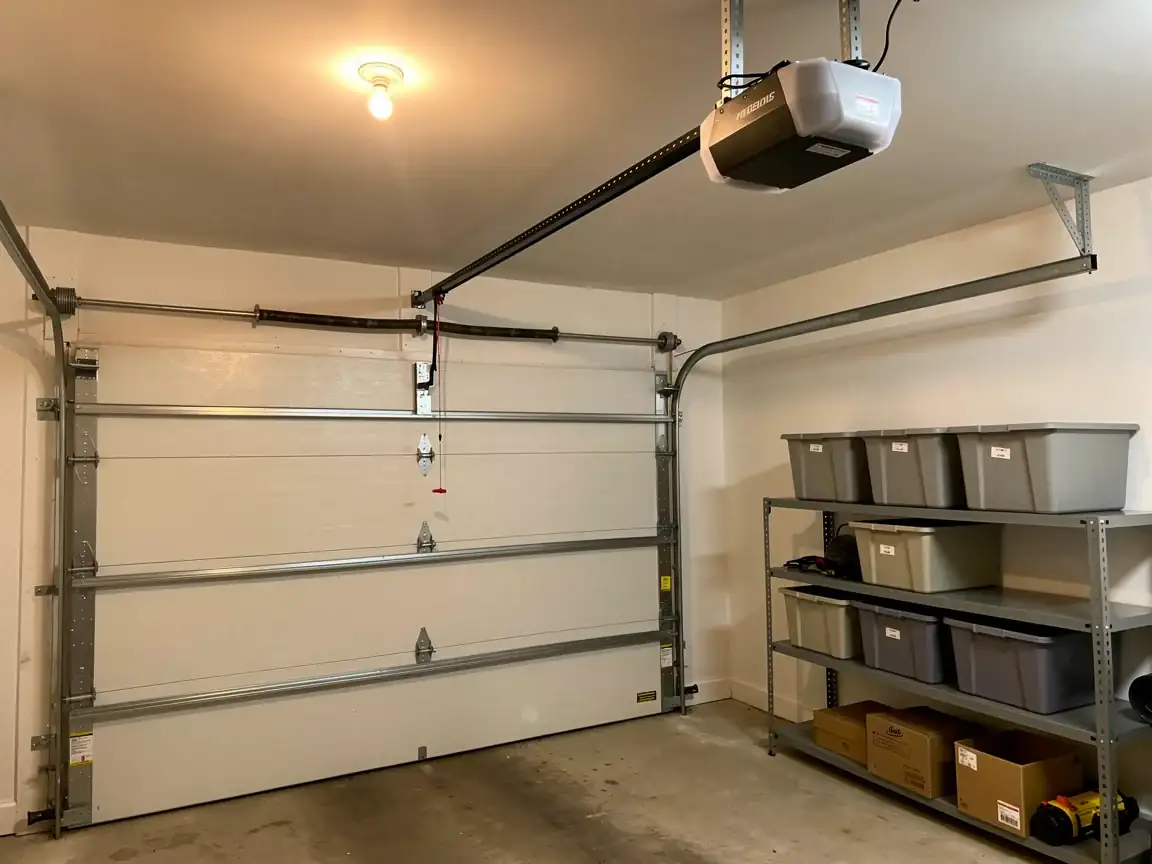
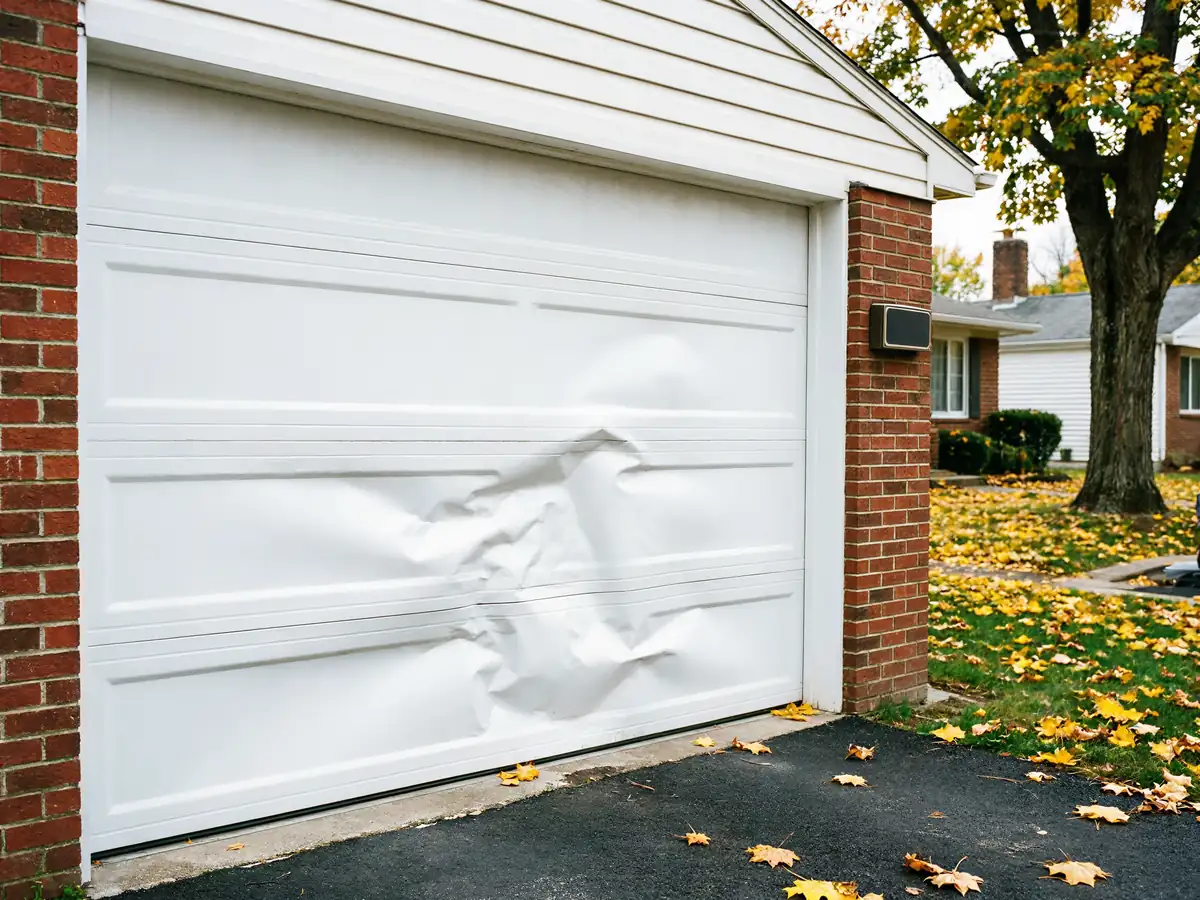
Most installation calls start as something smaller. A panel that's visibly bowed, a bottom section rusted through where snowmelt sits against it, or a door that's noticeably harder to lift than it used to be because the spring has lost tension gradually rather than snapping outright. On the older builder-grade doors common across this area, you'll also see daylight at the seams once the weatherstripping has shrunk and hardened - that's a sign the door's insulation value is gone even if the mechanism still works.
Sometimes it's simpler than that: the door still runs fine, but it doesn't match the house anymore, or the household income and home values in this area have moved past what the original door reflects. Either way, by the time a door needs full replacement instead of a parts swap, it's usually because multiple small failures - spring, seal, and panel - showed up around the same few years, which tracks with how much of the stock here was built in the same decade and is aging out together.