What Was Built Here
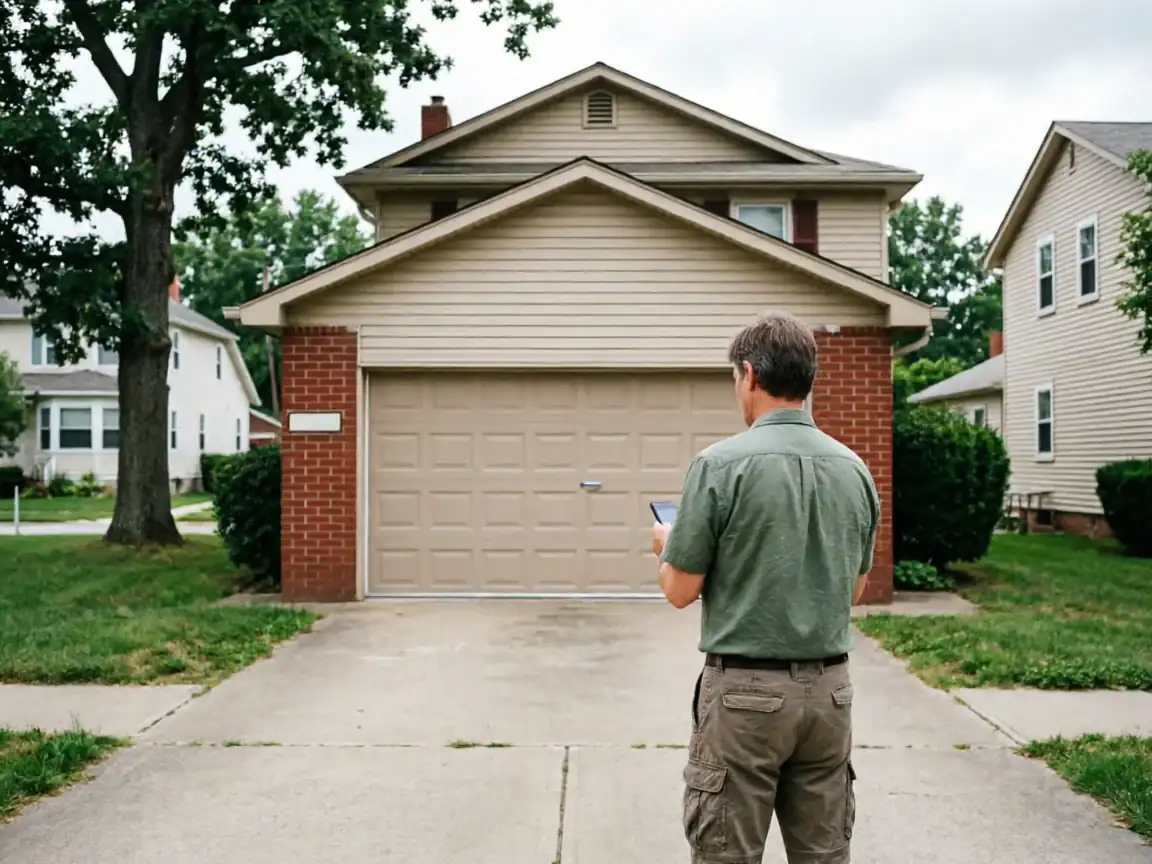
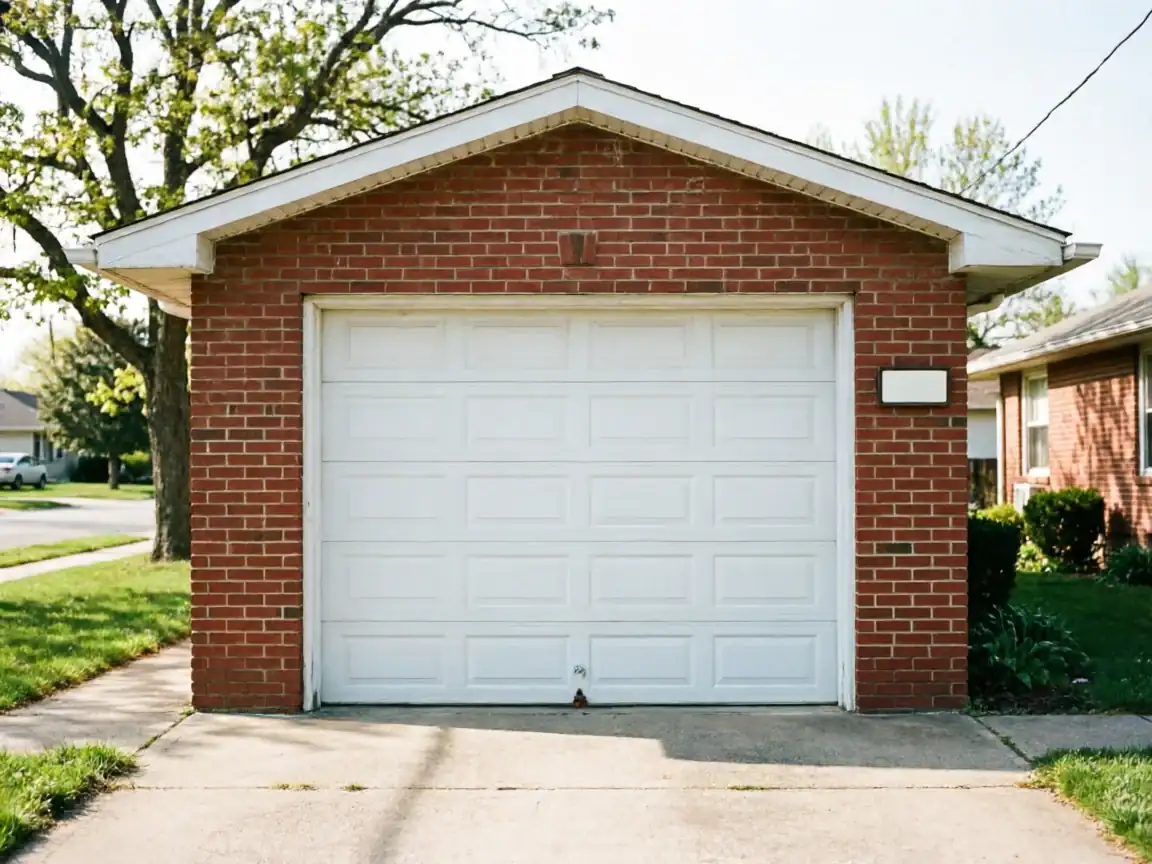
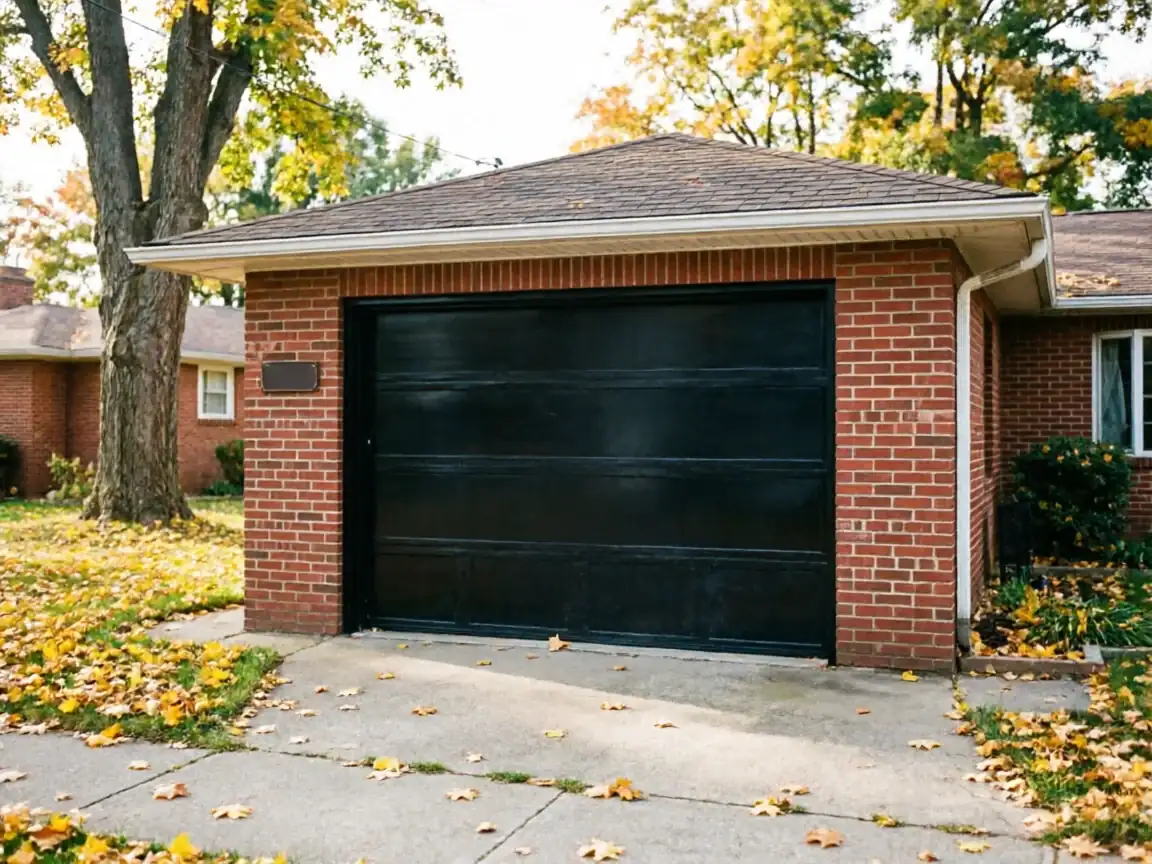
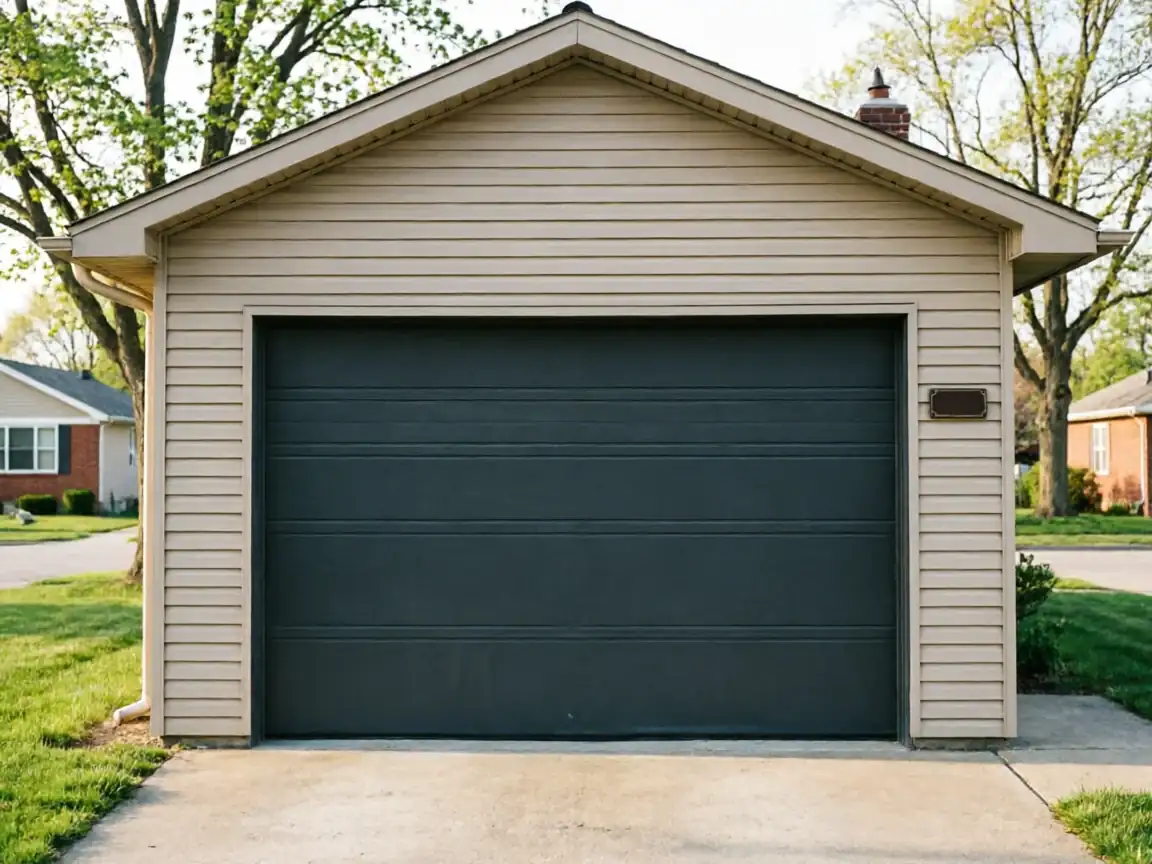
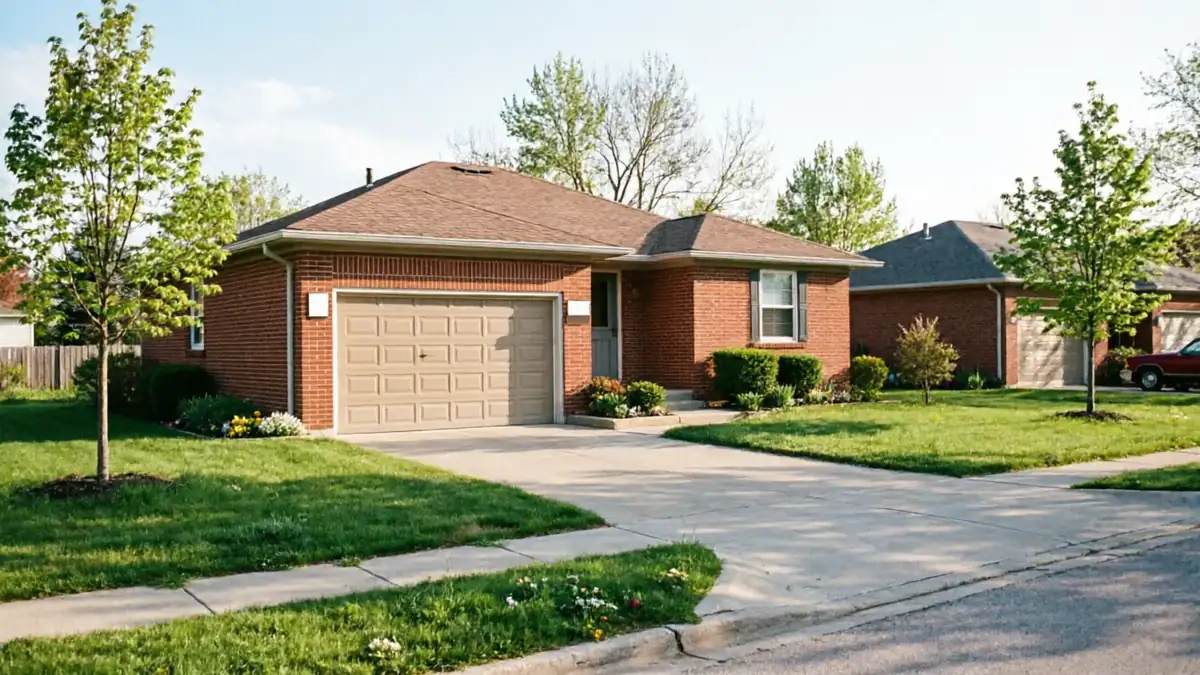
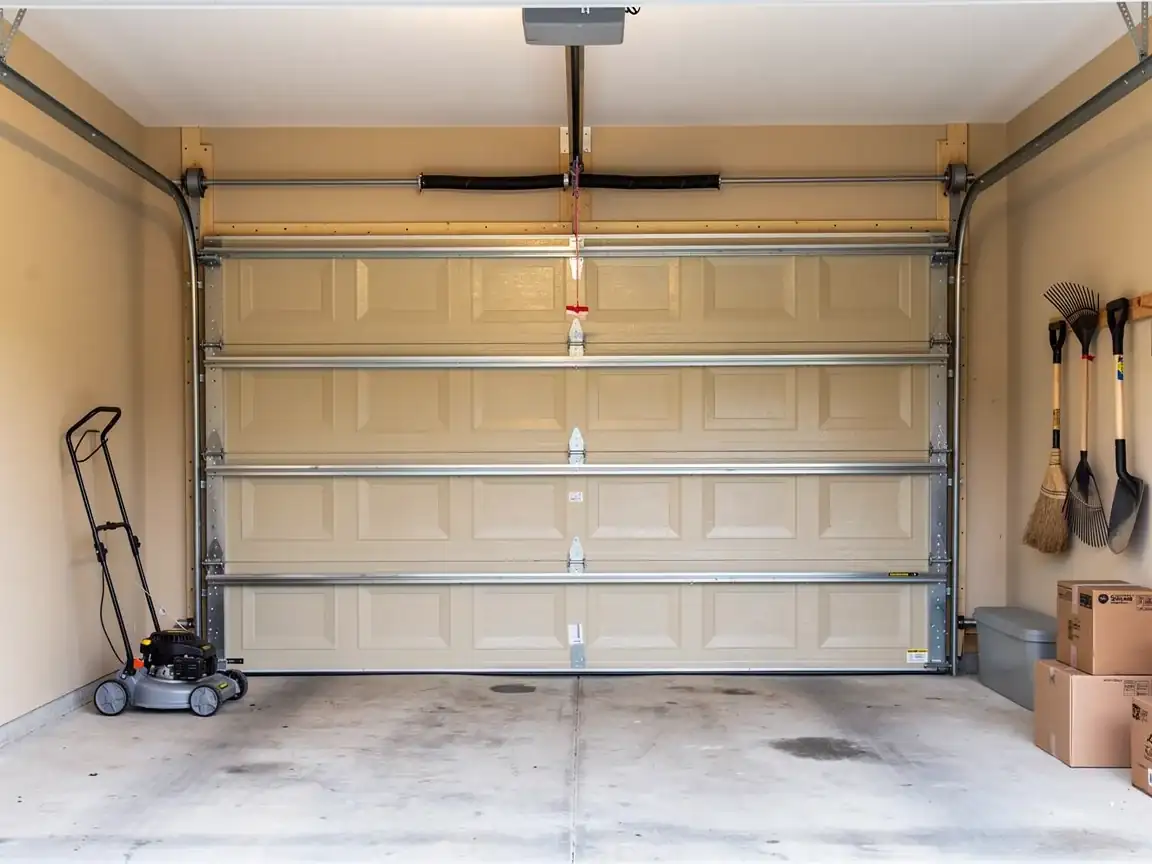
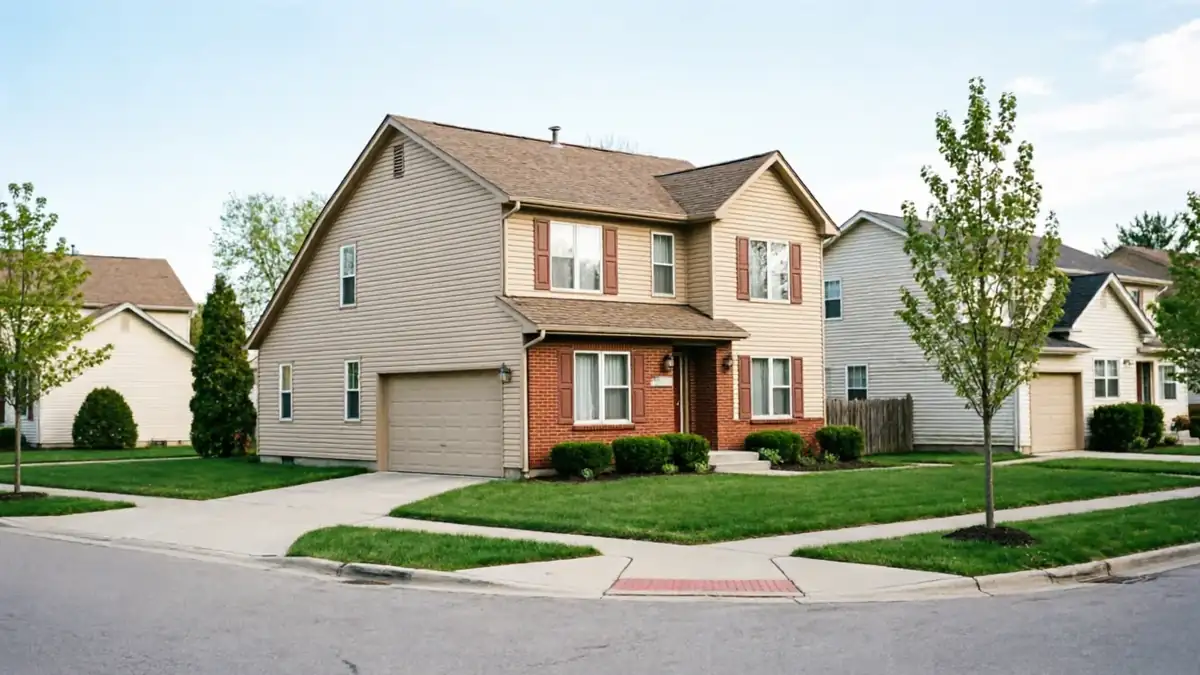
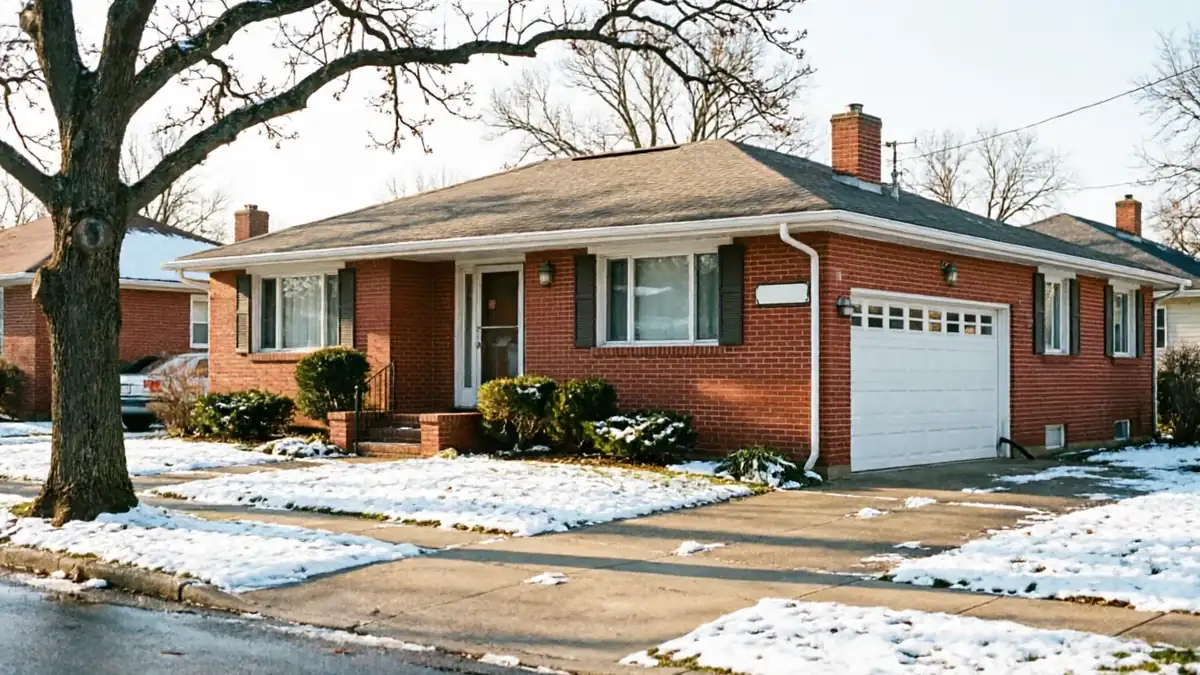
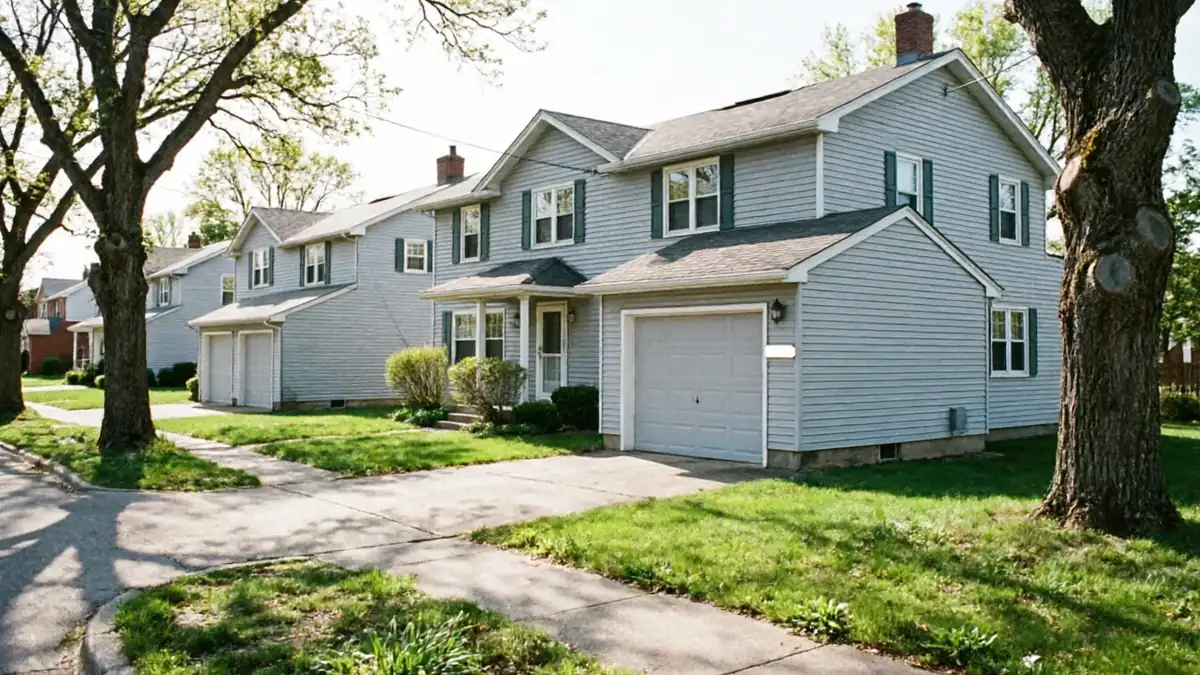
Elko New Market's housing stock skews newer than most of the towns around it. The median build year here lands around 2004, which puts a large share of these houses well inside the era of steel sectional doors on standard torsion springs and belt or chain-drive openers with safety sensors already built in. That's a different starting point than a lot of the service area, where homes often date back to the 1980s or earlier and carry older hardware nobody stocks on the truck as a default anymore. With roughly 1,578 households in town, this isn't a high-volume stop for us, but the doors we see are more consistent in type and age than what we run into elsewhere.
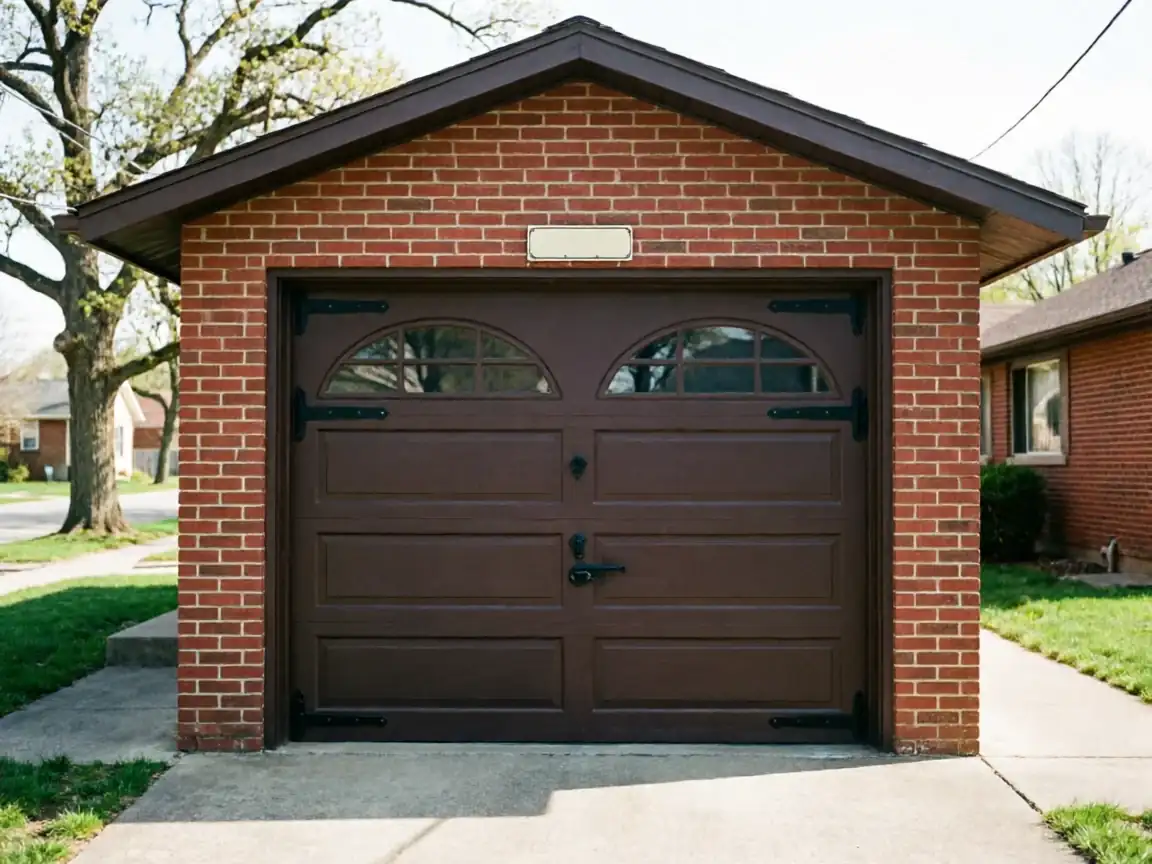
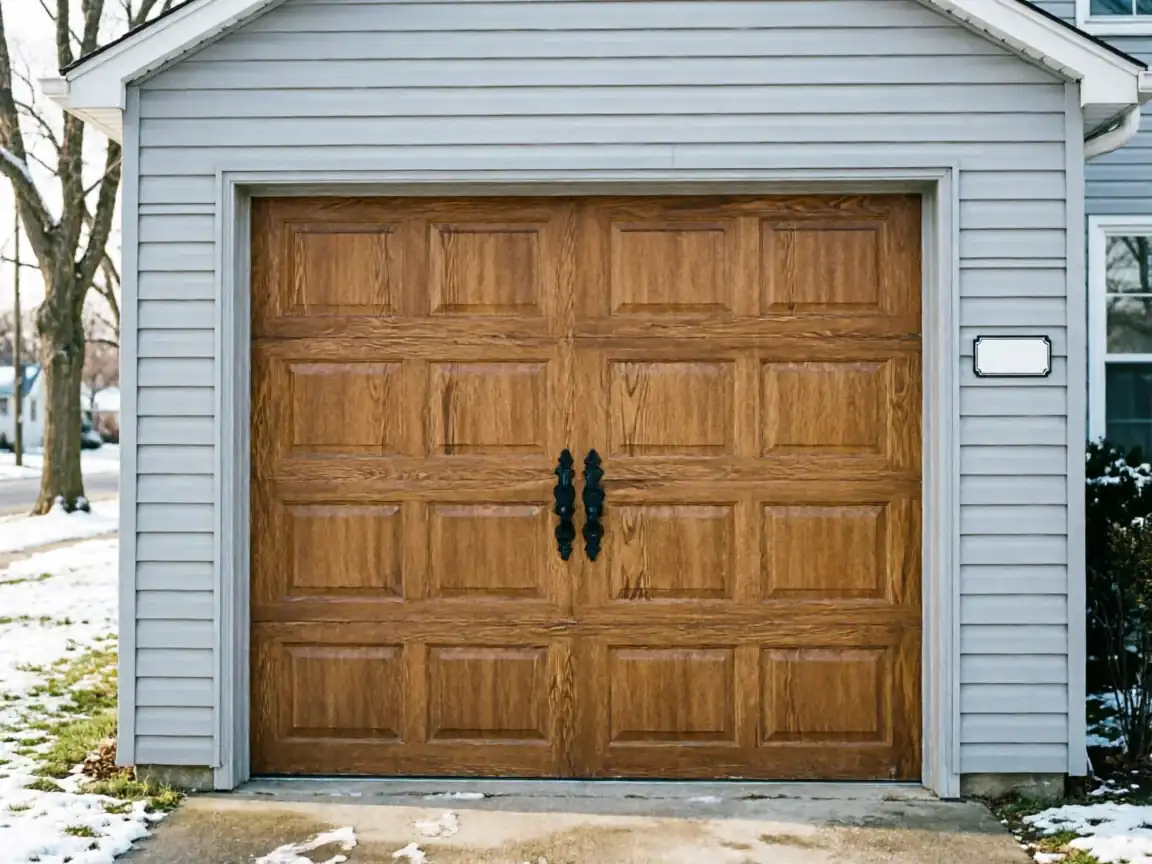
Because so much of the build-out happened in one stretch, you see a lot of the same garage door models and opener brands repeated street to street. That's useful - when a torsion spring fails on one 2000s-era double door, the replacement spring size is usually close to what failed on the next one over. It also means fewer surprises with obsolete track widths or long-discontinued panel styles.
The Usual Work Here
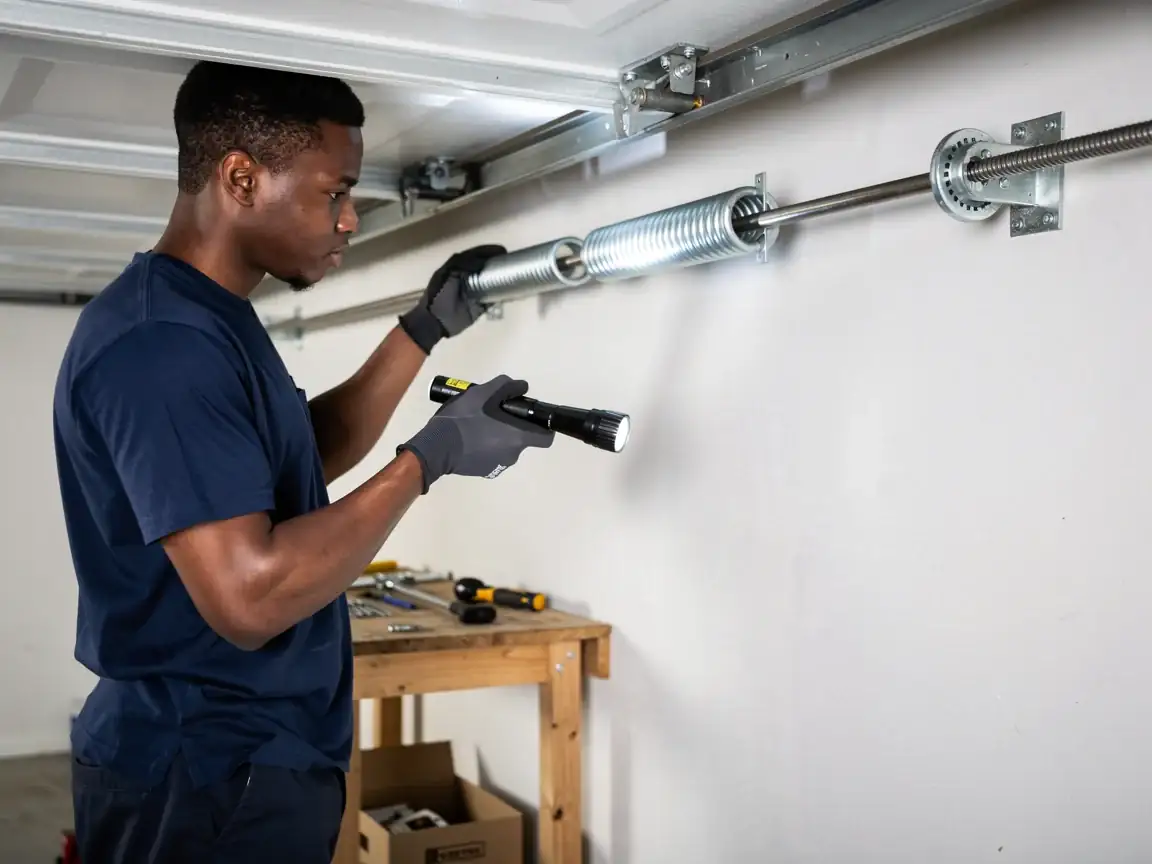
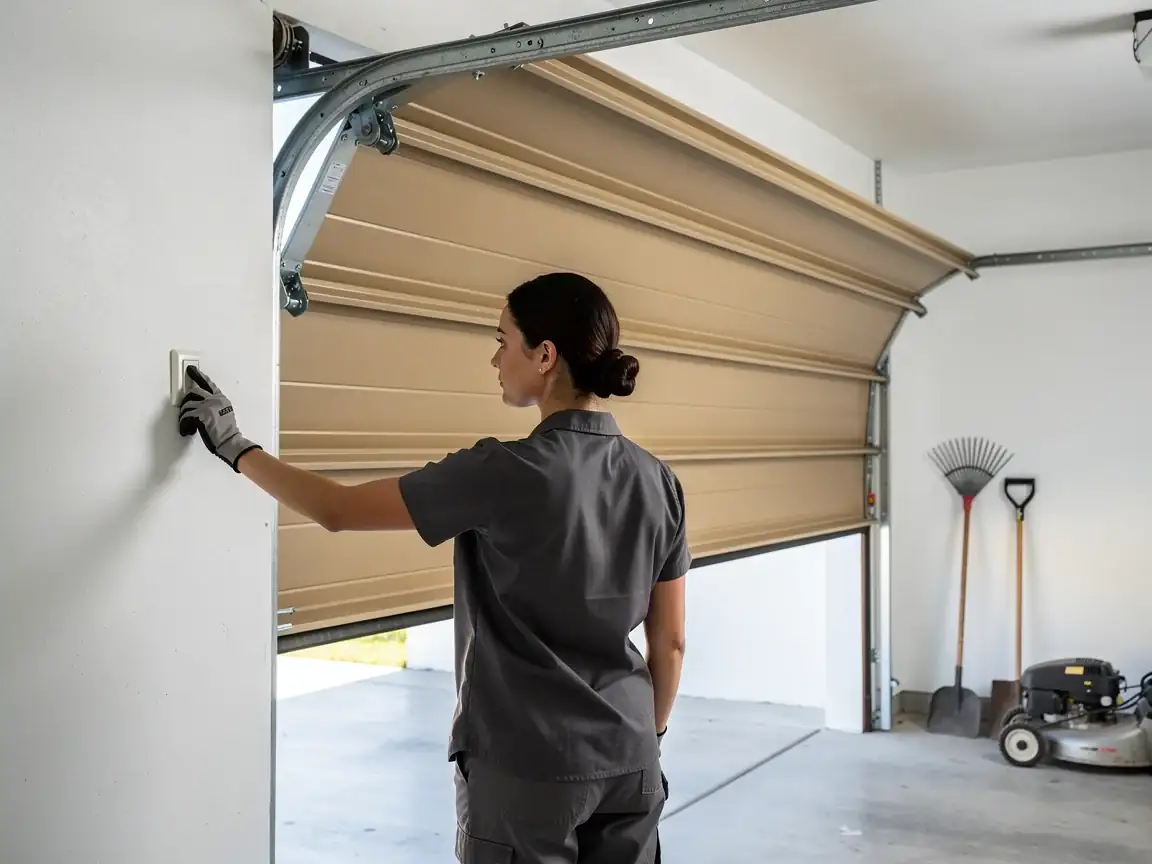
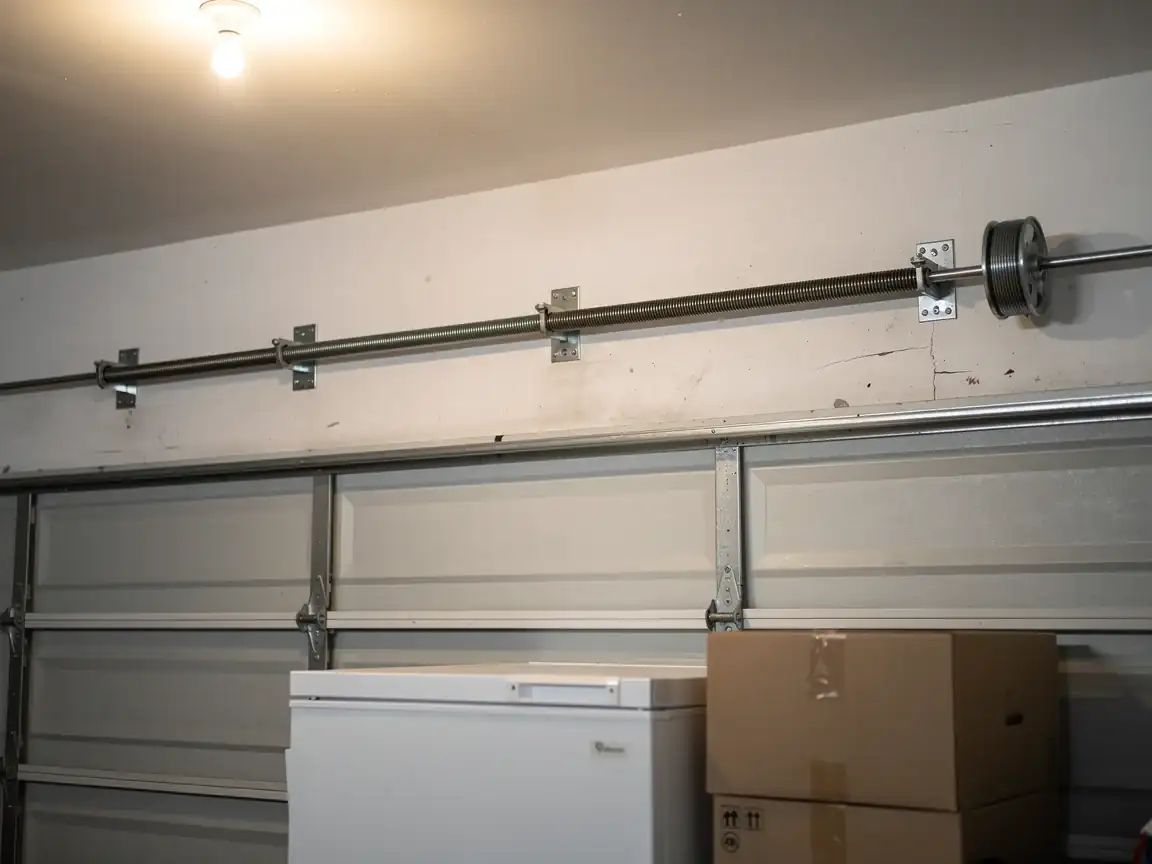
The calls we get from this area tend to follow the age of the house. Openers installed when these homes were built are now old enough that logic boards, capacitors, and drive gears start to go - that's wear, not a defect, and it shows up on a predictable schedule once a garage door opener crosses the fifteen-to-twenty-year mark. Torsion springs on doors from the early-to-mid 2000s are also starting to reach the end of their cycle count, especially on double-car doors that get opened multiple times a day.
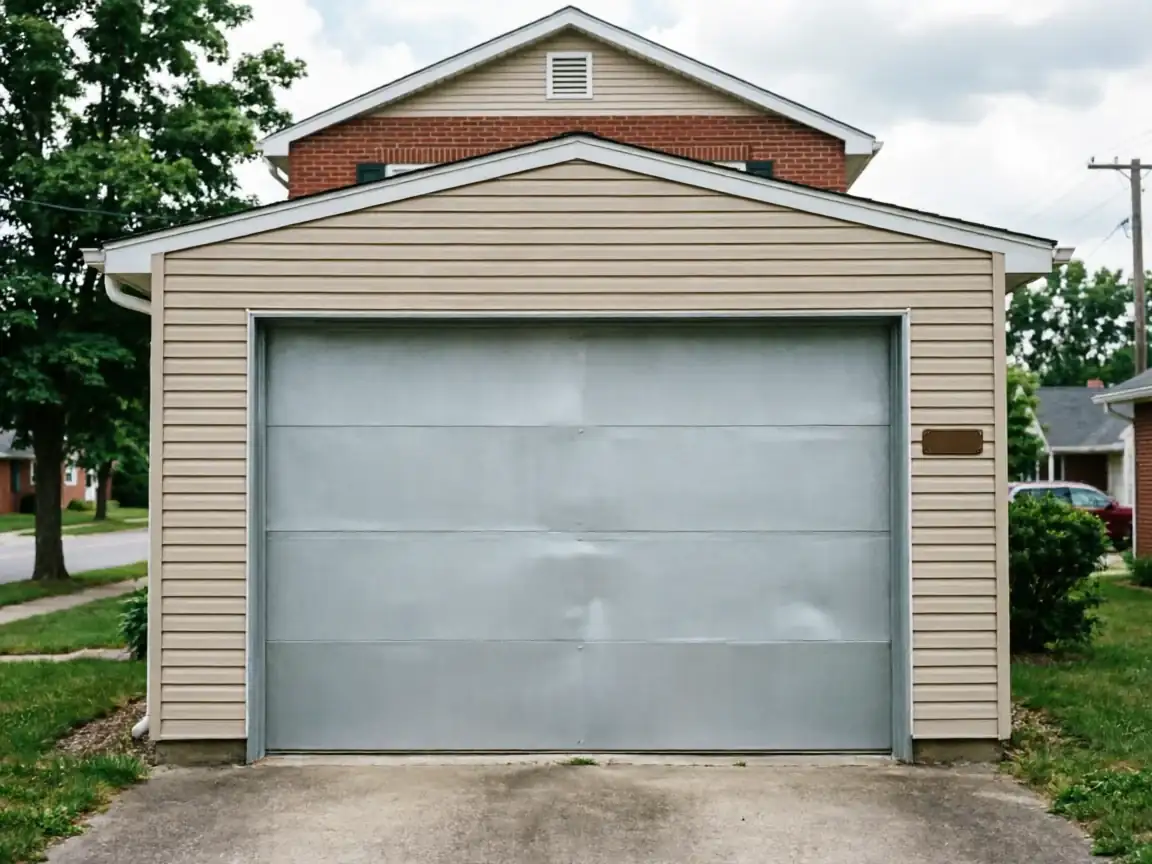
We also see rollers and cables that were never upgraded from the original nylon or galvanized stock - fine for years, but the kind of part that snaps without warning once it's past its service life. Median household income in this area runs higher than the broader service territory, and we notice that shows up as more owners choosing full opener replacement with a quieter belt-drive unit rather than patching an aging chain-drive. We don't push that upgrade if the old unit is still running clean; it's a judgment call based on noise and age, not a hard rule.
What That Means for Doors
A door built around 2004 is old enough now that its original torsion spring is near or past typical fatigue life
But new enough that finding the matching spring size, track, and opener-mount hardware is usually straightforward - we're not hunting down a discontinued part for a 1970s door. That combination is actually the sweet spot for a same-visit repair instead of a full replacement.
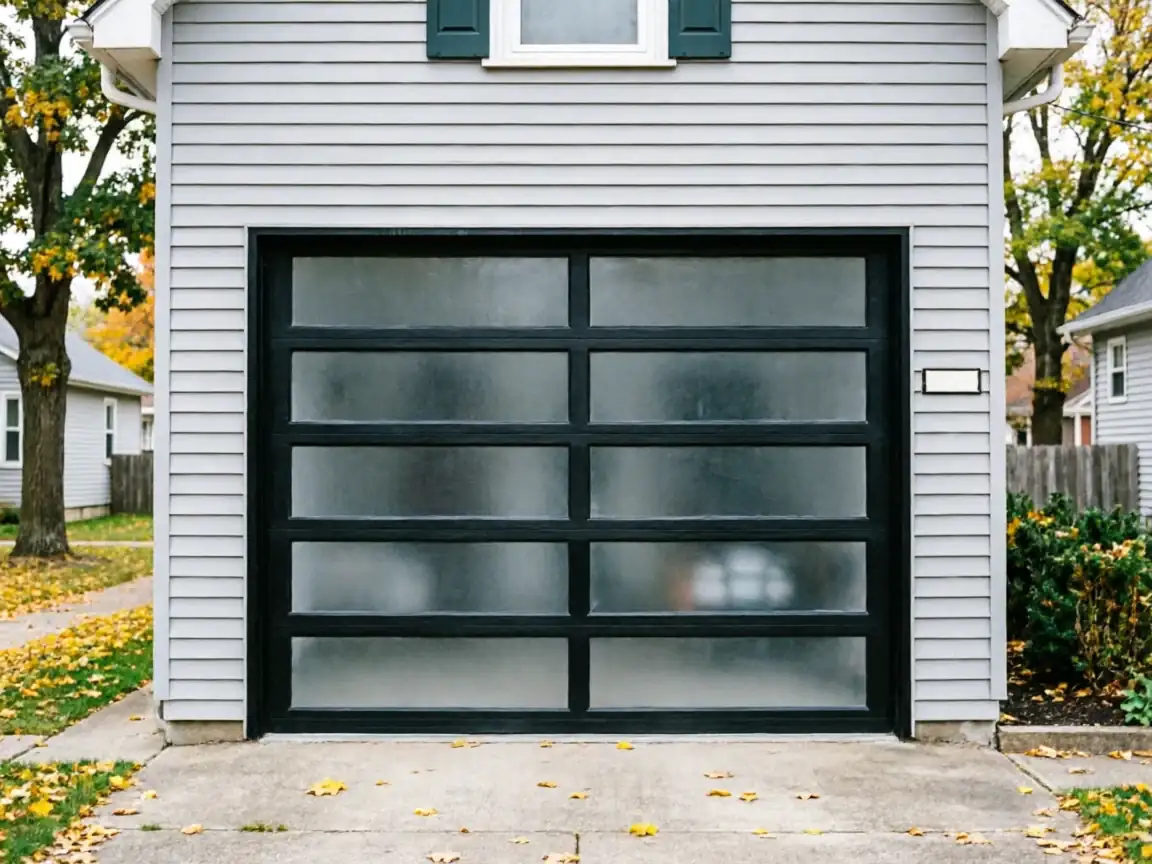
Winters here fall in the cold-moderate band for this region
Which matters for garage doors more than people expect. Steel panels contract in the cold and insulation seals that were fine in summer start letting more air through once temperatures drop, and openers with aging capacitors are more likely to struggle starting a cold door than a warm one. If your opener has been sluggish on winter mornings, that's often the capacitor, not the motor - worth checking before anyone talks about a new unit.
How We Get to You
Lakeville Garage Door Pros runs out of Lakeville, about 9 miles from Elko New Market. We don't keep a depot or standing crew in town - every job here starts with a truck making that short run down from Lakeville with the spring sizes, cable, and opener parts that fit the 2000s-era doors common on this side of town.
One honest limitation: because we're not based in Elko New Market itself, we can't promise an on-the-spot same-hour arrival the way a shop physically in town might. What we can do is stock the truck for what this area actually needs - the newer torsion spring sizes and belt-drive opener parts that match houses built around the early 2000s - so the trip counts for something once we're there.