How to Book
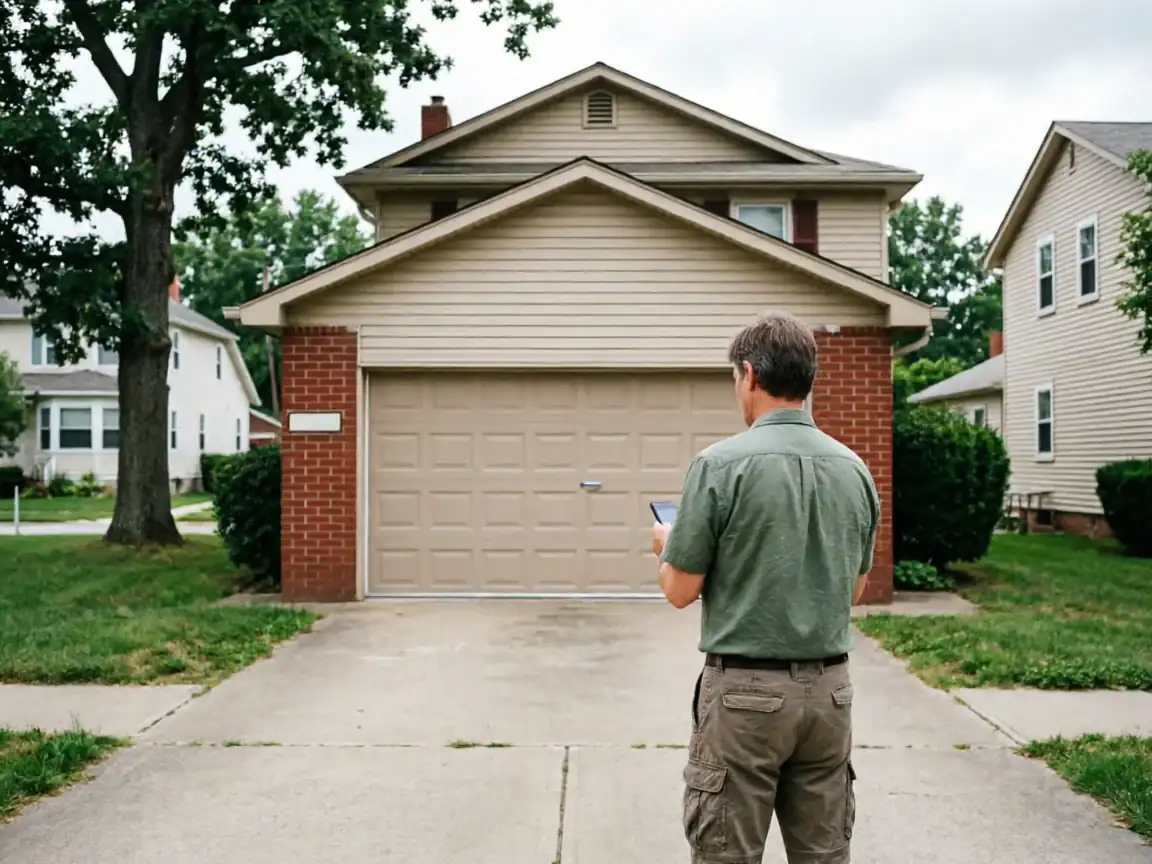
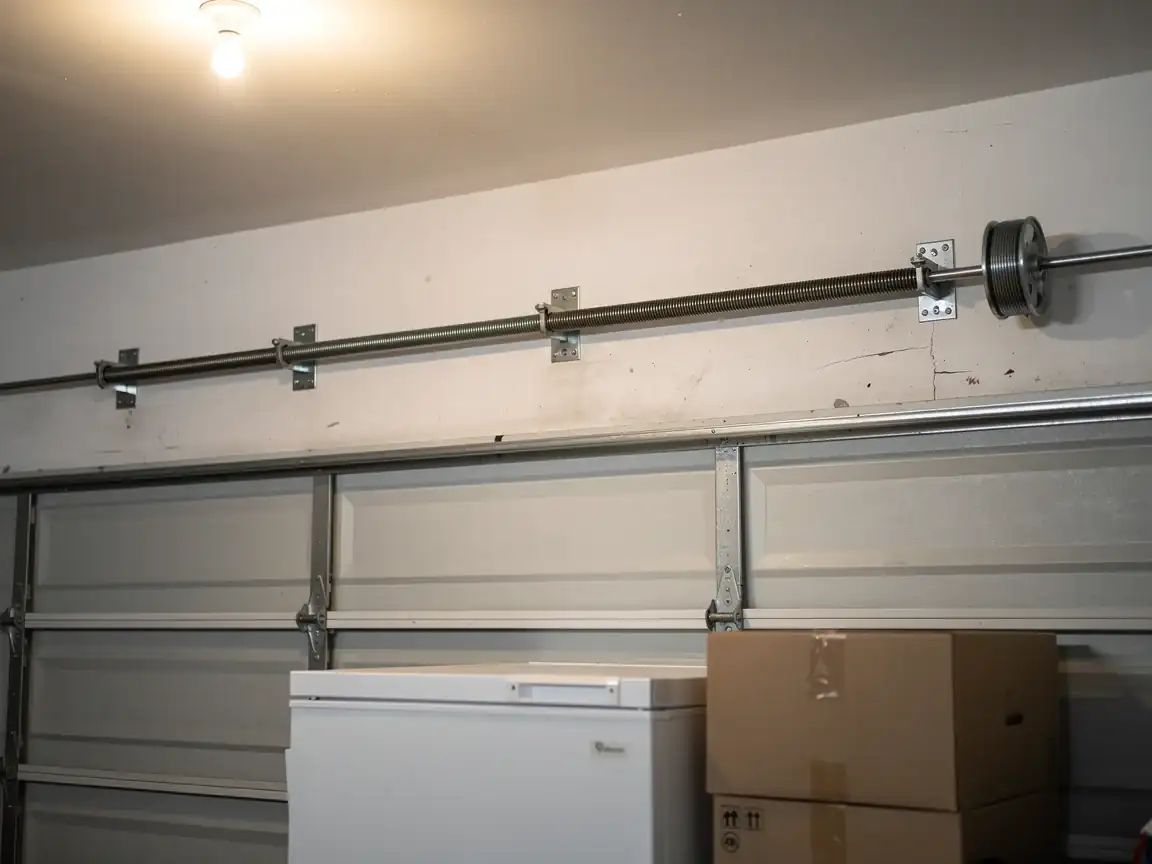
Call or request a visit through our site and tell us what the door is doing: won't lift, lifts crooked, or made a bang and now sits dead on the track. That detail decides whether we bring a standard torsion spring, a heavier-duty pair for a taller door, or extension spring cable sets for older setups. We work across the service area that includes Lakeville and the surrounding towns out toward Credit River, Elko New Market, and Northfield, so when you book, give us the town along with the door symptom - it helps us load the right spring size before we're on the road. We don't quote a repair over the phone without knowing the door's size and spring type, because a 7-foot door and an 8-foot door don't take the same spring, and guessing wrong means a second trip. If the opener is also grinding or the door is off its tracks, mention that too - sometimes what looks like a spring call turns out to be something else entirely, and we'd rather know before we knock.
The Cost of This Job
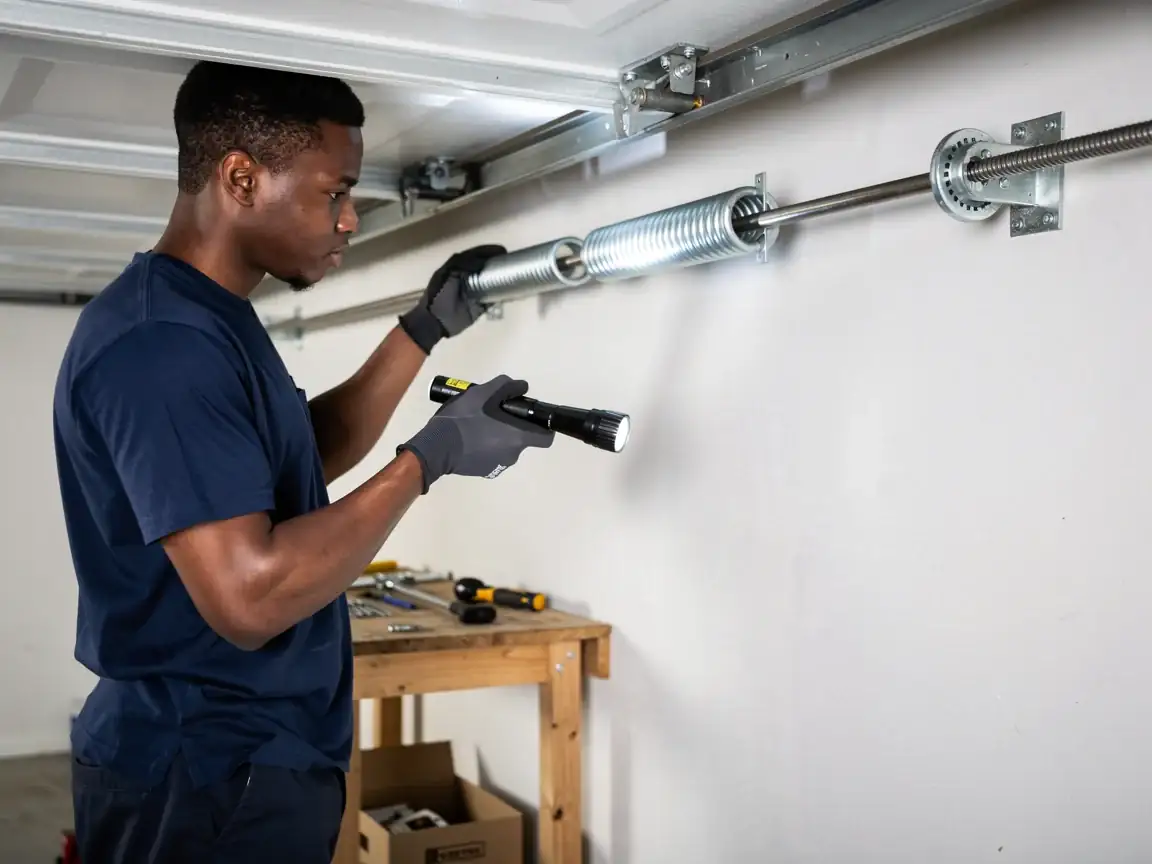
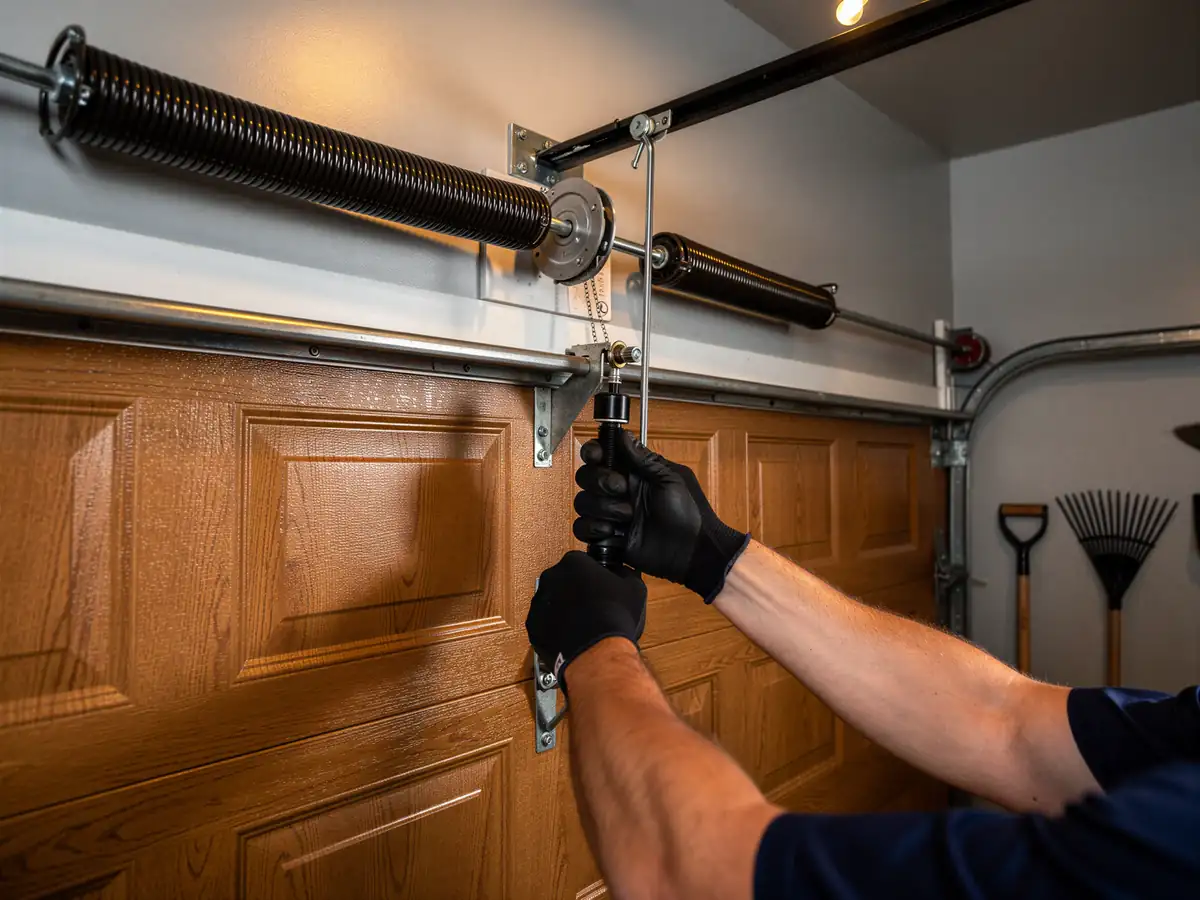
We're not going to put a number here that doesn't hold up once we're standing at your door, because spring repair cost swings on a few things we can't see from a phone call: torsion versus extension, single spring versus a matched pair, standard-duty versus the heavier wind count a wider or insulated door needs. A single extension spring replacement is a different job than a torsion pair on a double-car door, and pricing reflects that. What we can tell you is that we price the job once we've seen the door and confirmed spring type and count - not before. If a spring has already pulled hardware loose or stripped a track bracket on its way out, that gets priced as its own line, not folded quietly into the spring cost. Ask for the breakdown when we quote; you should know what you're paying for before we touch anything.
How It Shows Up
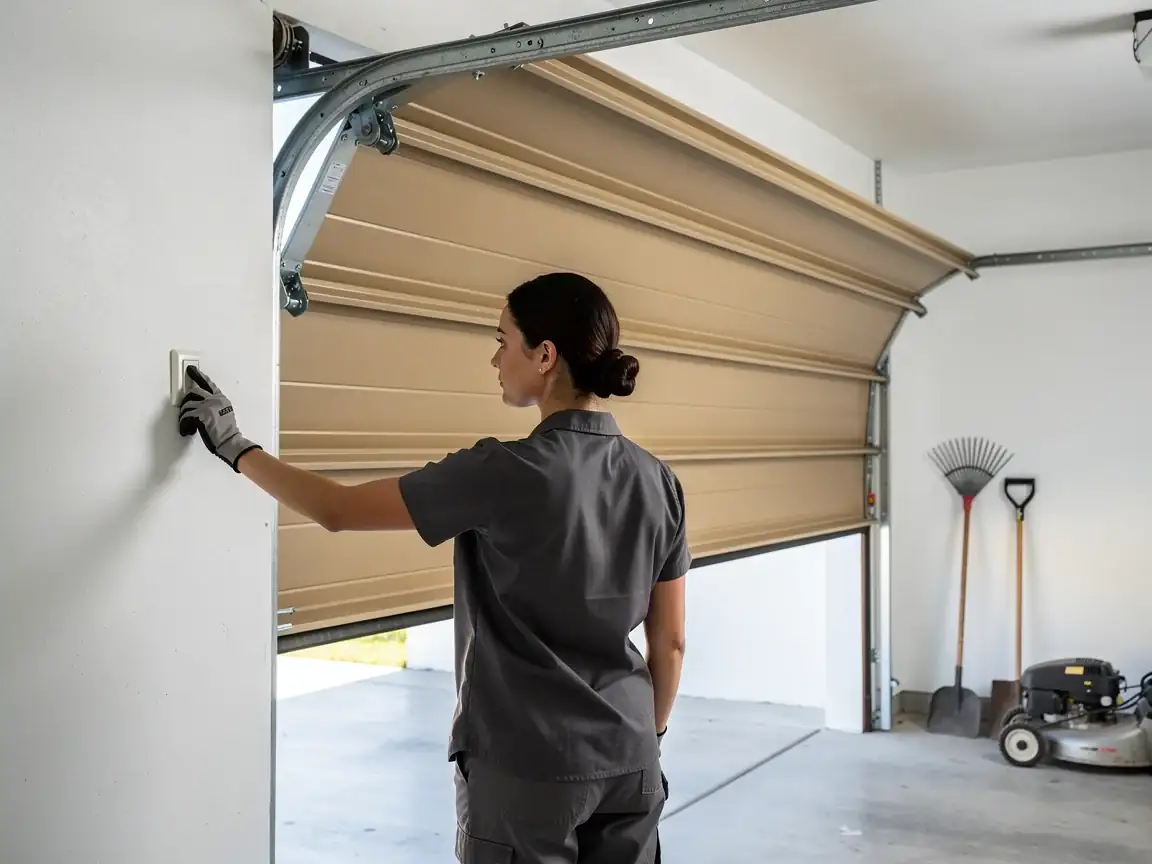
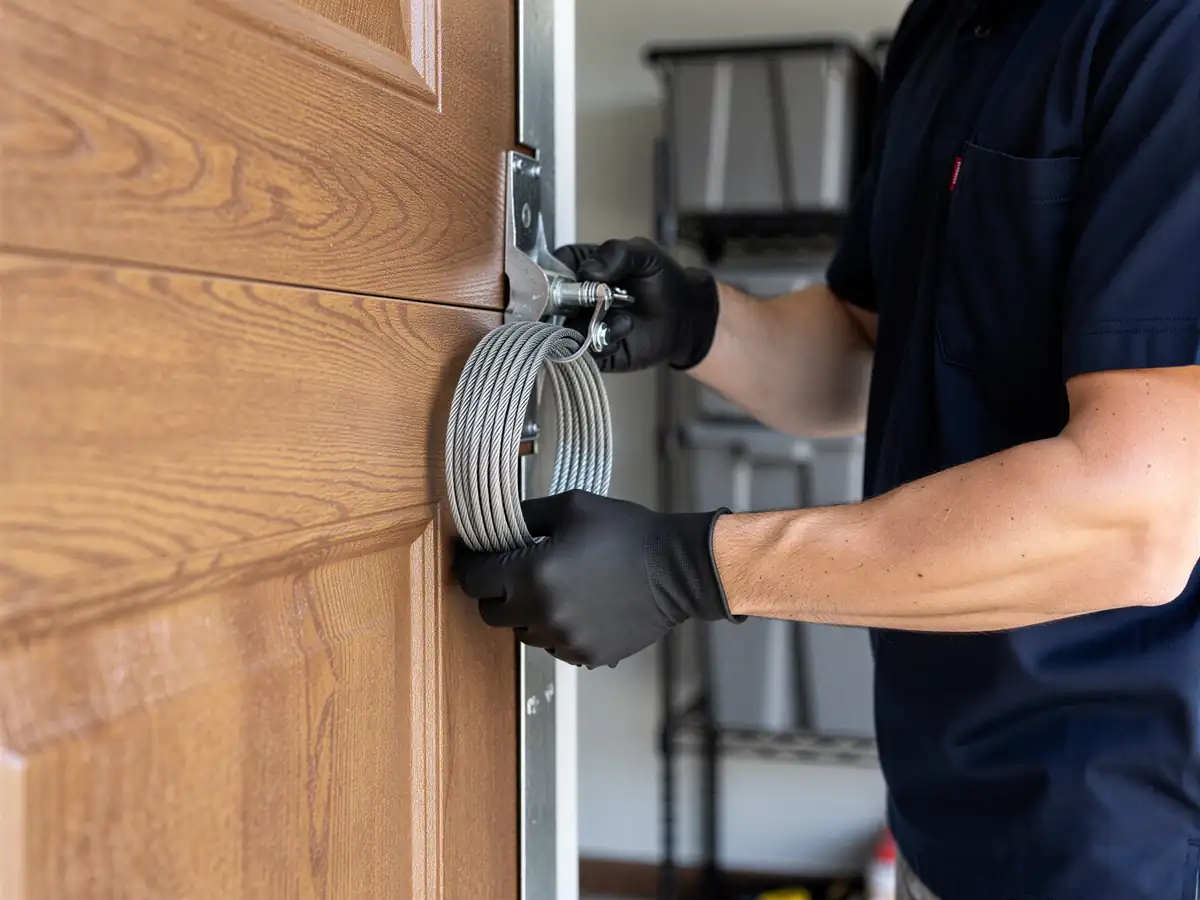
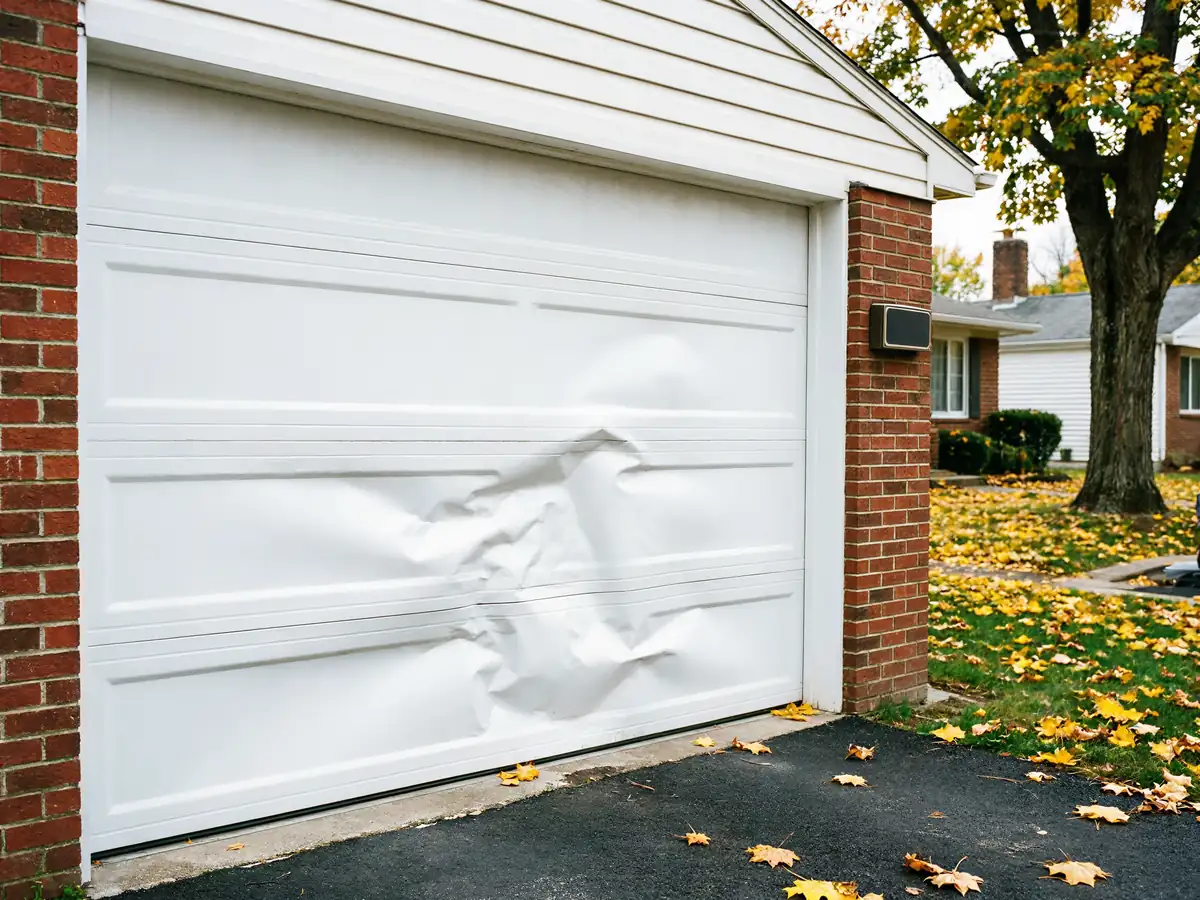
The classic sign is a loud bang from the garage, usually when nobody's touched the door - that's a torsion spring letting go under tension, not a mystery noise to ignore. Short of a full break, you'll notice the door getting harder to lift by hand, the opener straining and running slower than it used to, or the door hanging crooked because one spring in a pair gave out while the other's still holding. Cables going slack or looking frayed near the bottom bracket often means the spring they're paired with is already weak. None of this gets better on its own, and a door running on a failing spring puts extra load on the opener's gears too - we've seen a spring call turn into an opener call because nobody caught the slow slide. If your door's gotten noticeably heavier to open by hand over the last few weeks, that's worth a look before it fails at the worst possible moment.