How to Book
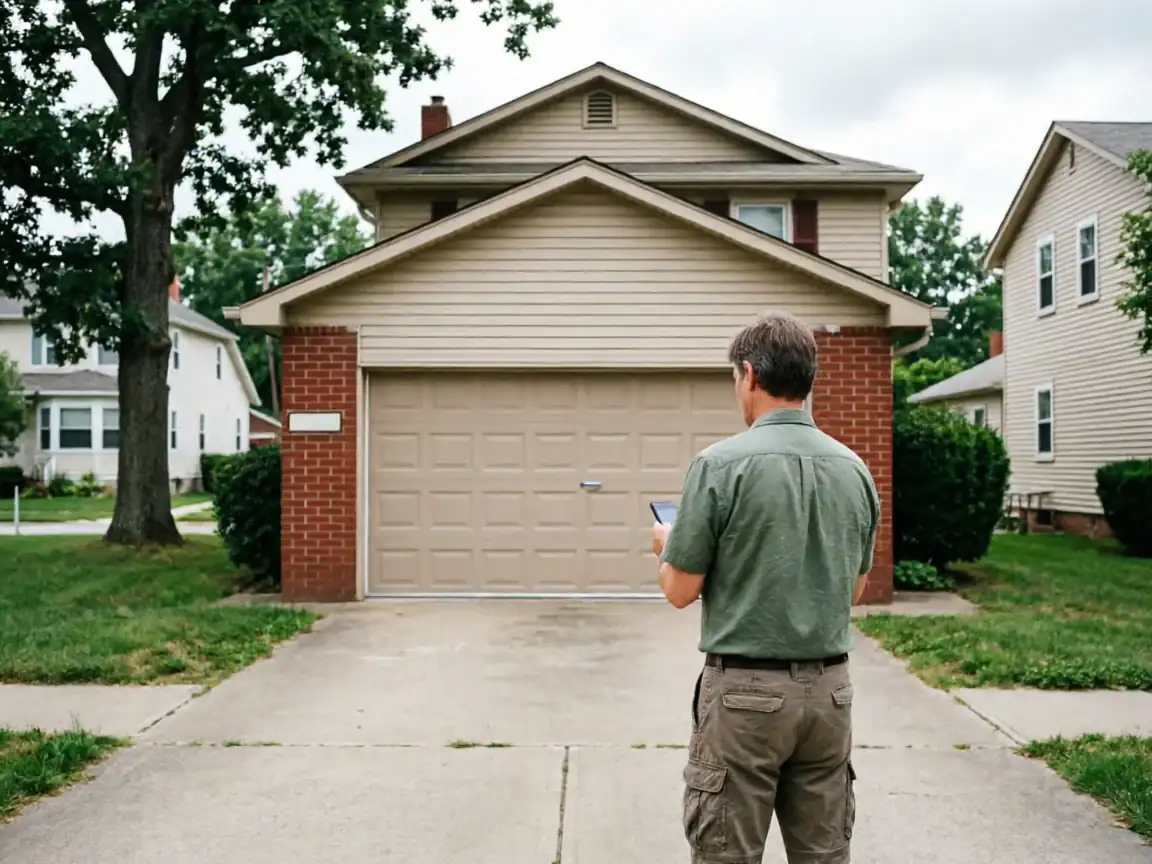
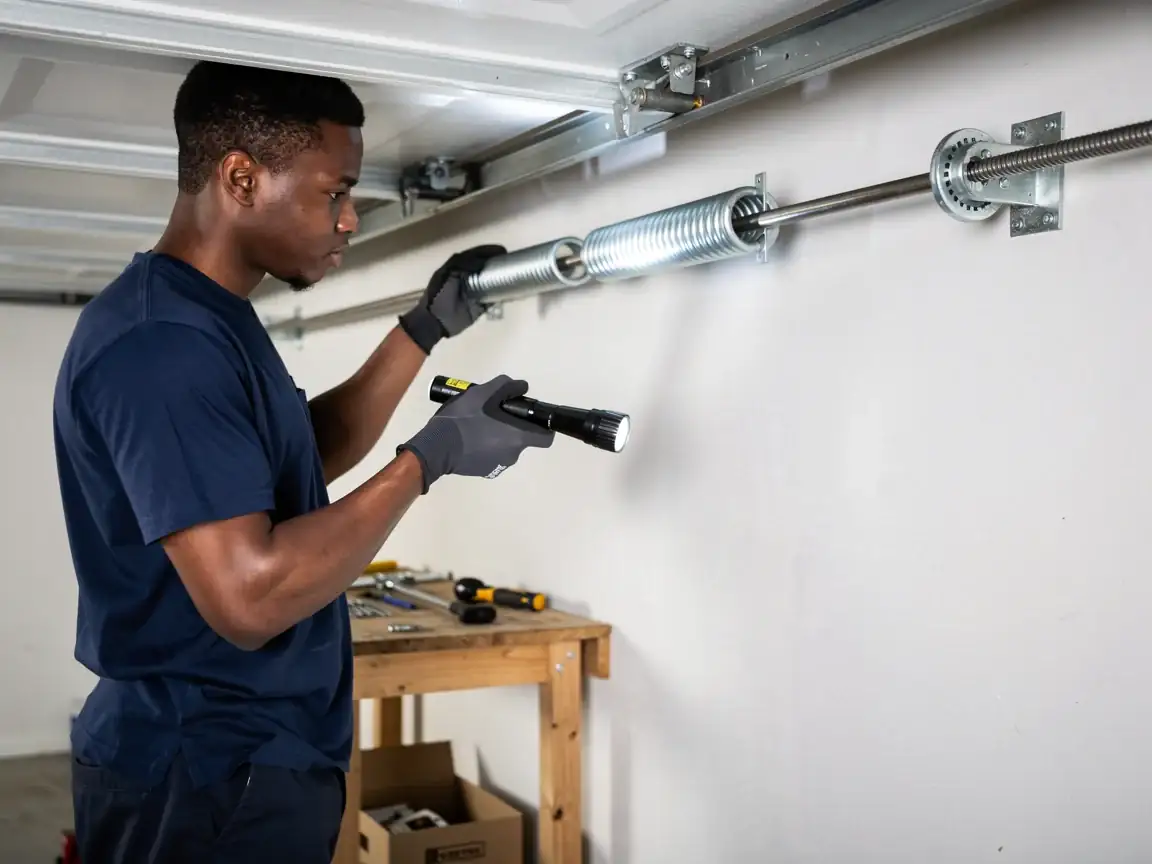
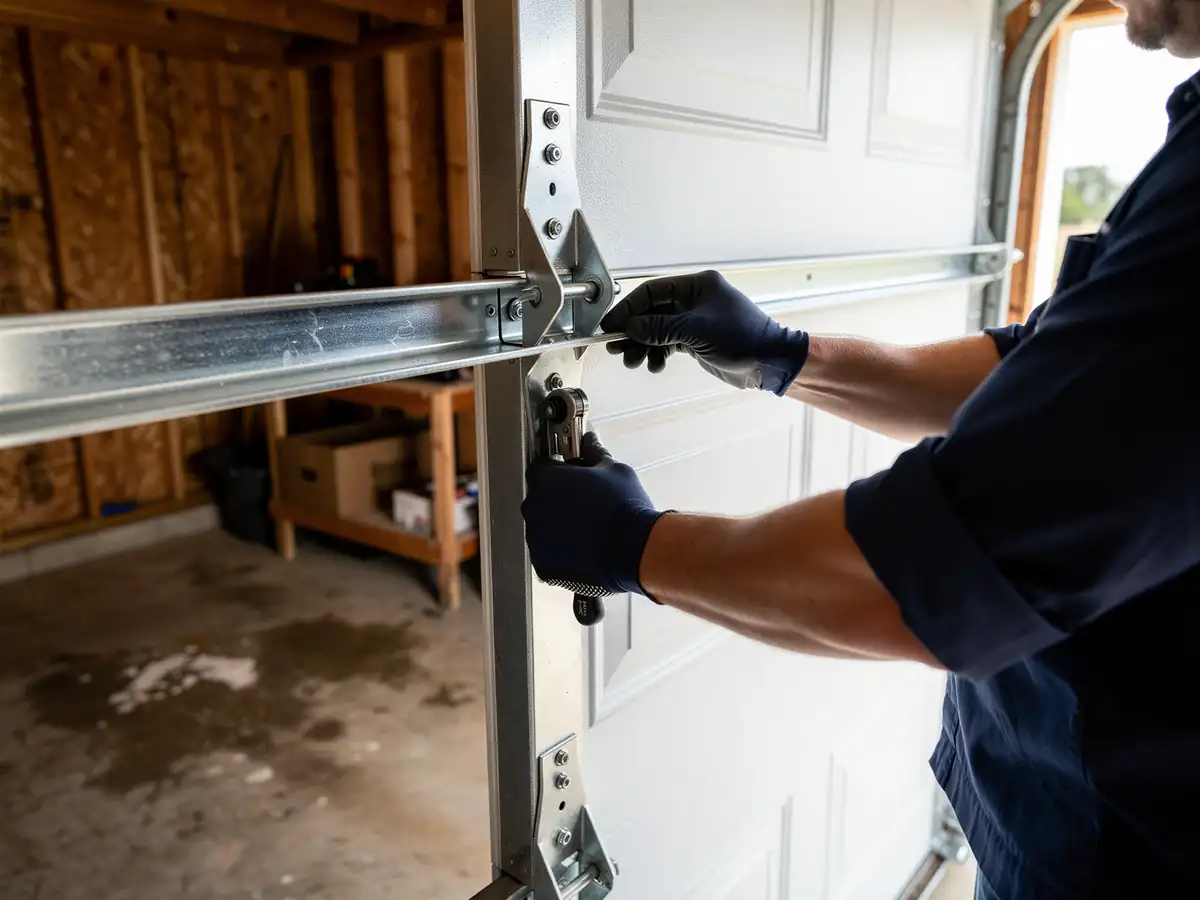
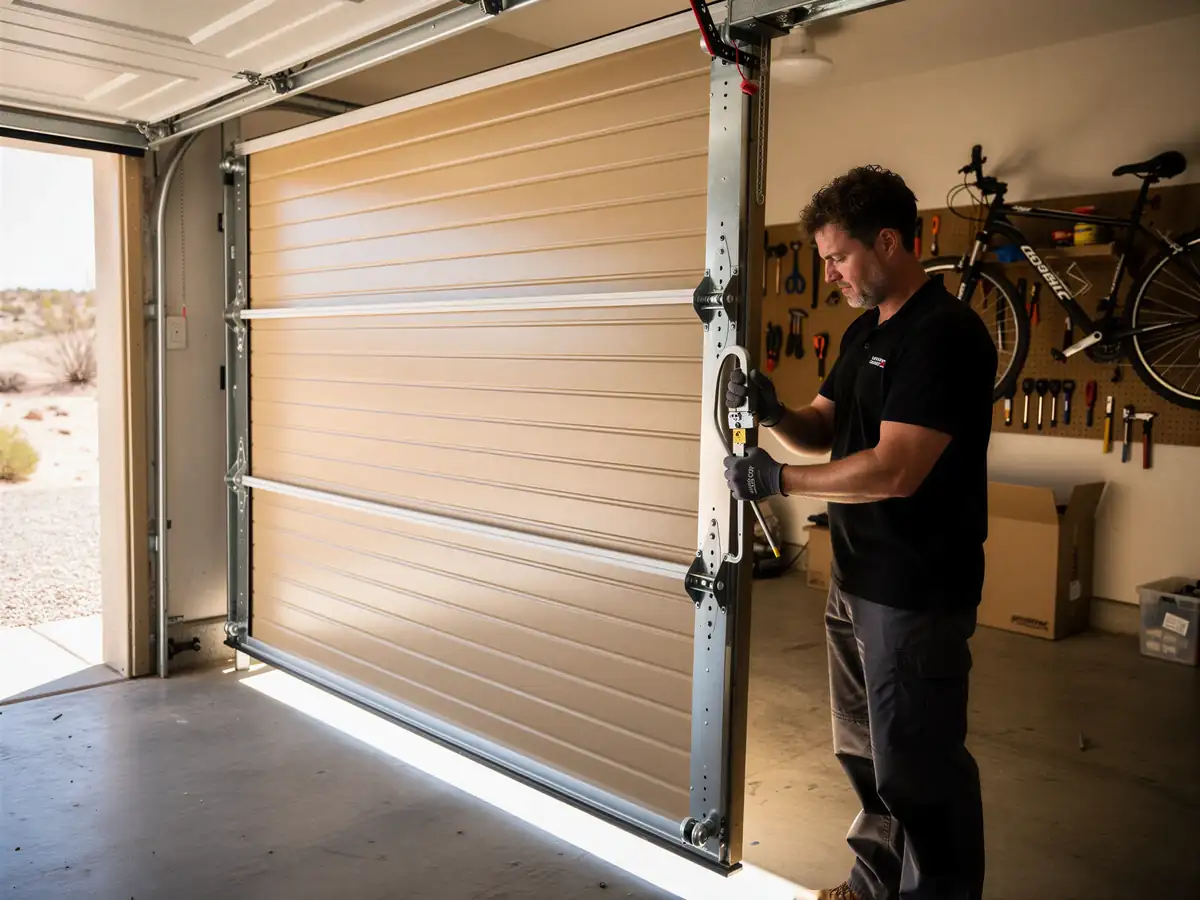
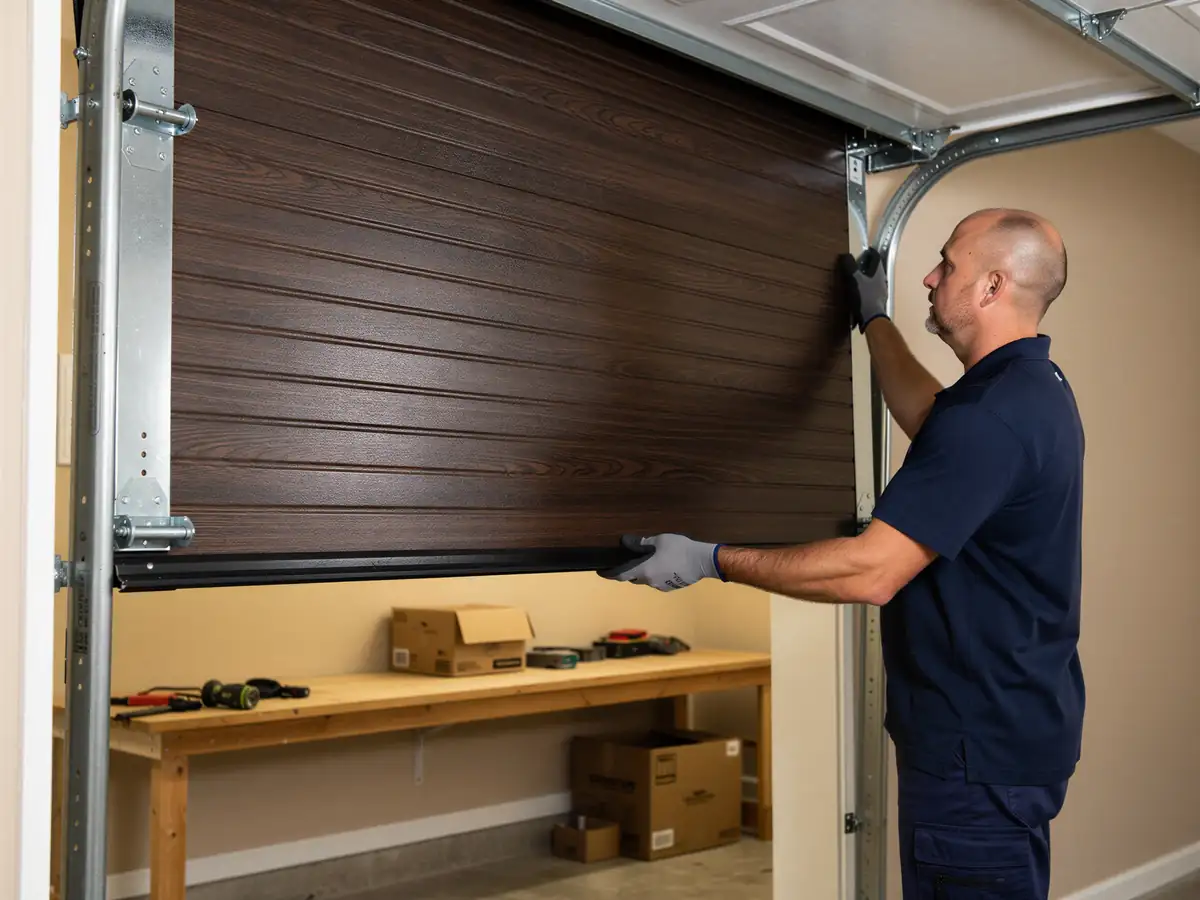
Start on our site at / and tell us the make of door, how many panels look rough, and whether the color or texture still needs to match the rest of the door. A single bent or rusted panel on an otherwise sound door is usually a same-trip fix once we confirm the panel is still made - some older profiles aren't, and that changes the job from a swap to a full door replacement.
We ask for the door's age and brand up front because panel sections are not universal. A door built when a lot of this area's housing went up - the mid-1980s through the 1990s - often used a profile that's been discontinued or changed dimensions since. Knowing that before a truck rolls saves a second visit.
If you're not sure what you're looking at, a photo of the full door and a close-up of the damaged section tells us most of what we need. We'll tell you straight if a panel order makes sense or if the door's old enough that replacing the whole thing is the better use of your money.
The Cost of This Job
We don't post a flat number here because panel replacement swings on three things: how many panels are damaged, whether the color and texture need to match an existing door exactly, and whether the panel profile is still in production. A single end panel on a common steel door is a different job than matching a full run on a door that's twenty-plus years old.
Across the service area, median household income sits around $99,460, and what we see on the road reflects that - most owners here choose to replace the damaged section and keep the rest of the door rather than take on a full door swap, as long as the hardware underneath is still sound. That's usually the cheaper and faster path.
Where it gets more expensive is obsolete panels. If your door dates to the earlier end of the area's building stock, the specific panel may no longer be manufactured, and we're pricing a full door instead of a section. That's the honest limit of this service: we can't make a discontinued panel reappear, and we'll say so rather than string out a search for a part that isn't coming.
What Causes It Around Here
Housing across this service area was mostly built between 1955 and 2004
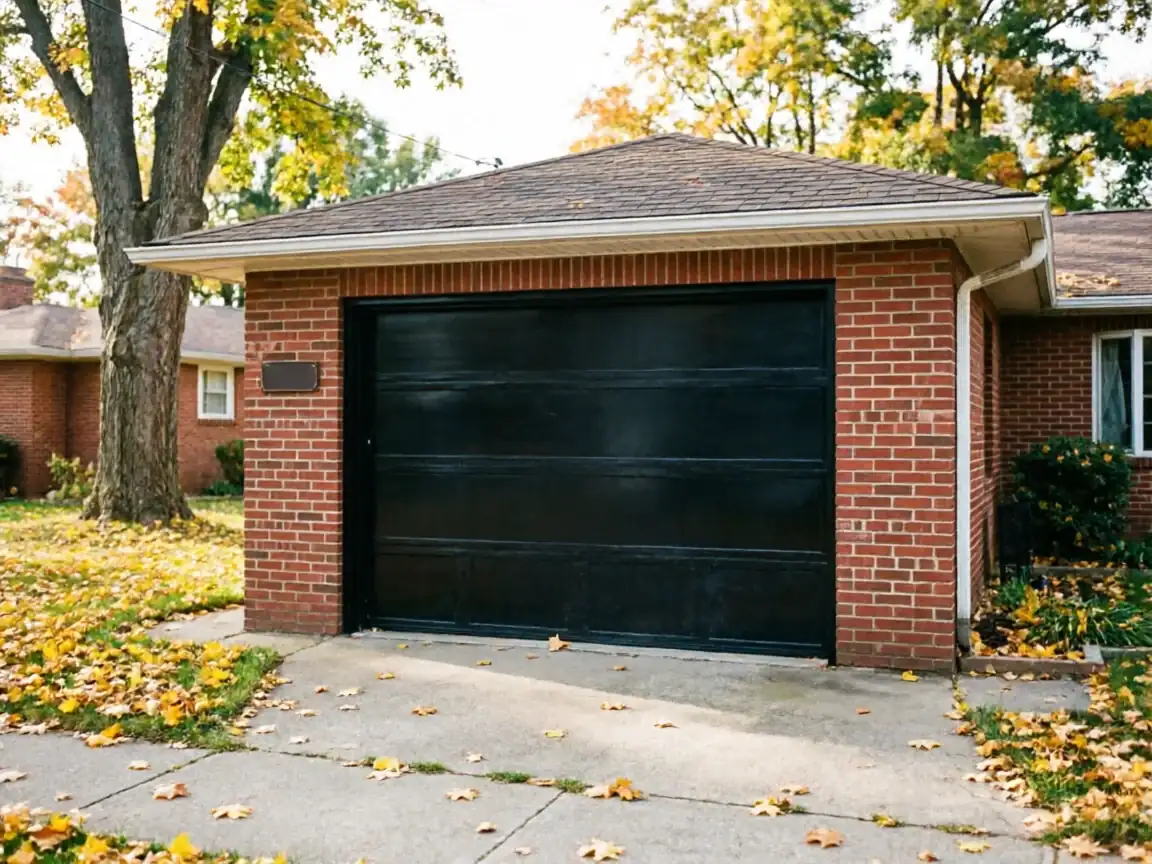
With the median landing around 1984, and the bulk of it clustered in the 1980s and 90s build wave across two dozen named communities in the area. That means a large share of garage doors out there are original steel sectional doors now pushing thirty to forty years old - right at the point the bottom panel starts to go first, since it takes the most contact with road salt, slush, and the edge of the driveway.
The area sits in a cold, moderate climate band
Which matters more for panels than people expect. Steel contracts in deep cold and expands again on the thaw, and that daily cycle works on the seams and the foam-core bond inside an insulated panel. Over enough winters the bond lets go, the panel bows, and what looks like a cosmetic dent is actually the panel separating from the inside.
Salt spray off the driveway apron is the other steady cause
It finds the bottom rolled edge of a steel panel faster than it finds anything else on the door, and once rust starts there it doesn't stop on its own.
How It Shows Up
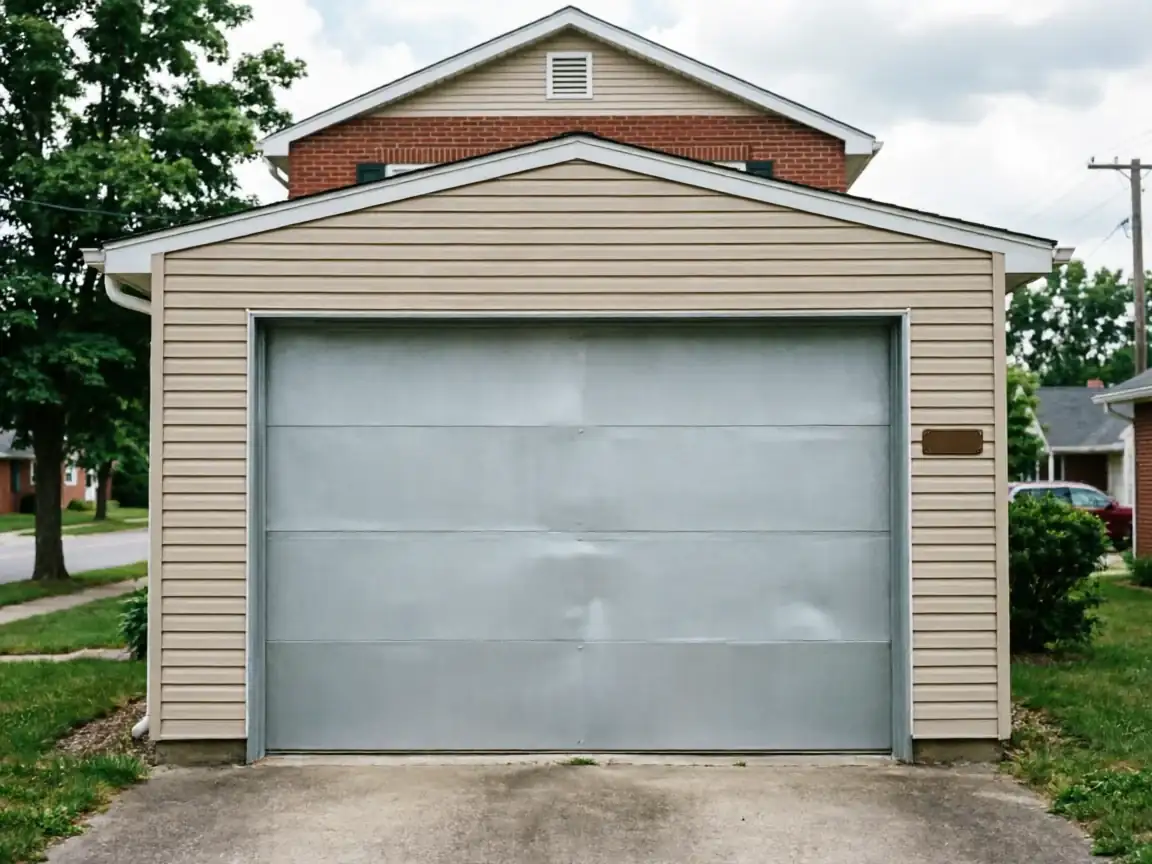
The most common call we get is a bottom panel with a rust line along the lower seam, usually a few inches up from the floor where salt and snowmelt sit against the steel longest. It starts as discoloration, then bubbling under the paint, then a soft spot you can press a thumb into.
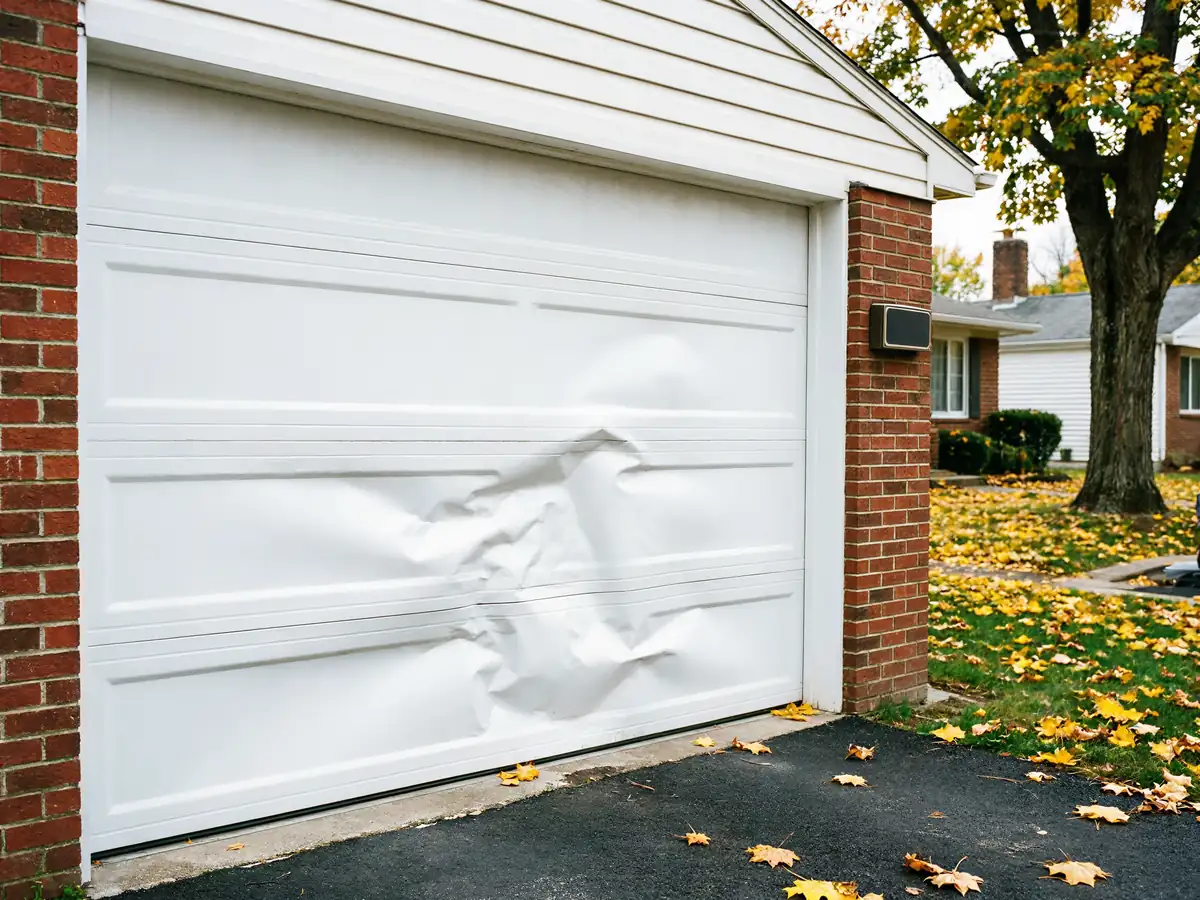
The second pattern is a bowed or wavy panel on a door that's otherwise straight - that's the insulation core pulling away from the steel skin after years of cold-thaw cycling, and it's almost always on the panels nearest the bottom of the door where the temperature swing is widest.
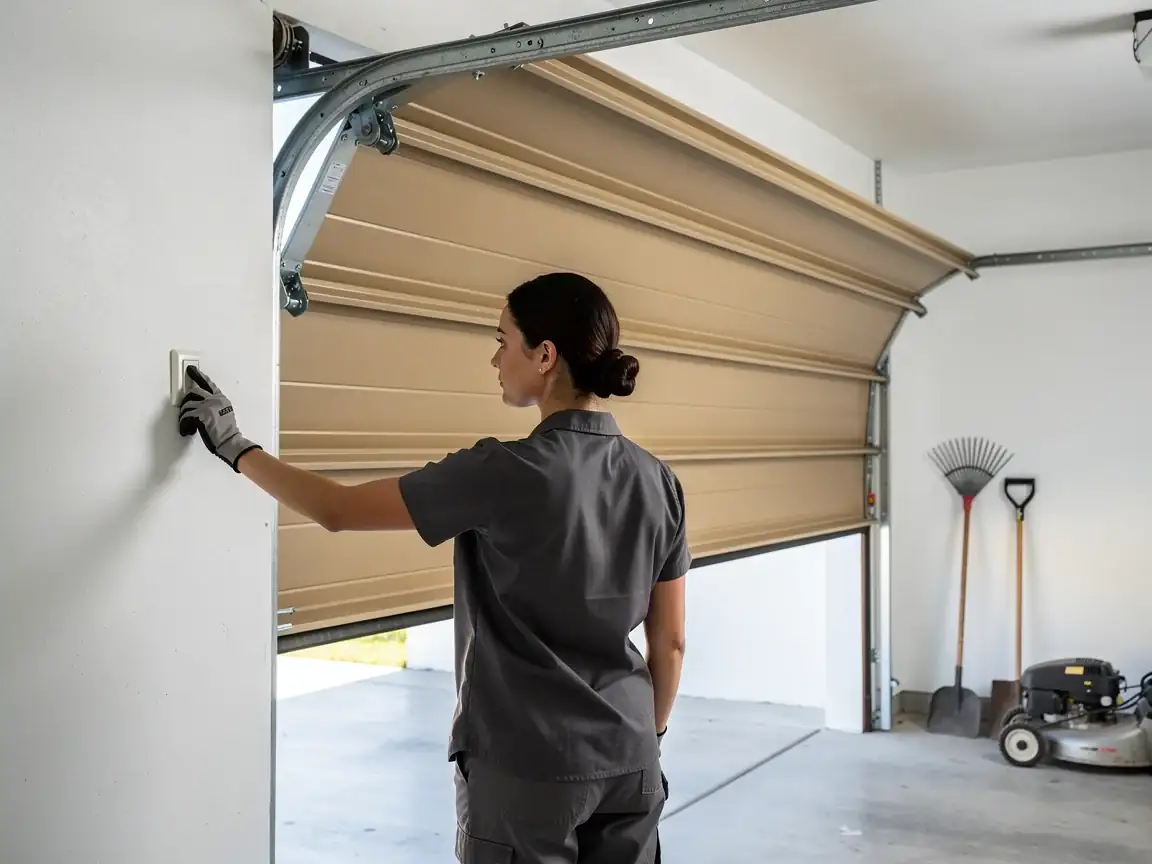
Less common but still regular: a single dented panel from a backed-into door, where the rest of the door is fine but that one section won't roll smooth anymore and drags on the track. On a door old enough to match the area's 1980s-90s building wave, that one dent is often the thing that reveals the panel profile is no longer made - the damage is minor, but the fix isn't.