What Was Built Here
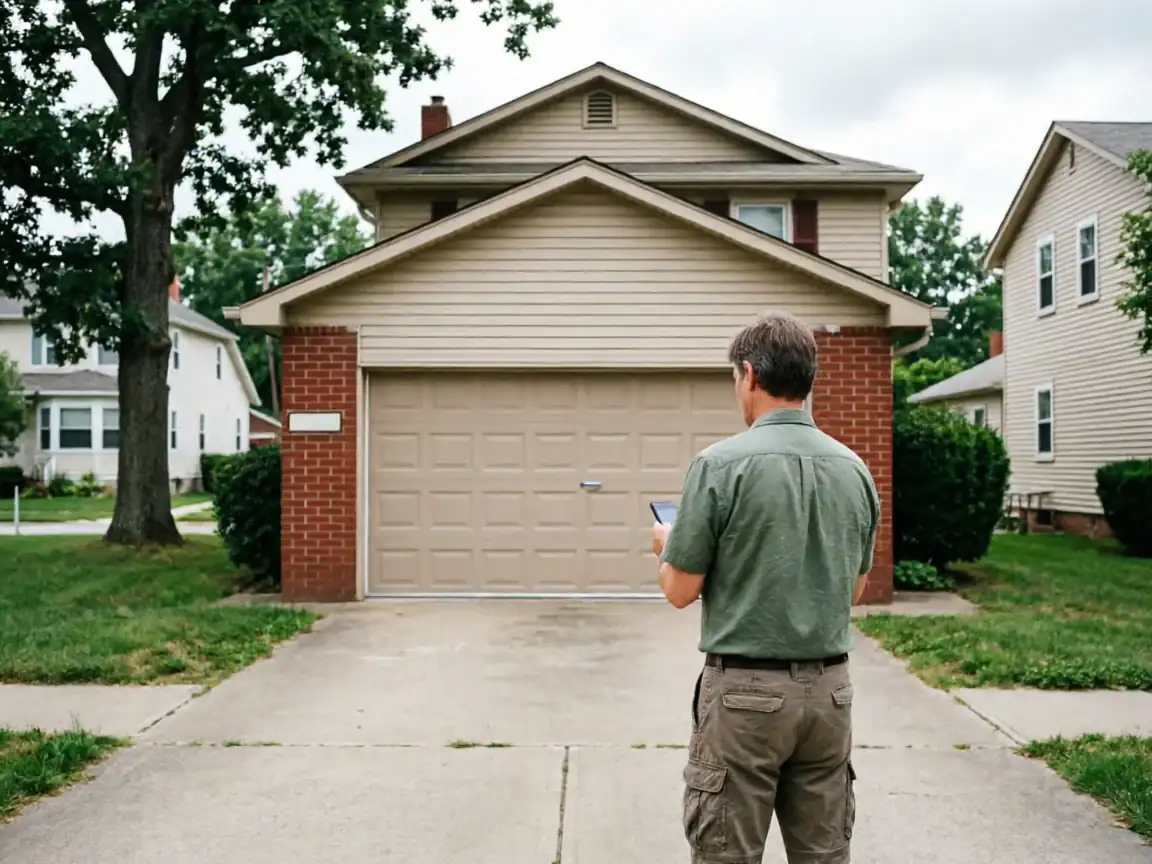
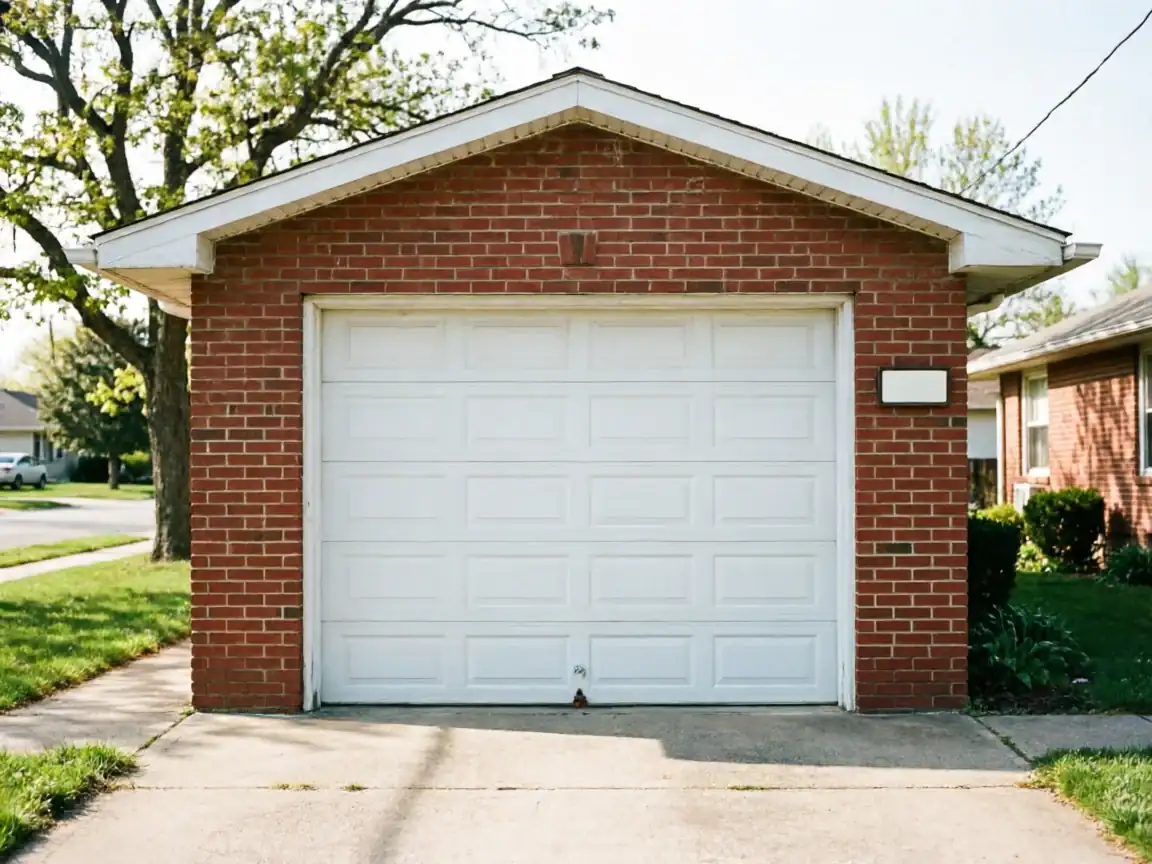
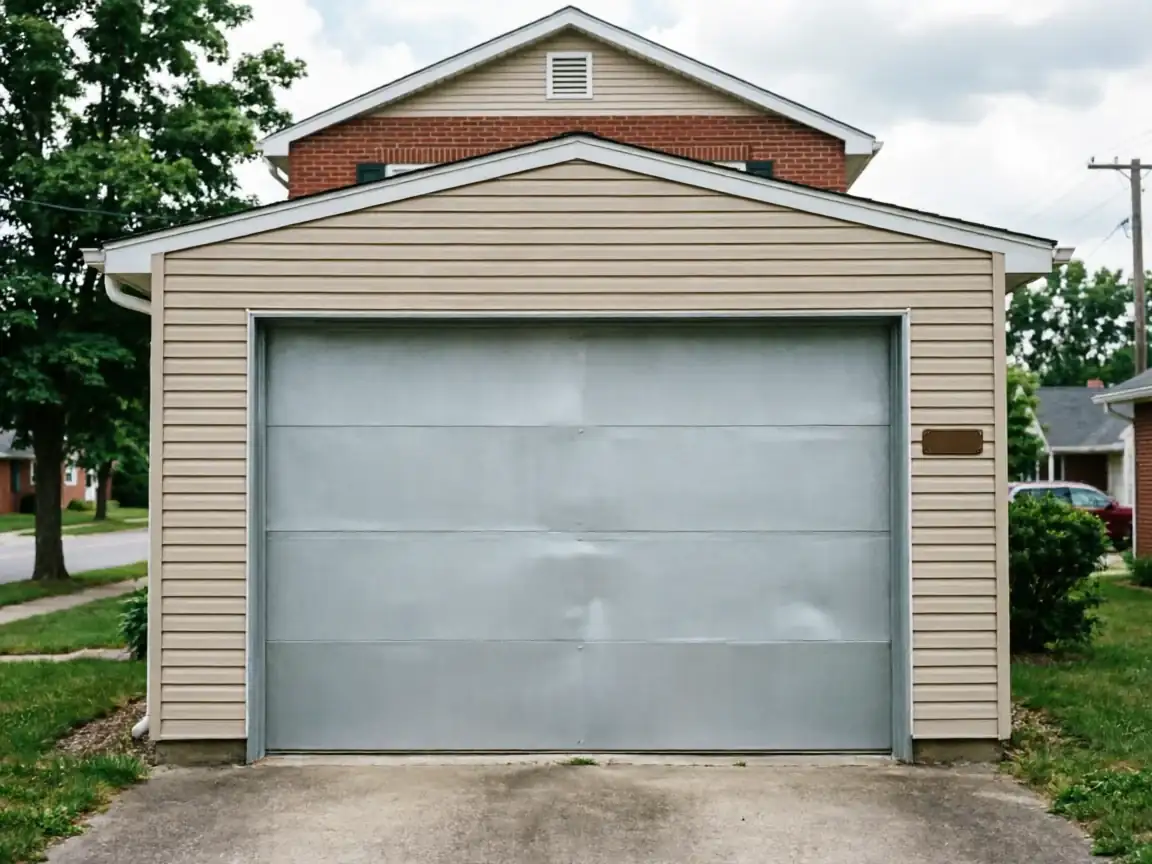
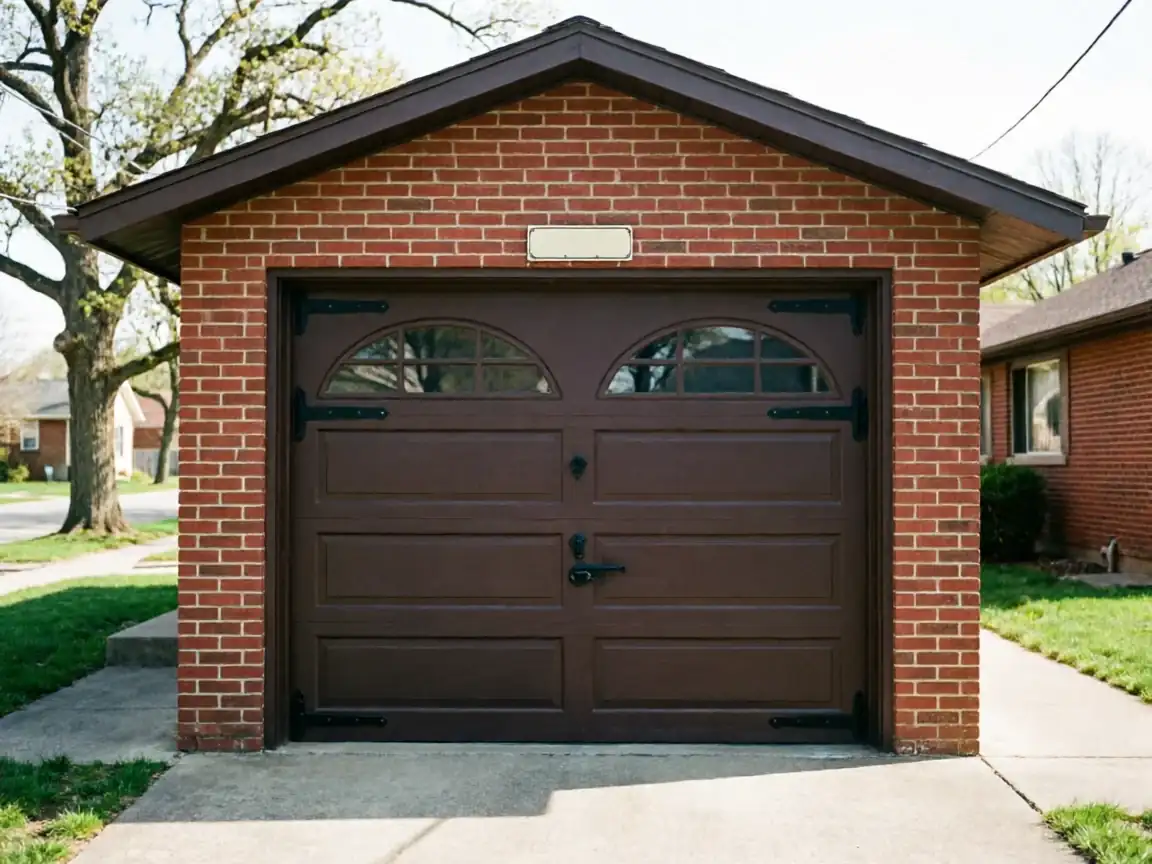
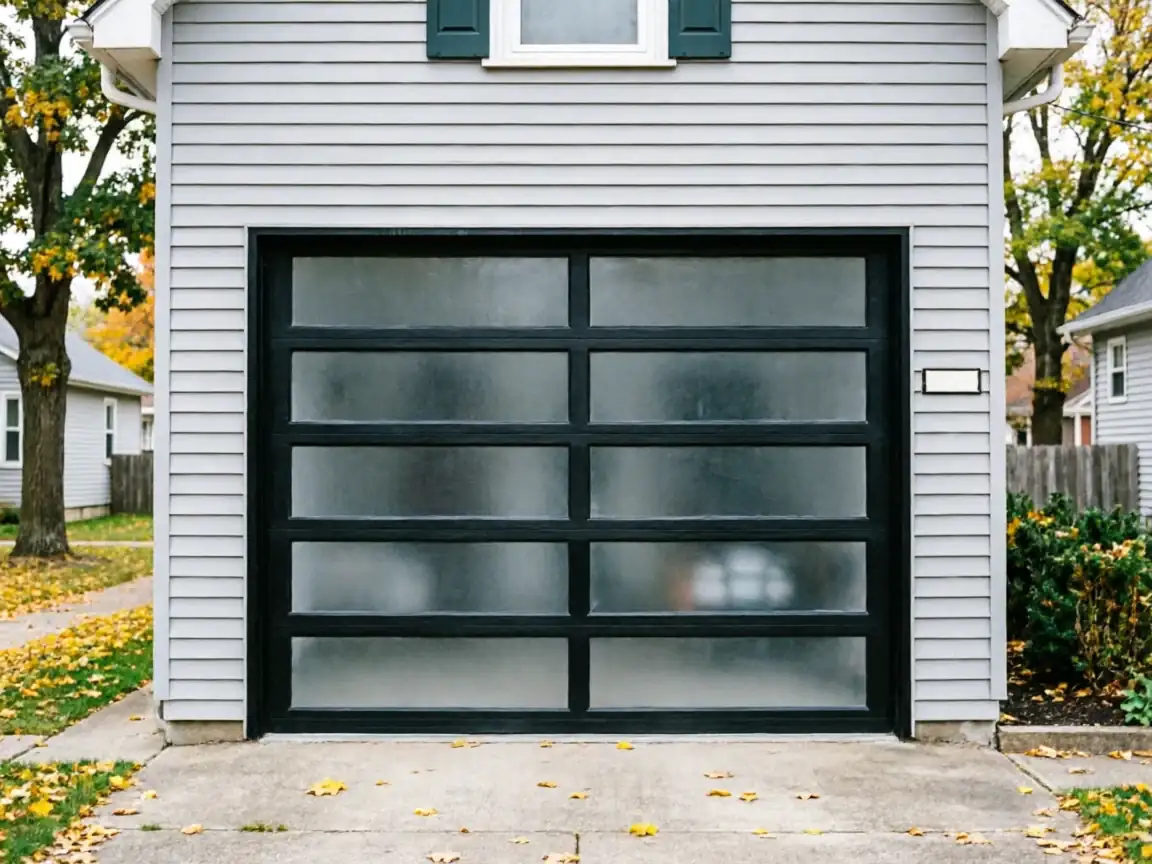
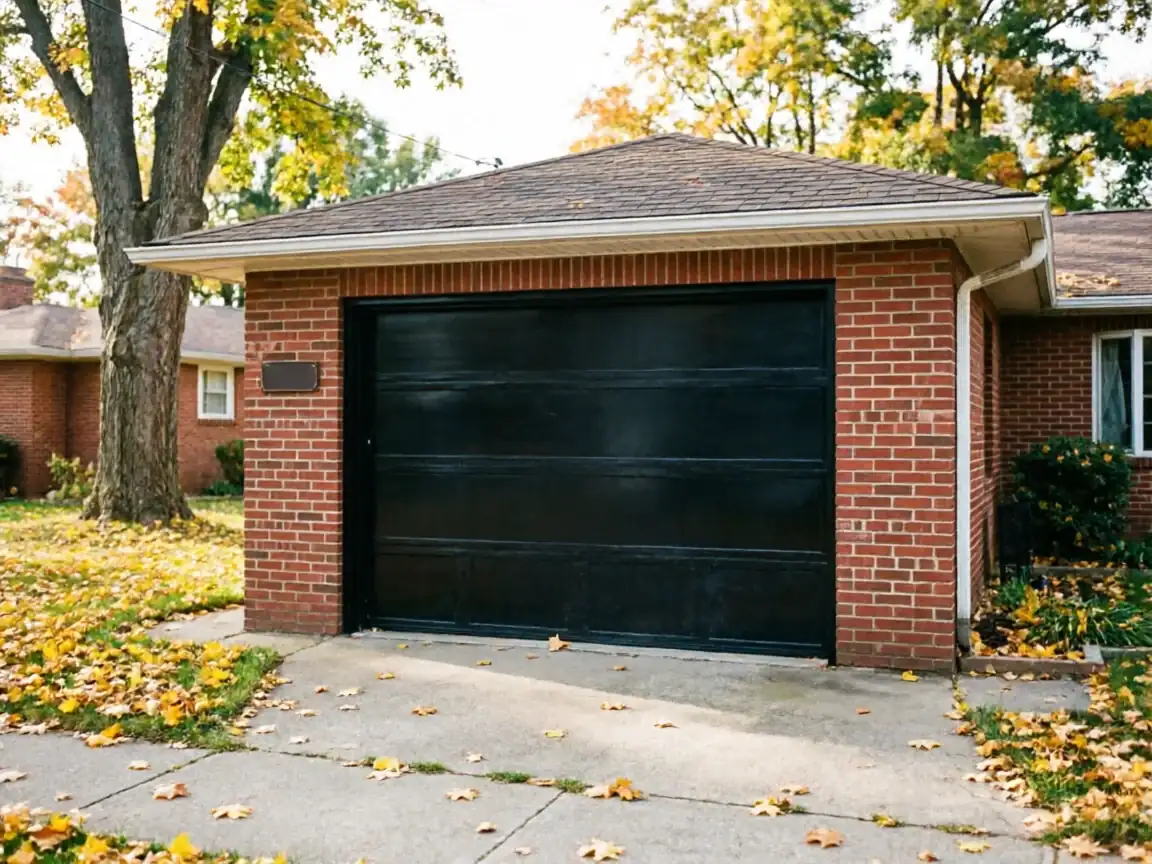
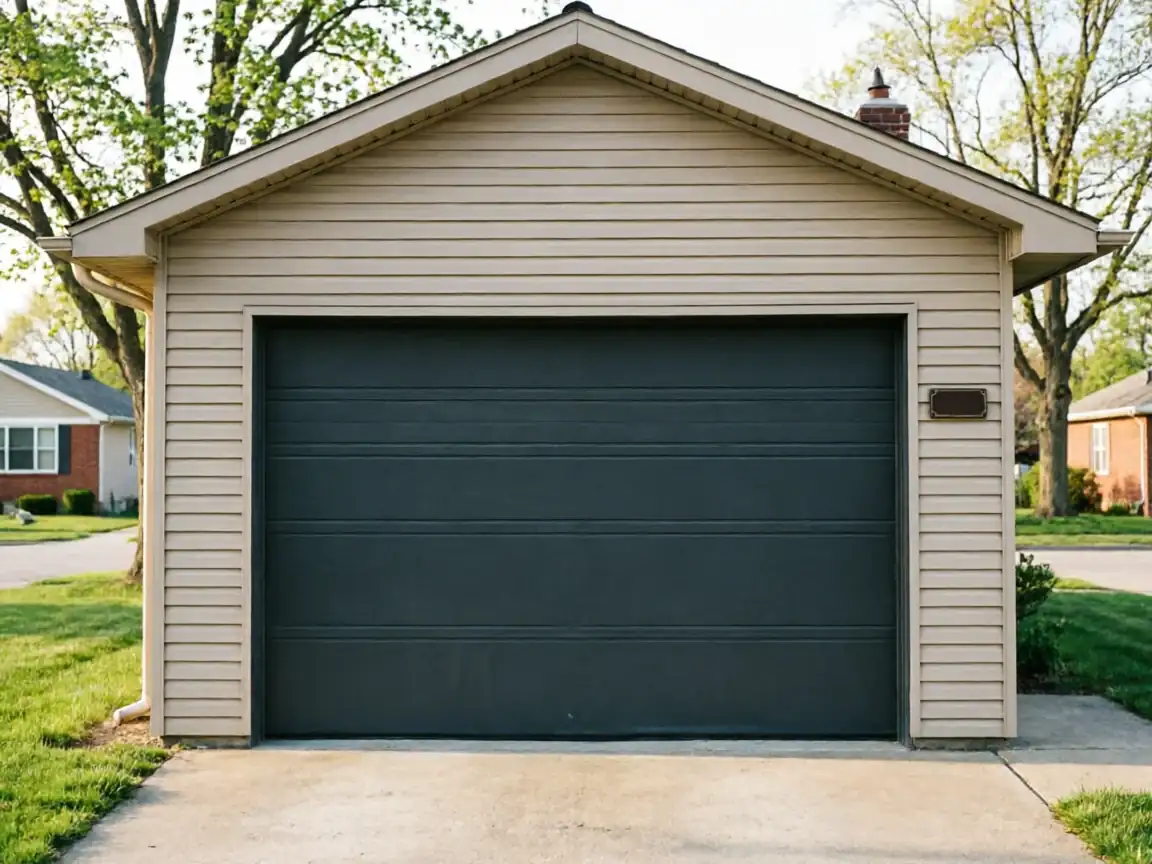
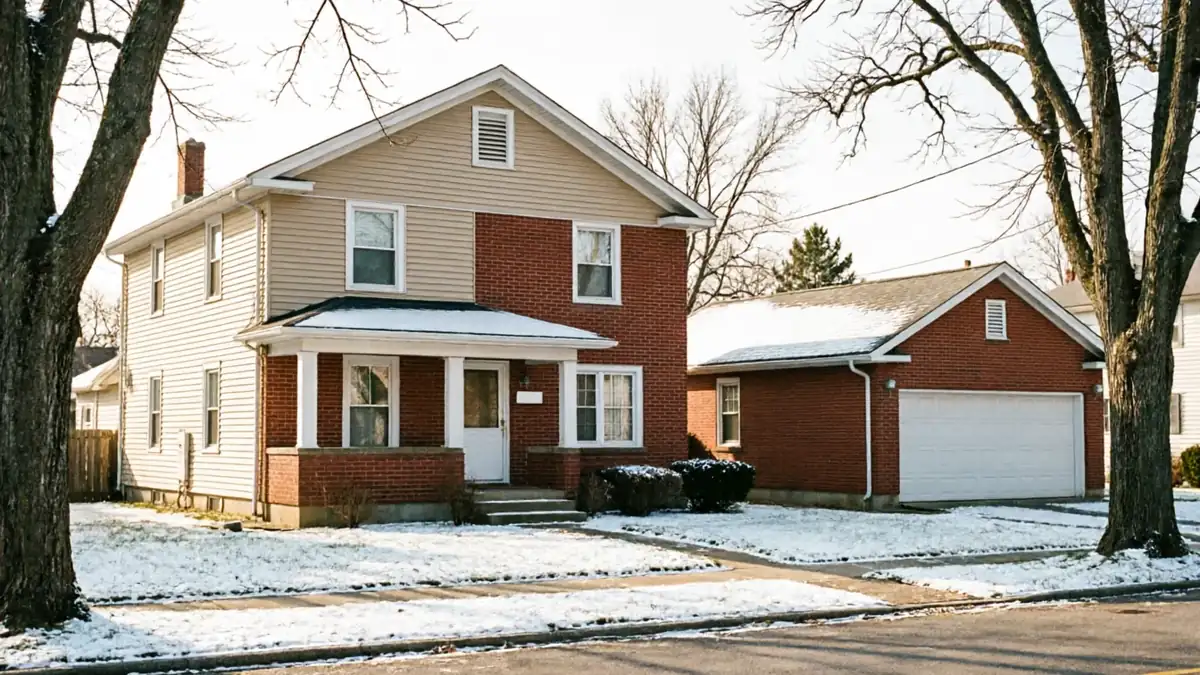
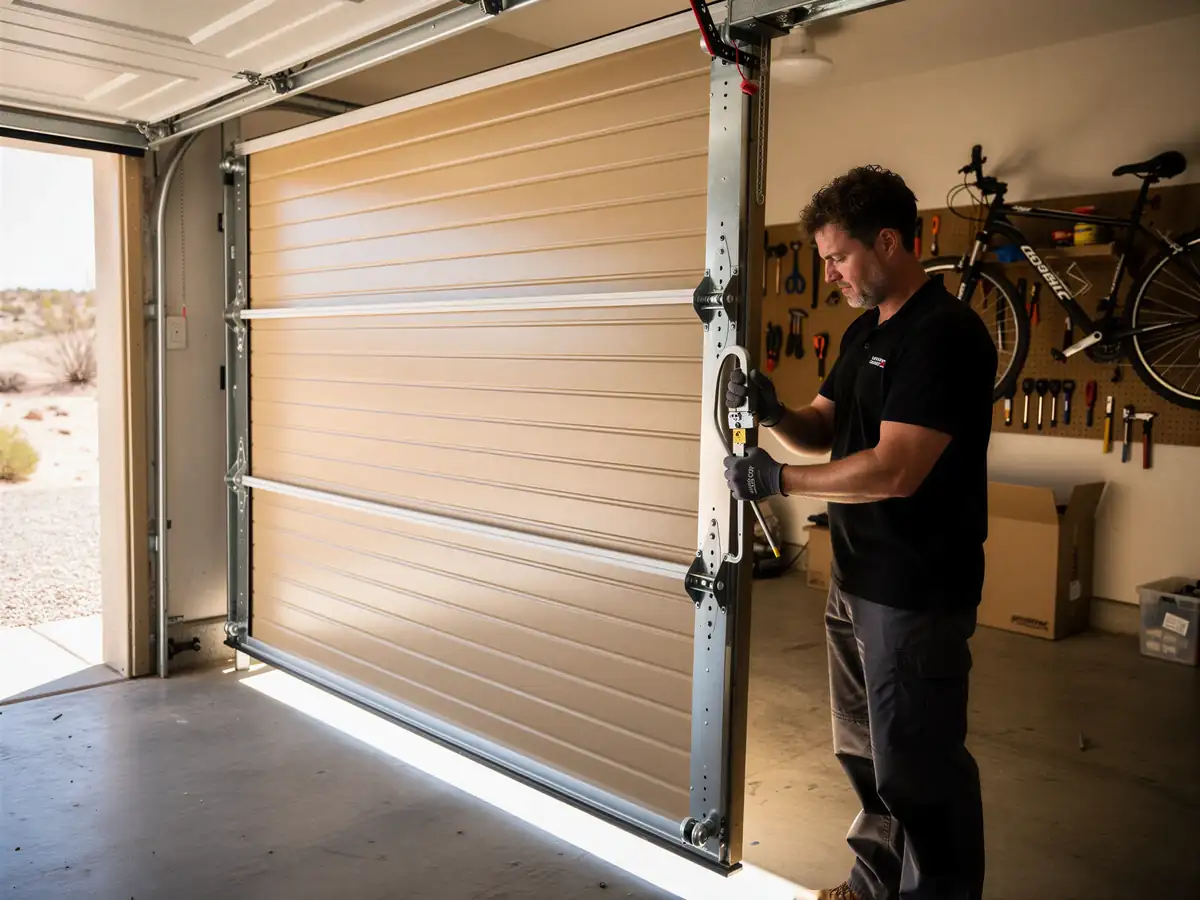
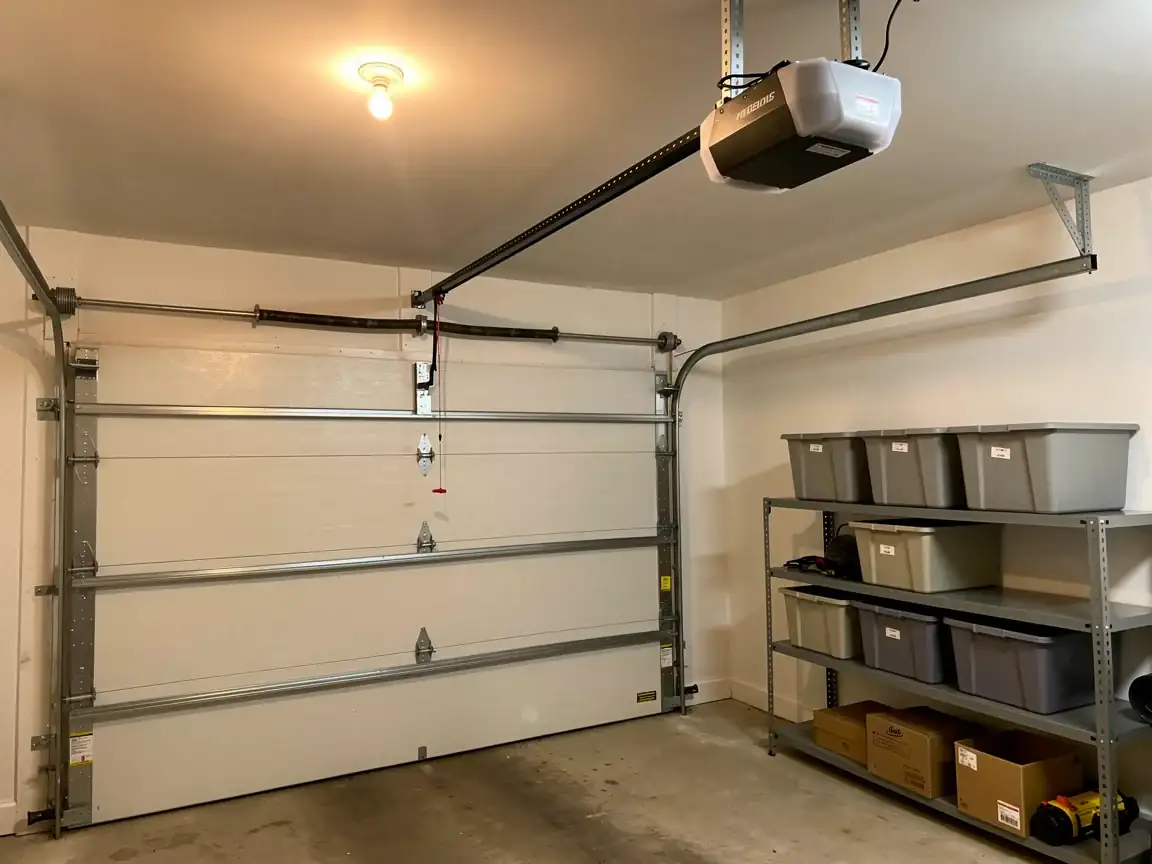
Inver Grove Heights sits apart from a lot of the surrounding service area in one way that matters to us: the median home here was built around 1990, a bit later than the 1984 median across the wider territory we cover. That ten-year gap puts most of this area's garage doors into a specific window - early-1990s steel sectional doors, usually paired with extension spring setups or early torsion conversions, and openers that are now on their second or third logic board if they haven't already been swapped outright. With roughly 14,598 households here, that's a lot of doors sitting right at the age where springs, cables, and drums start giving out, not because anyone did anything wrong, just because 30-plus years of cycles wears out steel.
This isn't the pre-1960s one-piece door problem you'd find in older river towns nearby, and it isn't the brand-new builder-grade door problem either. It's the middle: doors old enough to need real hardware work, new enough that most of the original panels and tracks are still salvageable if the springs and rollers get replaced on schedule.
The Usual Work Here
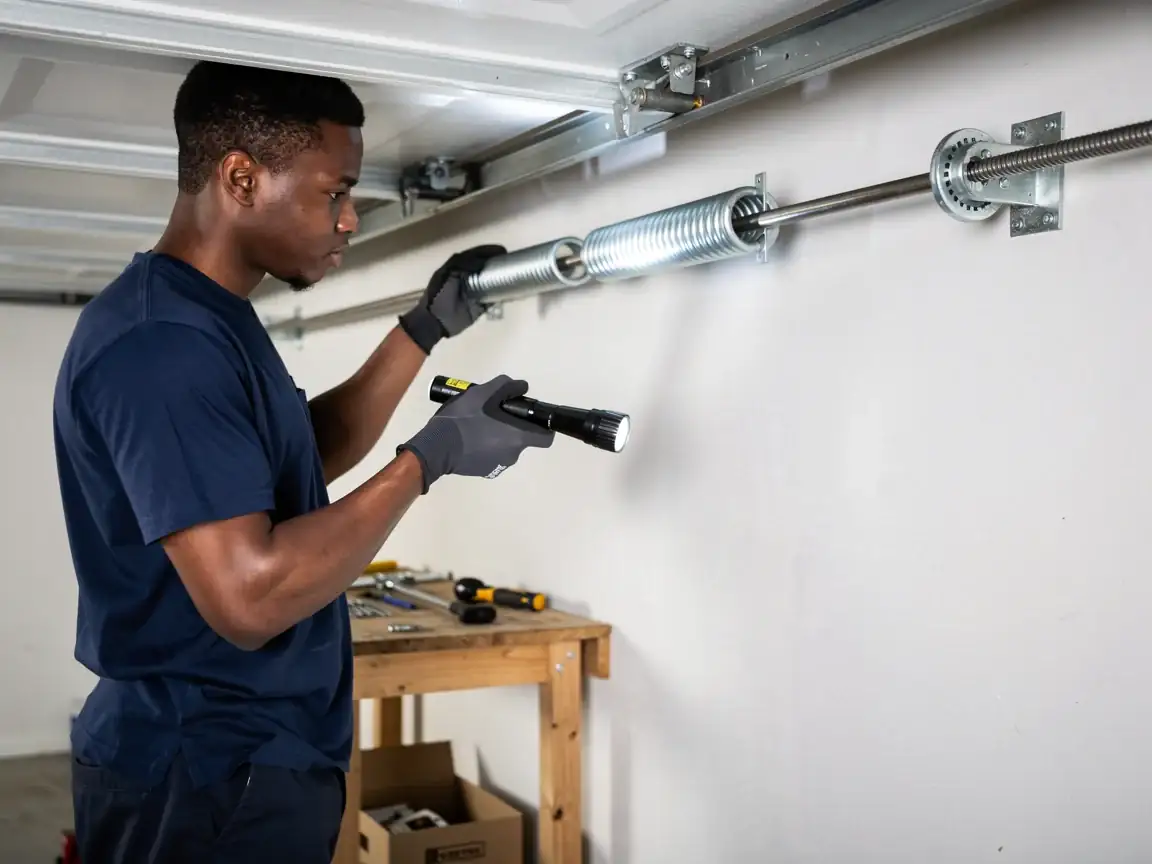
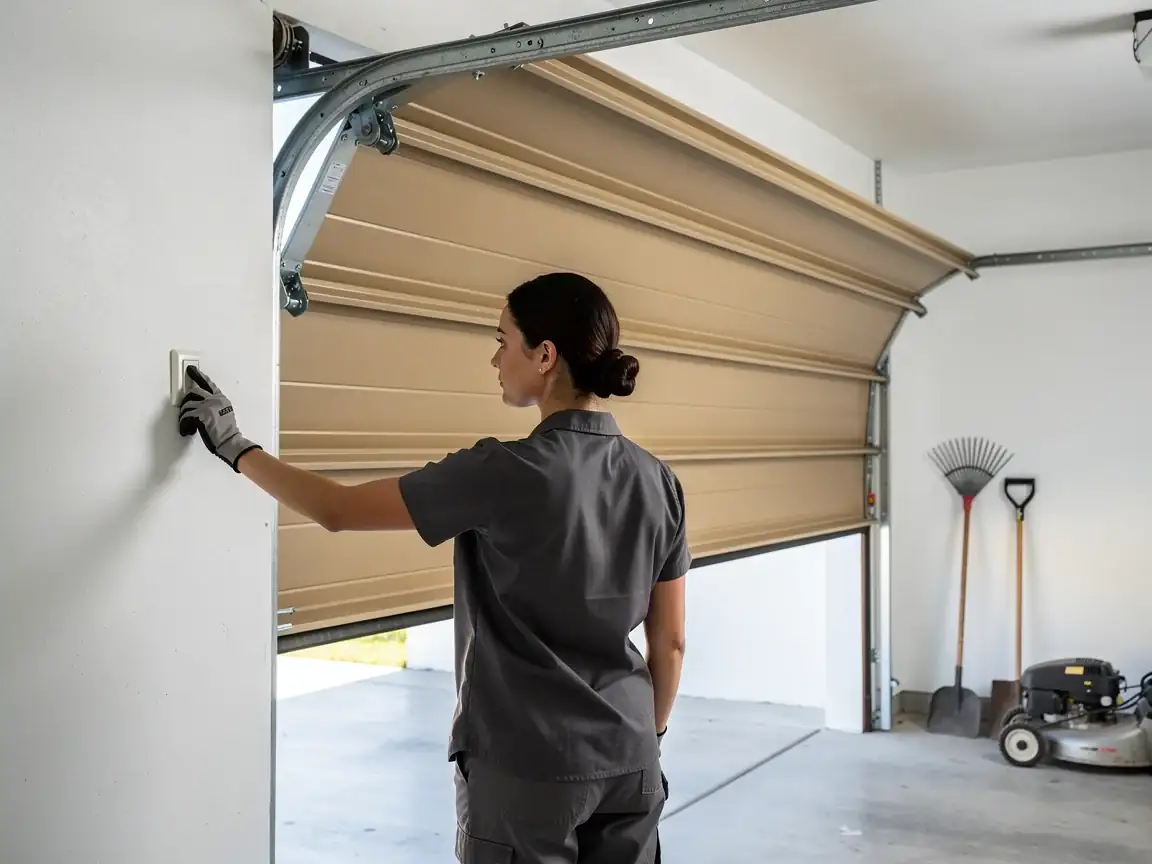
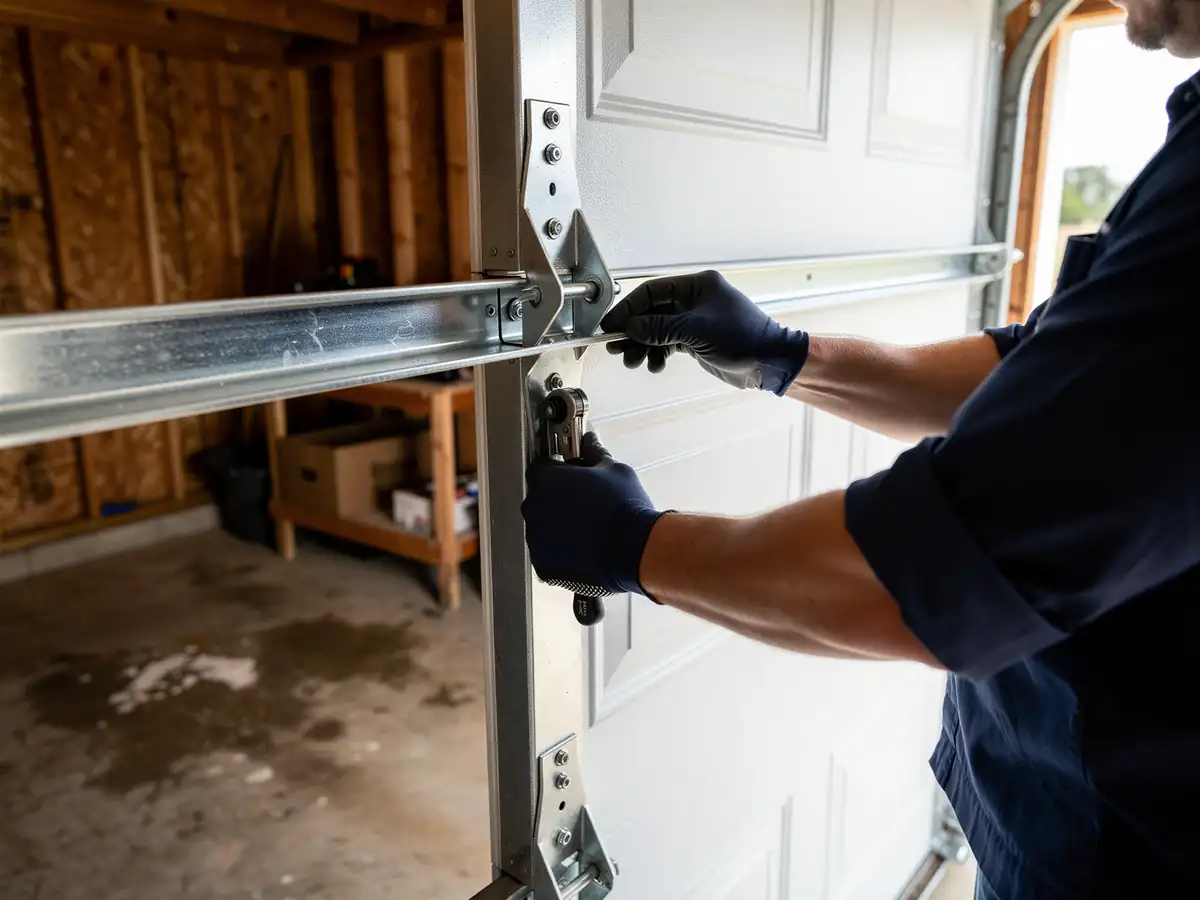
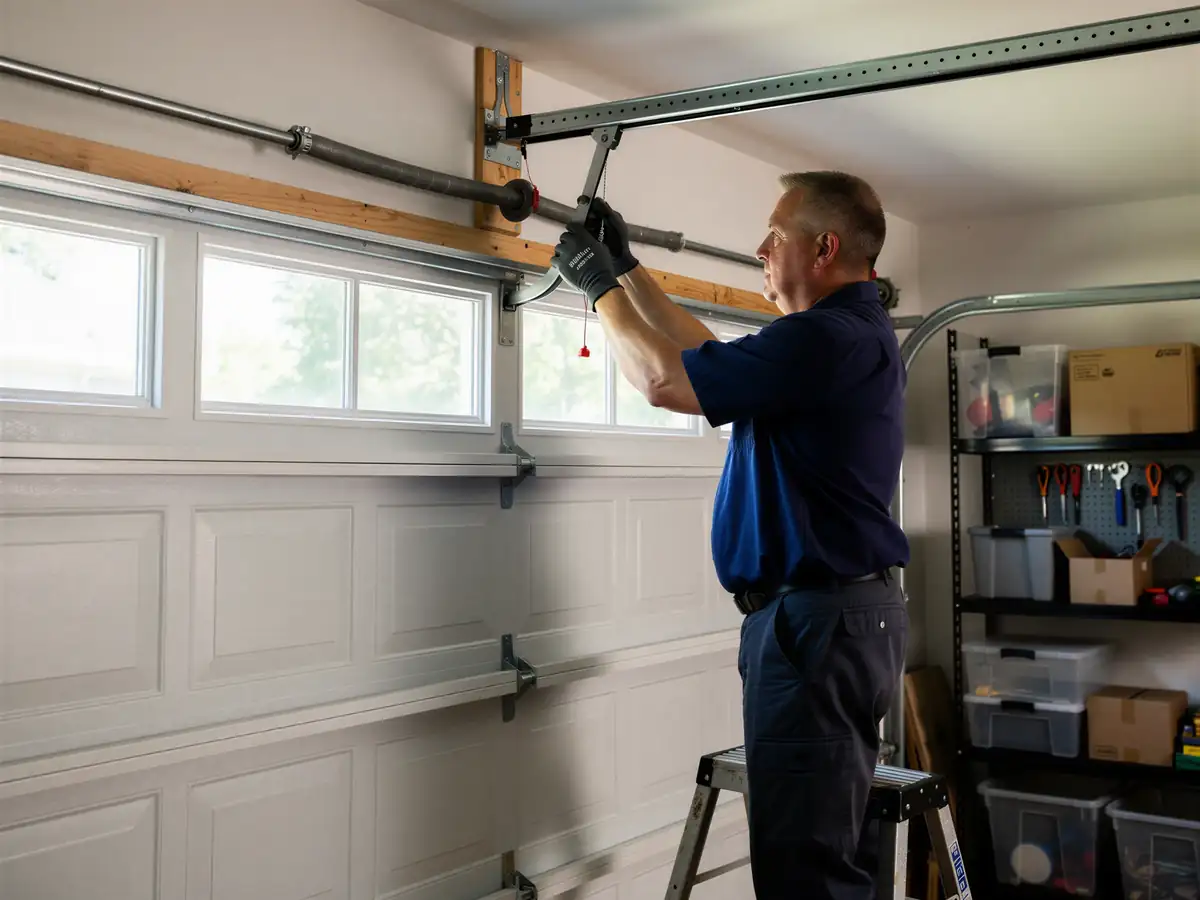
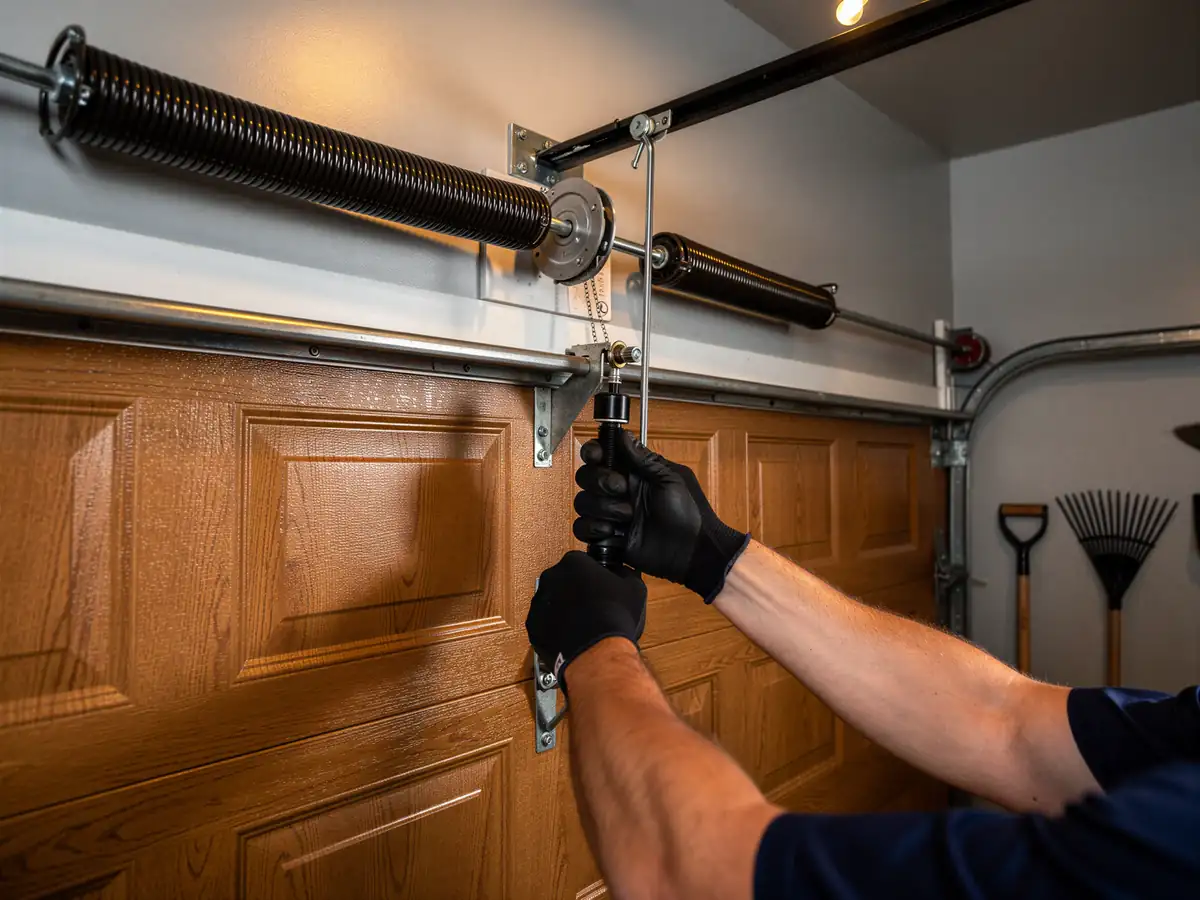
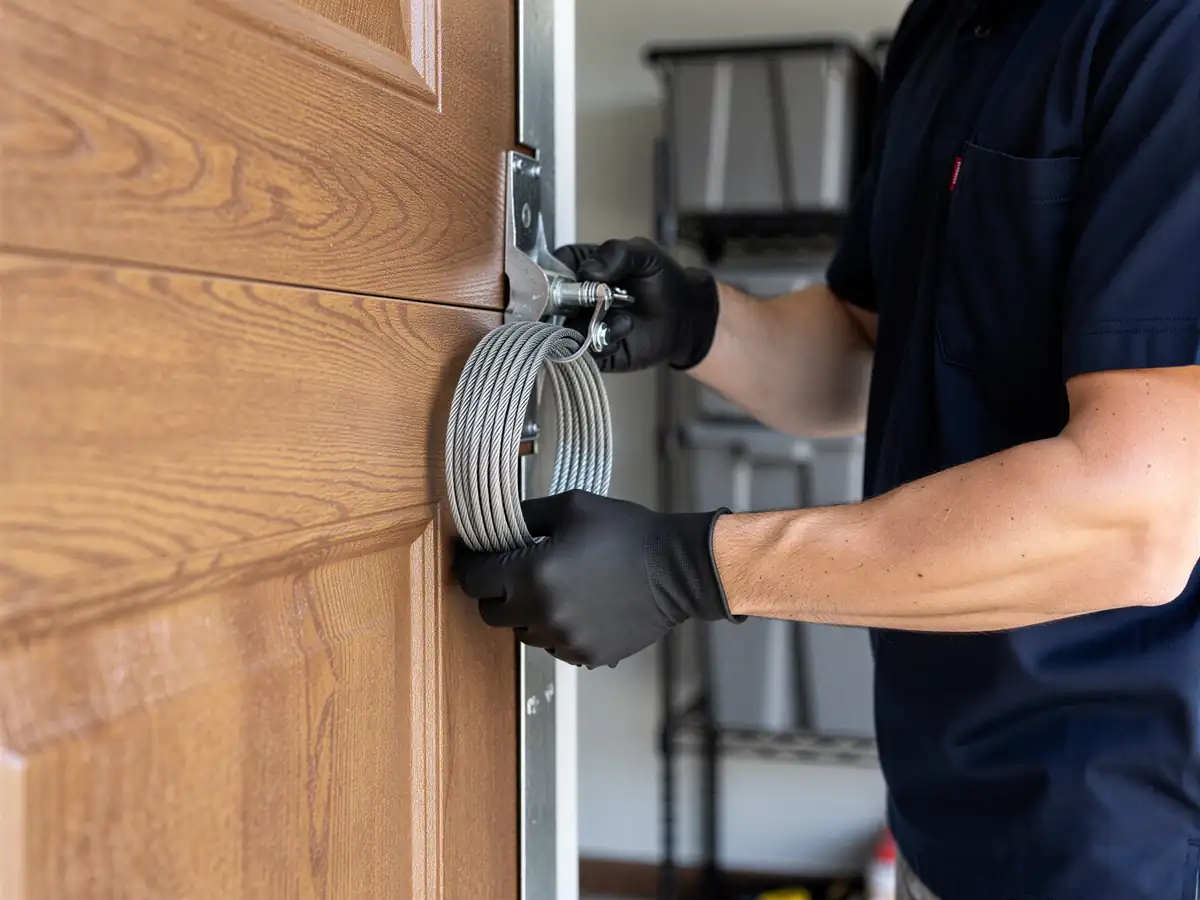
On a typical 1990-era door, the failure we see most is a worn torsion spring losing tension unevenly, which makes the door look crooked when it's halfway up - one side grabs, the other sags. We also get a fair number of calls where the opener itself is fine but the sensors or the logic board from that generation have started dropping signal, especially once a winter cold snap hits and the plastic housings get brittle.
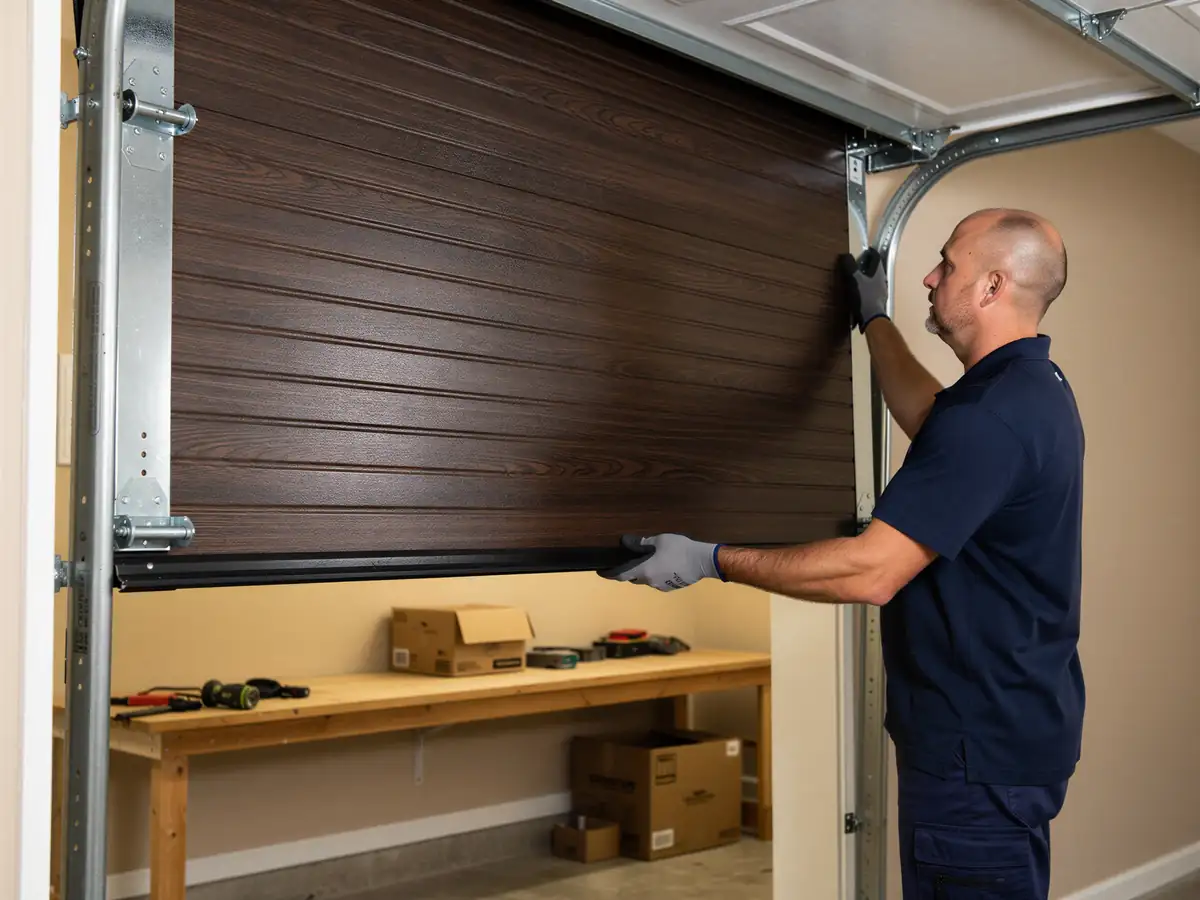
At a median household income of $104,055, most owners here choose to replace aging hardware proactively rather than wait for a full failure, and we see more full opener swaps than pure spring jobs compared to older, lower-income pockets of the territory. That's a trend we can work with - it means fewer middle-of-the-night emergency calls and more scheduled replacements, which is better for everyone's calendar.
What That Means for Doors
A door built in the early 1990s was engineered for a different winter than the one it's living through now
The service area sits in a cold, moderate climate band, and three decades of freeze-thaw cycling on steel springs and galvanized cable is exactly the kind of wear that doesn't show up until the morning it's 10 below and the spring finally lets go. We size replacement springs and openers to that cold-weather cycling, not to a catalog average, because a spring rated for a mild climate will underperform here.
One honest limitation
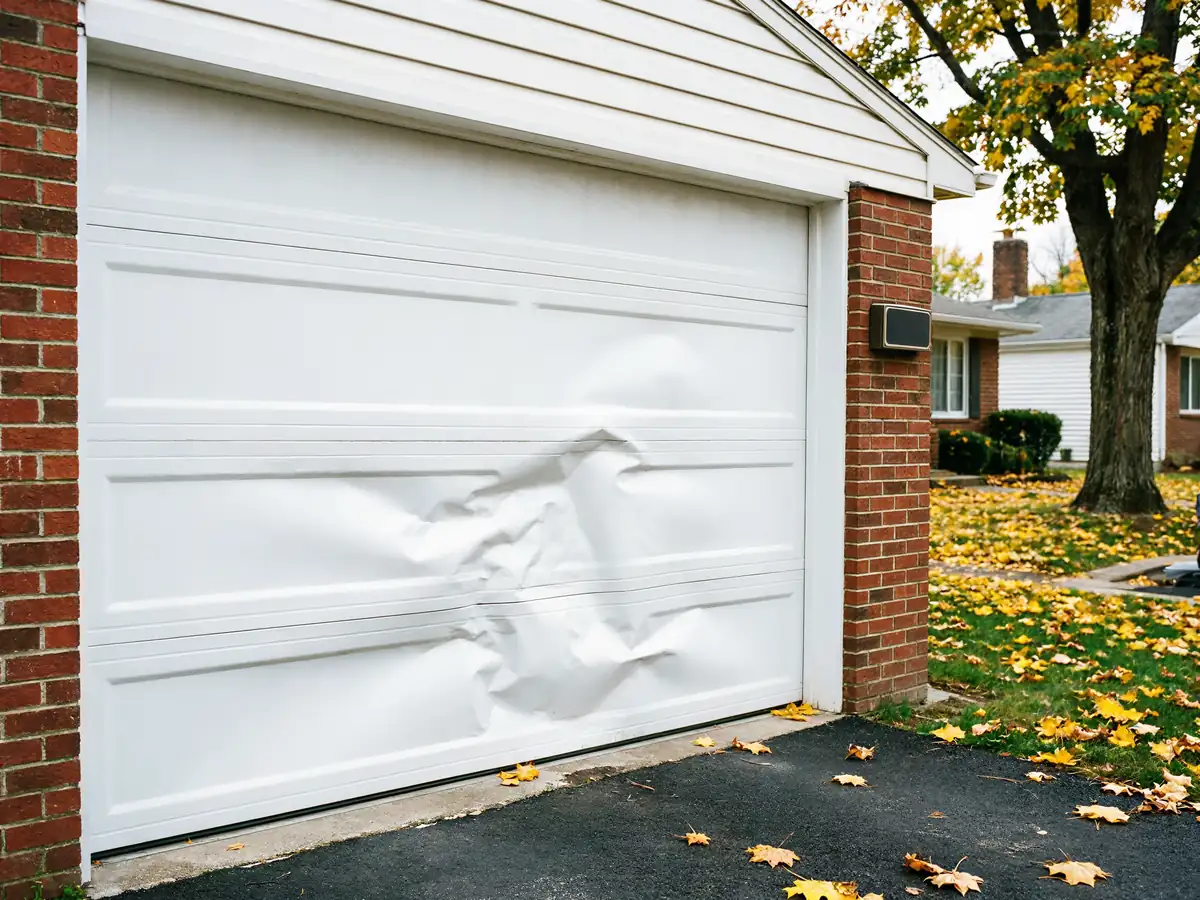
If your door is original to a 1990-era build and the track or panel has rusted through rather than just the spring going, replacement usually makes more financial sense than repair. We'll tell you that straight rather than patch a door that's going to need the same call again in a year.
How We Get to You
We run out of Lakeville, about 14 miles from Inver Grove Heights, and we don't keep a separate depot or crew stationed in the area - every job here is a scheduled trip from our home base. That distance doesn't change the work once we're in the driveway, but it does mean we plan the route and the parts list before we leave, especially for spring and opener jobs where showing up without the right-tension spring means a second trip.
If you're comparing us against someone physically closer, that's a fair thing to weigh. What we bring instead is familiarity with the hardware era this part of the territory was built in, and a straight answer about whether a repair is worth doing or whether it's time to replace.