Serving Lakeville, MN & nearby
(952) 246-5117
Lakeville, MN

Garage Door Service for Lakeville Homes

Garage door service for Lakeville homes built between 1955 and 2004, where cold winters and original torsion springs cause most of the calls we get.

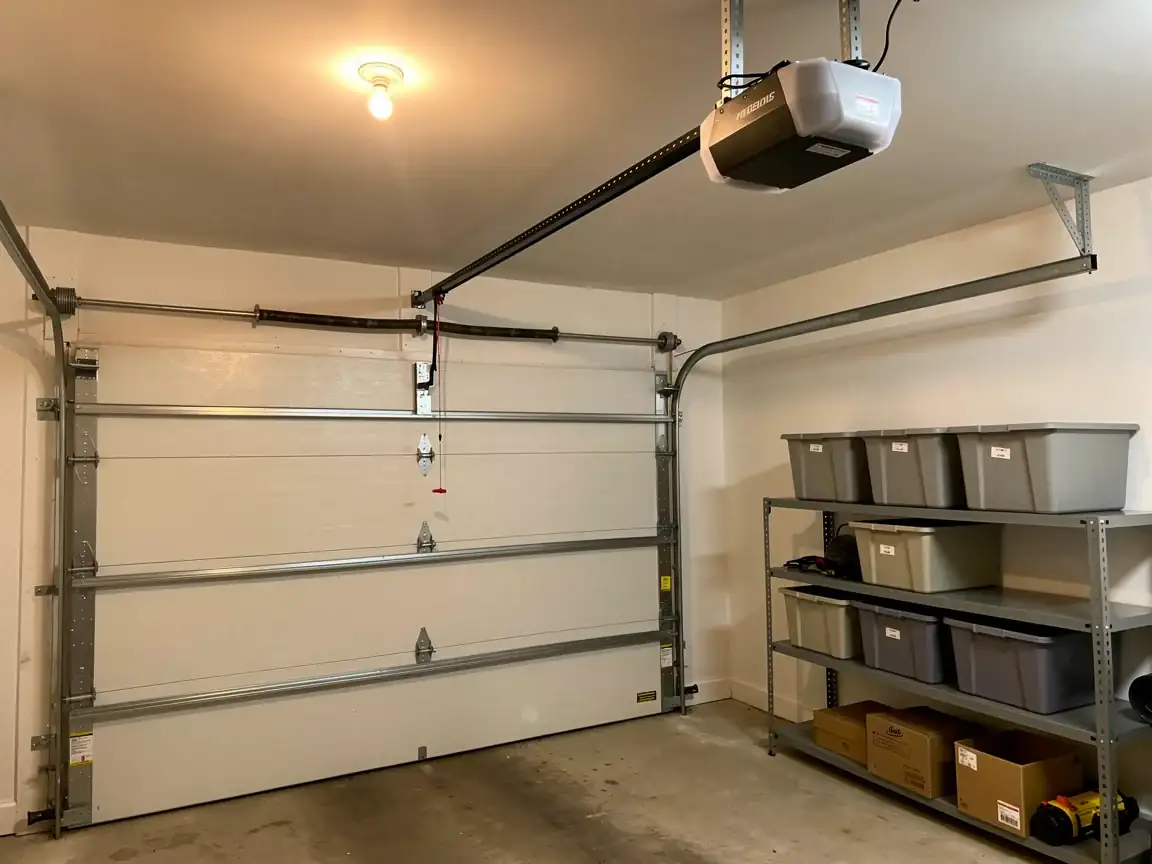
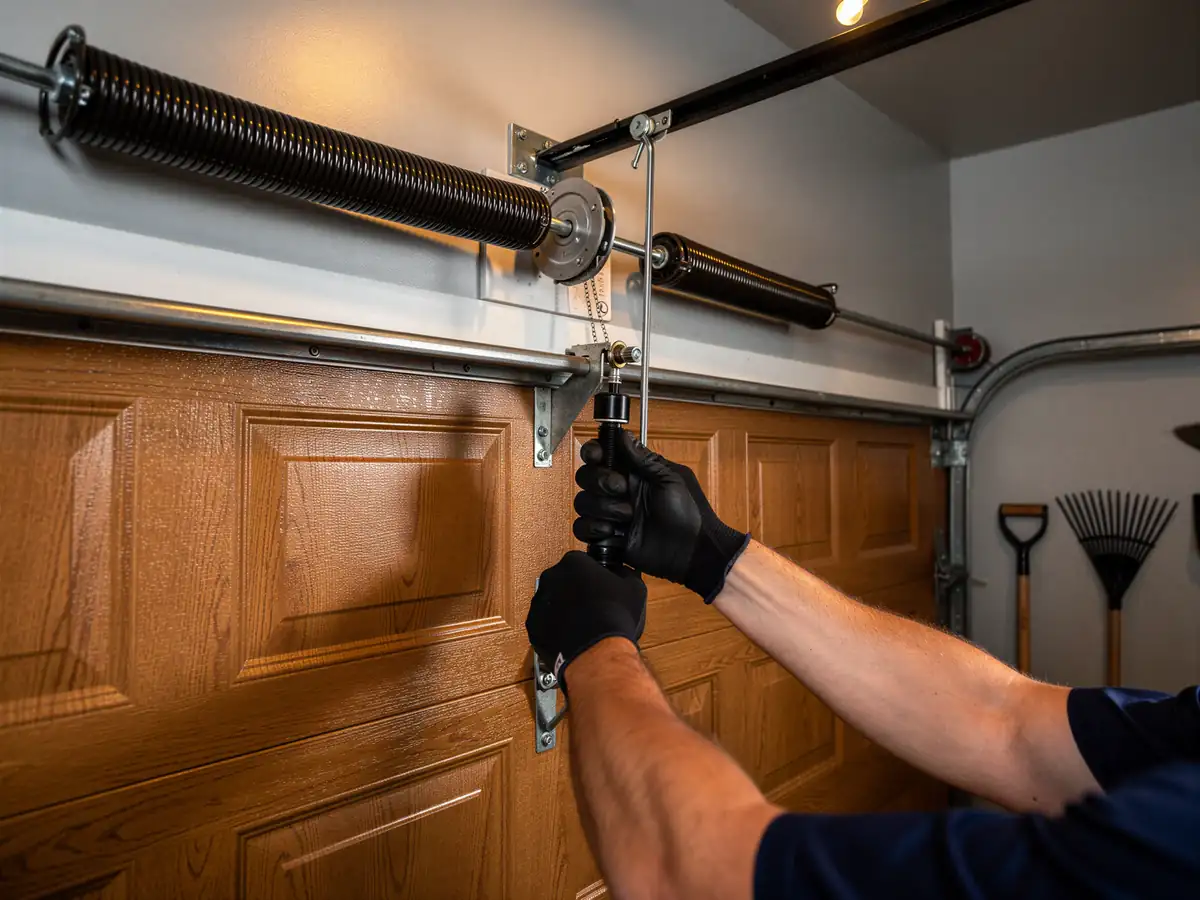
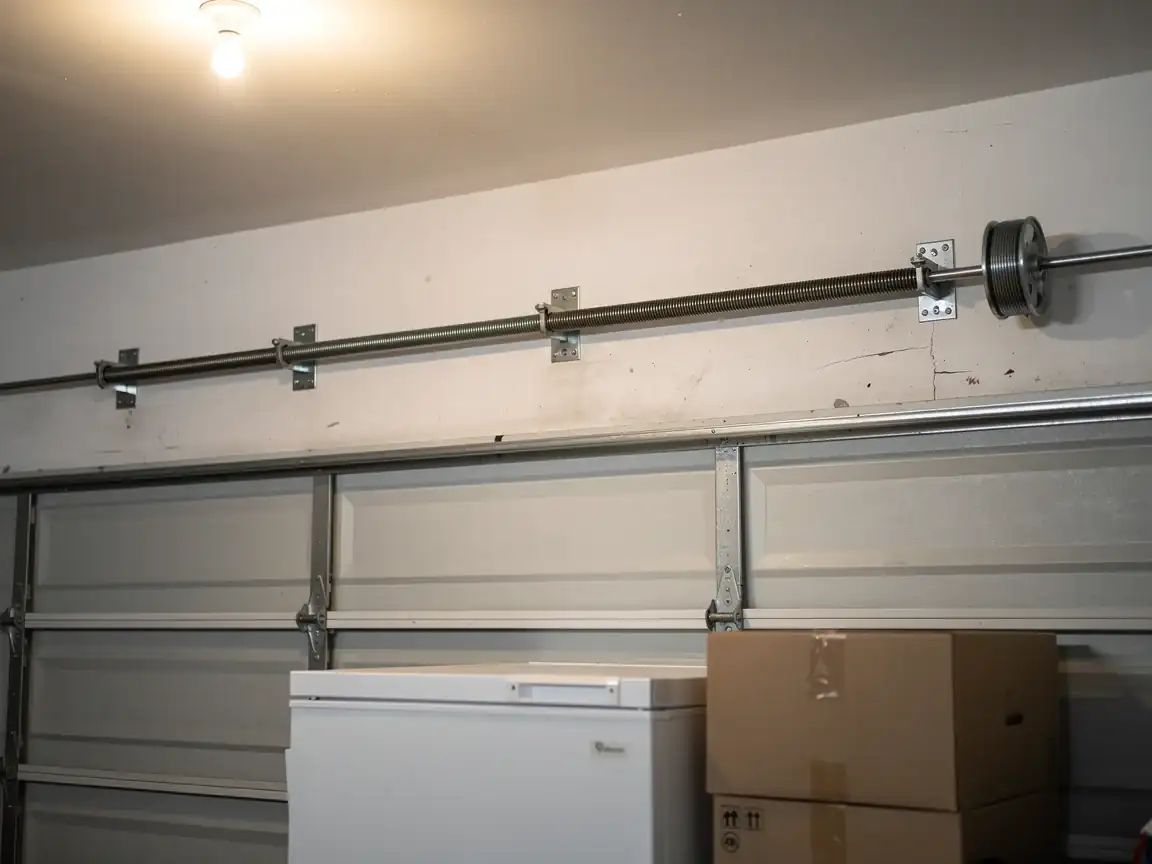
A torsion spring is installed above a white garage door, with a freezer and boxes below.
Lakeville, MN
8 services
6 service areas
Diagnosis first, then the fix

How to Book

Call or head to our site and tell us what the door is doing - won't open, won't close, makes a bang, drags on one side. We ask a few questions to figure out if it's a spring, a cable, an opener board, or track that's knocked out of line, because that determines what we bring on the truck. Most Lakeville calls come in once the door has already stopped working rather than while it's just acting up, so if yours is making a new noise or moving unevenly, that's the better time to call, not after it's stuck in the closed position with the car inside. We book by the job, not by a flat time slot, since a spring swap and a full opener replacement aren't the same visit. If you're not sure what's wrong, that's fine - describe the noise or the behavior and we'll narrow it down before anyone drives out. Go to the homepage to see how we handle the rest of what we do; this page is just about the service call itself.

The Cost of This Job

We don't post flat prices here because the job depends on what's actually failed and what's on the door - a single torsion spring swap on a builder-grade door from the 1980s or 90s stock that makes up most of this area is a different job than replacing a cable, drum, or an opener board on a newer unit. What we can tell you is what drives the cost: whether the part is a standard size still stocked on the truck or something discontinued that has to be sourced, and whether it's one spring or a matched pair (if one has failed, the other is usually close behind on a door that age). The honest limitation here: if your door and track are both original to a house built in the 1960s or 70s, parts for that specific hardware can take longer to source than parts for a 1990s door, and sometimes replacing the opener or the whole door is the more sensible move than chasing parts for something that old. We'll tell you straight if that's where you're at instead of billing you for a patch job.

What Causes It Around Here

Lakeville's housing stock runs 1955 through 2004, with the median build landing around 1984, and most of what's on the ground across the area's two dozen named neighborhoods is 1980s and 90s construction. That generation of garage door came with torsion springs and openers that were built for a 15 to 20 year service life, not a 40-year one - so a lot of these houses are now running original hardware well past when it was designed to fail safely. Add the climate: this is a cold-moderate zone, and steel torsion springs lose tension and get brittle faster through repeated freeze-thaw cycles than they would somewhere milder. Cold also thickens old grease in rollers and bearings, so the opener motor works harder every winter morning to move a door that's already fighting stiff springs. That combination - original-era hardware plus real winters - is why spring failure and opener strain show up here on a schedule you can almost set a watch to, rather than as a random one-off.

How It Shows Up

On a lot of these 80s and 90s doors, the first sign isn't a dramatic snap - it's the opener straining, chain or belt sounding tight, and the door lagging a beat before it starts moving, especially on the first cold morning after a hard overnight freeze. Some owners notice the door closing unevenly, one side dropping faster than the other, which usually means one spring in a pair has already gone while the other is still holding. On the older end of the stock - houses closer to that 1955 start of the range - we also see tracks that have slowly racked out of alignment over decades of seasonal temperature swings, so the door rattles or binds partway through its travel instead of running smooth. If your opener clicks and the light comes on but the door doesn't move, that's almost always a spring, not the opener itself, no matter how new the motor is. None of that needs to turn into a breakdown if it gets looked at when it starts, rather than after it quits.
How it works

From “it’s stuck” to “it’s fixed”

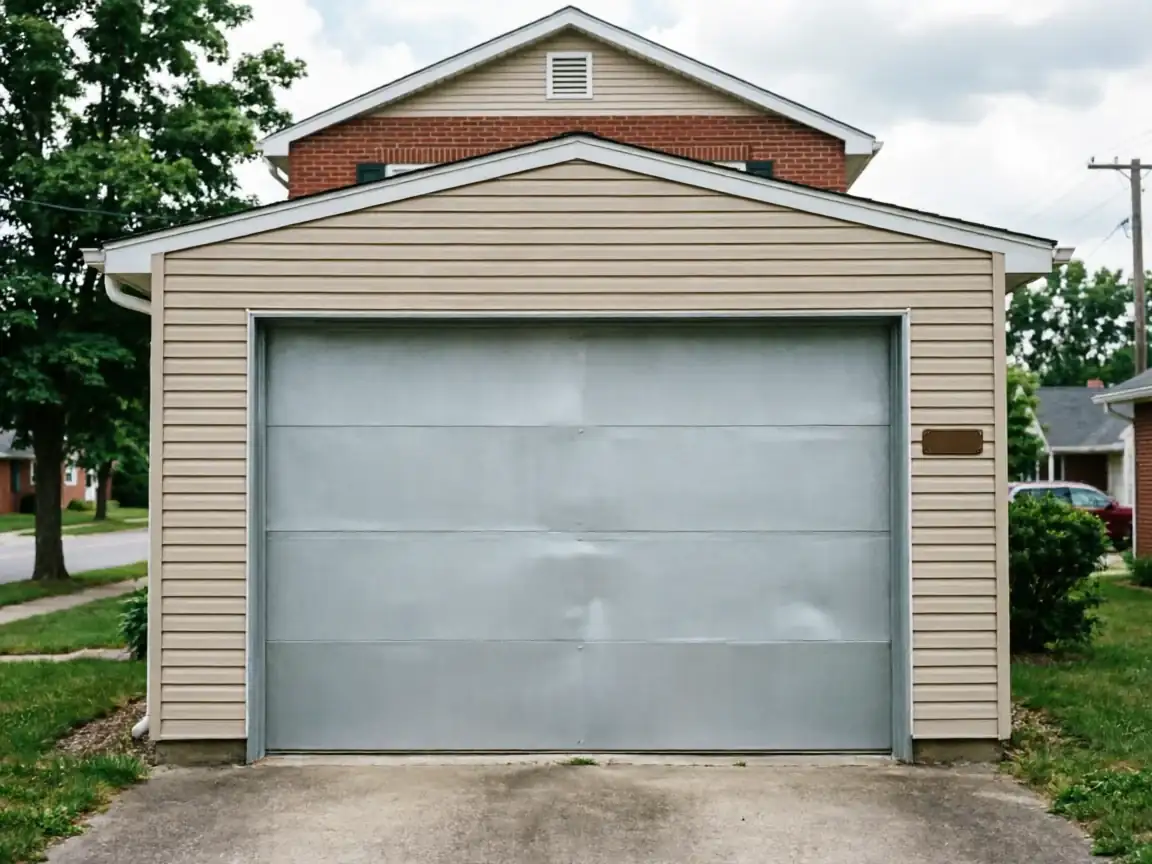
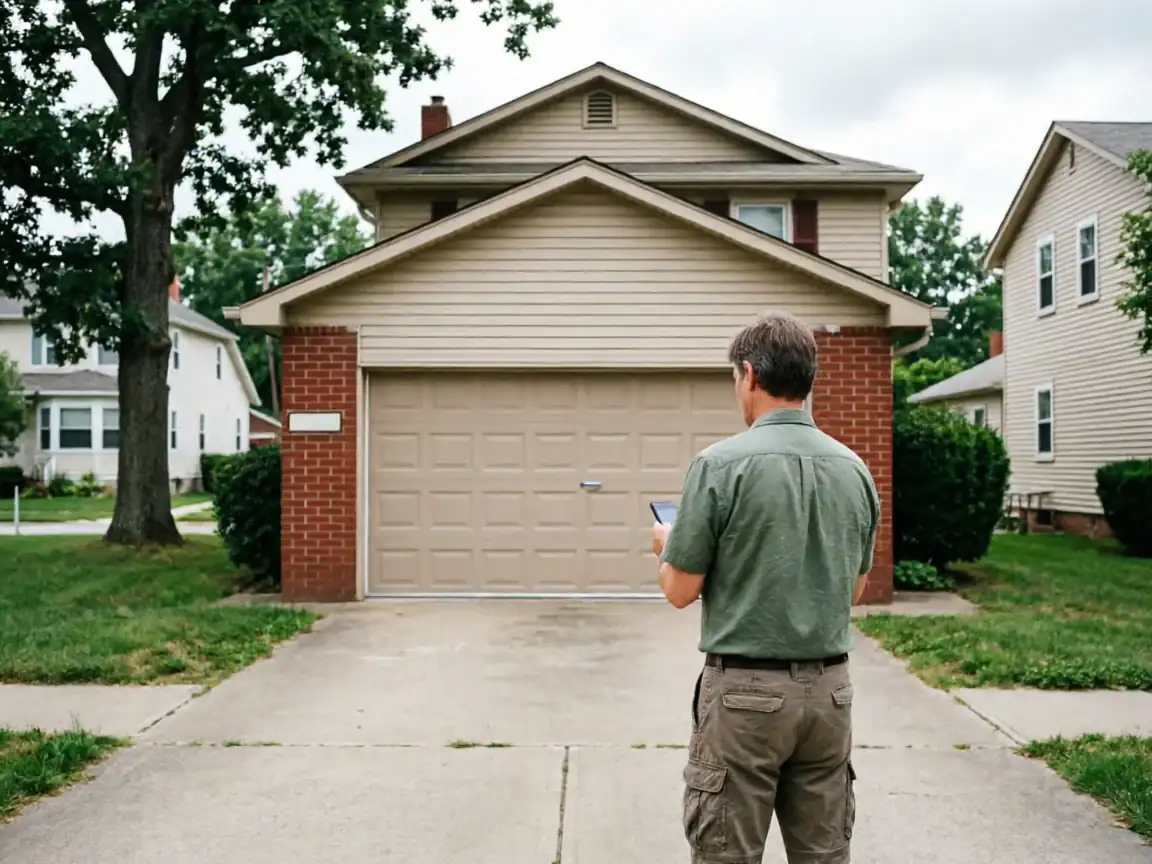
A technician stands in a driveway looking at a tan garage door on a house.

Tell us what’s wrong

Describe the symptom - won’t open, loud bang, opener runs but the door won’t move.

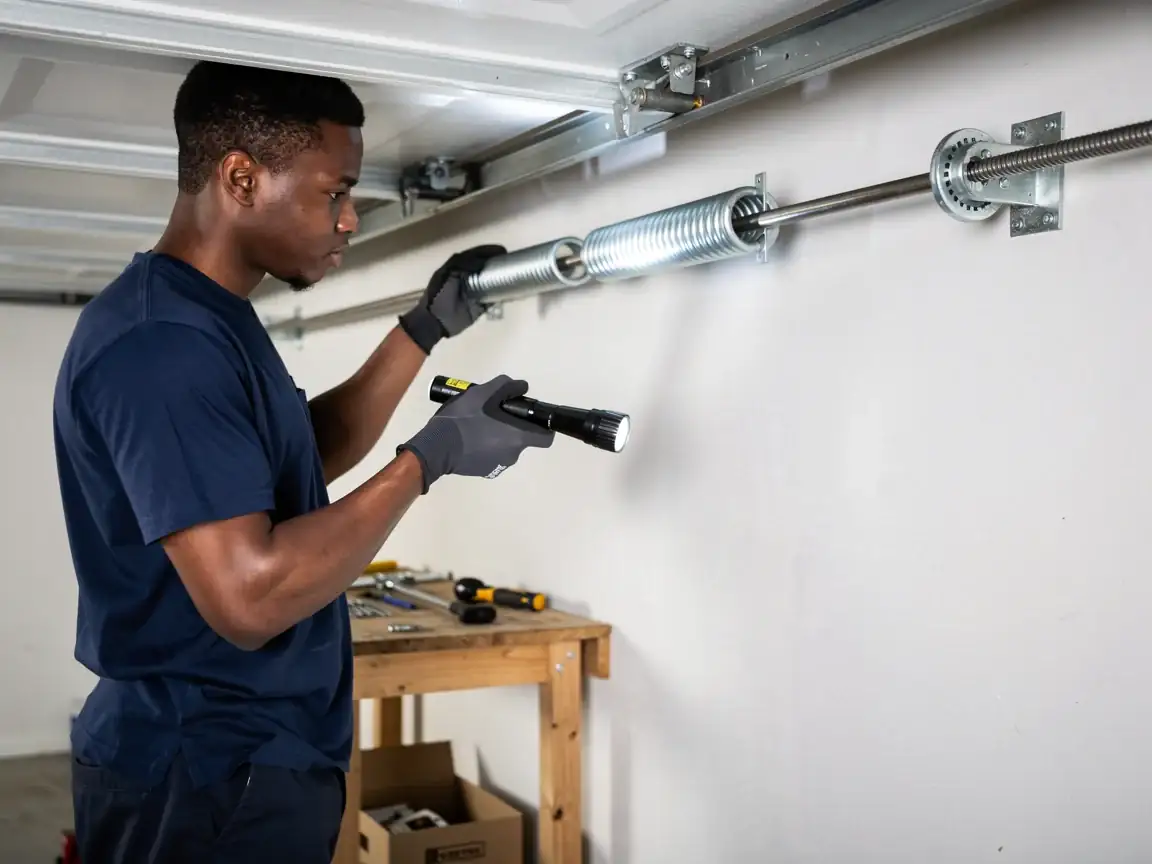
A technician holds a flashlight and works on a garage door torsion spring.

On-site diagnosis

A technician tests the door under power and by hand and finds what actually failed.

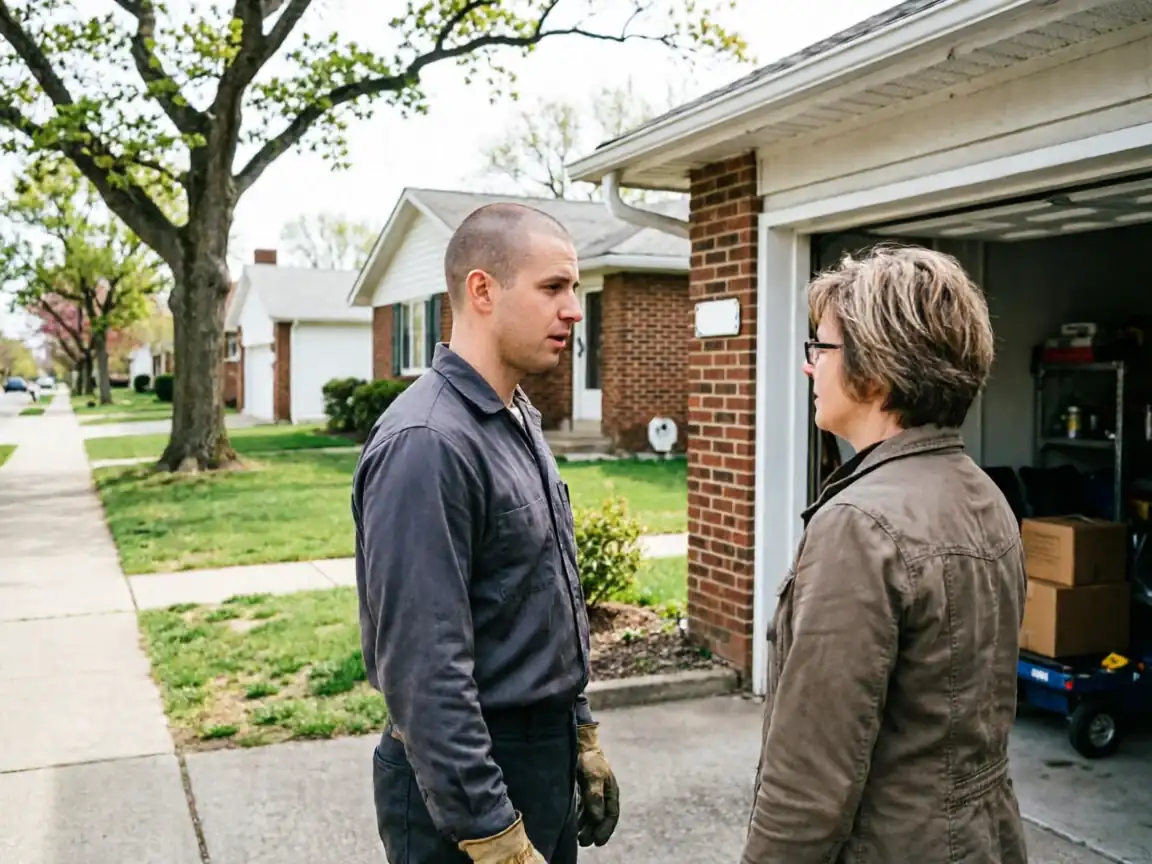
A technician in a gray shirt talks to a woman in a brown jacket outside a garage.

Clear, up-front plan

You get the fix that’s needed and what drives the cost - before any work starts.

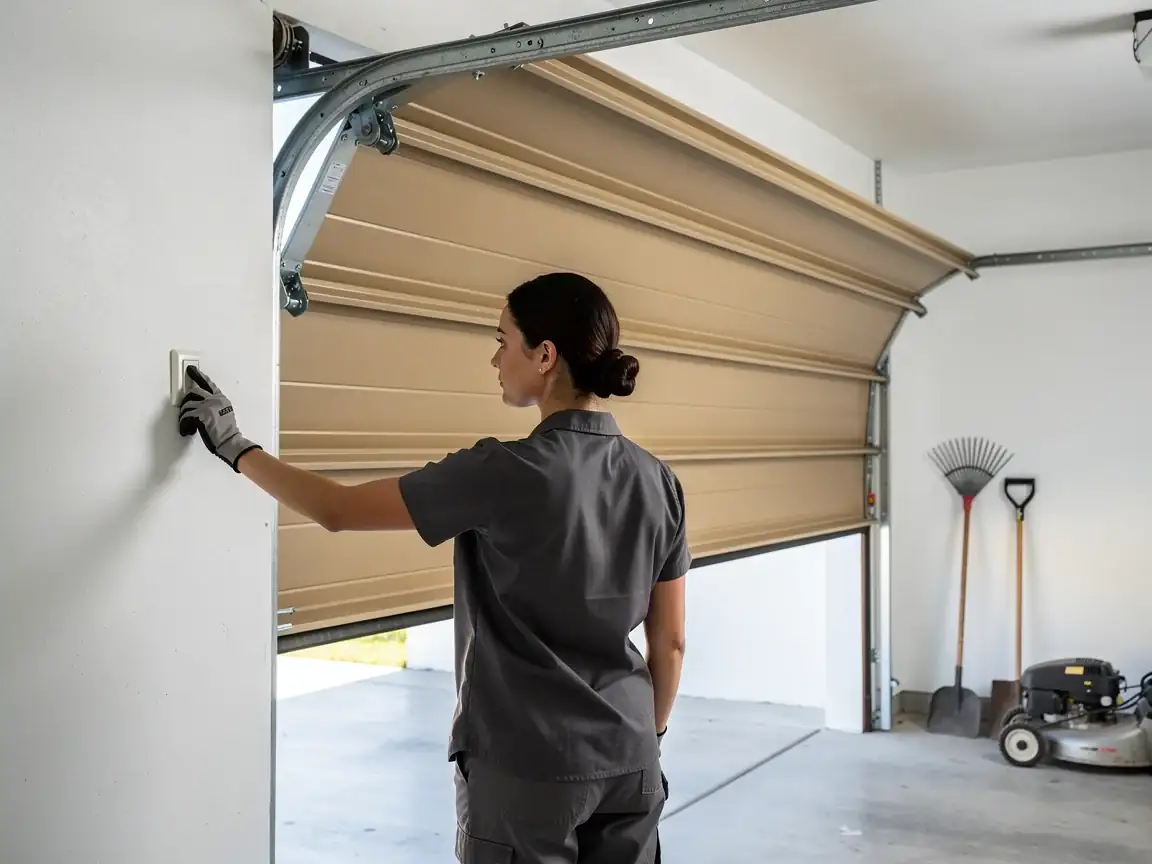
A technician in gray work clothes presses a button to open a tan garage door.

Repaired & tested

The repair is done, the door is set true and tested, and the work area left clean.

Not sure which repair your door needs in Lakeville, MN? Describe what it’s doing - every job starts with a diagnosis.

6areas covered
How we work

What to expect

Diagnosis firstEvery visit starts by finding what actually failed - not a pre-written parts list.
The right part for the doorSprings and openers matched to the door’s weight and age, so the fix holds up.
Straight answersWhen a repair makes more sense than a replacement - or the reverse - you hear it plainly.
Clean, careful workTension released safely, hardware set true, the door tested under power before we leave.
Residents in Lakeville
Garage door services
Neighborhoods & suburbs
Serving Lakeville, MN
60,633
8
6
MN
What we do

Garage Door Services

Repair and installation work for Lakeville homes and businesses.

Where we work

Serving Lakeville & nearby

Local garage door service across 6 Lakeville-area neighborhoods and communities - is your street on the list?

6

Lakeville-area neighborhoods & nearby communities we cover

Questions

Frequently asked

Straight answers about garage door repair in Lakeville. Still unsure? Ask us directly.

01How old does a garage door spring usually last in Lakeville?

Most torsion springs are built for roughly 15 to 20 years of normal cycles. Given that Lakeville's housing runs 1955 to 2004 with a median build around 1984, a large share of doors in the area are running original or first-replacement springs well past that window, which is why spring failure is one of the most common calls we get.

02Why does my door act up more in winter?

Cold makes steel springs stiffer and more brittle, and it thickens old grease in rollers and bearings. In a cold-moderate climate like this one, that combination means openers work harder and springs fail more often through winter than in warmer months, especially on hardware that's already decades old.

03Do you repair doors from the 1960s and 70s, or just newer ones?

We work on both, but parts availability differs. Doors and track from the earlier end of the area's 1955-2004 housing range sometimes use hardware that's no longer a standard stock size, so sourcing takes longer. On those, we'll tell you honestly if replacement makes more sense than hunting down discontinued parts.

04My door closes unevenly on one side - is that urgent?

Yes, treat it as urgent. An uneven close on a double door almost always means one torsion spring has failed while the other is still holding the load. Running it that way stresses cables and the opener and raises the risk of the door coming down hard. Get it looked at before the second spring goes too.

Ready to get your garage door sorted?

Tell us what it’s doing and where you are in Lakeville - we’ll take it from there.

Request a QuoteCall