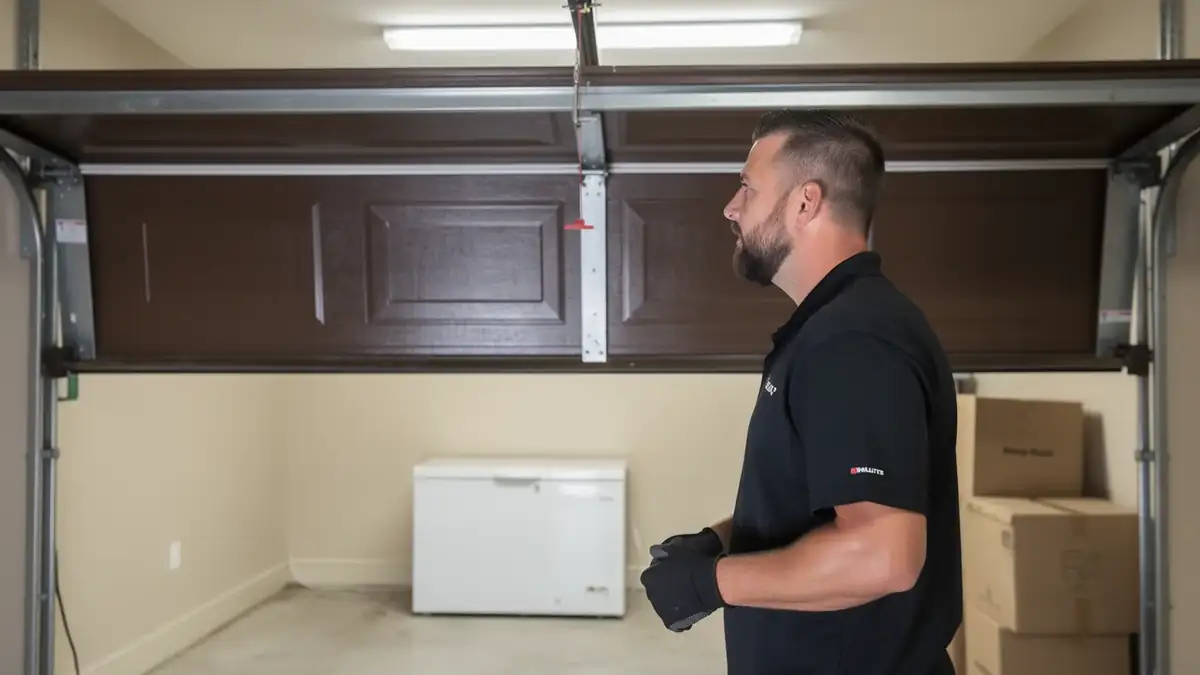
When It Stops Being a DIY Job
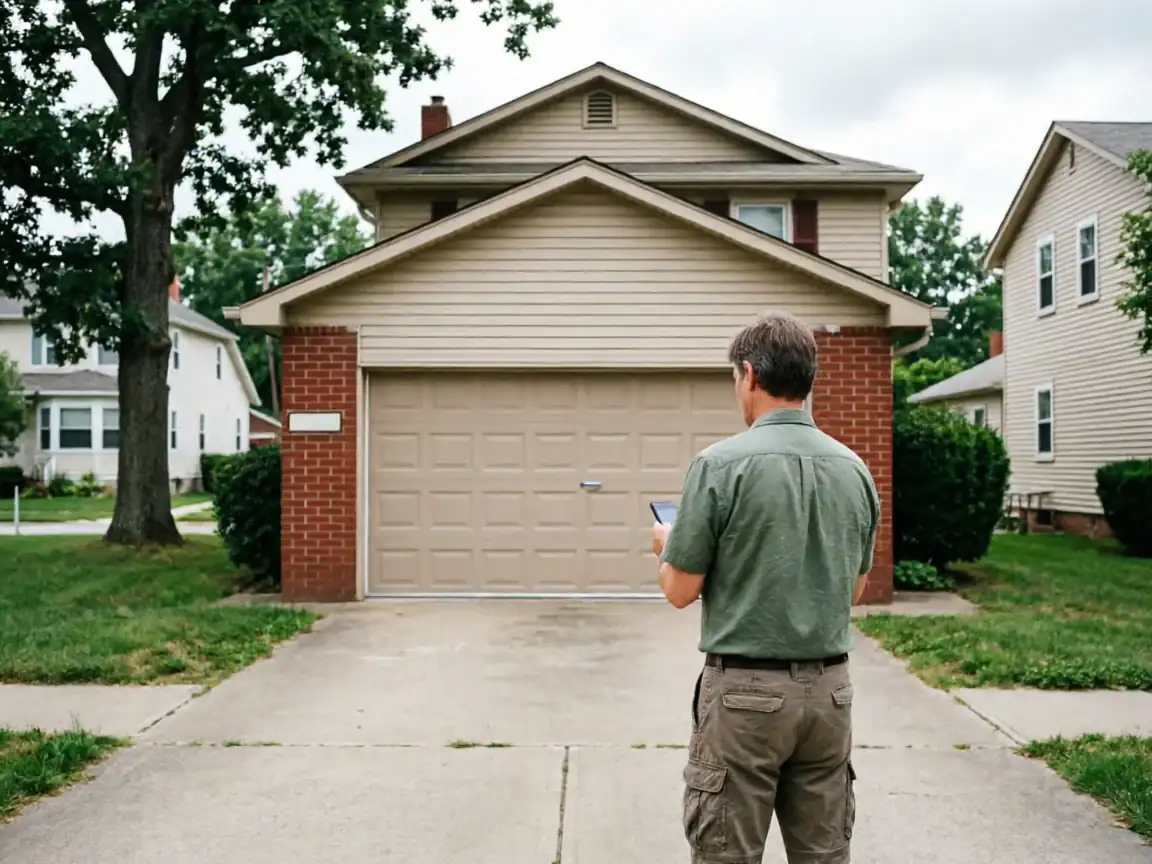
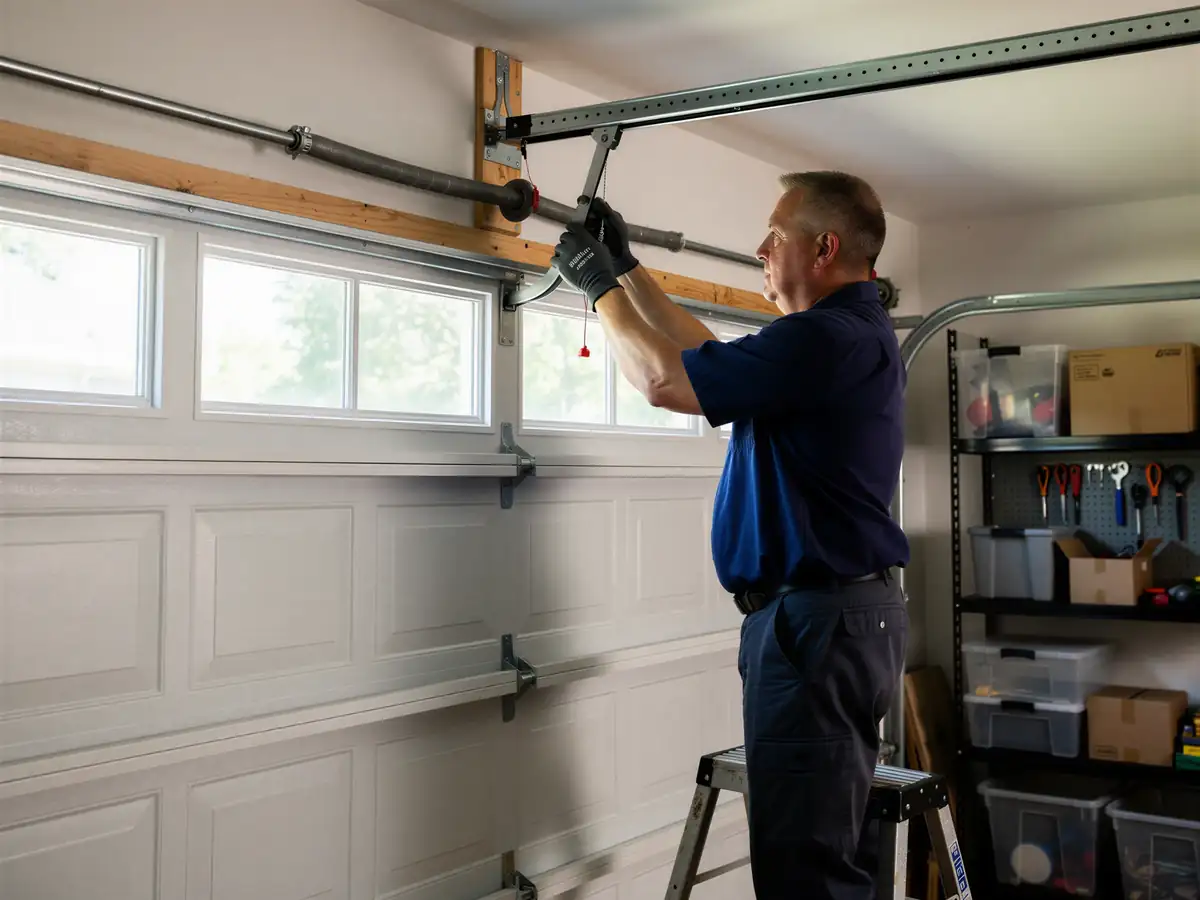
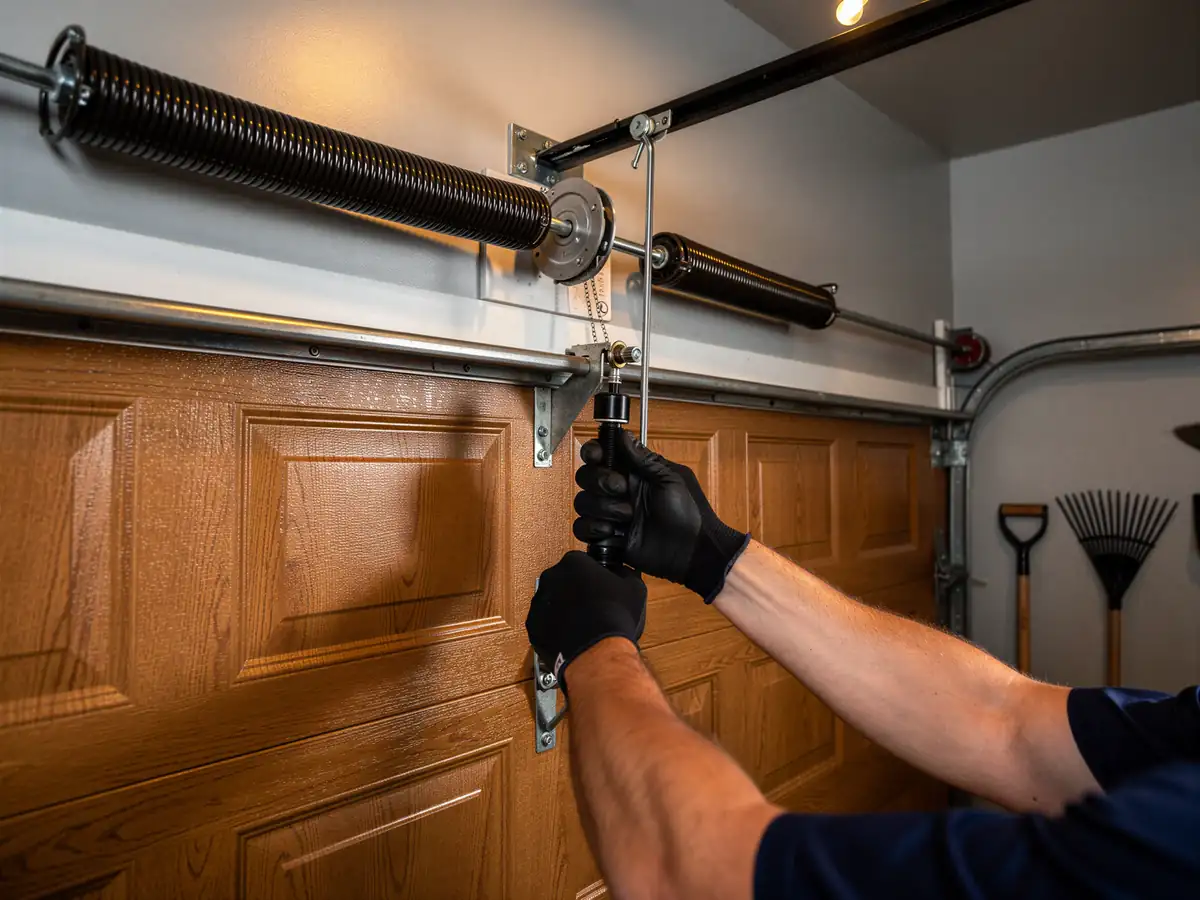
If your garage door in Lakeville was put up anywhere near the neighborhood median of 1984, the springs and rollers inside it are original or close to it. Torsion springs are rated for a set number of open-close cycles, and a door opened twice a day for close to forty years has used most of that life already. A grinding or popping sound from a door that age isn't background noise you adjust to - it's the spring or the bearing plate telling you it's near the end.
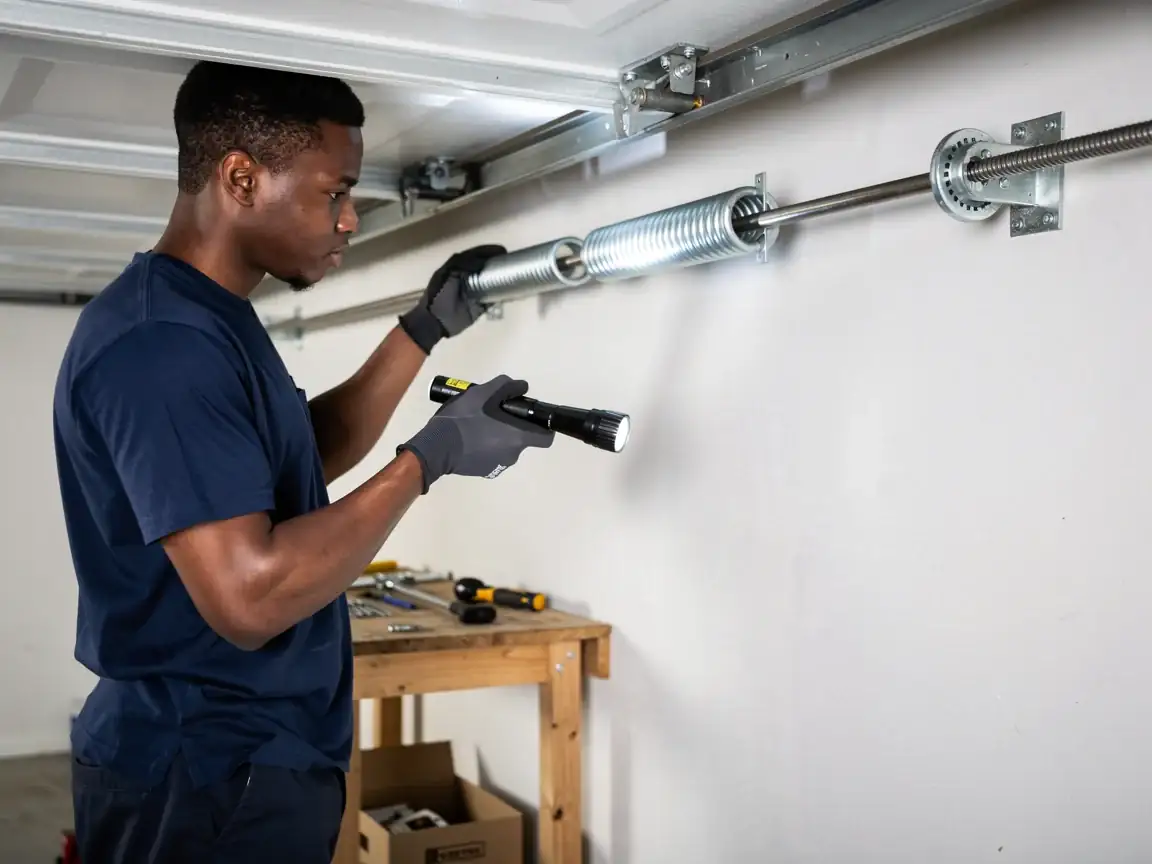
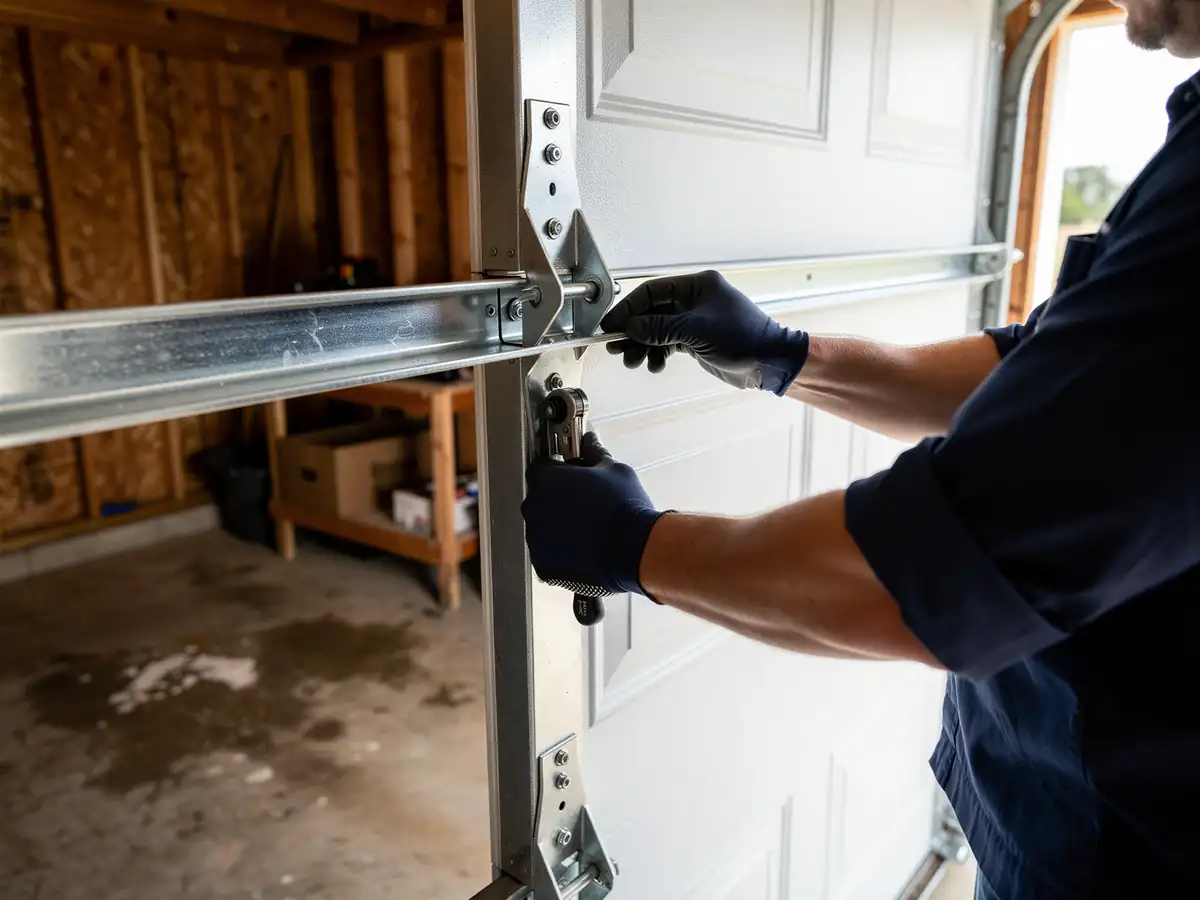
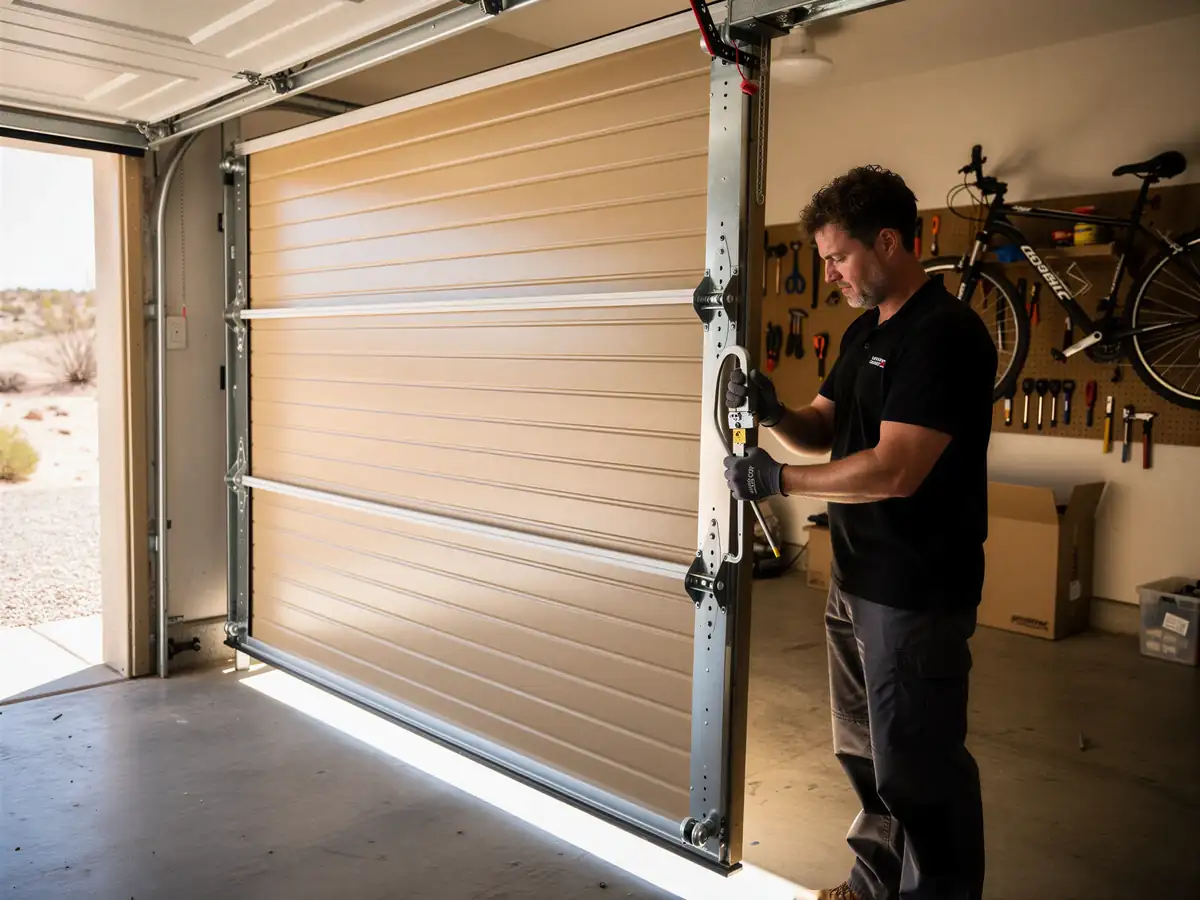
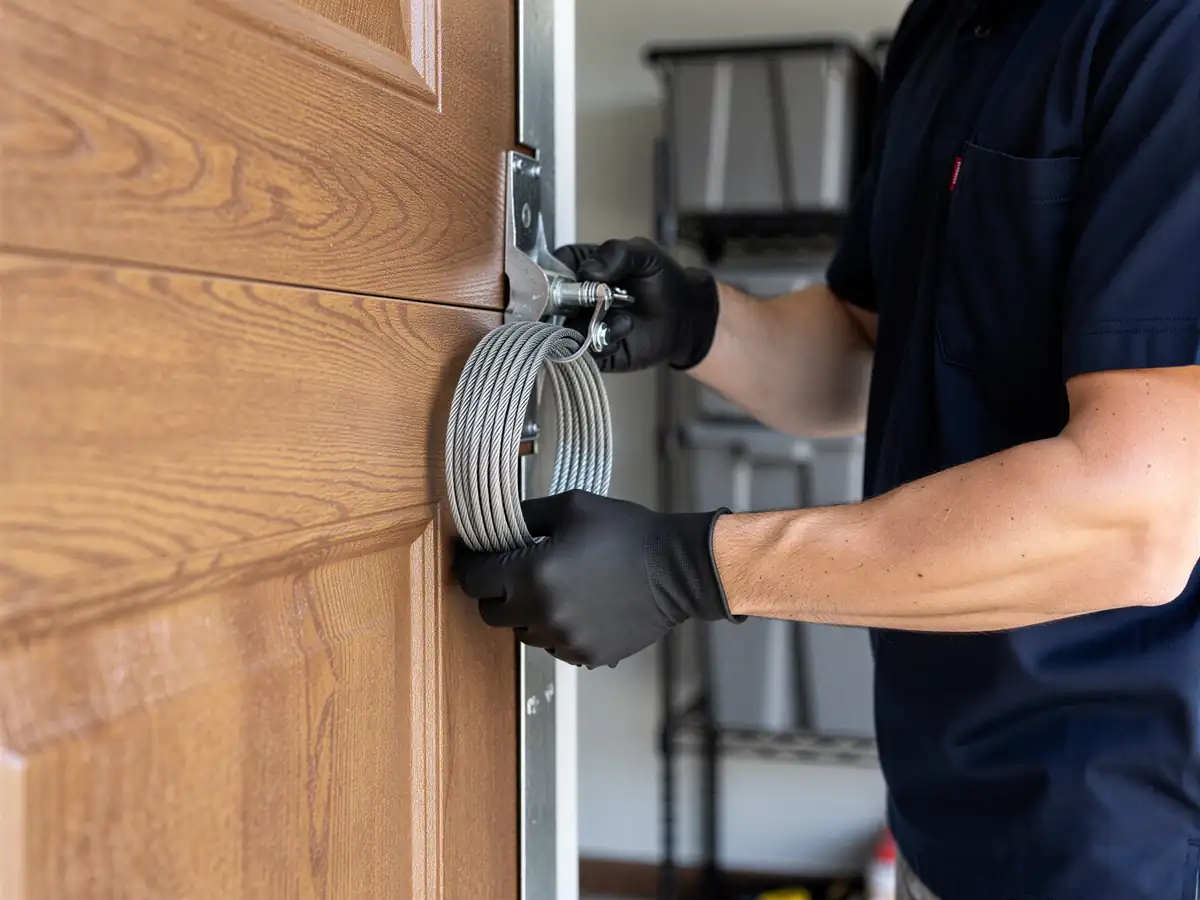
DIY stops making sense once you're dealing with a torsion spring under tension, a frayed cable, or a bent track section. Those jobs carry real risk of injury, and most hardware stores don't stock springs sized for doors from this era. If you can trace the sound to a loose bolt or a dry hinge, grab a wrench or a can of lithium grease. If the sound is coming from the spring itself, that's a call, not a weekend project.
What to Check
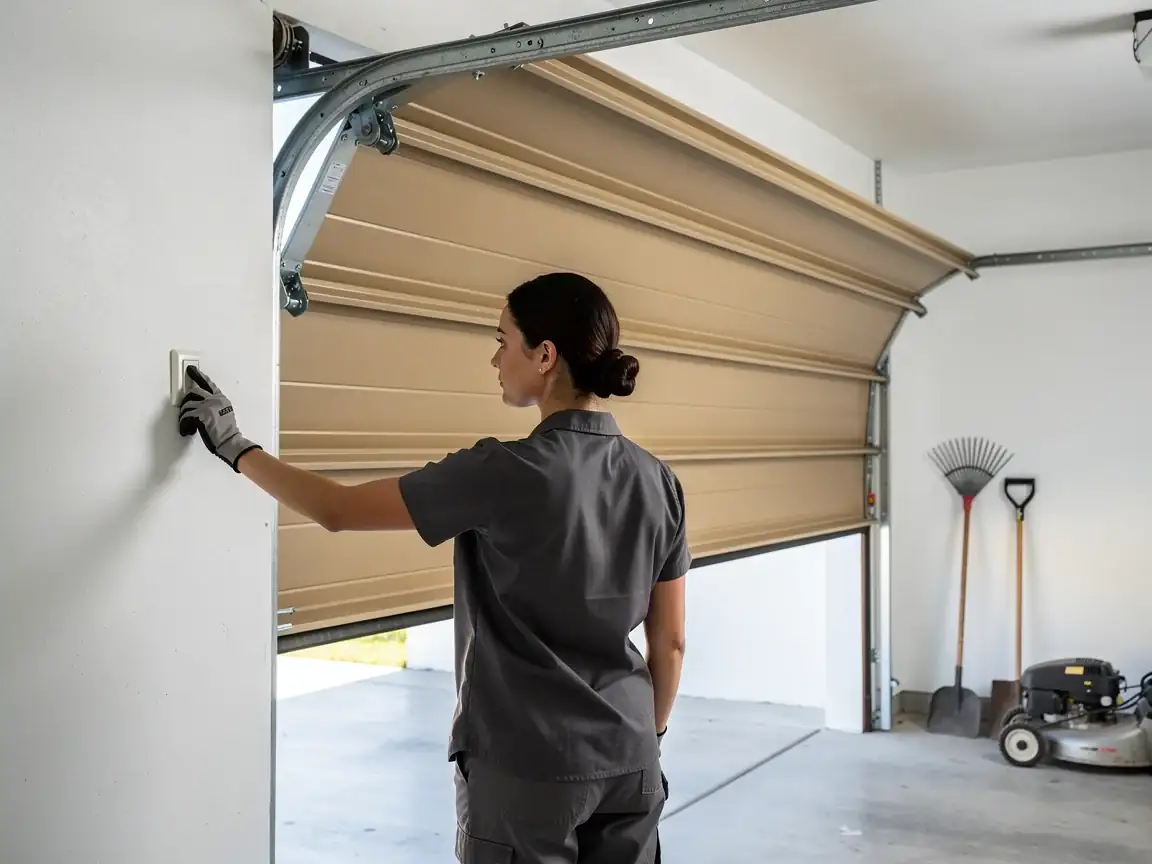
Start by listening for where the sound happens in the door's travel, not just that it happens.
- A sharp bang as the door closes usually means a cable has slipped off its drum, or a spring has let go. Stop using the door.
- A rhythmic squeak once per rotation is almost always a dry roller, and on doors from the 1980s and 90s stock common across this area, those are still steel rollers rather than nylon - they wear a groove and need replacing, not just oiling.
- A low hum or rattle along the track often means a bracket has worked loose, which happens over time as a steel track flexes with temperature swings.
- Grinding on opening points to the opener's gear or the spring losing its coat of lubricant.
What you can check yourself: tighten the bolts holding the track brackets to the frame, and look at whether rollers are cracked or flat on one side. What you shouldn't touch: the torsion spring itself, or anything that requires taking tension off a cable under load.
How Local Conditions Play In
Lakeville sits in a cold moderate climate band
And that matters more to a garage door than most people think. Steel panels contract in cold weather, which tightens tolerances at the track just enough to turn a minor misalignment into a scrape you can hear from the kitchen. Grease that moved fine in September can stiffen by December, and a spring that was already near the end of its cycle count often picks the first hard cold snap to finally let go - the metal is less forgiving when it's cold.
Most of the housing stock here went up between 1955 and 2004
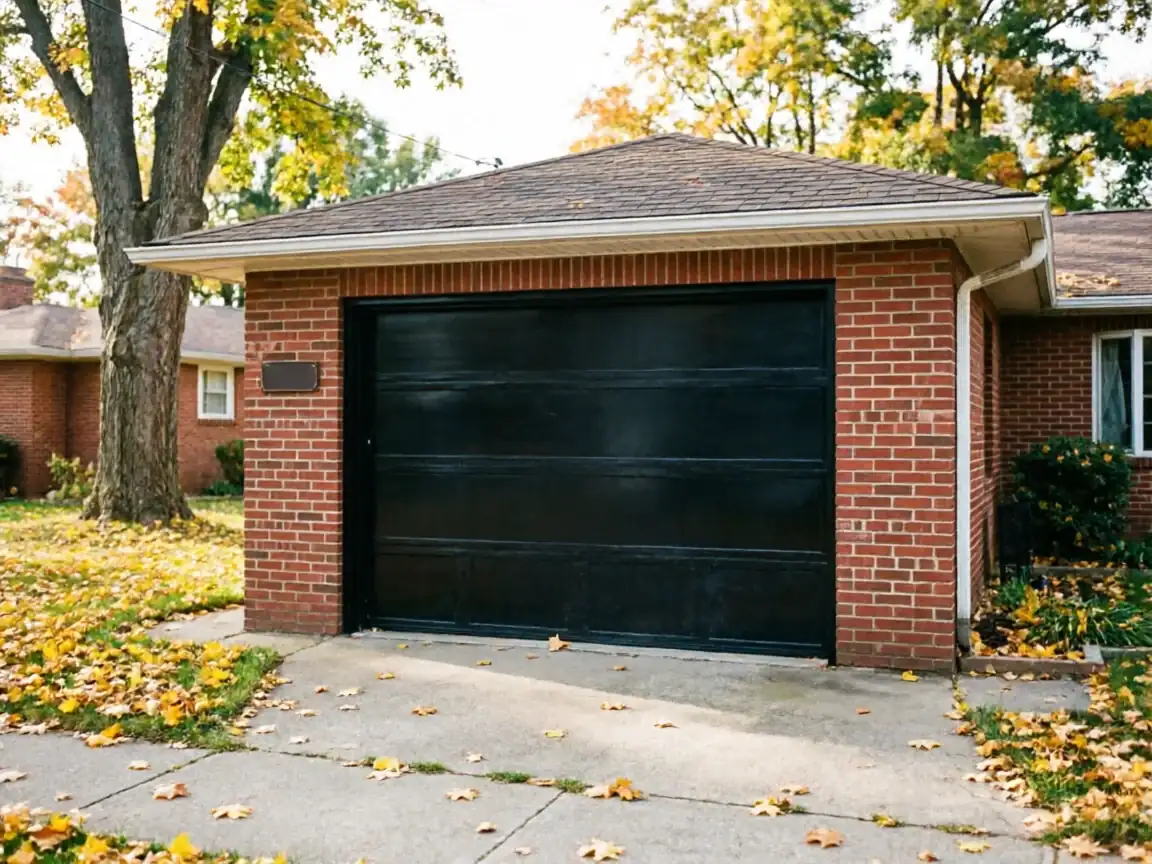
With the bulk from the 1980s and 90s. Doors and openers from that window weren't built with the insulation or weather seals you'd spec today, so the temperature swing between the garage and the driveway is often sharper than it needs to be. That swing is part of why older doors in this area start making noise earlier in winter than the manual would suggest. None of this means the door is failing - it means cold exposes wear that was already there.
The Situation
We work across the Lakeville area, including the stretch out toward Credit River and Elko New Market, and the noise complaints we get track pretty closely with the age of the housing stock - most calls come from doors installed when a given subdivision was built, not from anything unusual the owner did. With around 53,681 owner-occupied houses and a median household income of $99,460 in the area we serve, most of what we see is routine wear reaching the point where patching it no longer makes sense.
One honest limitation: we can't diagnose a noise over the phone with any real confidence. Spring, cable, roller, and opener problems can sound similar to someone standing in the garage, let alone describing it secondhand. If your door is making a noise you haven't heard before, the safest move is to stop using it and reach out rather than guess which part it is.