When It Stops Being a DIY Job
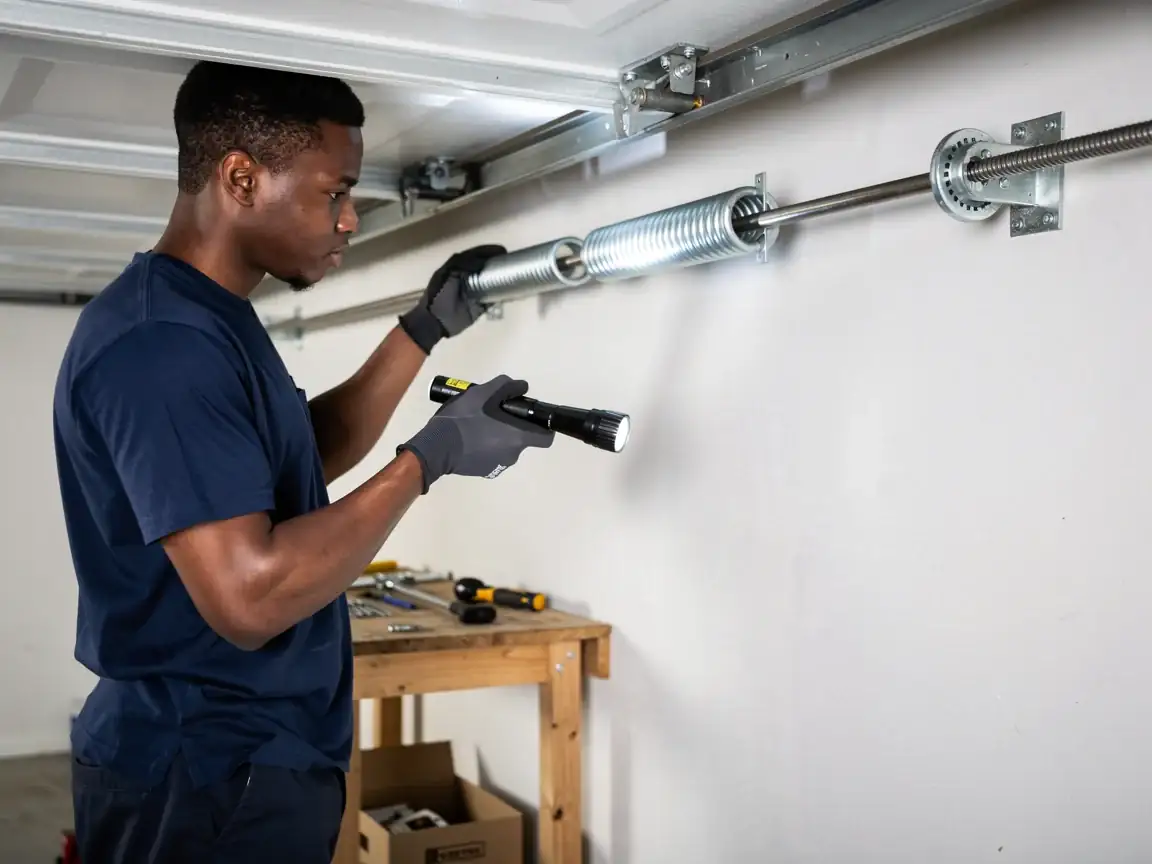
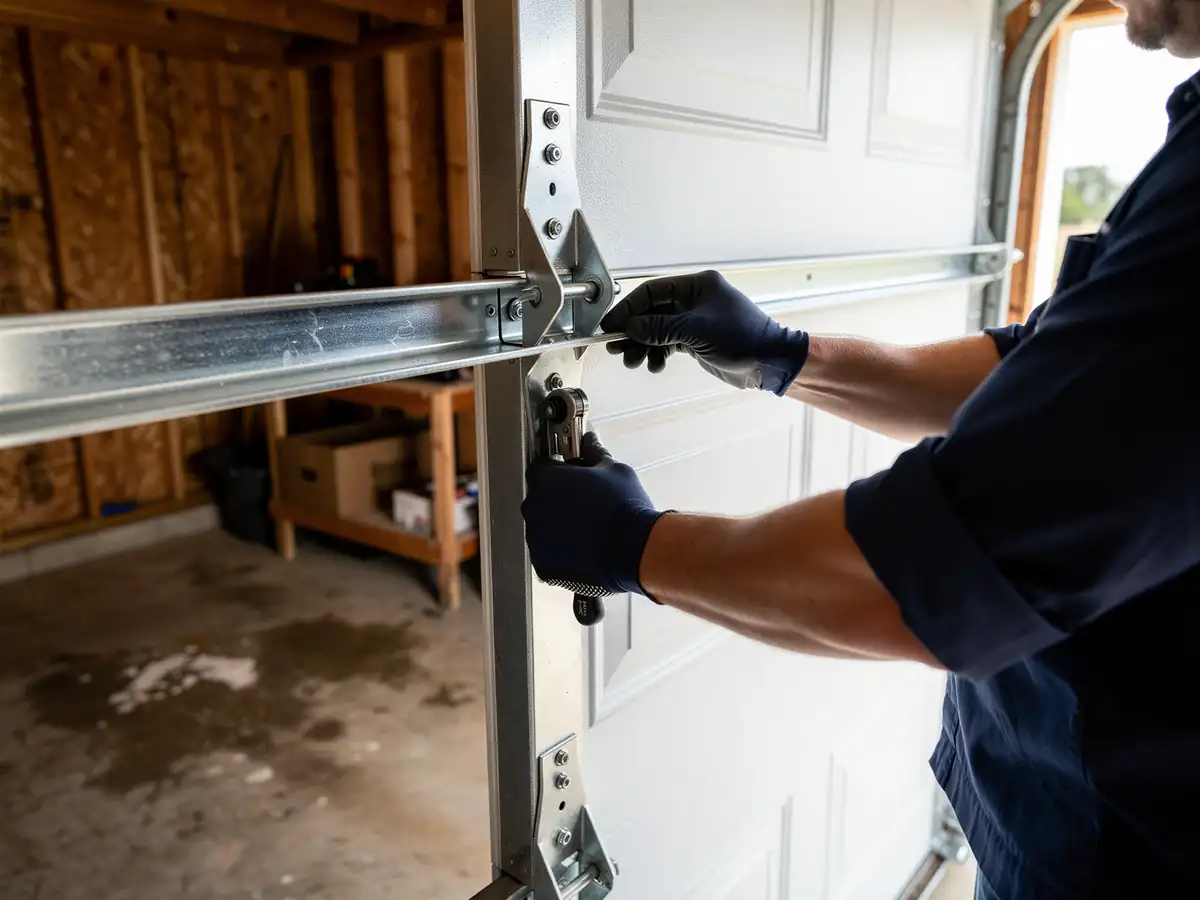
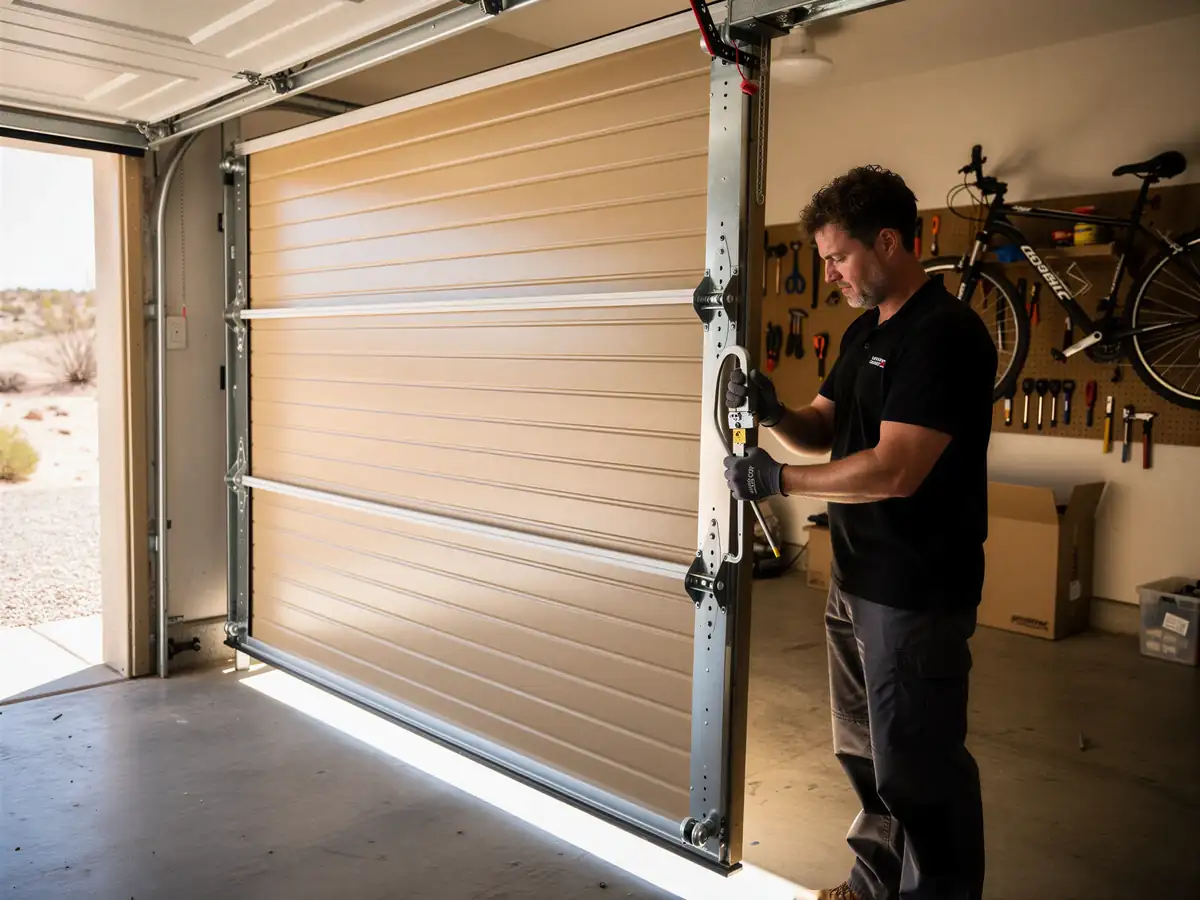
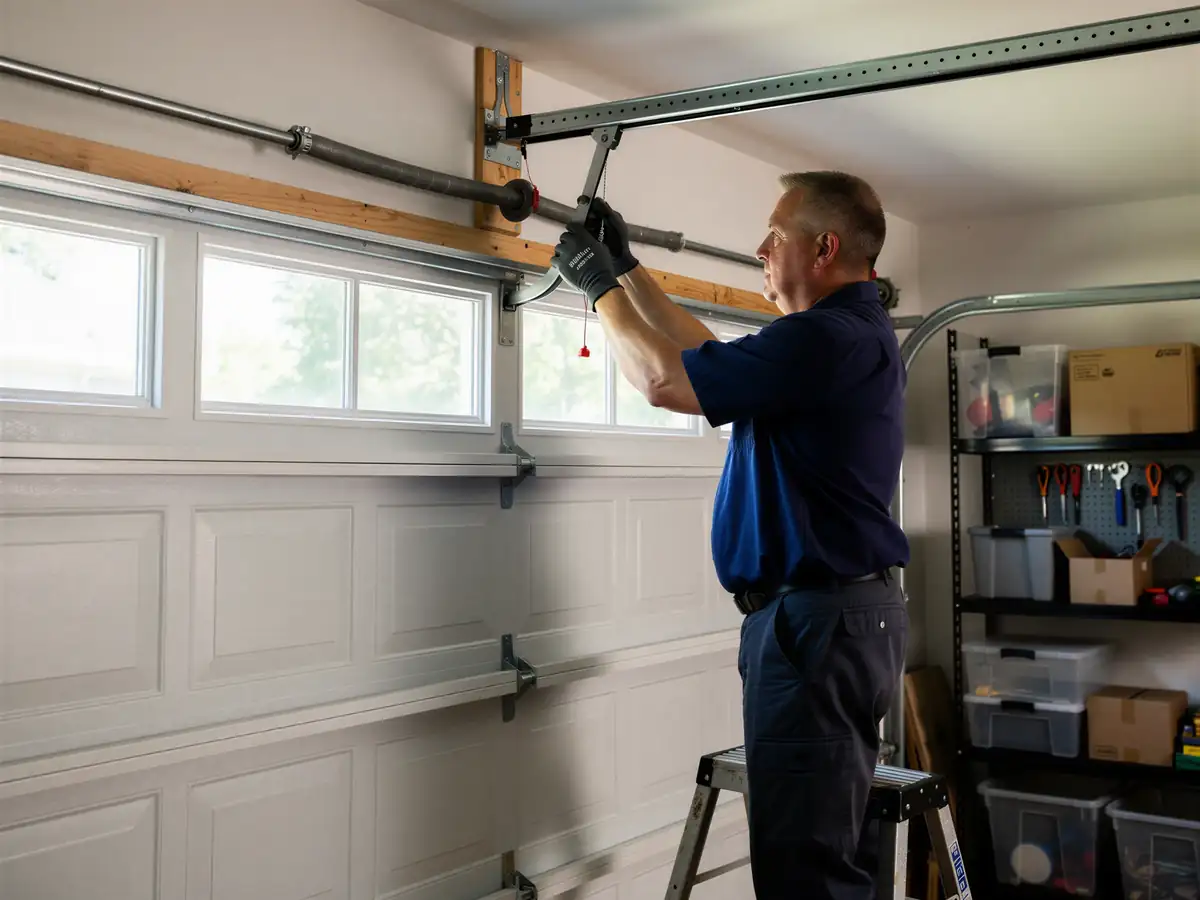
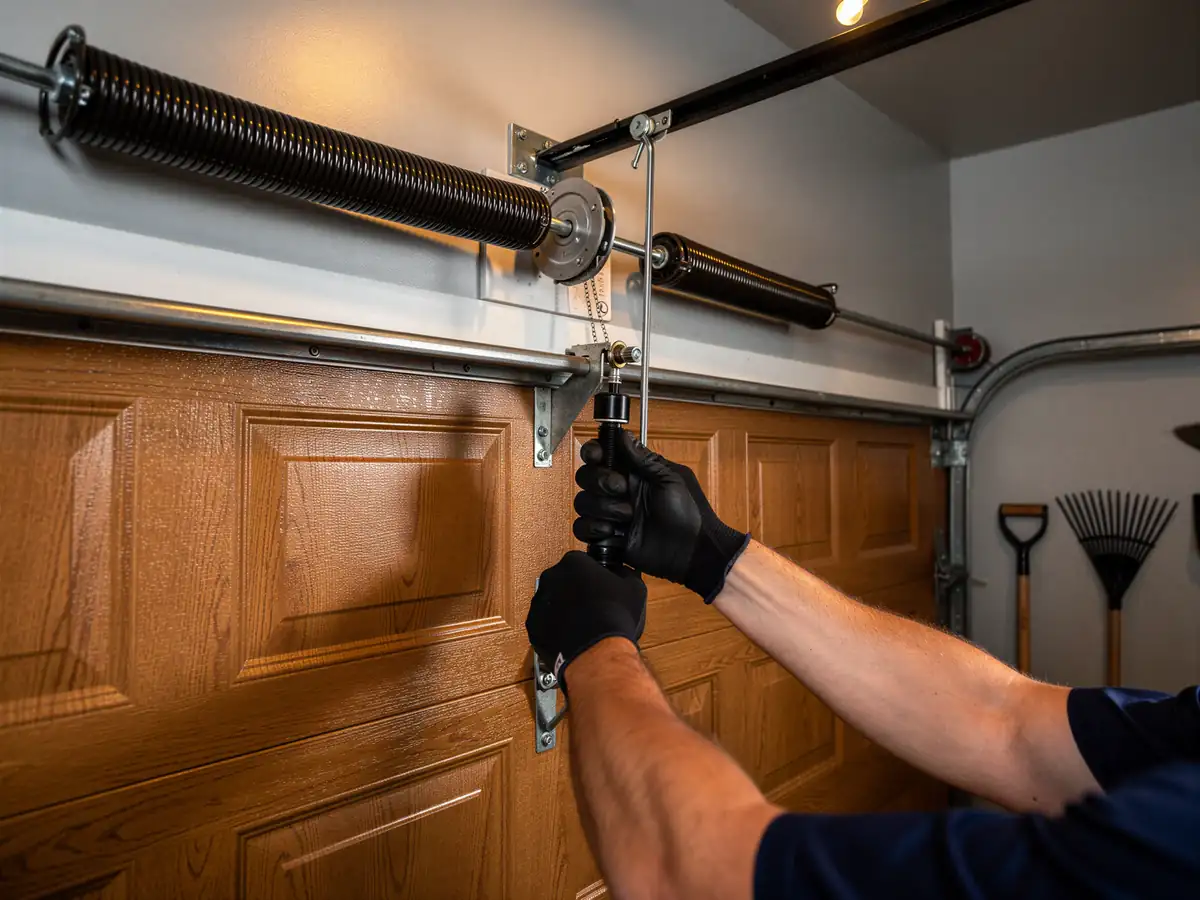
A torsion spring breaks loud. You'll hear a bang from inside the house and the door won't lift, or it lifts halfway and stalls. That's your line in the sand. A torsion spring is wound under enough tension to break a finger or worse, and in a cold-weather break the steel is already stiffer and more likely to shatter instead of just unwinding, which throws fragments. If the door is heavy - most of the stock in Lakeville was built between 1955 and 2004, with a lot of it going up through the 1980s and 90s - the counterbalance on these older torsion setups can be original hardware that's never been serviced. That's not a job for a winding bar and a YouTube video. If the spring is broken, intact, or you're not sure which, stop opening and closing the door by hand and call it in. The honest limit here: we don't talk anyone through winding a torsion spring over the phone. It's the one repair where the right answer is always a truck, not advice.
What to Check
Before you call, look at a few things that take thirty seconds and help whoever answers the phone send the right truck. First, which spring - one side or two, since most Lakeville garages built in this era run a two-spring torsion setup across a double door. Second, can you see a visible gap in the coil above the door, which usually means a clean break rather than a cable or roller problem. Third, check if the door is stuck halfway or fully down, because that tells us whether the opener tried to fight a broken spring, which can burn out the motor on top of the spring repair. Fourth, note the door's age if you know it - homes from the 1984 median build year in this area often still have their original springs, and a 35-to-40-year-old spring breaking isn't a fluke, it's just time. None of this is a fix. It's information. Don't lift the door manually to test it once you suspect the spring; without the counterbalance, a standard double door can weigh enough to hurt you lifting it against the track.
The Situation
Across the Lakeville area, most households own rather than rent - the broader service area runs roughly 53,681 owner-occupied houses against 120,874 total households - and at a median household income near $99,460, a lot of homeowners here are in a position to replace rather than patch when a spring goes. That's worth knowing because a broken spring on an older torsion system sometimes reveals worn bearing plates or a bent shaft underneath, and at that point replacing just the spring is a short-term fix. We'll tell you straight if that's what we're looking at rather than sell you a spring swap that fails again in a year. If your door is original to a house built in the 1980s or 90s, which covers a lot of this area, plan on the full torsion hardware being asked to work past what it was built for, cold weather or not.