When It Stops Being a DIY Job
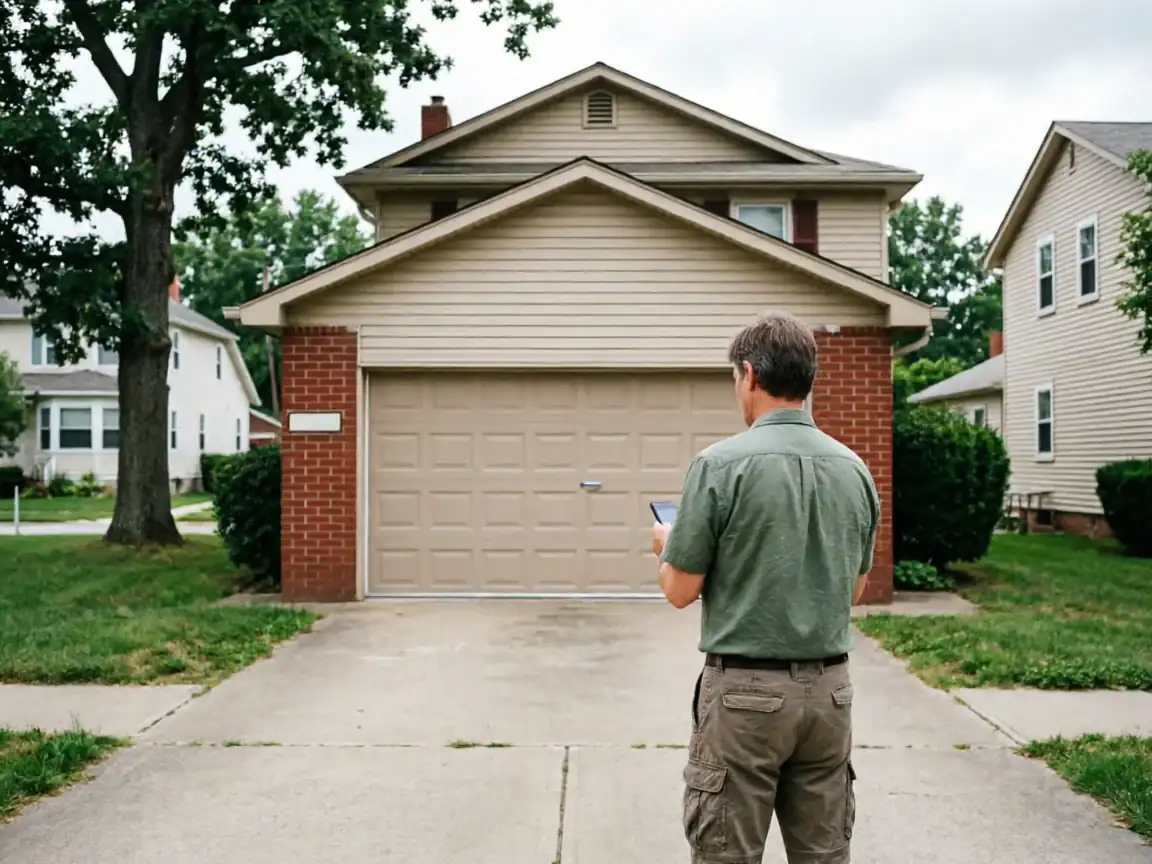
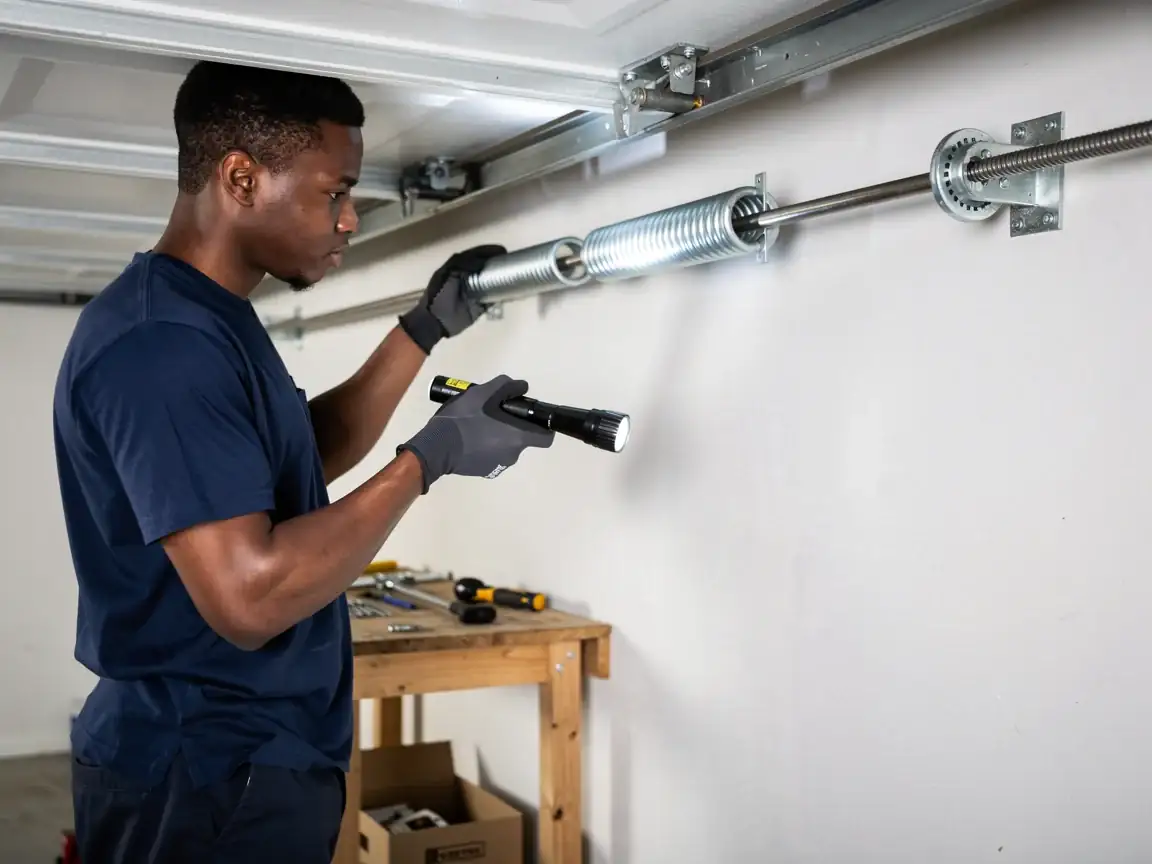
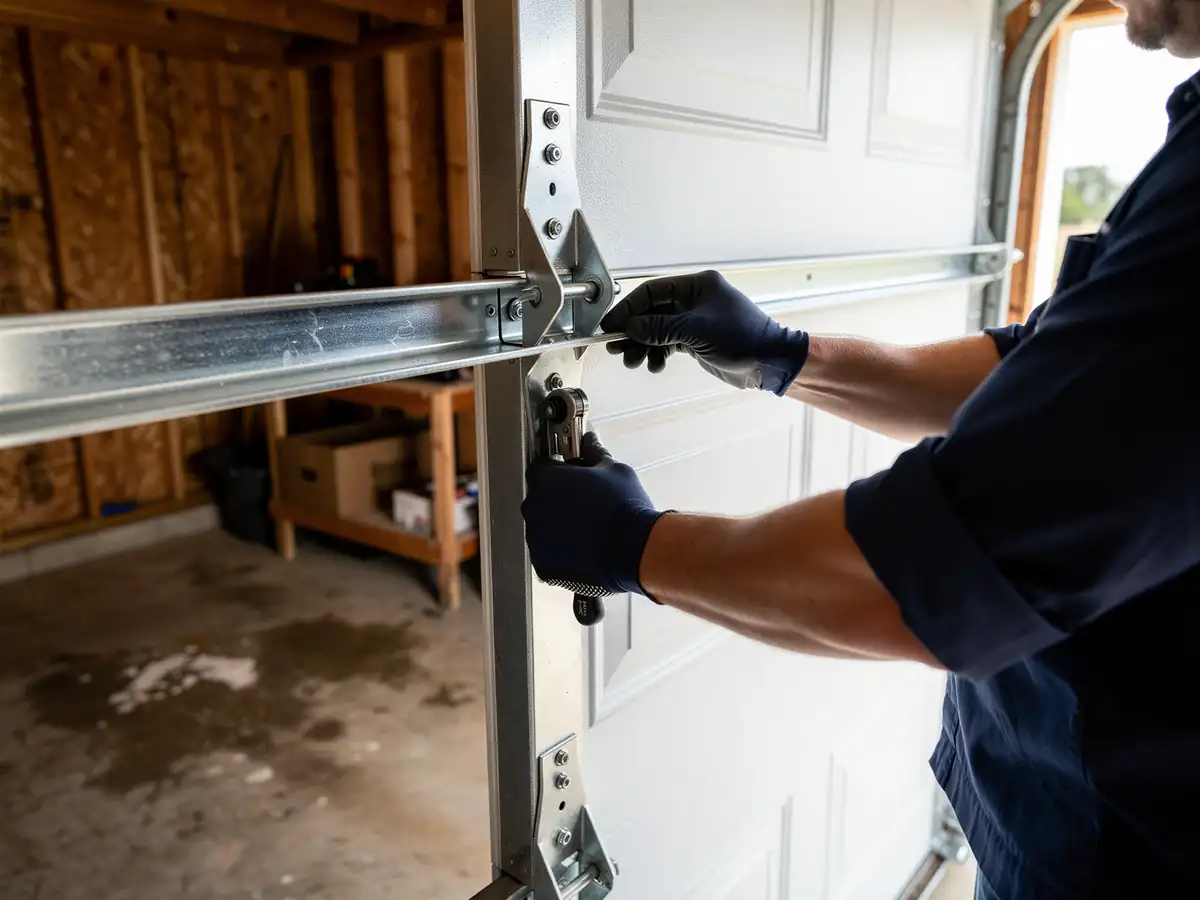
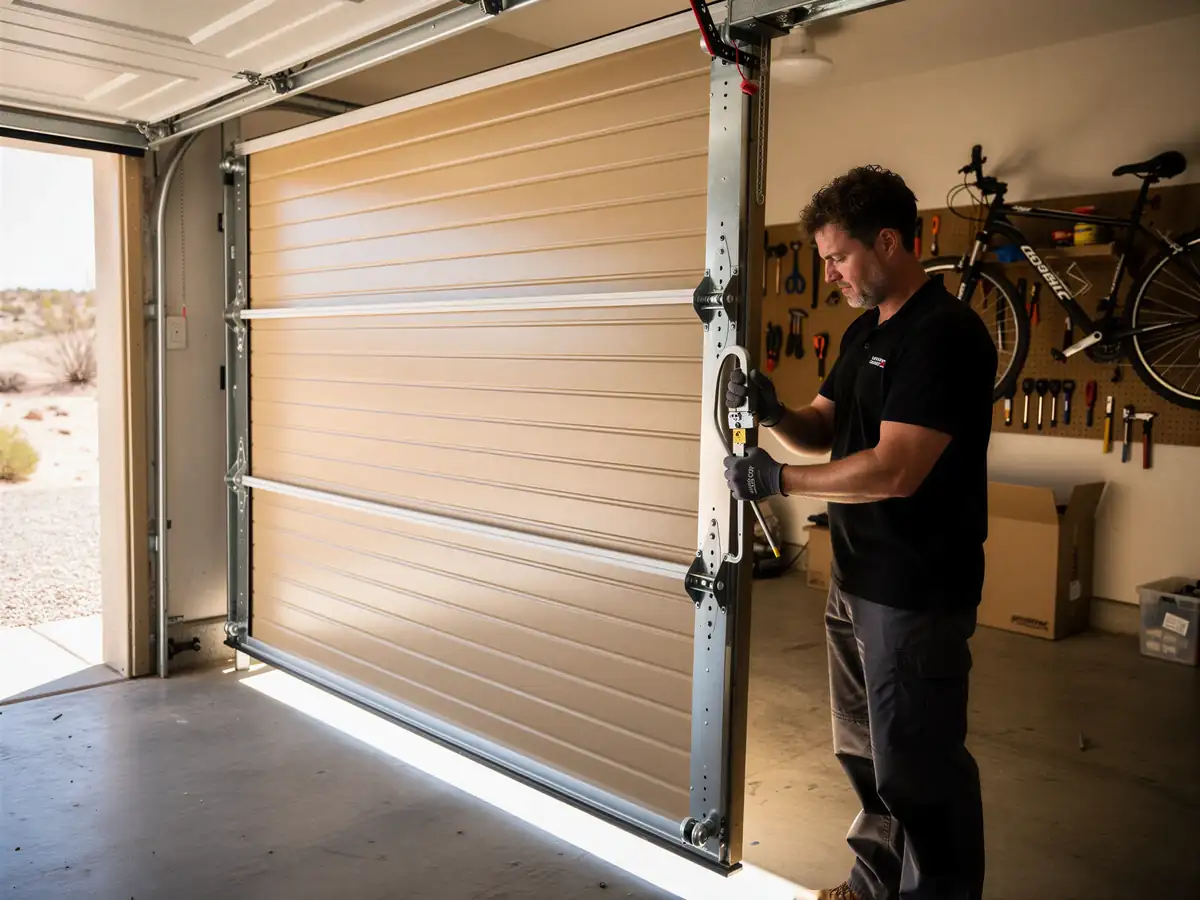
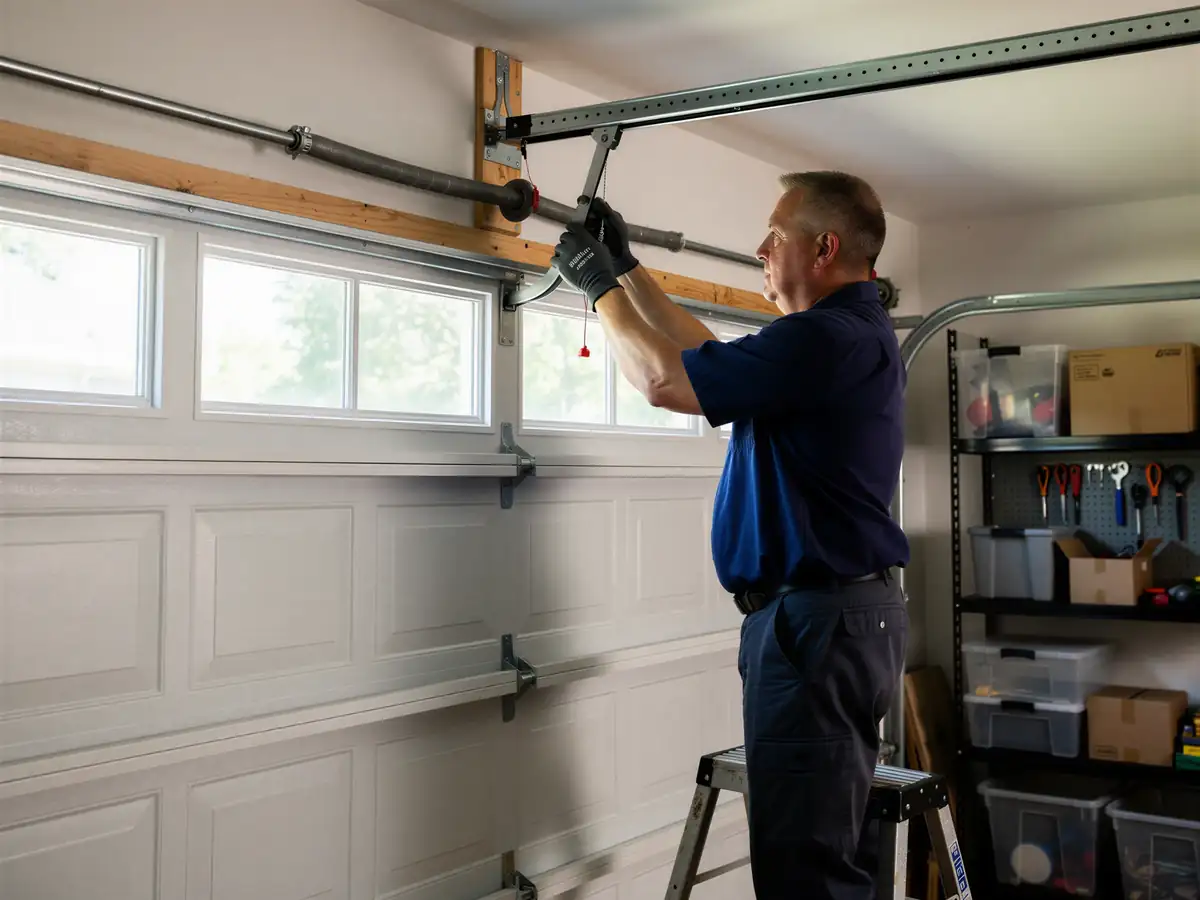
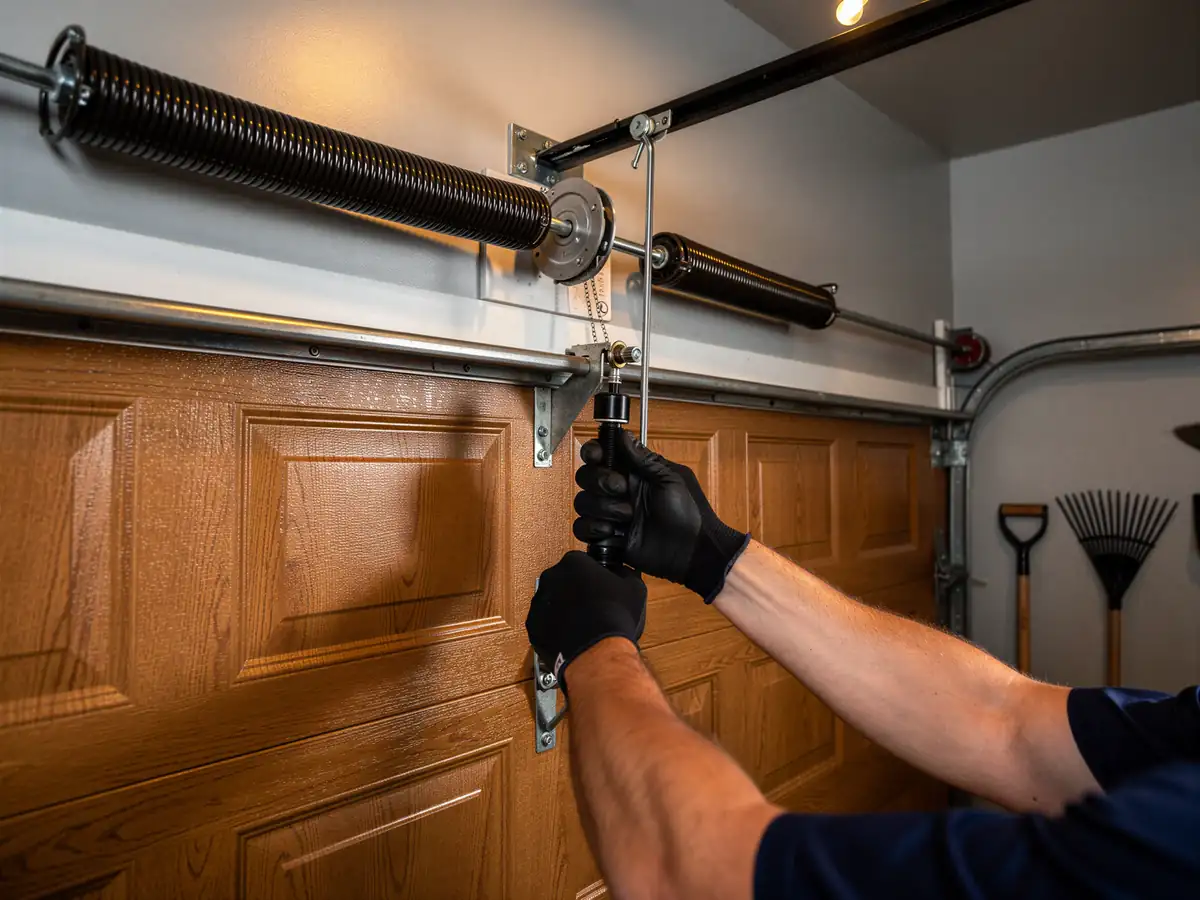
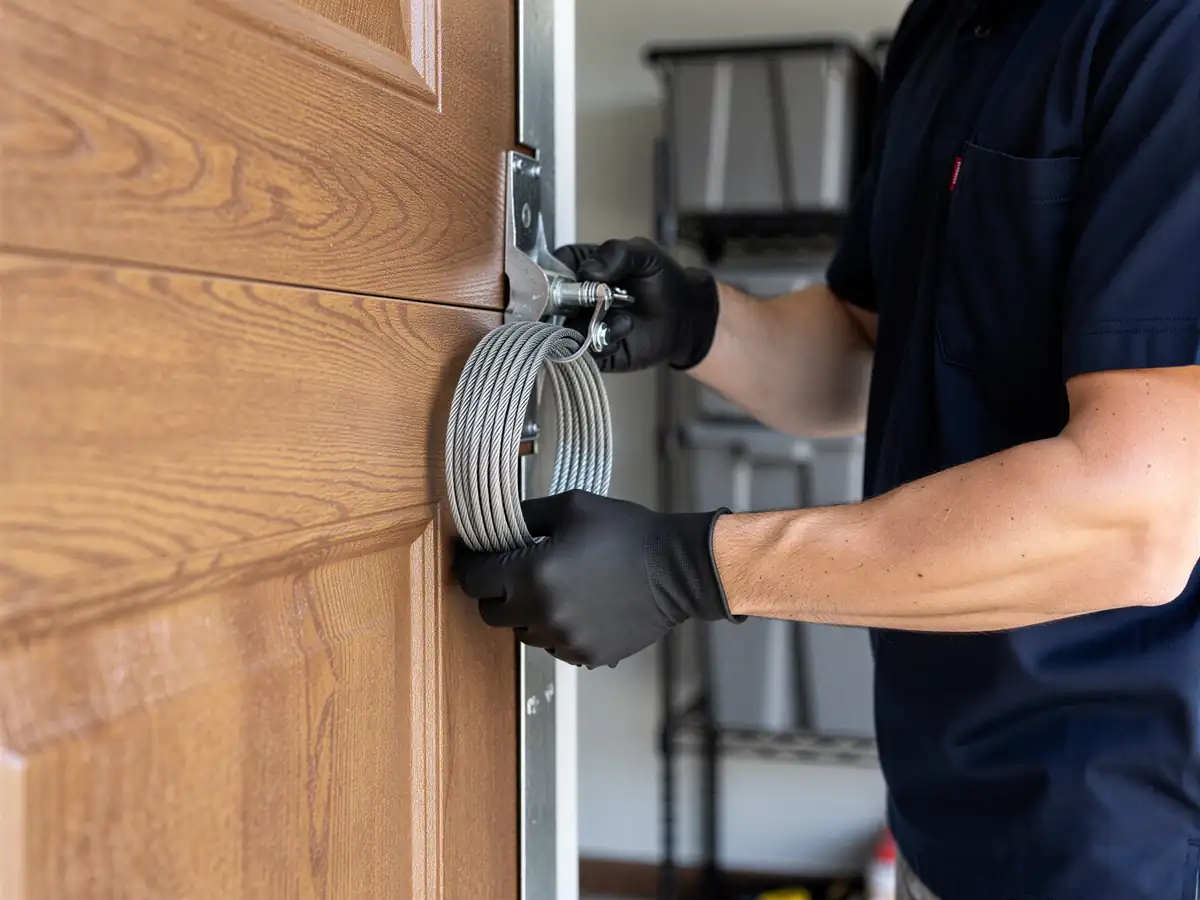
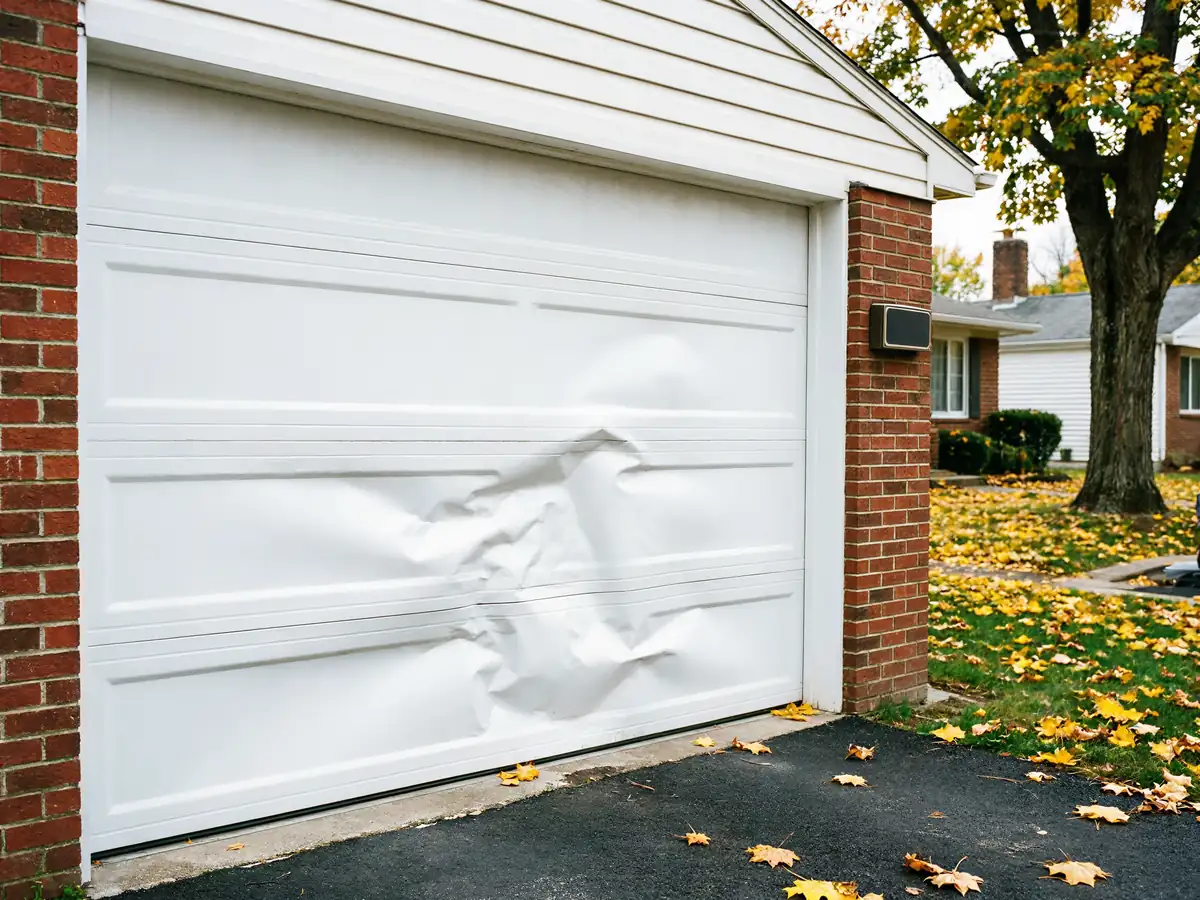
Most houses in this service area went up between 1955 and 2004, with the bulk of the stock dating to the 1980s and 90s across the 24 named communities we work in. That means a lot of doors out there are original or close to it, running on torsion springs and hardware that's thirty-plus years old. A frayed cable or a spring that's lost its wind is a one-call fix for us but a trip to the ER for a homeowner who doesn't know the spring is under full tension. If the door won't open, won't stay open, or makes a bang and drops, that's the line. Lubricating a hinge or tightening a loose bolt on the track is fine to do yourself. Anything involving the spring, the cable, or the bottom bracket on a door that's been in place since the 80s or 90s is not a weekend project - the hardware on doors from that era wasn't built with quick-release safety cables the way newer doors are, and taking one apart without knowing that can cost fingers. We tell people this on the phone before we ever quote a job.
What to Check
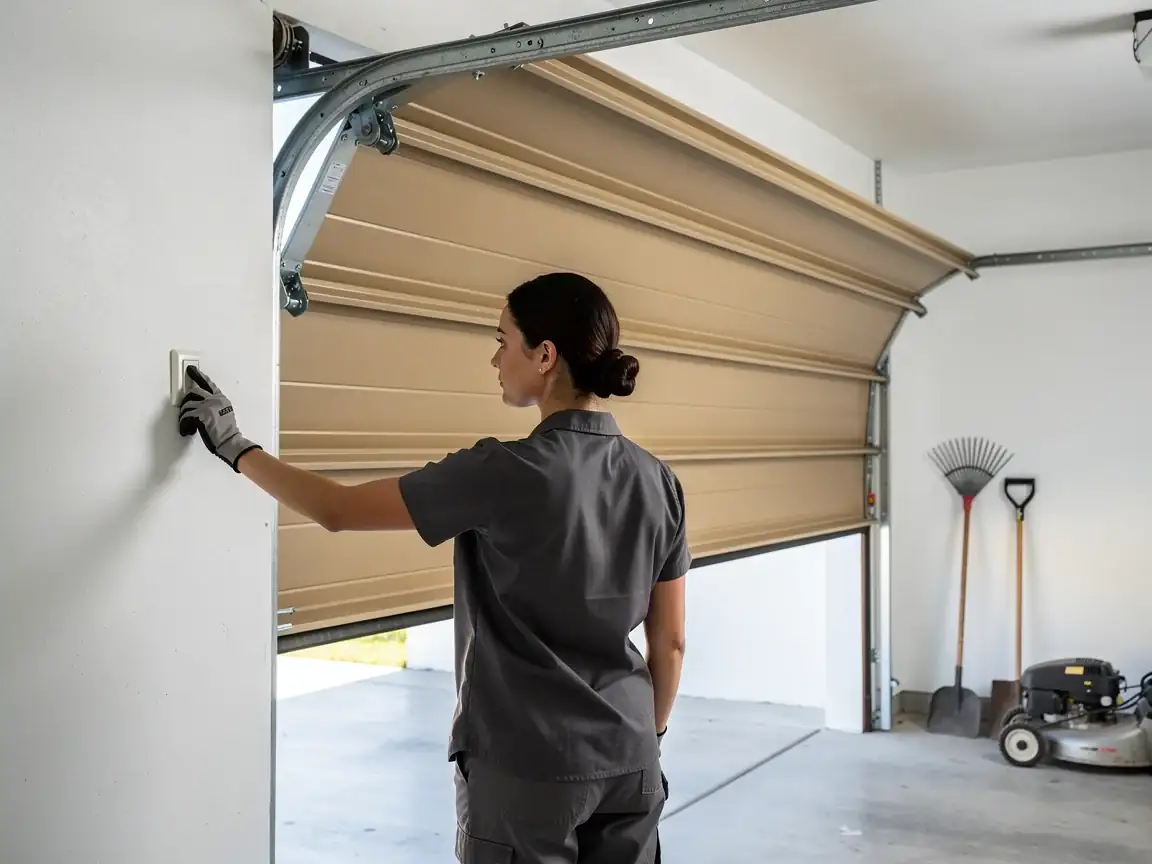
Before you call, there's a short list worth looking at. Check whether the door is binding on one side of the track - common on houses from this build era where the slab has settled slightly over thirty-plus years, pulling the track out of square. Check the bottom seal; on a house built in the 1960s through 80s, the original seal is long gone and a torn one lets cold air and meltwater straight into the garage. Check the opener's travel limits if the door reverses before it touches the floor. None of this tells you exactly what's wrong, but it tells us what to bring on the truck instead of making a second trip. One honest limit here: if your opener is original to a house built before the mid-80s, parts for it are often discontinued, and we'll tell you straight that repair isn't worth chasing versus a new unit.
The Situation
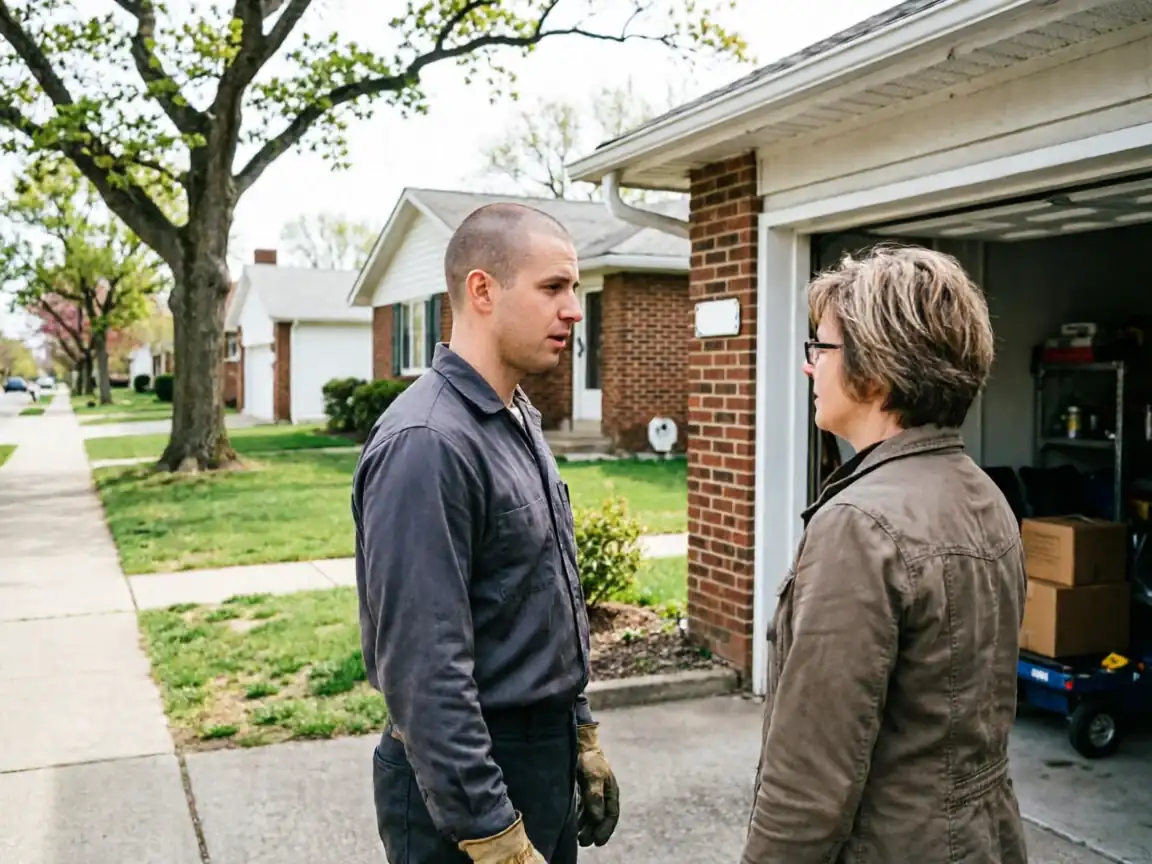
Across the towns we cover - Credit River, Elko New Market, Coates, Hampton, and out to Northfield, Hastings, and the rest of the 24 areas in this service footprint - the pattern repeats: housing from 1955 through 2004, median household income around $99,460 in the area, and a lot of original hardware still doing its job until a cold snap finds the weak point. A service call isn't a guess-and-replace visit. It's spring tension check, track alignment, cable and roller condition, opener force settings, and seal condition, in that order, because that's the order these doors actually fail in around here. What it doesn't include is a full teardown unless something during that check tells us it's needed - we don't pull a working opener apart to sell a part.