How to Book
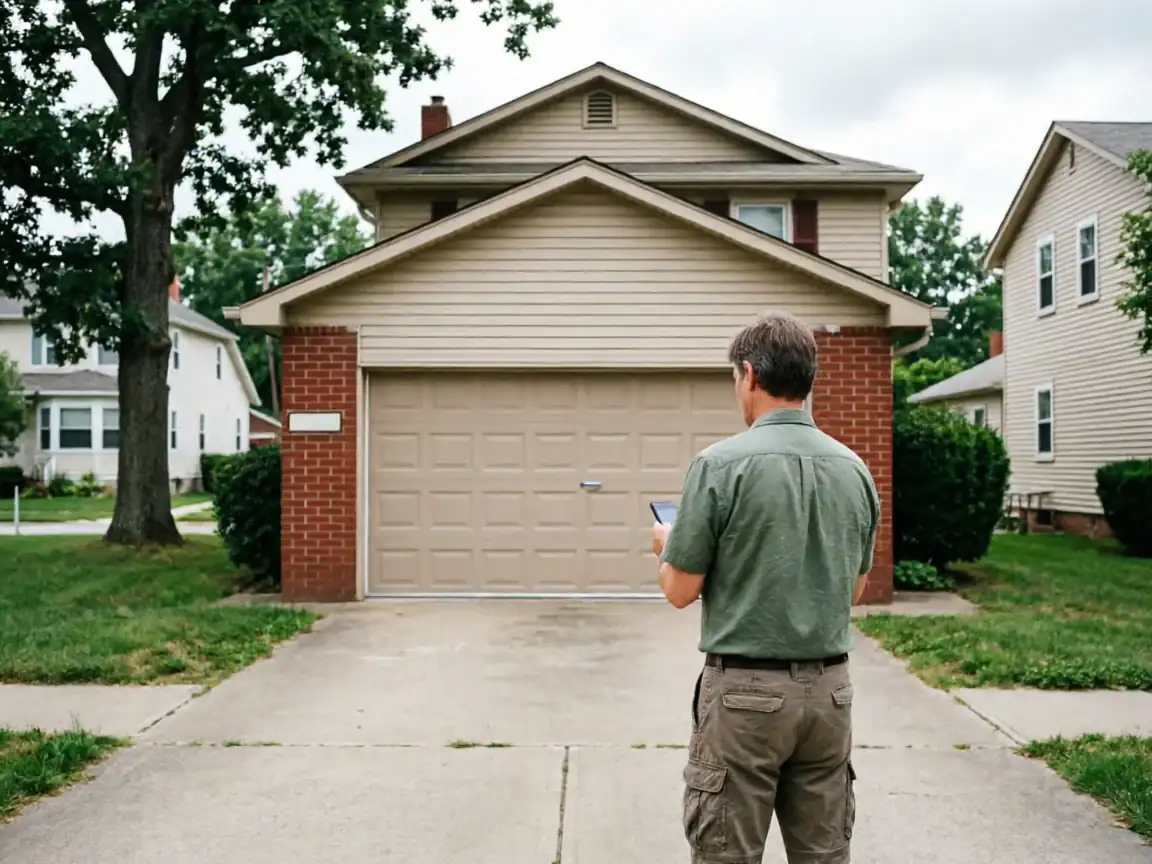
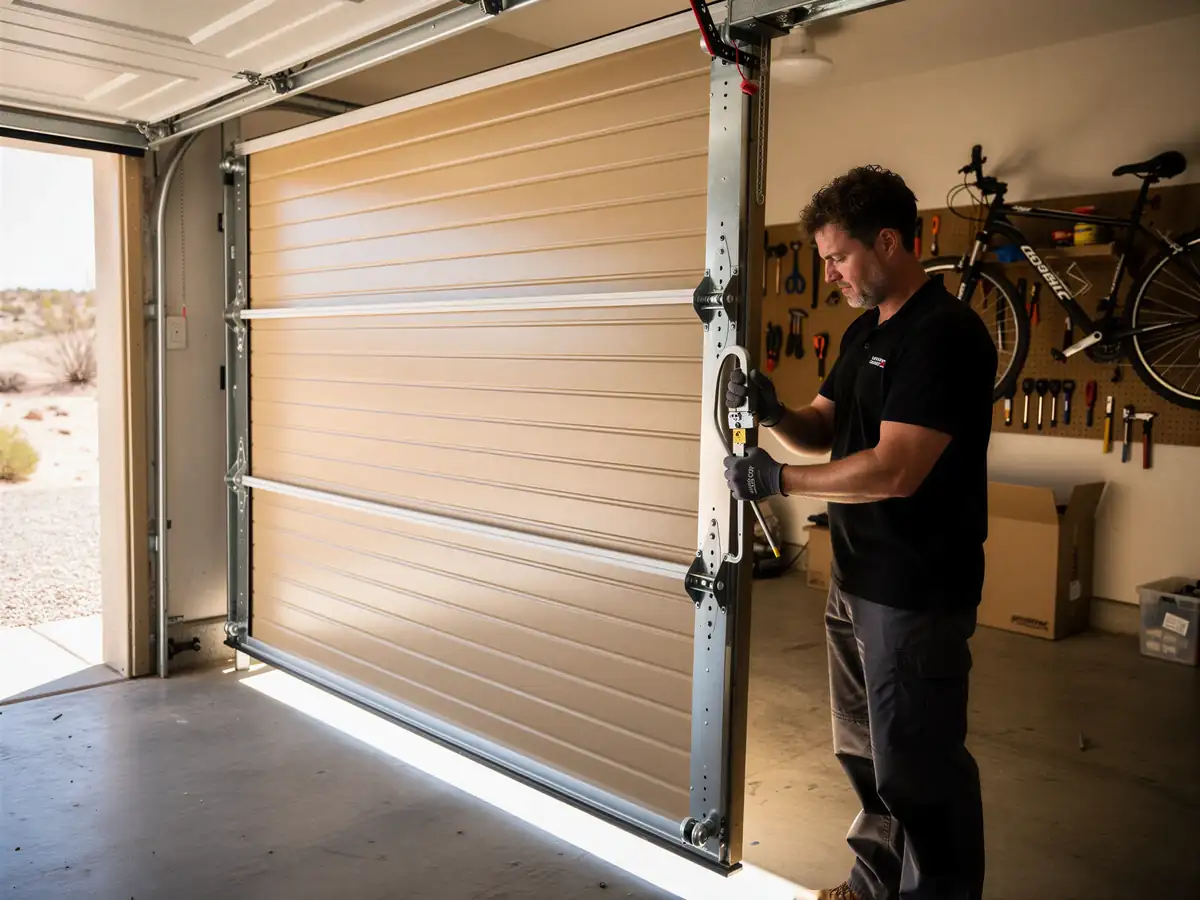
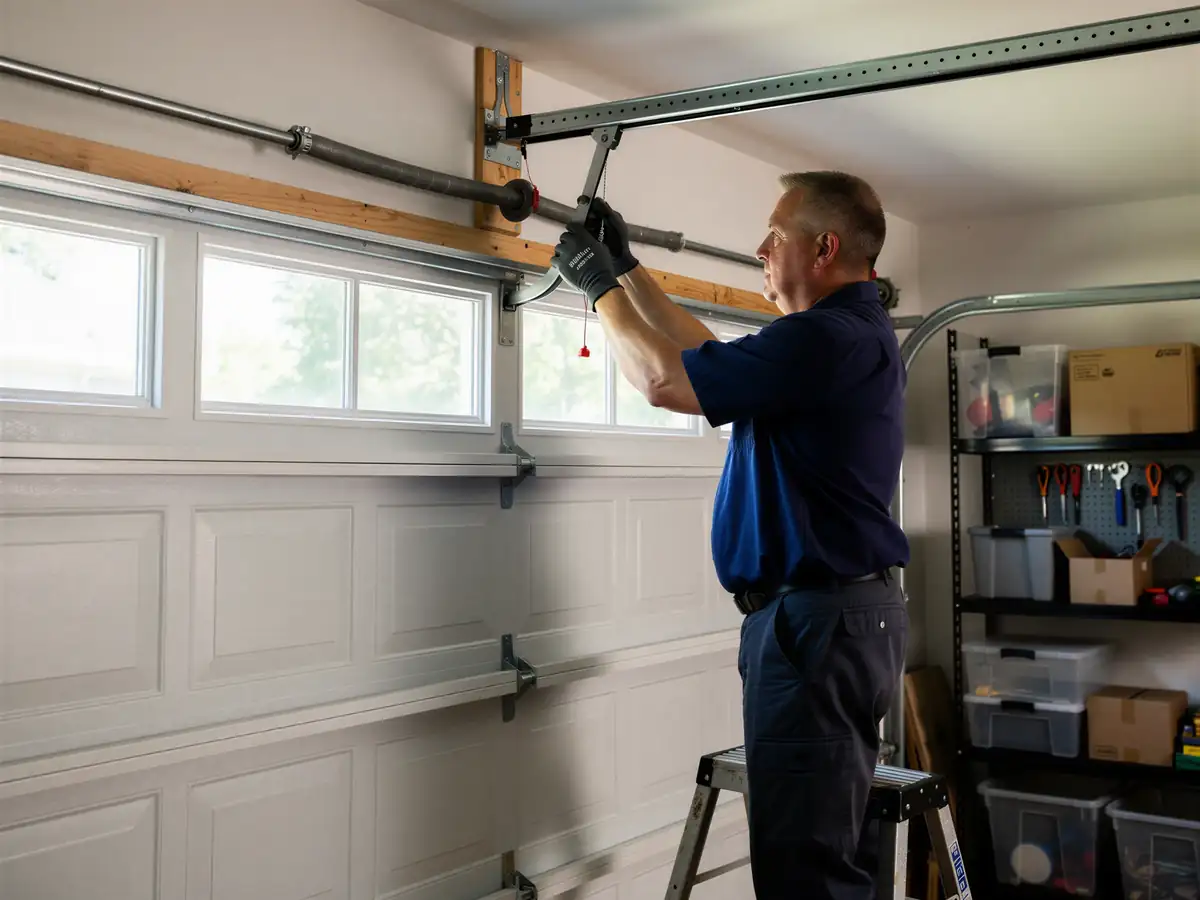
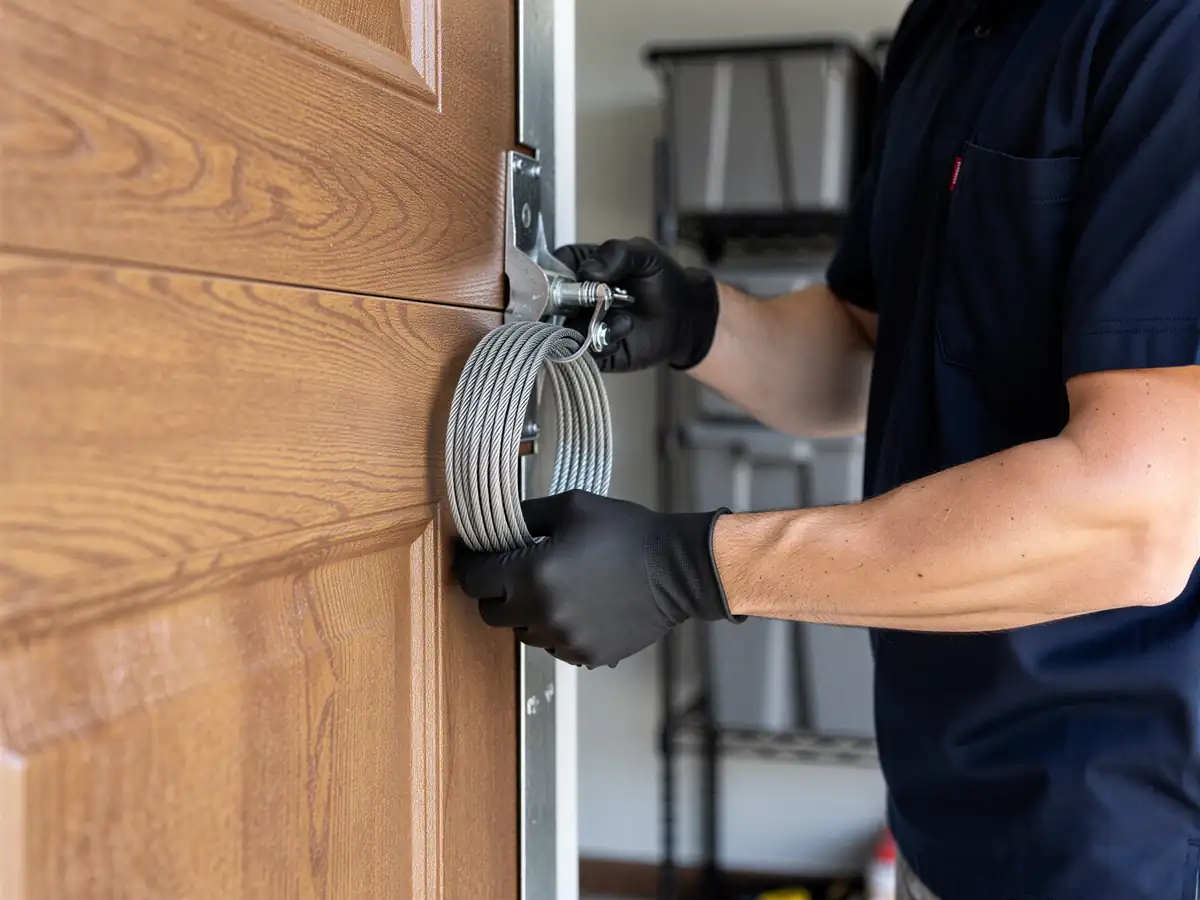
Call and tell us what the door is doing - won't open, open but won't close, loud bang and then nothing, opener running but the door not moving. That alone tells us whether we're bringing a spring, a cable, a new drum, or a different opener board out to you. We book the same-day slot when we have one open and the next slot when we don't; we won't guess on the phone and then show up with the wrong part.
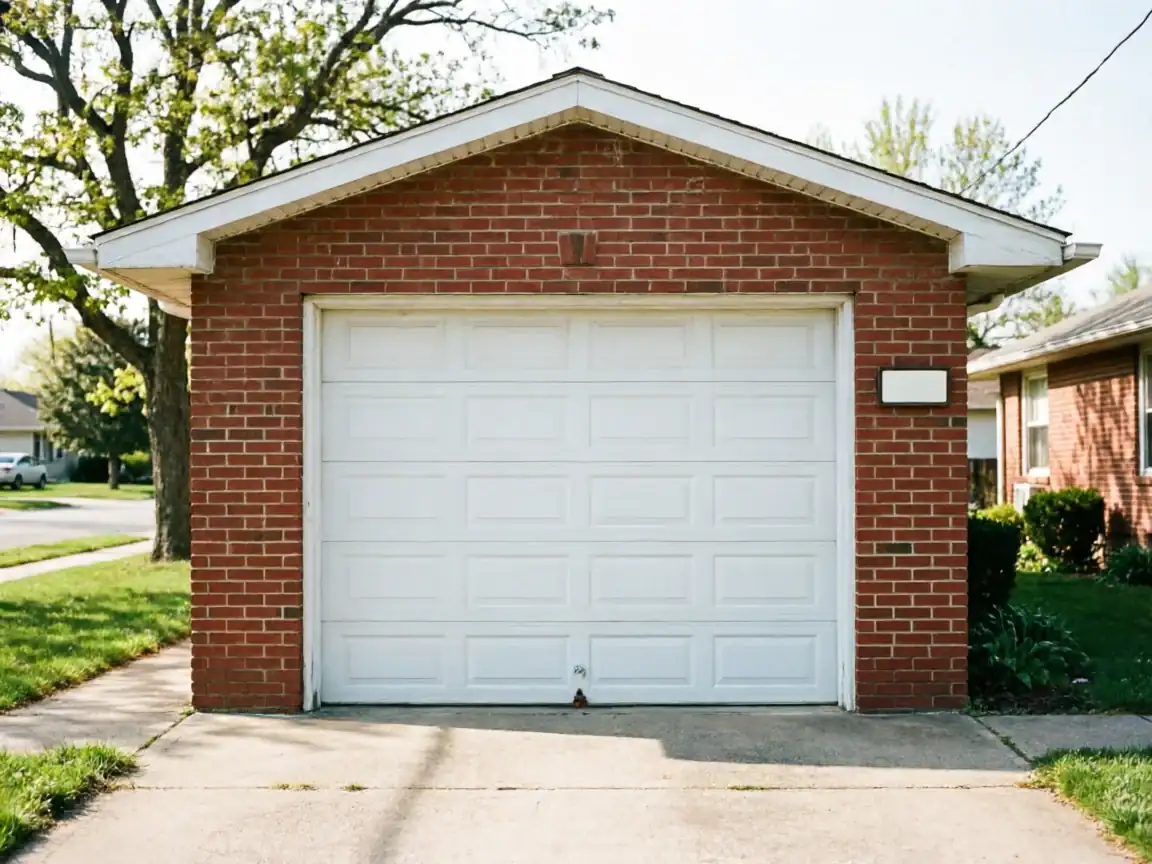
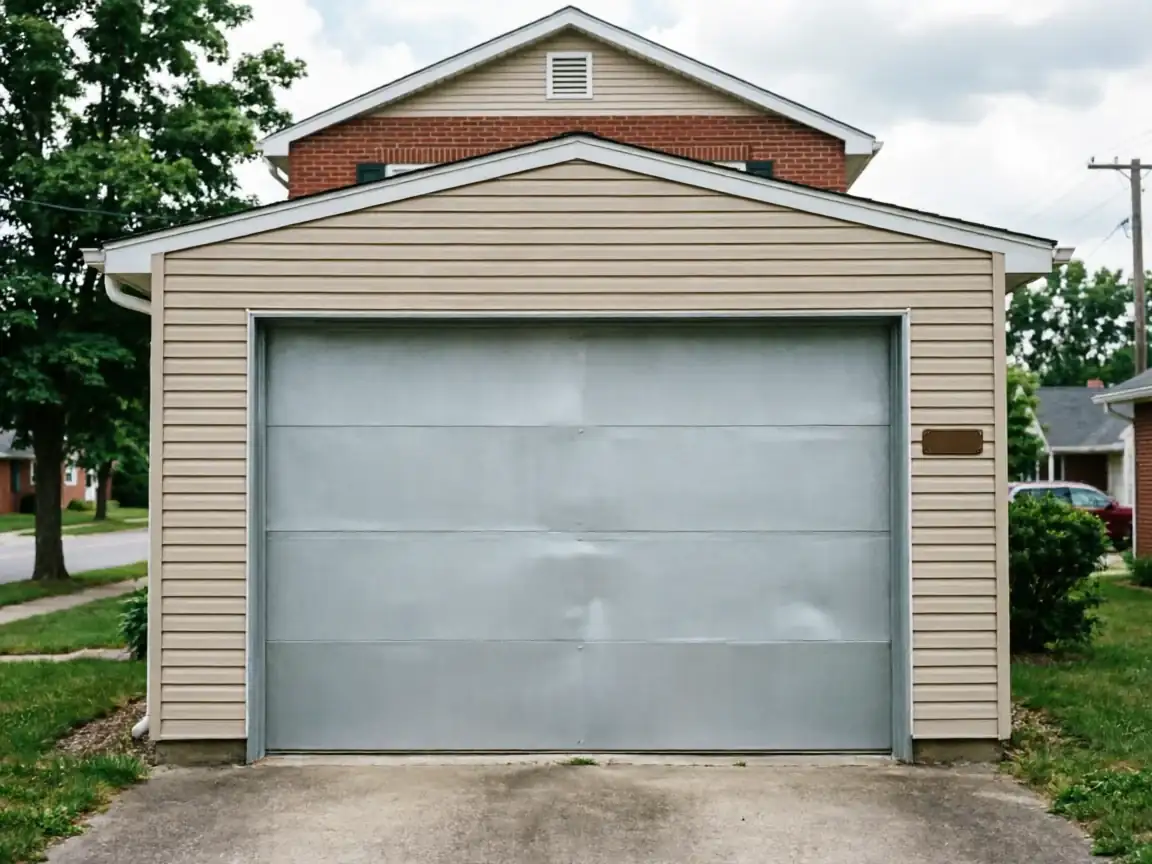
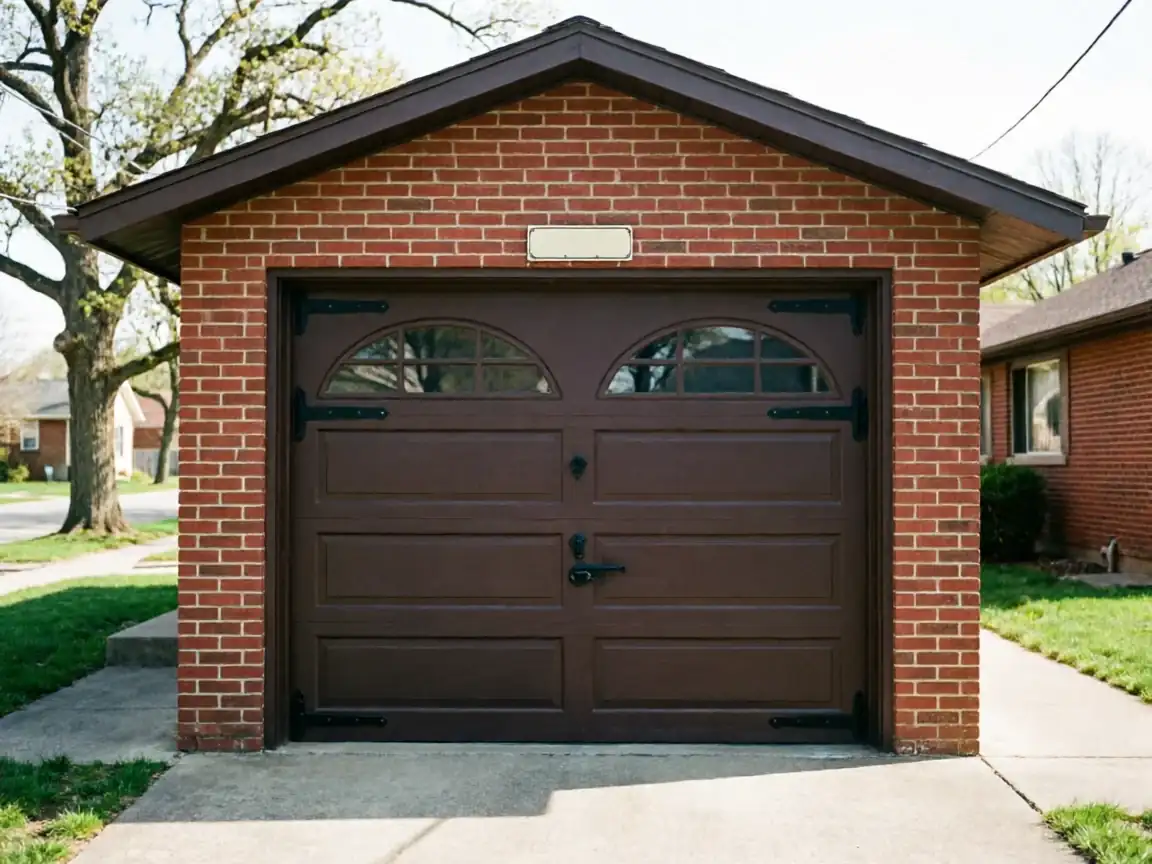
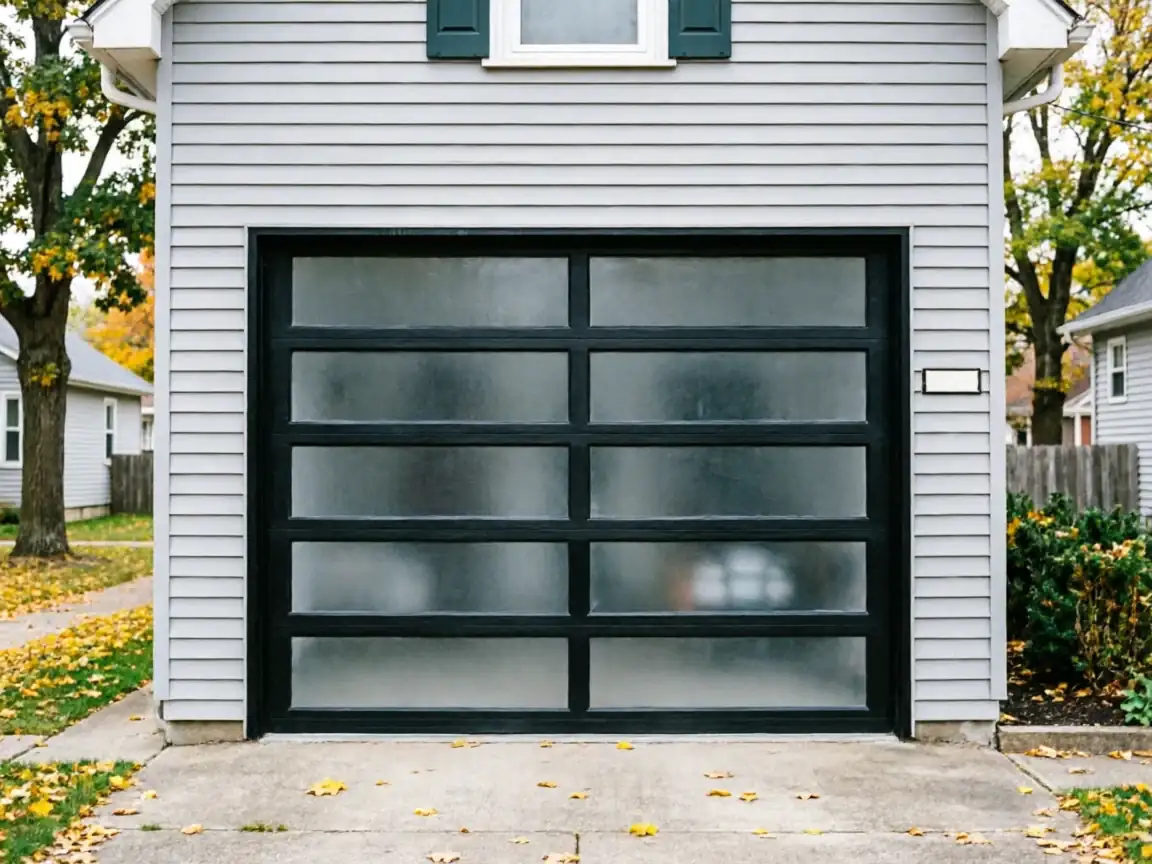
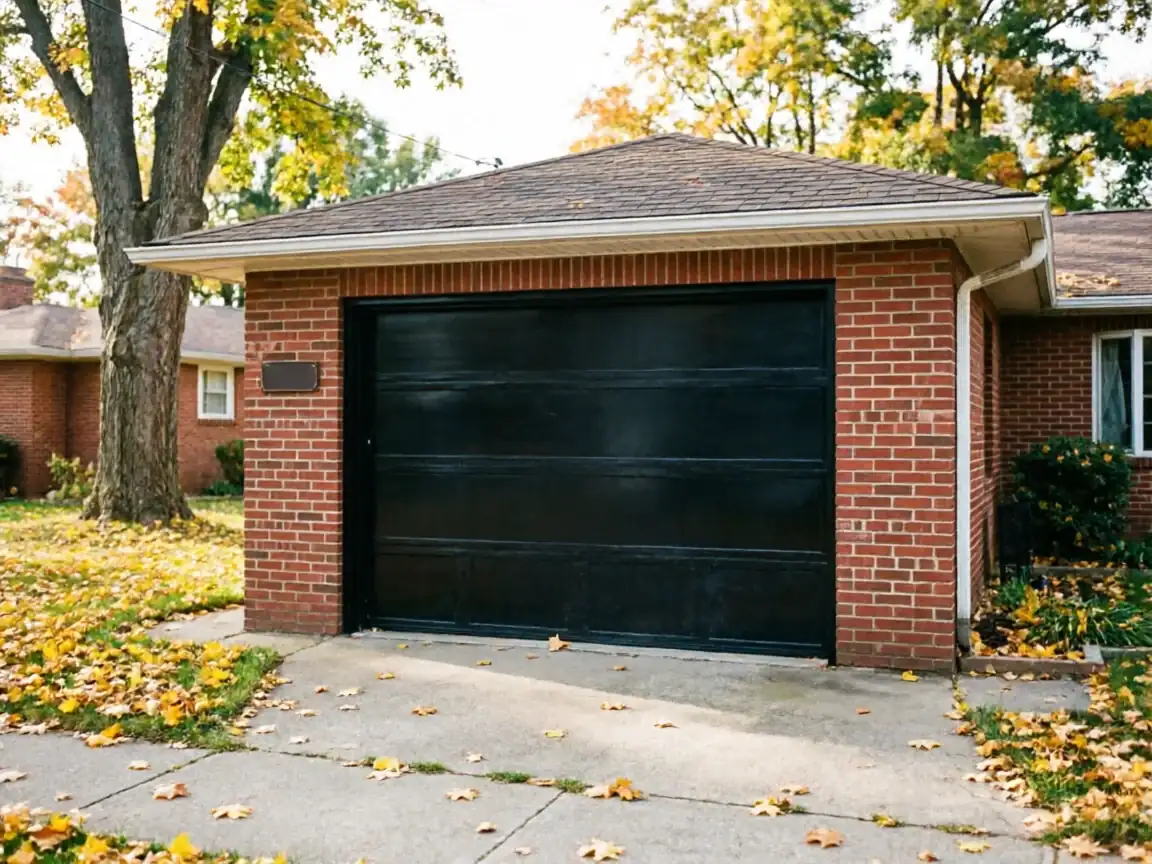
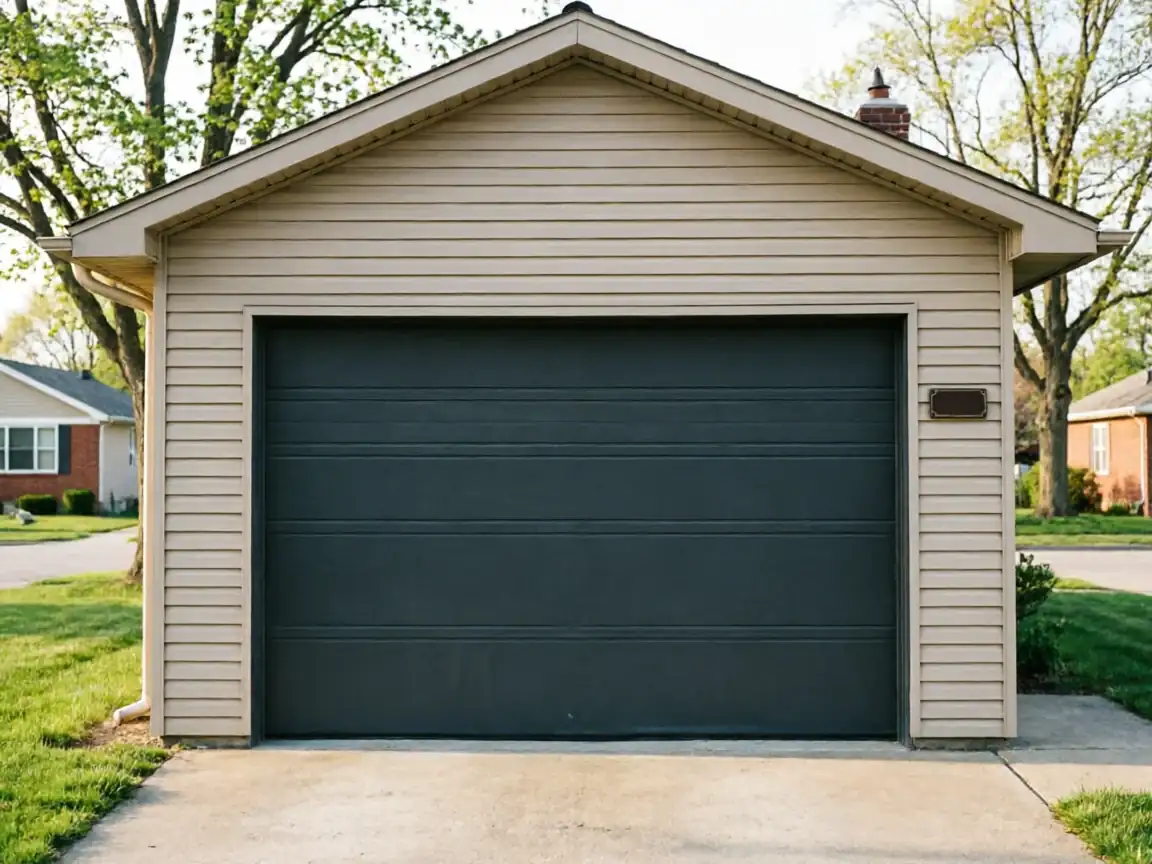
Most of Lakeville's housing dates to a tight window - 1955 through 2004, with the median build year sitting at 1984 - and a large share of the stock across the service area's 24 named neighborhoods went up in the 1980s and 90s. That matters for booking because it narrows down what we're likely dealing with before the truck leaves: steel sectional doors on torsion or extension springs sized for builder-grade hardware, not custom doors. Tell us your house's rough age if you know it and we'll load the right spring and cable stock before we arrive, which cuts the visit down to one trip instead of two.
The Cost of This Job
We don't post a flat number for garage door repair because the job isn't flat - a broken torsion spring, a bent track from backing into it, and a dead opener logic board are three different repairs with three different parts lists. What we can tell you is how we price it: diagnose first, quote the repair before we touch anything, and you decide whether to fix it or replace the door entirely.
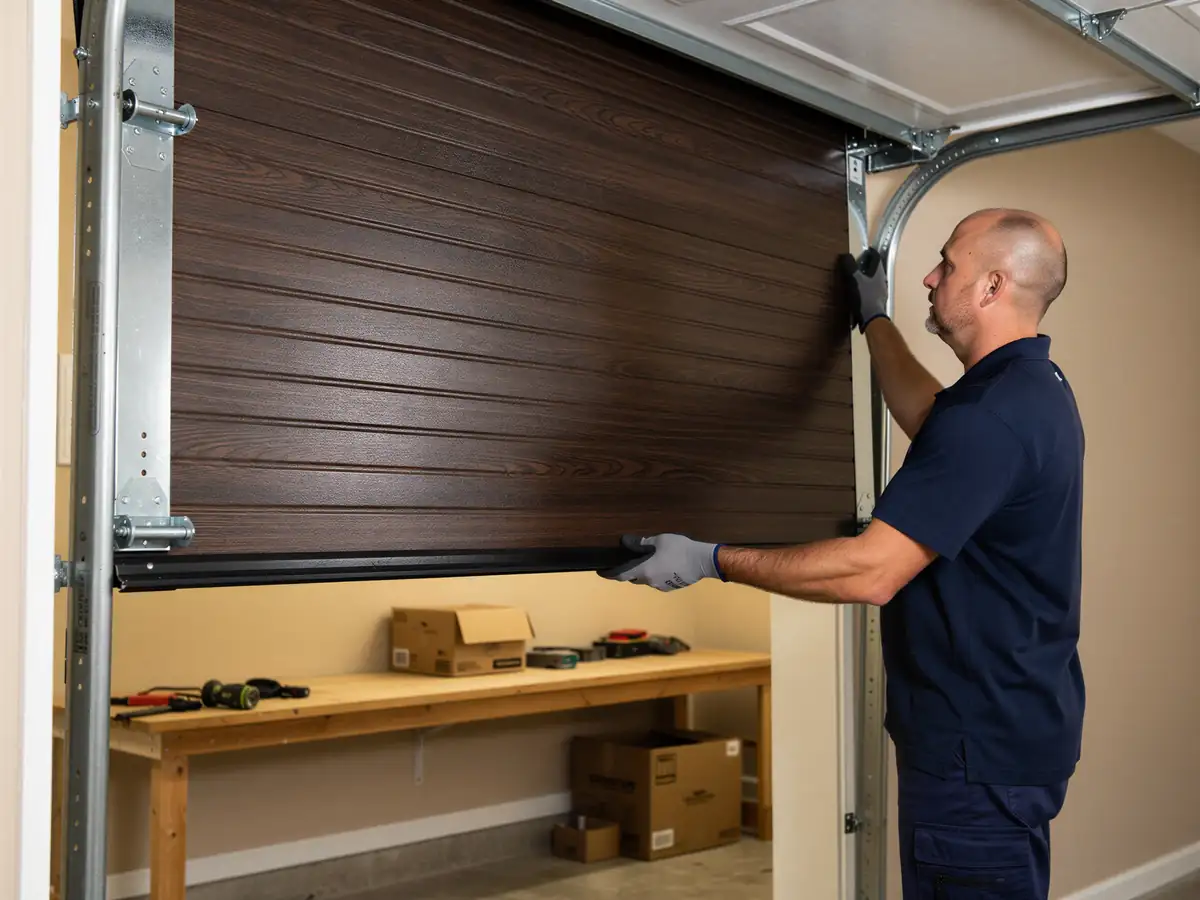
Replacement comes up more than people expect on homes built in the 1980s and 90s, because a lot of those original doors are still running their first set of springs and the original opener. When the door itself is steel and sound but the spring system or opener is original-to-the-house, repair almost always makes sense. When the door panels are rusted through or the track is warped beyond adjustment, we'll say so rather than patch something that's going to call us back in six months. That's the honest limitation here - we won't talk you into a repair on a door that's done.
What Causes It Around Here
Lakeville sits in a cold, moderate climate band, and that's the detail that explains most of what we see
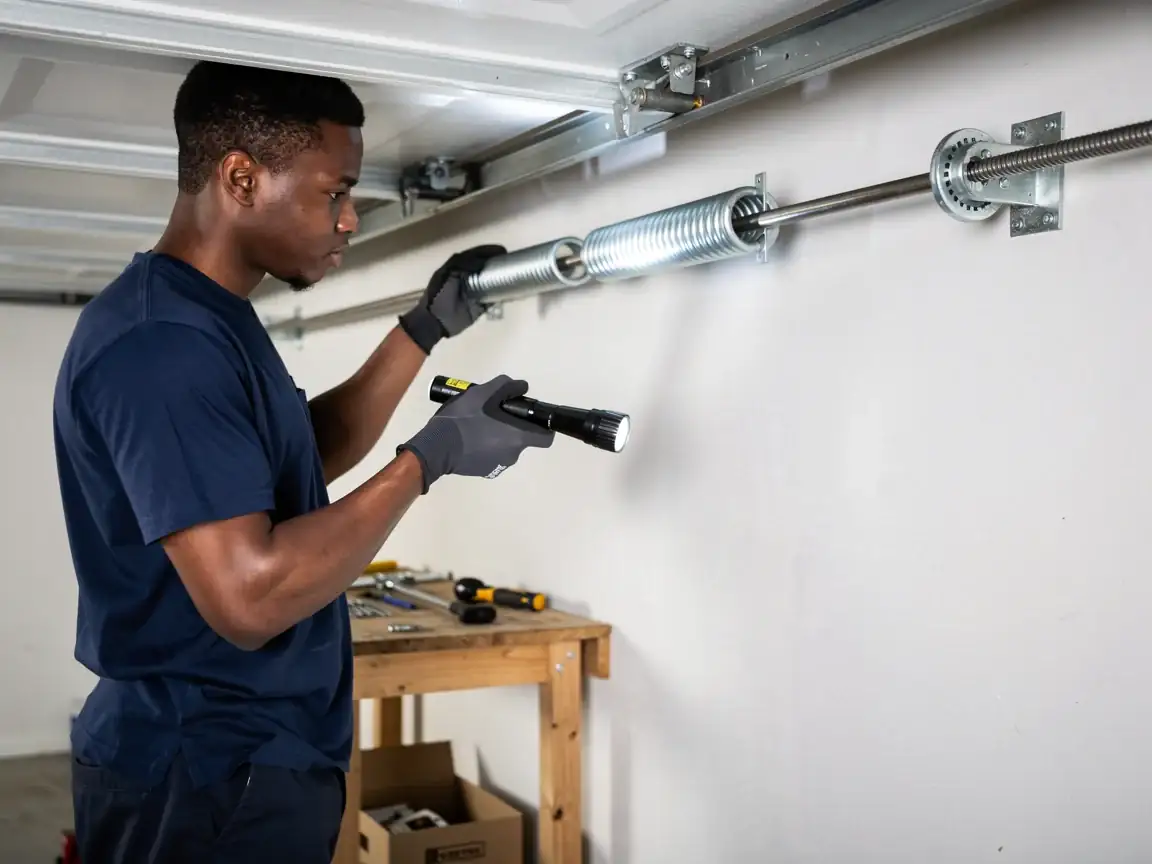
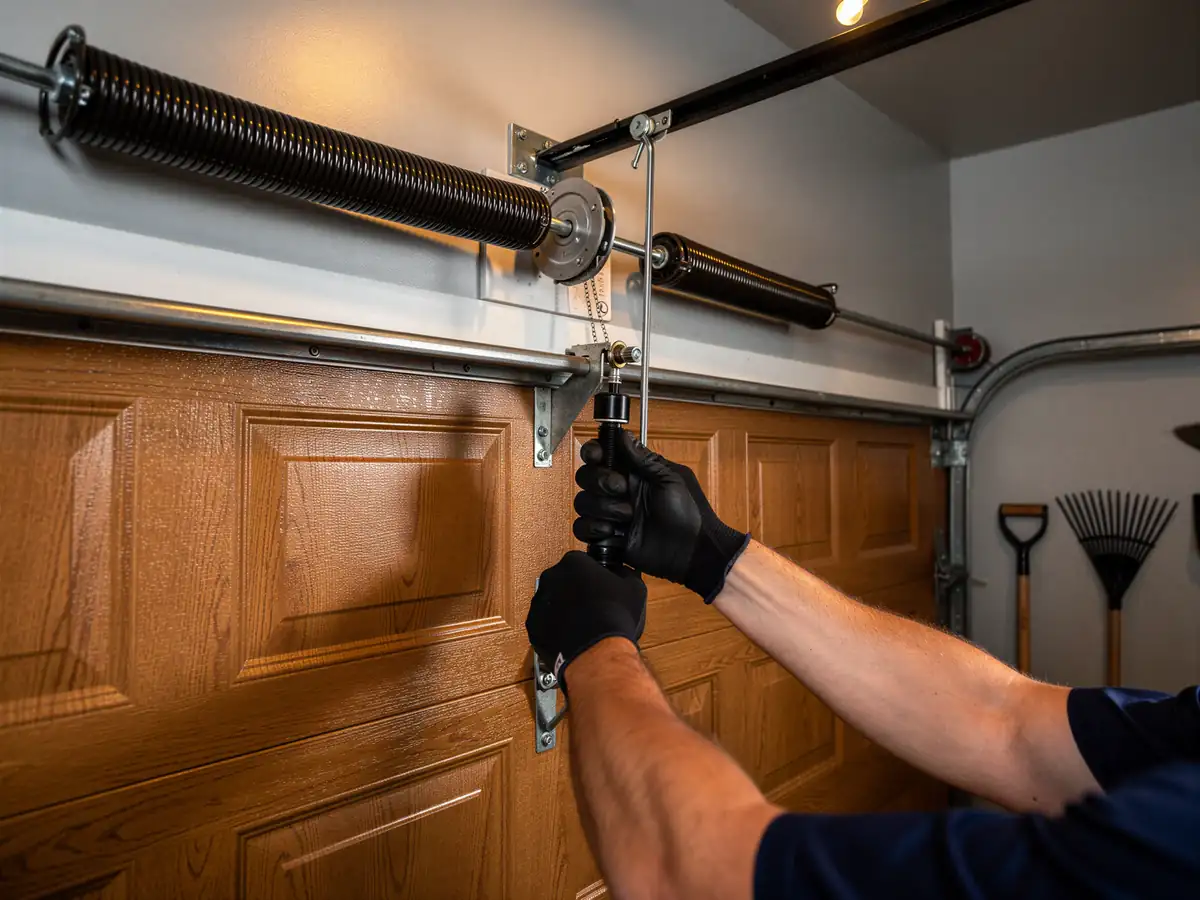
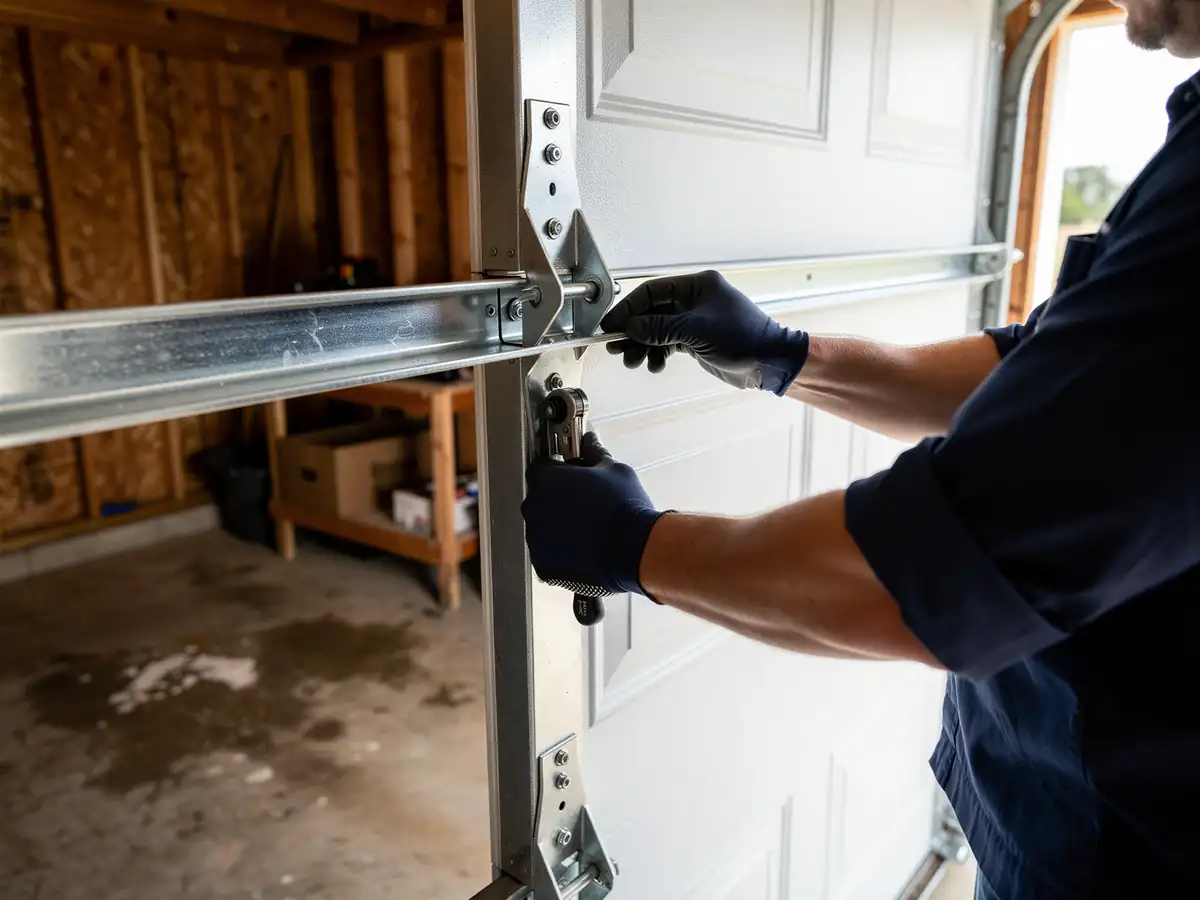
Steel panels and torsion springs both contract in winter cold, and a spring that's been cycling for twenty-plus years on a door built when Reagan was in office doesn't have much stretch left in it before a cold snap finishes the job. That's the single most common call we get: a torsion spring that snaps on a January morning, not because anything was damaged, just because the metal reached the end of its cycle count in the cold.
The housing age matters just as much as the climate
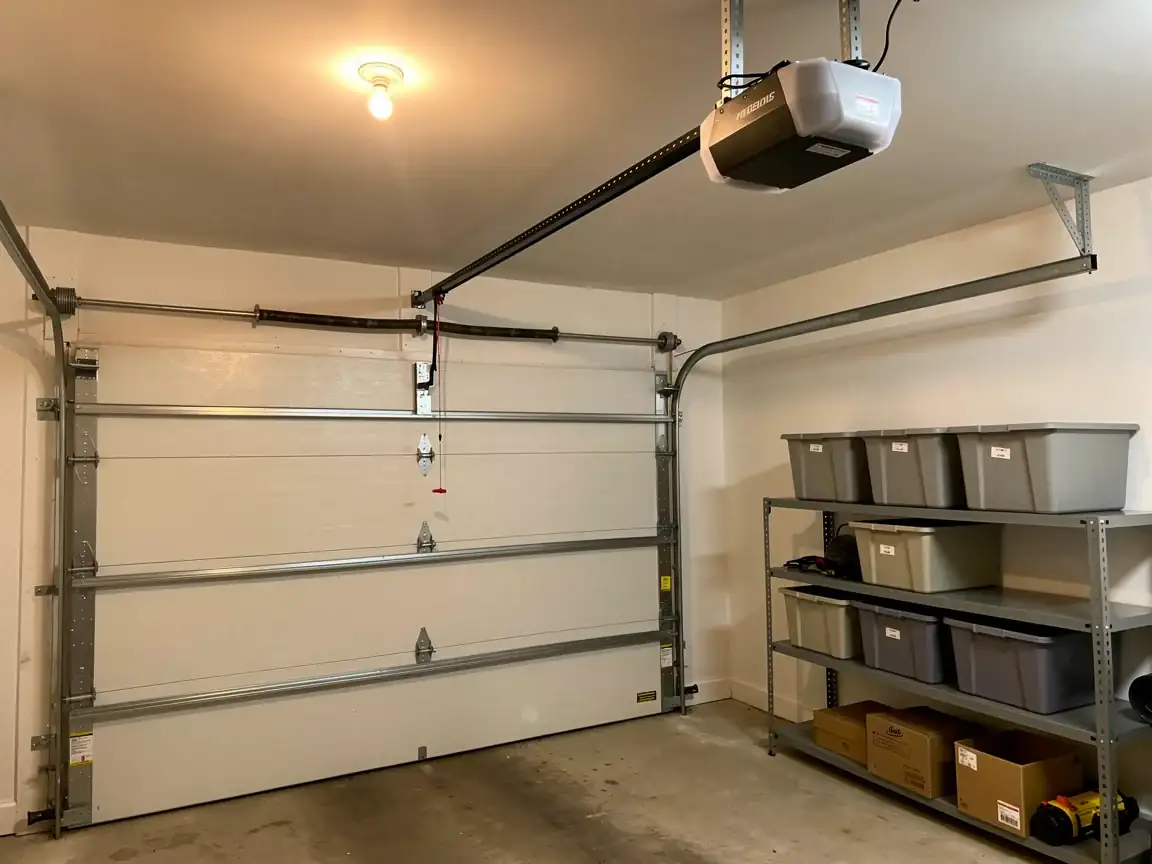
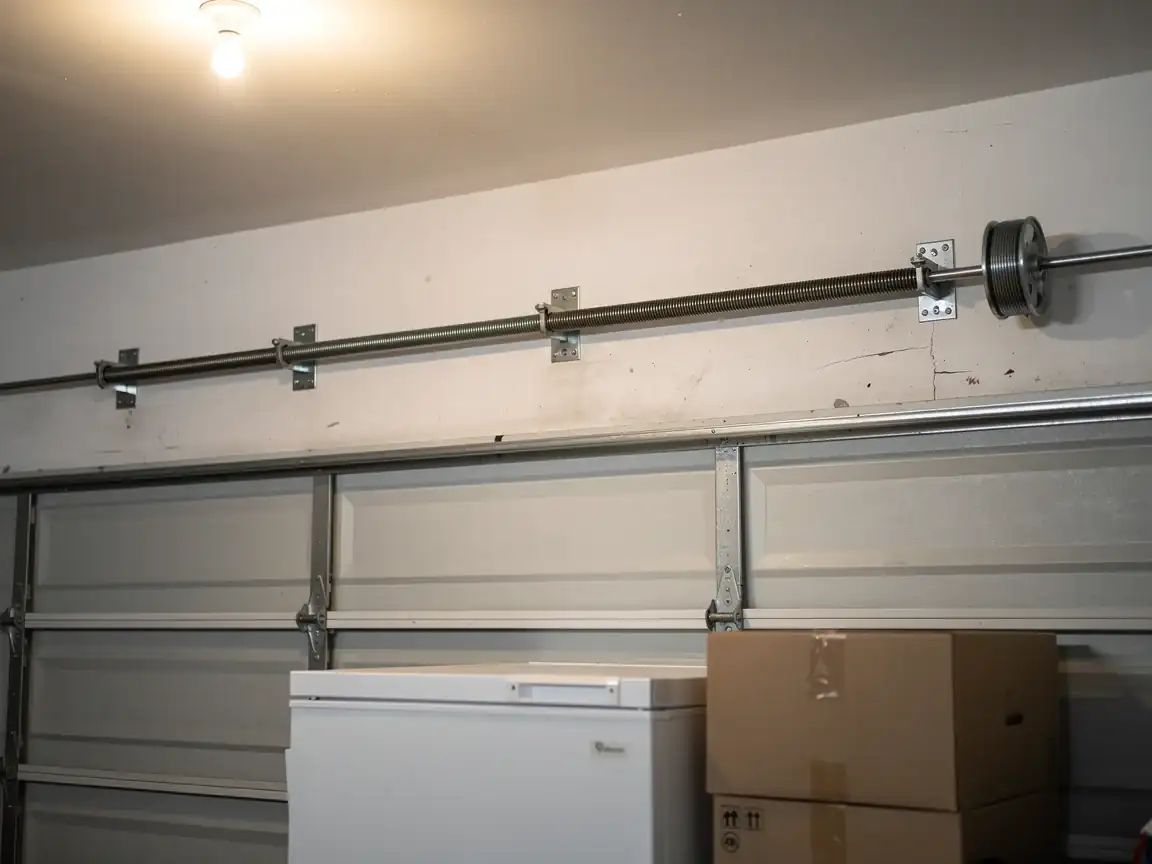
With median construction at 1984 and a build range running 1955 to 2004, a lot of garages here still have their original extension-spring setups rather than the torsion systems that became standard later - and extension springs without safety cables are a known hazard when they let go. We also see openers from the 80s and 90s still in service, which means worn drive gears and logic boards that don't talk to modern safety sensors the way current units do.
How It Shows Up
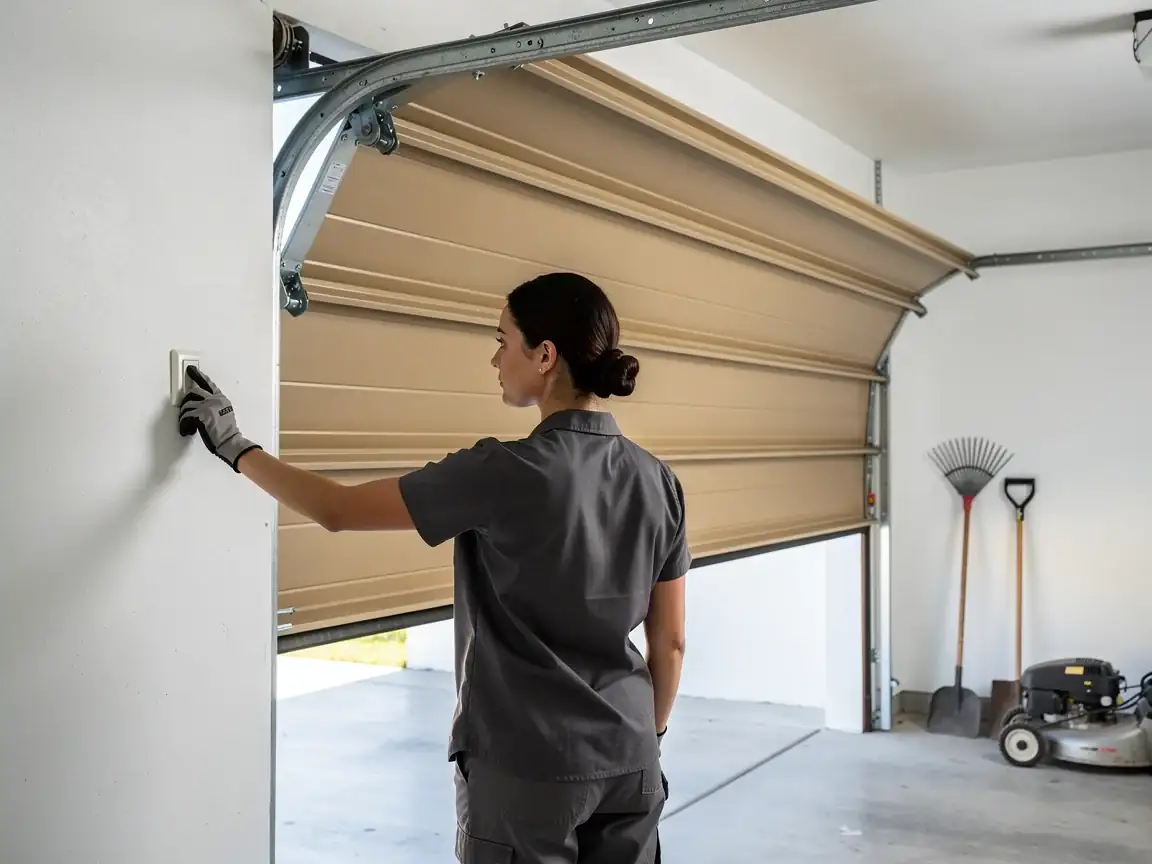
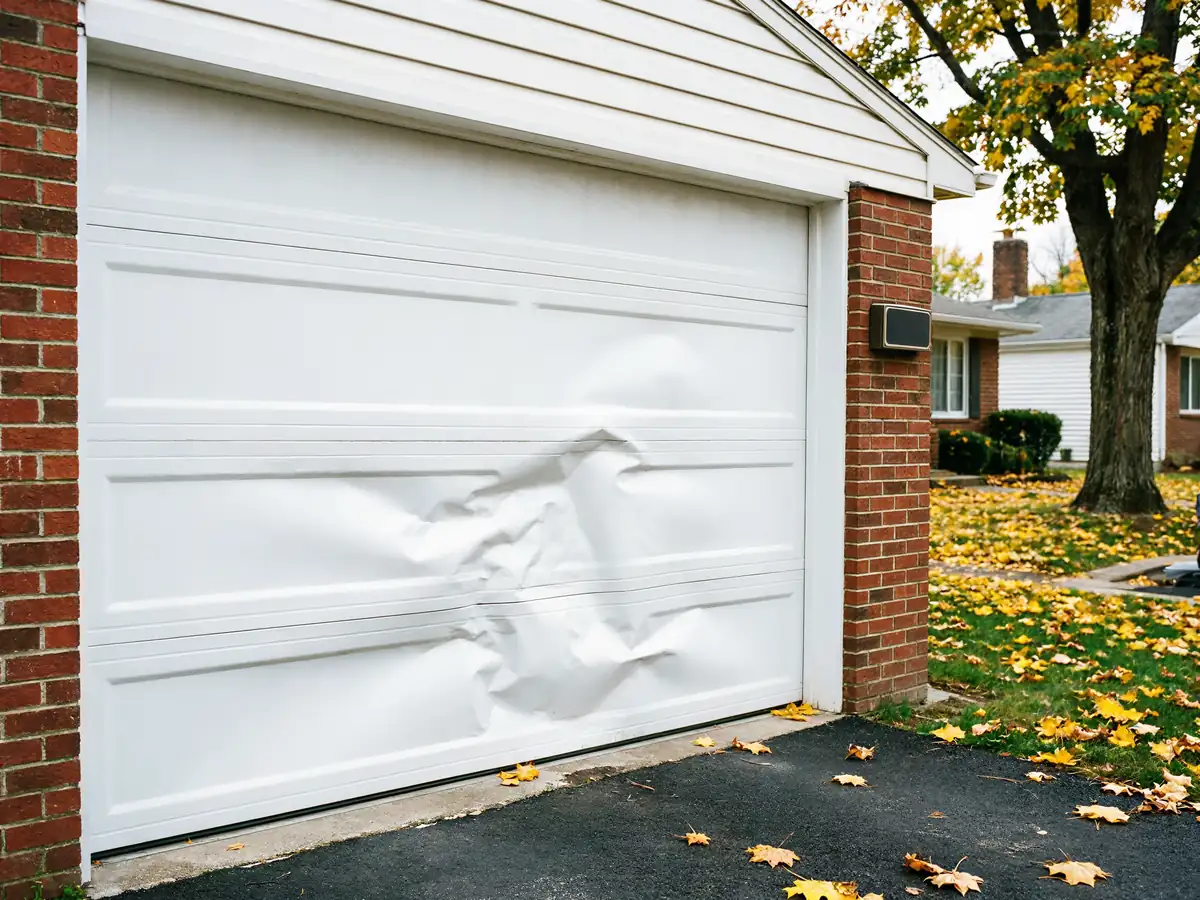
The classic sign is the loud bang from the garage followed by a door that won't budge - that's a torsion spring letting go, and on the older extension-spring setups common in this area's 1980s and 90s housing, it can show up as the door slamming down hard on one side instead. If the opener runs but the door doesn't move, or moves and reverses halfway, that's usually the opener's drive gear or a misaligned safety sensor, more common on units that have been in service since the house was built.
In cold weather we also get calls about a door that opens fine but closes slower than it used to, or one that seems to stick a few inches above the floor - often a sign the spring has lost tension gradually rather than snapped outright. Some of our calls come from just outside Lakeville proper, out toward Credit River five miles south or Elko New Market nine miles out, where the same building-era housing shows the same failure patterns. Whatever the symptom, don't force the door by hand once a spring is suspect - that's how fingers and cables get hurt.