When It Stops Being a DIY Job
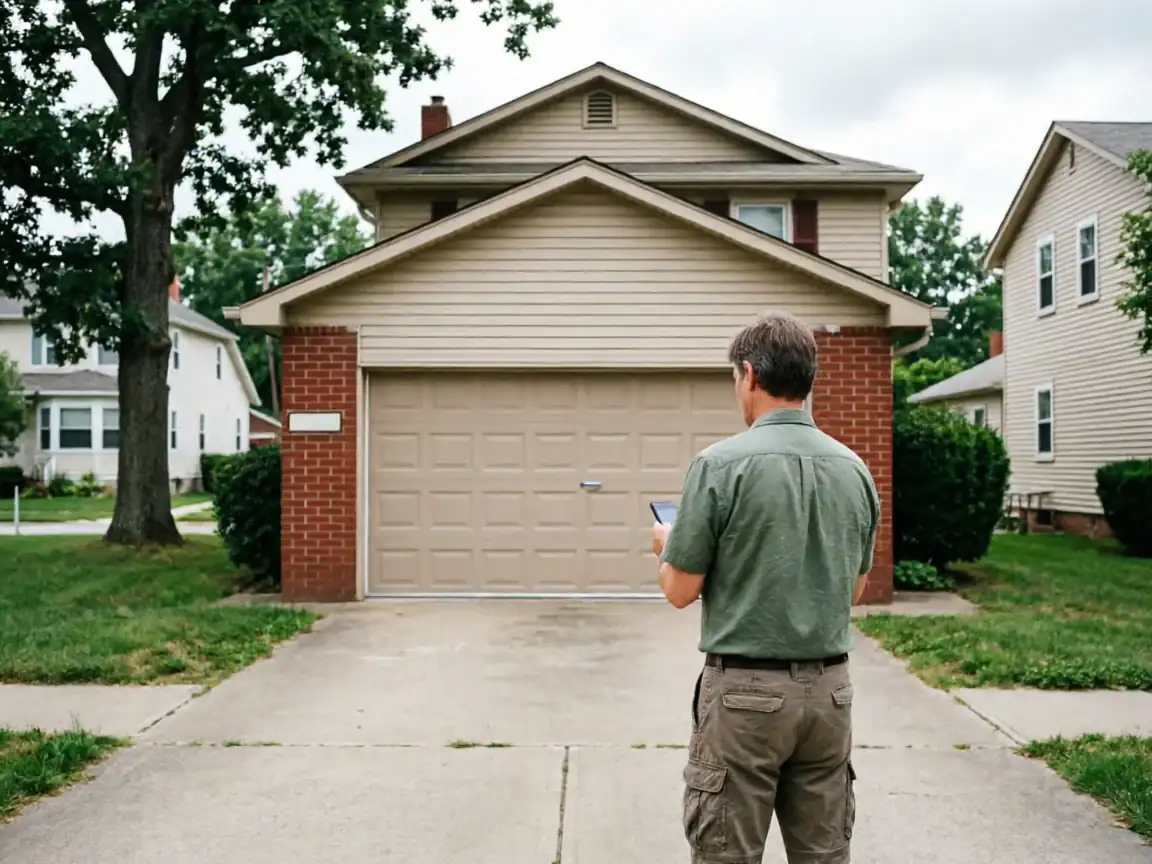
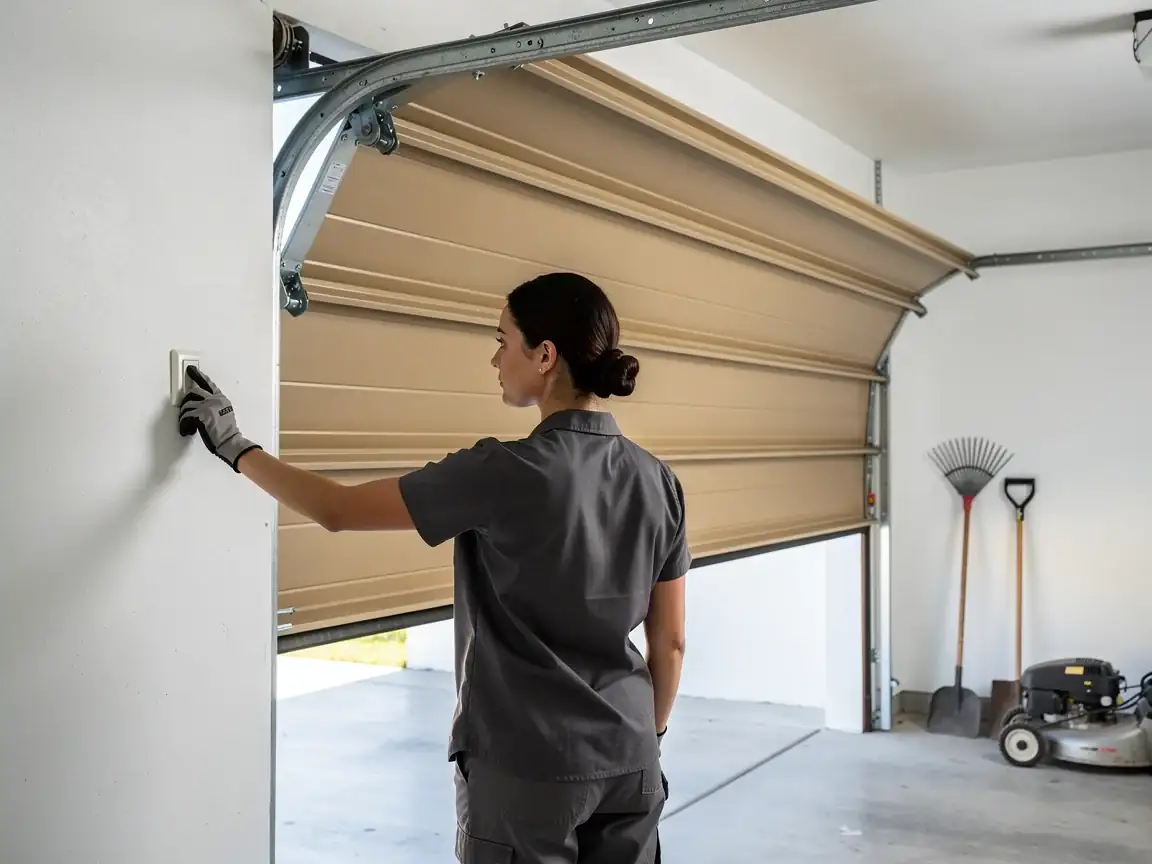
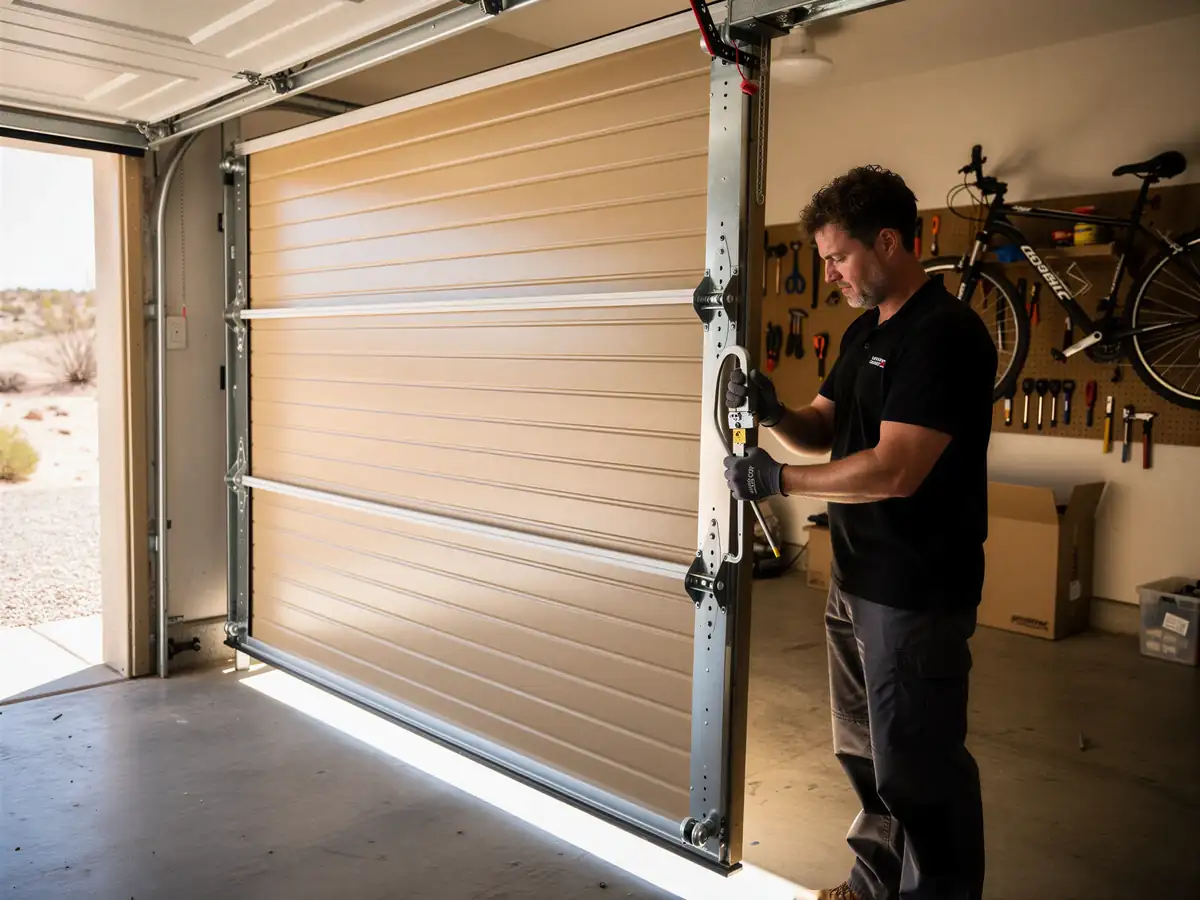
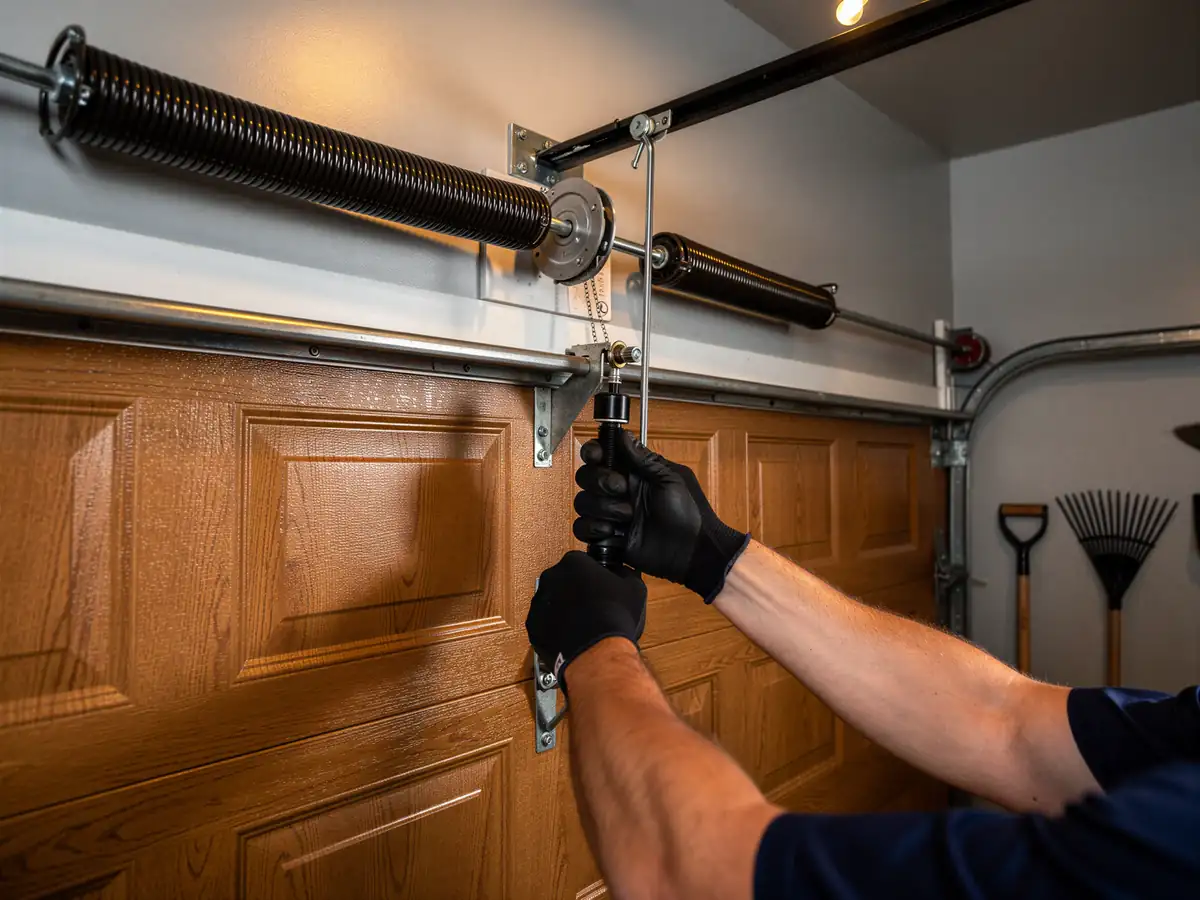
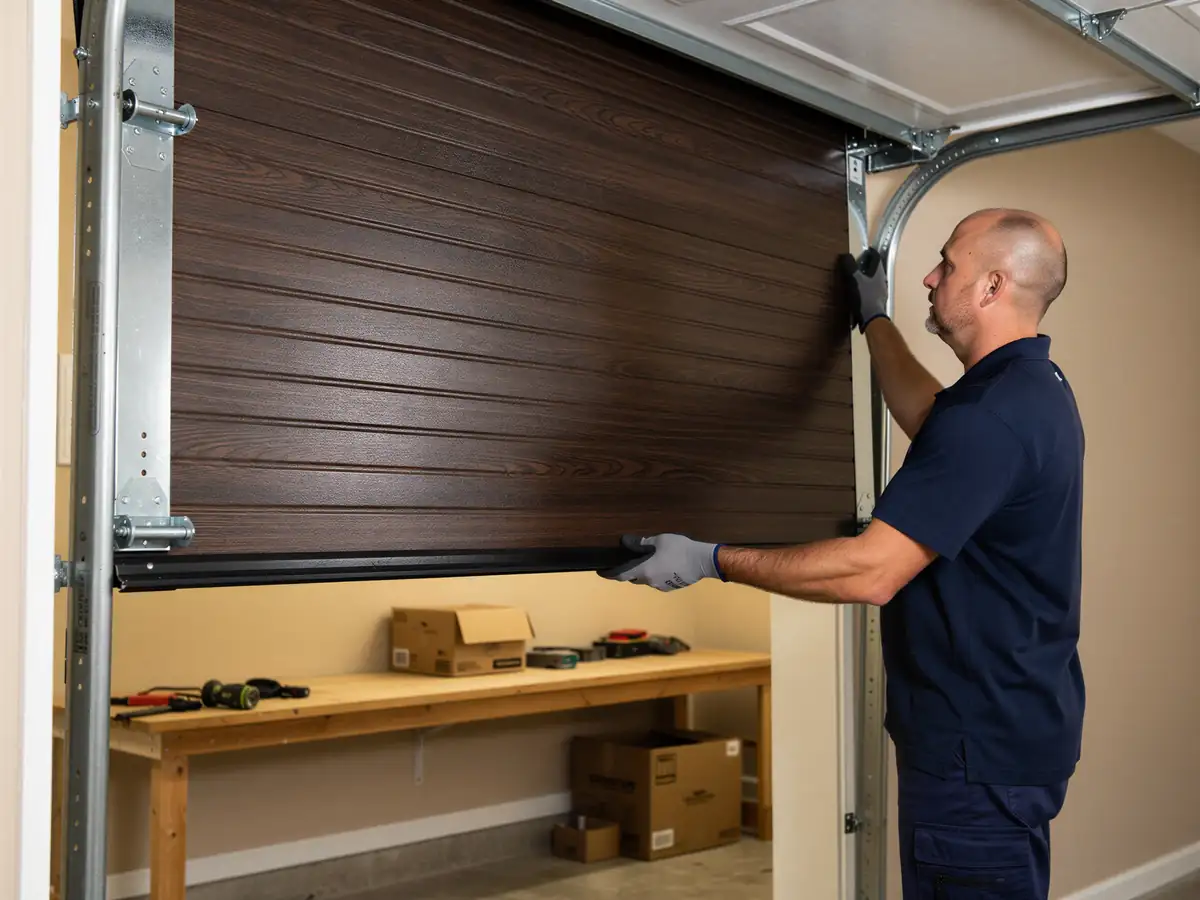
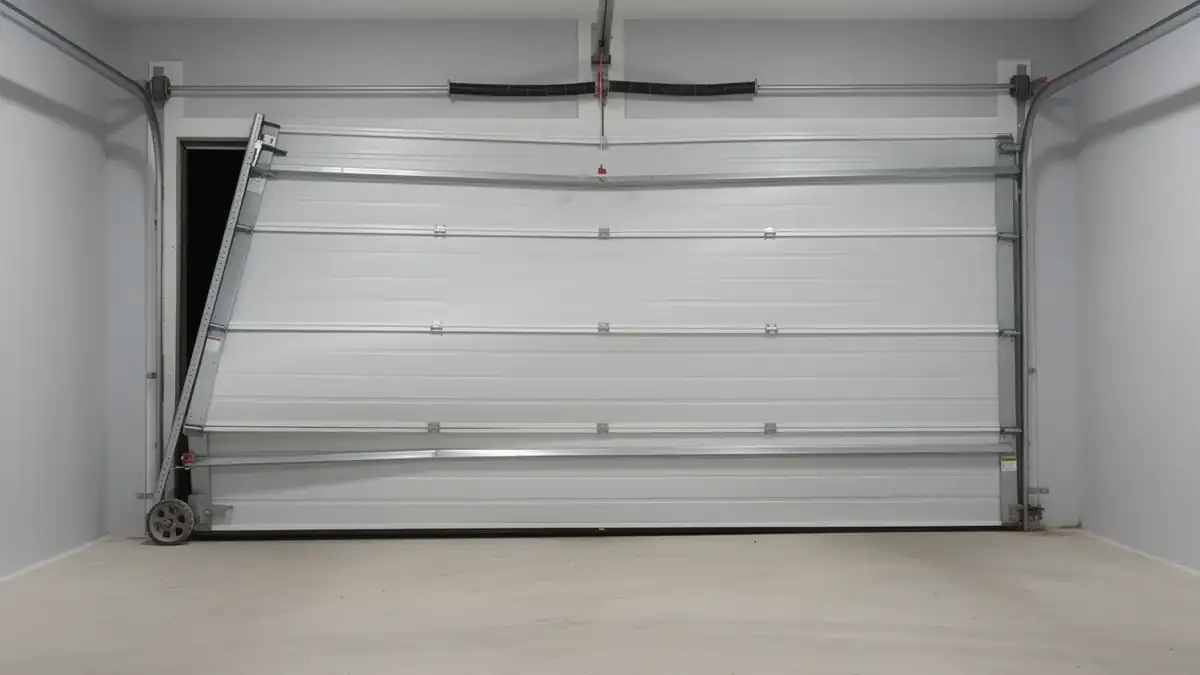
A door that's slightly off track will sometimes still open and close, just louder and crookeder than it should. That's the stage where a homeowner can often push the roller back into the rail by hand, snug the bracket bolts, and be done with it. The stage after that isn't a DIY job. Once a roller has come all the way out of the track, or a cable has jumped its drum, the door is being held up by one side instead of two, and the whole panel can rack and bind, or worse, fall. Lakeville's housing stock runs mostly 1955 to 2004, with a median build year of 1984, which means a lot of garages out here still have their original track hardware - steel that's 30 to 40 years into a job it was built to do for maybe 15. We won't pretend every off-track door needs a service call. If the roller just slipped and the track isn't bent, you can usually fix it yourself in ten minutes. But if the track is bowed, a bracket has pulled loose from the framing, or the door came off while under spring tension, that's a call, not a project.
What to Check
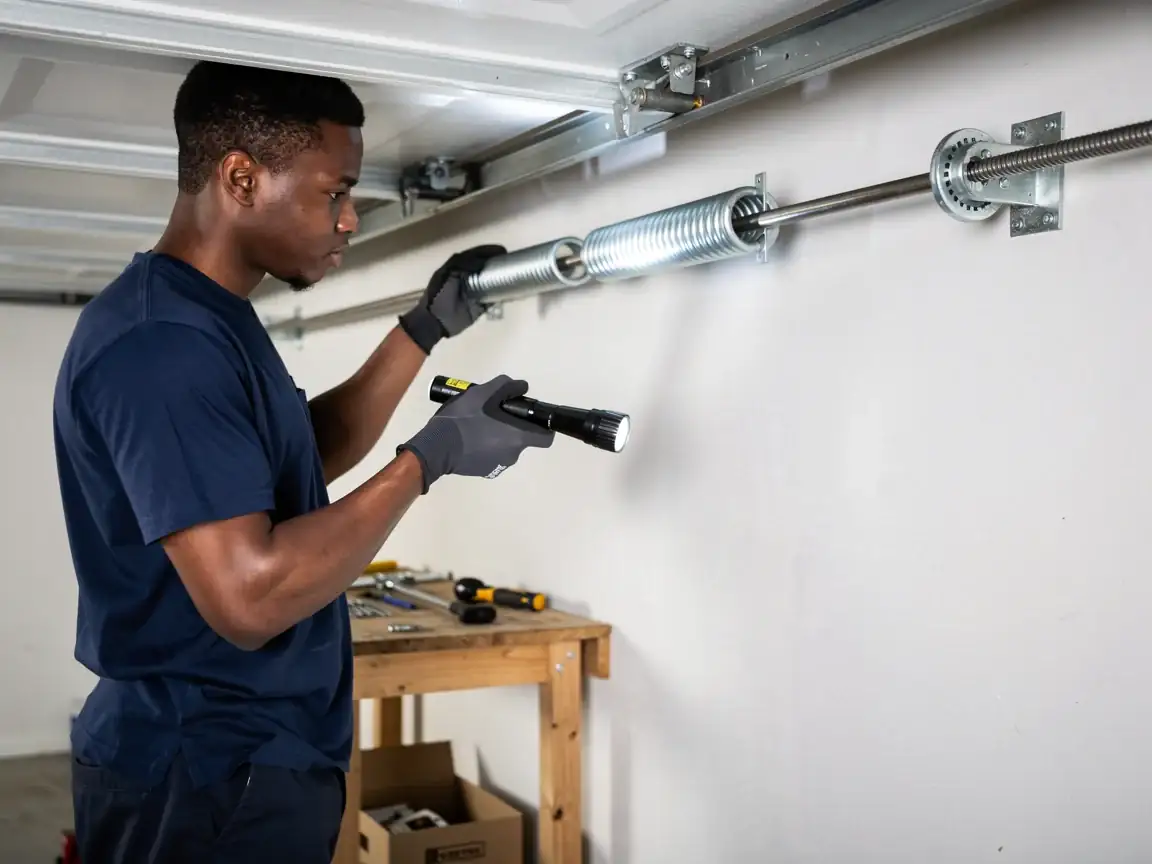
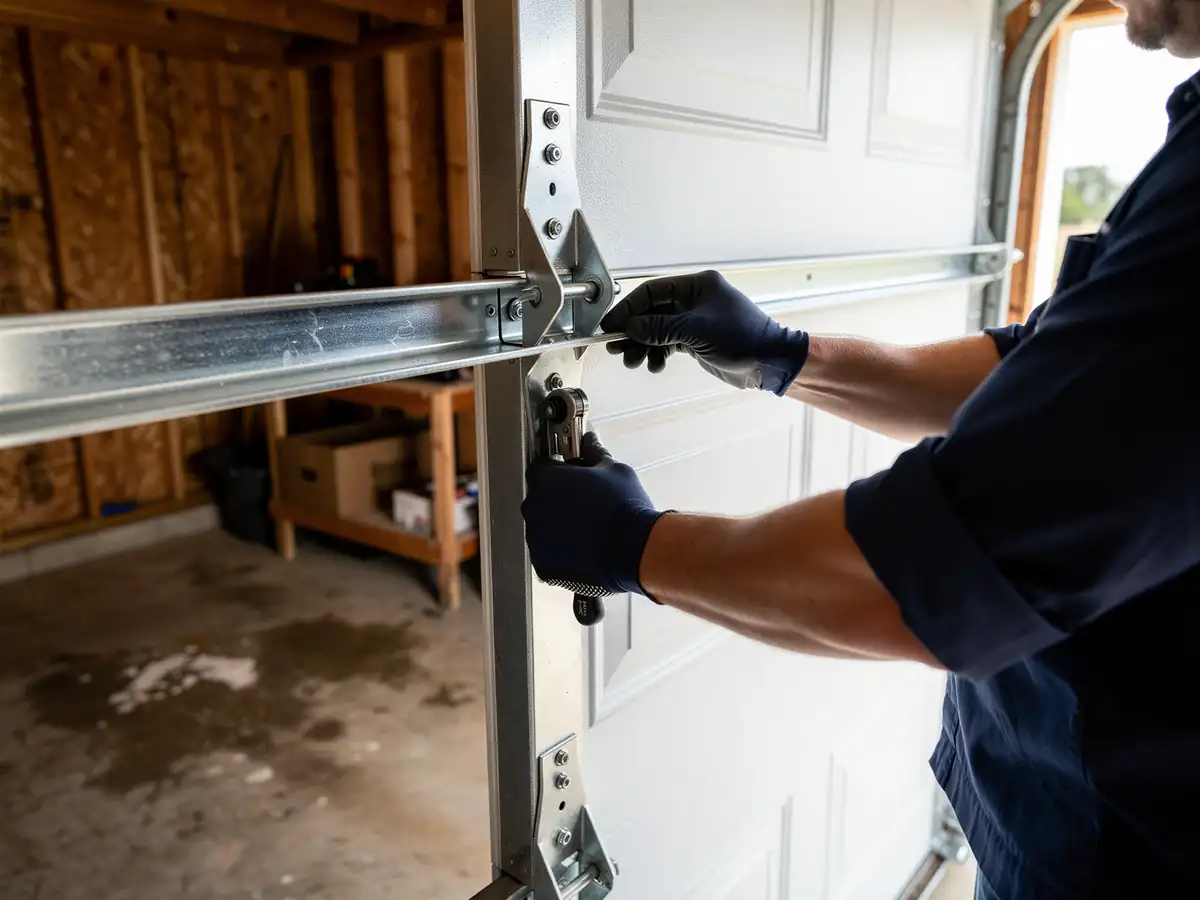
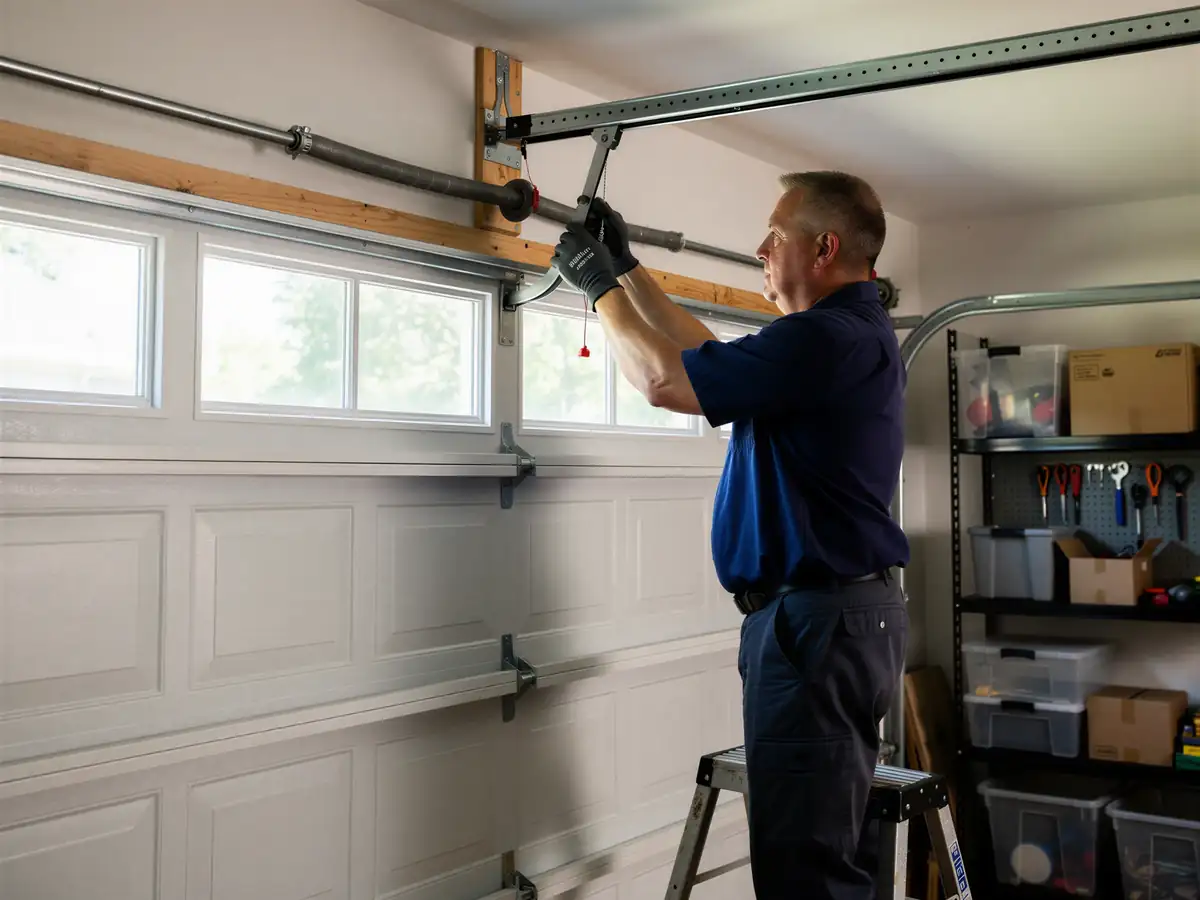
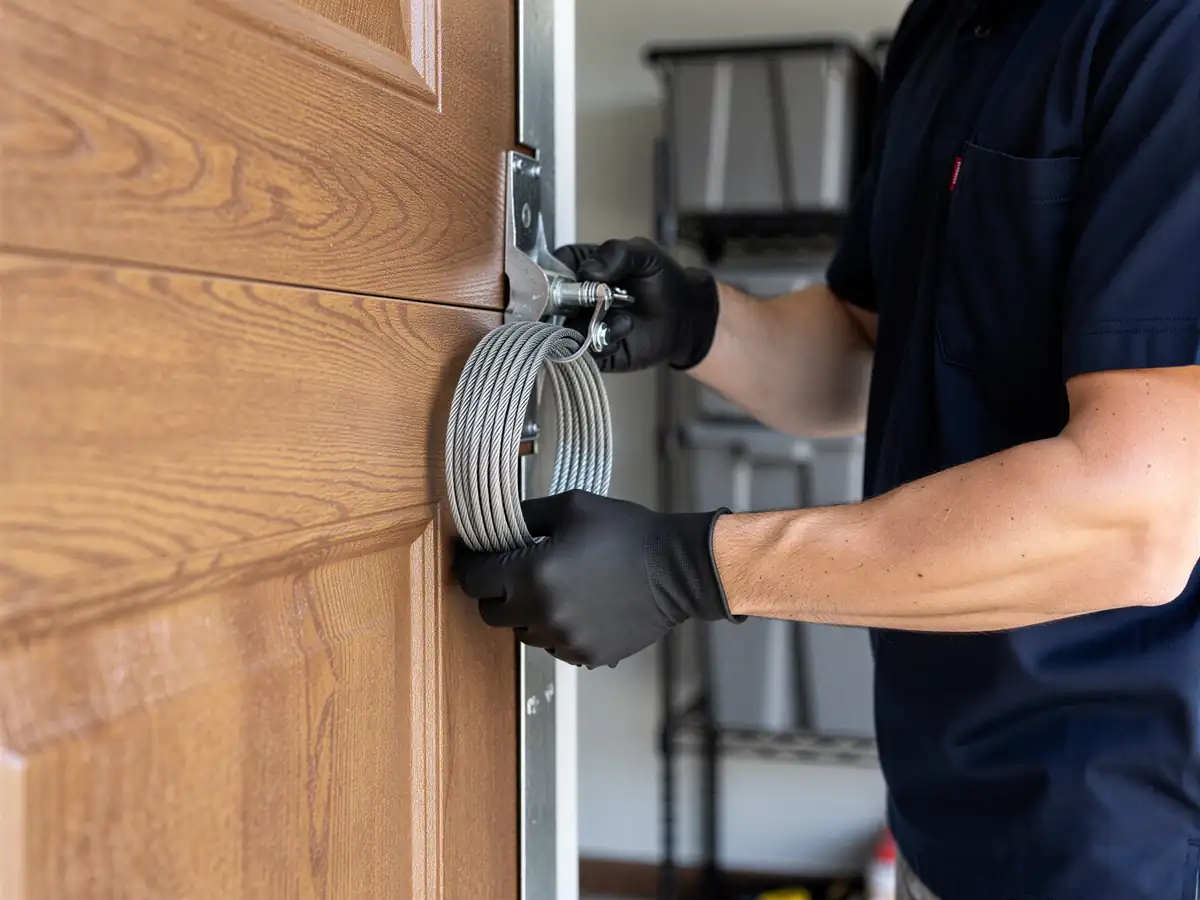
Start at the rollers. On the 1980s and 90s builds that make up most of the area's stock, the original rollers were often nylon with a steel stem and a plastic idler bearing inside - and that bearing is usually the first thing to fail, letting the roller wobble sideways until it walks out of the rail. Next, run your hand along the track looking for a bent section, usually near a bottom bracket where a car or a snowblower clipped it. A track that's bent even an eighth of an inch will throw a roller every time it passes that spot. Check the lag bolts holding the vertical track to the frame - on older installs these can work loose over decades of door cycles, letting the whole track lean. Last, look at the cables on both sides of the door. If one side looks slack while the other's taut, the door is already running unevenly, and that uneven pull is what eventually walks a roller off the rail. We won't guess which of these it is without seeing the door - a loose bracket and a bent track look almost the same from across the garage.
The Situation
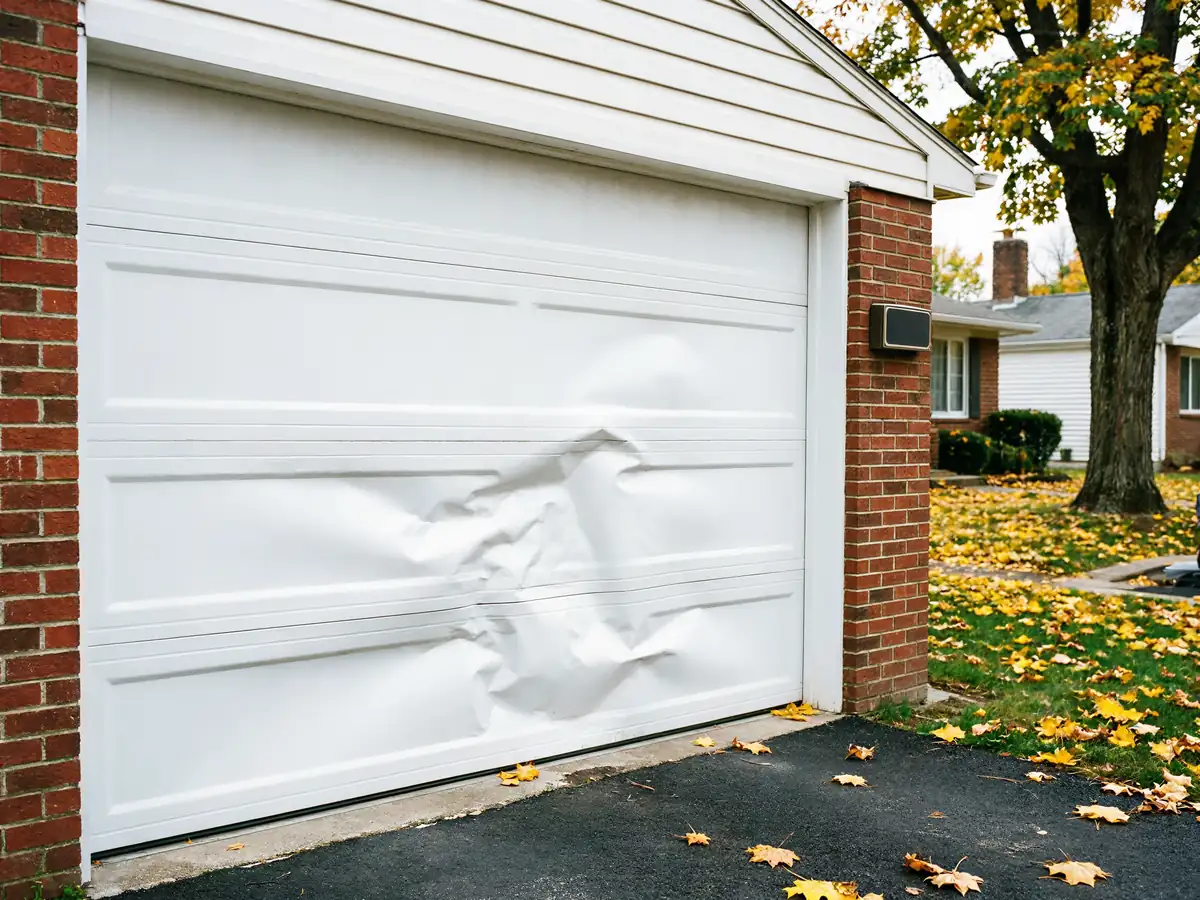
The service area runs from towns like Credit River and Elko New Market out past Hastings and Northfield, and across that ground the housing is fairly consistent: built mostly between 1955 and 2004, concentrated in the 1980s and 90s, spread across two dozen named neighborhoods. With median household income around $99,460 in this area, most owners we talk to would rather replace a bent length of track or a worn roller set outright than have it patched and come back again in a year. That's usually the right call - track section and rollers are inexpensive relative to the labor of doing it twice. Across the roughly 53,681 owner-occupied houses in this area, off-track calls cluster in the same handful of causes: aged idler bearings, a bracket that's loosened from the framing over 30-plus years, or a track bent by contact. We don't do cosmetic panel repair - if the door itself is dented badly enough to be fighting the track on top of everything else, replacement is worth discussing rather than chasing the alignment forever.