When It Stops Being a DIY Job
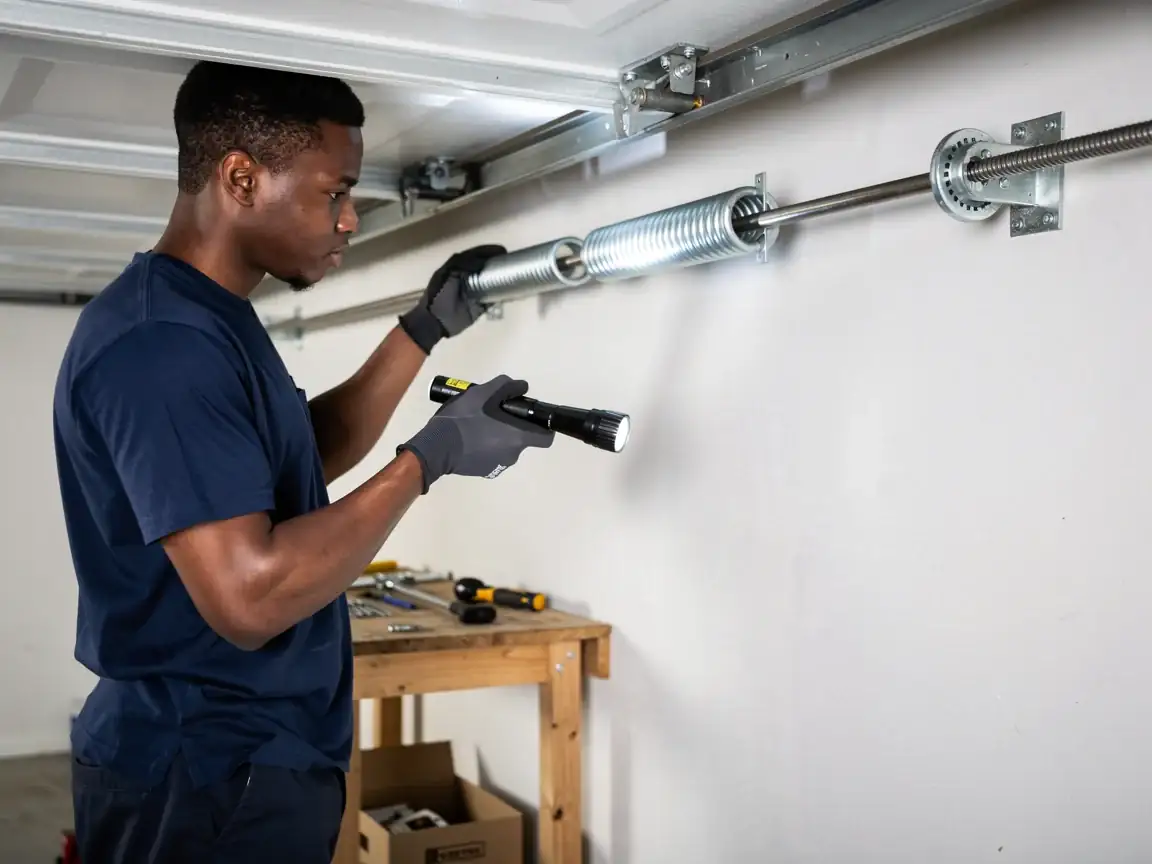
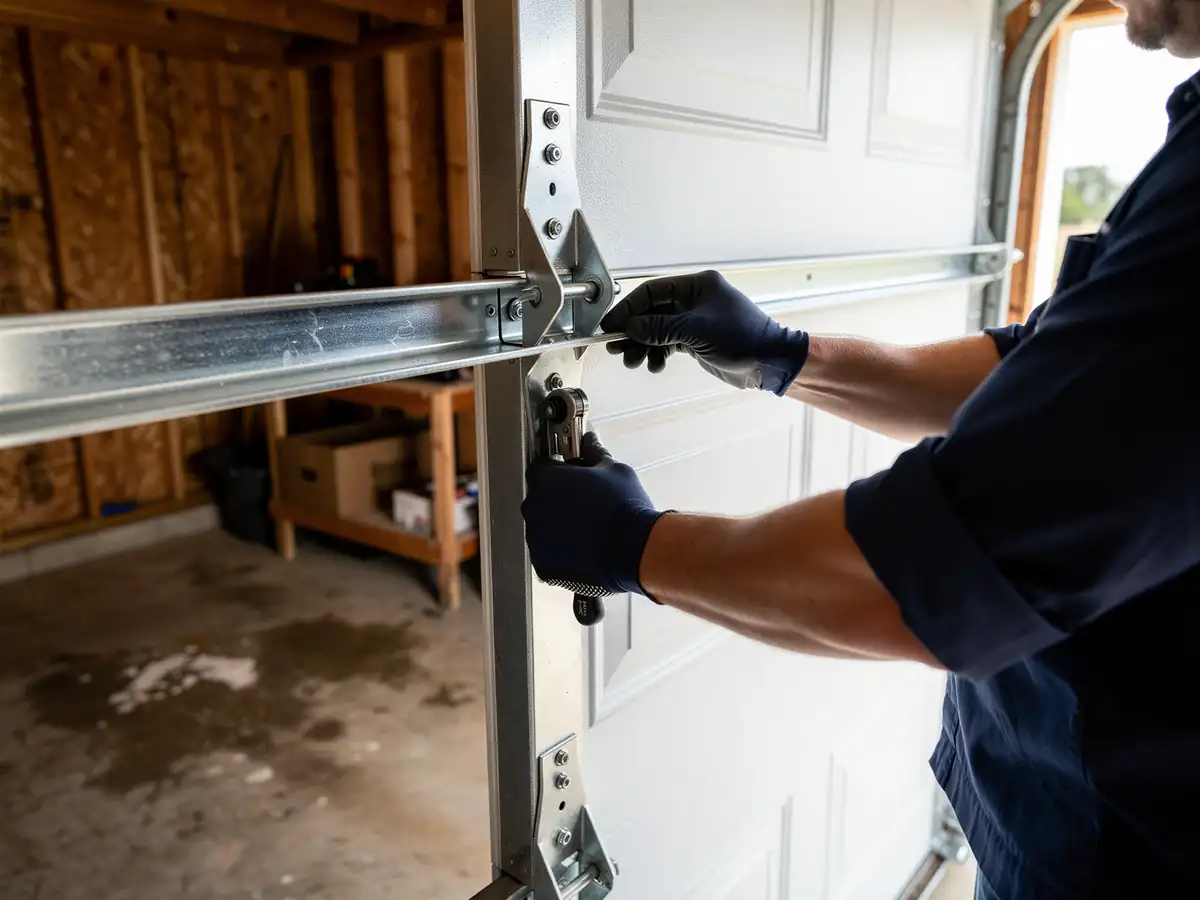
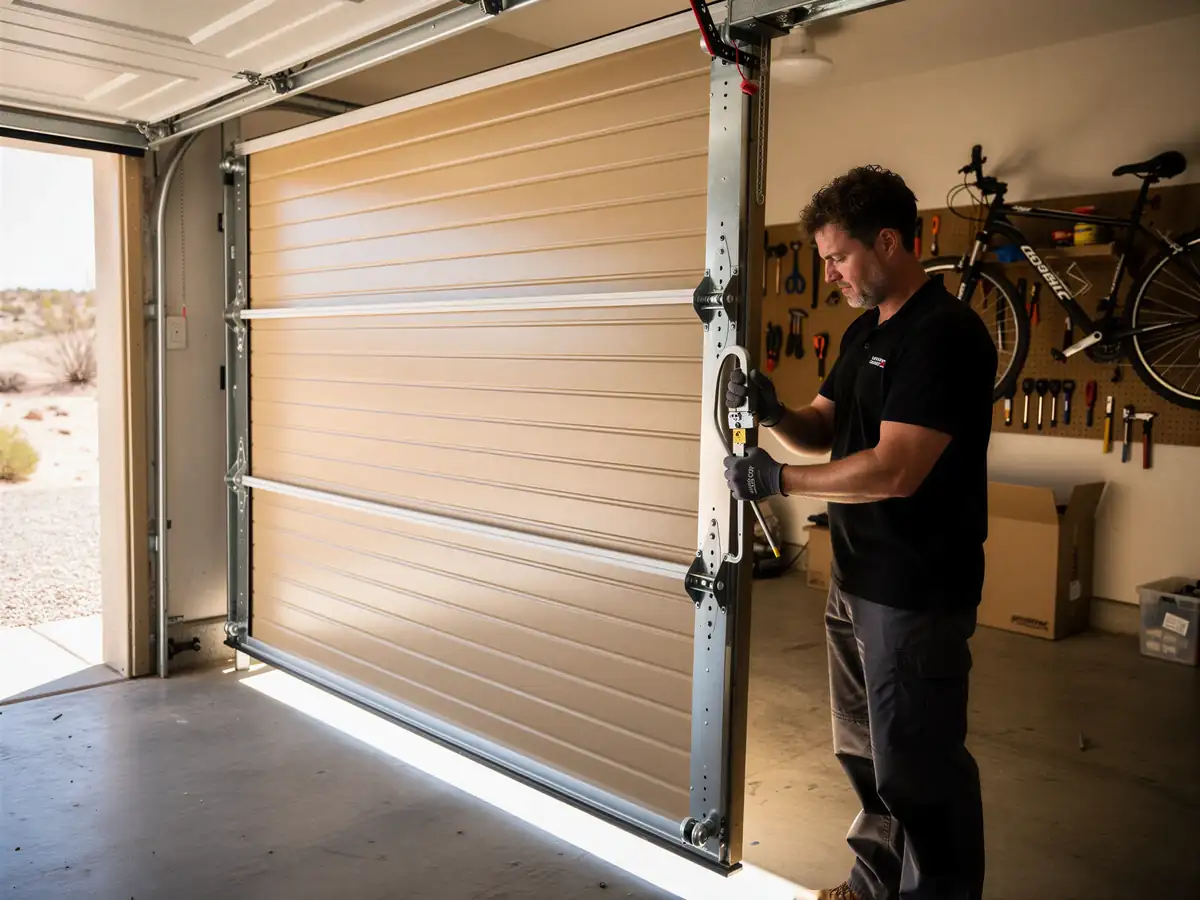
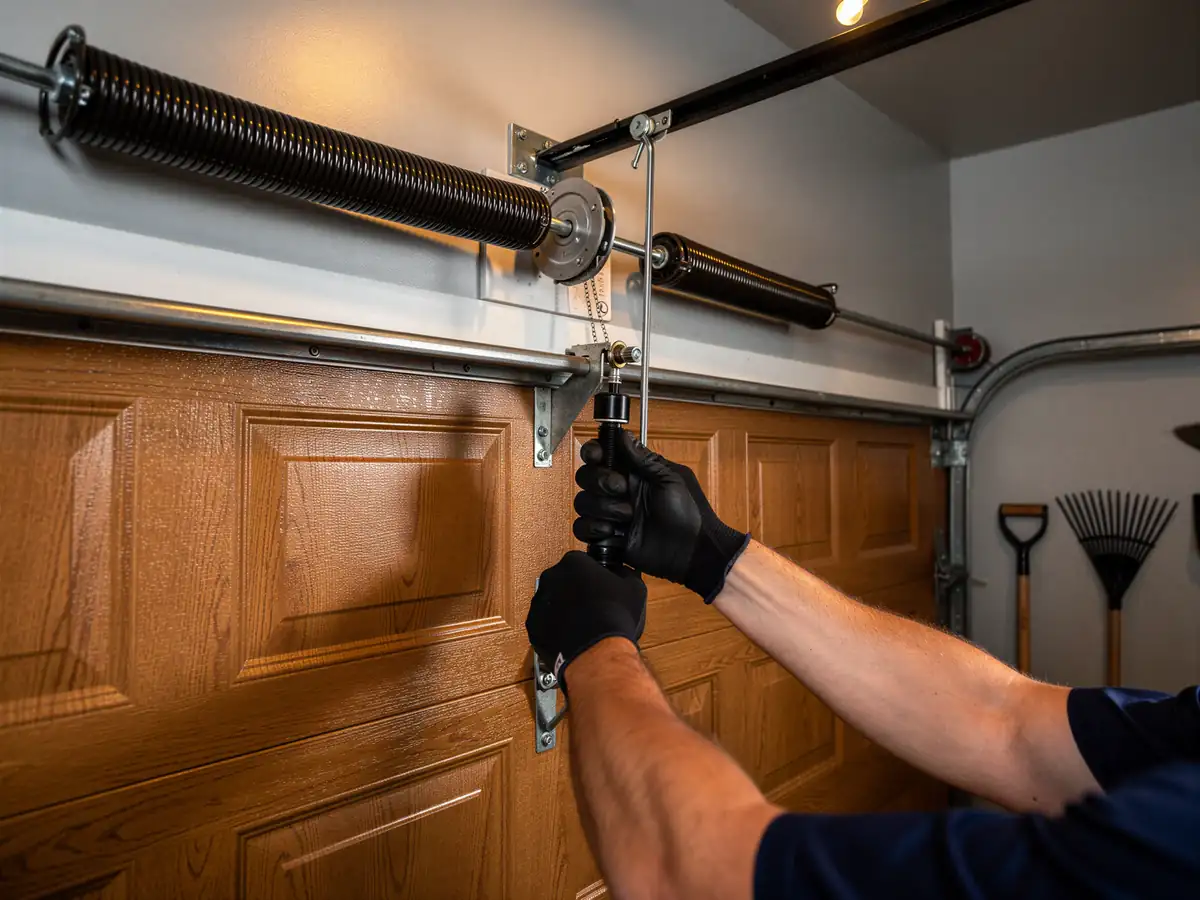
A dead opener during a power cut is usually a two-minute fix: pull the manual release, lift the door by hand, get the car out. That's true whether your house went up in 1958 or 1998. Where it stops being a DIY job is when the door won't lift by hand either - and in Lakeville, where most houses in our service area were built between 1955 and 2004 with the bulk from the 1980s and 90s, that usually means a spring that's already weak and was just waiting for the opener to quit before it showed itself. If the door feels like it weighs three times what it should the moment you pull that release cord, stop. A torsion spring under tension that lets go while you're muscling a door up by hand can break fingers or drop the door on a hand or foot. That's not a step we skip explaining, because it's the one call we get after someone's already tried it themselves. If the door lifts with normal effort and just won't stay up, that's a different problem - balance or cable - and still worth a call, but not an emergency one.
What to Check
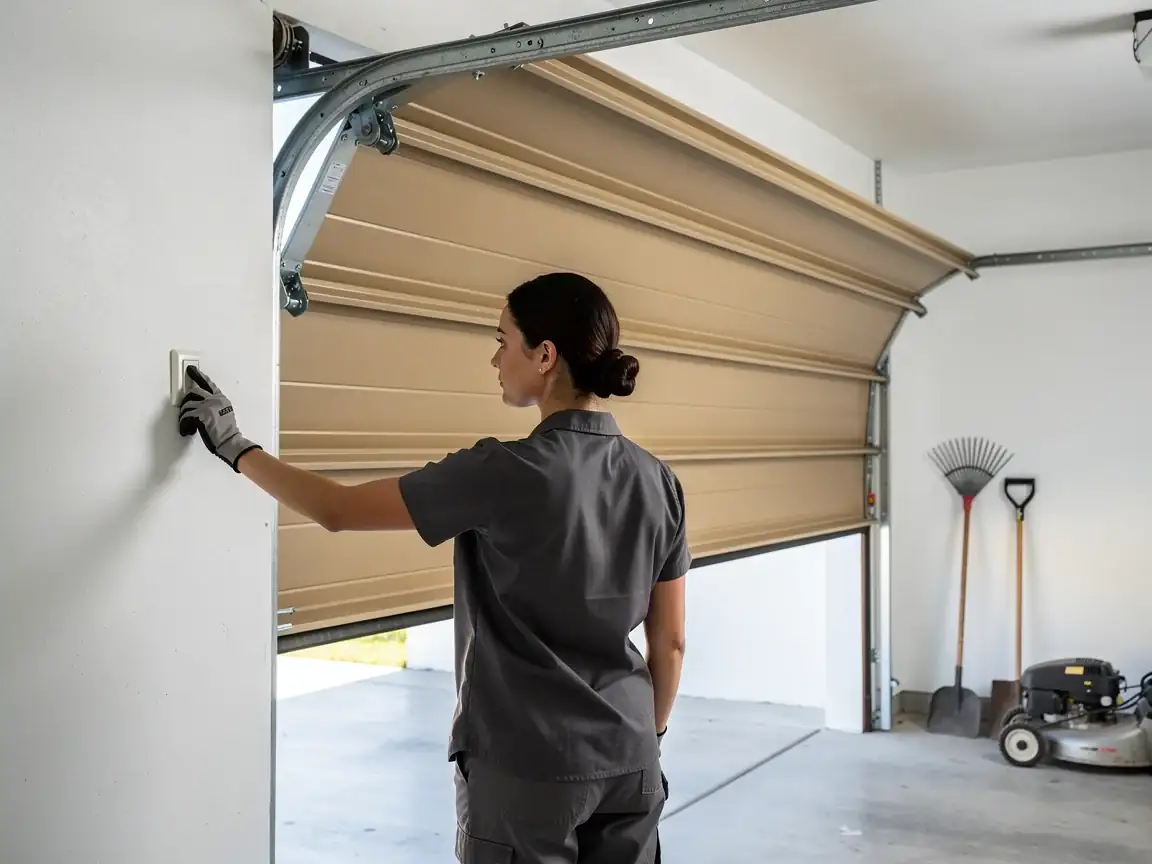
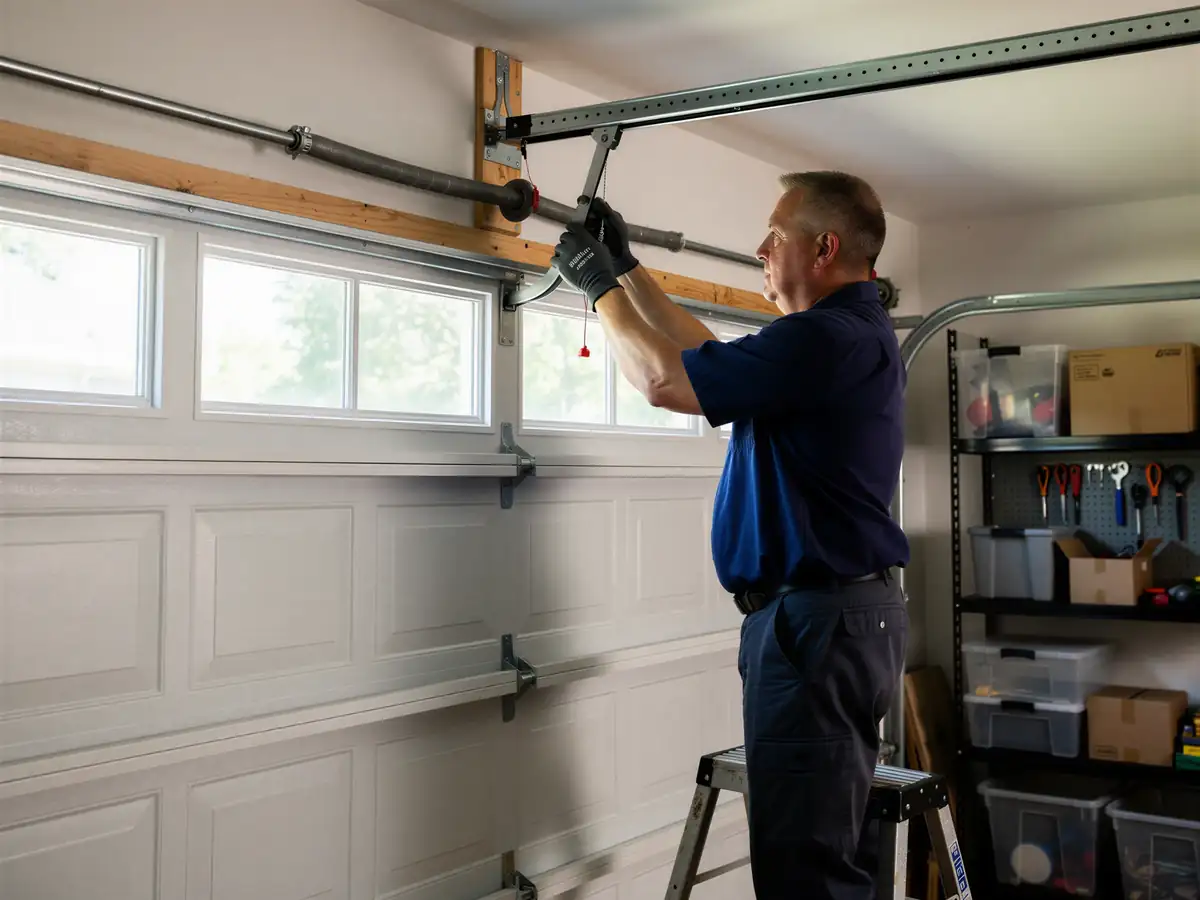
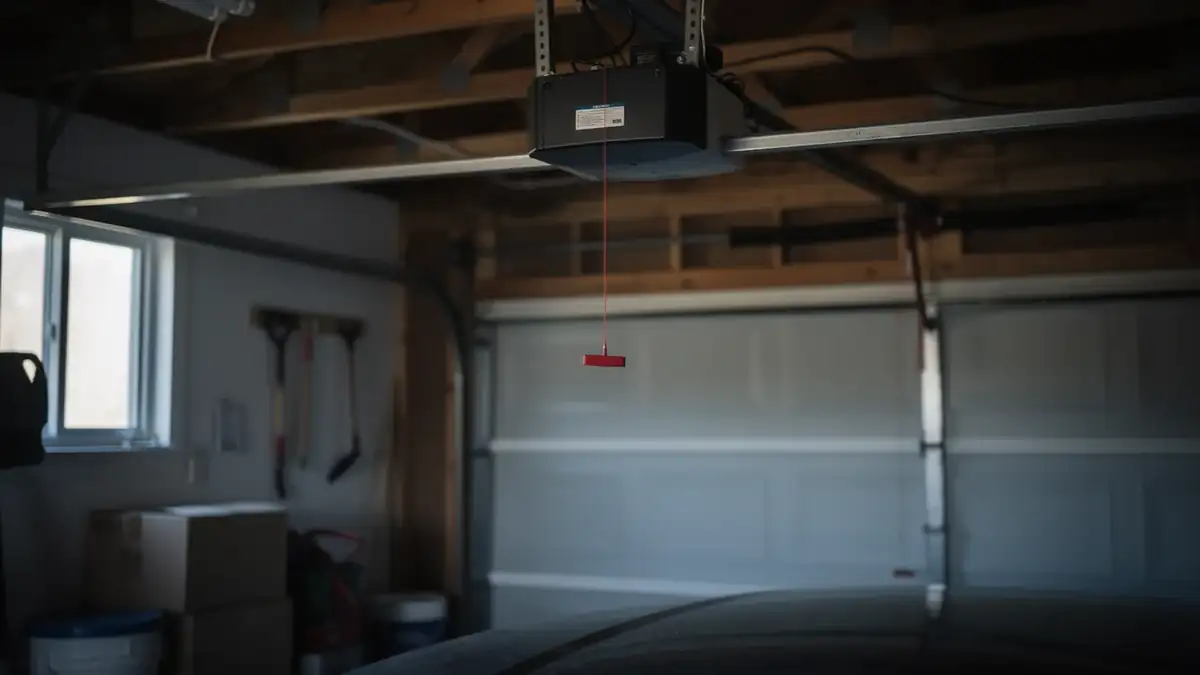
Before you assume the opener itself is dead, check the obvious: is the whole house without power, or just the opener circuit tripped. Garage circuits on a lot of 1980s and 90s-built Lakeville homes share a breaker with other loads, and a surge during a storm trips it before anything else in the house notices. Next, find the manual release cord - on doors from that same build era it's almost always a red handle hanging near the top of the door, sometimes stiff if it hasn't been pulled in years. Pull it straight down, not at an angle, or it can jam in the carriage. Once the door's up, check whether it stays up on its own or drifts back down; that tells you if this is a power problem or a spring problem wearing a power problem's costume. Last thing: battery backup. Not every opener installed over that 1955-2004 span has one, and if yours doesn't, this is the moment you notice.
The Situation
With median household income in this area around $99,460, a lot of homeowners here are weighing a straightforward repair against replacing an opener outright, and the honest answer depends on age and what's already failed. An opener from the earlier end of the 1955-2004 build range that's lost its circuit board or drive gear once already is a candidate for replacement rather than a second repair - parts for openers that old aren't always stocked and can take time to source. One limitation worth saying plainly: we don't carry every obsolete opener part on the truck, and if yours is a less common brand from that era, there can be a wait. A battery backup add-on is often the cheaper move if the opener itself is otherwise sound. We don't push replacement on something that's still got life in it, but we also won't tell you a thirty-year-old motor is a quick fix when it isn't.