How to Book
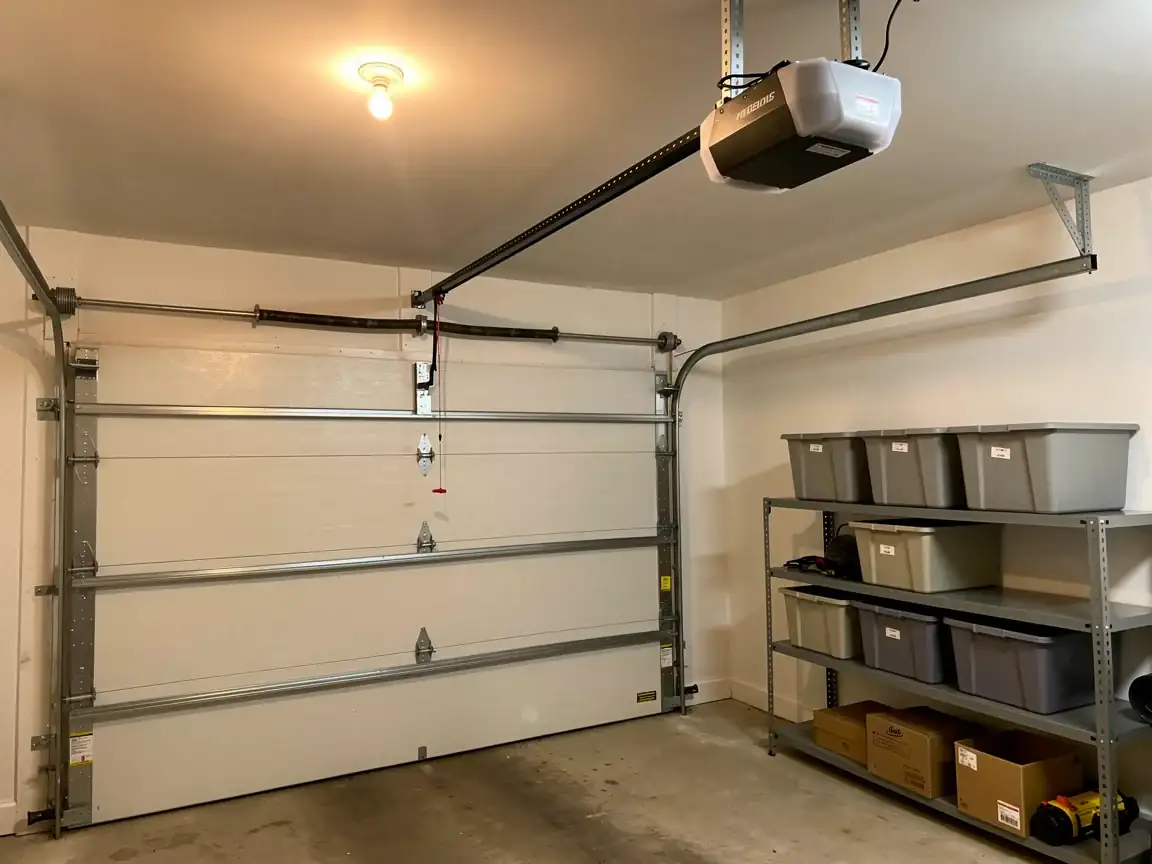
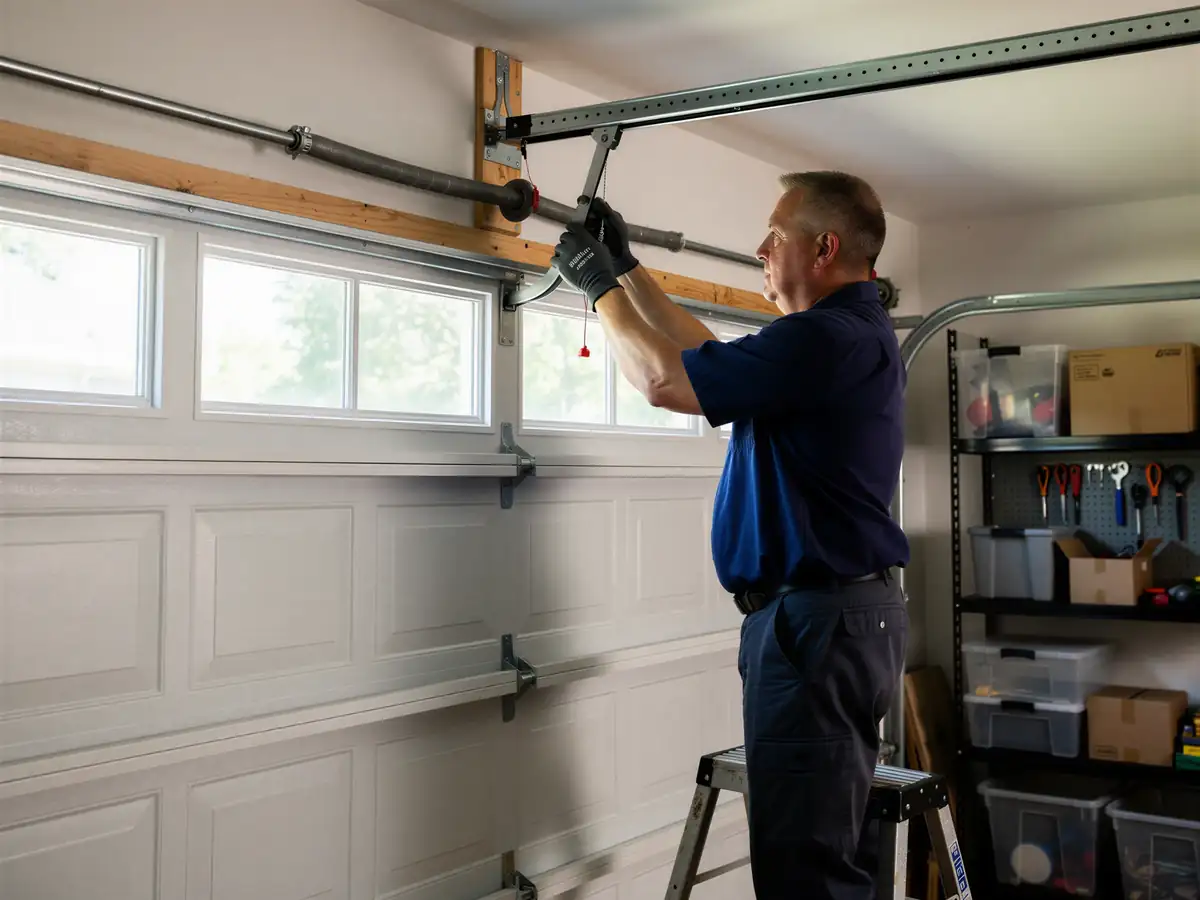
Call or use the request form on our home page and tell us the make of your current opener if you know it, or just the symptom - won't close, reverses, no lights, remote stopped working years ago. We ask a few questions up front: belt or chain drive preferred, whether you want battery backup, and whether the existing wall wiring and header bracket are original to the house or were already replaced in an earlier repair. That last question matters more in this area than most, because a lot of the houses we're called to were built between 1955 and 2004, and the bracket, header, and wiring gauge behind the opener often match whichever decade the house went up in. We schedule a visit, confirm the opener model and mounting hardware on site before we quote the job, and do the swap or new install in that same visit in most cases. If the existing track, springs, or rollers are also worn out, we'll tell you before we start rather than after - an opener bolted to a bad track is a comeback waiting to happen, not a finished job.
We serve the surrounding area out to roughly Northfield, Hastings, and Chanhassen, so if you're calling from one of the nearby towns, mention which one so we can route the right truck.
The Cost of This Job
We don't quote a number here because the right opener for a given garage depends on things we can't see over the phone - door weight, headroom, whether you want a smart-phone connected unit, and whether the existing wiring needs any rework. What we can tell you is what drives the cost up or down. A straight swap onto an existing bracket with working wiring is the simplest version of this job. Add a battery backup - worth considering here given how often a Minnesota ice storm or hard cold snap takes out power for a few hours at a stretch - and the job gets a bit more involved. Houses in this area built in the 1980s and 90s, which is most of the stock across the 24 neighborhoods we work in, often still have the original header bracket and a chain-drive unit from that build era; reusing sound hardware keeps the job smaller than starting from scratch. We'll always give you the actual number for your door before we touch anything, not a range we back into afterward.
How It Shows Up
The most common call is an opener that runs but won't fully close - it reverses a few inches from the floor, over and over, which on an older chain-drive unit usually means the down-limit setting has drifted or a worn gear is slipping under cold-weather load. Second most common: the opener runs the motor but the door doesn't move, which on units from the 1980s-90s stock we see across this area is often a stripped drive gear, a part that's cheap but no longer sold for every model. Third is simple silence - no hum, no light, nothing - which after a hard cold stretch is frequently a dead capacitor rather than a dead motor. We also get calls where the remote works intermittently from the driveway but not from inside the garage; on houses built before rolling-code remotes became standard, that's sometimes a fixed-code opener nearing the end of its working life rather than a battery problem. None of these are emergencies in the sense of a safety hazard, but a door that won't seal at the floor in a cold-moderate climate is a real heat-loss problem, not just an inconvenience.