Serving Lakeville, MN & nearby
(952) 246-5117
Lakeville, MN

Weather Seals and Draughts in Lakeville Garage Doors

Lakeville homes built 1955-2004 see seal failure as vinyl ages past 20 years. Here's what a cold-climate homeowner can check before calling a pro.

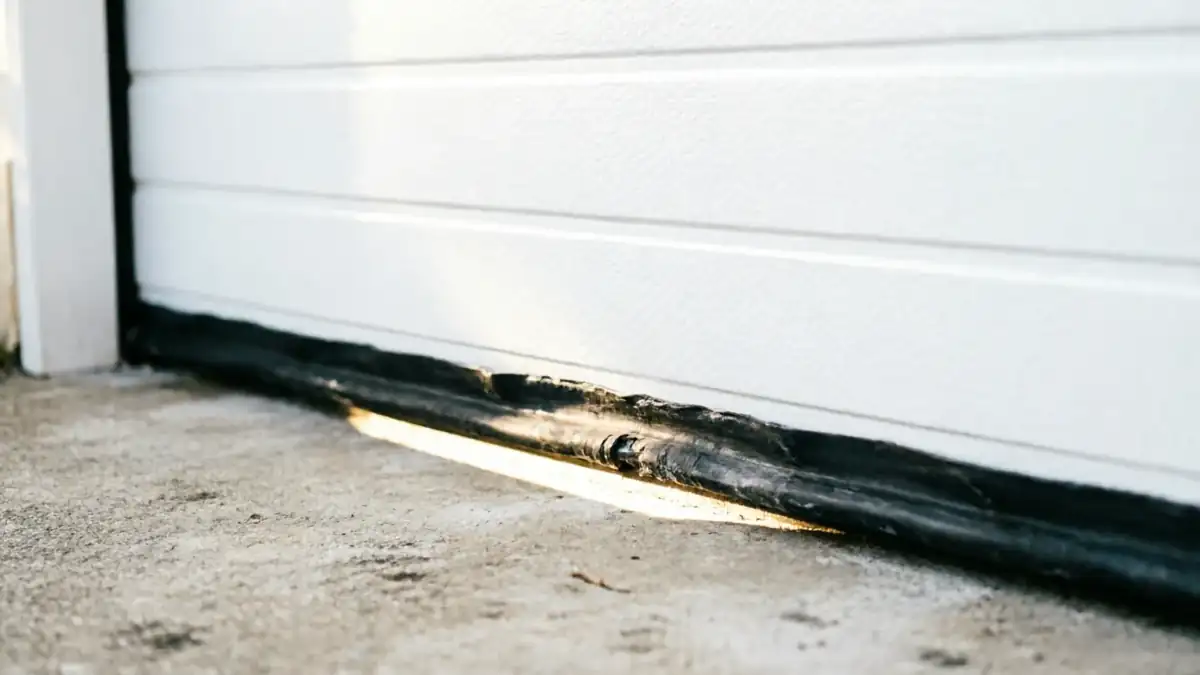
The bottom of a white garage door has a worn, damaged black seal.

When It Stops Being a DIY Job

Most houses on this side of Lakeville went up between 1955 and 2004, with the median build year sitting at 1984, and a lot of that 1980s-90s stock still has its original bottom seal track or a first-generation replacement. A worn vinyl strip you can peel back by hand, or a gap you can see daylight through along the bottom edge, is a DIY fix - cut a new astragal to width, feed it into the track, done. Where it stops being DIY is when the draught is coming from the side seals or the header, not the bottom. If cold air is pushing in along the vertical jamb seals, that usually means the door itself has racked slightly in the frame, or the track has pulled away from the wall studs. That's a structural check, not a strip-and-replace job, and pushing a new seal into a door that isn't square just wastes the material. If you've replaced the bottom seal twice in two years and still get a draught line across the floor, the door's out of plumb and needs a hands-on look, not another trip to the hardware aisle.

What to Check

Start at the bottom seal - pull on it. If it's stiff, cracked, or doesn't spring back, it's past its life regardless of how new it looks. Original seals on houses built close to that 1984 median are likely on their second or third replacement cycle by now, since vinyl in this climate band typically hardens and splits well before it looks obviously bad. Next, run a hand along the side jambs where the door meets the frame on a cold morning - cold moderate winters here mean any gap wider than a sheet of paper is enough to let in a steady draught, not just a draft you notice once. Check the header seal too, the strip across the top; it's the one people forget because it's out of sight. Last, look at the corners of the panels themselves if your door predates the 1990s - older panel doors in this area sometimes have foam insulation that's settled or separated from the steel skin, which reads as a draught but is actually an insulation gap, not a seal problem at all.

How Local Conditions Play In

Lakeville sits in a cold moderate climate band, which means the seal material itself is doing real work for a real chunk of the year, not just keeping out the odd gust. Vinyl and rubber seals contract in sustained cold, and a seal that was snug in August can show a visible gap by January even with zero physical wear - that's thermal contraction, not failure, but it still lets draughts through and it's why a seal check in fall catches problems a summer check misses. Houses from the 1980s-90s wave that makes up most of the stock here often have aluminum track rather than the steel track common in newer builds, and aluminum flexes more in temperature swings, which can open a hairline gap between the door and the track even when the seal itself is fine. That's a track issue, not a seal issue, and it's worth knowing the difference before you spend an afternoon replacing weatherstripping that was never the actual problem.

The Situation

If your house is part of that 1955-2004 build wave and you haven't touched the seals since move-in, that's the first thing to address before winter, not after you've already noticed the draught. We don't recommend replacing seals on a door that's visibly out of square - that's a wasted part and a service call waiting to happen anyway. One honest limitation: we can't diagnose a side-jamb draught over the phone with any confidence, because the cause could be the seal, the track, or the frame, and guessing wrong means a second trip. If the bottom seal test and the side-jamb hand check both come back clean and you're still getting cold air at floor level, that's worth a look in person rather than another seal swap.
How it works

From “it’s stuck” to “it’s fixed”

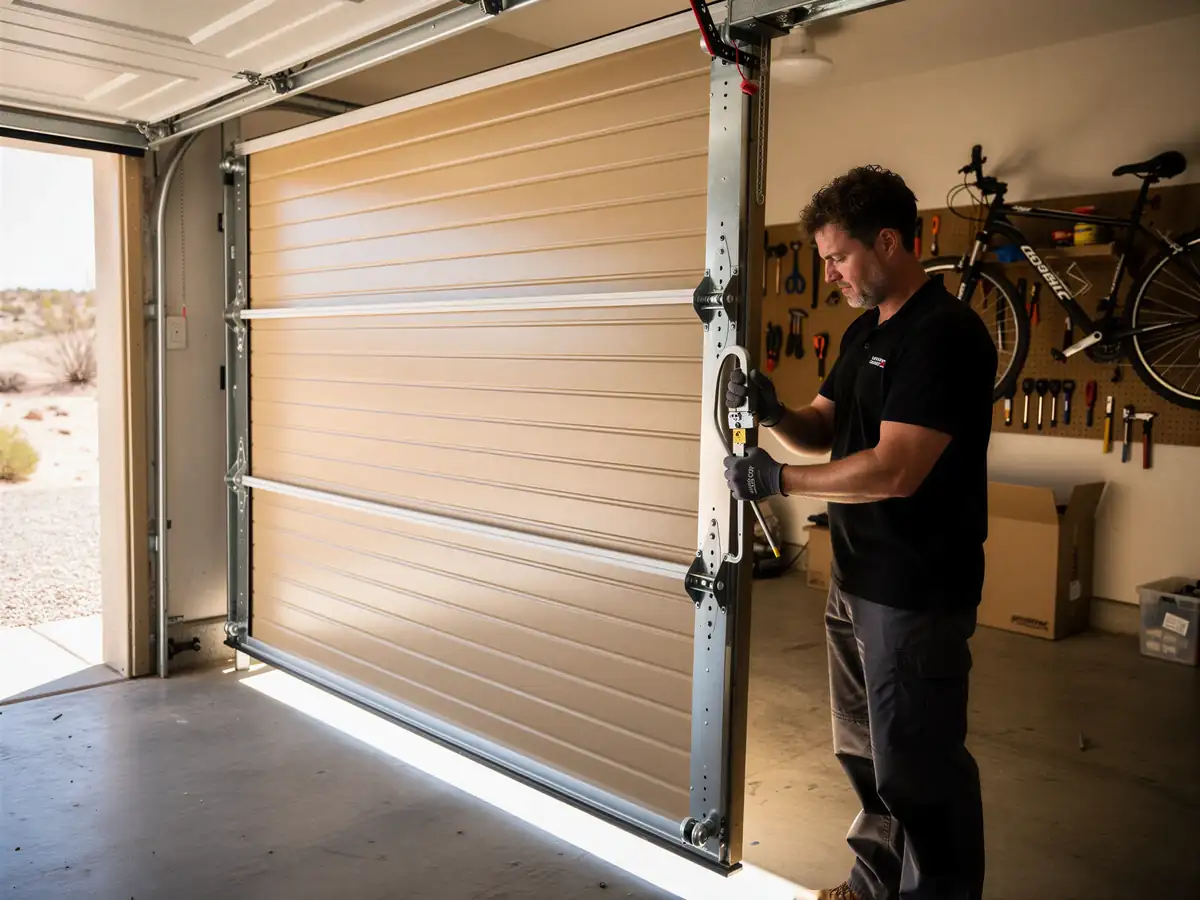
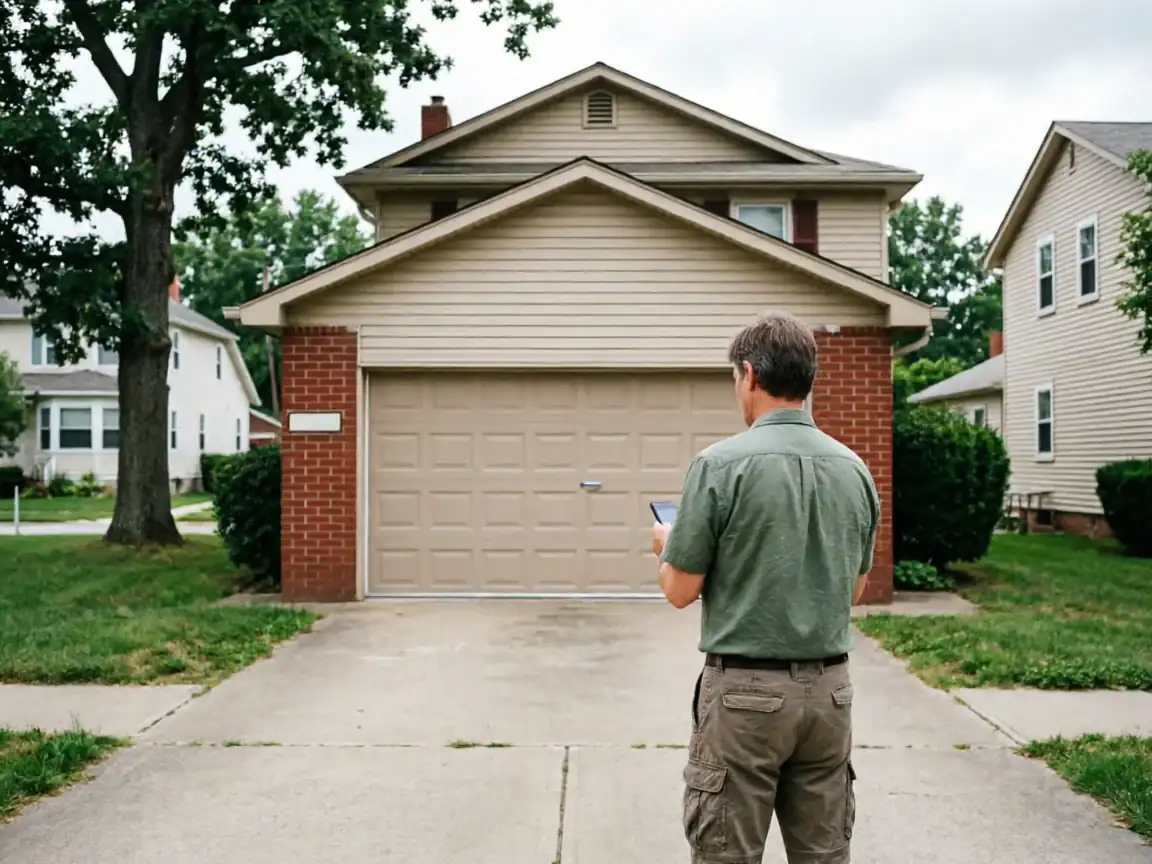
A technician stands in a driveway looking at a tan garage door on a house.

Tell us what’s wrong

Describe the symptom - won’t open, loud bang, opener runs but the door won’t move.

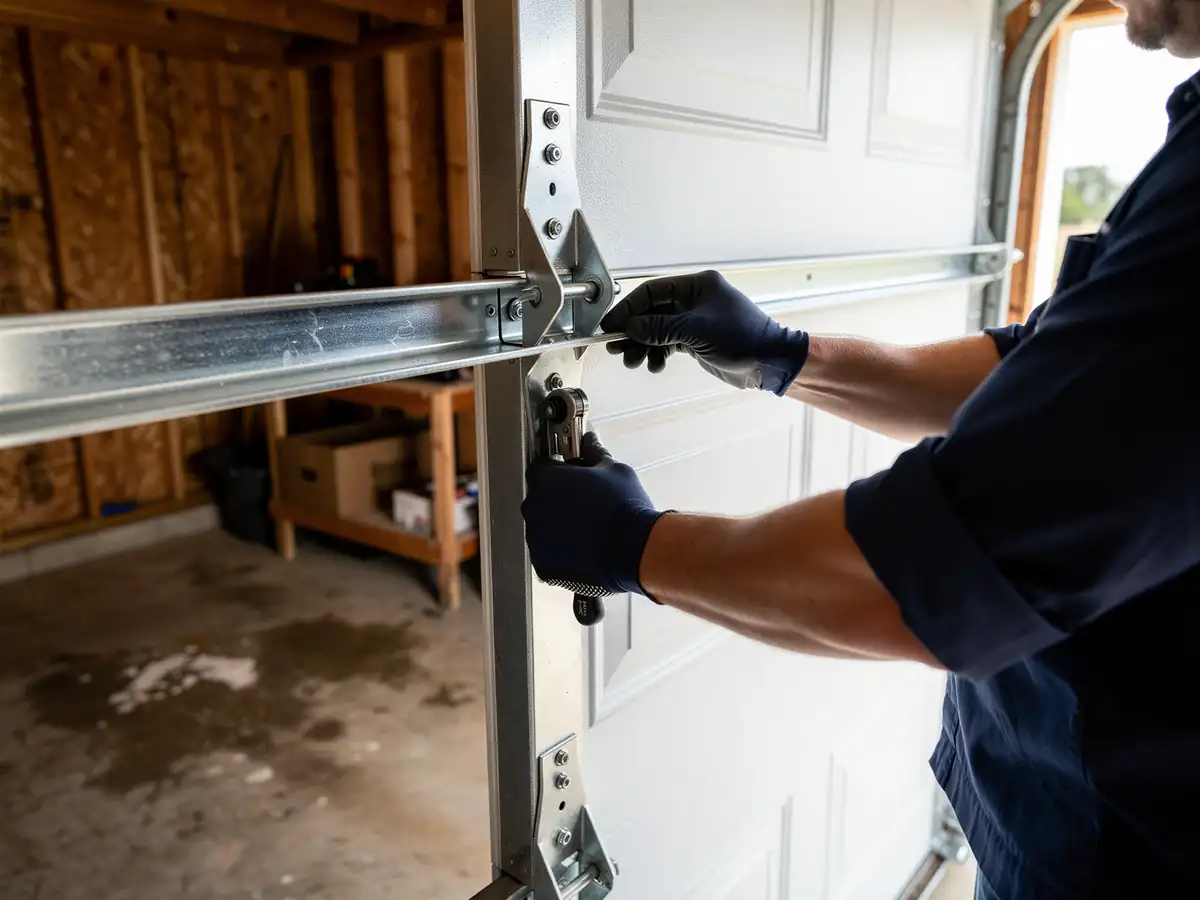
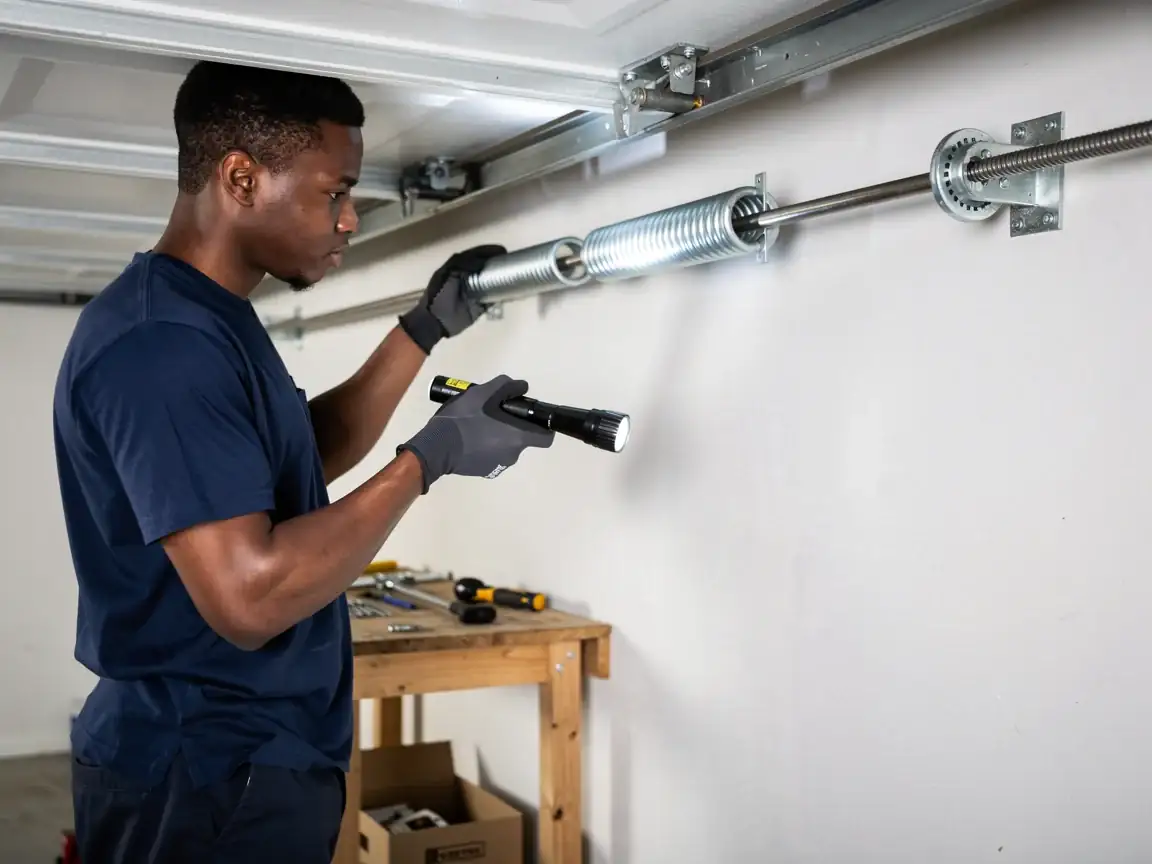
A technician holds a flashlight and works on a garage door torsion spring.

On-site diagnosis

A technician tests the door under power and by hand and finds what actually failed.

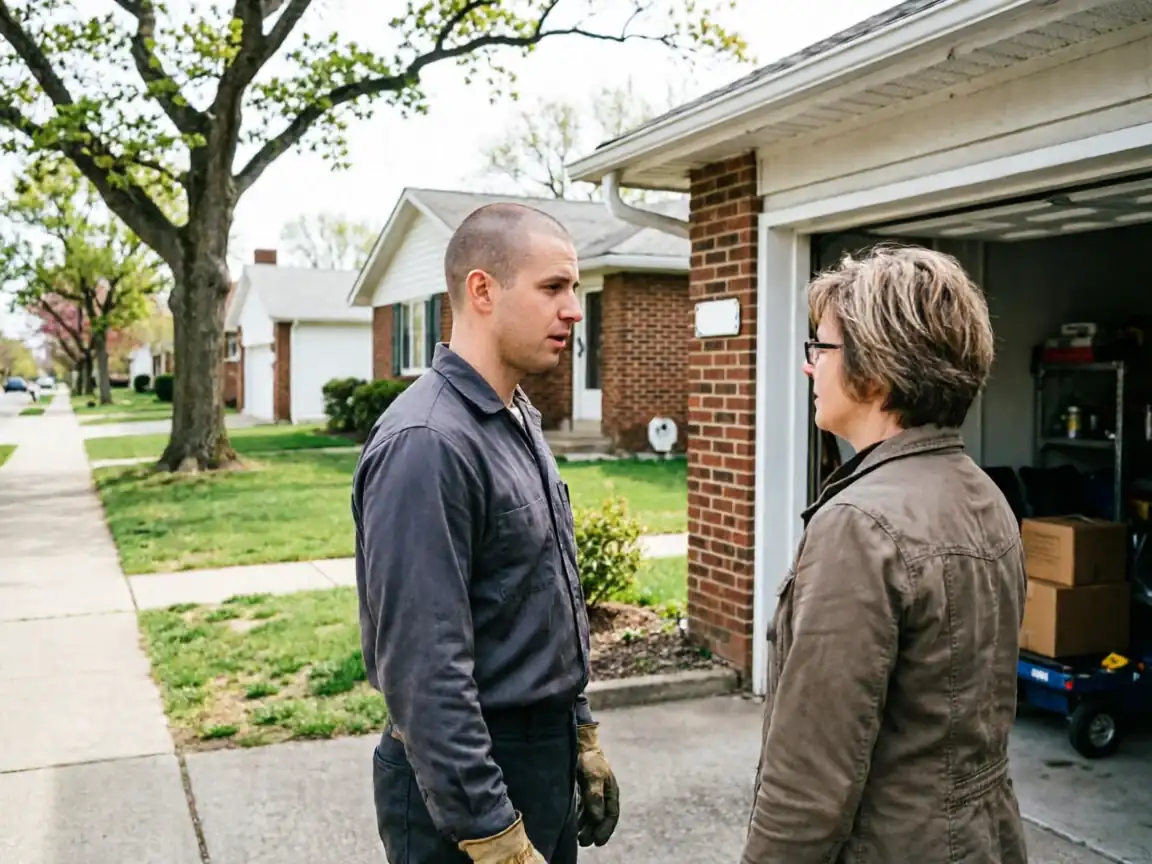
A technician in a gray shirt talks to a woman in a brown jacket outside a garage.

Clear, up-front plan

You get the fix that’s needed and what drives the cost - before any work starts.

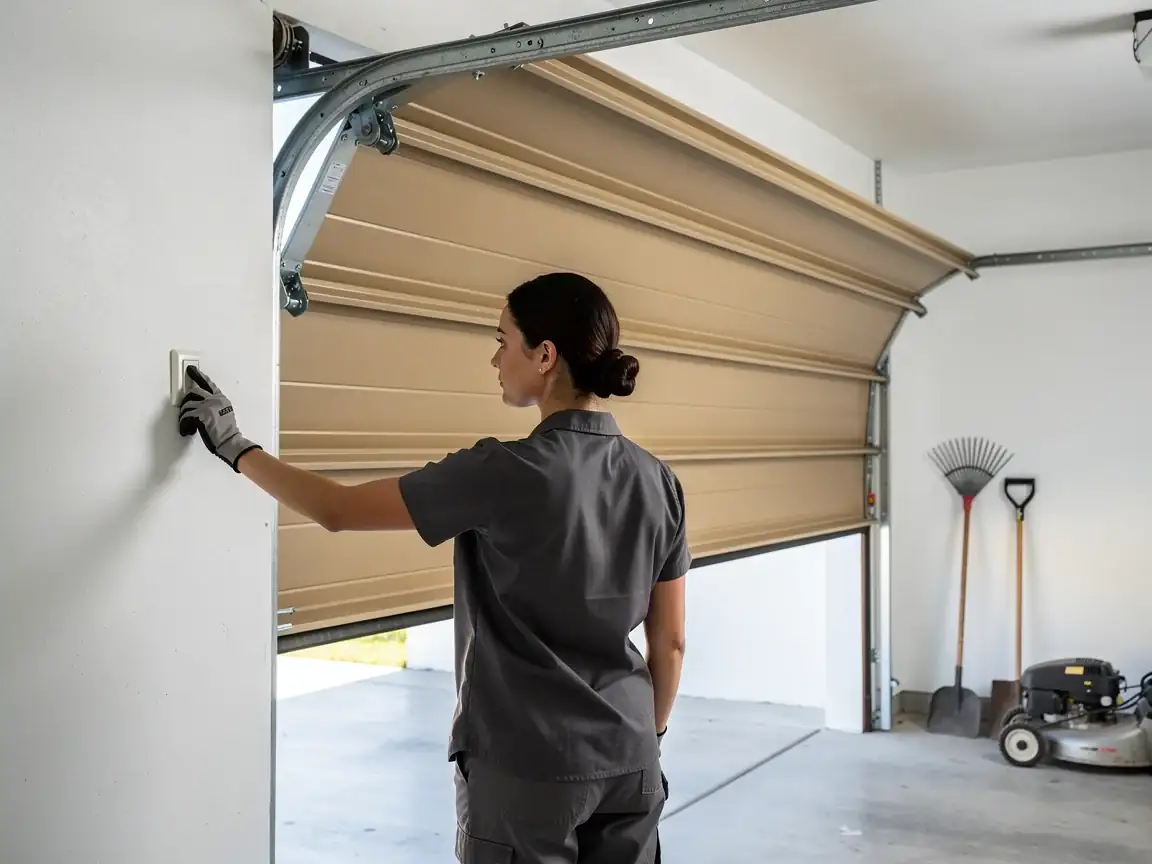
A technician in gray work clothes presses a button to open a tan garage door.

Repaired & tested

The repair is done, the door is set true and tested, and the work area left clean.

Not sure which repair your door needs in Lakeville, MN? Describe what it’s doing - every job starts with a diagnosis.

6areas covered
How we work

What to expect

Diagnosis firstEvery visit starts by finding what actually failed - not a pre-written parts list.
The right part for the doorSprings and openers matched to the door’s weight and age, so the fix holds up.
Straight answersWhen a repair makes more sense than a replacement - or the reverse - you hear it plainly.
Clean, careful workTension released safely, hardware set true, the door tested under power before we leave.
What we do

Garage Door Services

Repair and installation work for Lakeville homes and businesses.

Questions

Frequently asked

Straight answers about garage door repair in Lakeville. Still unsure? Ask us directly.

01How often do garage door seals need replacing in Lakeville?

Vinyl bottom seals typically need replacing every few years in this cold moderate climate, sooner than in milder areas, because sustained winter cold hardens and cracks the material faster than summer sun does. If your house dates to the 1980s-90s stock common across this area and the seal's never been swapped, check it before the cold sets in.

02Why is my garage door draughty even with a new bottom seal?

If the bottom seal is new and you still feel cold air, the draught is likely coming from the side jambs, the header, or a track that's pulled away from the frame - common in houses from the 1955-2004 build era where aluminum track has flexed over decades of temperature swings. A new bottom seal won't fix a side-jamb or track gap.

03Can I fix a draughty garage door myself?

Bottom seal replacement is a reasonable DIY job - most are a friction-fit vinyl strip you feed into an existing track. Side-jamb and header seal gaps, or a door that's racked out of square, aren't DIY fixes, since pushing new weatherstripping into a misaligned frame just wastes the material and the draught comes right back.

Ready to get your garage door sorted?

Tell us what it’s doing and where you are in Lakeville - we’ll take it from there.

Request a QuoteCall