What Was Built Here
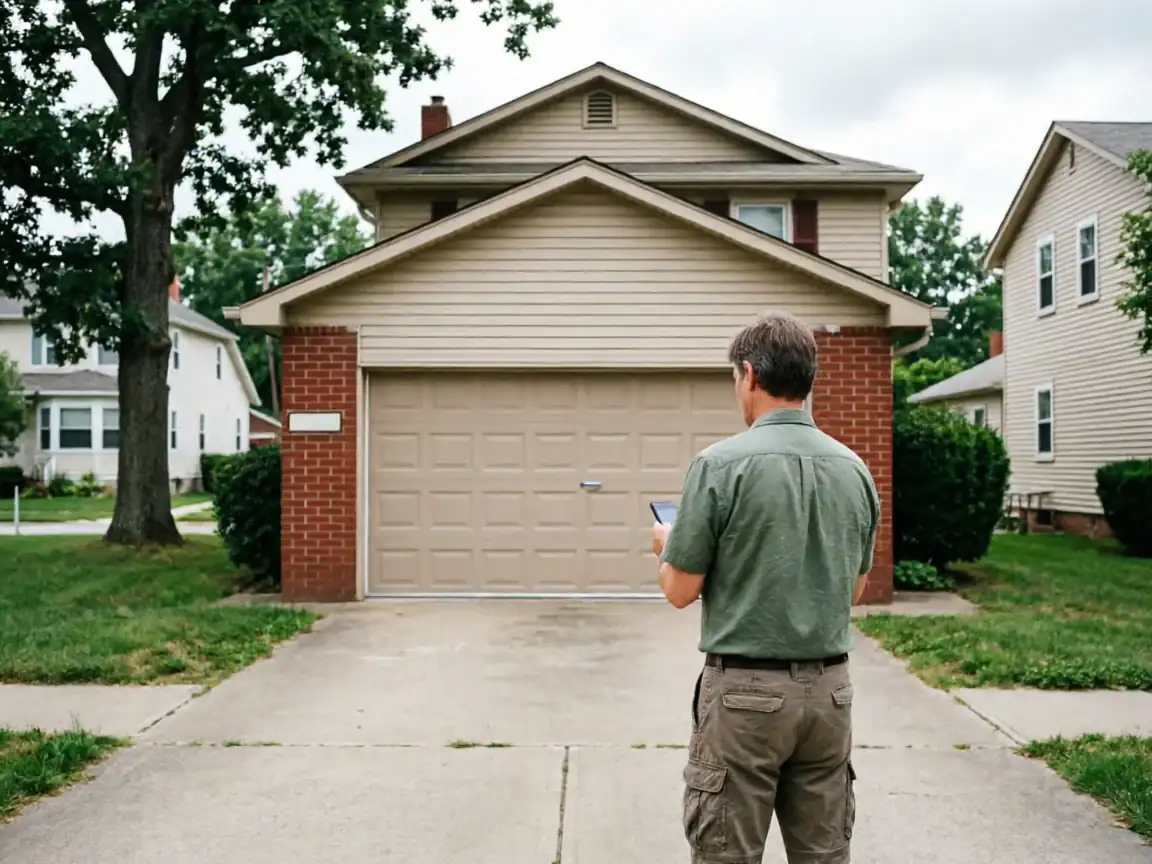
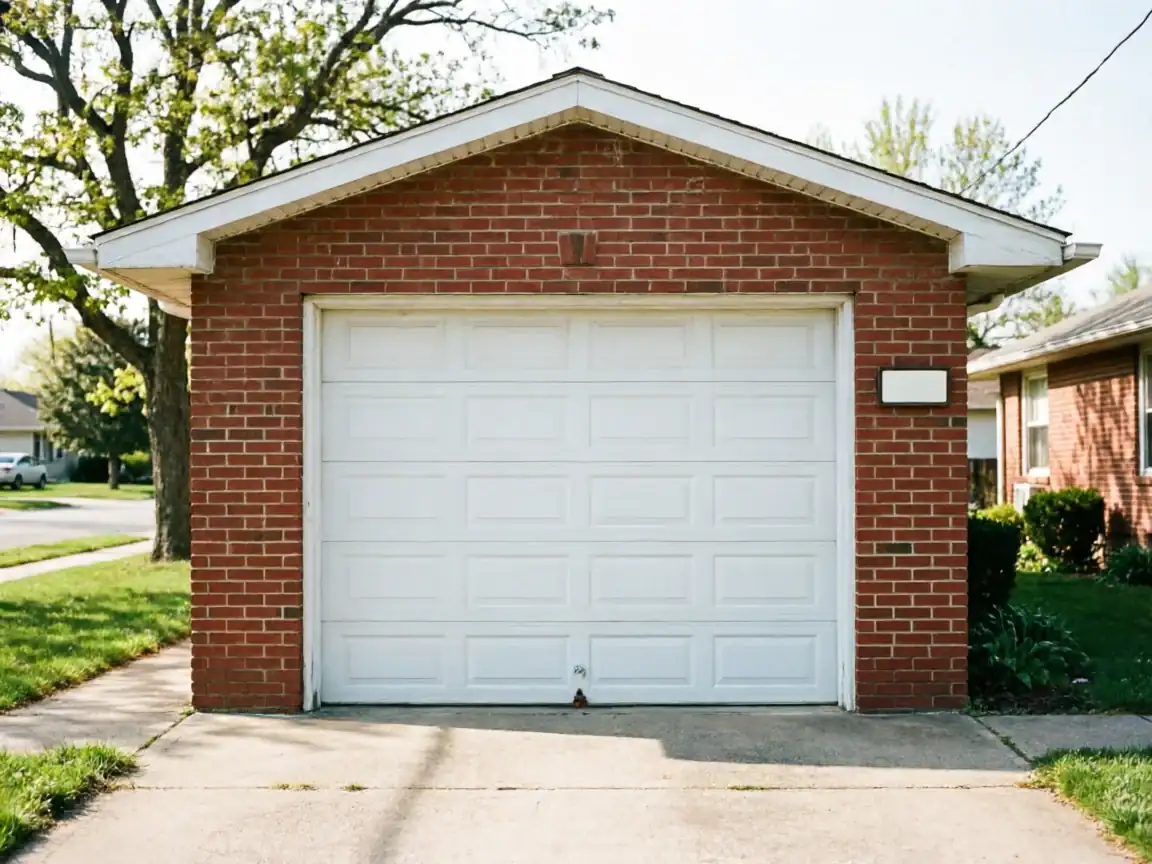
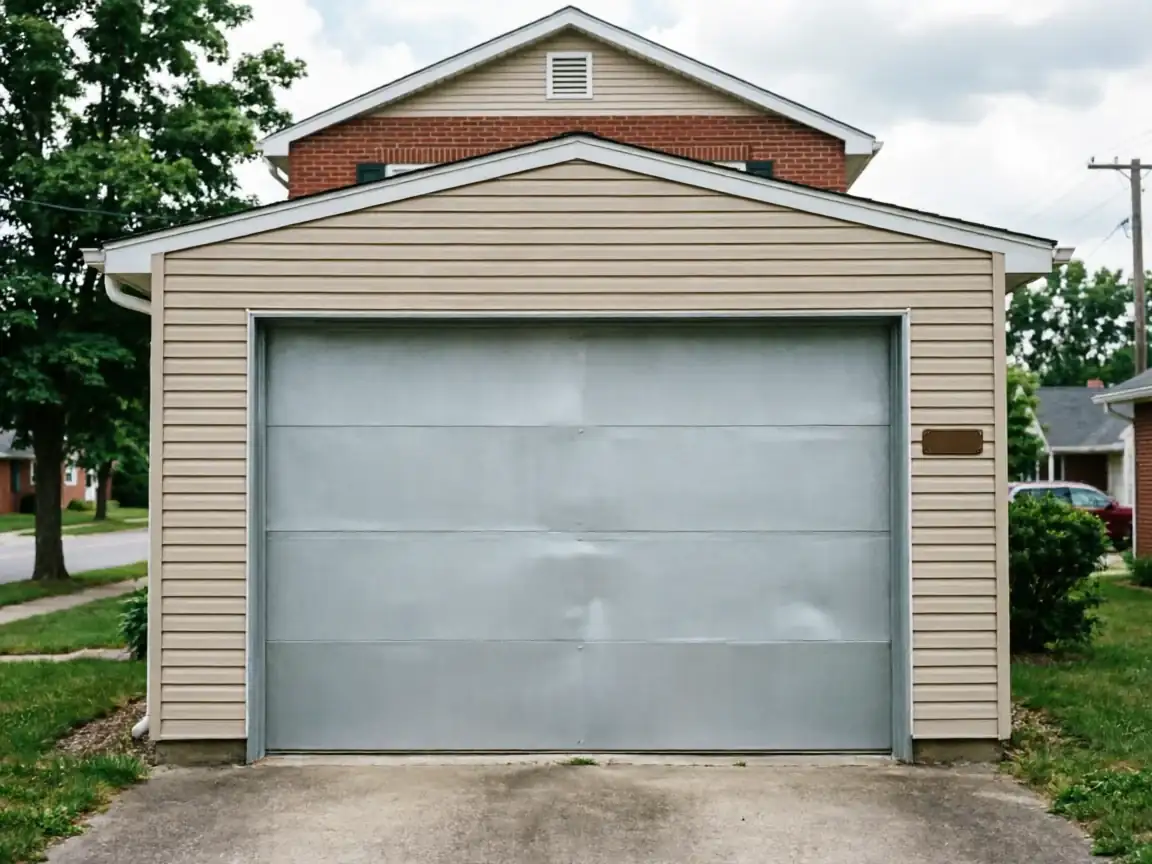
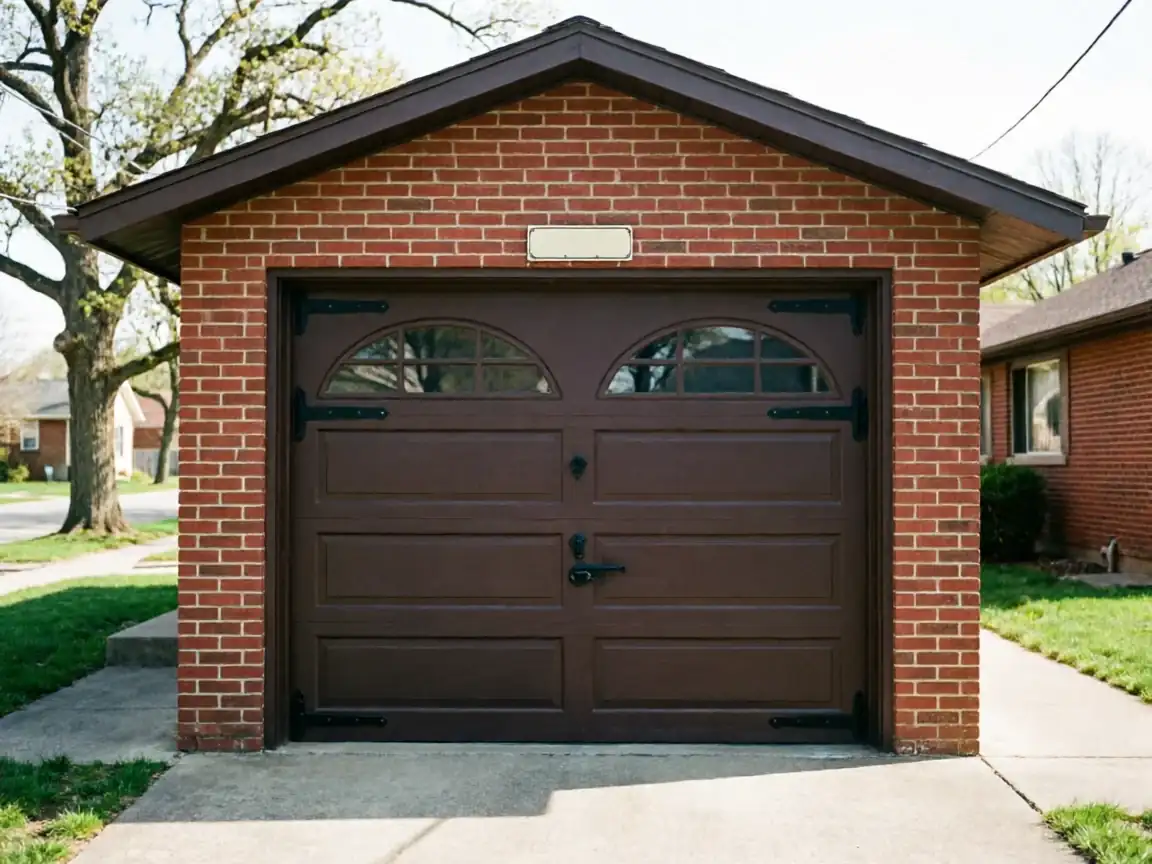
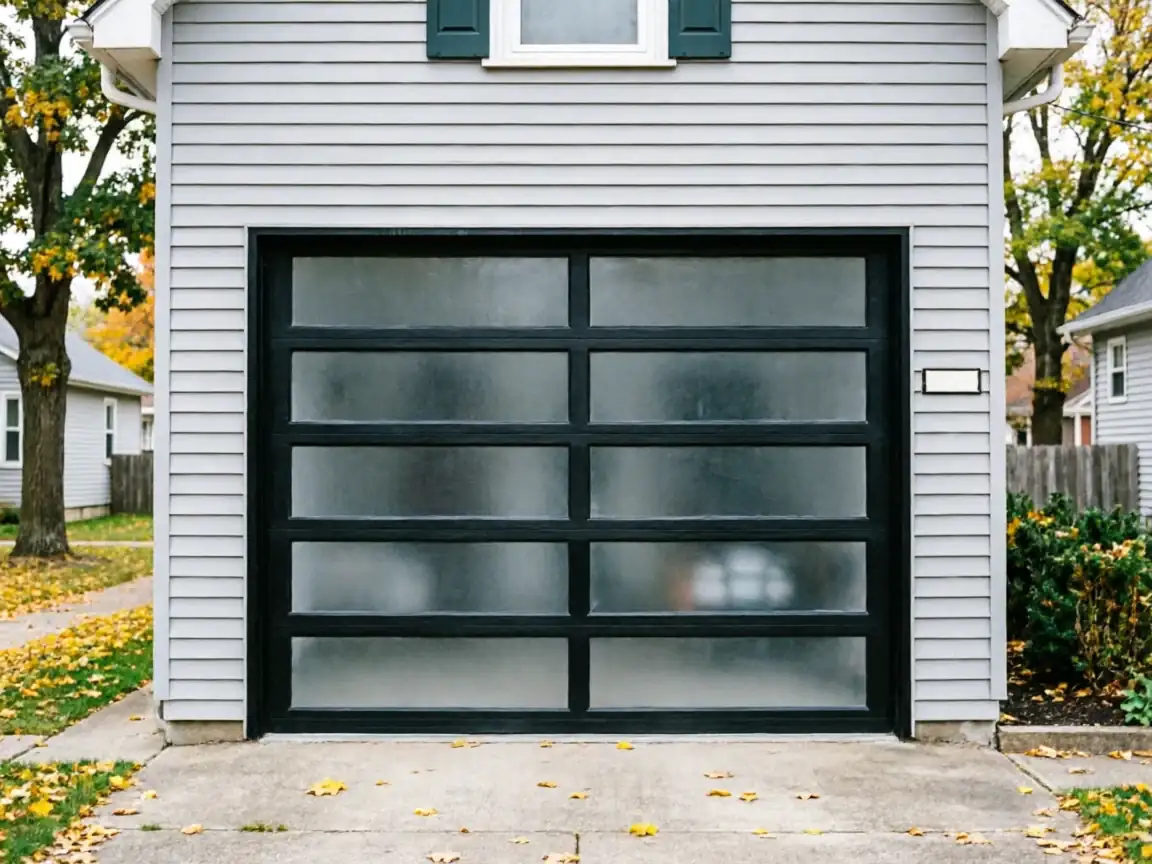
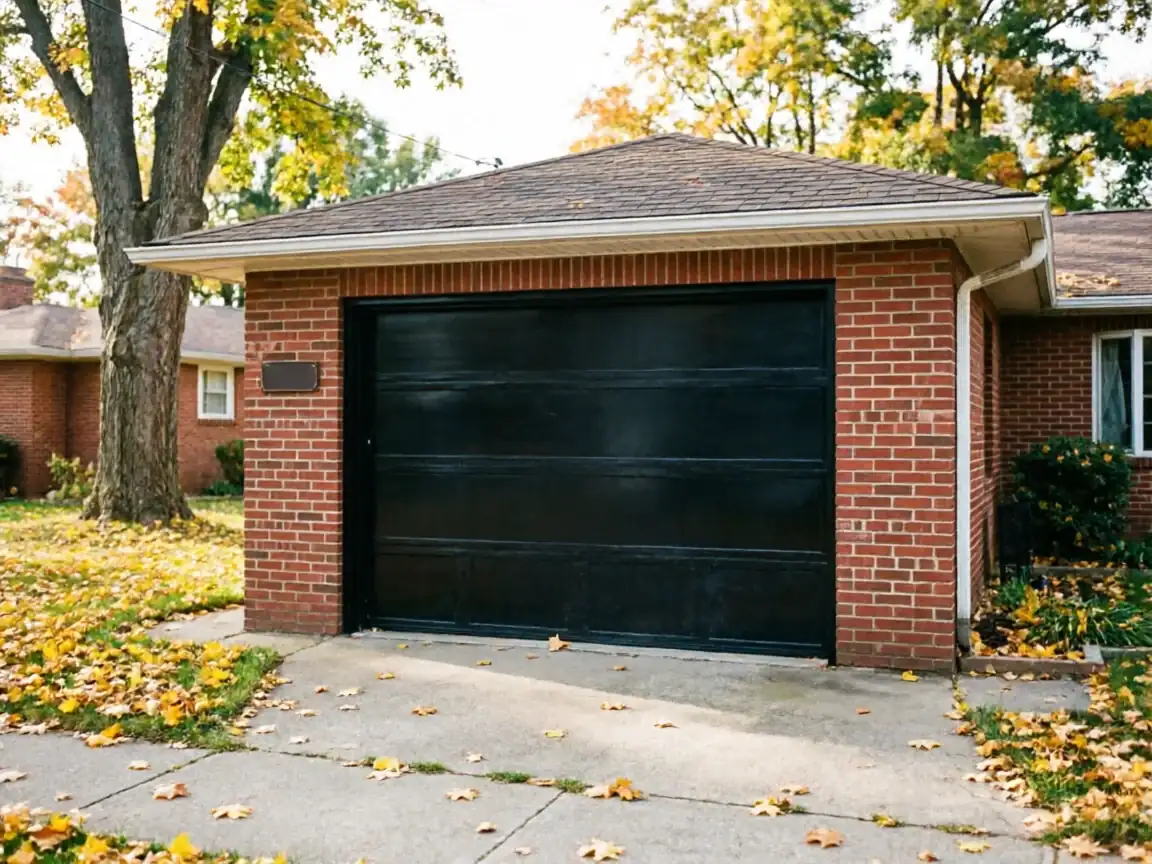
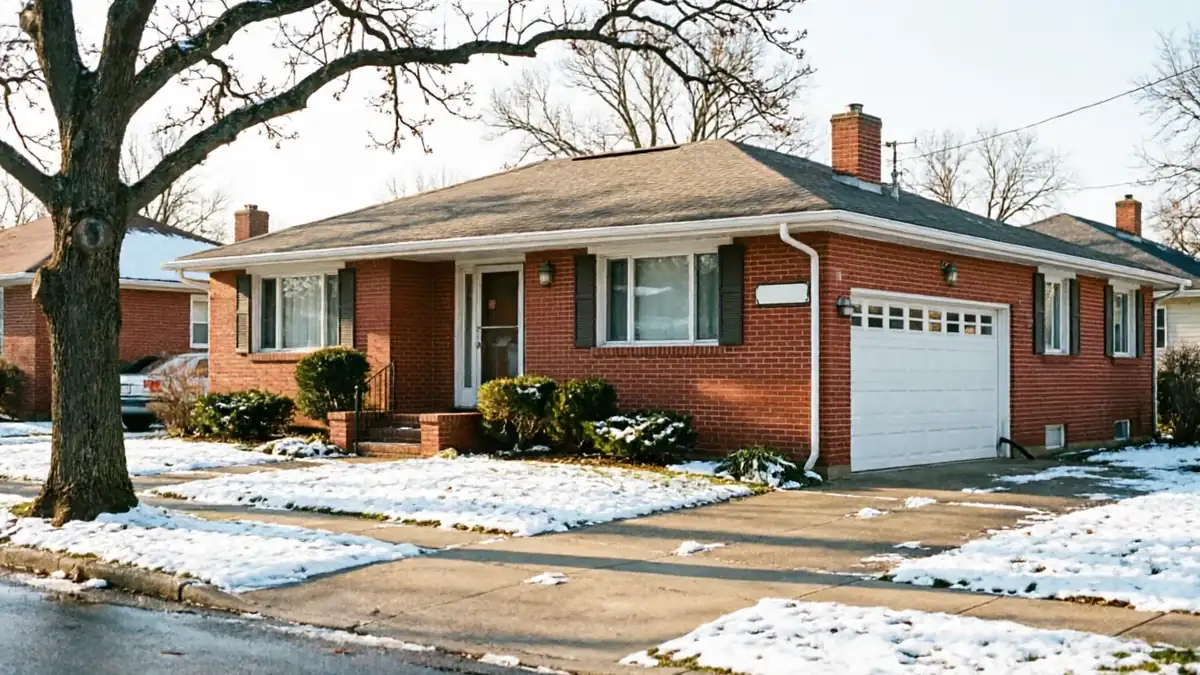
South St. Paul's housing skews a lot older than most of the territory we cover out of Lakeville. Across our service area the median build year lands around 1984, with most stock going up through the 1980s and 90s. South St. Paul doesn't fit that pattern - the median year built here is 1957. That's a full generation earlier, and it shows up the second you open the garage. A lot of these houses still have their original single-car or narrow double openings, framed for hardware that nobody manufactures new anymore. With roughly 8,300 households in town, that's a meaningful number of garages still running springs, tracks, and openers sized for a different era of car and a different era of door. We're not saying every house here has a 1957 door - plenty have been replaced over the decades - but the bones of the structure, the header height, the jamb width, often date back to that build year even when the door itself is newer.
The Usual Work Here
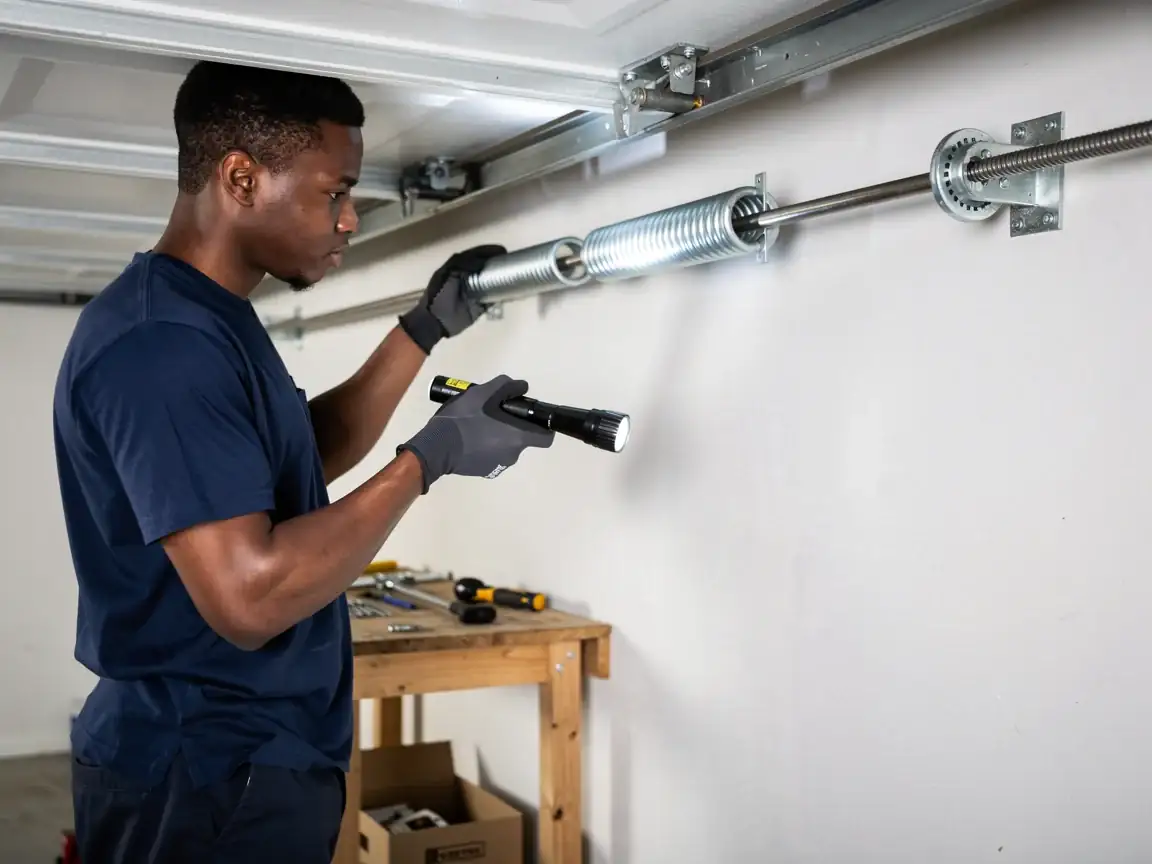
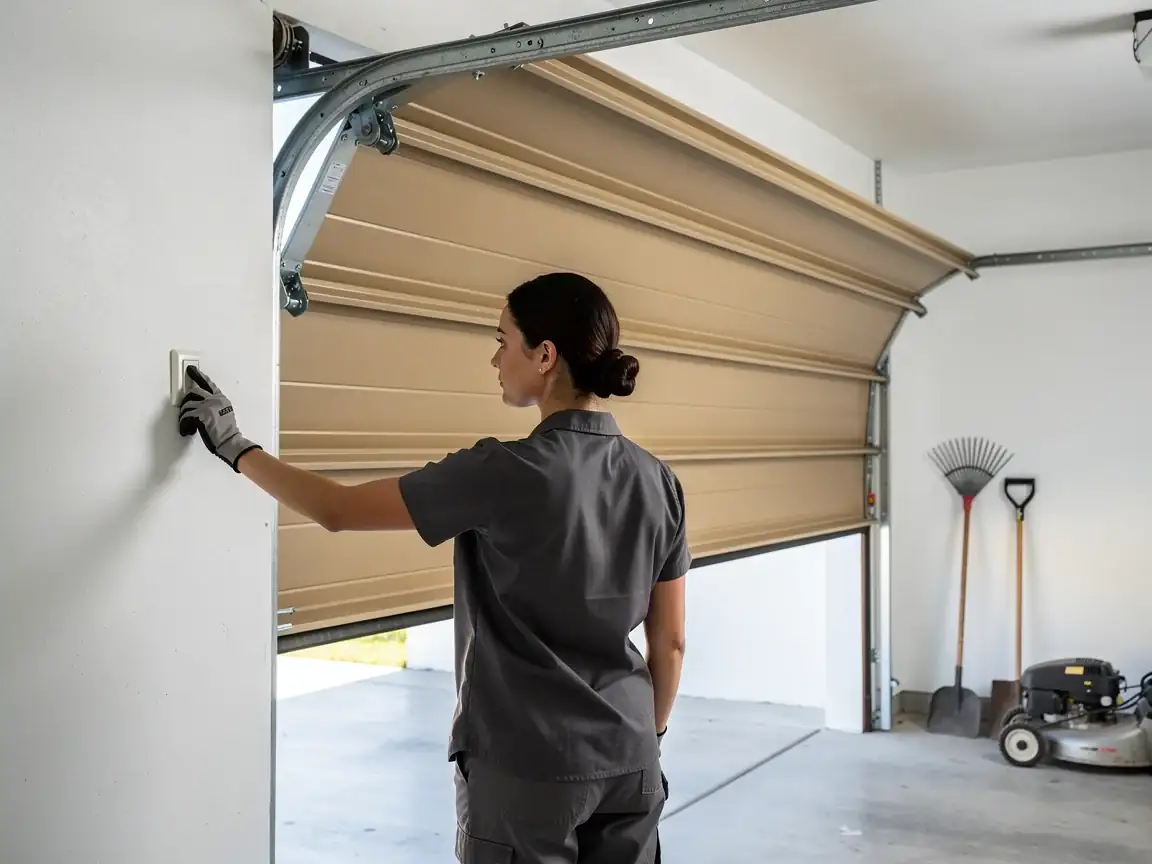
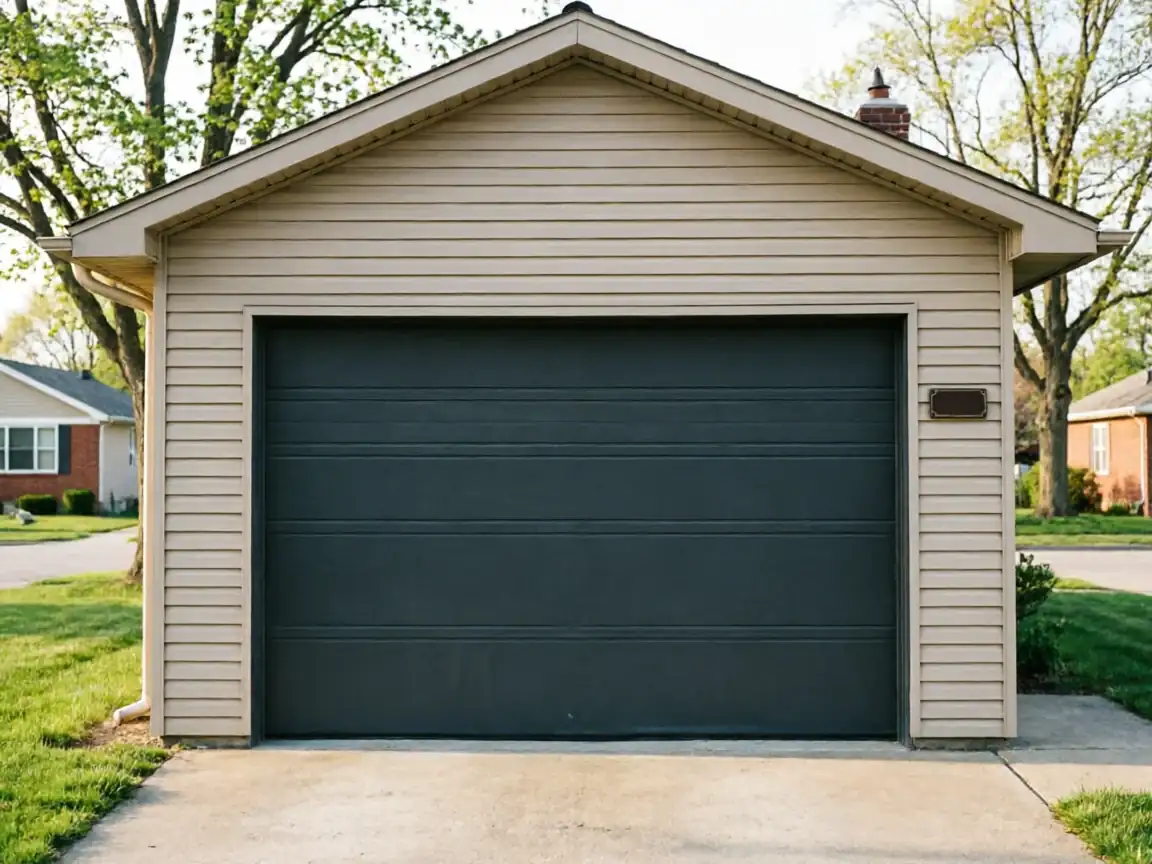
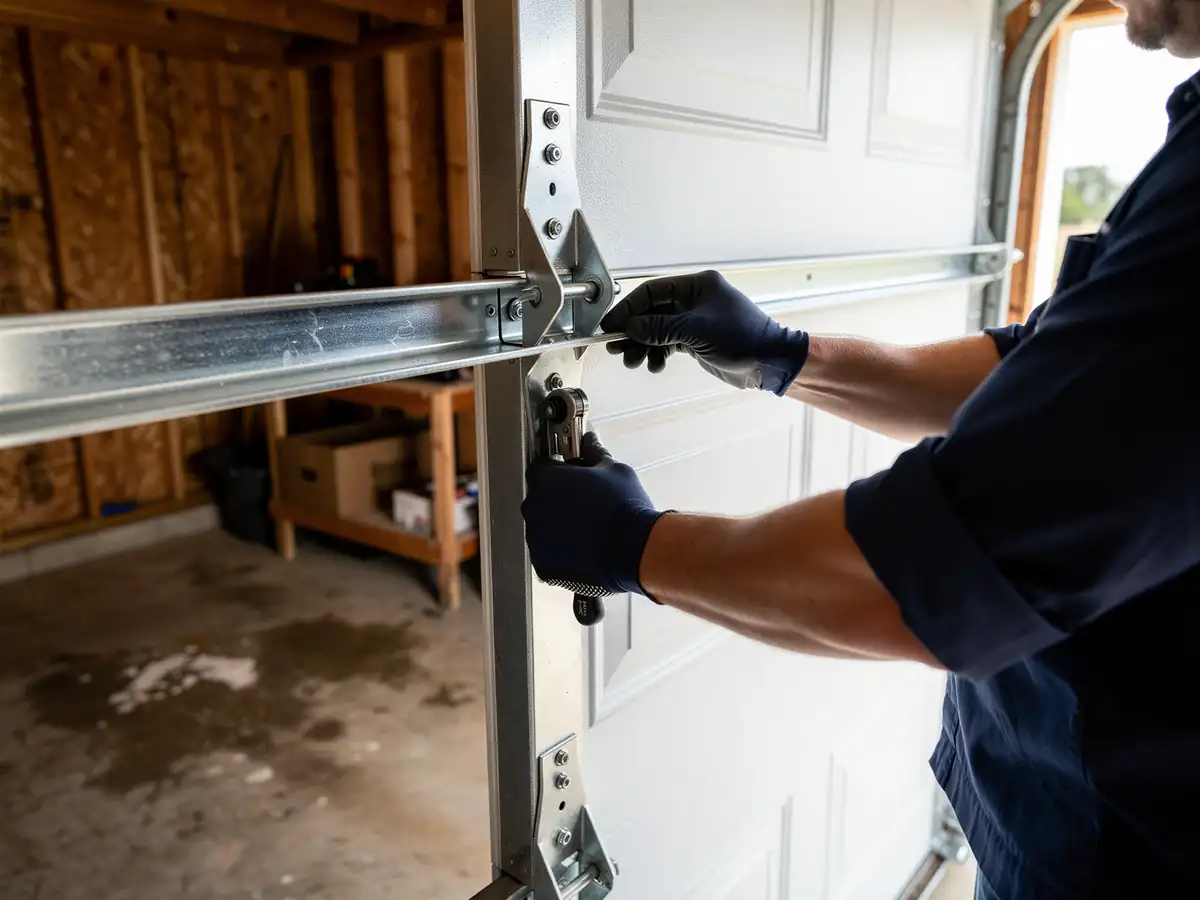
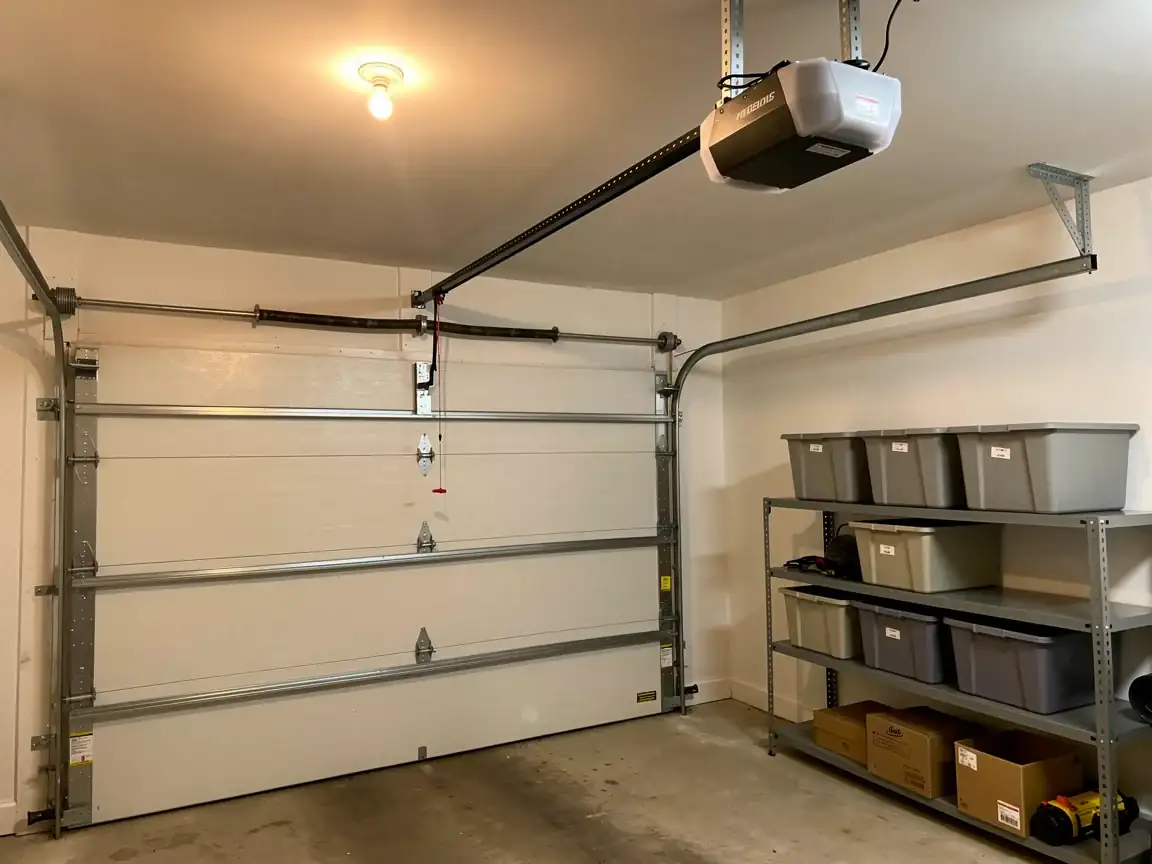
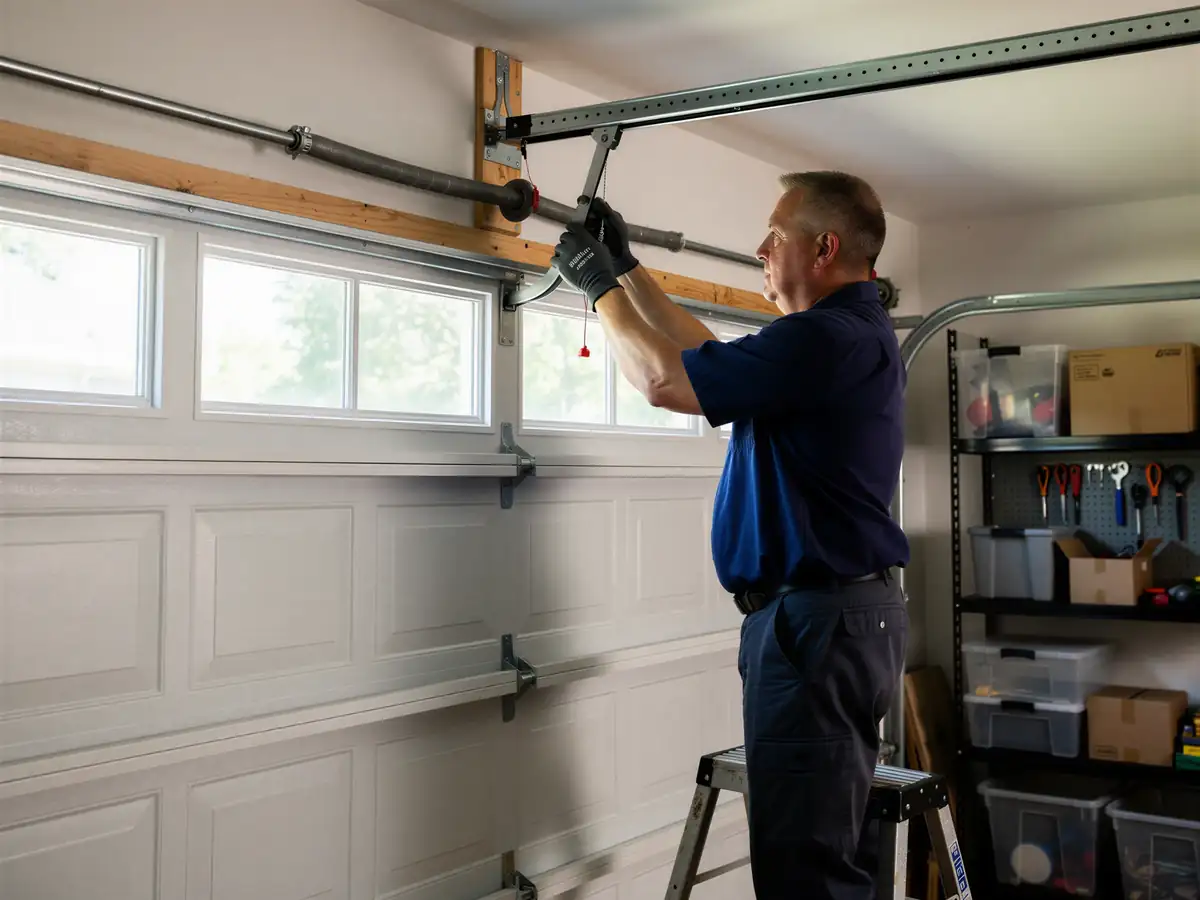
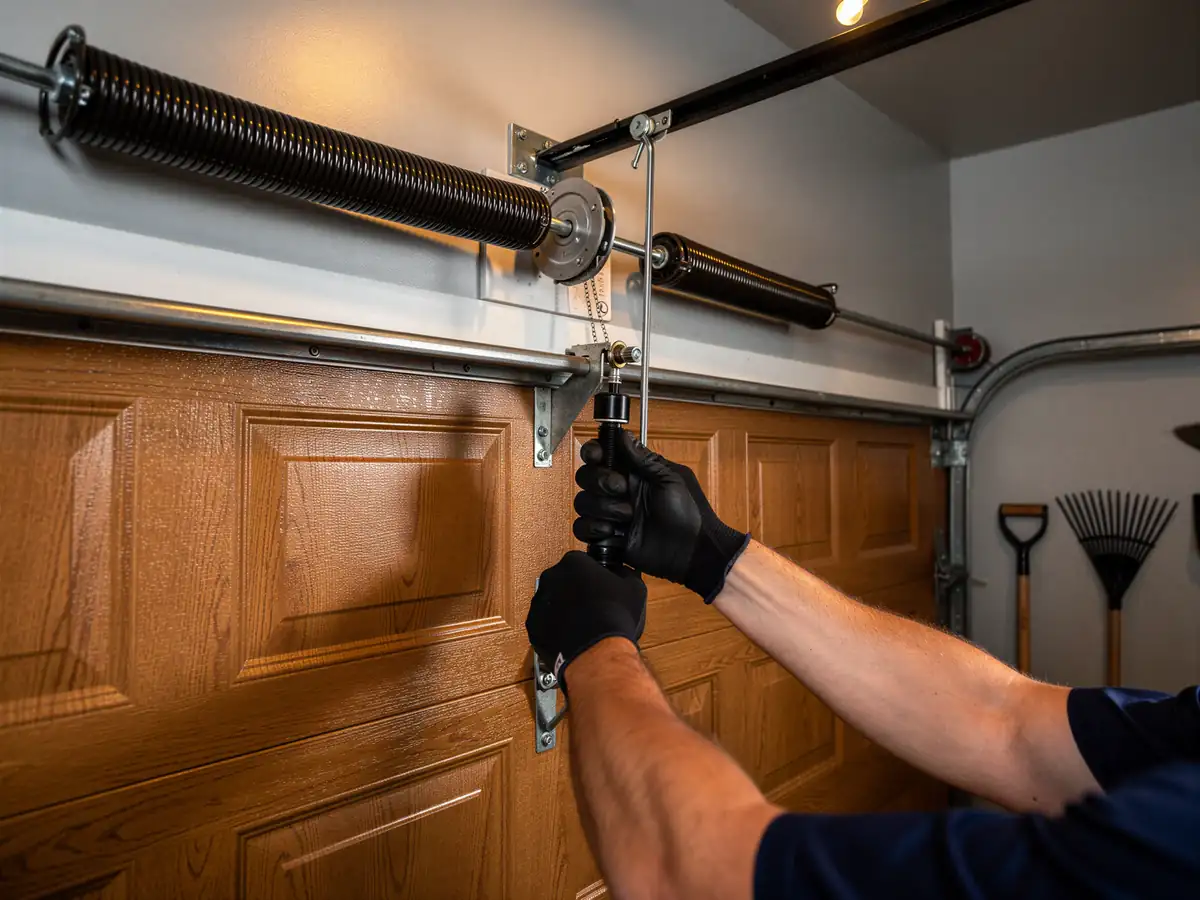
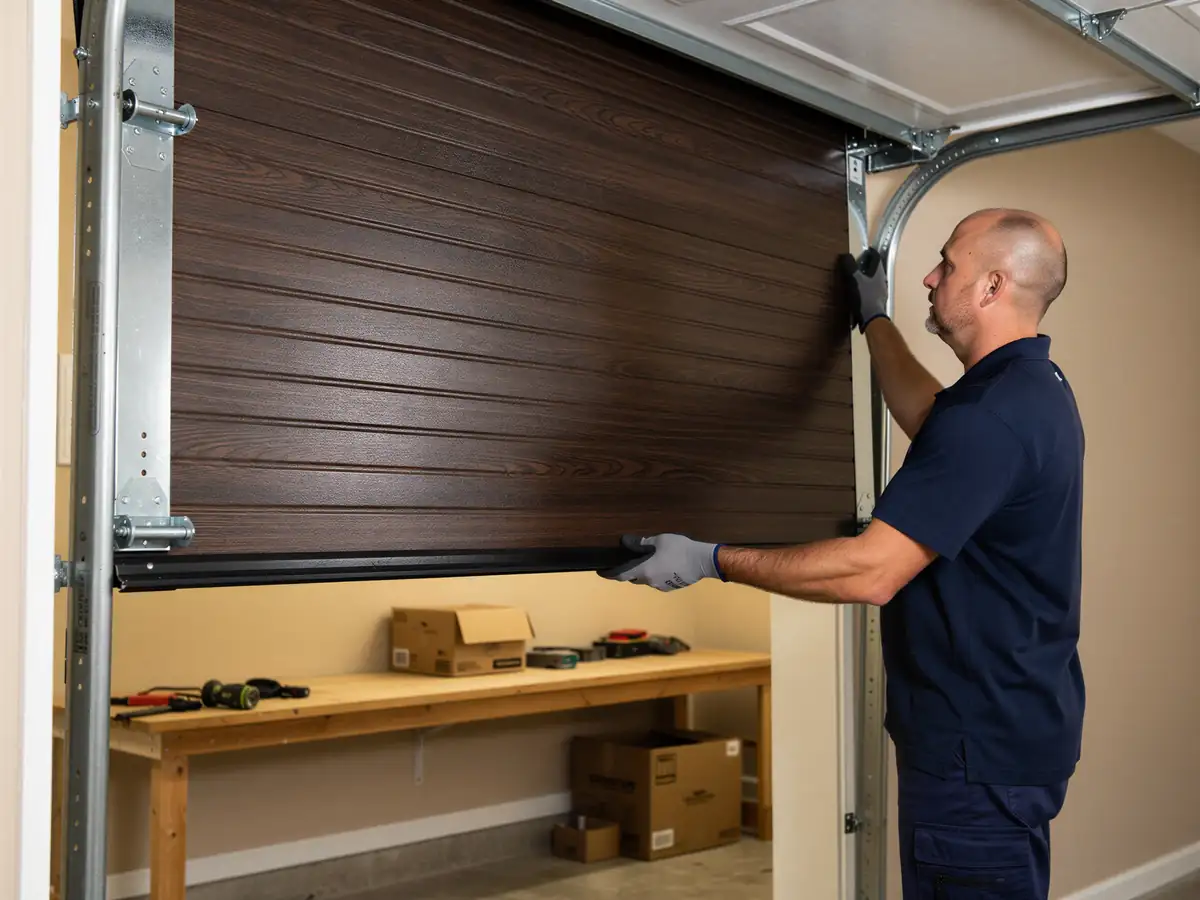
On houses from this era we see a different mix of calls than we do on newer construction. Extension springs mounted along the horizontal track are common instead of torsion springs centered over the opening - they were cheaper to install in the 50s and they wear out the same way but fail louder and more abruptly. We also see narrower door openings that limit which replacement panels actually fit without reframing. Rollers on these older tracks tend to be steel, not nylon, which means more noise and more wear on the track itself over time. Climate plays a role too - this area sits in a cold climate band, so freeze-thaw cycling on original concrete slabs has shifted some track alignments over the decades, which shows up as binding or a door that won't seat square at the bottom. Household income here runs around $84,472, which tends to push people toward a straight repair over a full teardown-and-replace when the door itself still has life left.
How We Get to You
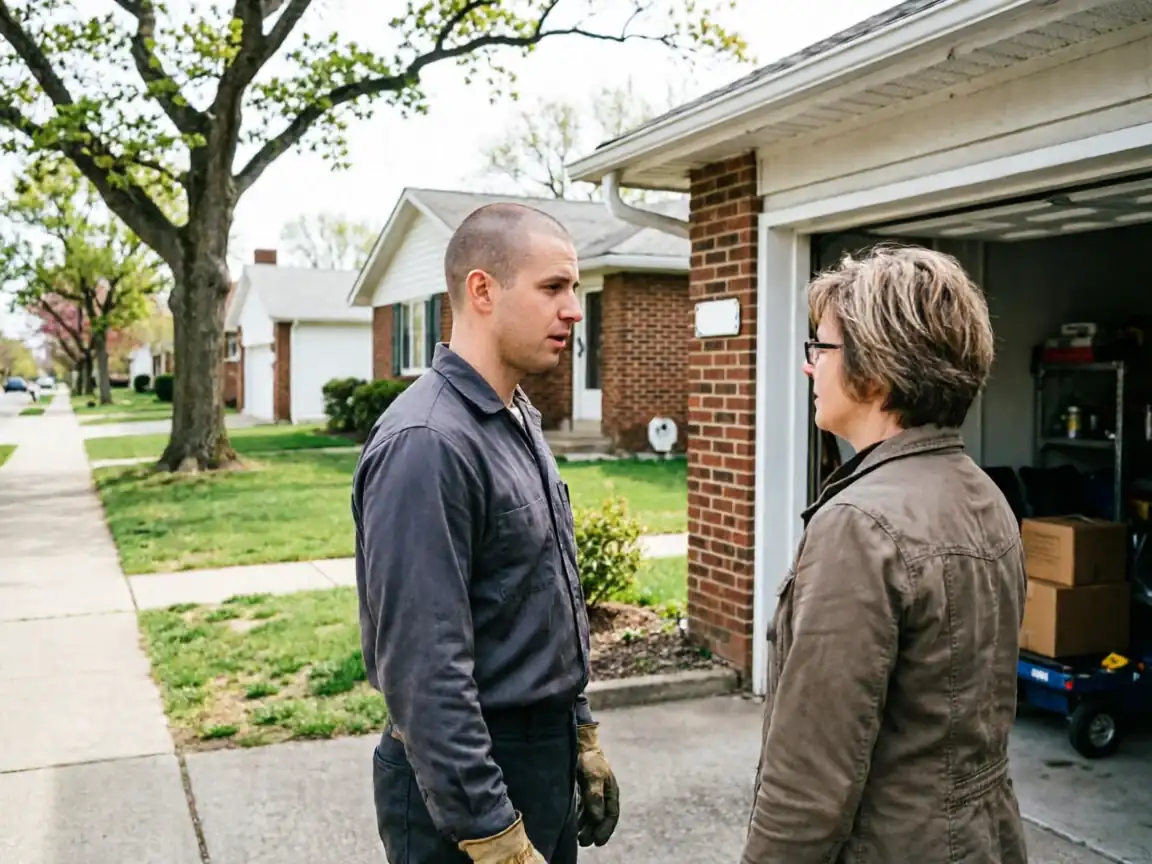
We run out of Lakeville, about 18 miles from South St. Paul, so we're not sitting in town with a depot around the corner - we're driving in for the job. That means we plan the trip around the work, not the other way around, and we're straightforward about that rather than pretending otherwise. One limitation worth naming: parts for original 1950s-era hardware aren't something we stock on the truck as standard, since most of what we carry is sized for the newer stock across the rest of our territory. If your opener or track is original to the house, we may need to order the right part rather than fix it same-visit. We'd rather tell you that up front than show up and discover it on your driveway.