How Long You Are Without the Door
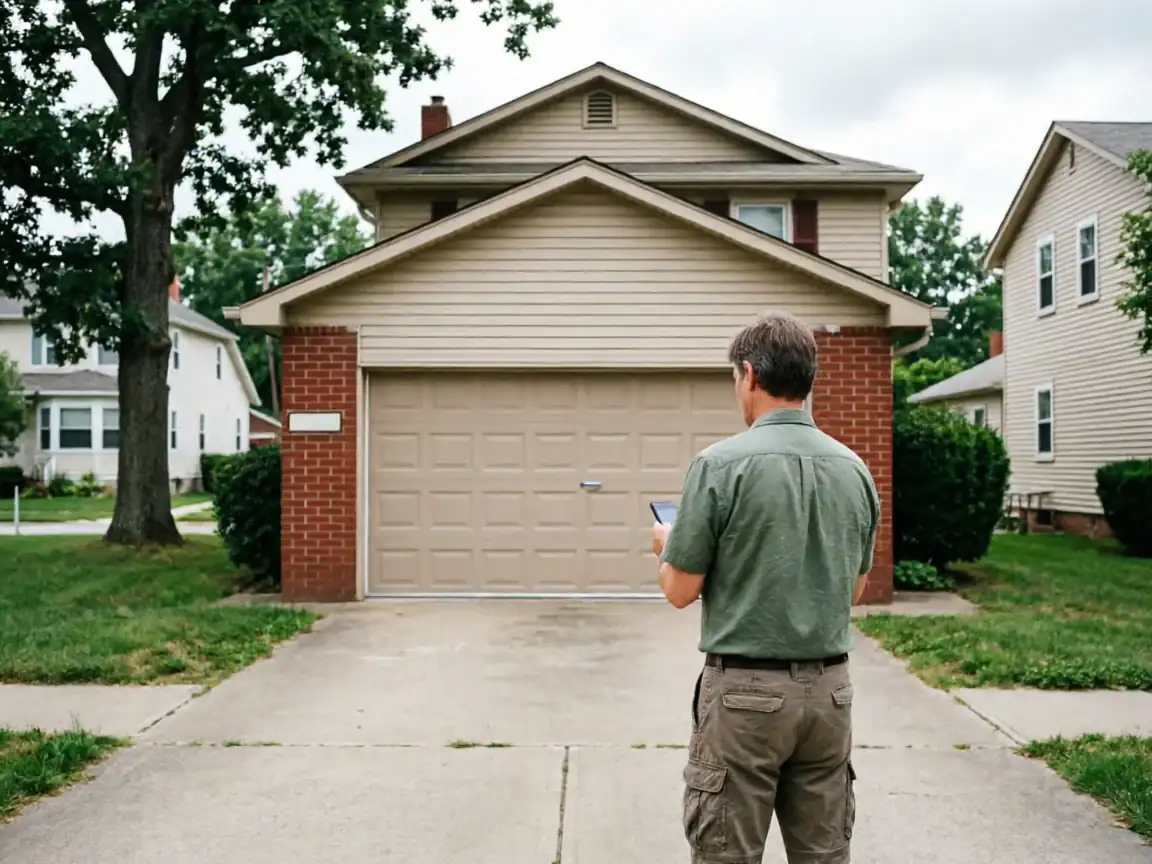
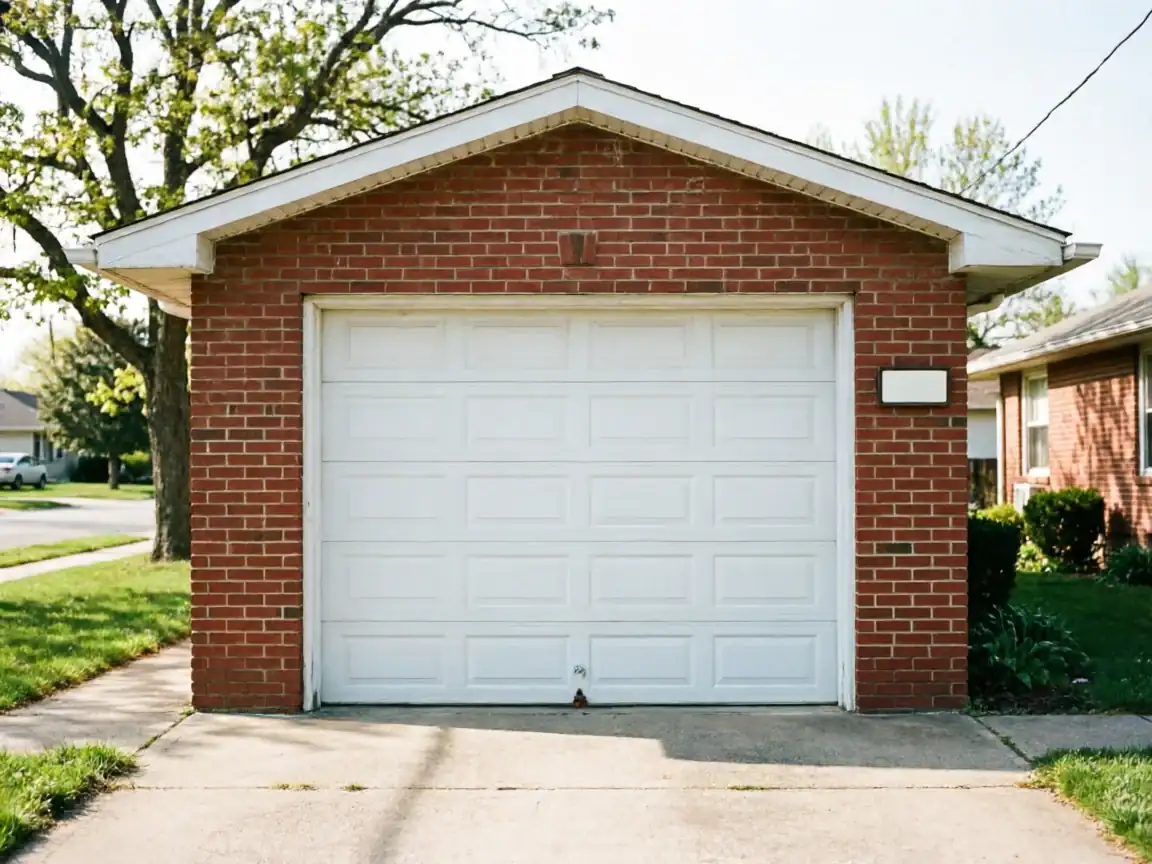
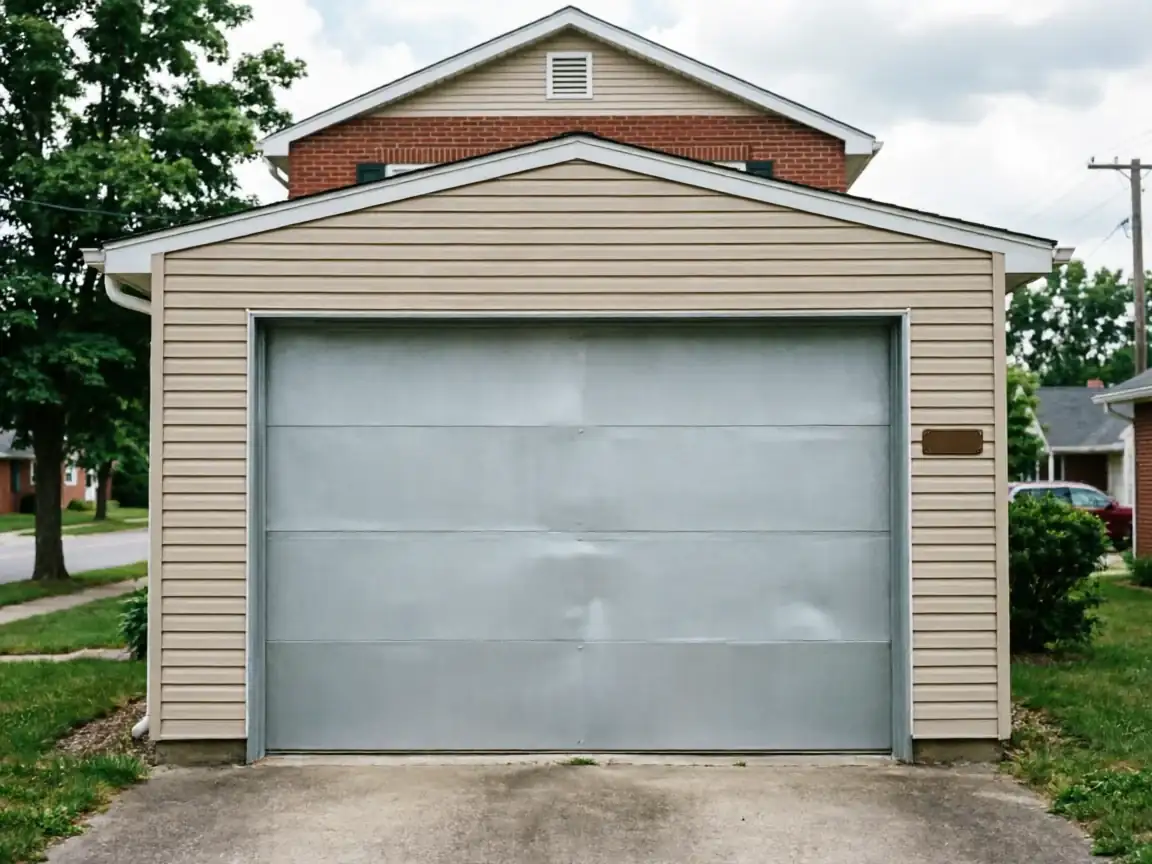
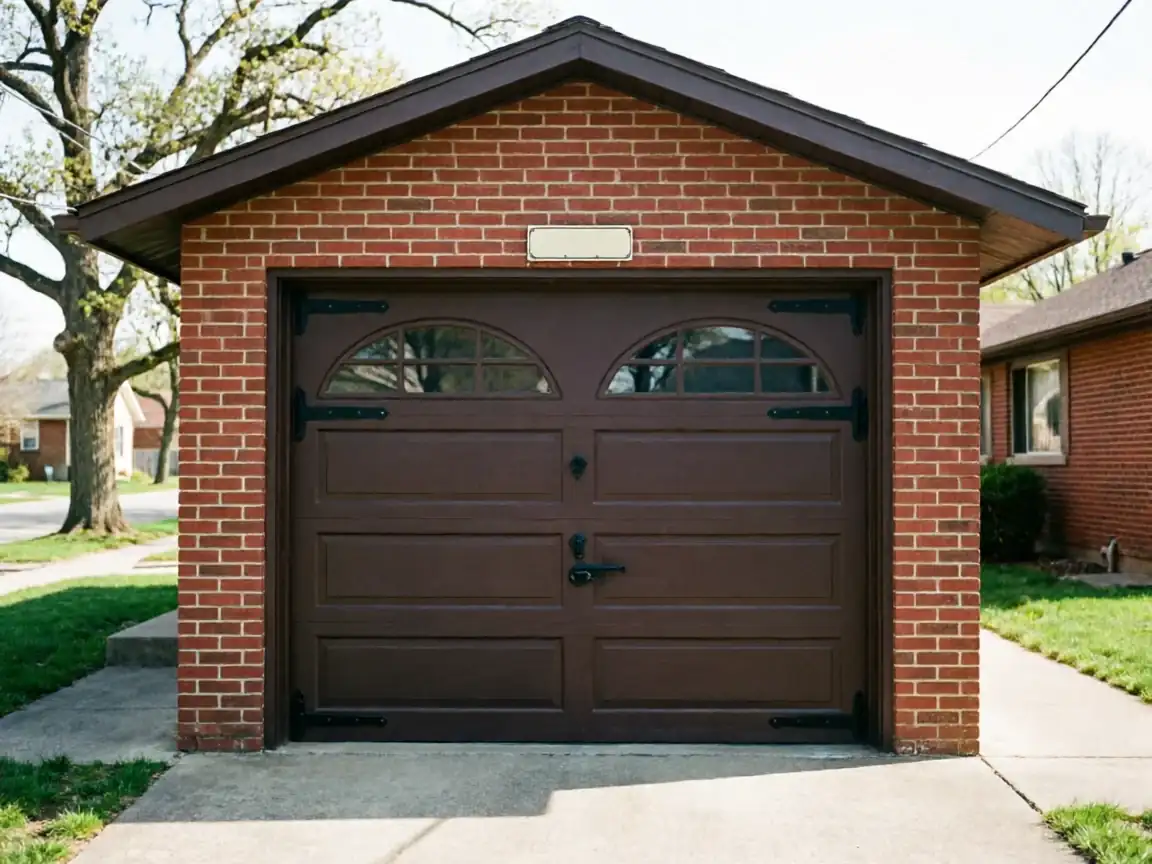
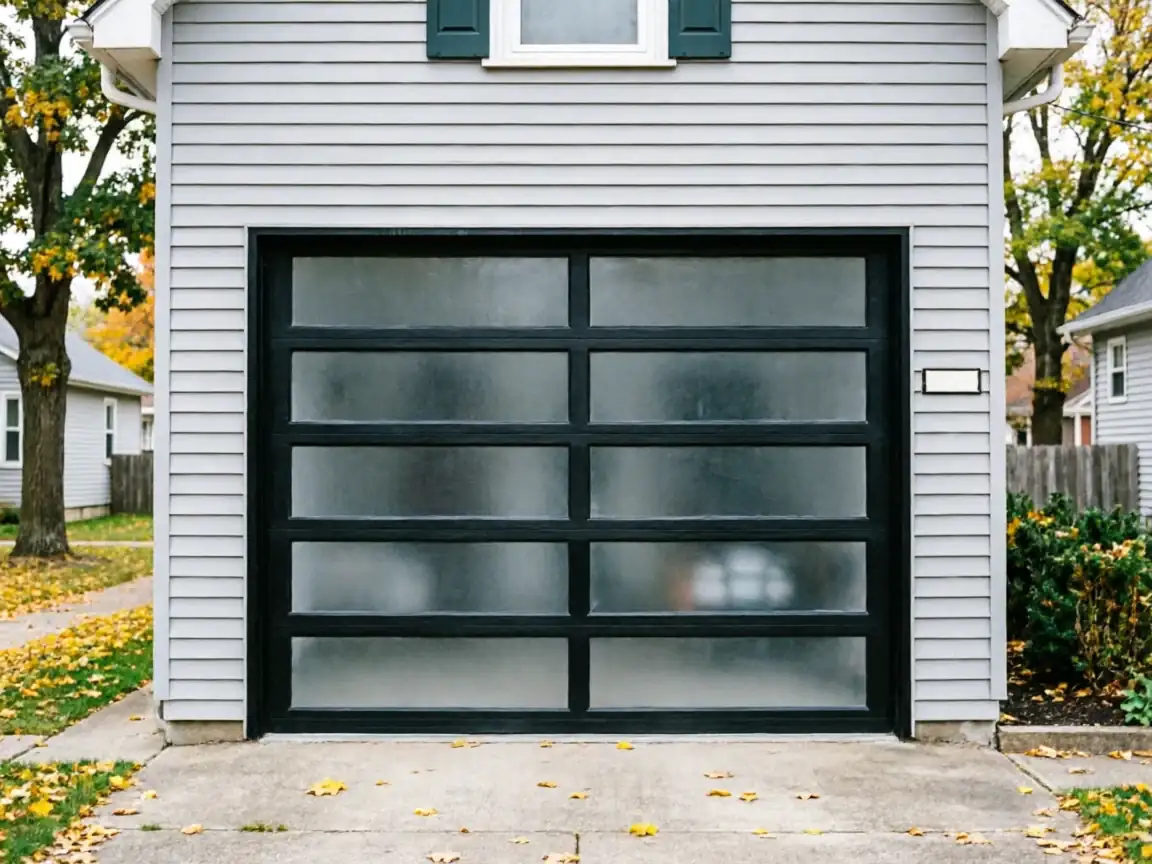
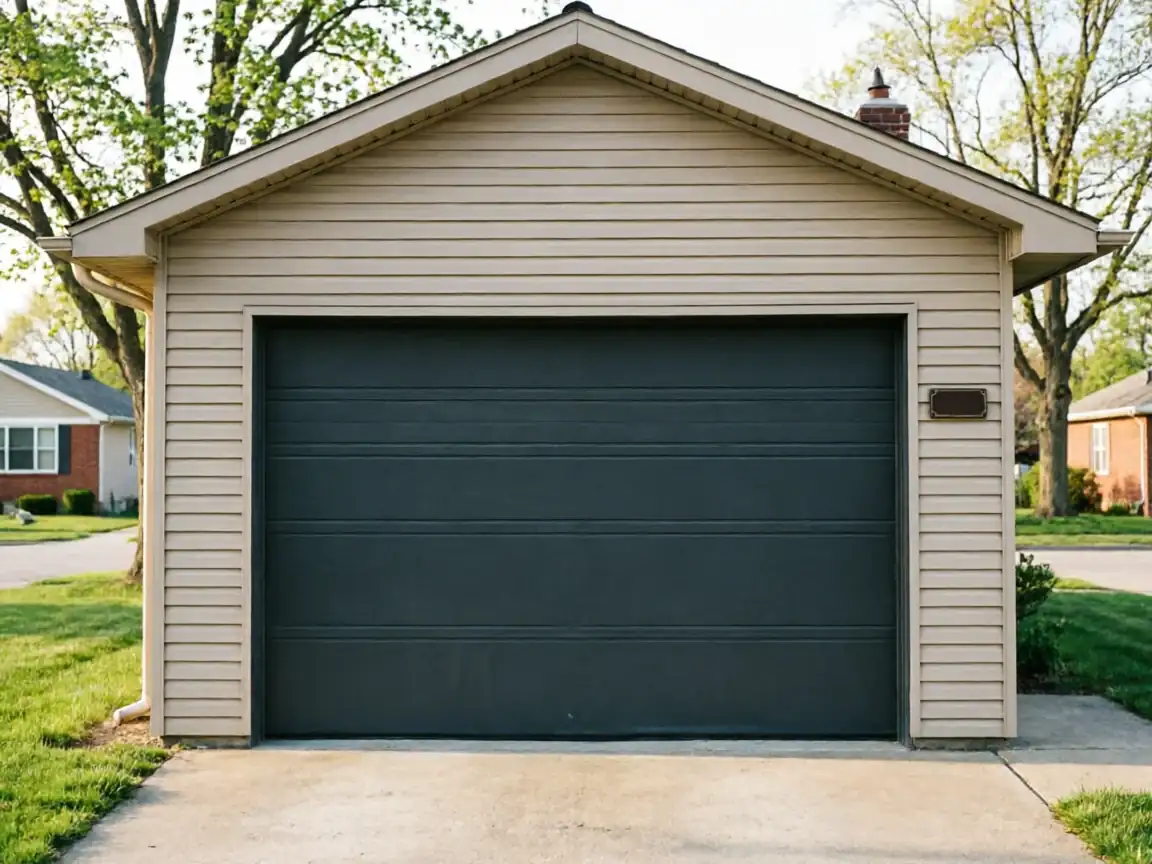
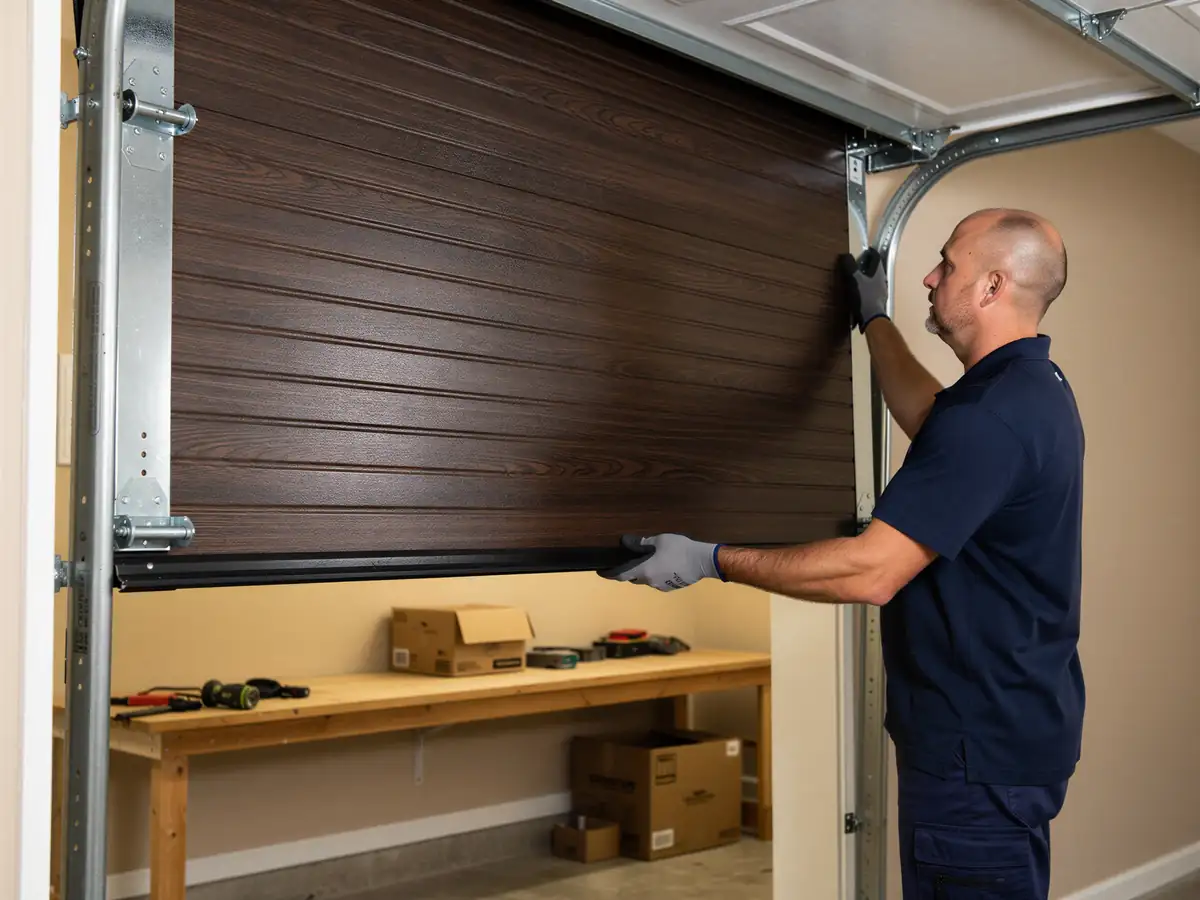
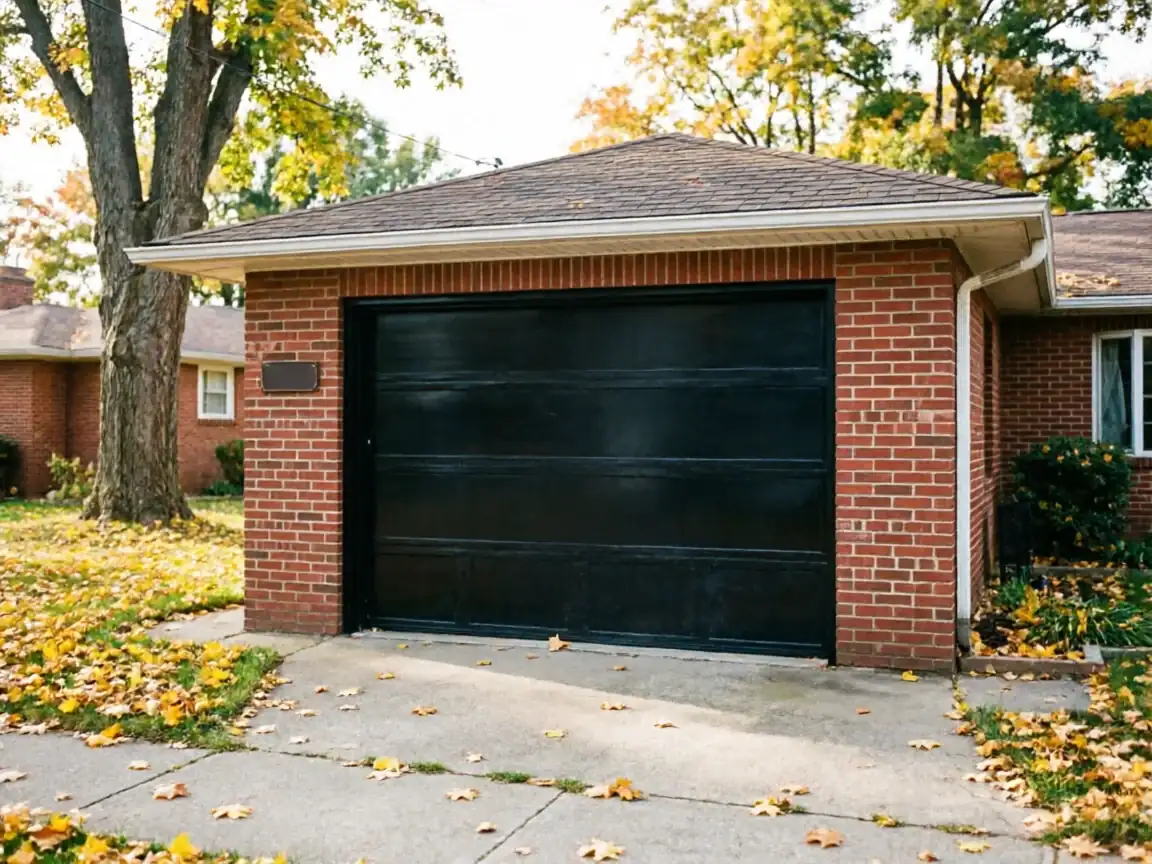
South St. Paul is 18 miles from our shop in Lakeville, so the first thing to know is that we're driving out, not walking over from around the corner. What actually decides how long your door sits broken, though, is what's behind the panel. A good chunk of this suburb's houses went up around 1957 - well before the 1984 median build year across the rest of our territory - which means a fair number of original one-piece doors and torsion setups still in place. If a spring or hinge on one of those fails, we may be ordering a part that a 1990s door never needs, and that adds days, not hours. On a newer sectional door with standard rollers and a common opener, we're usually working from stock we already carry. The honest answer is: it depends which decade your door came from, and we'll tell you that the moment we're looking at it, not after.
What Can Go Wrong
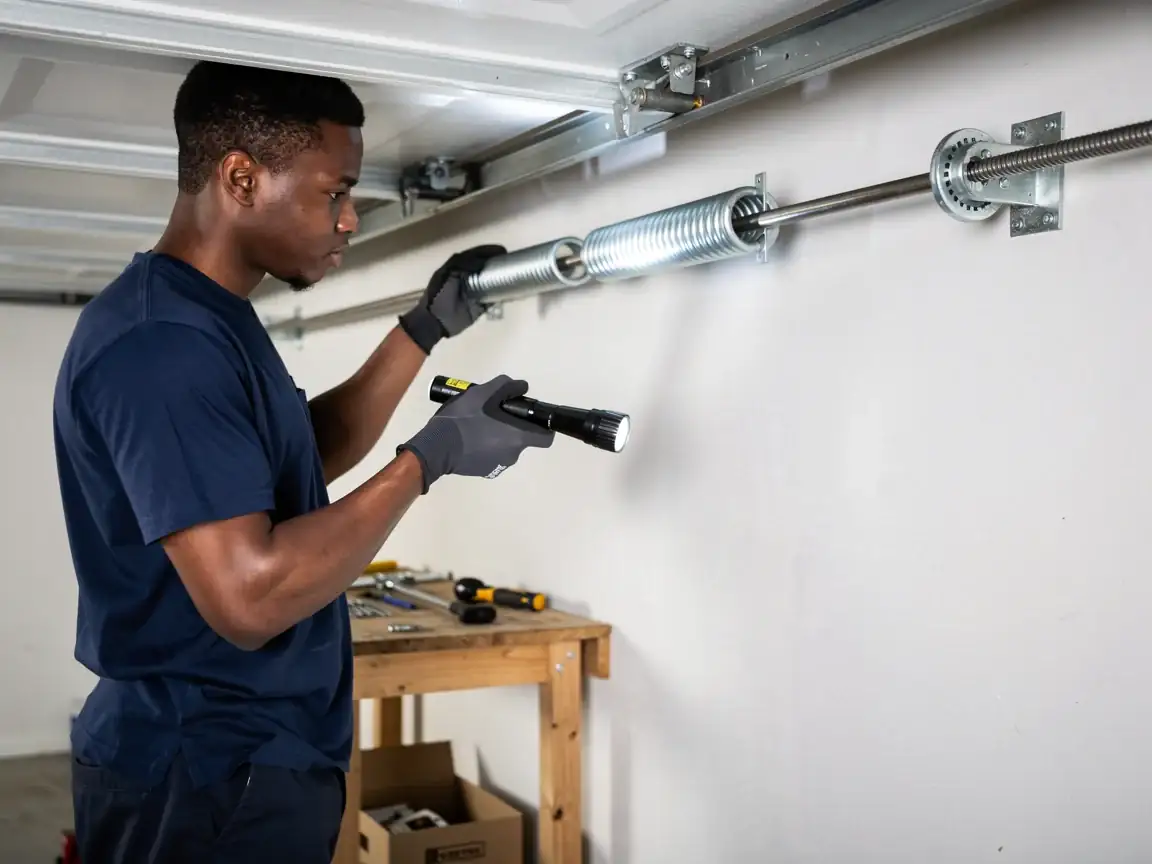
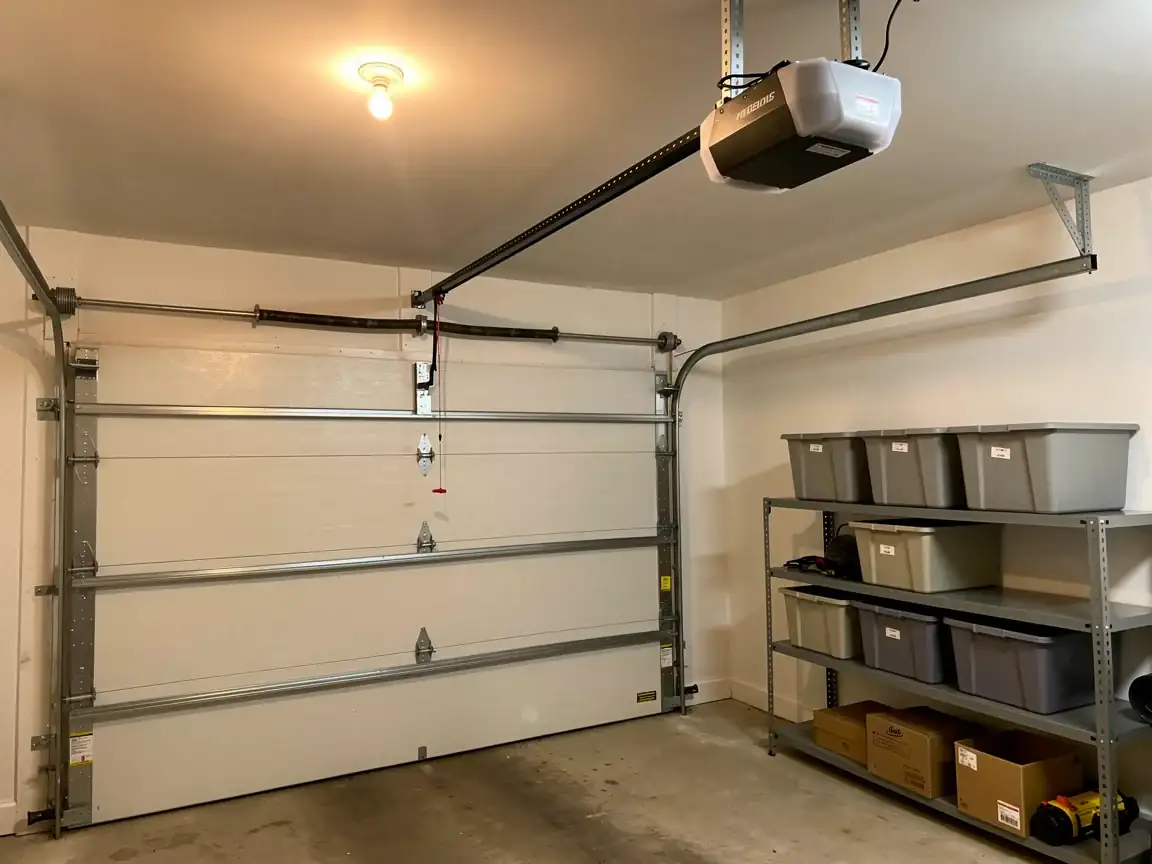
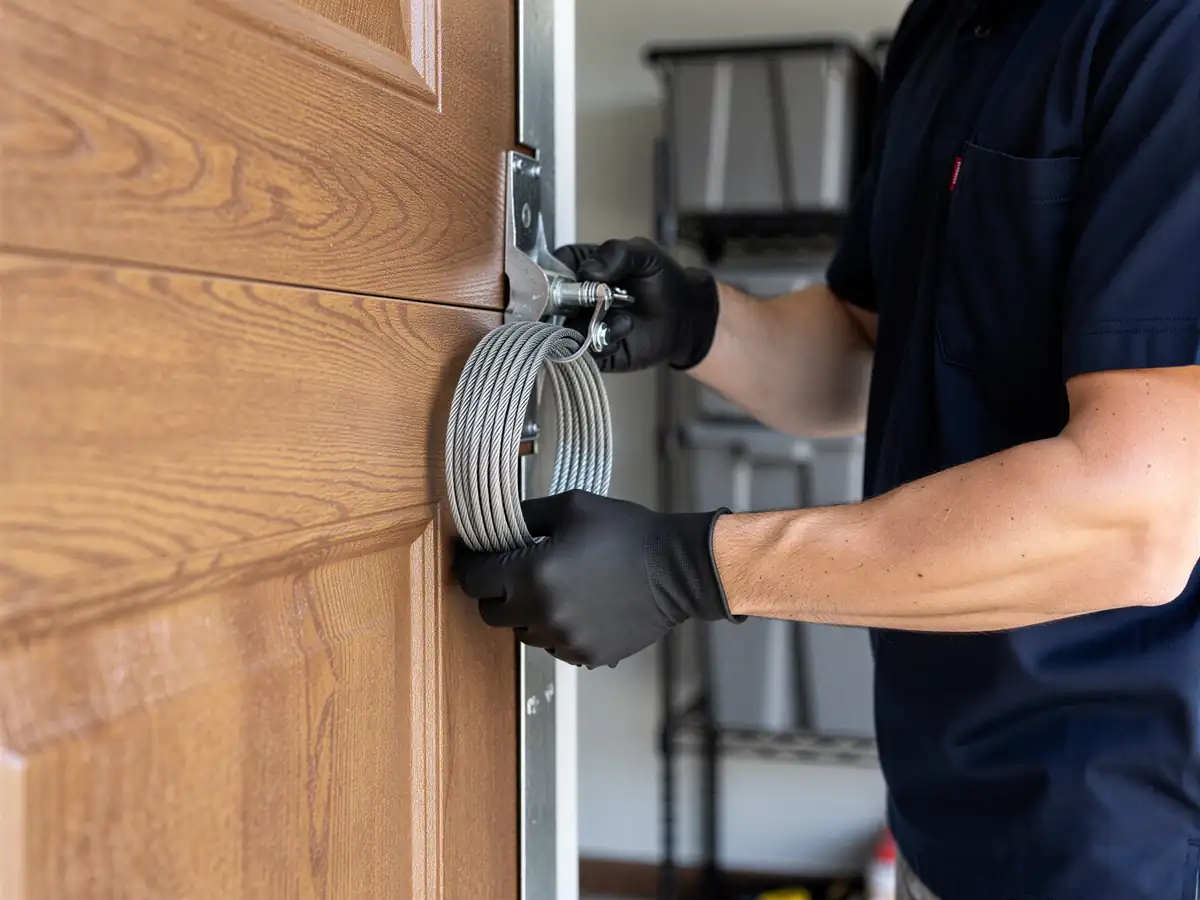
On the older end of this suburb's housing stock, we see single-panel or early sectional doors riding on hardware that was never meant to be swapped piece by piece - when one bracket goes, the whole track geometry is often off. Torsion springs on these older setups tend to be heavier gauge and mounted differently than what's sold today, so a snapped cable or a seized bearing isn't always a ten-minute fix. On the newer homes mixed into the same blocks, the complaints are more familiar: a worn roller knocking in the track, an opener logic board that's given out, a sensor knocked out of alignment. Garage floors here also see plenty of salt and slush tracked in through a long cold season, and that eats at the bottom seal and the galvanized coating on cables faster than people expect. We've also opened doors where a previous owner's DIY fix - a mismatched spring, a bungee cord holding a cable - was the real problem, not the part that finally broke.
Doing It Yourself
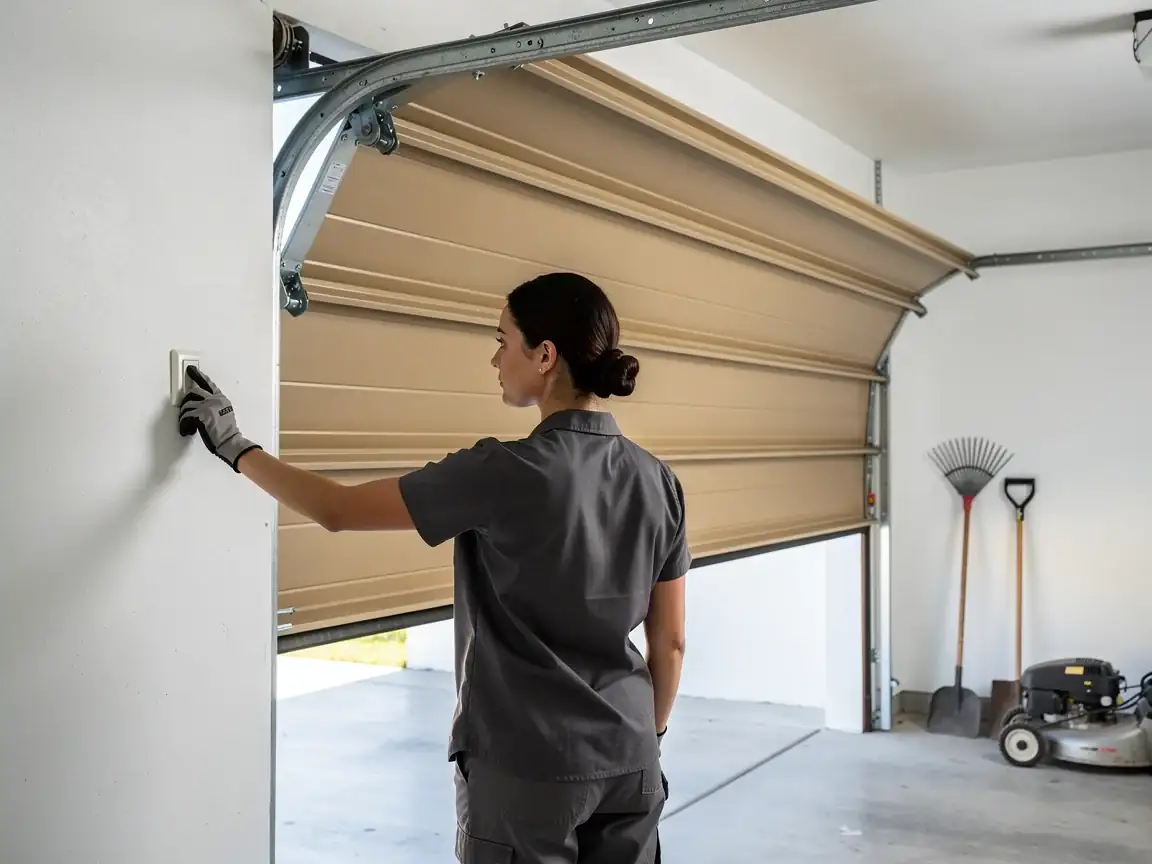
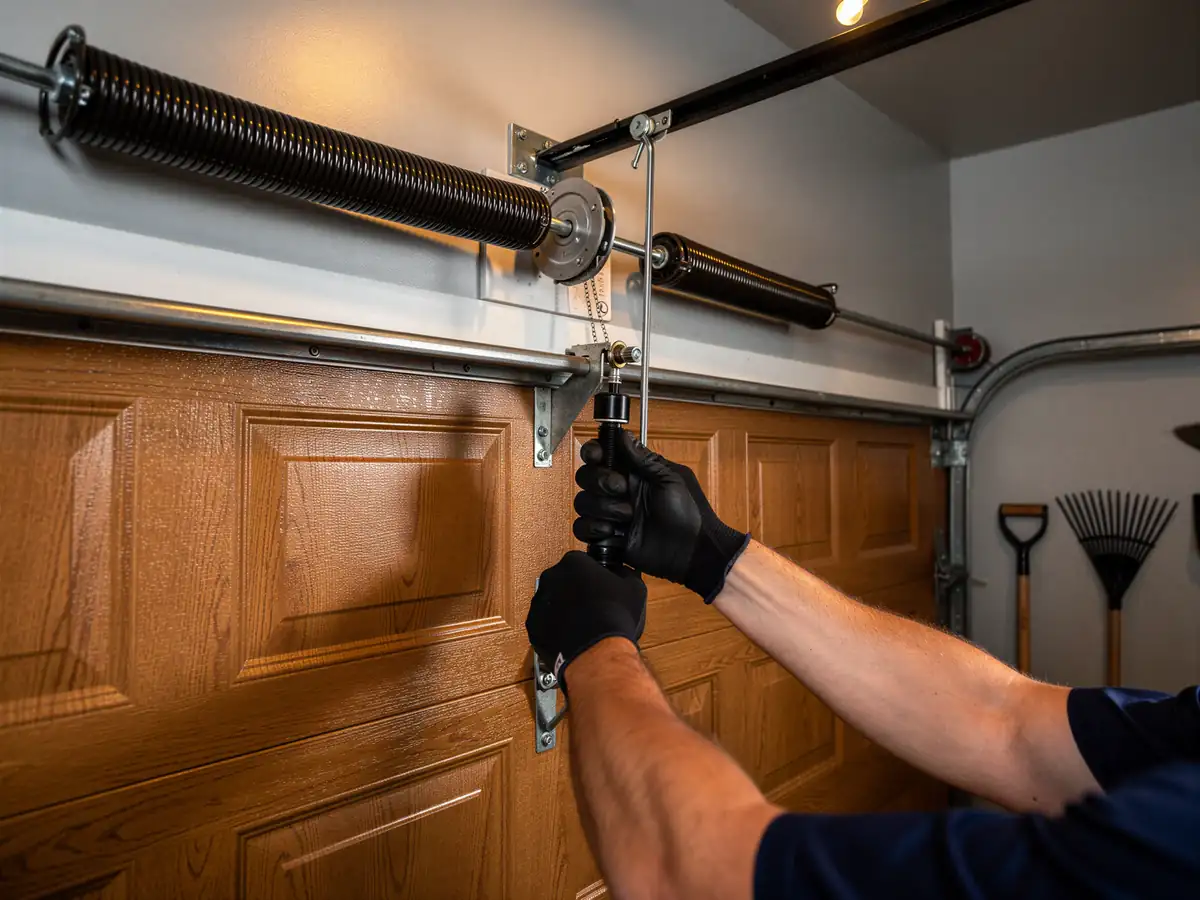
Lubricating hinges, vacuuming the track, checking that the bottom weatherstrip isn't torn - all of that is fair game to do yourself, on a door of any age. What we'd tell you to leave alone is the torsion spring itself, especially on an older door where the winding cone and the shaft tolerance may not match anything you can buy at a hardware store today. A spring under tension that lets go wrong has put people in the hospital, and on a 1950s-era door the spring is often heavier than what's common now, which makes a bad outcome worse, not better. If your opener is simply not responding, check the wall switch and the breaker before you call anyone - that's a two-minute check that saves you a visit. But if the door is original to a house built decades ago and something inside the spring assembly looks worn, that's not a weekend project. That's the one limitation we're upfront about: we'd rather you wait for us than open the door up yourself.
What the Repair Takes
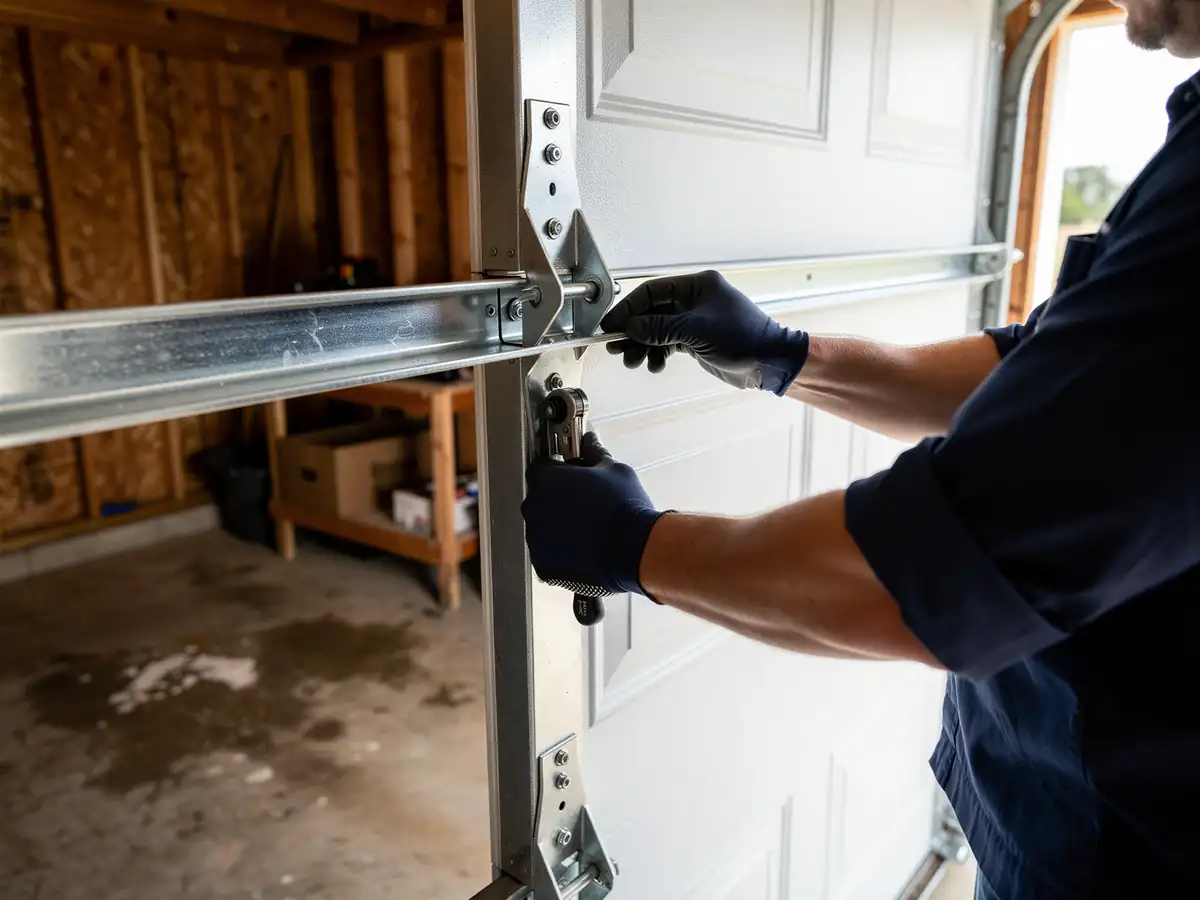
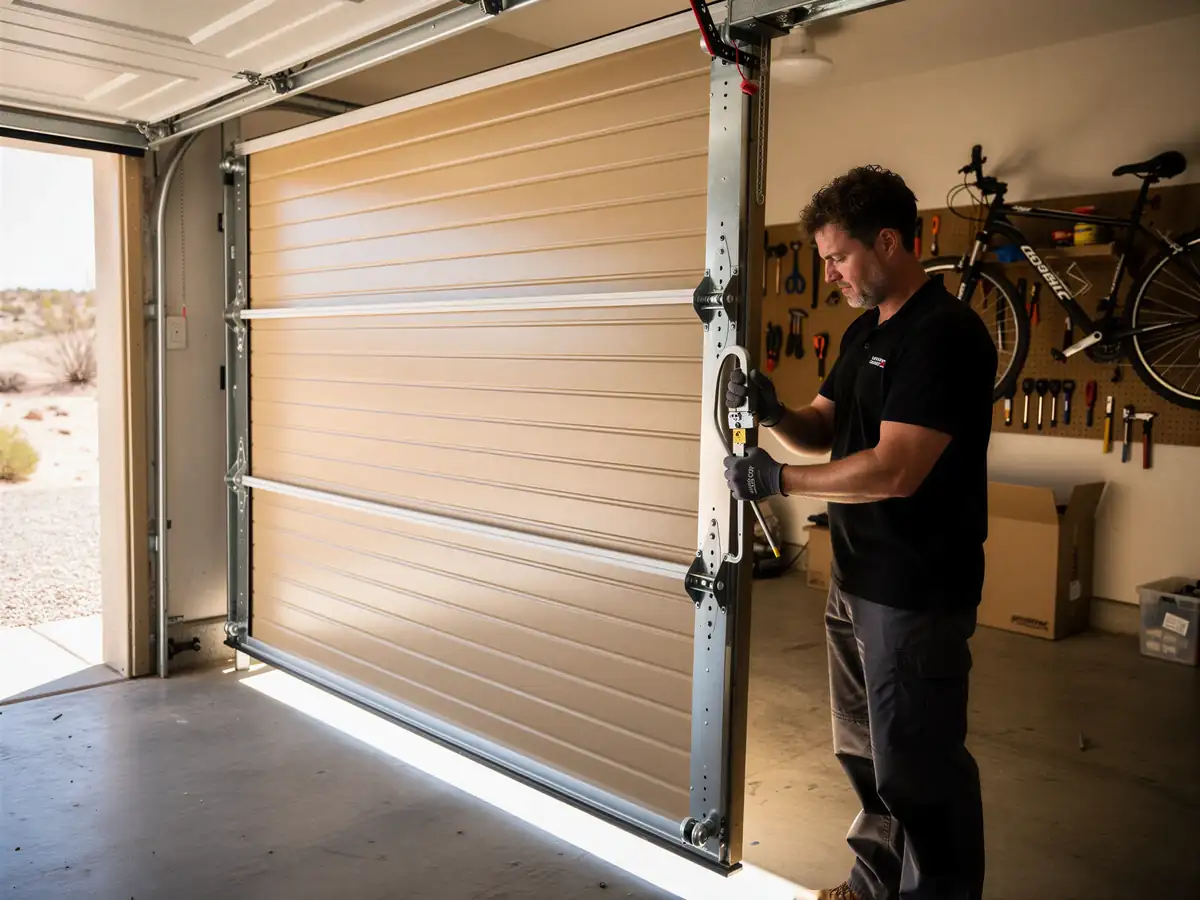
We start by figuring out what decade the hardware is from, because that changes everything else. On an older door, that might mean measuring the existing torsion shaft and spring wind before we know what we're ordering, rather than pulling a part straight off the truck. On a newer sectional door, diagnosis and repair can usually happen in one visit since the parts are standard. Median household income in South St. Paul runs around $84,472, noticeably under the roughly $99,460 median across the rest of the area we cover, and that's part of the conversation too - on an older door nearing the end of its hardware life, we'll lay out repair cost against replacement cost honestly, rather than defaulting to whichever is more expensive. Sometimes patching a 1950s door keeps it running another few winters. Sometimes the labor of chasing obsolete parts costs more than a new door would, and we'll say so plainly.