How Long You Are Without the Door
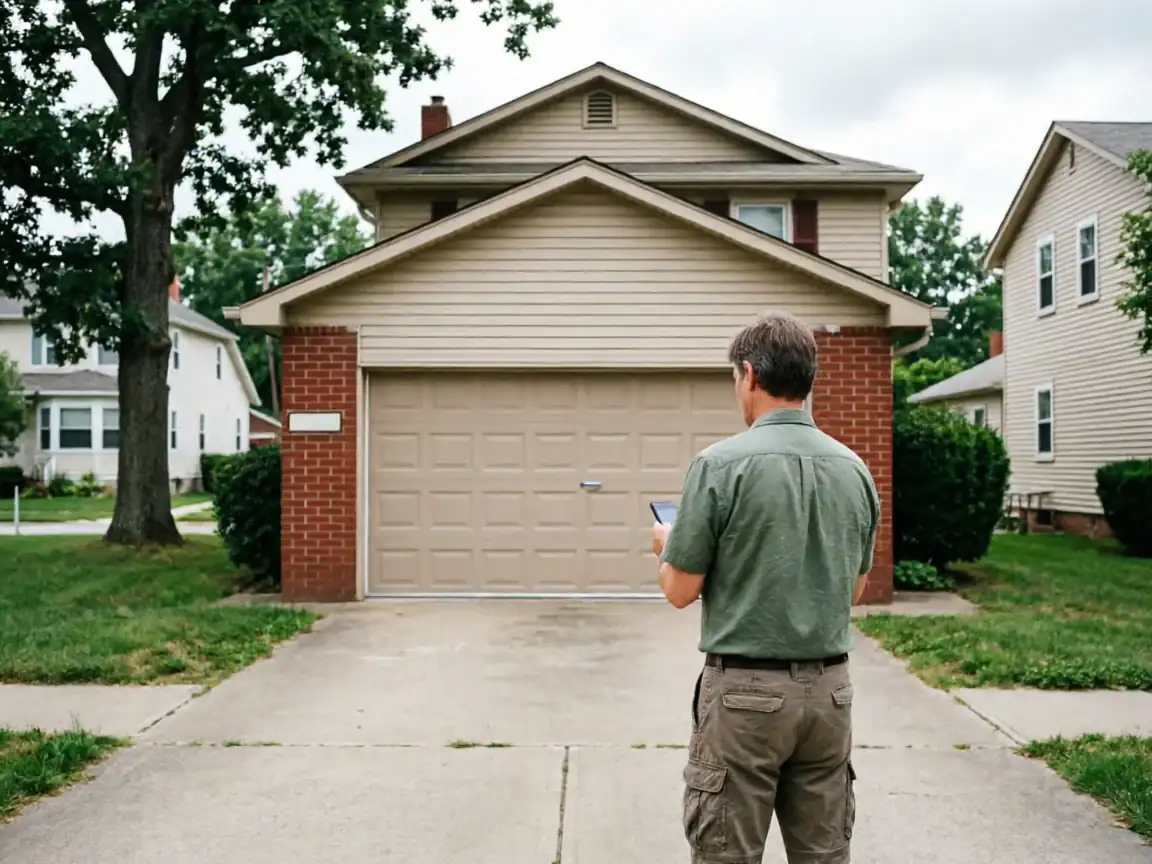
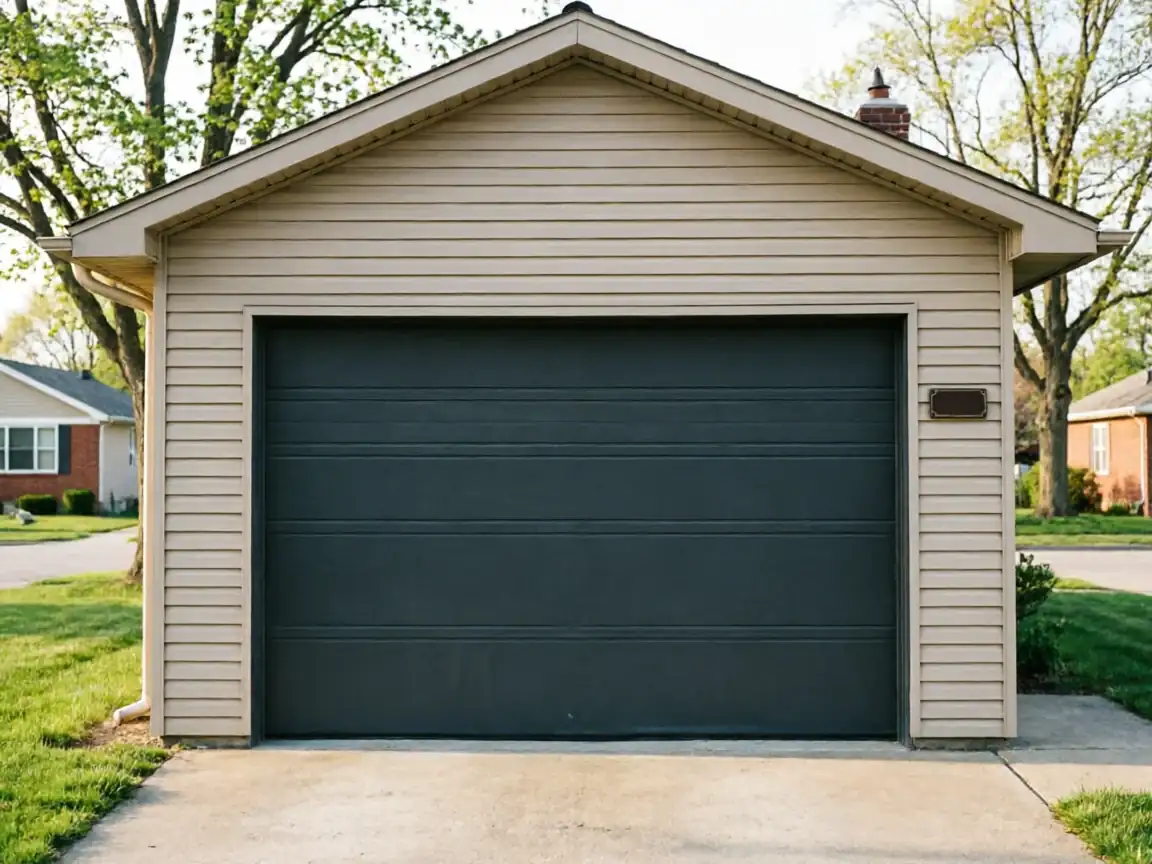
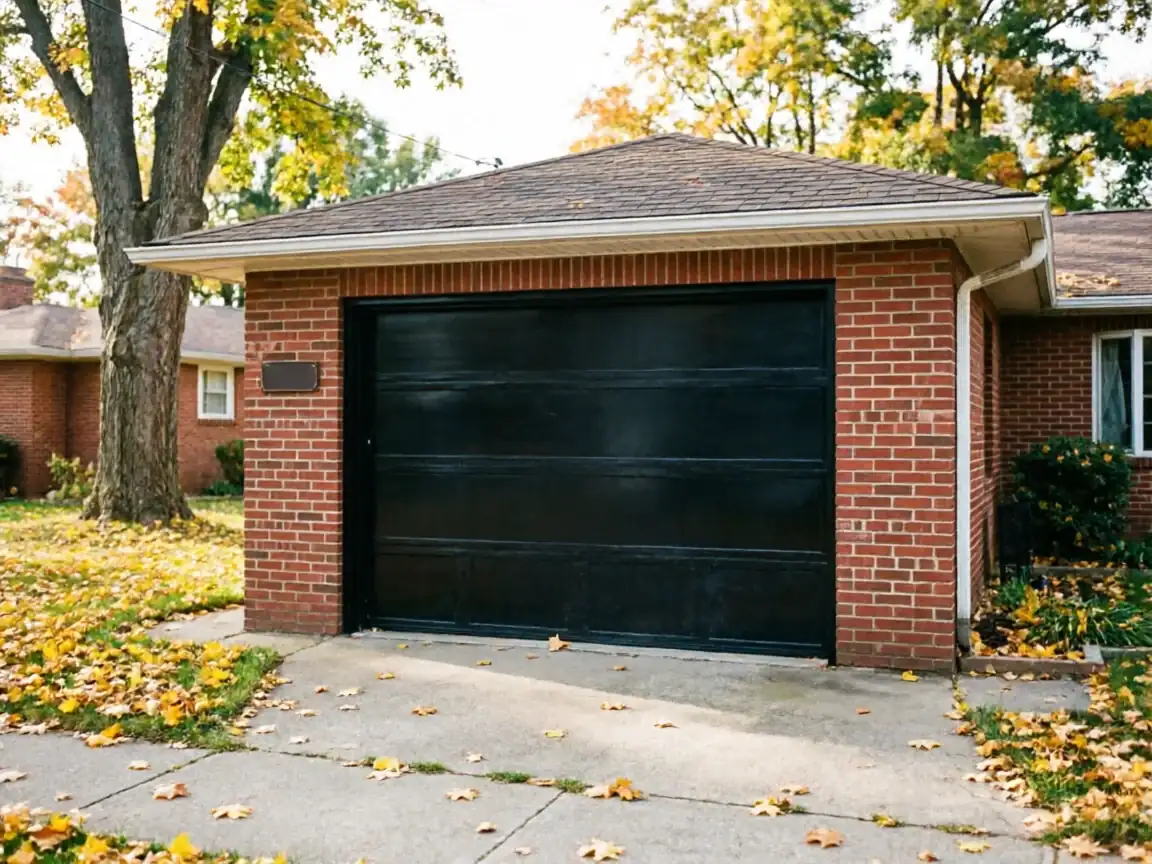
Most garages in South St. Paul went up around 1957, well before the regional median of 1984 for the wider service area. That means a lot of single-car or narrow double bays, steel doors retrofitted onto openers that weren't original to the house, and hardware that's been repainted or swapped out piecemeal over seventy years rather than replaced as a system. A door built to that era's dimensions doesn't always take a modern panel off the shelf - sometimes we're matching track width to a garage that was framed before anyone standardized those numbers.
We run out of Lakeville, about 18 miles away, so we don't carry a same-day guarantee for South St. Paul the way a shop sitting in town might. What we do is build the drive into the appointment window up front, so a maintenance visit gets scheduled as a full visit - not squeezed in as an afterthought between closer jobs. If a spring or cable fails outright between visits, call and we'll tell you honestly where that falls in the day's route.
What Can Go Wrong
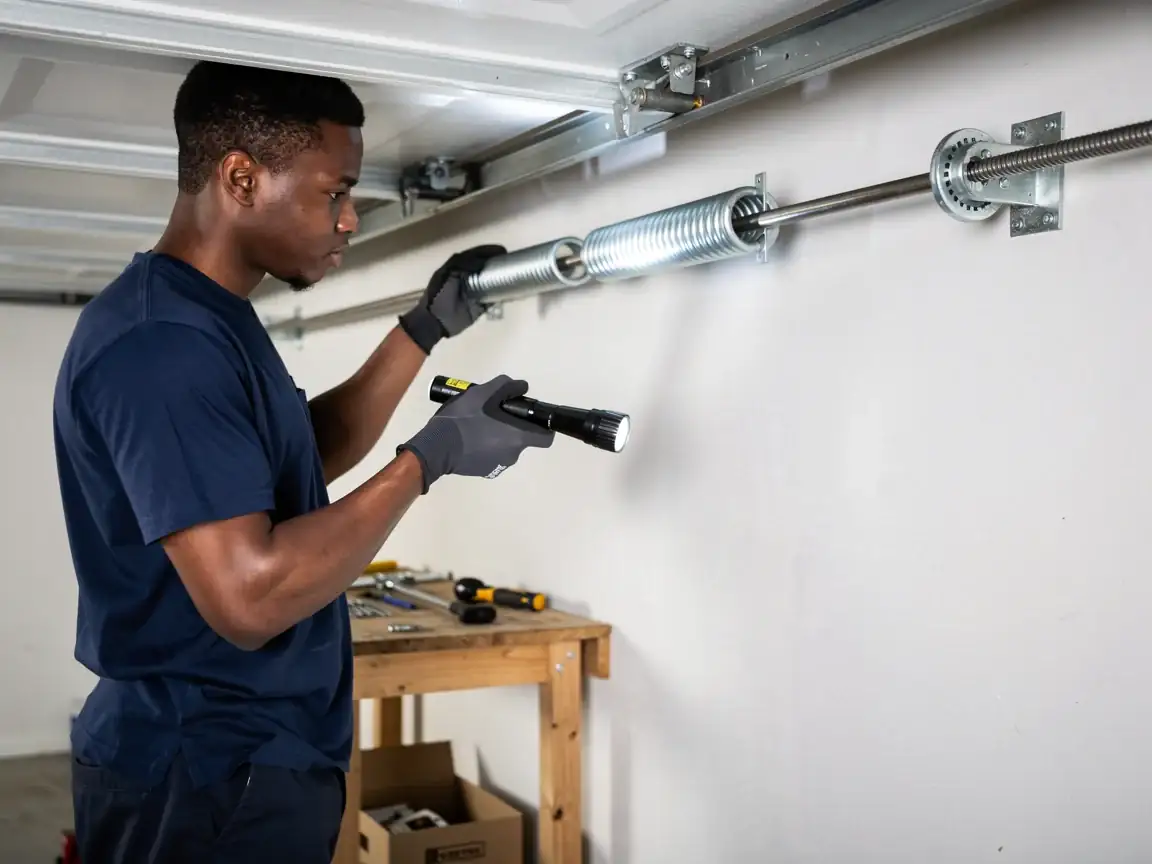
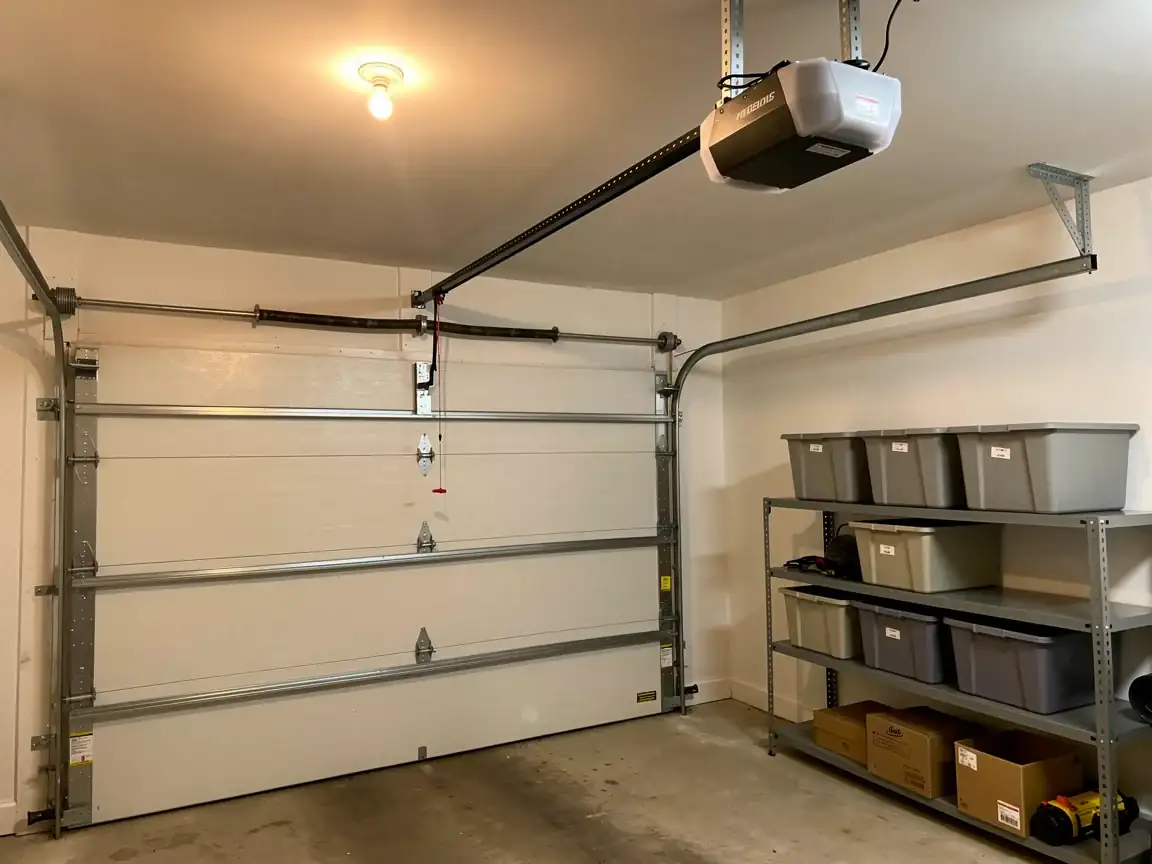
On a door this age, the failure points tend to be mechanical fatigue rather than anything electronic. Torsion springs rated for a certain cycle count have usually seen decades of openings by now, and if nobody's touched them, they're closer to the end of that count than most owners realize. Rollers that were steel to begin with wear grooves into the track over time, and on a narrower 1950s-era bay there's less clearance to begin with, so a slightly bent track binds sooner than it would on a wider modern opening.
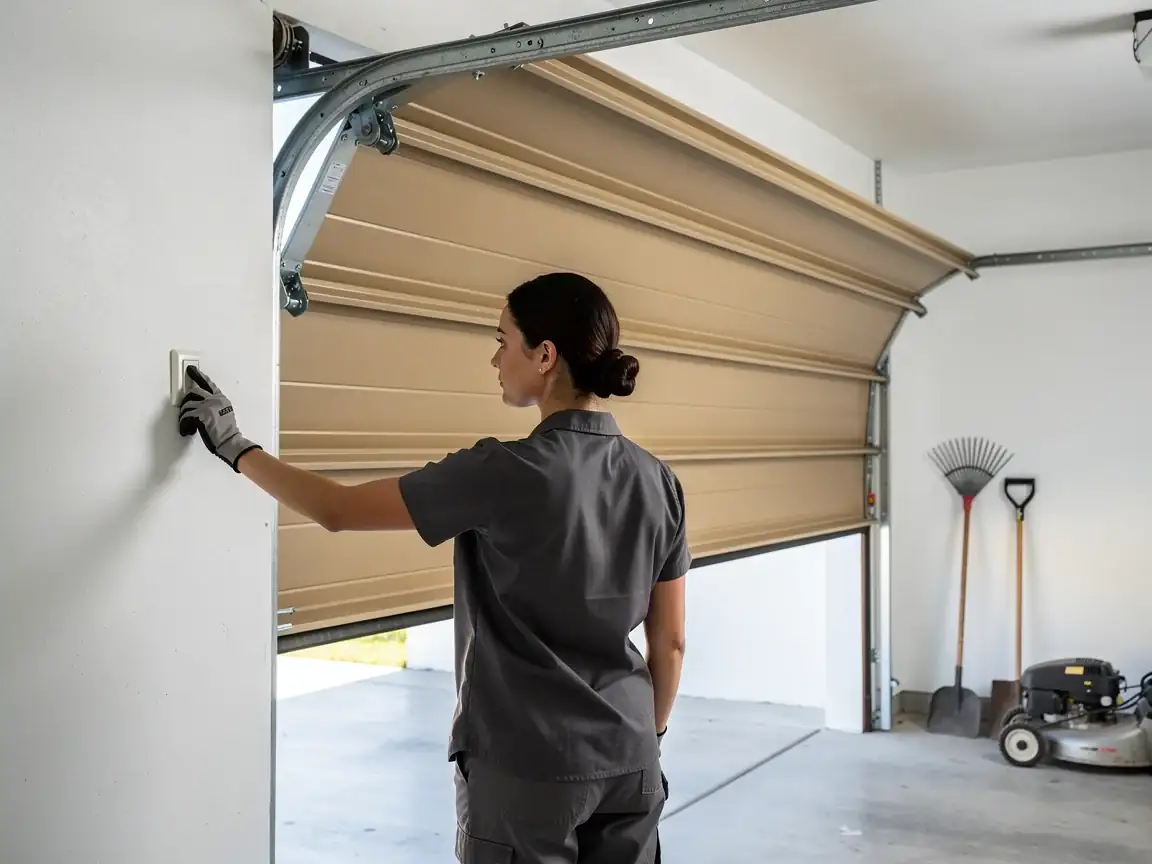
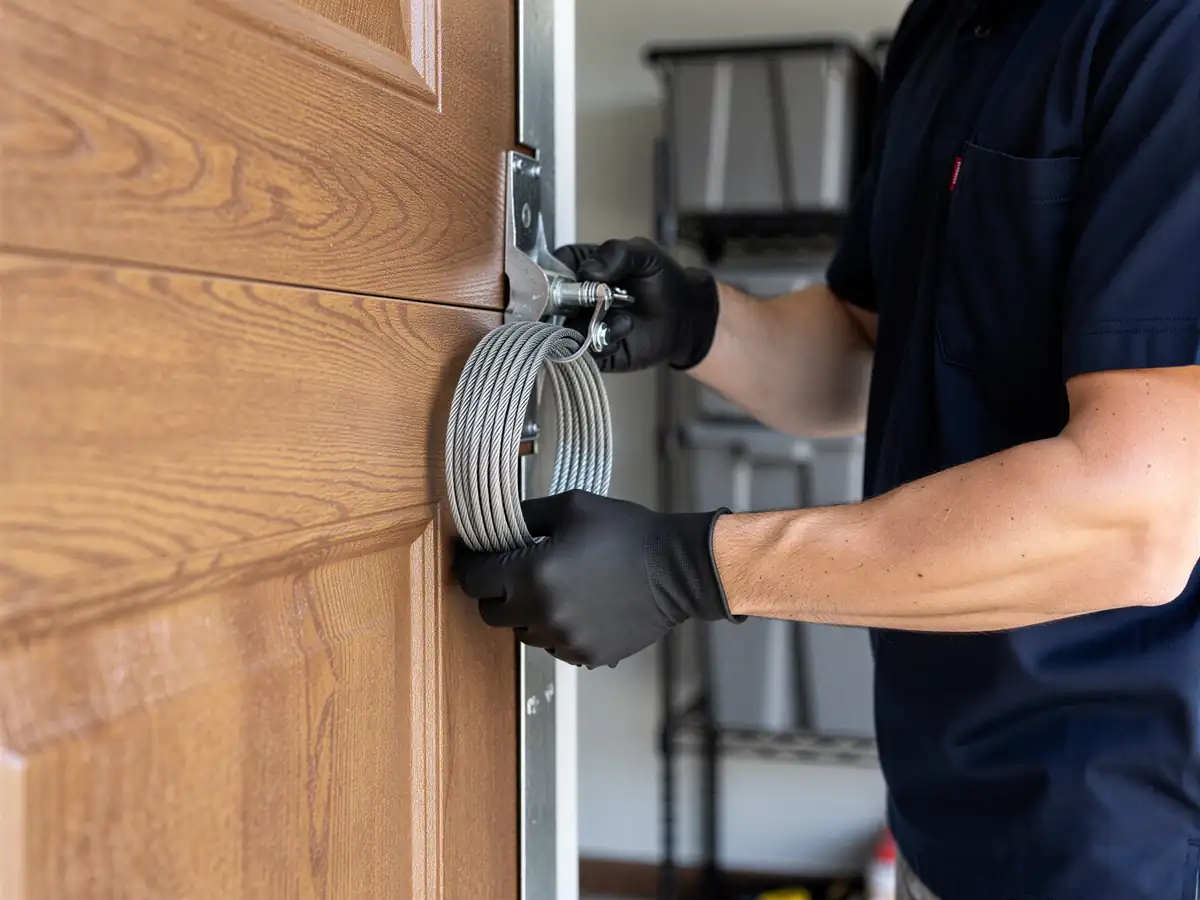
Cables fray at the drum end first, usually invisible unless you're looking straight at it. And on houses where the opener was added later - common here, since many of these garages predate automatic openers entirely - the mounting bracket for that opener sometimes sits on framing that was never built to carry it, which shows up as a door that shudders or reverses partway through its cycle.
What Causes It Around Here
The service area as a whole sits in a cold-moderate climate band
And South St. Paul's housing stock has been through a lot of those winters without a corresponding number of hardware replacements. Metal contracts in cold air - springs lose a little tension, lubricant in the rollers and hinges thickens up, and a door that closed smooth in August starts hanging up in January. That's not a South St. Paul-specific chemical reaction, but it lands harder here because so much of the hardware is original or close to it.
Households in town run a median income of $84,472
Noticeably below the $99,460 median across the broader service area, which tends to show up in deferred maintenance rather than skipped maintenance - owners call when something's audibly wrong rather than booking an annual tune-up. That's a reasonable way to run a budget. It also means more of our South St. Paul calls involve springs and rollers that are further along in their wear than they'd be on a schedule.
Doing It Yourself
Lubricating the rollers, hinges, and the torsion spring itself with the right garage-door-specific grease is a reasonable owner task, and doing it twice a year will do more for a door this age than almost anything else you can do without tools. Visually checking the track for gaps or bends, and making sure the bottom bracket bolts haven't backed out, is also fair game.
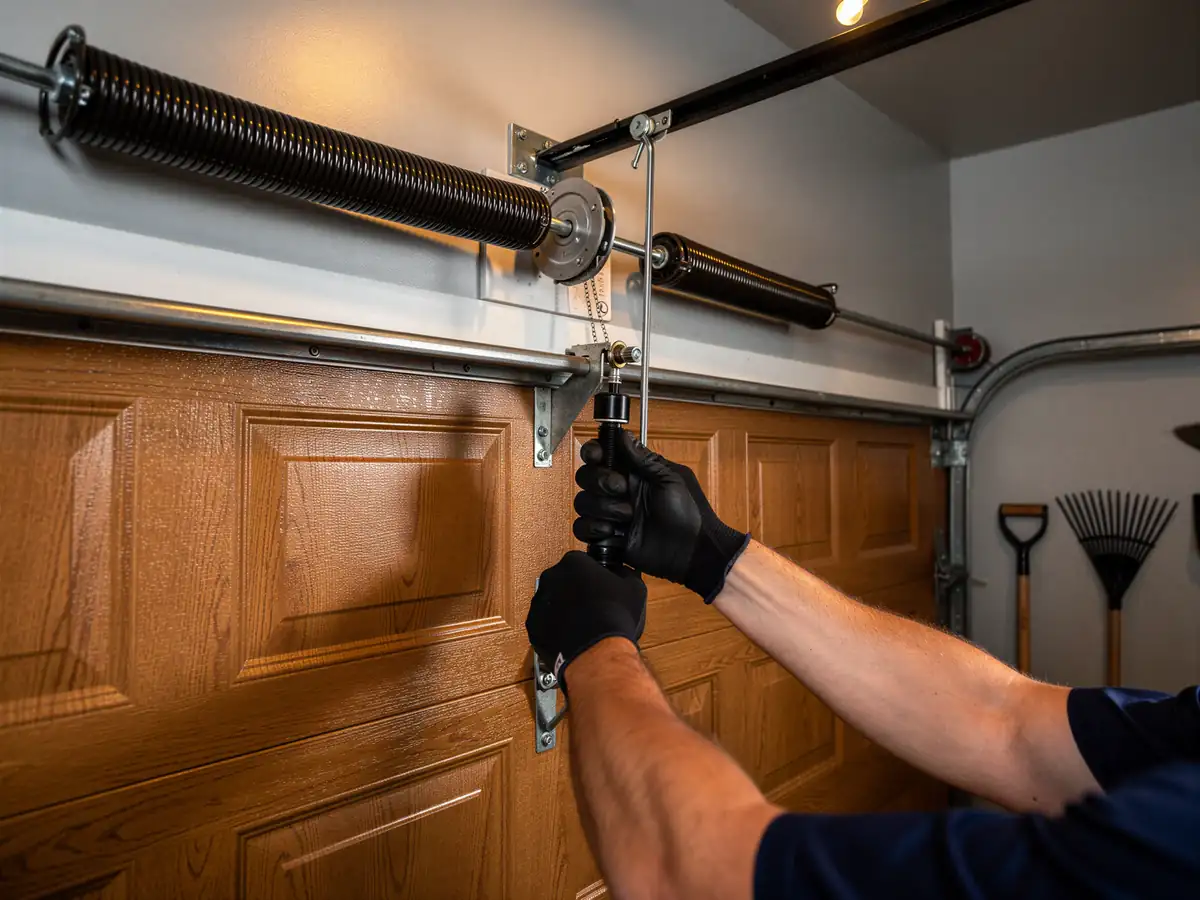
What isn't: touching the torsion spring itself beyond lubricating it. A spring under tension on a door built in 1957 has had decades to develop internal fatigue that isn't visible from outside, and the tools to wind or unwind it safely aren't something most garages have lying around. If the door is noticeably harder to lift by hand than it used to be, that's a spring tension problem, not a lubrication problem, and it's not a DIY afternoon.
What the Repair Takes
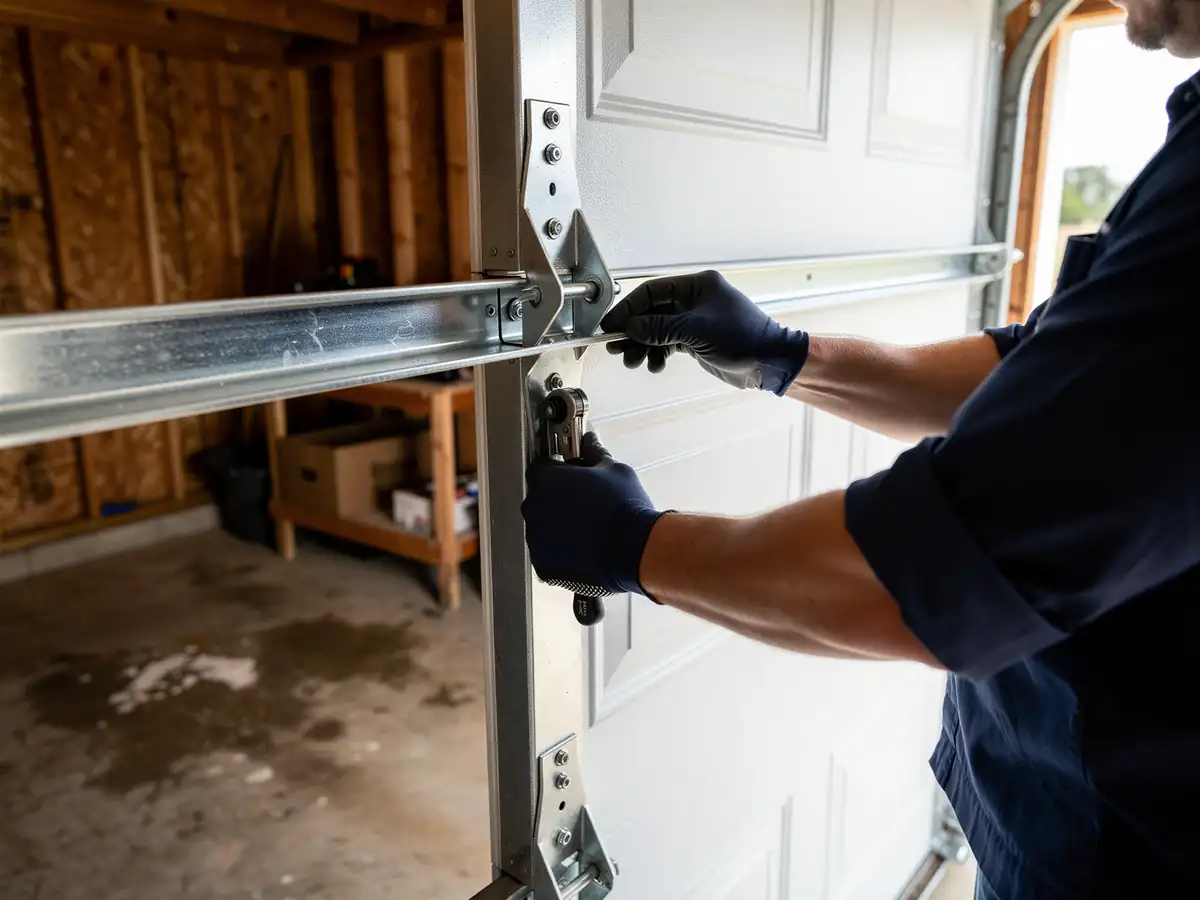
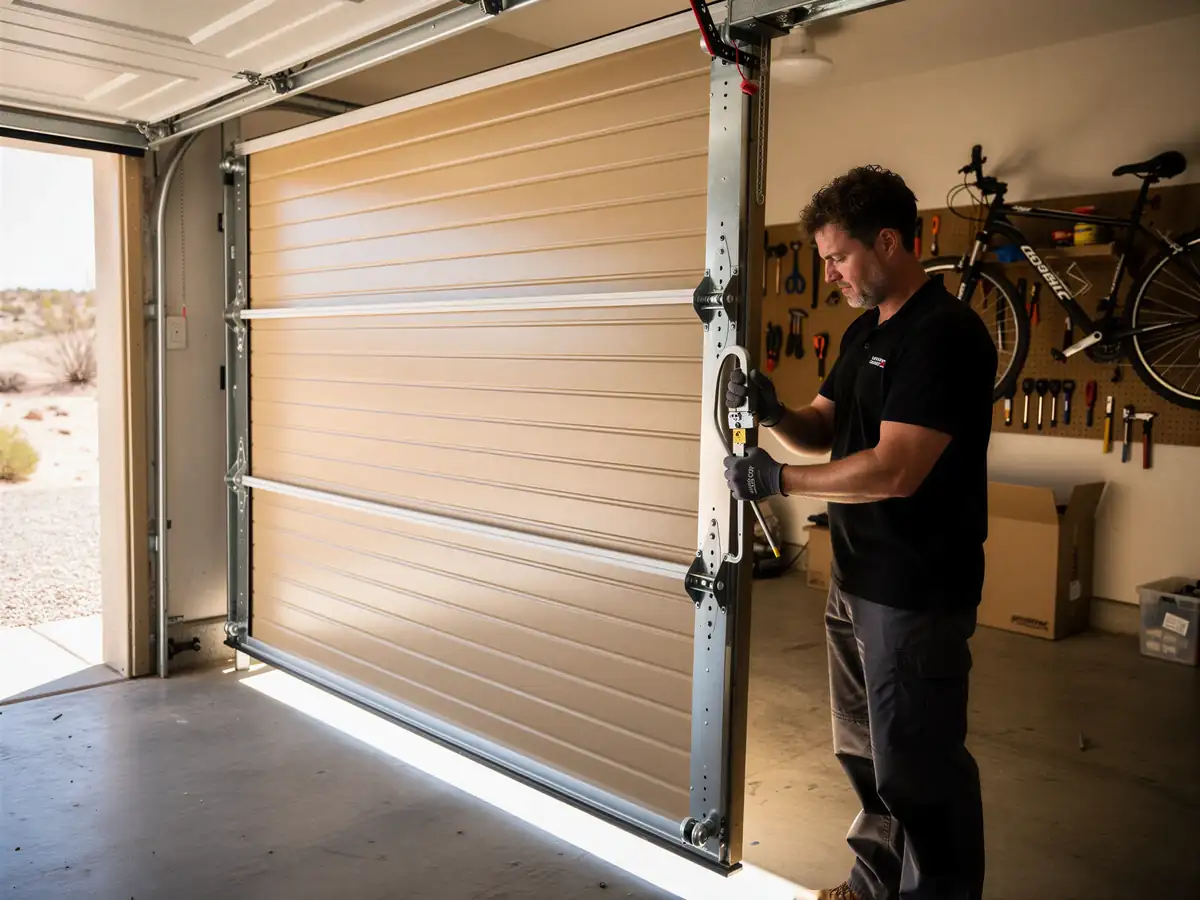
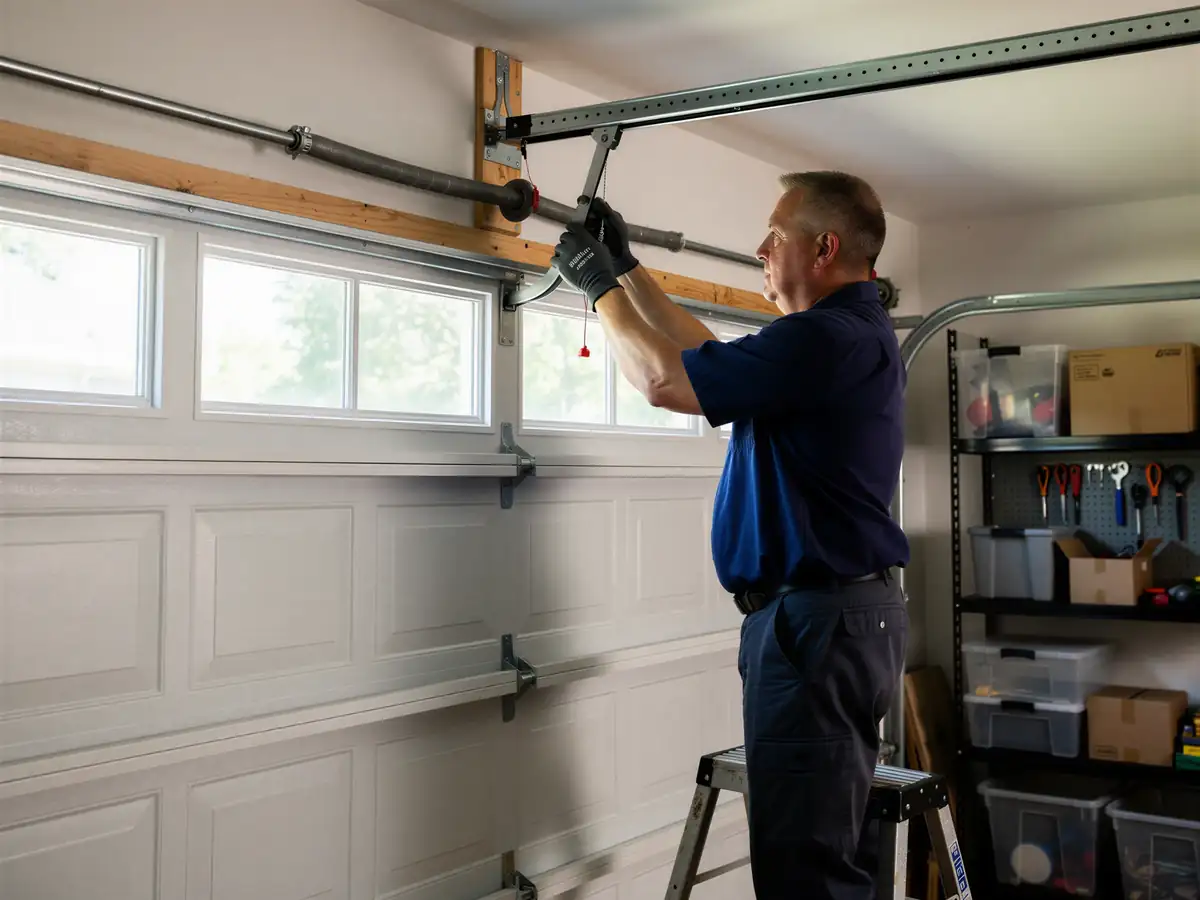
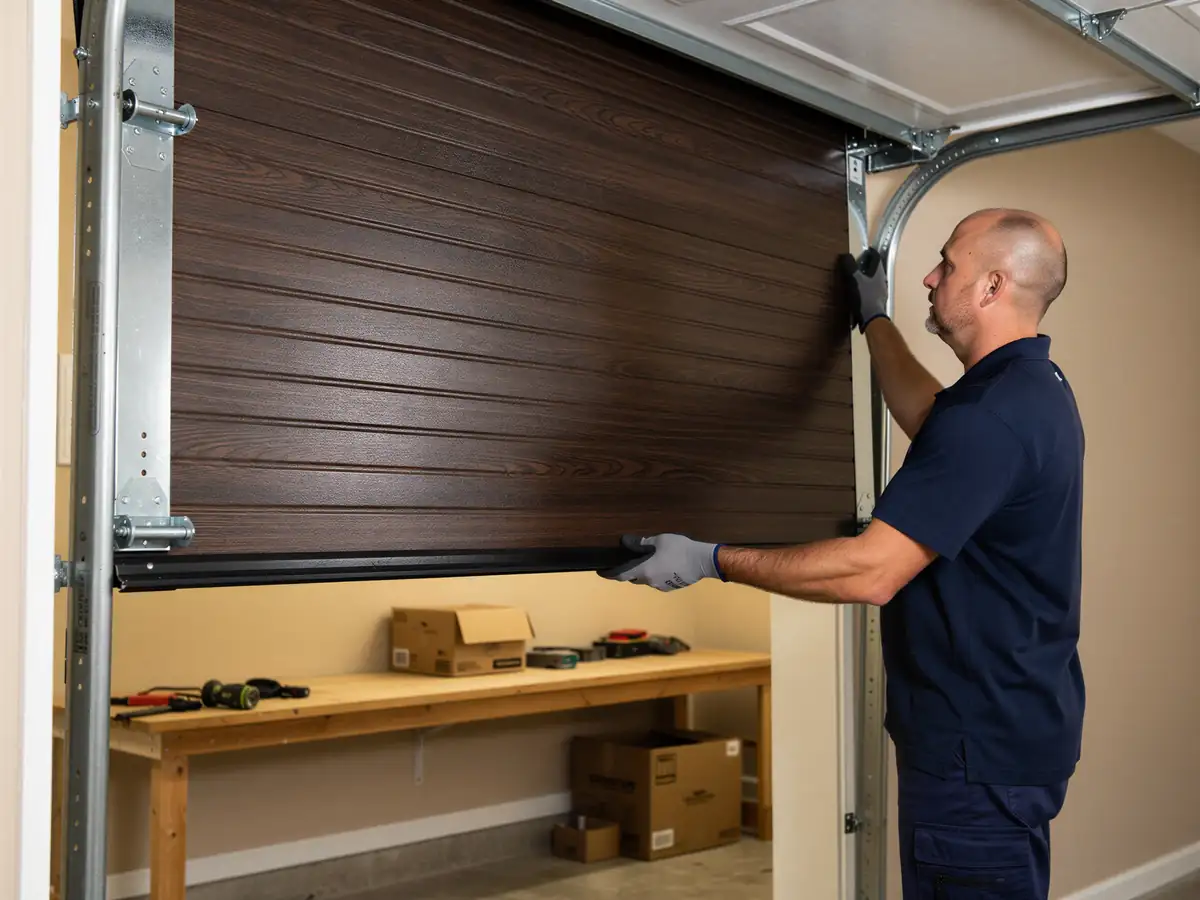
A standard maintenance visit covers the track, rollers, hinges, cables, and spring tension check, plus opener alignment if the door has one. On a door that's original or close to it, we're also looking at whether the track width and drum size actually match current hardware, since replacement parts for some older configurations have a longer lead time than the parts for anything built after 1990 or so. We'll tell you up front if a part needs ordering rather than quoting a same-visit fix we can't deliver.
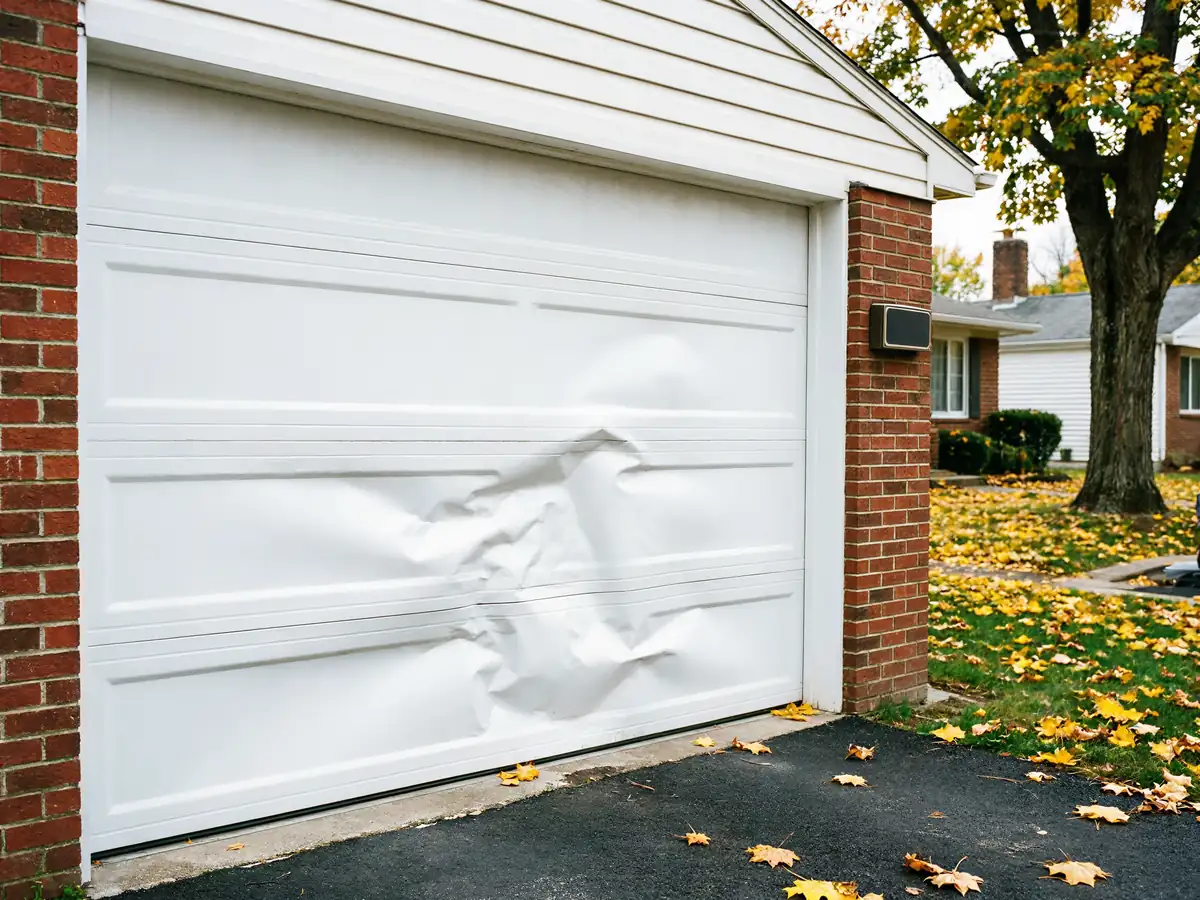
Replacement versus repair comes down to the panel and the frame, not just the spring. If the door itself is warped, rusted through at the bottom, or the track has been bent and rebent enough times that it won't hold alignment, we'll say so rather than keep patching a door that's past the point where patching is the cheaper option long-term.
How to Book
Maintenance visits to South St. Paul get scheduled around the 18-mile drive from Lakeville
So booking a day or two ahead rather than same-day gives us room to route it properly. Give us the door's approximate age if you know it, and whether the opener was original to the garage or added later - both help us bring the right spring and bracket hardware instead of guessing on-site.
For a look at the rest of what we cover from Lakeville, see the Lakeville maintenance page
Or check the South St. Paul area page for the rest of what we handle in town.