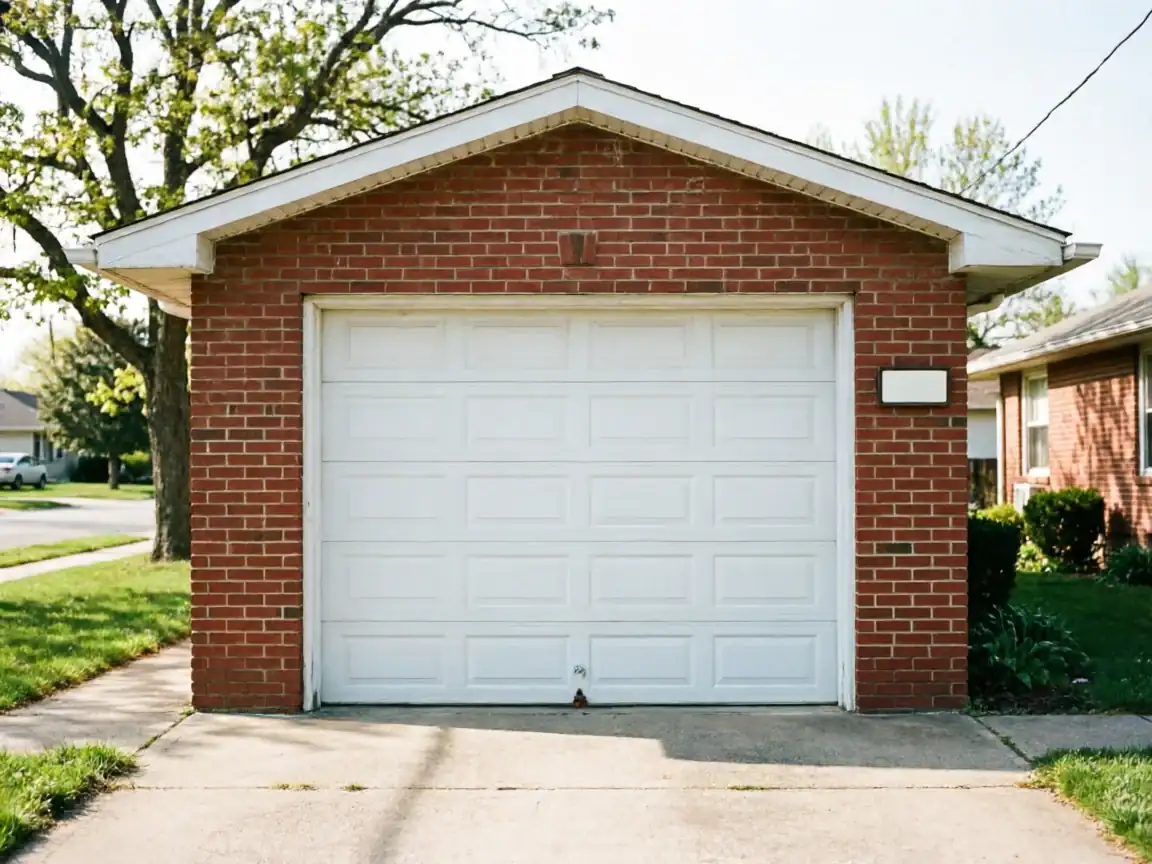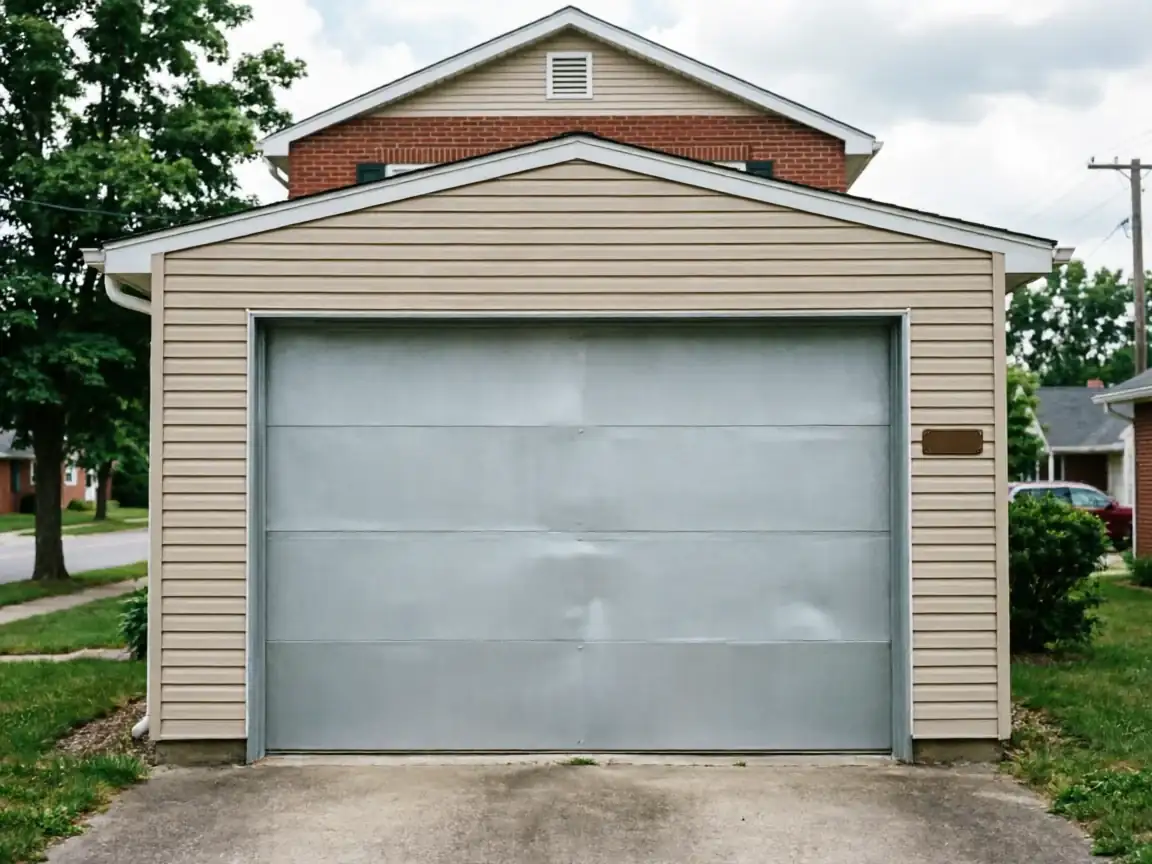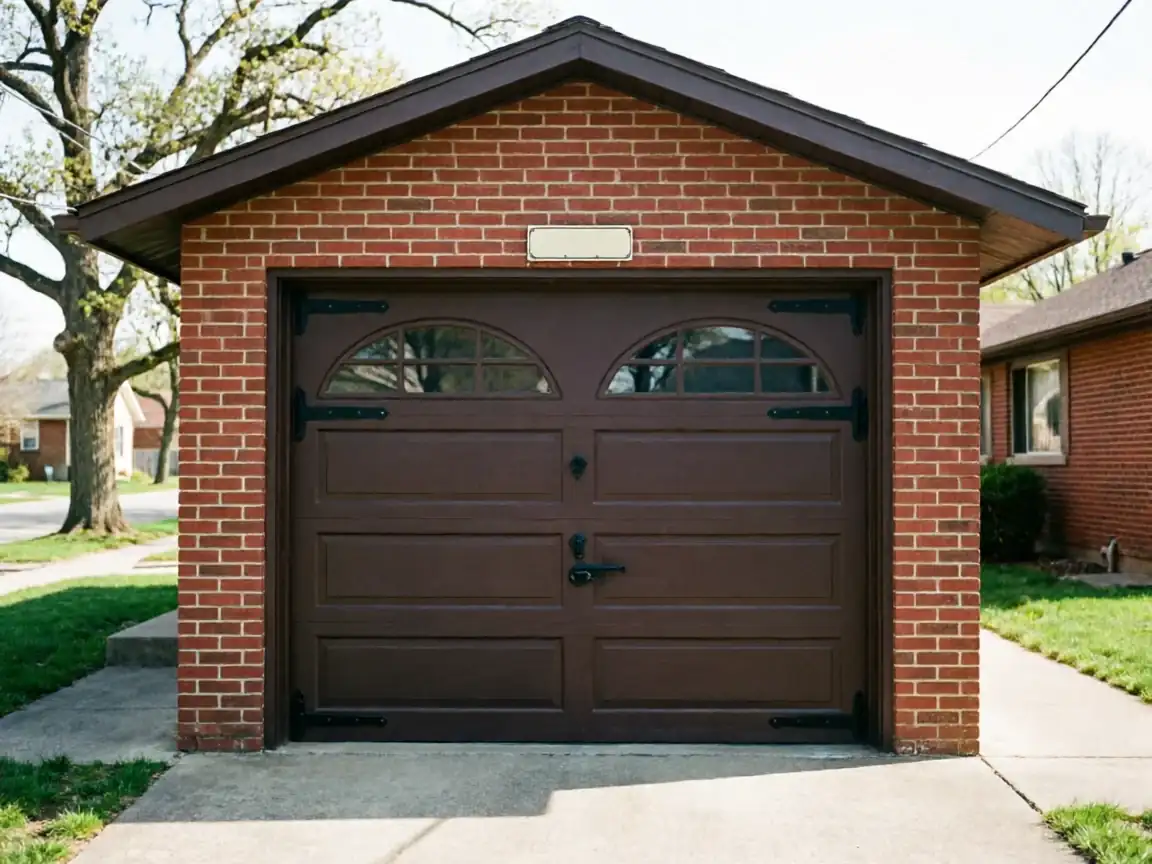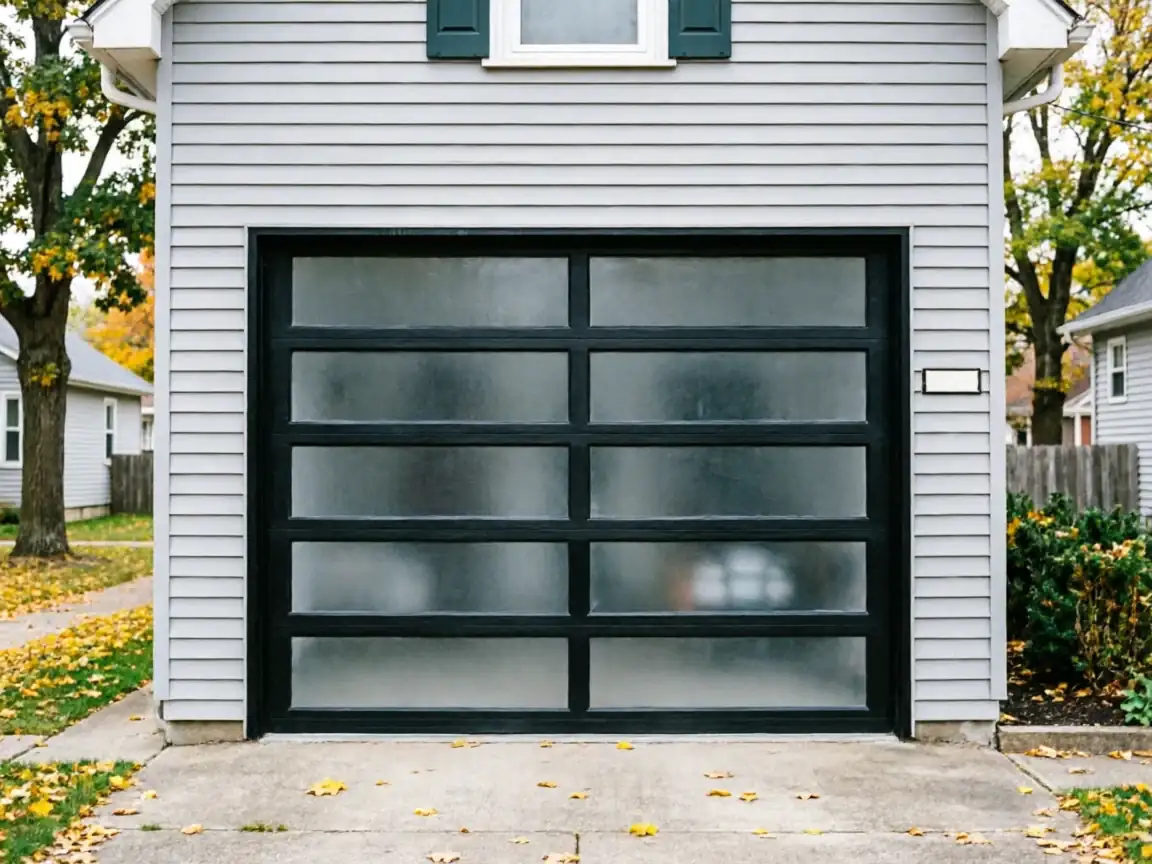
How Long You Are Without the Door
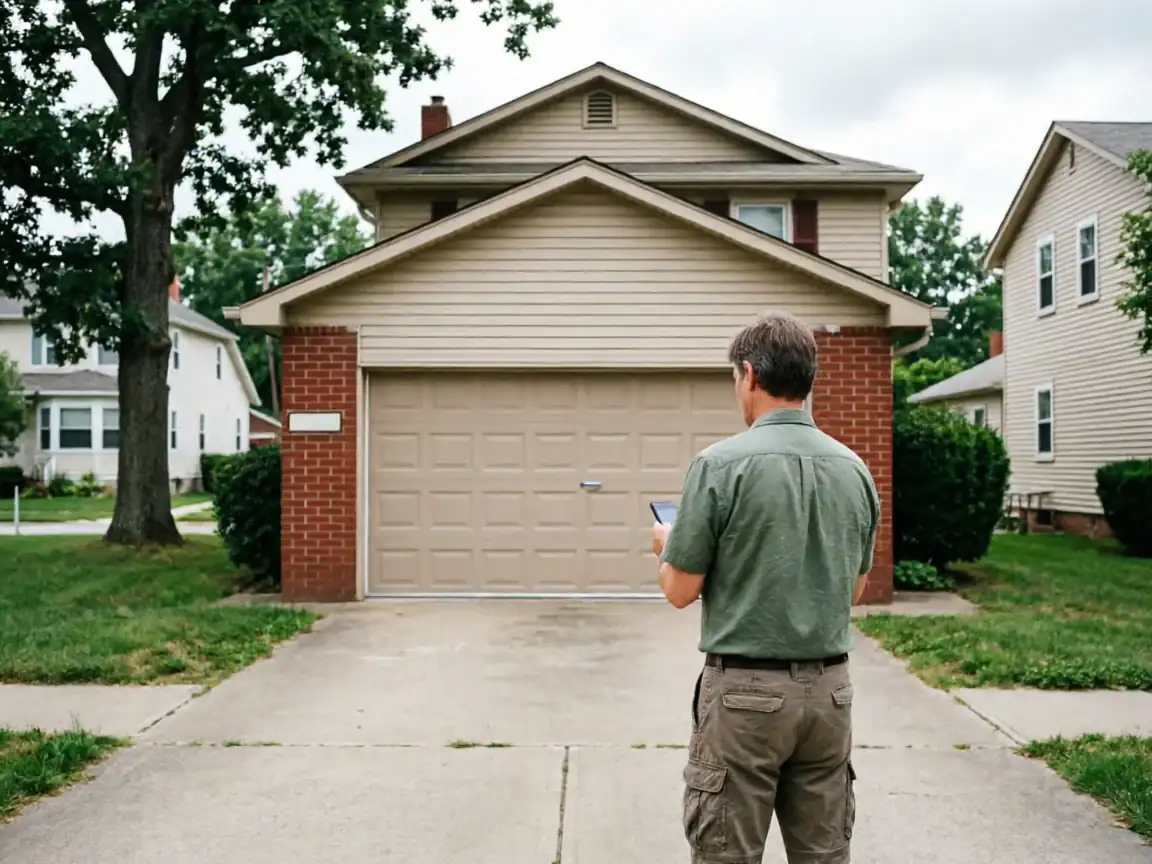
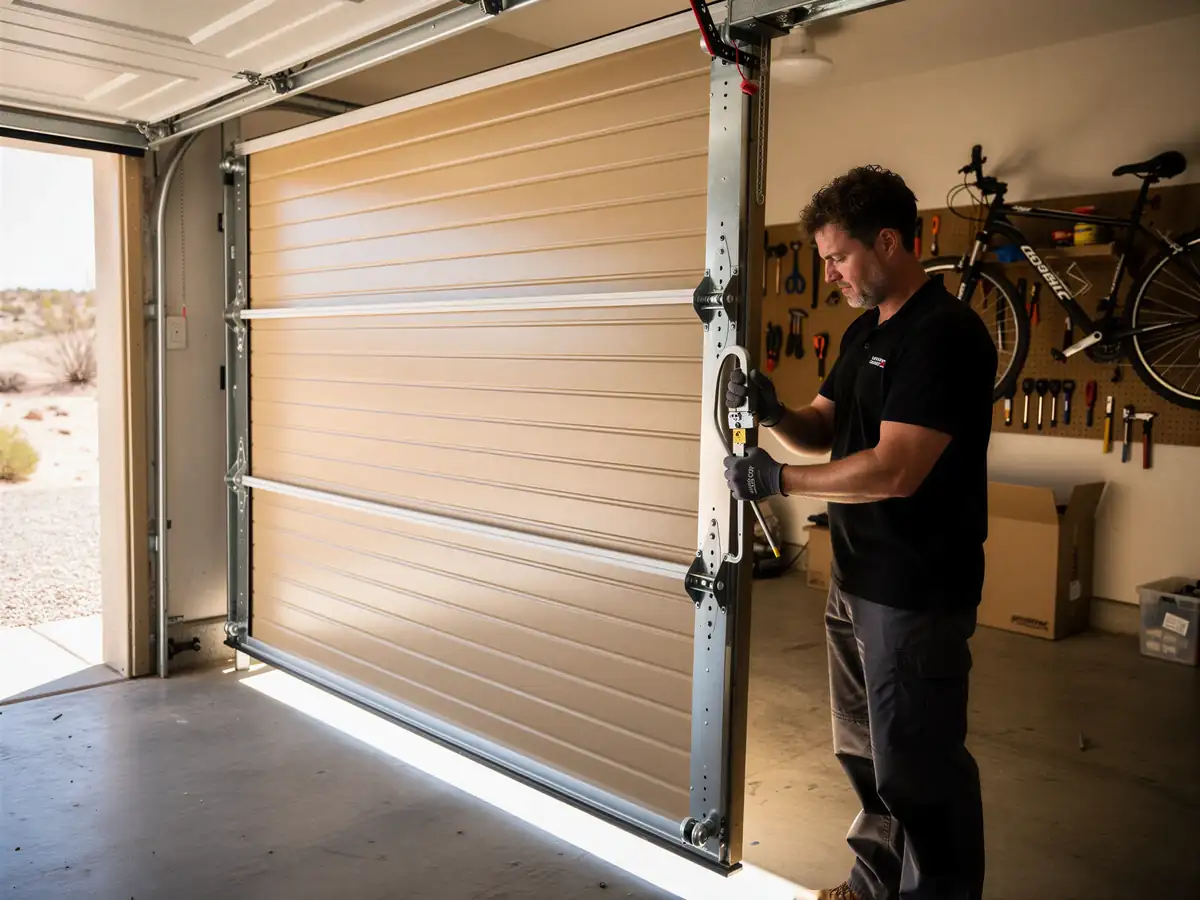
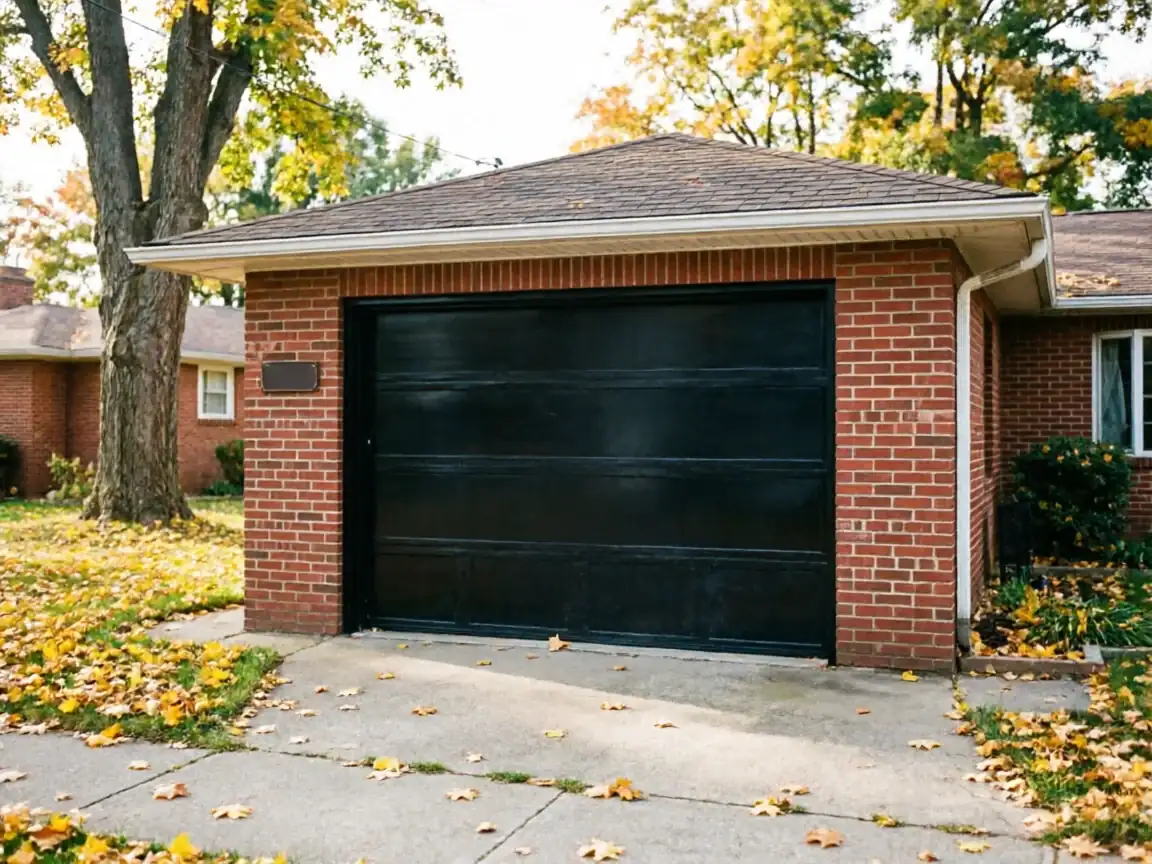
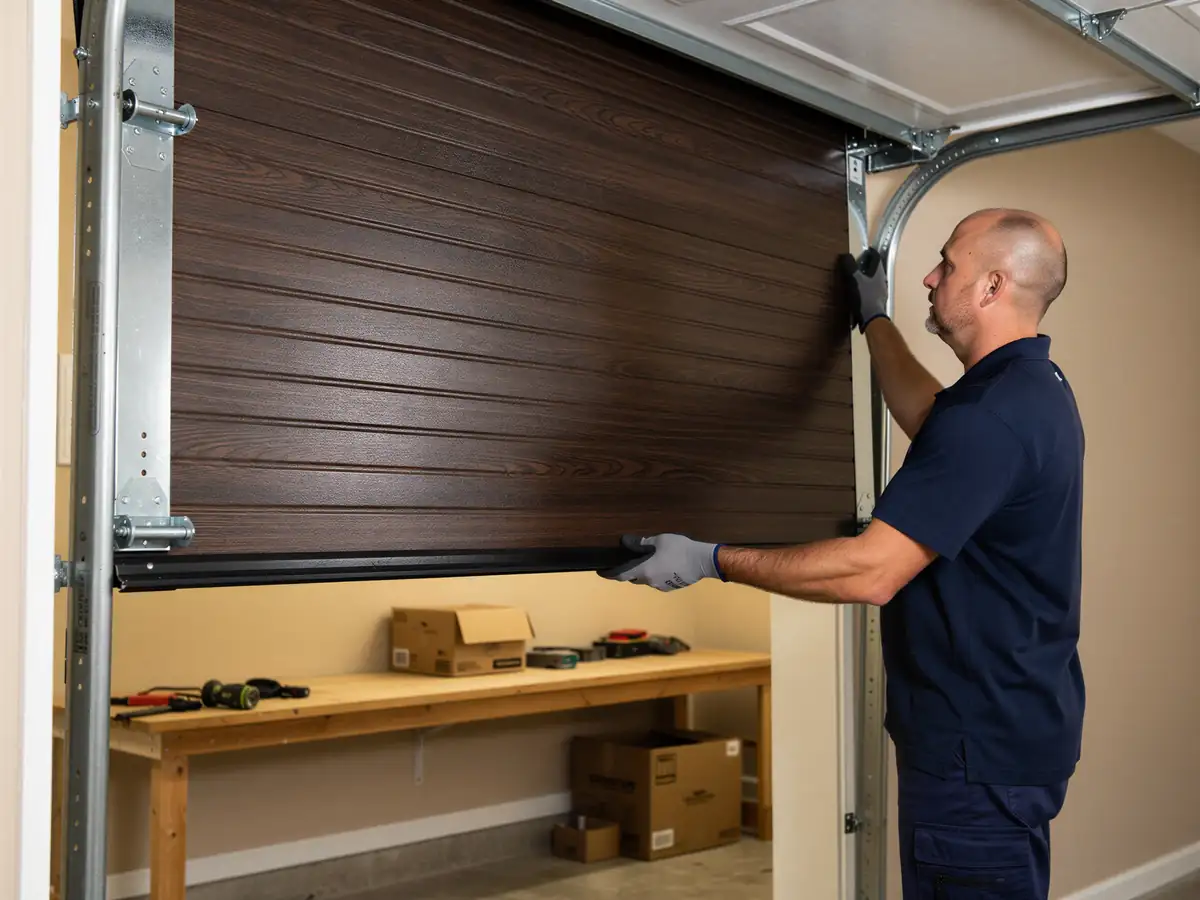
South St. Paul is a smaller market inside our coverage area, about 8,300 households, which means spring calls here come in steadily but not in the volume you'd see in a bigger suburb. We run this job from Lakeville, 18 miles out, so we don't pretend to have a crew sitting around the corner. What we can tell you is that a broken spring job itself, once the truck is on site, usually runs under two hours for a standard torsion replacement. The variable is scheduling the trip, not the repair. If your door won't open and the car's inside, say so when you call - that moves you up the list ahead of a door that's just making noise. We won't quote you a same-hour arrival for South St. Paul specifically, because that's not how the drive works, and we'd rather tell you that now than after you've waited on a promise we didn't make.
What Can Go Wrong
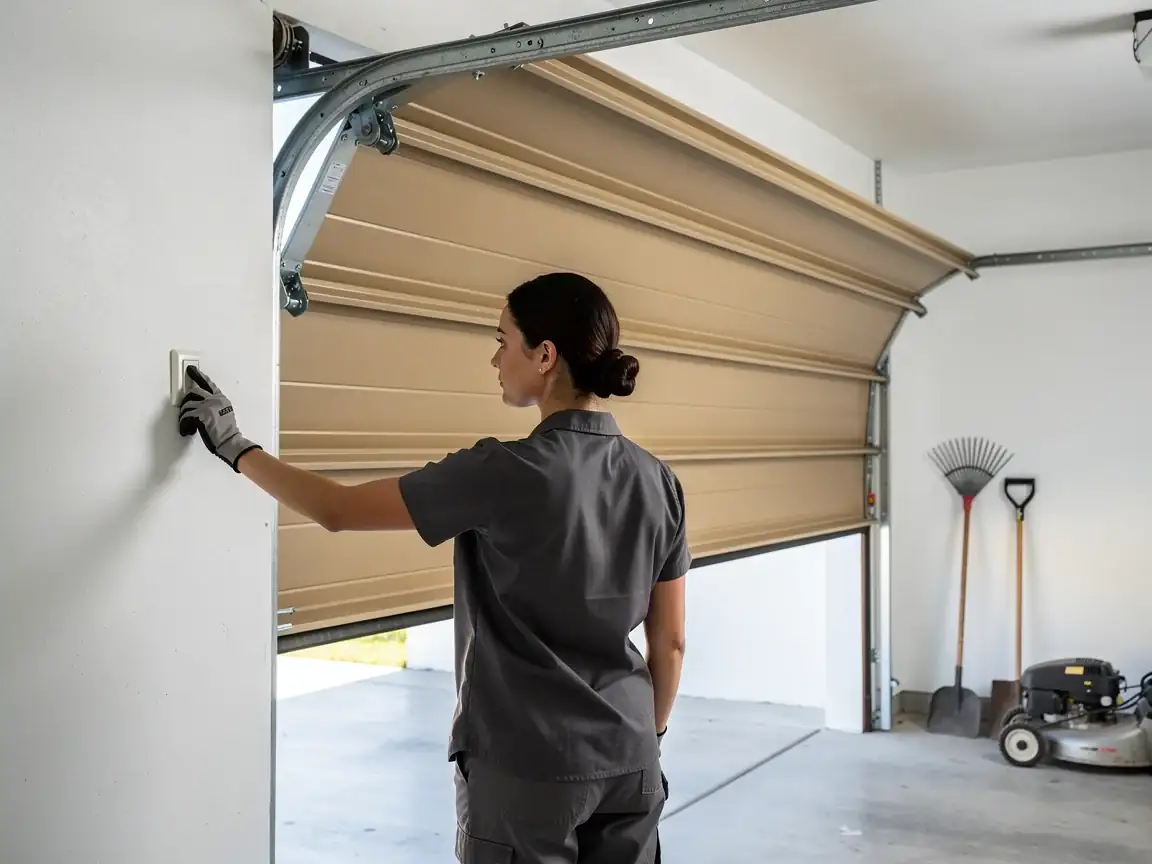
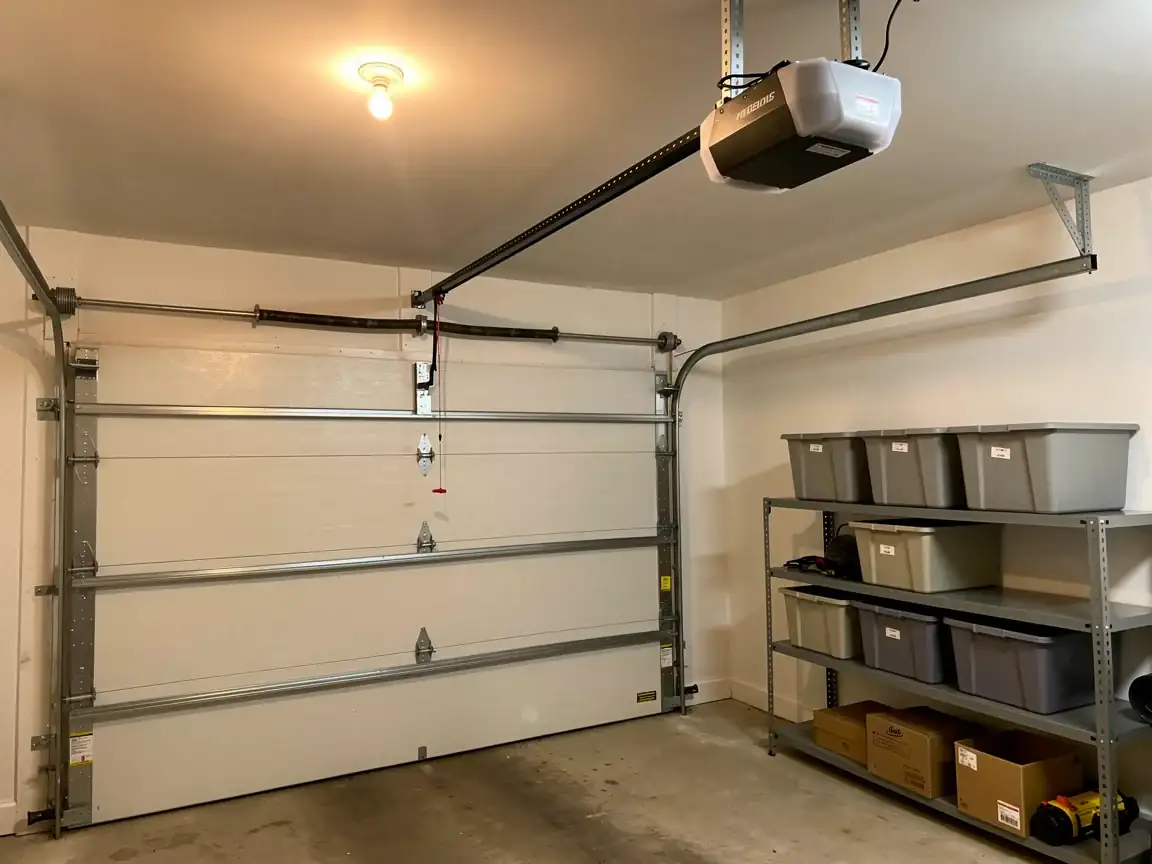
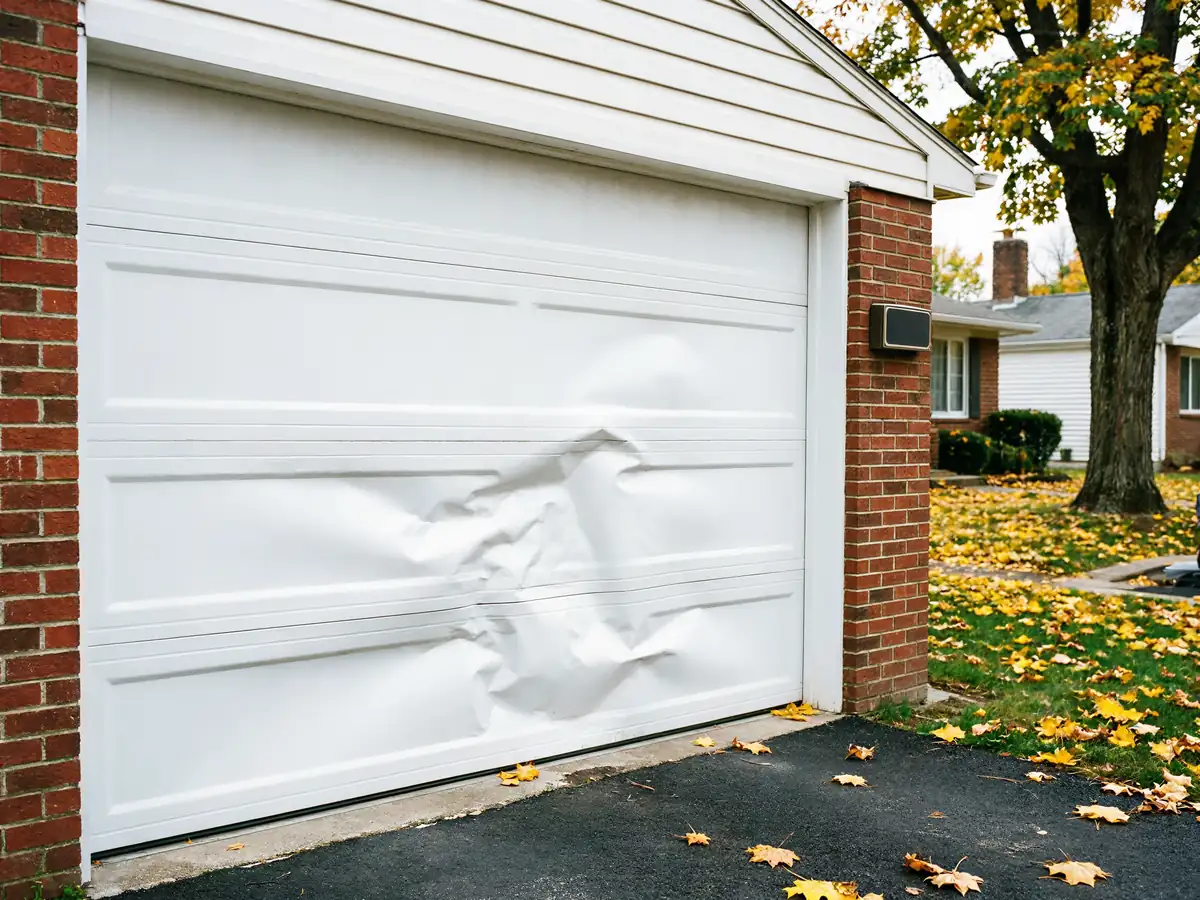
Most calls we take are one of three things: a torsion spring that's snapped clean through (you'll hear it - a loud bang, often when nobody's home), a cable that's jumped the drum because the spring was already weak and unbalanced the door, or an extension spring on an older two-spring setup that's stretched out and lost tension. On a lot of South St. Paul's older doors, you'll also find a single spring doing the work of two, because that's how torsion setups were built before dual-spring became standard. When that one spring goes, the door doesn't just stick - it can slam down hard if the opener tries to force it. We also see rollers and hinges failing around the same time as the spring, since they've usually been under the same cycle count for just as many years. Fixing the spring and ignoring a cracked roller just means a second call sooner than you'd like.
Doing It Yourself
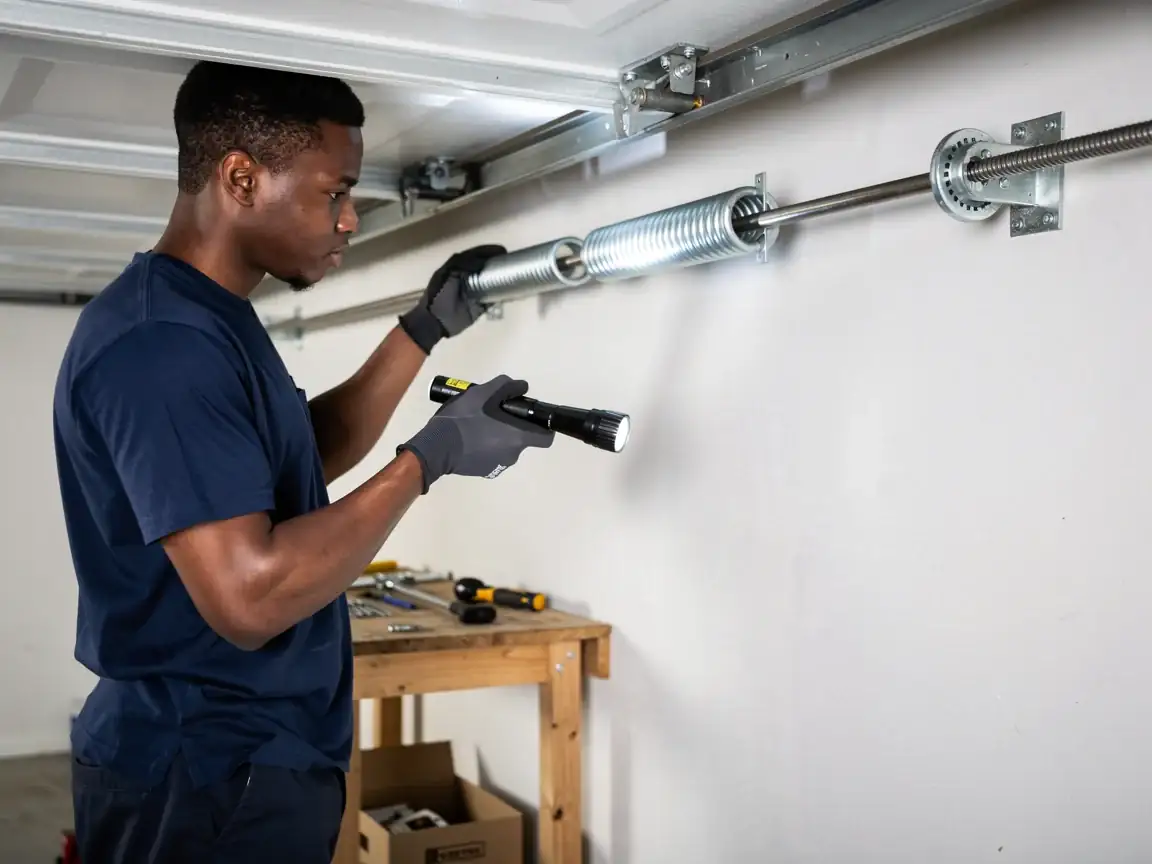
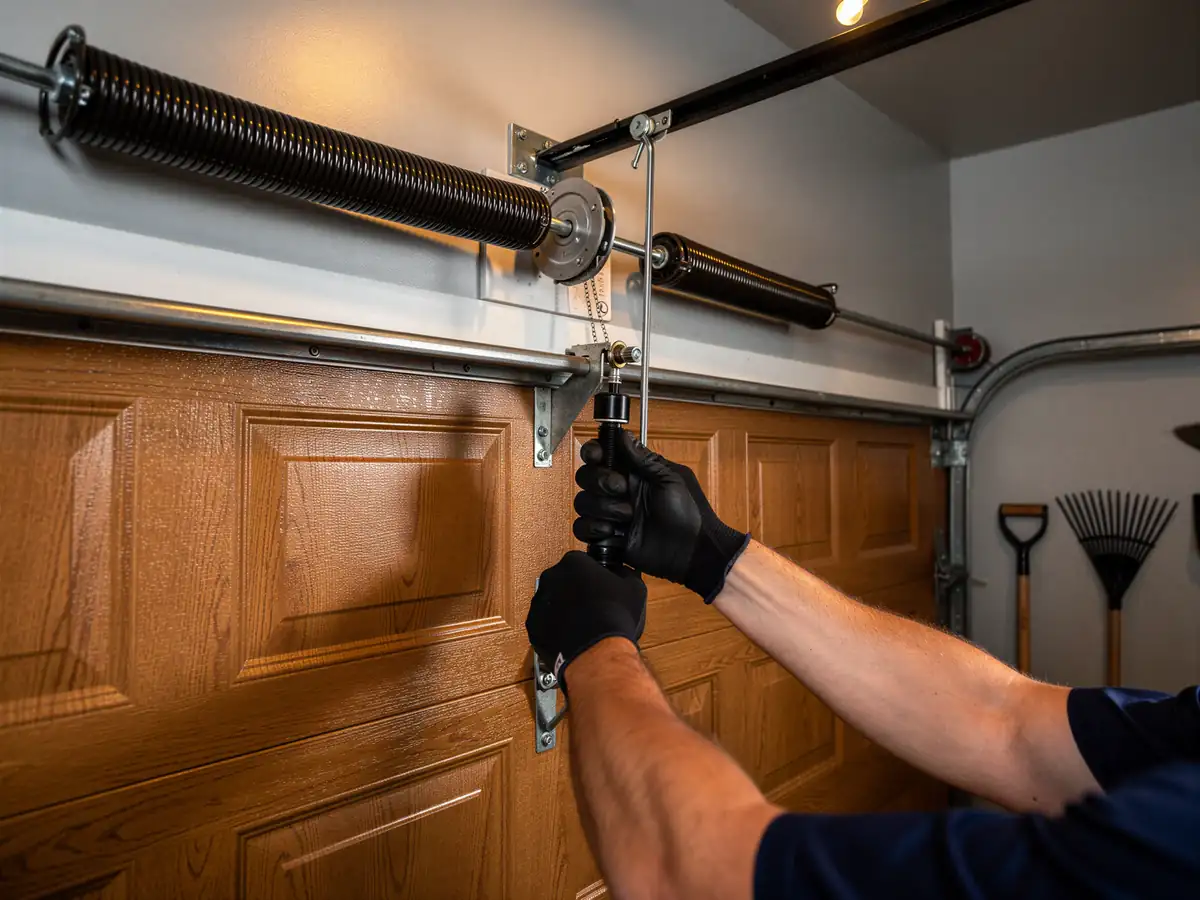
A garage door spring is a loaded piece of steel - a torsion spring on a standard residential door can hold well over a hundred pounds of stored force. We're not going to walk you through winding one yourself, and any guide telling you it's a weekend project is leaving out the part where people lose fingers or worse to a spring that slips off the winding bar. What you can safely do: check whether it's the spring or the opener by pulling the release cord and trying to lift the door by hand. If it's dead weight or slams down, that's spring tension gone. You can also look at the spring itself - a visible gap in the coil means it's broken, not just worn. Beyond that, call it in. One honest limitation: if the spring's gone but the drums, cables, or track are also bent or rusted through, replacing just the spring won't fix the door, and we'll tell you that instead of selling you a part that won't solve the problem.
What the Repair Takes
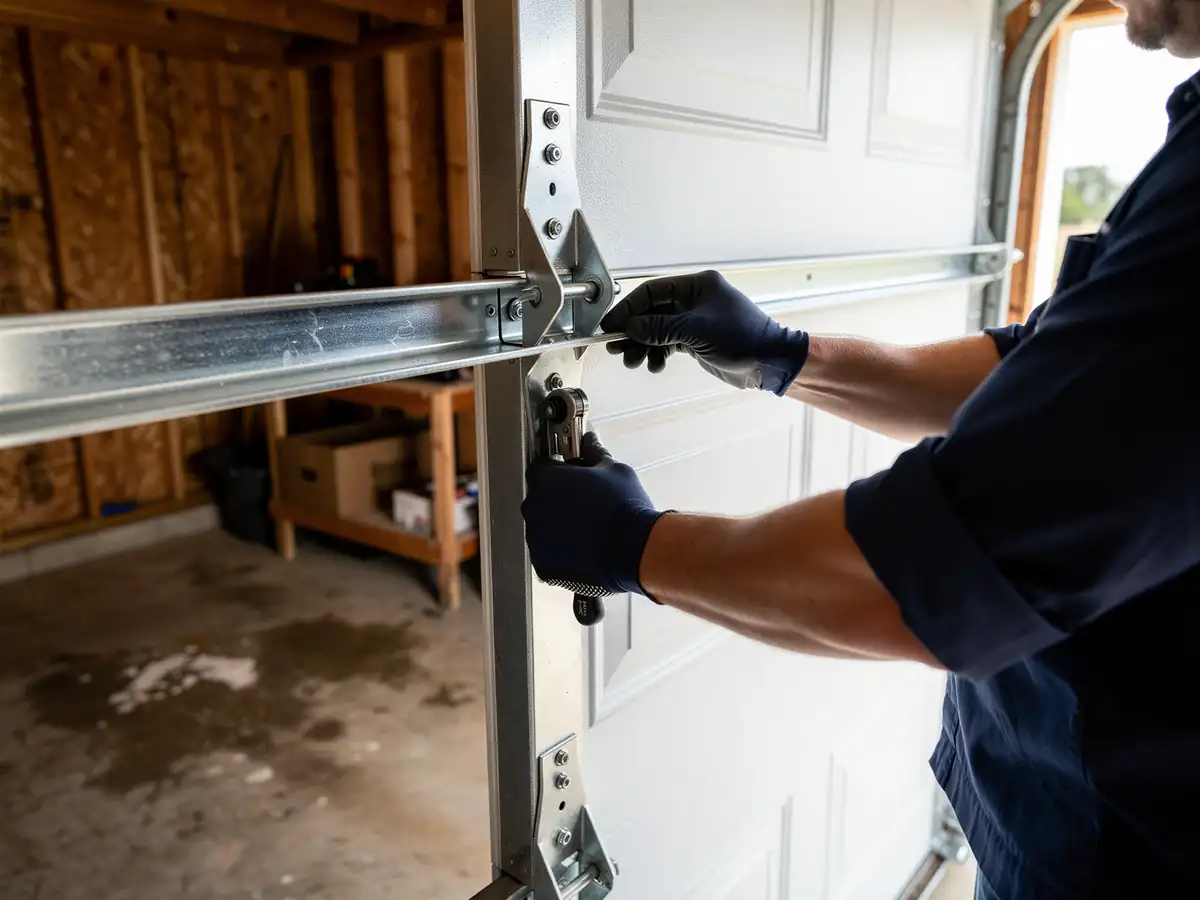
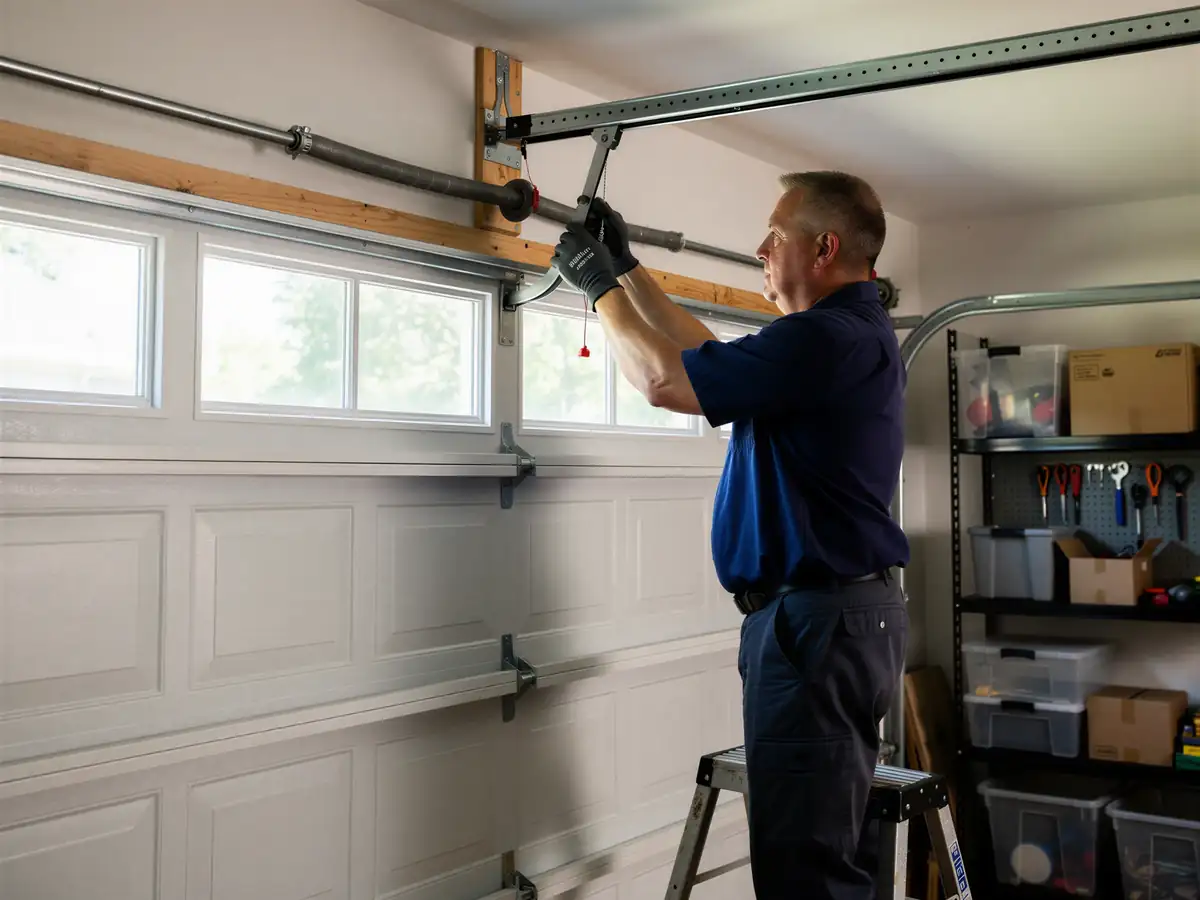
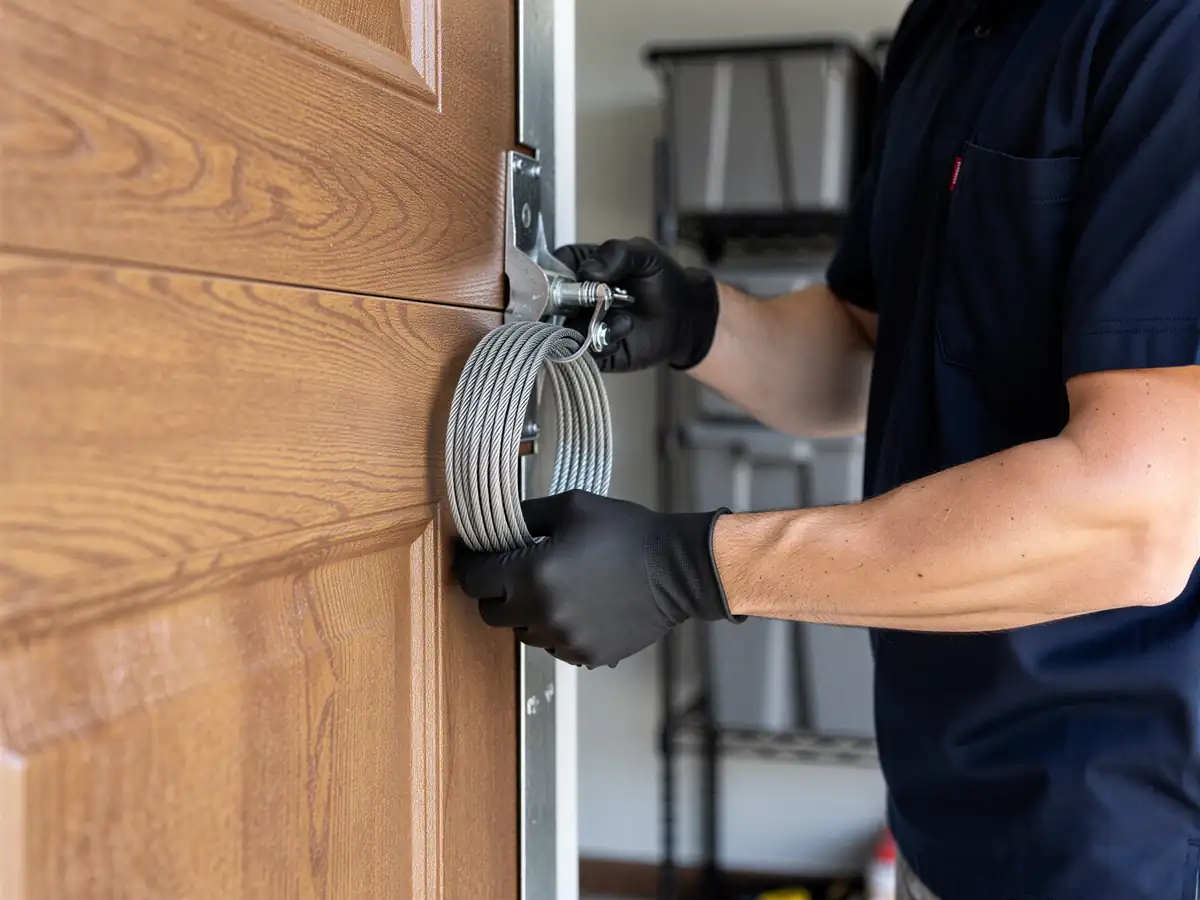
Standard torsion spring replacement means pulling the old spring off the shaft, matching the new one to the door's weight and cycle rating, and balancing the door so it holds position halfway open without the opener fighting it. On older South St. Paul doors still running single-spring torsion setups, we size the replacement to the door's actual weight rather than just swapping like-for-like, since the original spec from 1957 wasn't built around decades of added insulation or heavier panel materials some owners have retrofitted since. For extension-spring doors, the job includes checking the safety cables that are supposed to catch a spring if it snaps - older installs sometimes don't have them at all, and we'll flag that as a separate, smaller add rather than bundle it in without asking. Parts availability is the real honest limit here: a common torsion spring size we carry on the truck, but an odd length from a non-standard older install can mean a short order wait.