How Long You Are Without the Door
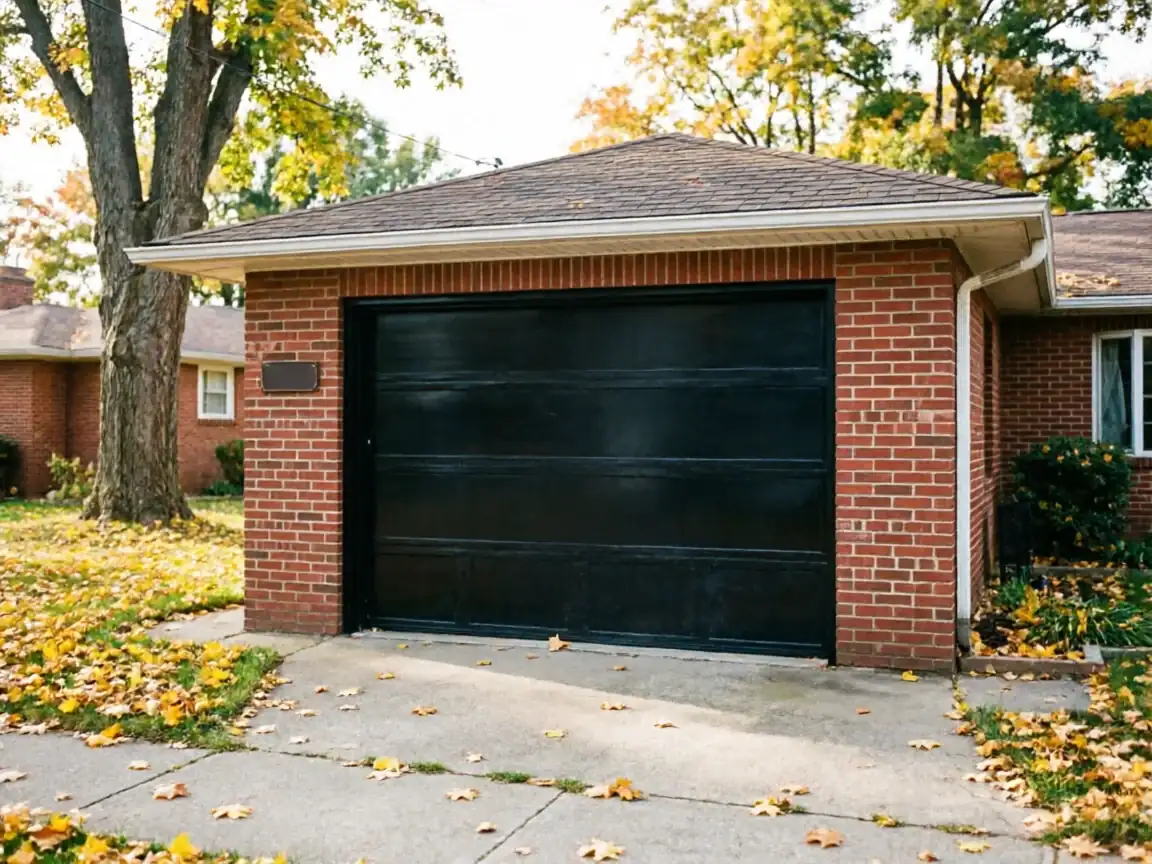
A snapped lift cable means the door won't move, full stop, and on a lot of South St. Paul houses that's a door hung on hardware nobody's touched since the Eisenhower administration. The median home here went up around 1957, which is nearly thirty years ahead of the 1984 median across the rest of the area we cover out of Lakeville. That gap matters because older cable runs, drums, and pulleys were never swapped out when the door or opener got updated later - so what looks like a simple cable job sometimes turns into a drum or pulley replacement once we're actually looking at it. We come from Lakeville, 18 miles out, so we don't walk a job same-hour the way a shop sitting in town could. We schedule the visit, we bring the stock sizes that cover most of what's out there, and if your drum or pulley is a size we don't carry on the truck, that part has to be ordered - which adds time you should plan for, not get surprised by.
What Can Go Wrong
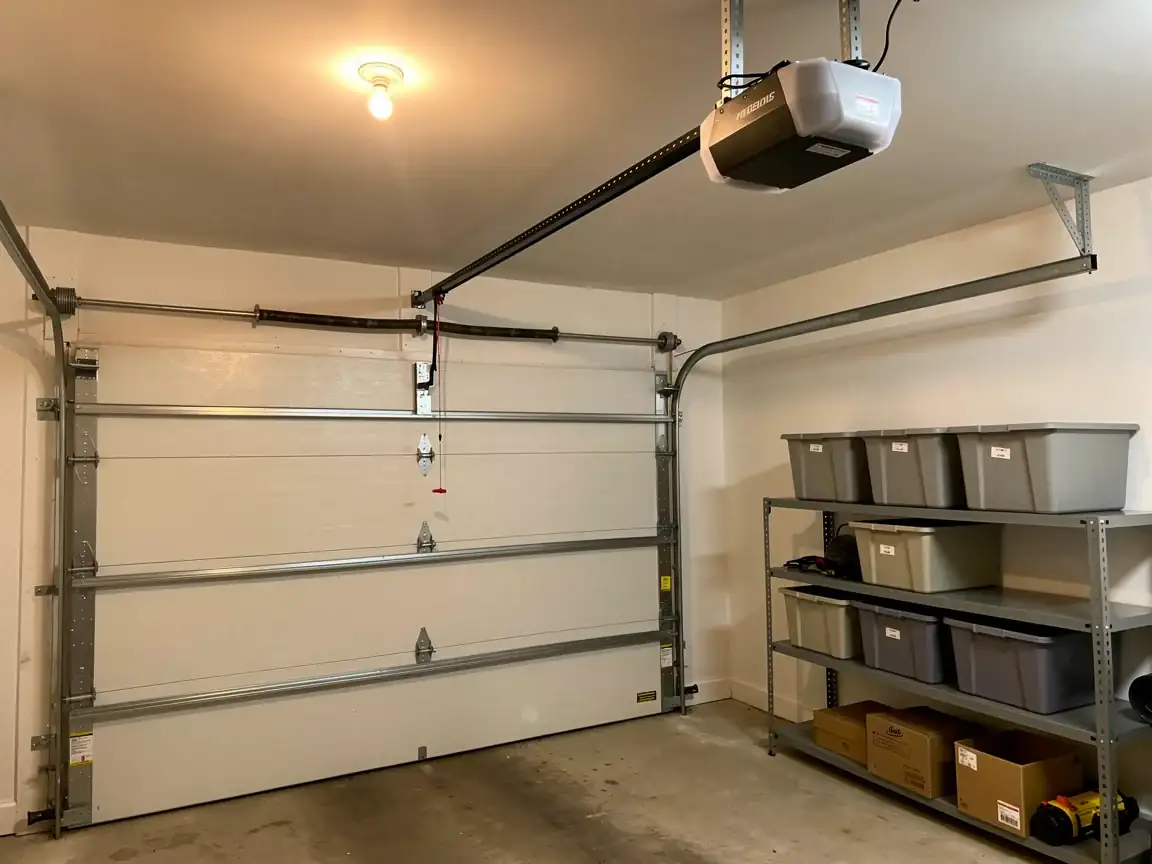
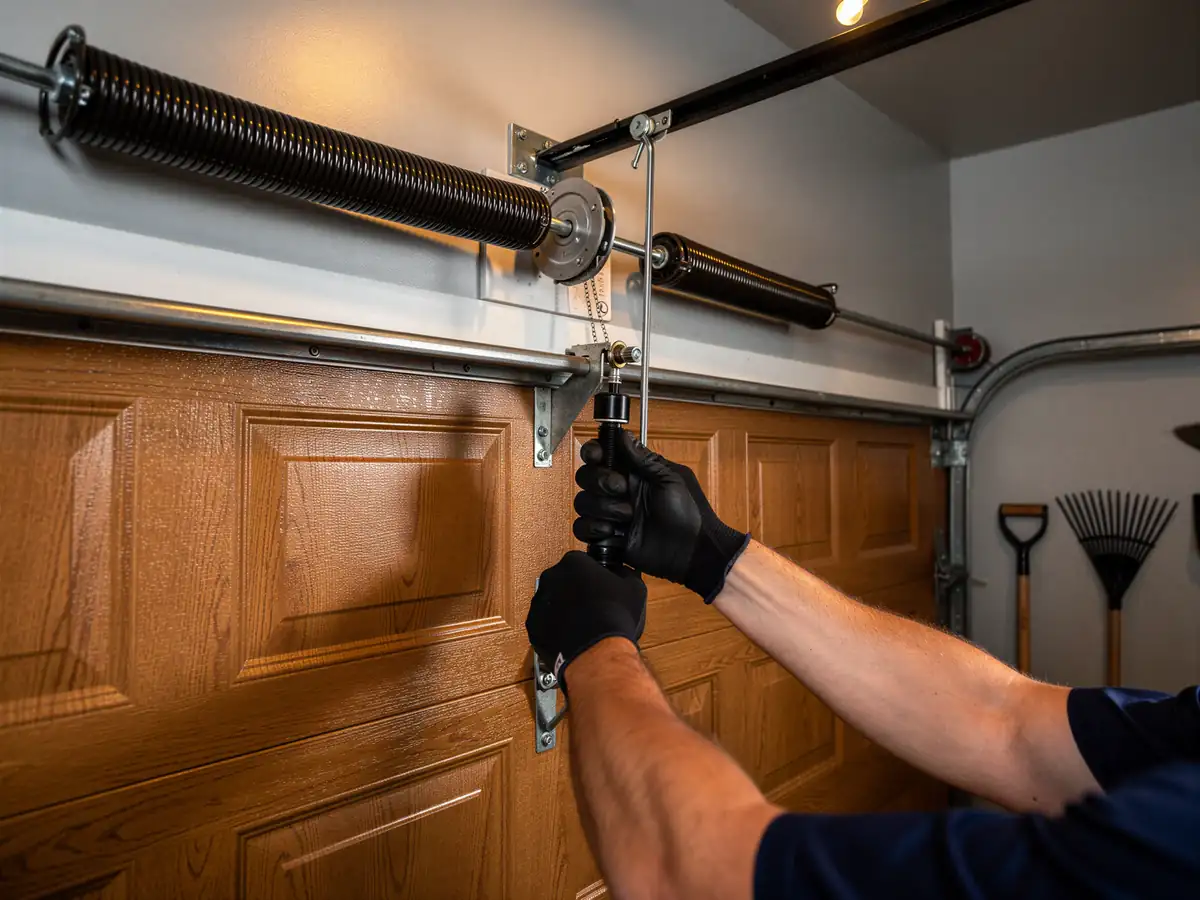
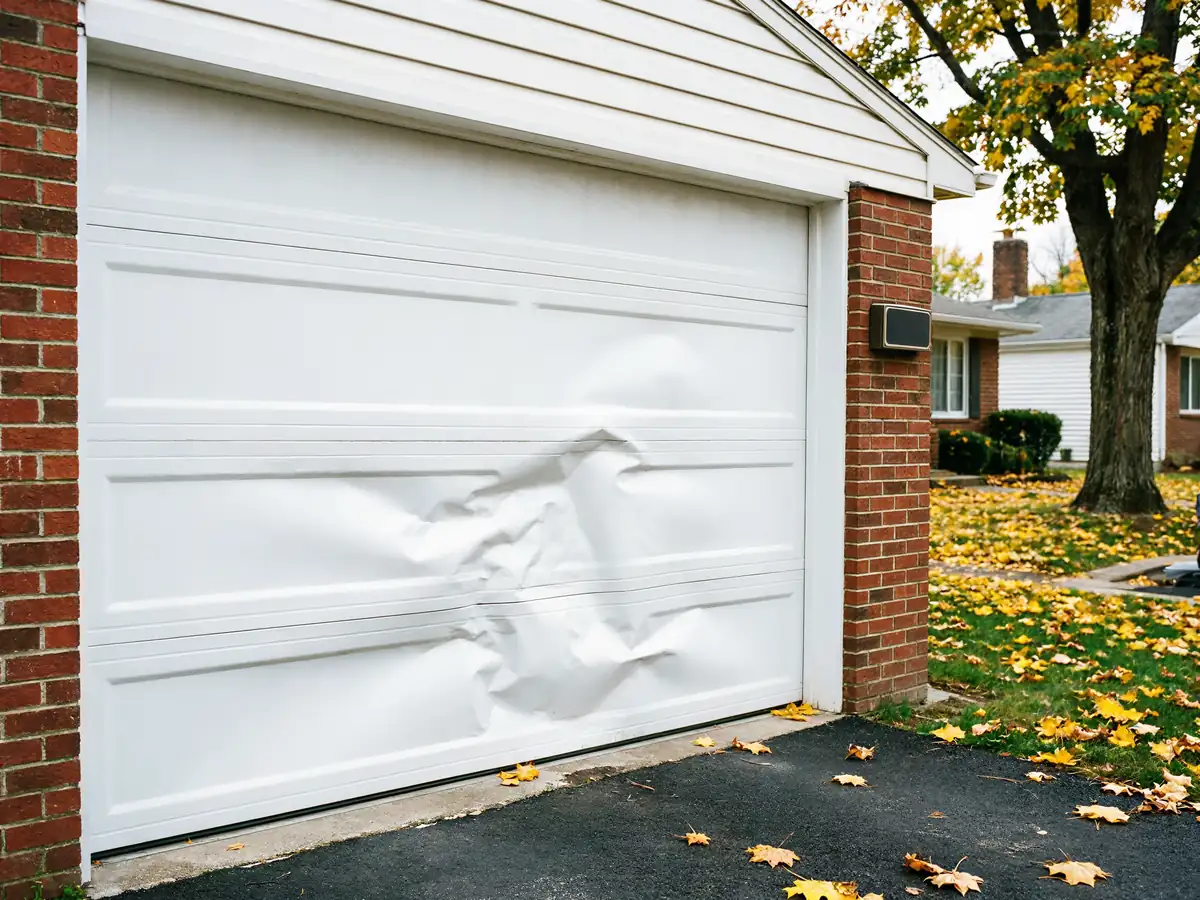
On a torsion-spring door, one cable frays or snaps and the door racks sideways in the opening - you'll see it hanging crooked, one corner low. On an older extension-spring setup, which is common on houses from this era that never got a torsion conversion, a broken cable can let the door drop hard and fast, especially if the safety cable that's supposed to catch a flying spring was never added. A lot of 1950s installs predate that safety cable as standard practice. Rust is the other common failure mode: a galvanized cable that's sat through enough Minnesota winters develops broken strands near the drum, and it lets go without much warning. Rollers and hinges on original hardware wear the same way, so a cable failure on an older door often shows up alongside a stiff track or a roller that's seized.
Doing It Yourself
Don't. A cable under tension on a torsion or extension system can take a finger or worse if it lets go while you're working on it, and the spring behind it is storing real force. If the door is down and the cable is visibly snapped, the safest thing you can do yourself is leave the opener unplugged, keep the area clear, and not force the door by hand. That's it. Diagnosing whether it's just the cable, or the cable plus a worn drum or a spring that's next to go, takes pulling the door apart with the right clamps - not a weekend project with a ladder.
What the Repair Takes
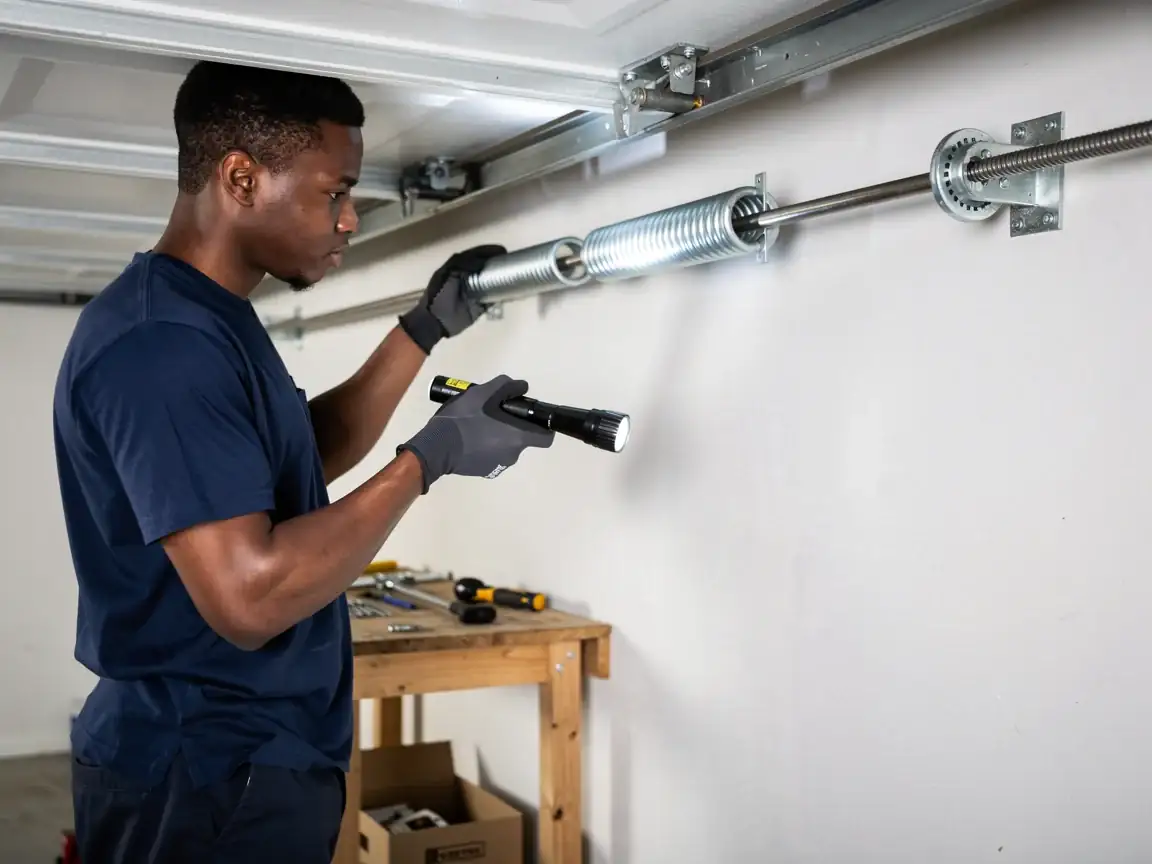
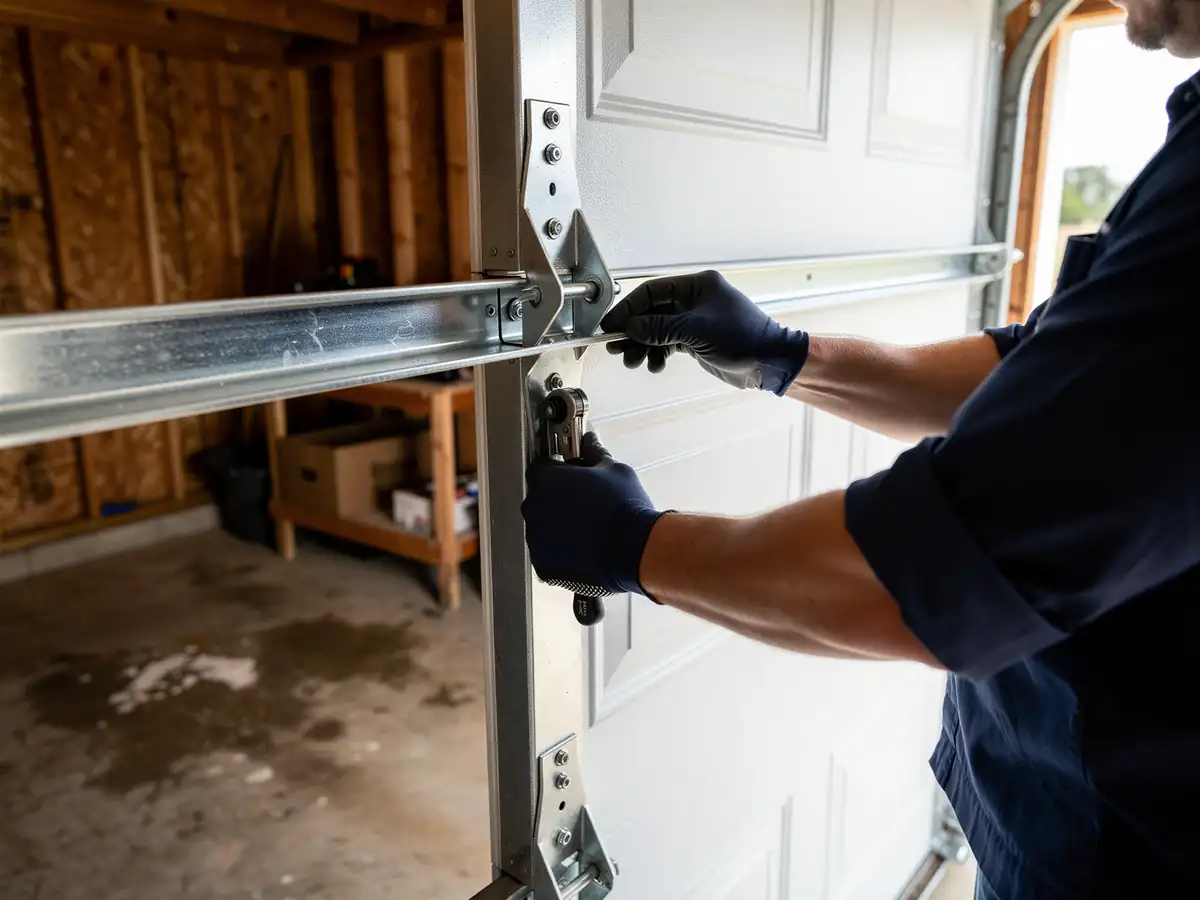
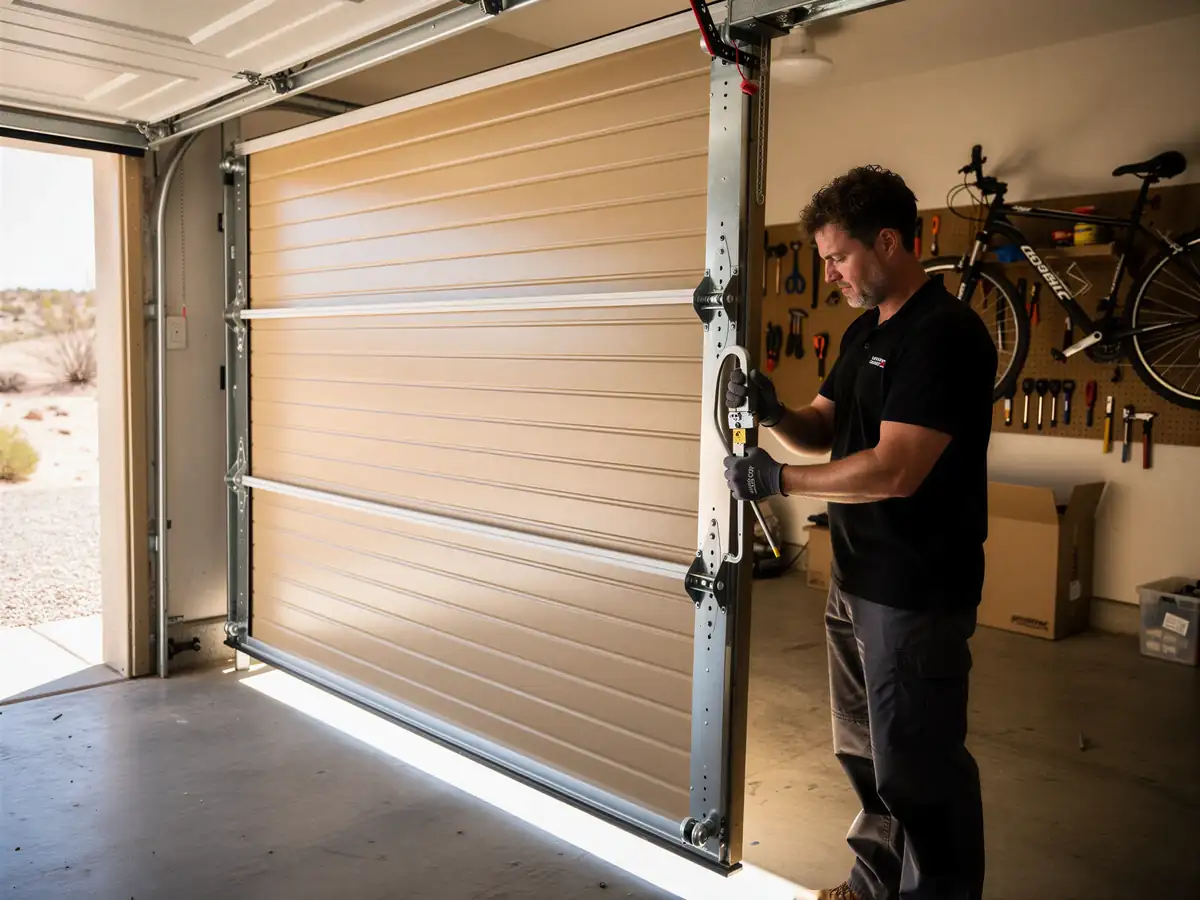
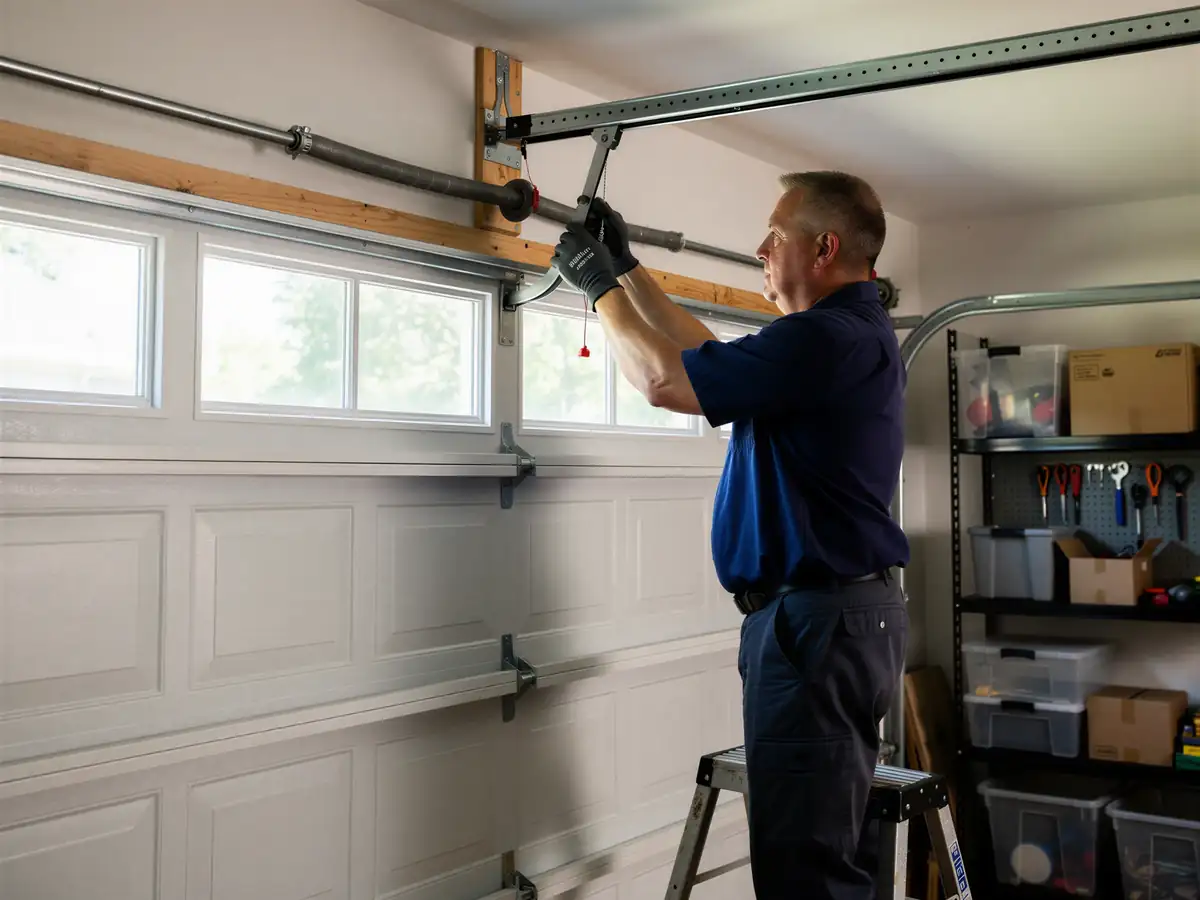
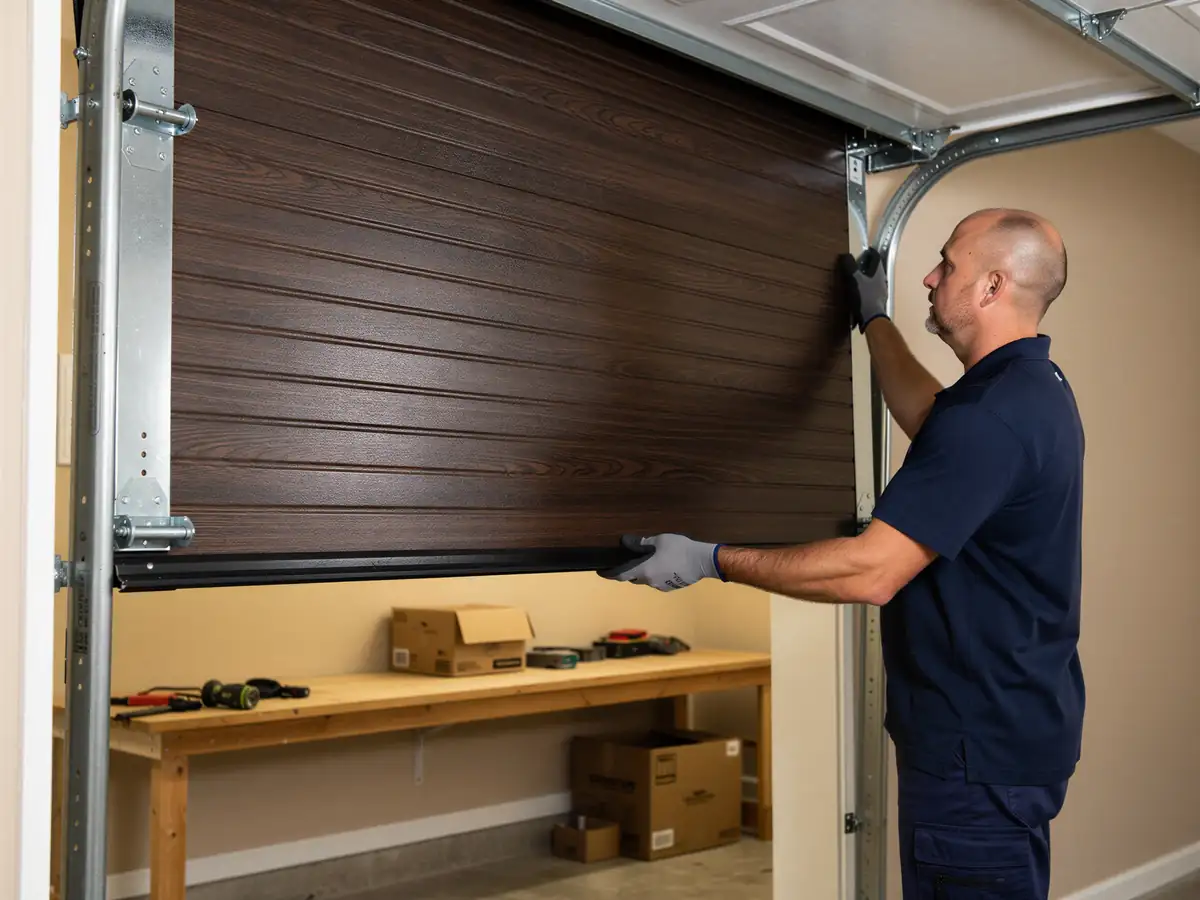
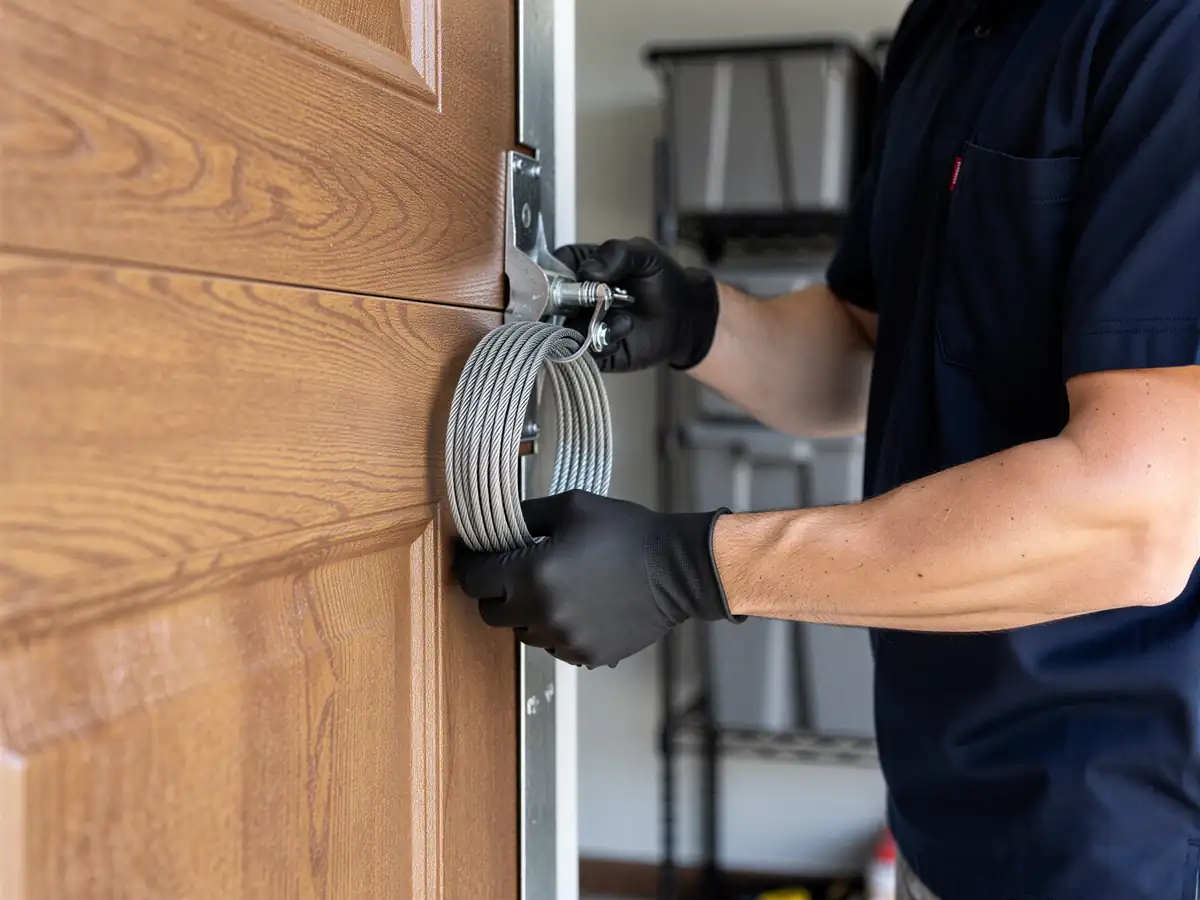
We replace the cable, check the drum and pulley it rides on for grooving or wear, and inspect the spring system while we're in there, since on a door this age a cable failure often isn't an isolated event. If the drum or pulley is an older or oversized part not in standard stock, that piece gets ordered and the job runs in two visits instead of one - we'll tell you straight if that's the case rather than force a fit. We also check for a missing safety cable on extension-spring setups and can add one while the door's open.