What Was Built Here
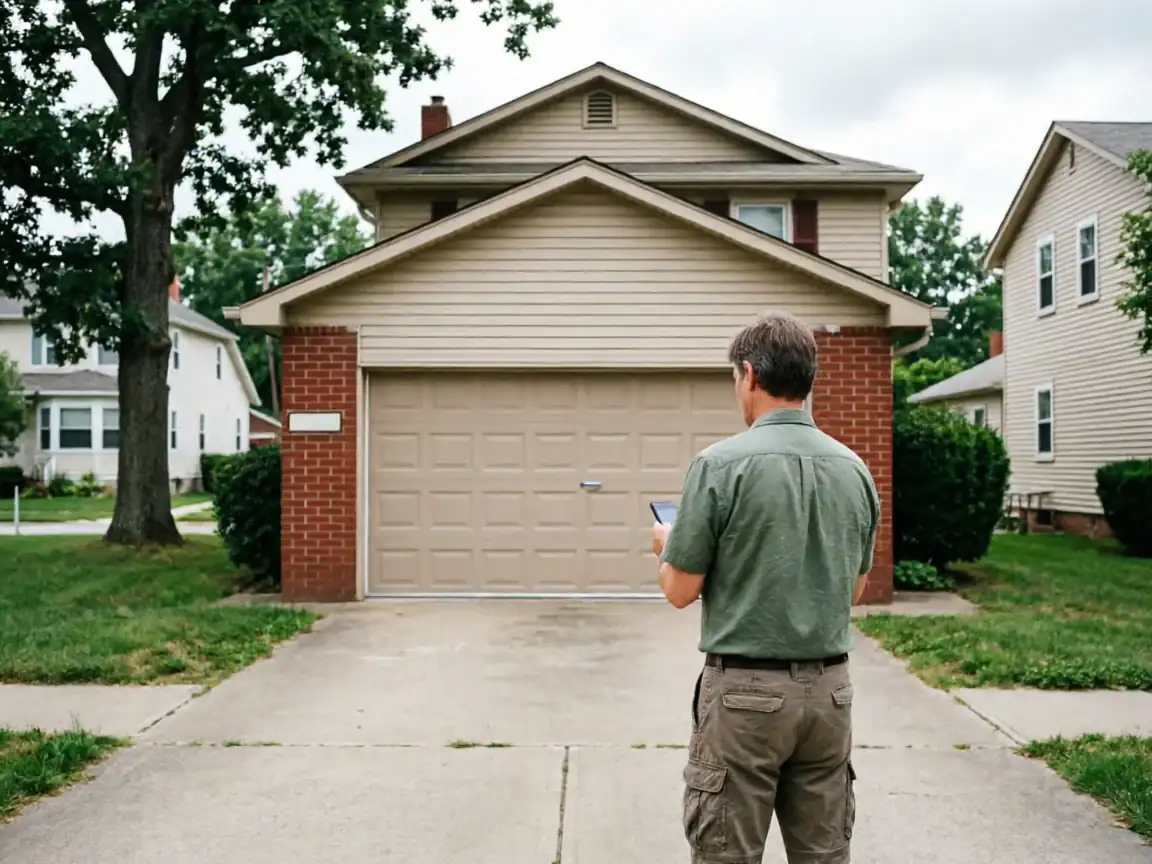
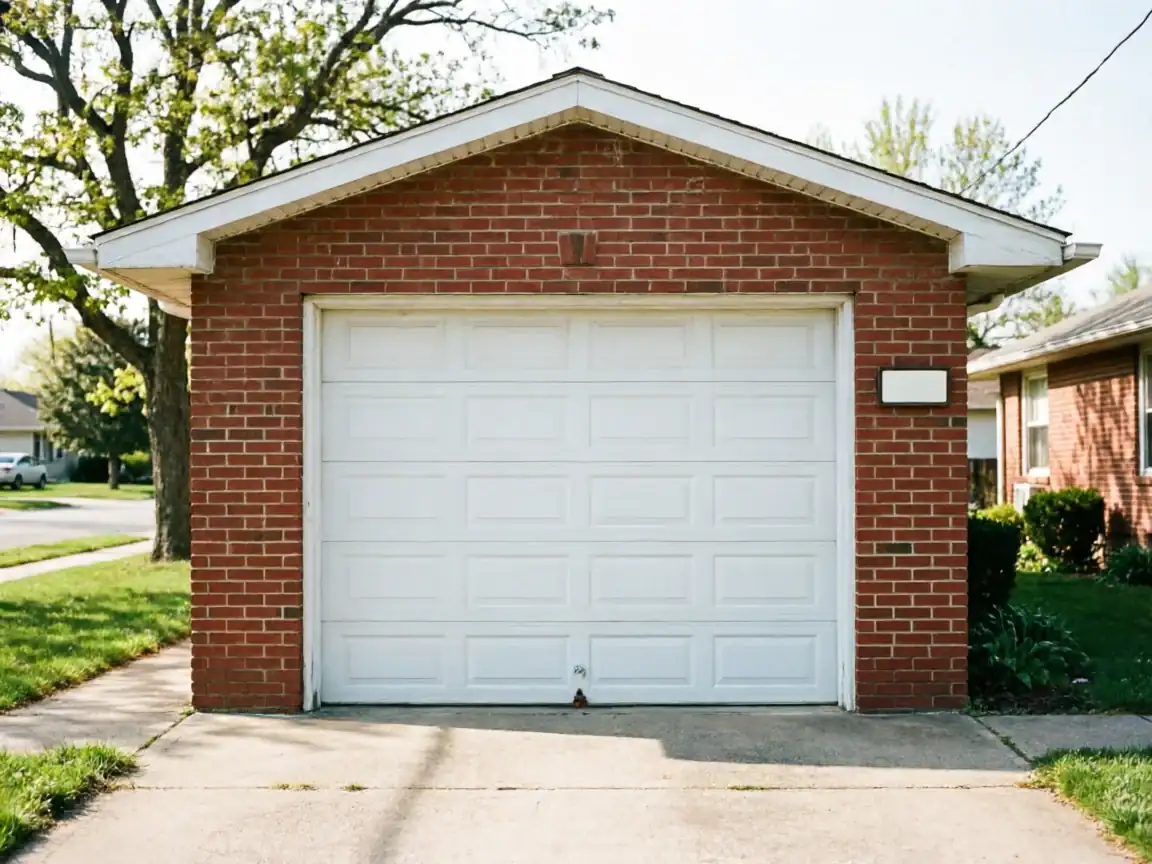
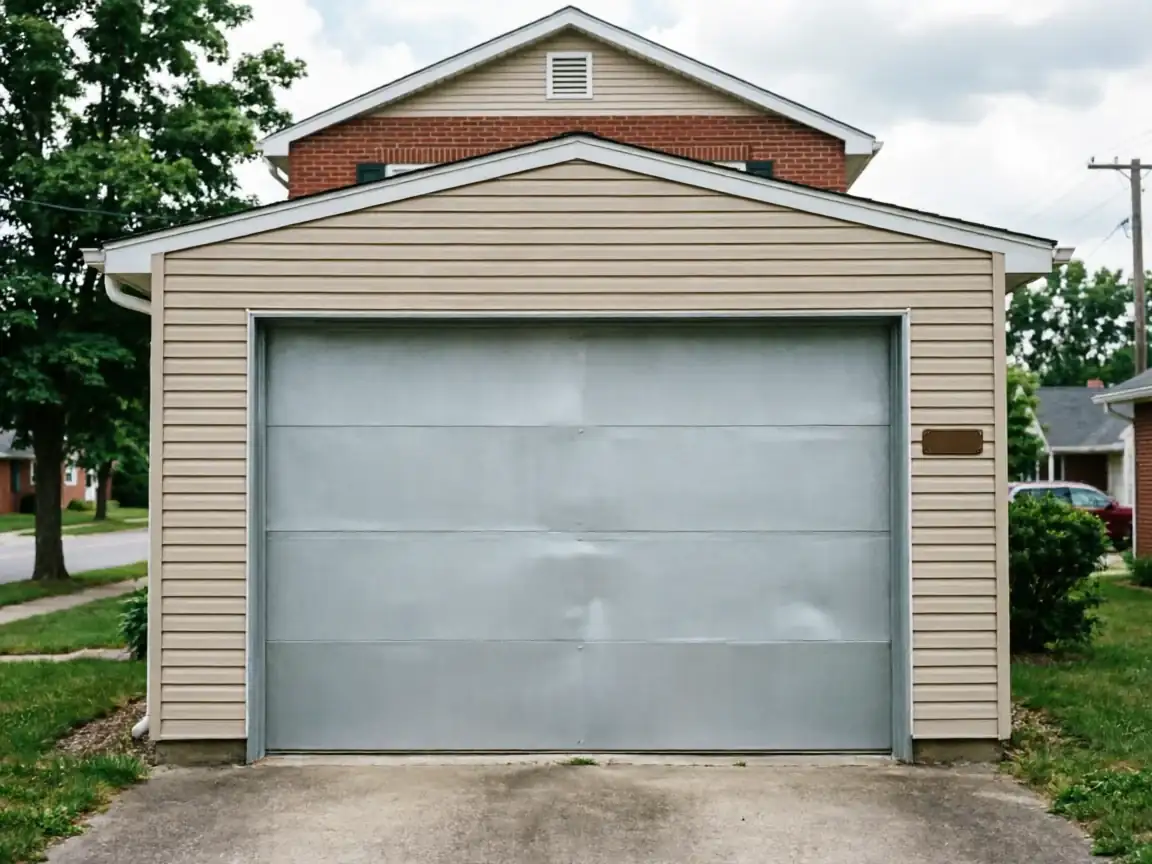
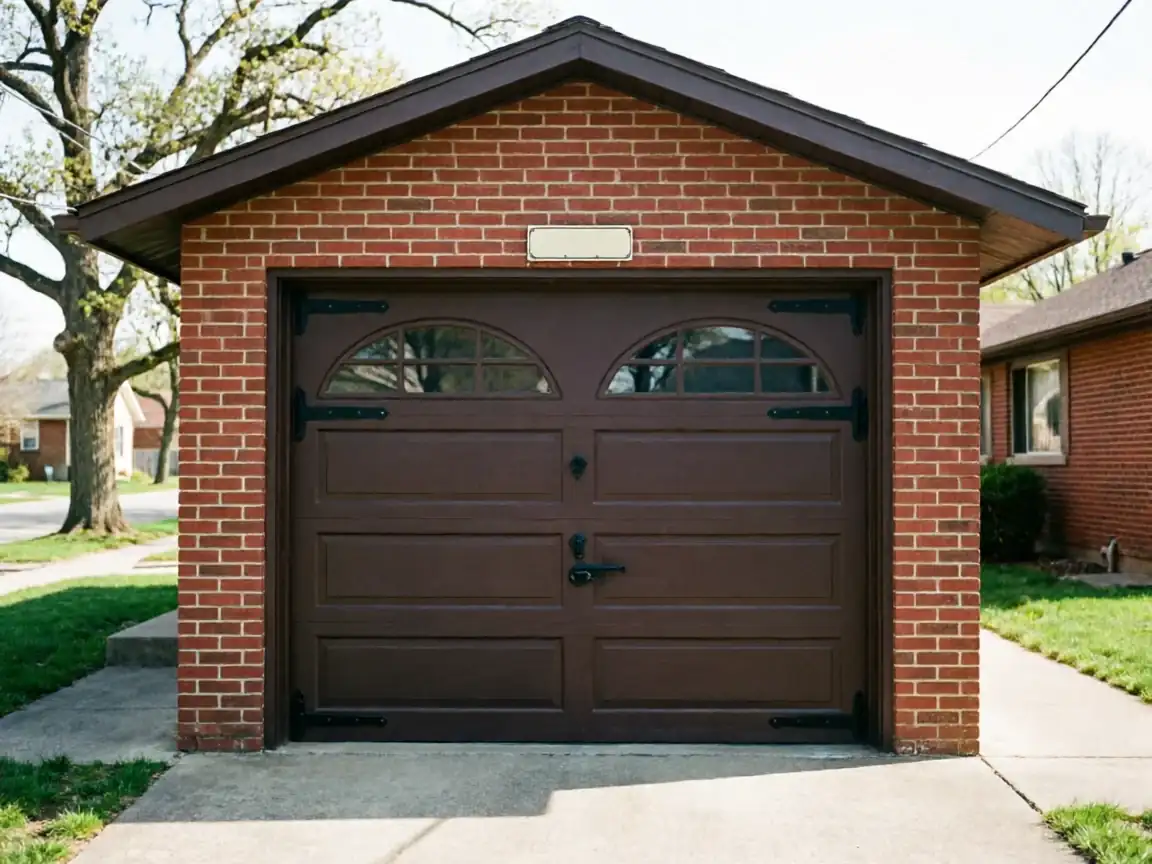
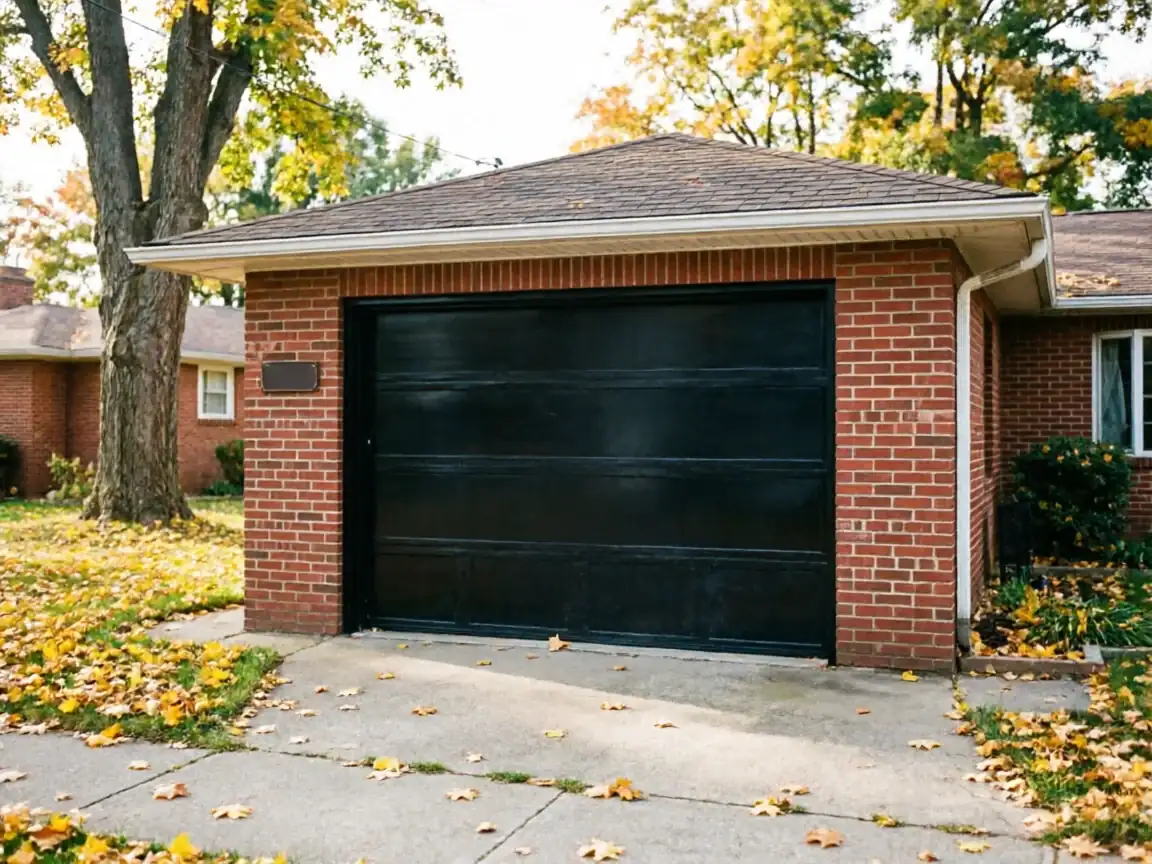
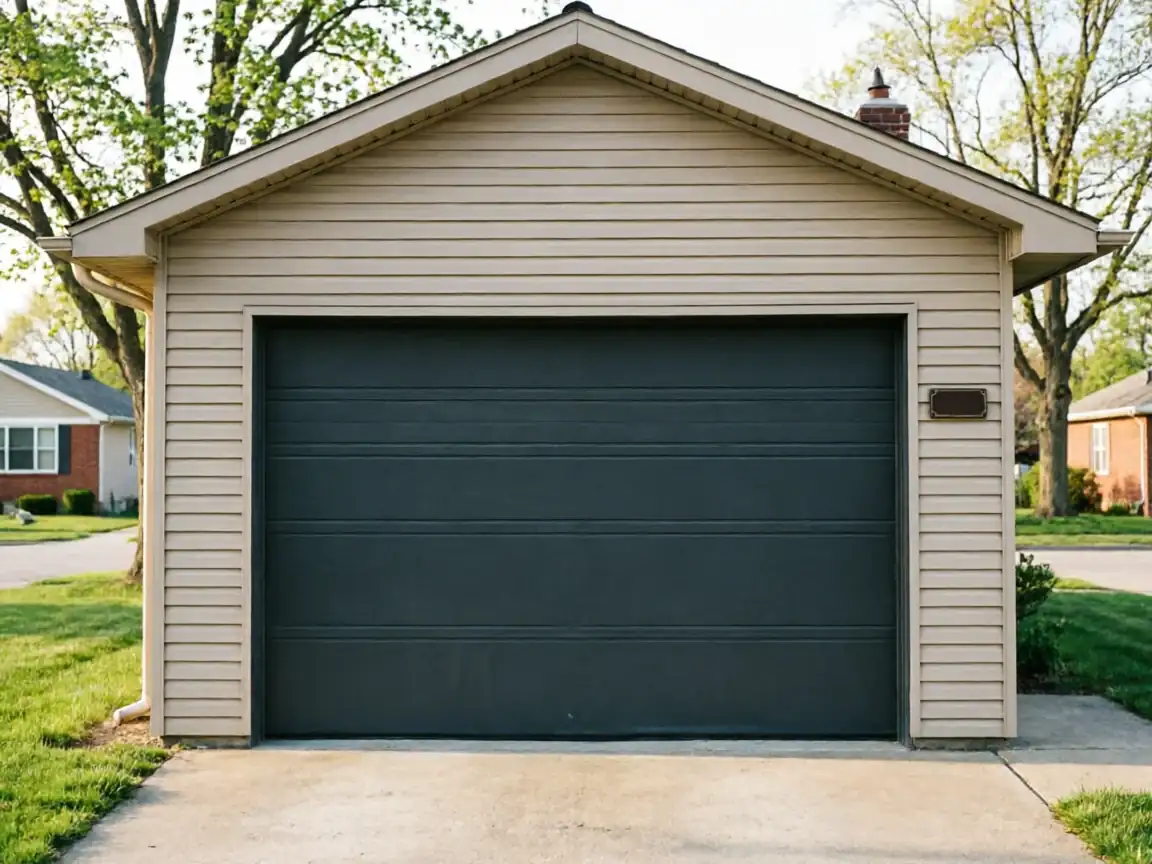
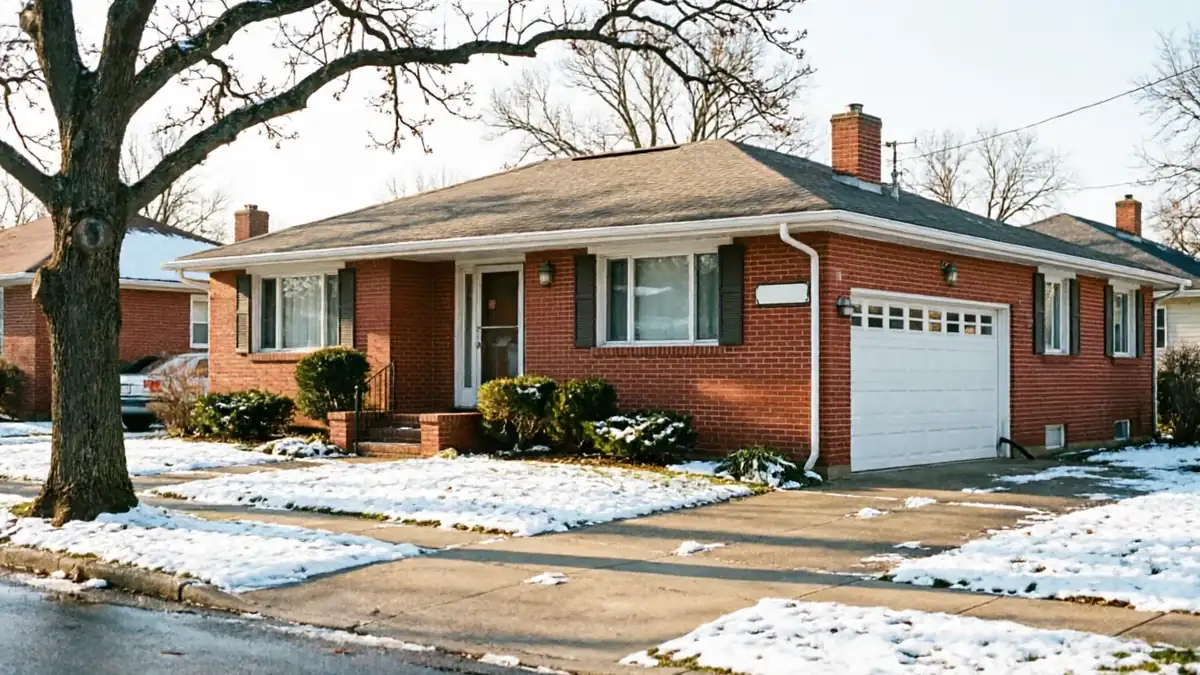
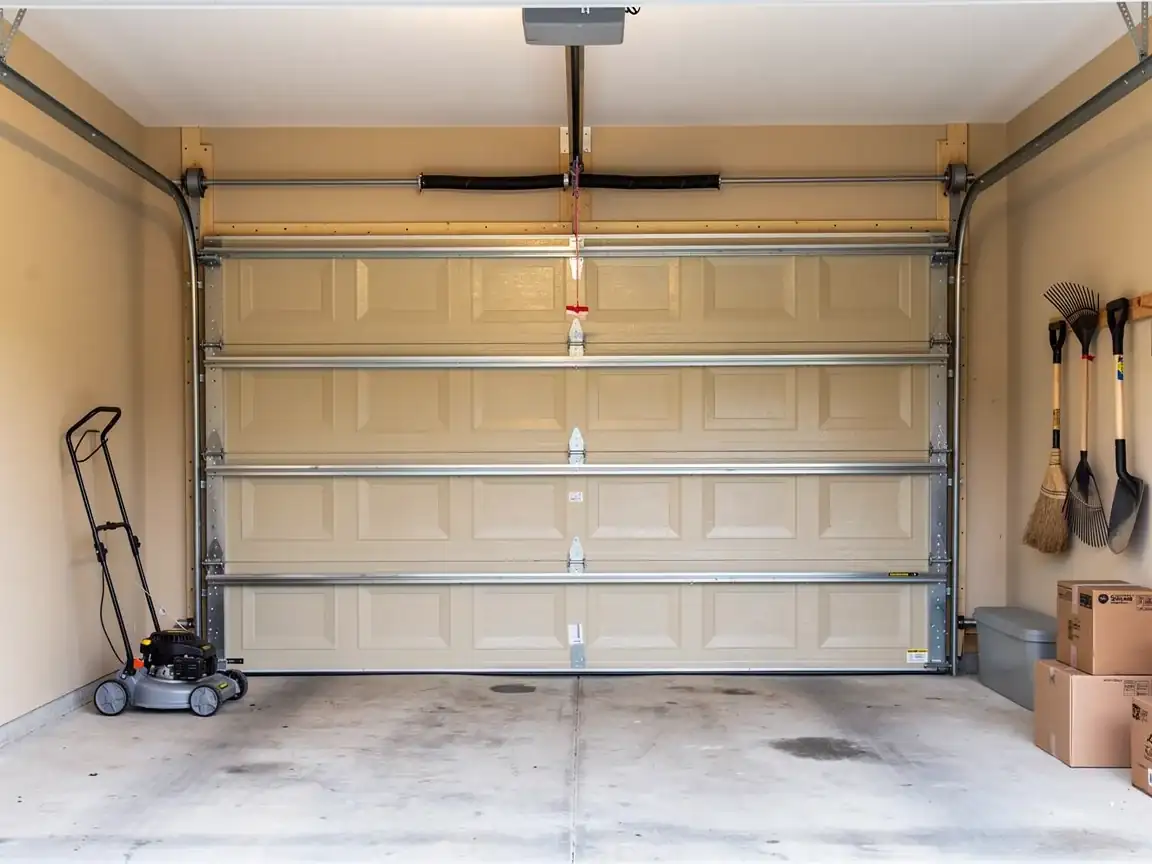
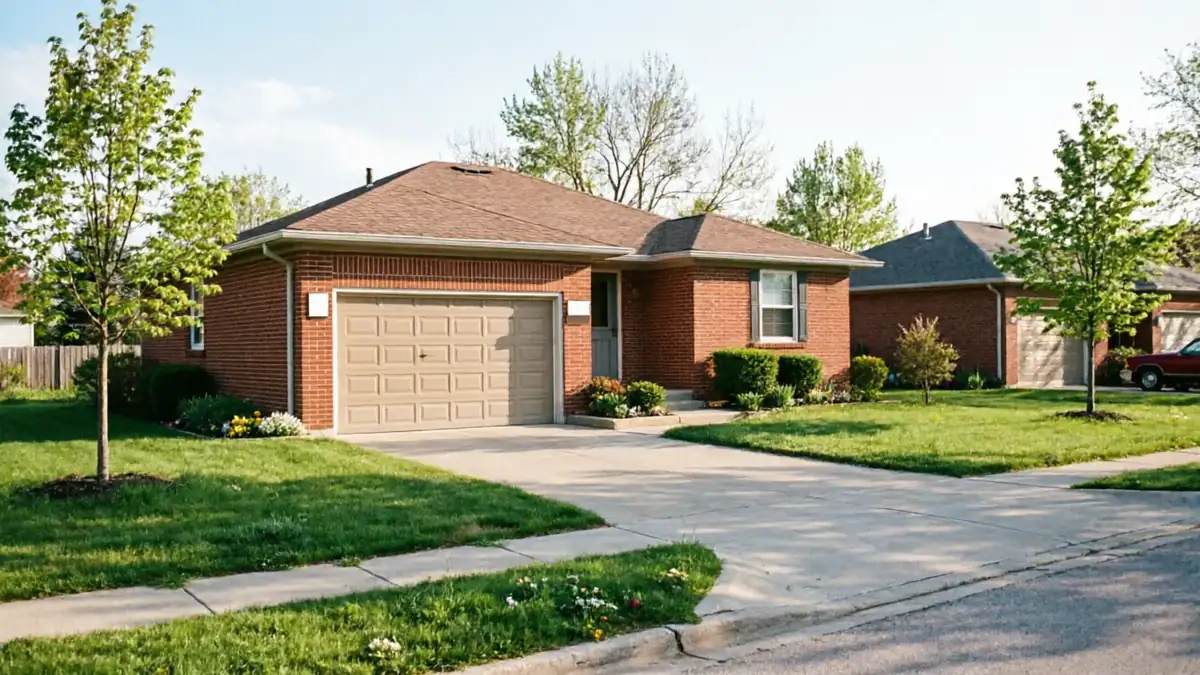
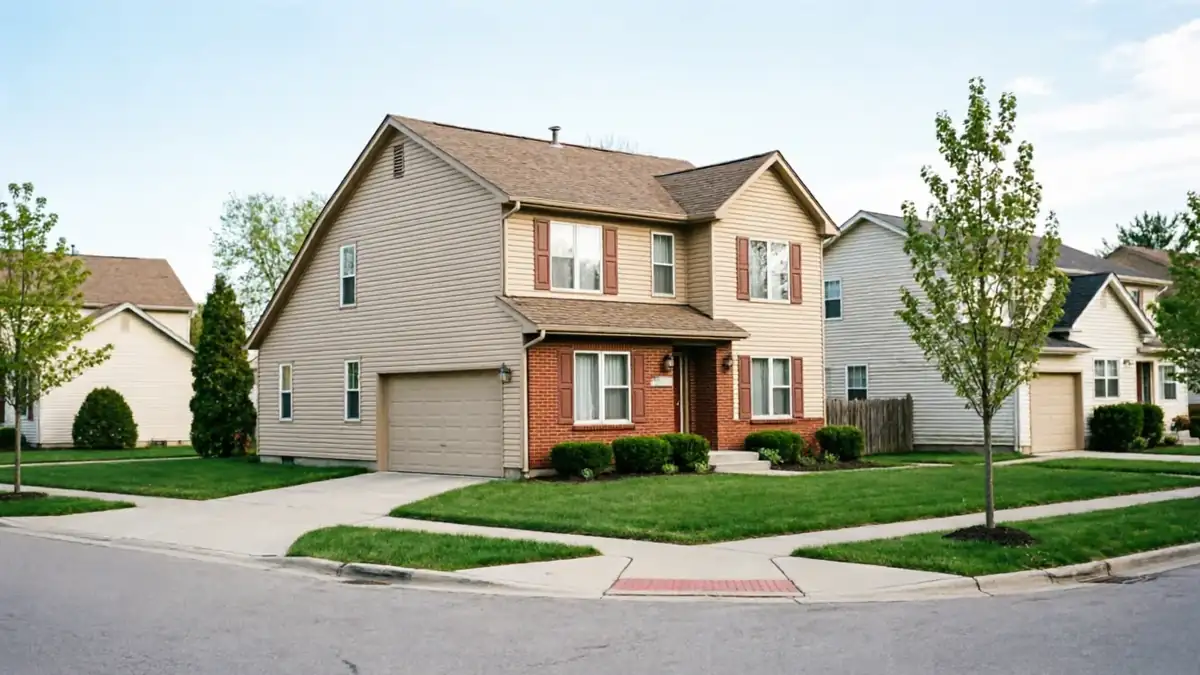
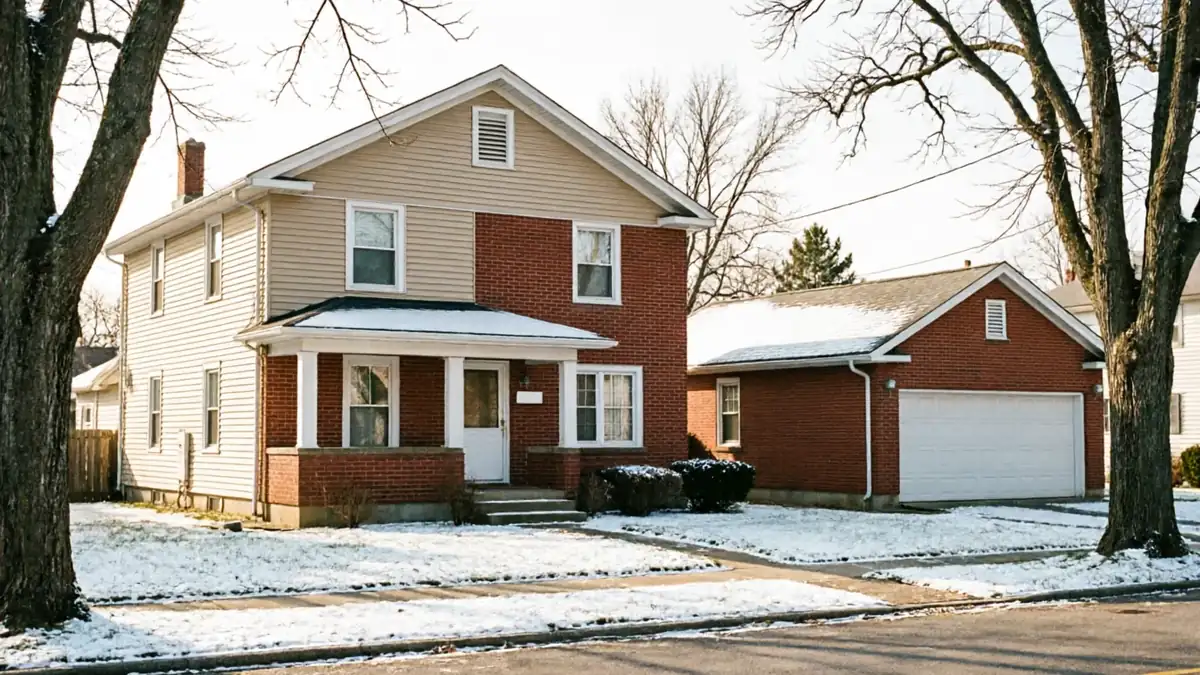
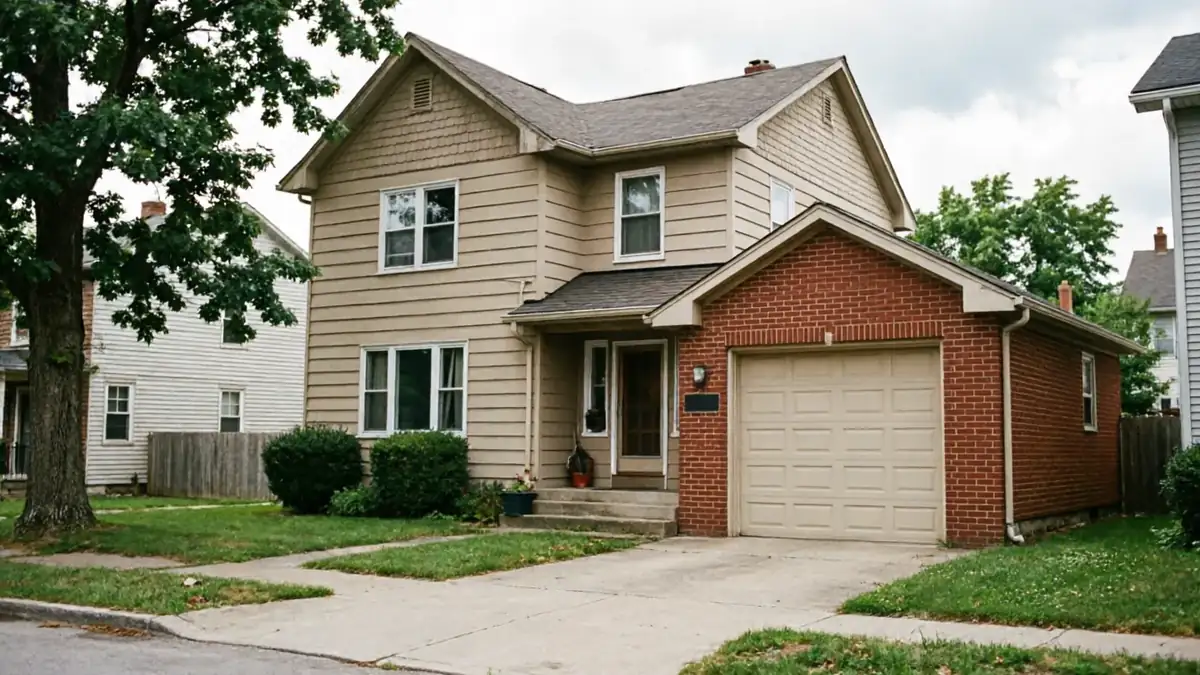
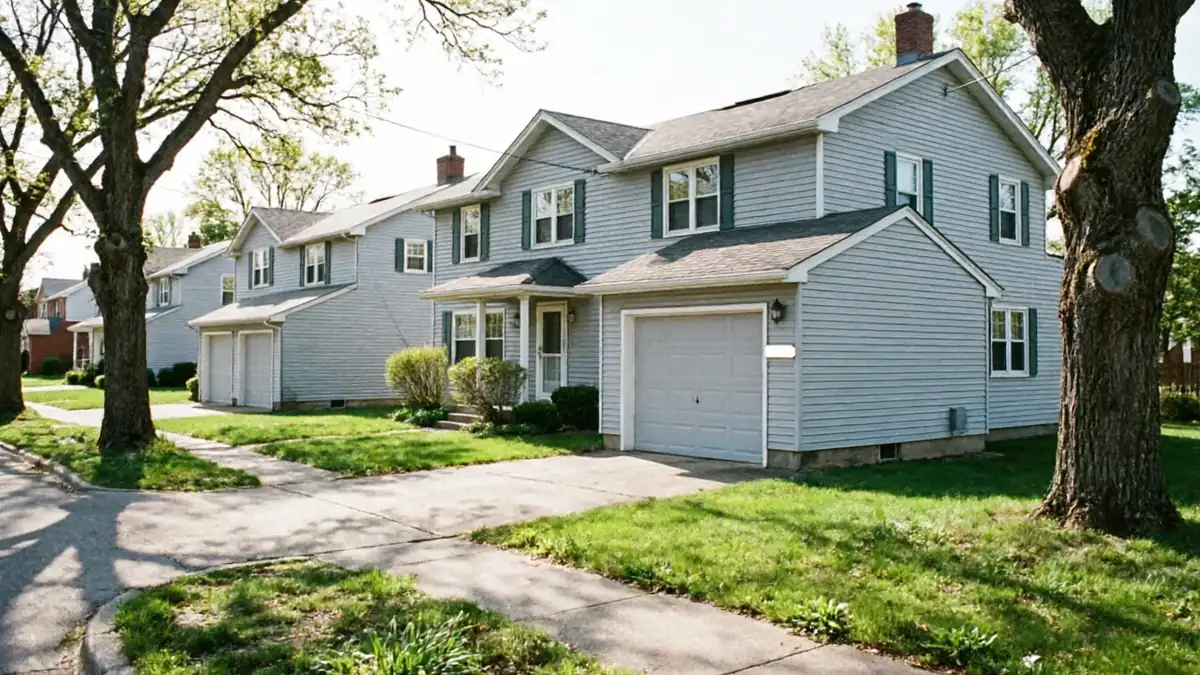
St. Louis Park's housing stock centers on 1965, which puts it a full generation ahead of a lot of the newer construction we see closer to Lakeville. That's an older base than the 1984 median across our wider service area, and it shows up on the job. Doors from the mid-60s through the 70s were often installed with lighter-gauge steel sections and smaller torsion springs than what you'd find on a house built in the 1990s or 2000s. Many of these garages have already had at least one door replacement over the decades, but the original framing and track mounts sometimes stuck around through that swap, which creates its own mismatches. With roughly 24,126 households in this area, there's a real range of what's behind each door - some original hardware, some patched-together replacements, some fully modernized setups. We don't assume anything about what we'll find until we're standing in front of it. A house built in 1965 and a house built in 1995 in the same neighborhood can need completely different parts, and that gap is wider here than in areas with more uniform, newer construction.
The Usual Work Here
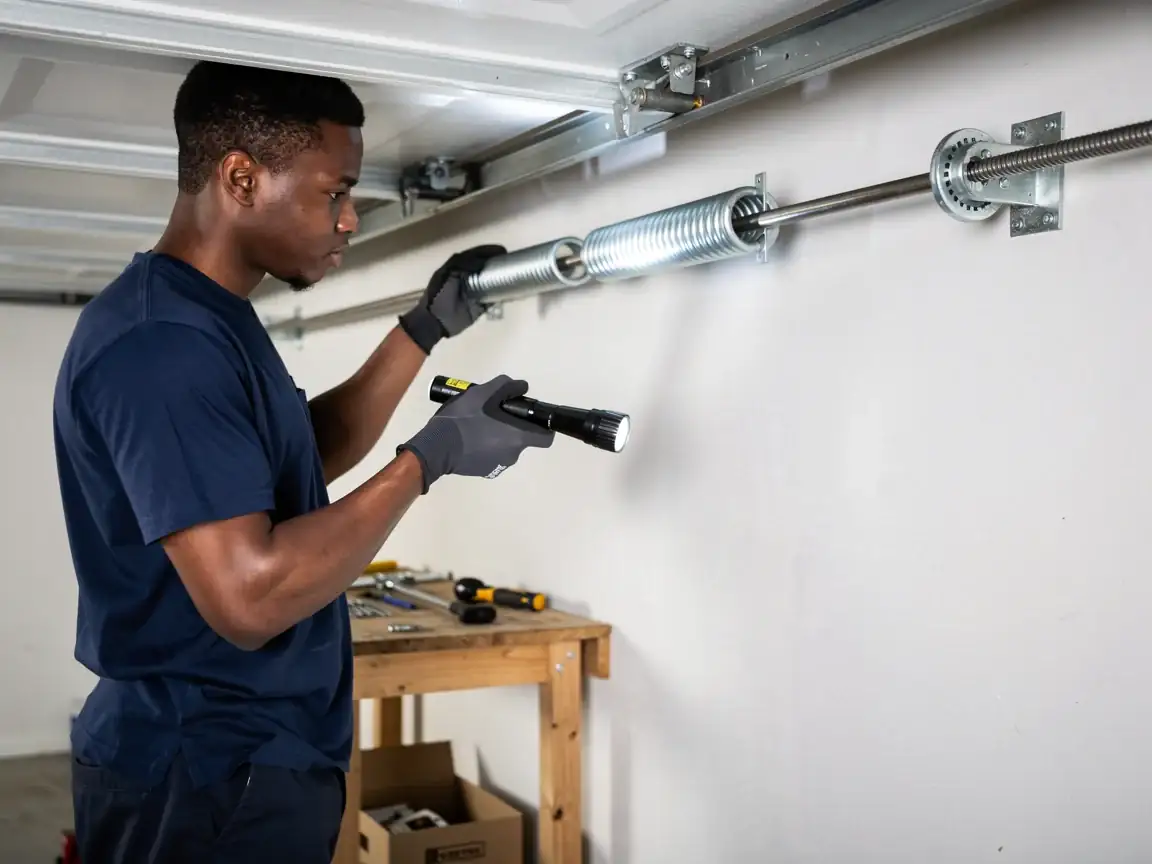
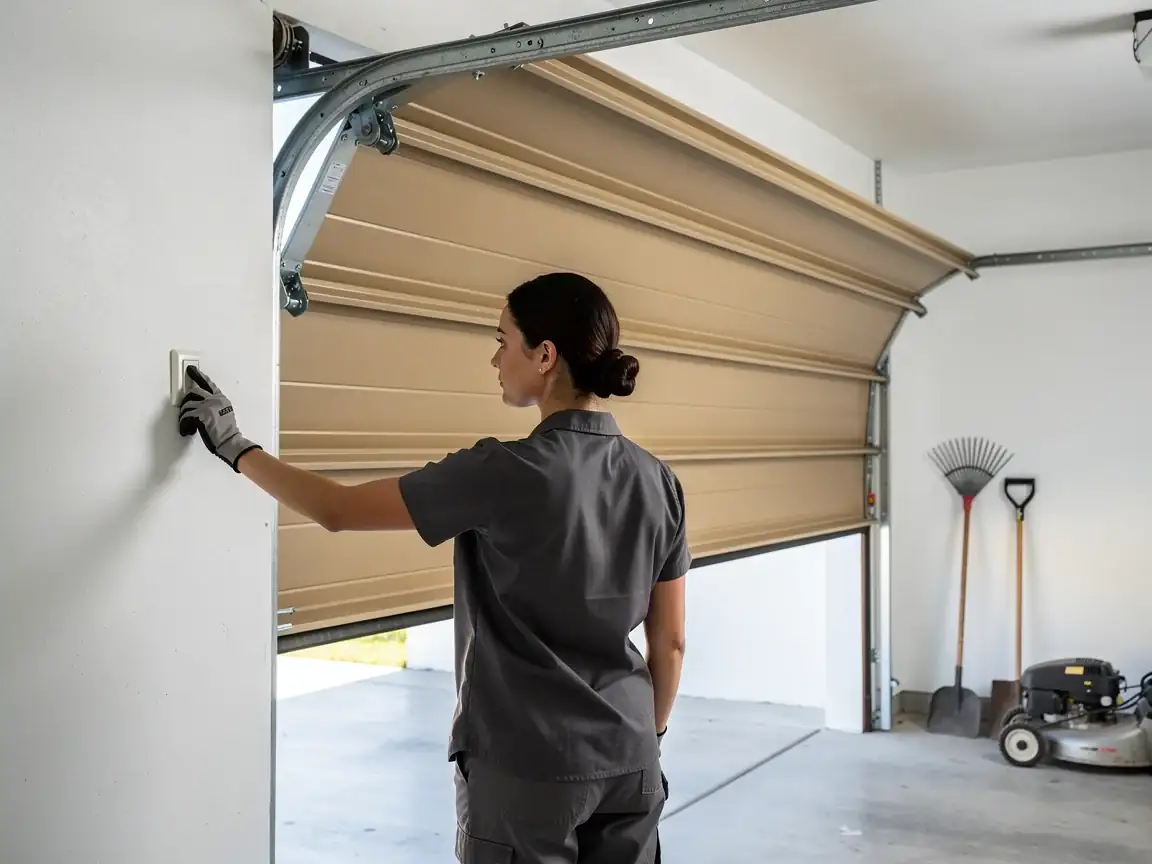
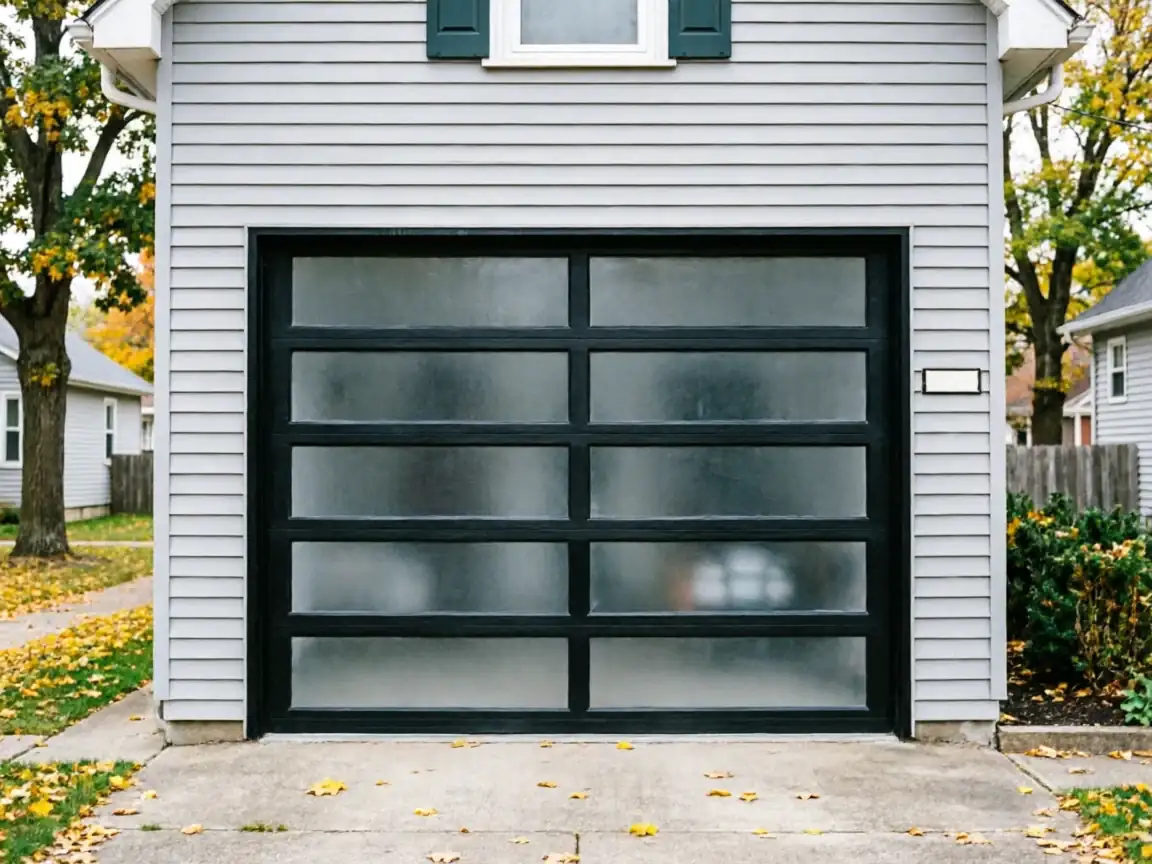
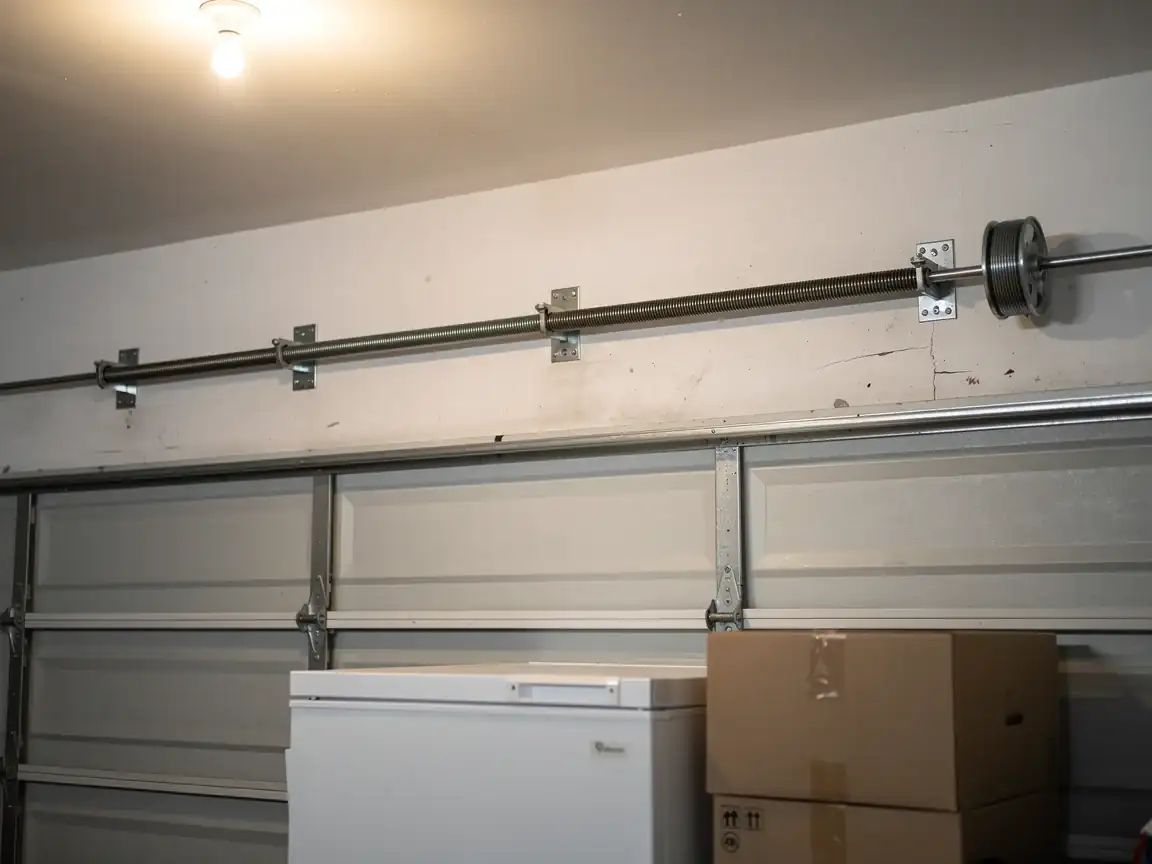
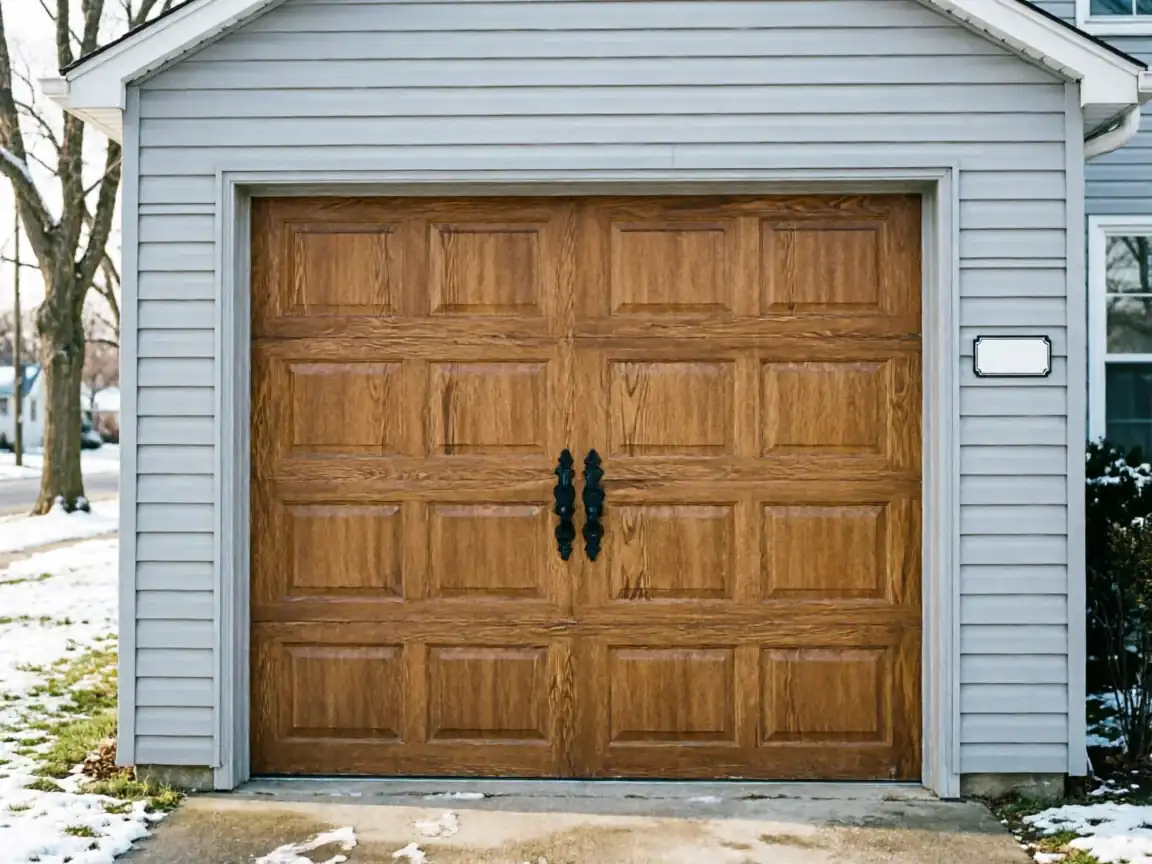
On houses from this era, torsion springs wear out from age and cycle count rather than from a bad install, and a lot of them have never been upsized to match a heavier insulated door if one was added later. We also see track misalignment on garages where the original opening was never perfectly square to begin with - common in homes of this vintage - which puts uneven stress on rollers and cables over time. Openers get swapped out more often than the doors themselves, so it's not unusual to find a 2010s opener bolted to 1965 door hardware that was never designed to carry that load pattern. With median household income here at $100,250, we also see more owners opting for full door replacement instead of patchwork repair once a door hits a certain age, which tends to simplify things going forward rather than layering another fix onto old parts.
How We Get to You
We run out of Lakeville, about 20 miles from St. Louis Park, so we schedule the drive into the job rather than treating it as an afterthought. We don't keep a depot or a crew stationed in St. Louis Park, and we're not going to pretend otherwise - what we bring is a truck stocked for the kind of hardware mismatches this area's housing age tends to produce, informed by the jobs we've done across the wider service area. If you're comparing us against a company based closer to home, that's a fair thing to weigh. What we can tell you is that we come prepared for 1960s torsion setups and the opener-to-track mismatches that come with them, because that's the profile of house we expect to find here.