How It Shows Up
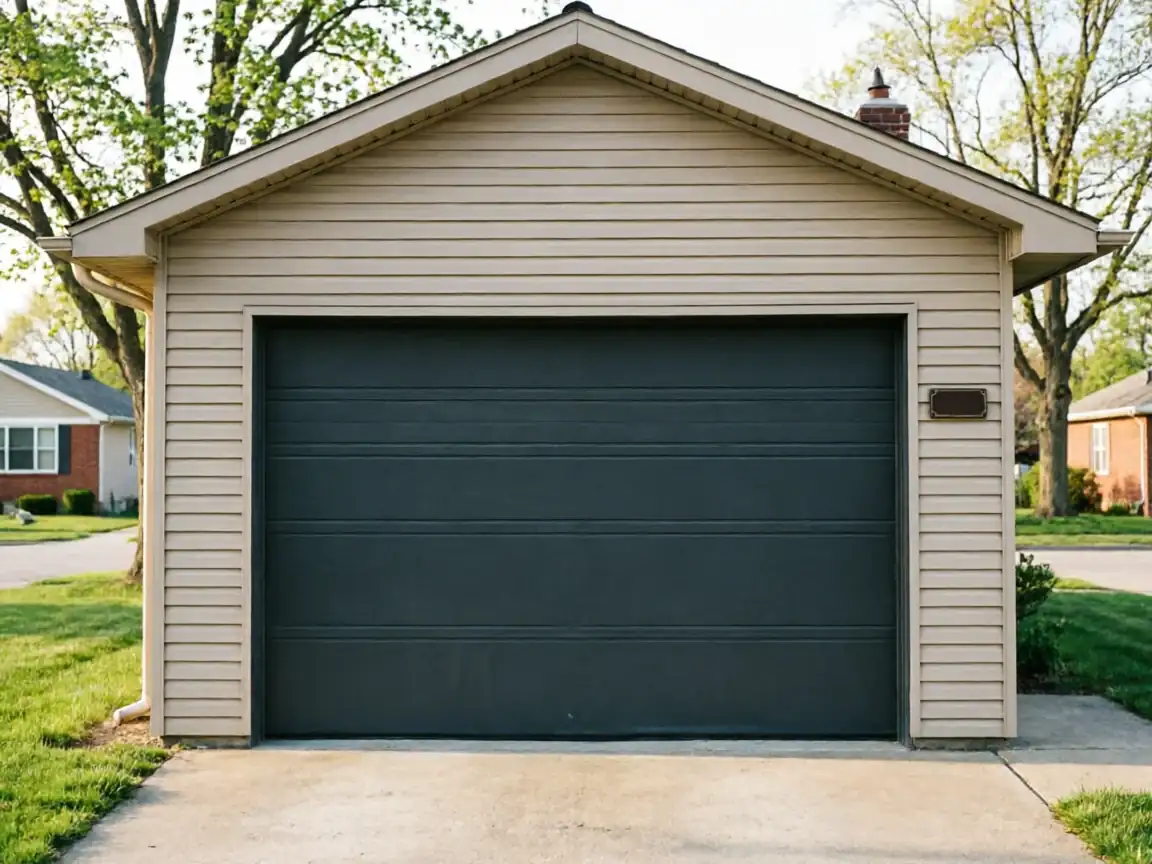
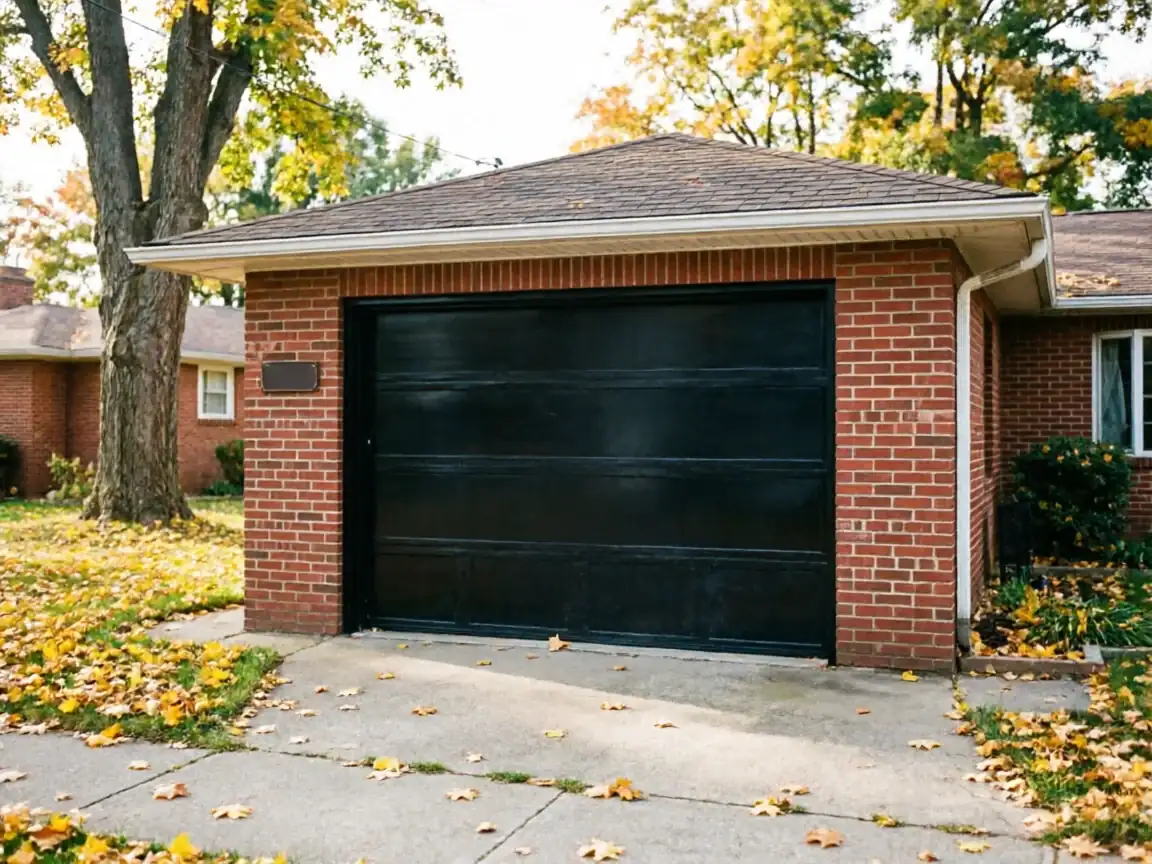
Across the wider area Lakeville Garage Door Pros covers, the median home was built in 1984. St. Louis Park runs older than that - the typical house here dates to around 1965. That twenty-year gap matters more than it sounds like it should. A door that was original to a mid-60s build has usually been replaced once already, sometimes twice, and whatever opening it left behind may not match a modern stock size. We see narrower openings, lower headroom, and framing that was never squared to the tolerances builders use now.
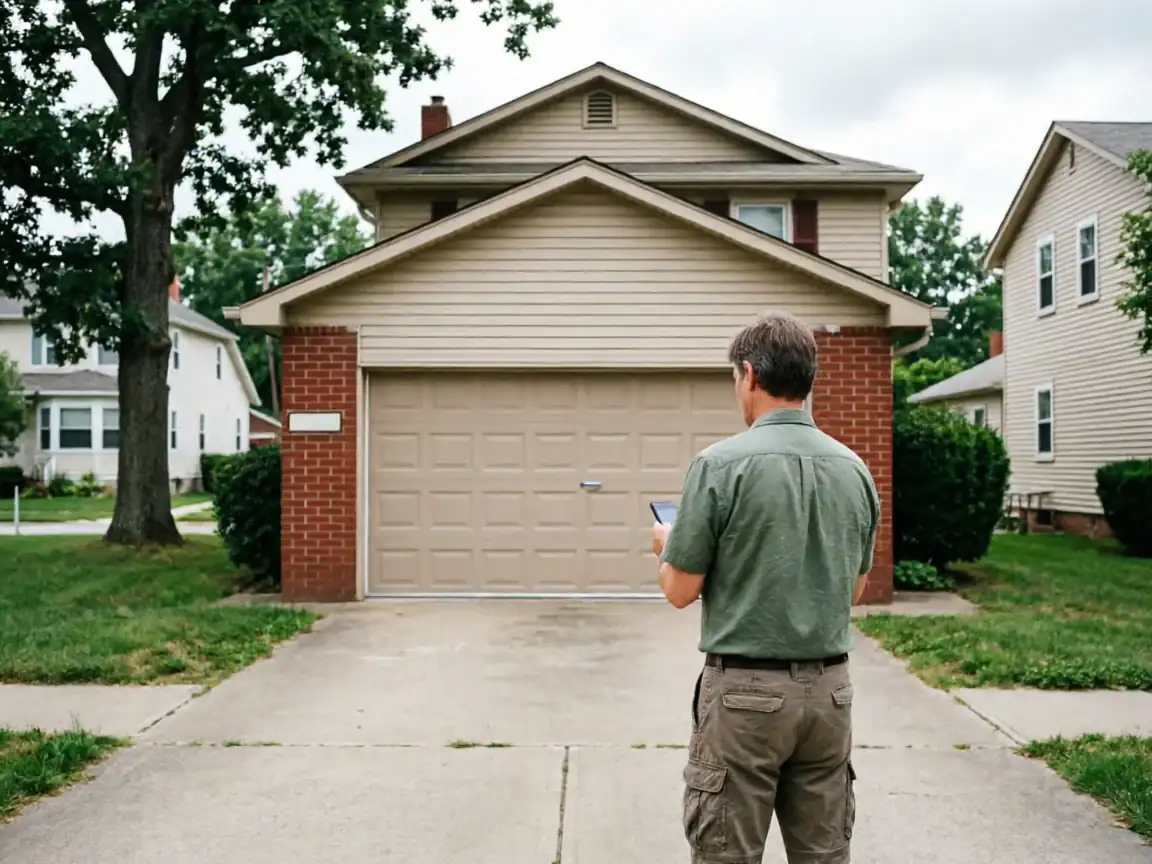
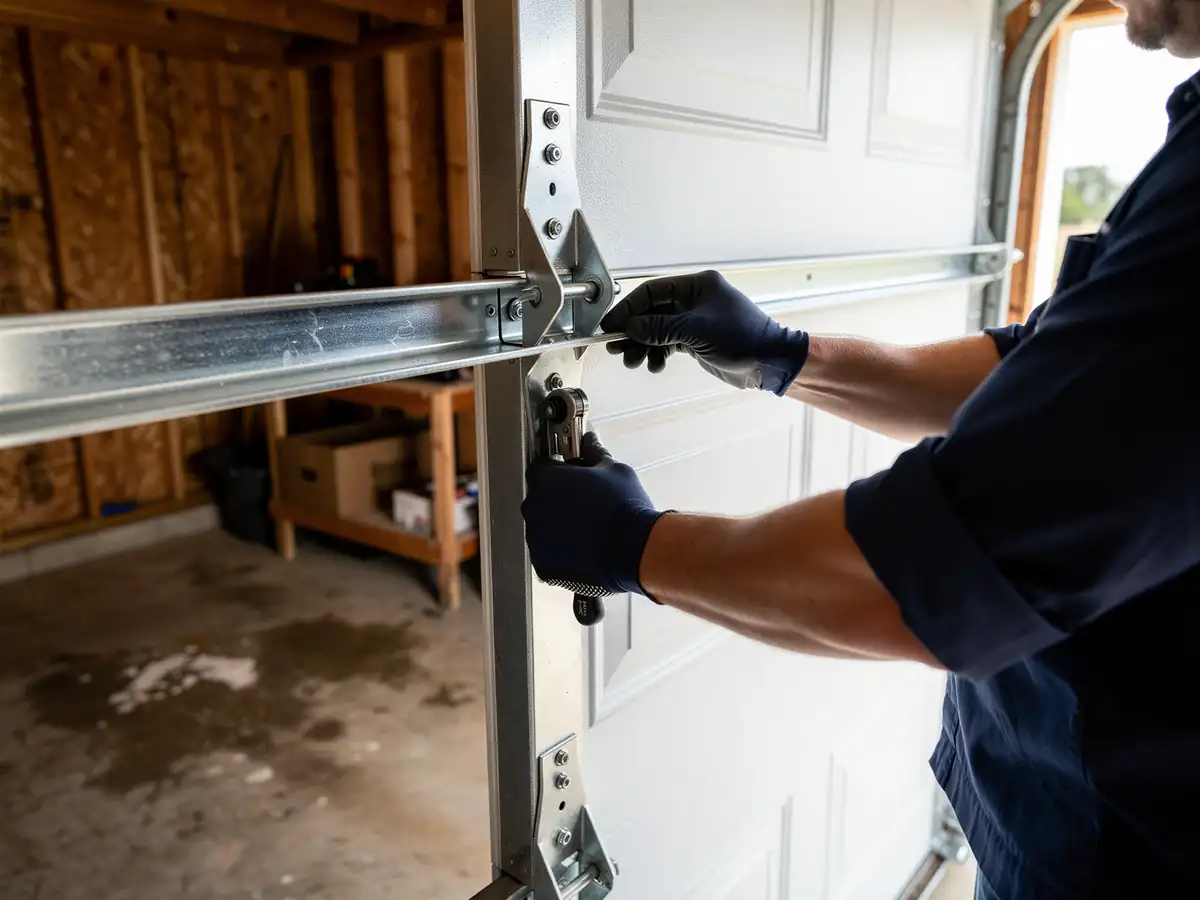
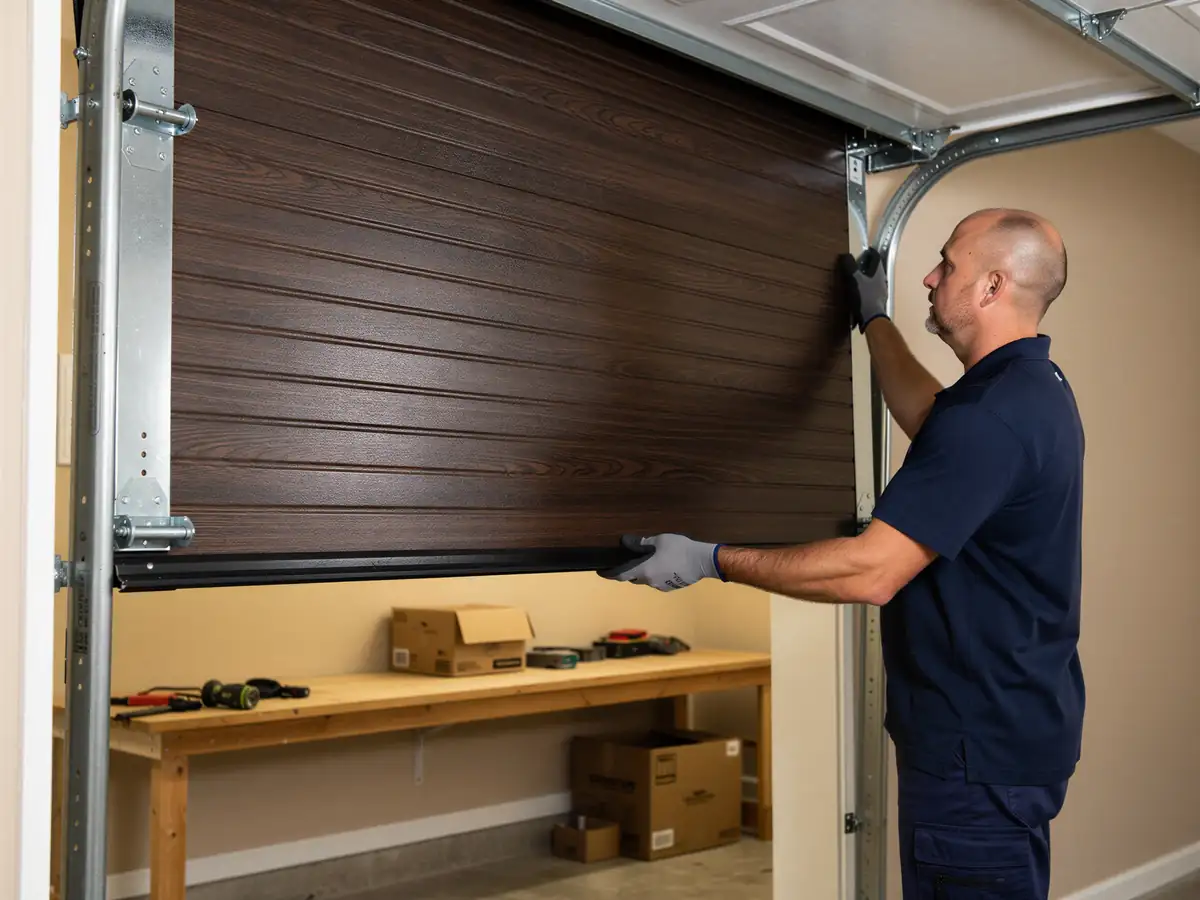
That shows up during a quote, not during the install. We measure the rough opening, the headroom above it, and the backroom depth behind it before we talk door models, because a 1965 opening that looks standard from the driveway can be an inch or two off in ways that change which track hardware fits. It's a longer first visit than a straightforward swap, but it's the visit that keeps the install from stalling once the old door is off the hinges and there's no going back.
The Cost of This Job
We travel the 20 miles out from Lakeville for this work, and that trip is built into how we quote the job rather than tacked on as a separate fee. What moves the number more is the house itself. A 1965-era opening that needs track or framing adjustment to take a standard door costs more than a straight panel swap on a newer build, and we won't know which one you've got until we've measured.
Household income in this part of the metro runs a little above the wider service area's $99,460 median - St. Louis Park households sit near $100,250 - and we mention that only because it tends to track with what homeowners here choose: insulated steel doors over the cheapest uninsulated option, since the cold-climate winters here make the difference noticeable on an attached garage. We'll give you options at more than one price point; we won't pretend the cheapest one is the right one for every house.
What Can Go Wrong
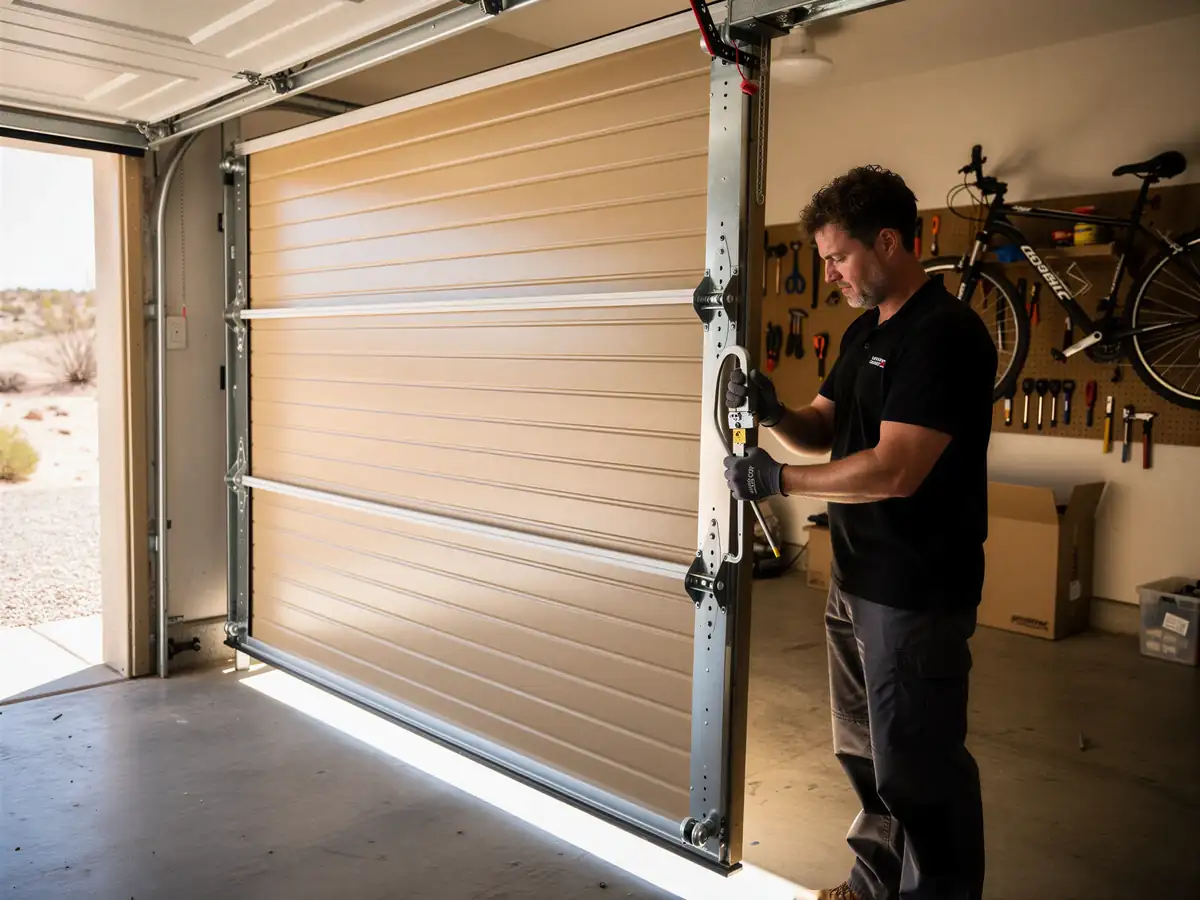
The most common surprise on a house this age is framing that's shifted enough over sixty years that a new door won't sit square against it without shimming or minor carpentry
We can usually handle light framing correction as part of the install. If the opening needs structural work - a header that's sagged, jamb studs that have rotted at the base - that's outside what we do on an install day, and we'll say so rather than force a door into an opening that isn't ready for one.
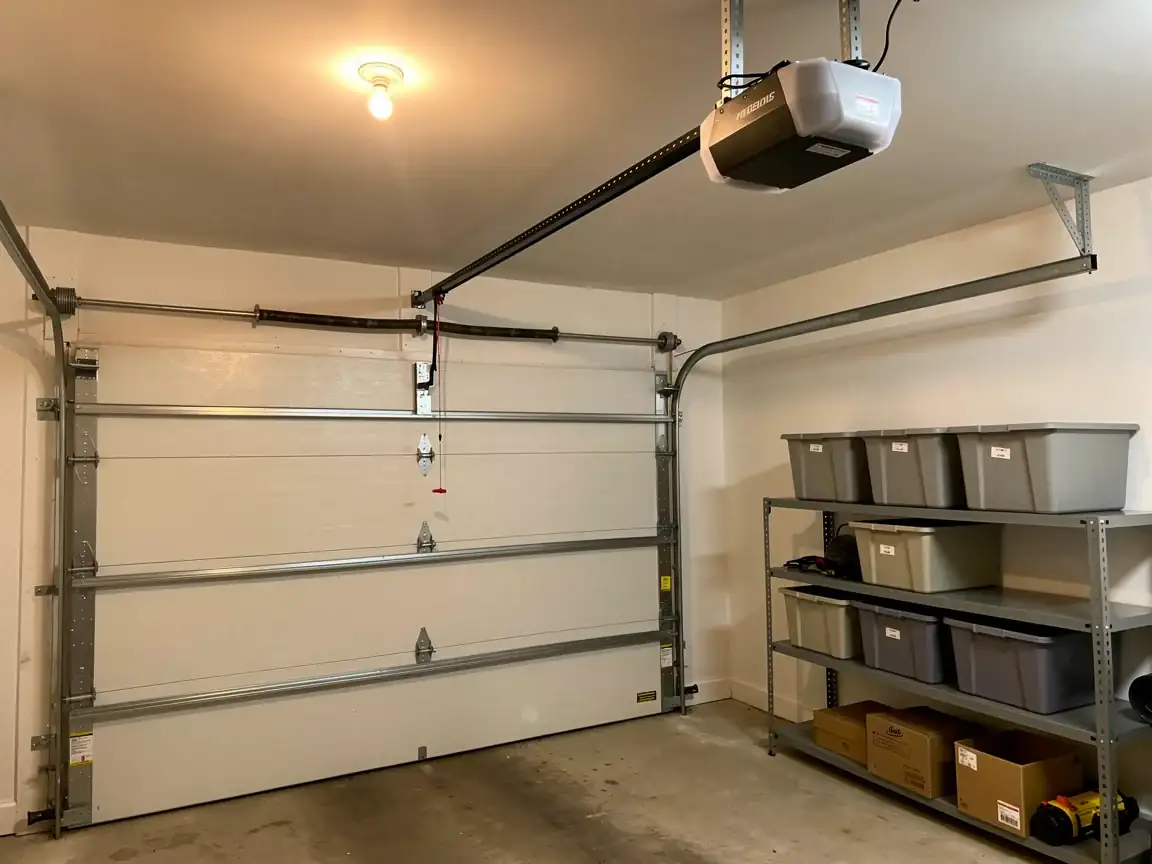
The other thing that trips people up is assuming the old opener can be reused
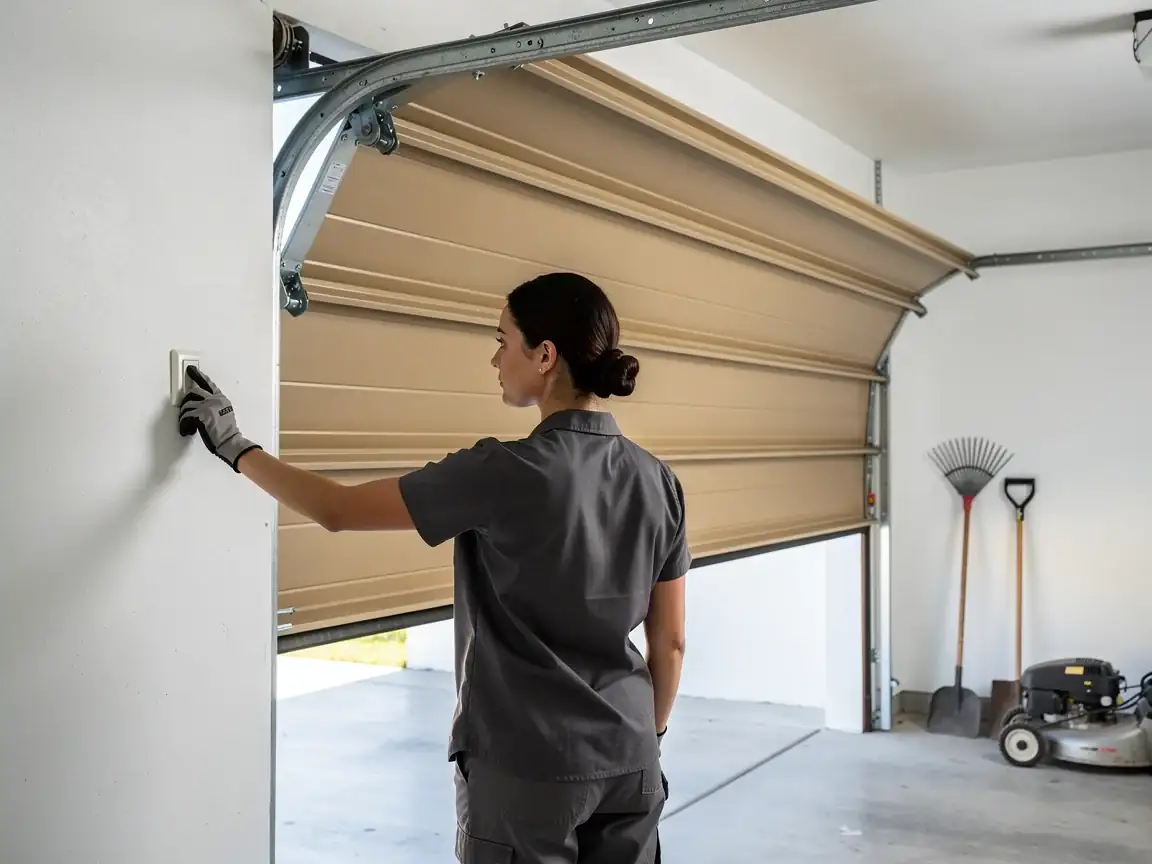
Sometimes it can. More often, an opener old enough to have run a 1965-vintage door doesn't have the safety reversal sensors required on anything installed today, and running a new door off old opener hardware isn't something we'll do. That's not us upselling - it's a code and safety line we hold regardless of the house.
What Causes It Around Here
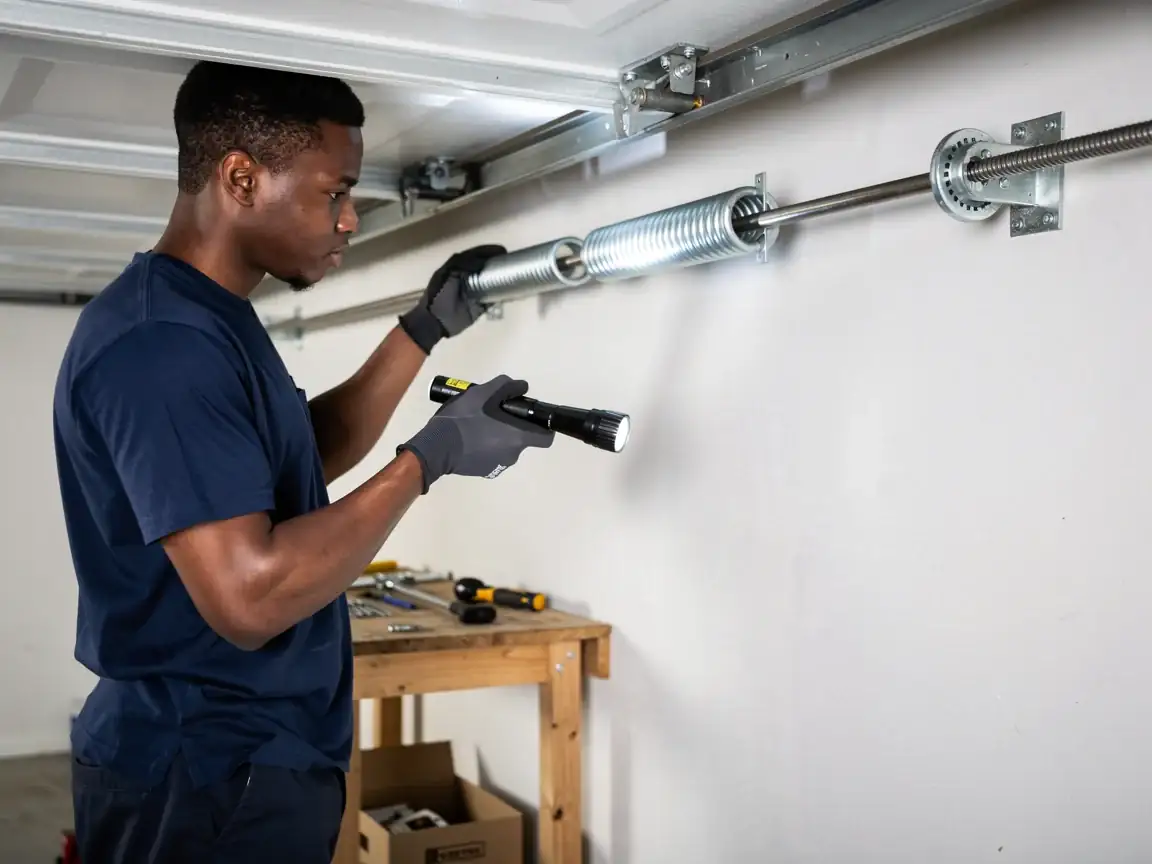
The underlying cause is simple: St. Louis Park's housing is older than the typical house across the rest of the area this company serves, and older openings were framed to different standards than what current doors assume. Builders in 1965 weren't sizing garages for insulated steel sectional doors with torsion springs rated for today's cycle counts - that hardware didn't exist yet in its current form. The openings got framed for whatever single-layer door was standard at the time, and a lot of that original framing is still there under the drywall.
Add the area's cold-climate winters, which the region as a whole falls into, and you get openings that have also taken sixty-odd years of seasonal frost heave and settling. None of that is dramatic on its own, but it compounds. A door that's been fighting a slightly out-of-square opening for decades finally gets noticed when the homeowner goes looking for a straight new install and the opening isn't straight.