How It Shows Up
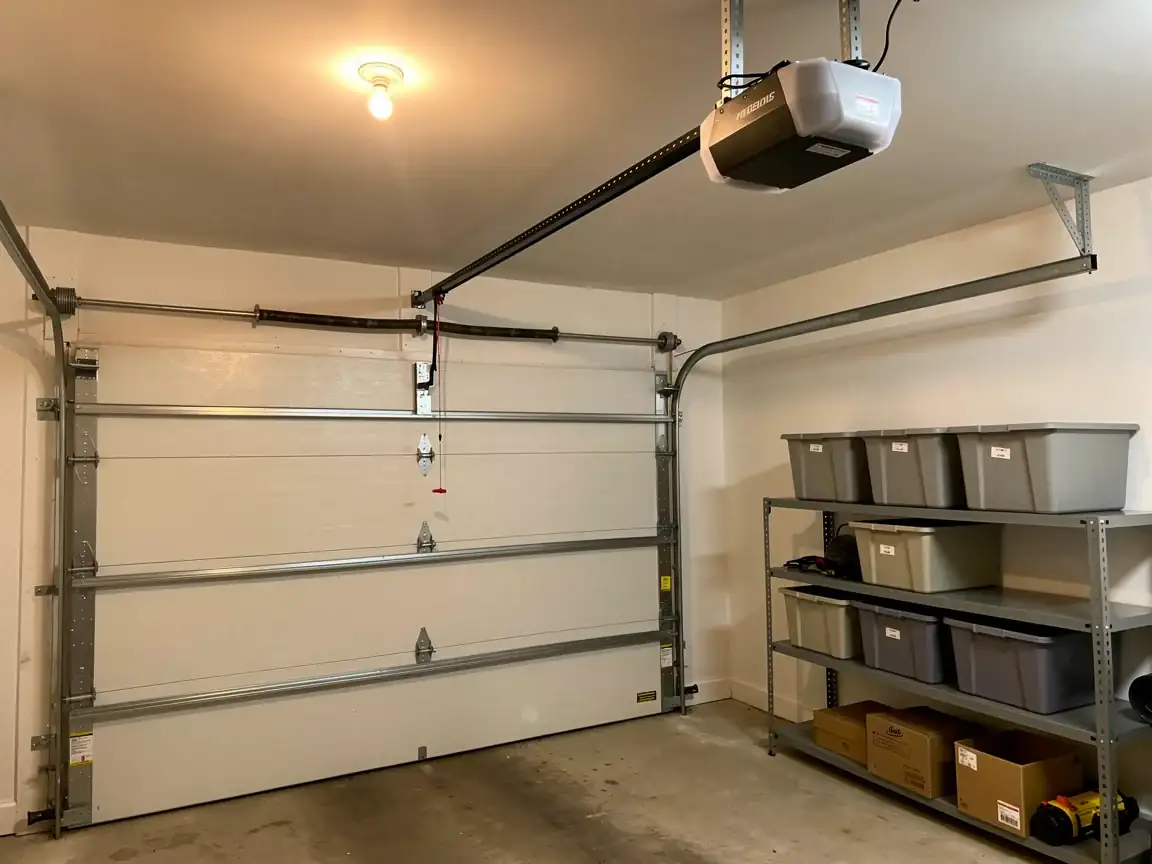
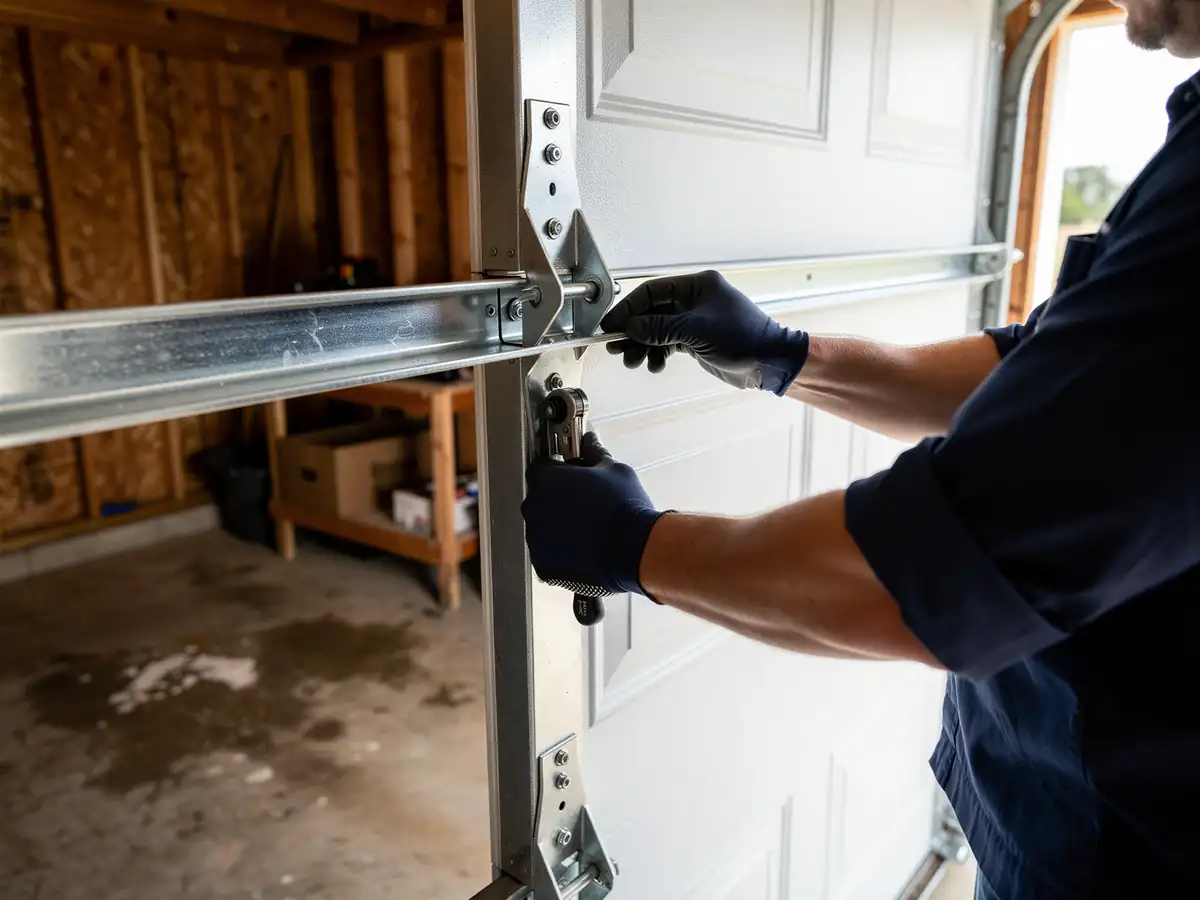
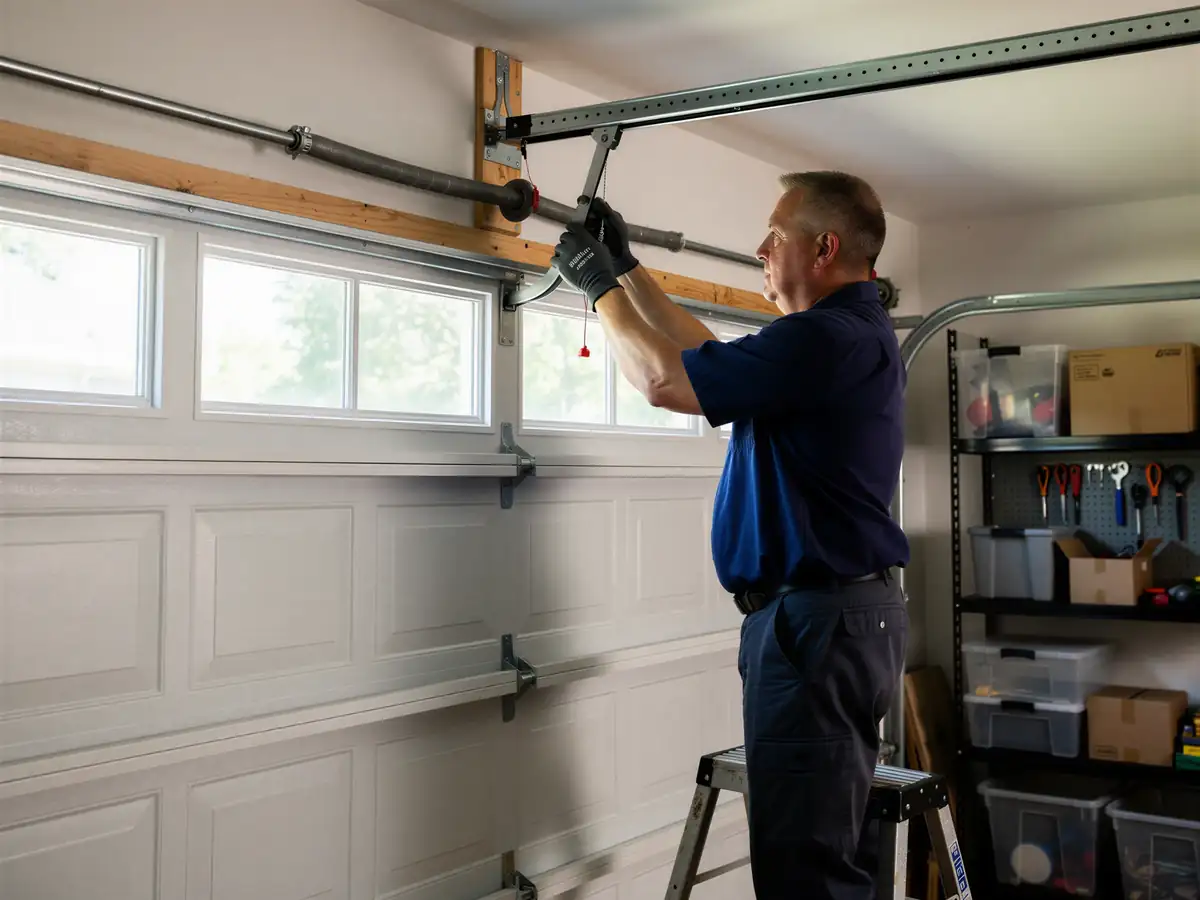
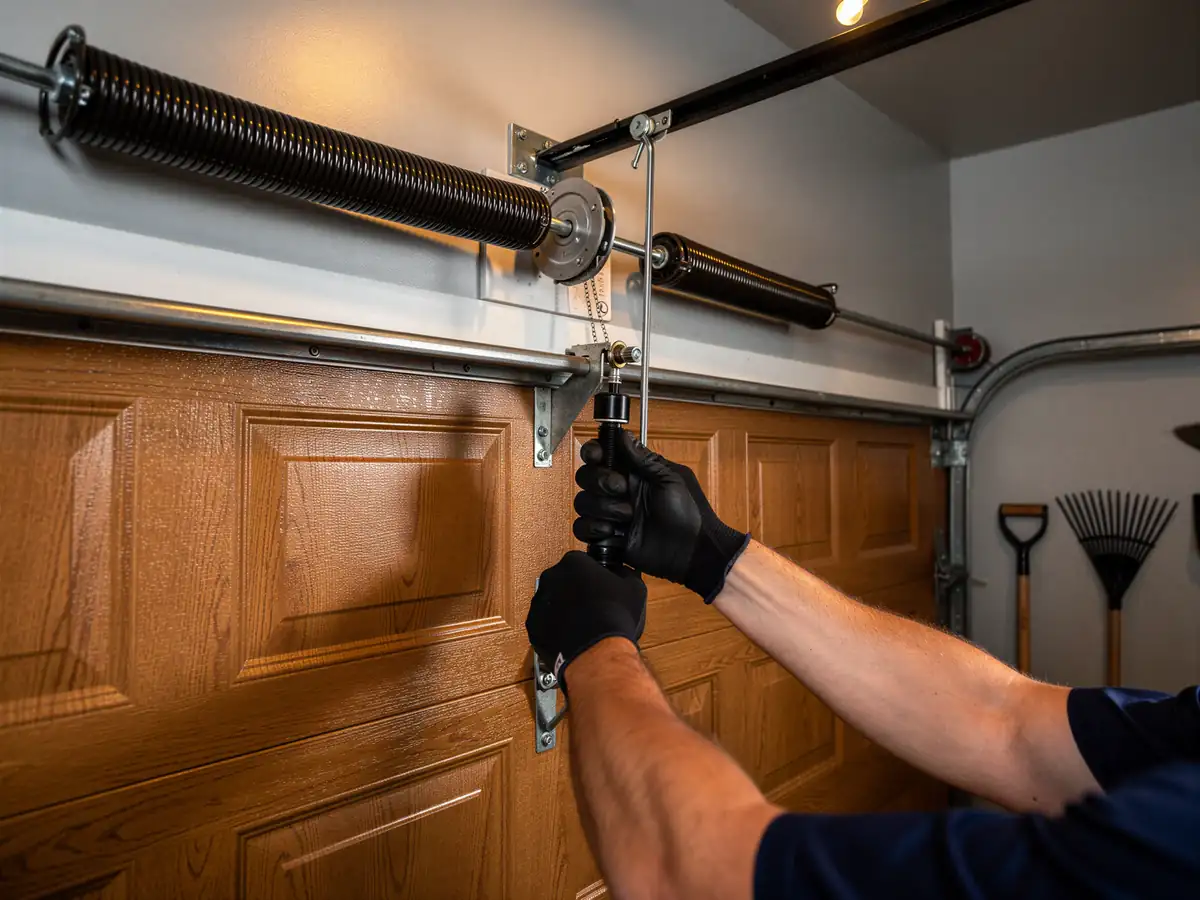
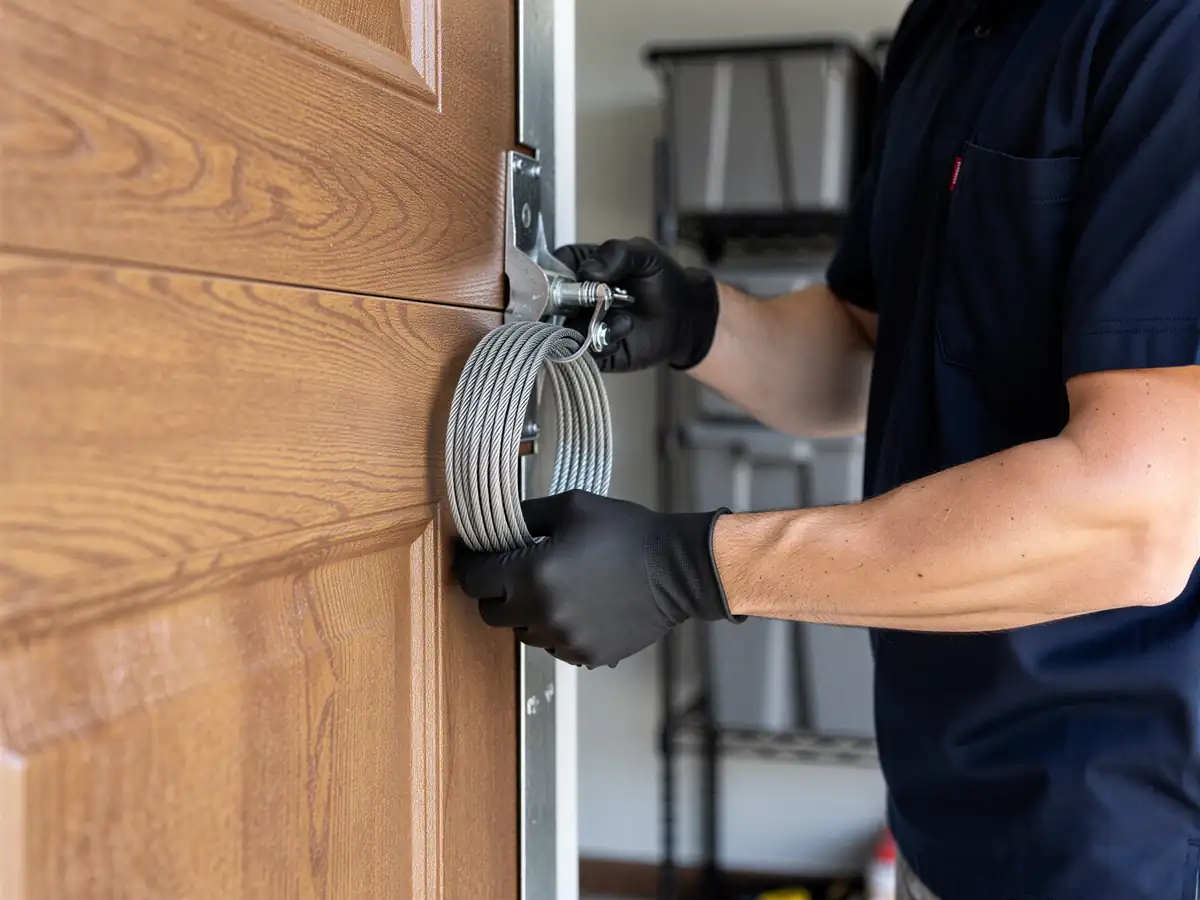
Most of the cable calls we take from St. Louis Park follow the same pattern: the door starts dropping crooked on one side, or it stops dead a foot off the floor with a loud snap from inside the track. That's a cable letting go at the bottom bracket, usually after years of flexing over the drum or pulley.
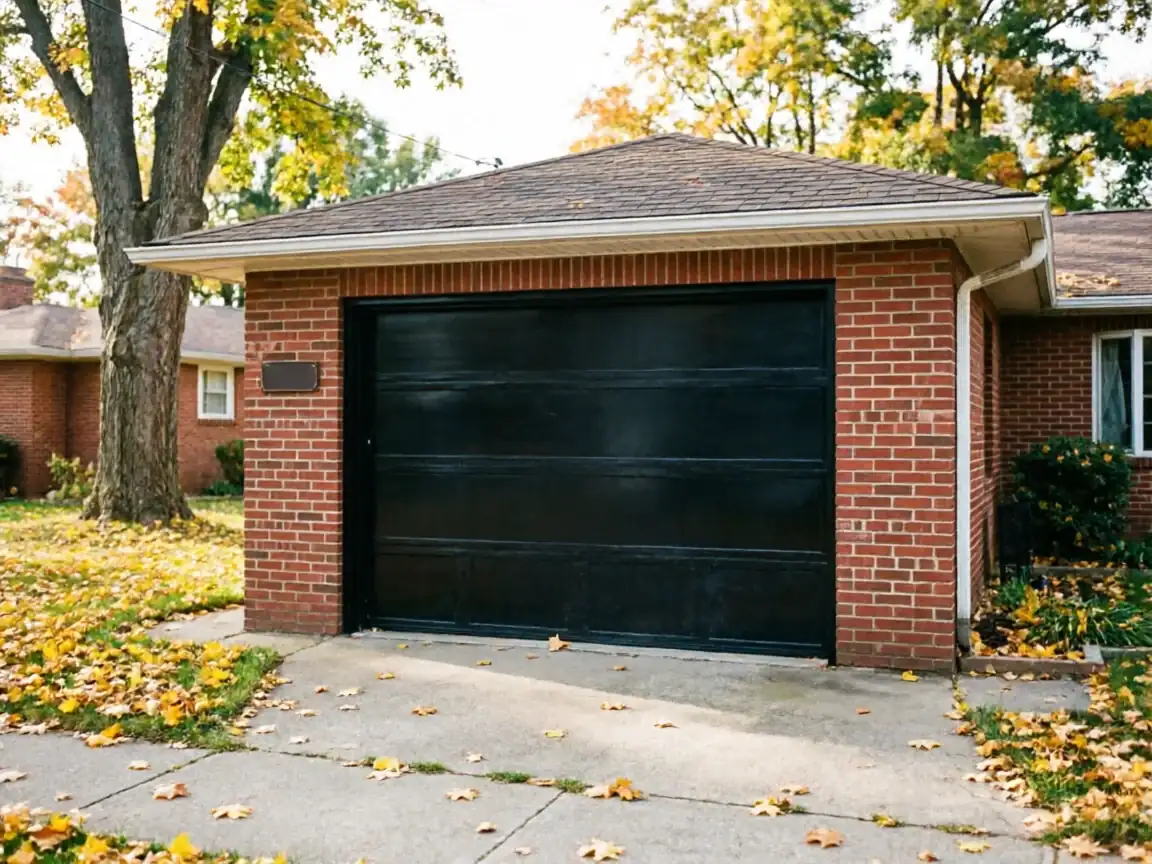
The reason it shows up this way here specifically is the housing. St. Louis Park's homes center on a median build year of 1965 - noticeably older than the 1984 median across the rest of the service area we cover out of Lakeville. A door from that era is more likely to still be running on its original extension-spring-and-cable setup, or a replacement that matched the original hardware rather than being upgraded to a torsion system. Those cables see more wear per year of use than a torsion cable does, and after six decades of expansion and contraction through Minnesota winters, fraying at the drum end is common.
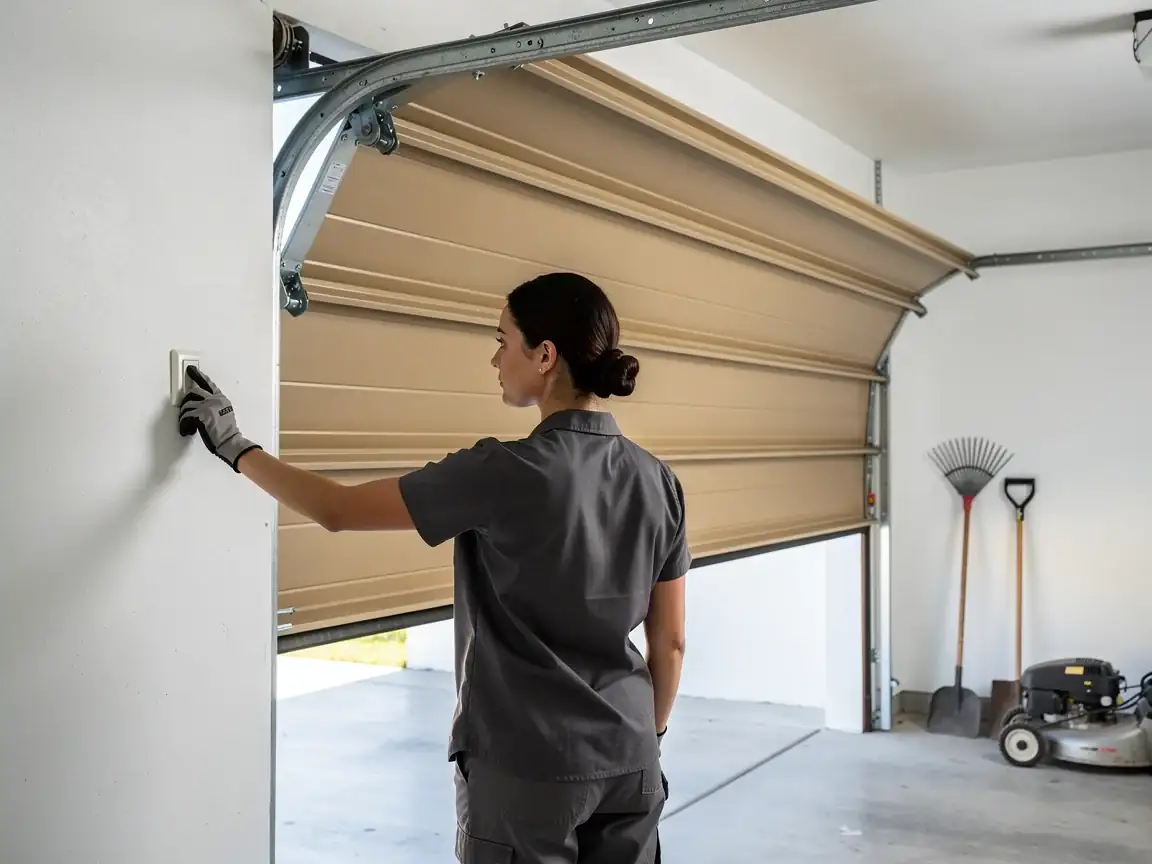
You'll also see it as a door that runs unevenly left to right, scraping one track, before anything actually breaks. That's worth a call before the cable goes - a controlled repair beats an emergency one.
The Cost of This Job
We don't have a posted price for this one, and I'd rather tell you that than guess. Cable jobs vary by whether it's one cable or a matched pair, whether the drum or pulley took damage on the way out, and whether the door needs to come off track to get at it safely.
What I can tell you: we run this job out of Lakeville, about 20 miles from St. Louis Park, so the quote you get accounts for that drive, not a local branch rate. On a single-cable call where the drum and track are undamaged, it's a straightforward in-and-out repair. If the cable snapped hard enough to bend a track or chew up a roller on the way down, that gets priced as its own line.
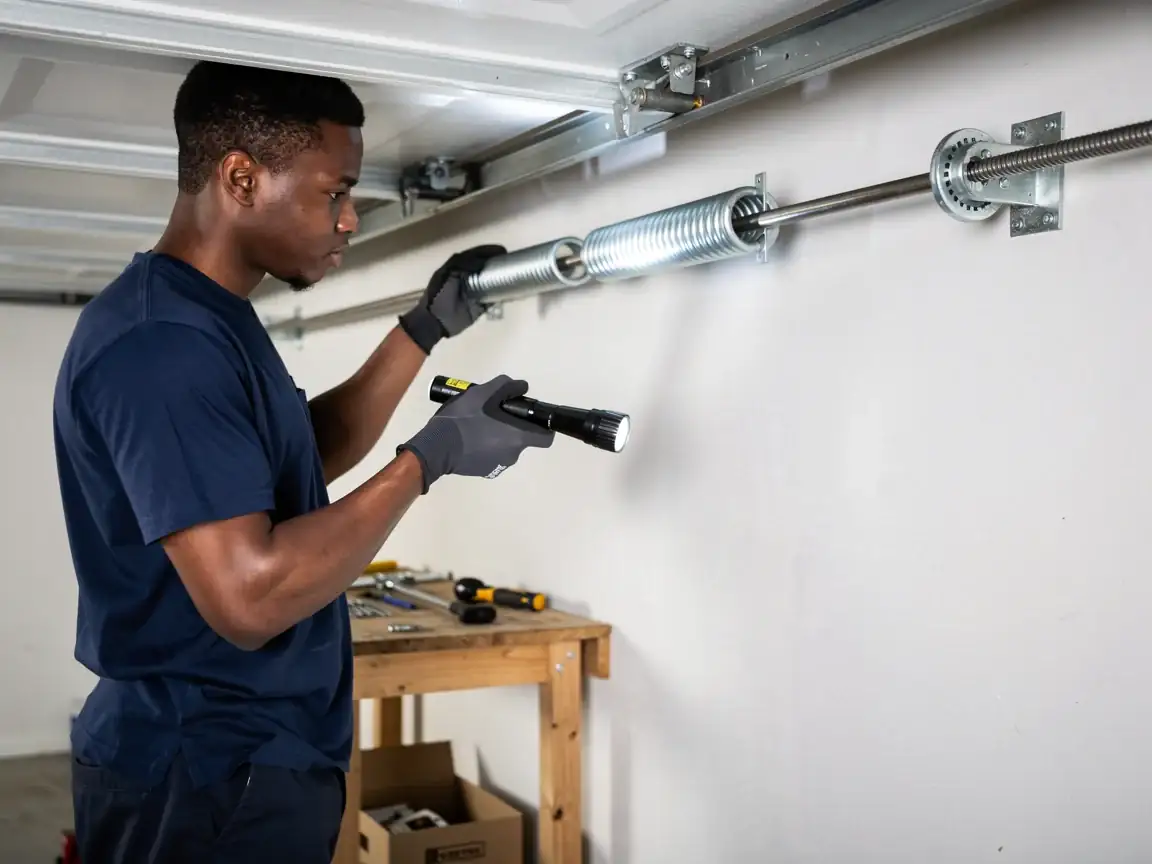
One honest limit: if your opener and springs are original to a 1960s install and the cable failure is the first sign of broader wear, we'll tell you straight whether a cable-only fix is the right call or whether you're better off replacing the spring set at the same time so you're not paying for a second truck trip in a year.
What Can Go Wrong
A cable under tension that snaps doesn't just stop the door
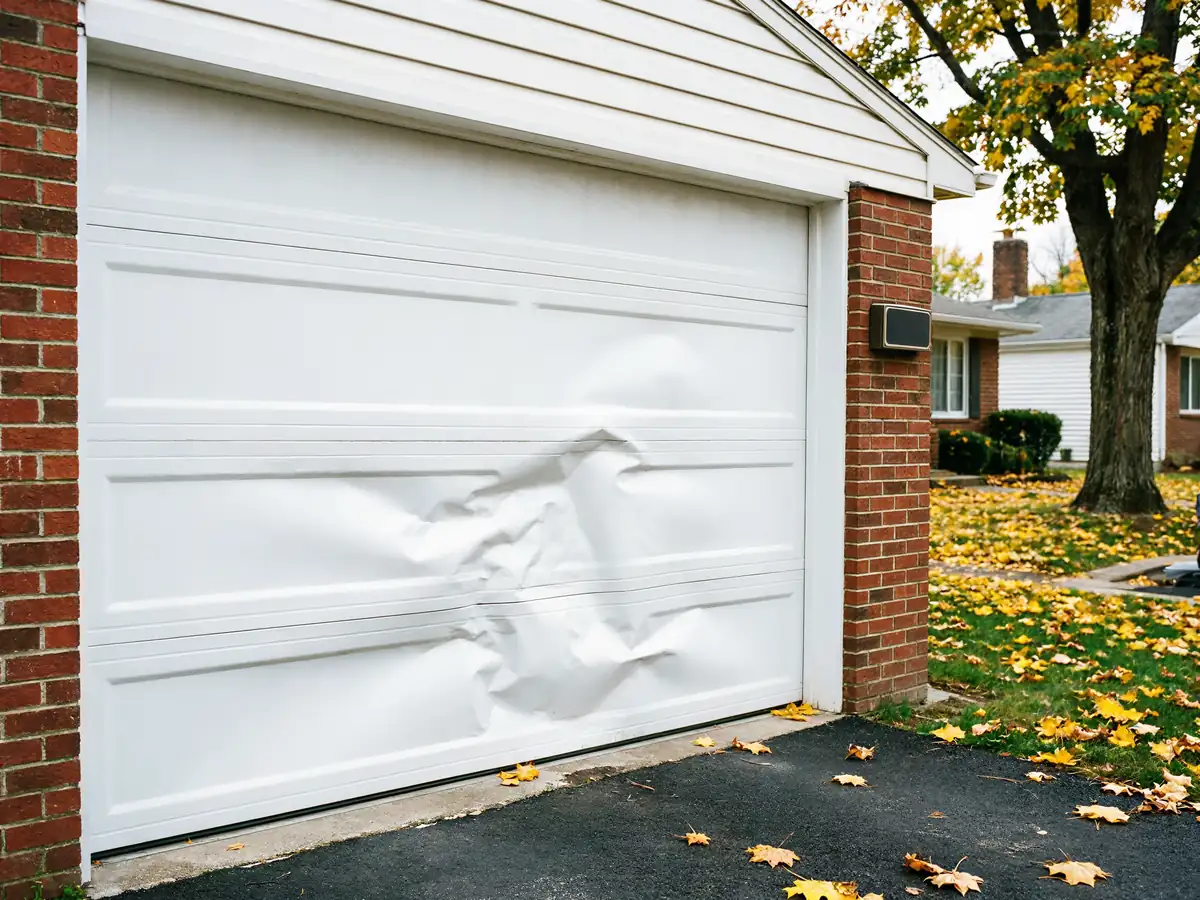
It can whip, drop the door suddenly, or let one side of the panel fall faster than the other and twist the track out of alignment. If anyone's hands or a car are under the door when it goes, that's the real risk, not the inconvenience.
Left alone, a fraying cable usually gives you some warning
The door runs rougher, pauses, or you'll hear a faint popping sound as strands give way one at a time. Once it fully separates, the opener will keep trying to drive the door and can strip gears or burn out the motor fighting a door that's binding on a bad track.
Cold is a factor here too
St. Louis Park sits in the same cold-moderate climate band as the rest of the area we serve, and a cable that's already frayed is more brittle in January than in July. A cable that would have held another few weeks in summer can go on the first hard cold snap. That's the main reason we don't recommend waiting on a cable that's already showing wear once the temperature drops.
What Causes It Around Here
The root cause in St. Louis Park traces back to the 1965 median build year. Houses from that stretch were built with whatever cable and pulley hardware was standard at the time, and a lot of that original gear - or its direct replacement - is still doing the job decades later. Cable doesn't fail from one bad day; it fails from thousands of cycles of friction against a drum or pulley, slowly thinning a strand at a time.
St. Louis Park's roughly 24,126 households skew toward owned homes with a median income around $100,250, just above the $99,460 median we see across the broader service area. That tends to mean doors that get used daily - commuters, two-car households - rather than sitting idle, which adds cycles and wear faster than a door that opens twice a week.
Cold winters add a second layer: metal cable contracts in deep cold, and road salt and moisture tracked in on tires accelerates rust at the cable's lower end near the bottom bracket, the exact spot where we see most of the fraying start.