How It Shows Up
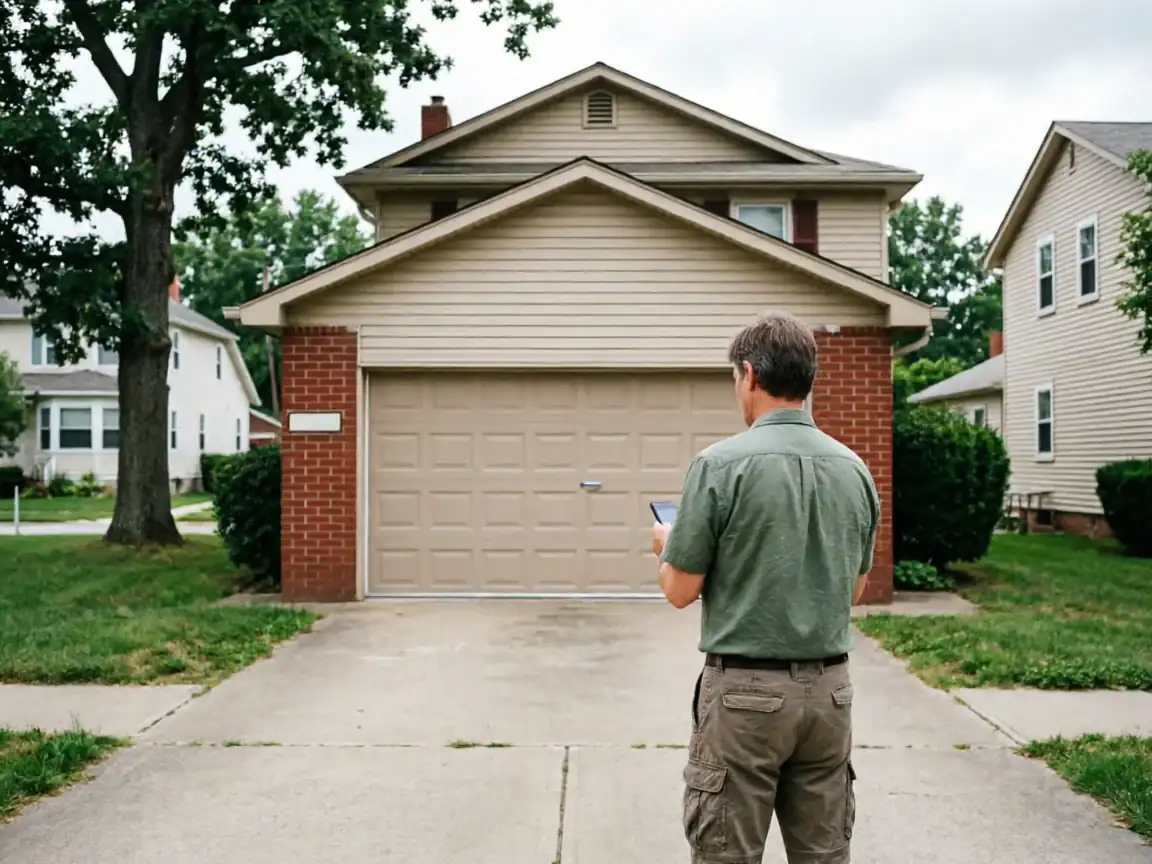
St. Louis Park sits about 20 miles up from our Lakeville shop, which means a spring call here isn't a same-block job - it's a planned trip, and we ask a few questions up front so the truck that rolls out has the right spring on it the first time. That matters more here than in some of the newer subdivisions we cover, because this is one of the older parts of the service area.
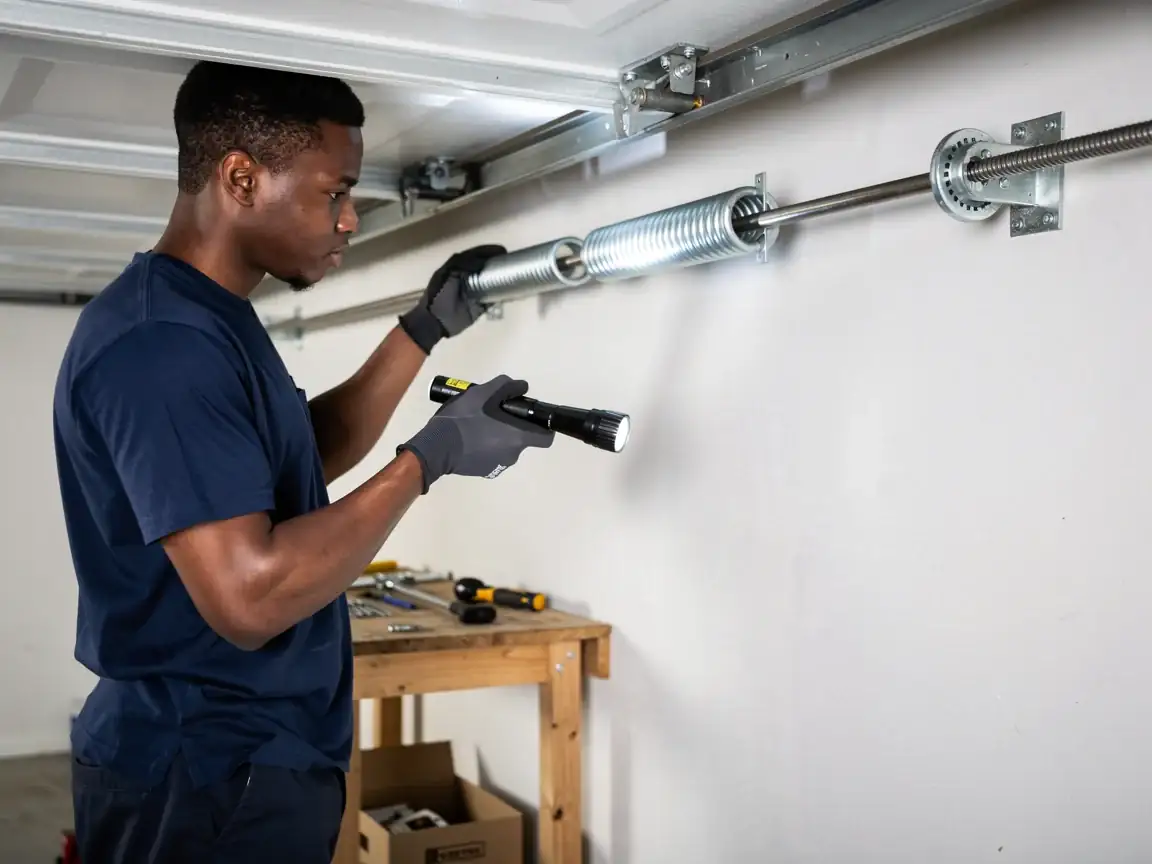
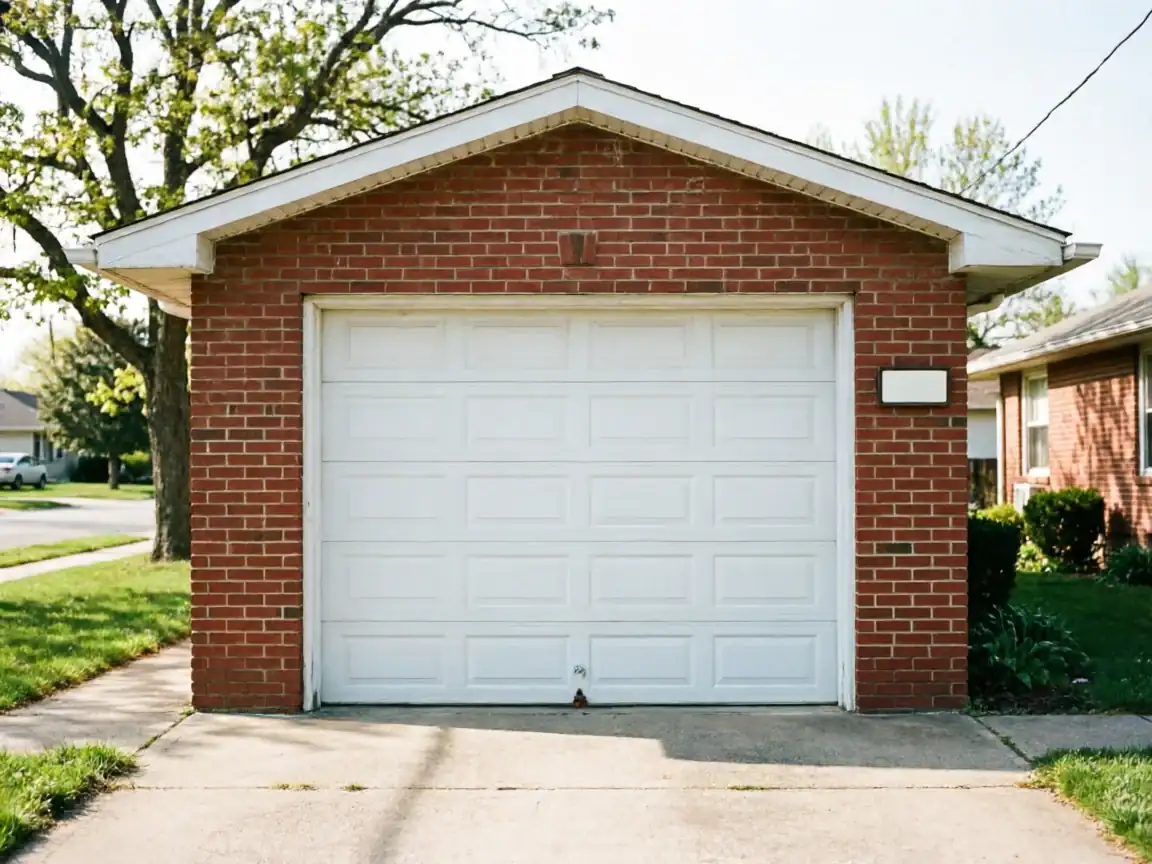
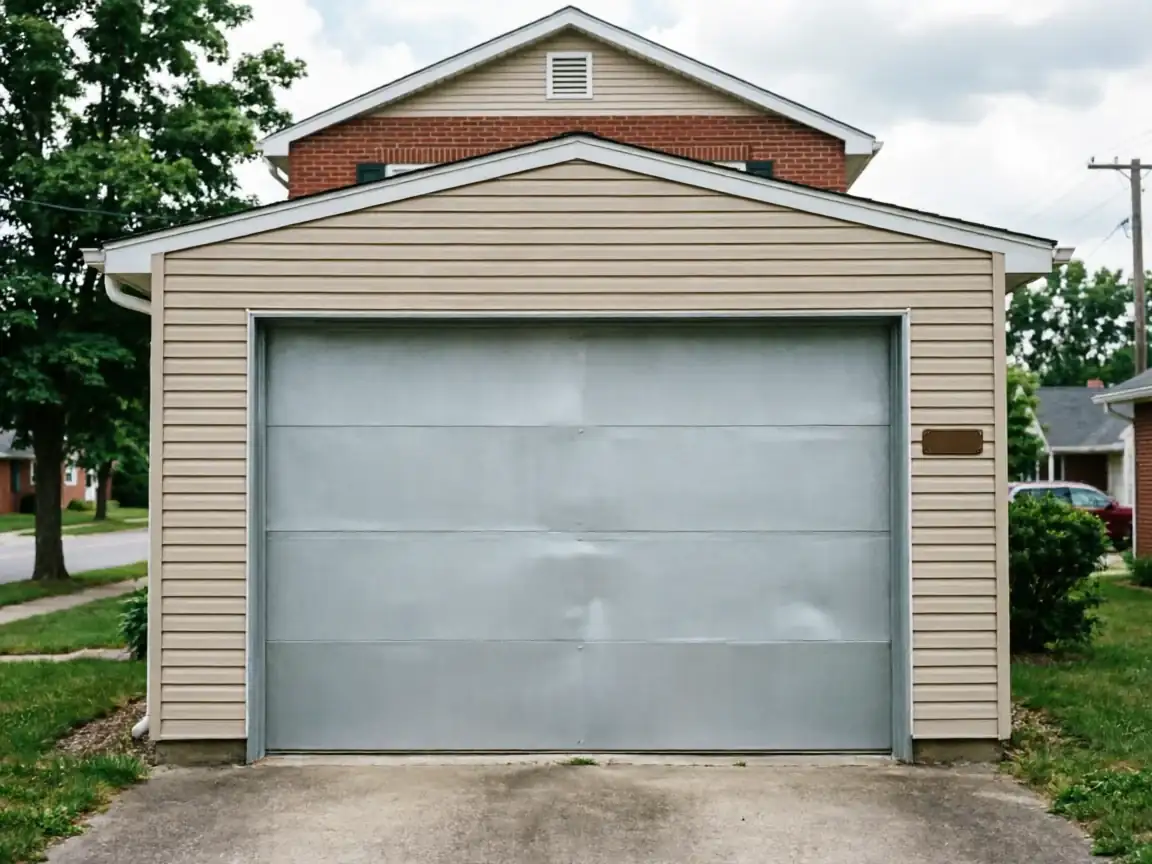
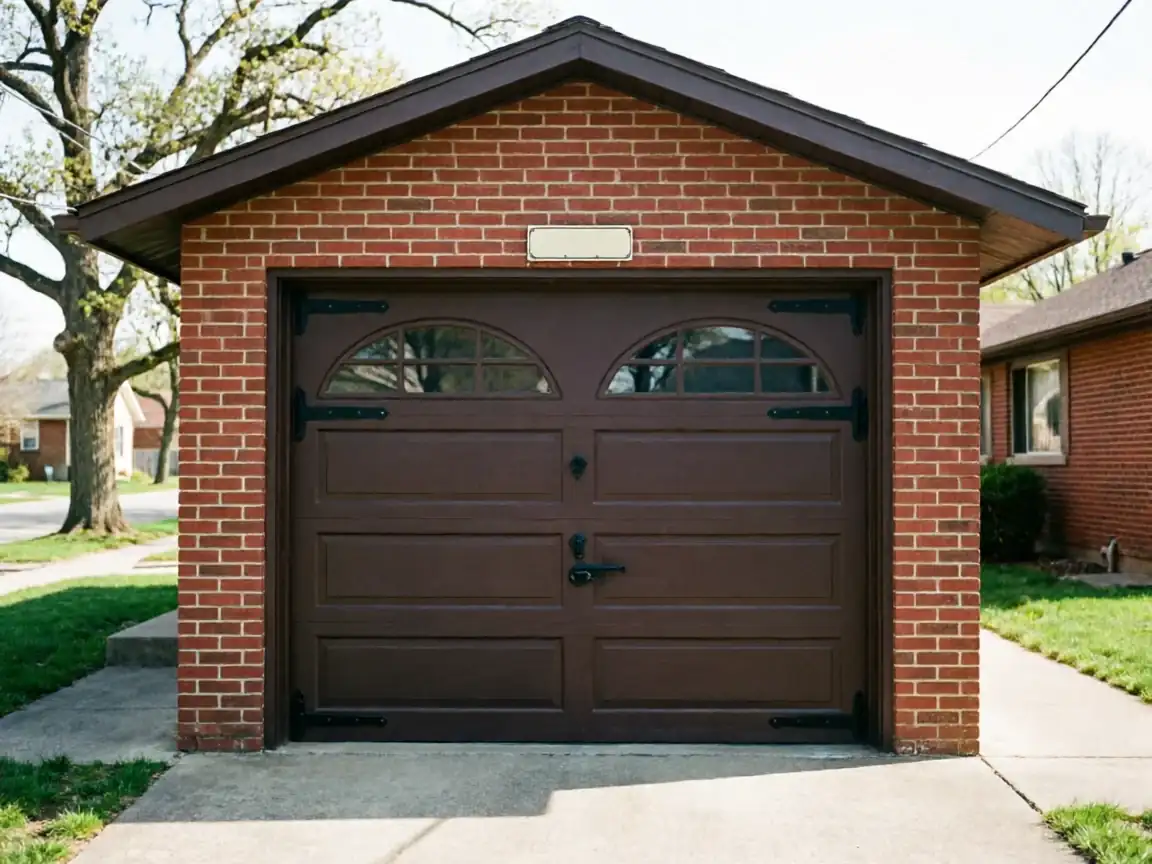
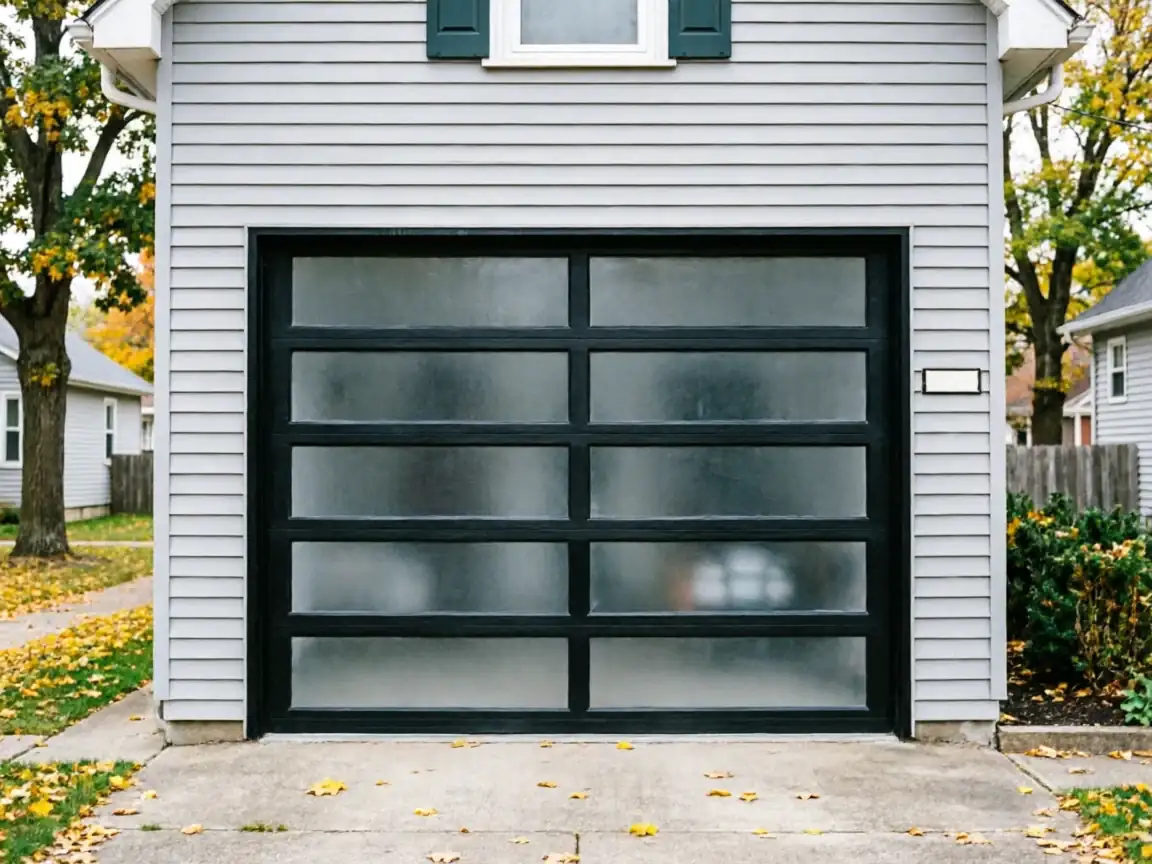
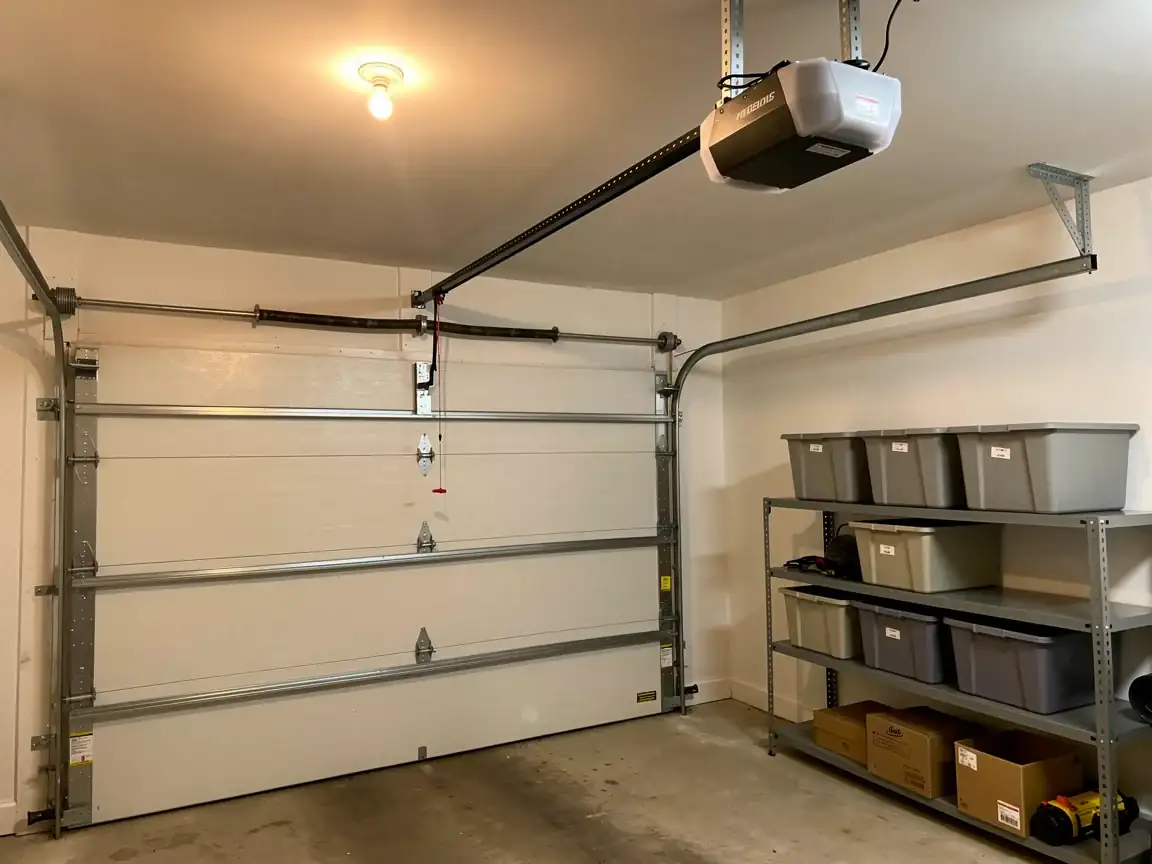
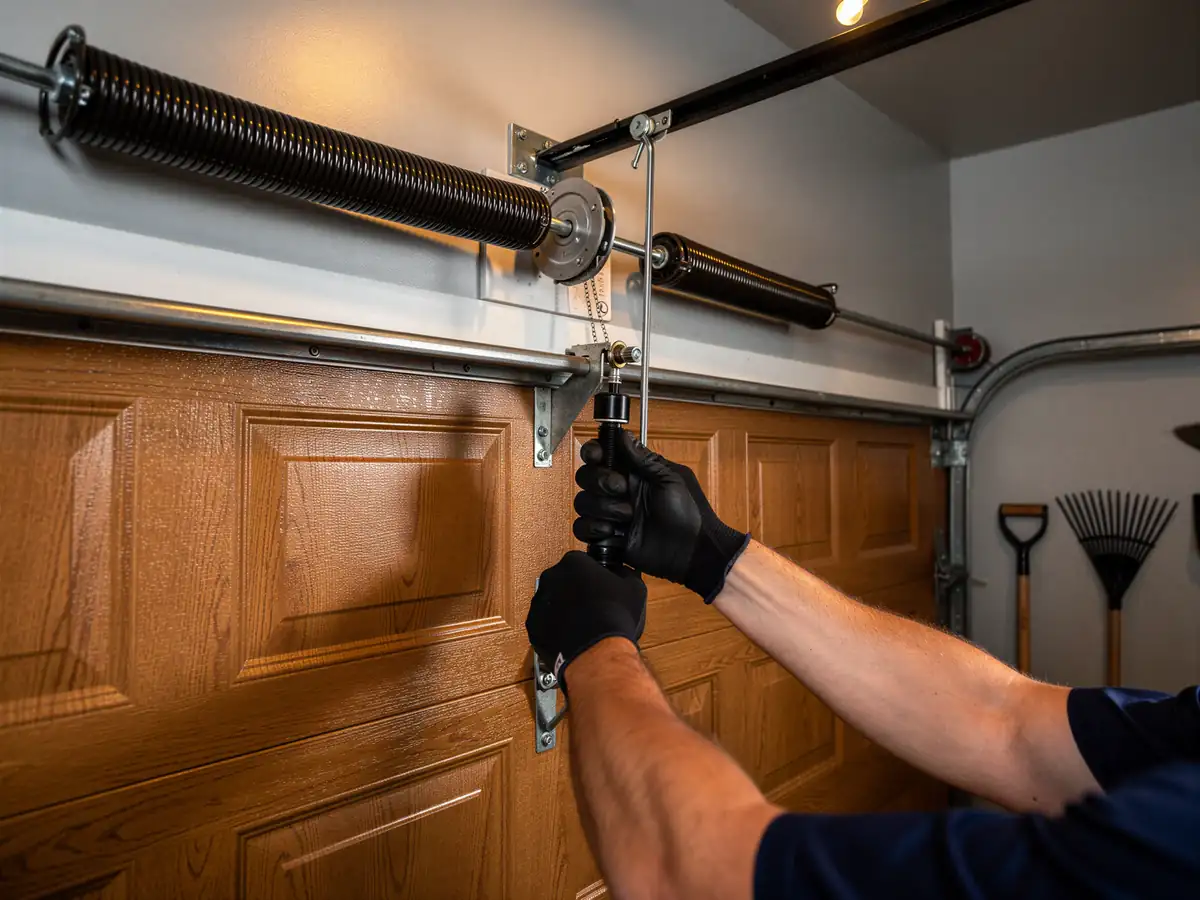
Most houses in St. Louis Park went up around 1965, which puts a lot of garage doors here on hardware that predates the torsion-spring-over-the-header setup you see in houses built after the mid-80s. A chunk of what we find on these calls is still extension springs running along the horizontal tracks on either side of the door, sometimes without the safety cables that became standard later. When one of those lets go, the door can drop hard and the cable can whip - it's a different failure pattern than a snapped torsion spring, and it changes what we bring on the truck.
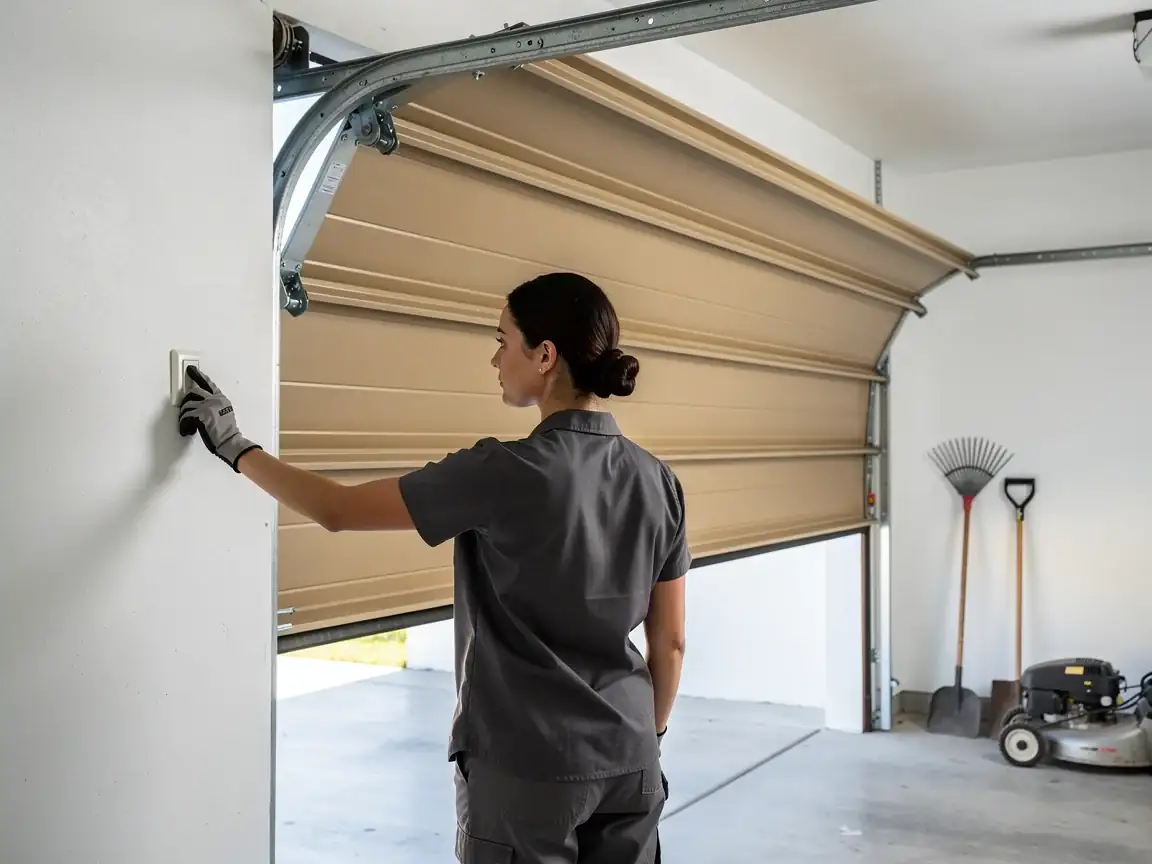
If your door slams the last foot instead of settling, or one side sags lower than the other when it's open, that's usually a spring on one side losing tension before it fully breaks. Worth a call before it goes all the way.
The Cost of This Job
We don't price blind over the phone, because a 1965-era extension spring setup and a modern torsion system aren't the same repair - different parts, different labor, sometimes a cable and safety line replacement that a newer door wouldn't need. What we can tell you is that this area's household income runs close to $100,250, among the higher end of the roughly 24,126 households in St. Louis Park, which is in line with the broader service area's median of $99,460.
That doesn't set the price - your door's age and spring type do - but it does mean we're not quoting a bargain-bin repair and hoping it holds. If a spring is original to a house built in this stretch of the 1960s, the drums, bearings, and track hardware around it have usually seen sixty years of use too, and replacing just the spring while ignoring a worn cable drum is a callback waiting to happen. We'll tell you straight if the smarter move is to do more than the spring while we're already there, and we'll tell you just as straight if it isn't.
What Can Go Wrong
On the older extension-spring doors common to this part of St. Louis Park
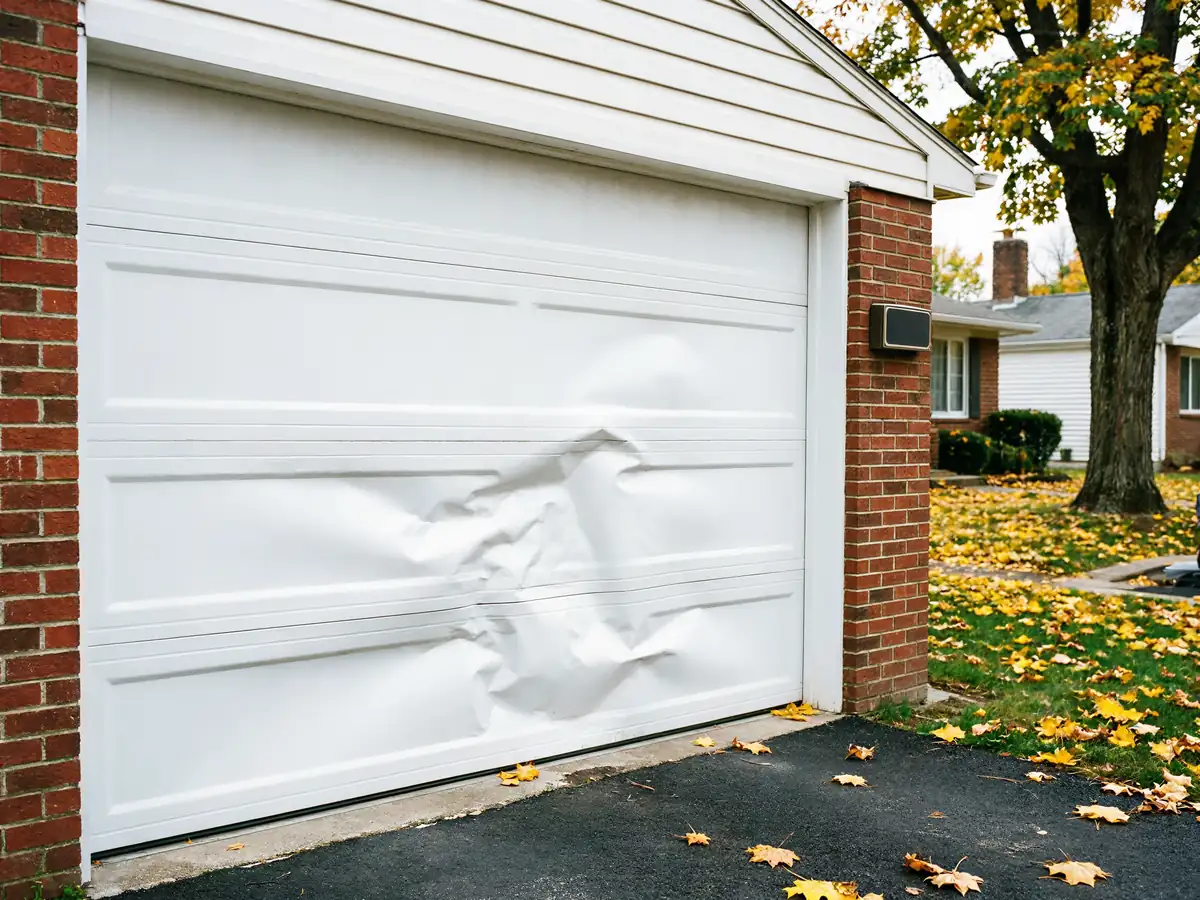
The failure that worries us most isn't the spring itself - it's a spring breaking without a safety cable threaded through it. That's standard practice now, but it wasn't always installed on houses built in the 1960s, and we still find setups without one. When that spring lets go, it has nowhere to go but loose, and that's how door panels get dented and how people get hurt reaching up to grab a falling door.
The other thing we see on this vintage of house
Galvanized springs that have been painted over or rusted solid after decades of Minnesota winters, which is a cold-climate problem more than an age problem - the metal fatigues faster with repeated freeze-thaw cycling on the coil. A spring that looks fine sitting still can let go the first cold morning you ask it to lift a door that's gained weight from moisture over the years.
We'll be honest about one limit here
If the opener, track, and springs are all original and all failing together, patching one part usually isn't worth it. At that point we'll say so instead of running up a bill on a door that needs a fuller rebuild.
What Causes It Around Here
The root cause in St. Louis Park isn't mysterious - it's the age of the housing stock. A door and spring system installed in 1965 has had roughly sixty years of daily cycles, winter cold, and summer humidity swings to wear through. Across the wider service area the housing runs from 1955 up through 2004 with a median around 1984, but St. Louis Park sits on the older side of that range, which is exactly why extension-spring failures and worn cable drums show up more here than in the newer pockets we cover.
Add the climate: this is a cold-moderate zone, and steel spring coils lose tension faster through repeated freeze-thaw than they would somewhere milder. A spring rated for a certain number of cycles doesn't care how old the house is - it cares how many times it's been stretched and how cold it got each time. Put a sixty-year-old door on sixty winters and the spring is usually the first thing to give.