How It Shows Up
St. Louis Park's median household income runs $100,250, which puts a lot of owners right at the point where a repair stops making sense and a full replacement starts to. That number matters more than it sounds like it should. A simple spring job is an easy yes. A full track-and-panel rebuild on a door that's already decades past its opener's design life is a harder call, and it's one we talk through honestly rather than push one way.
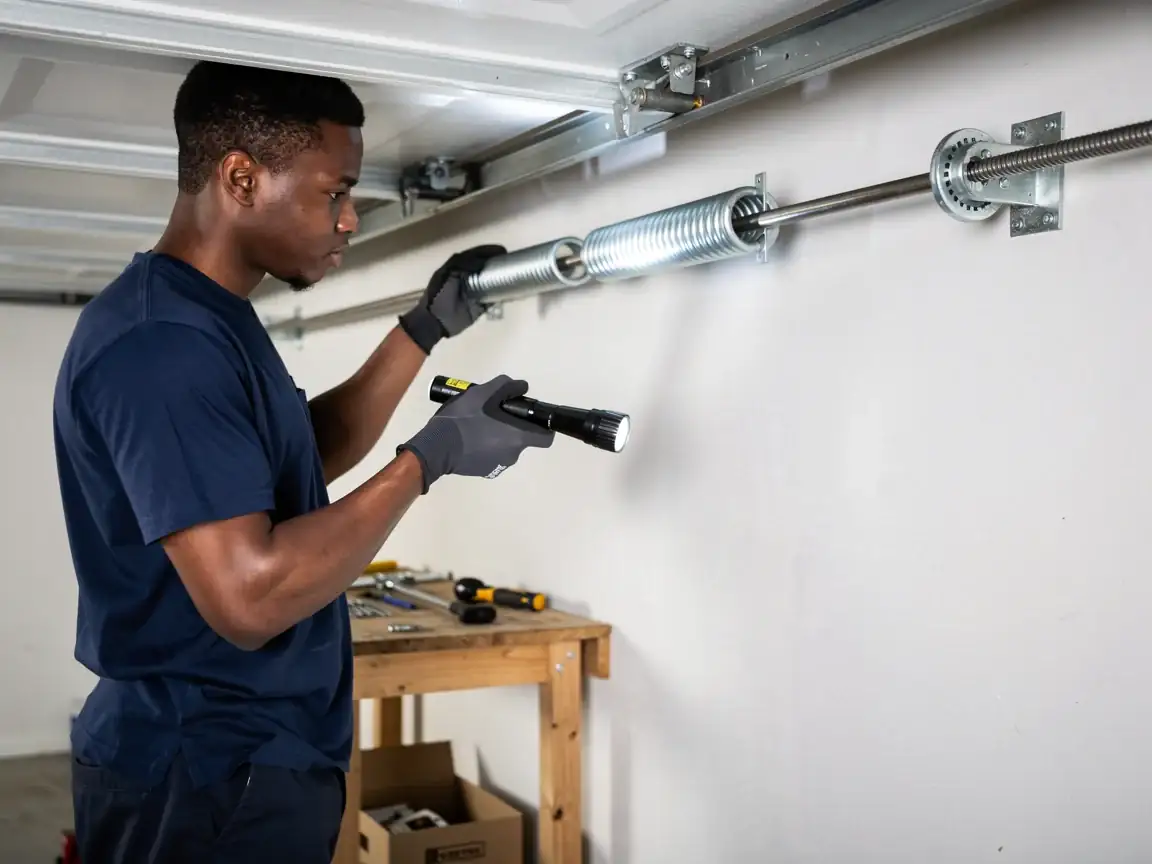
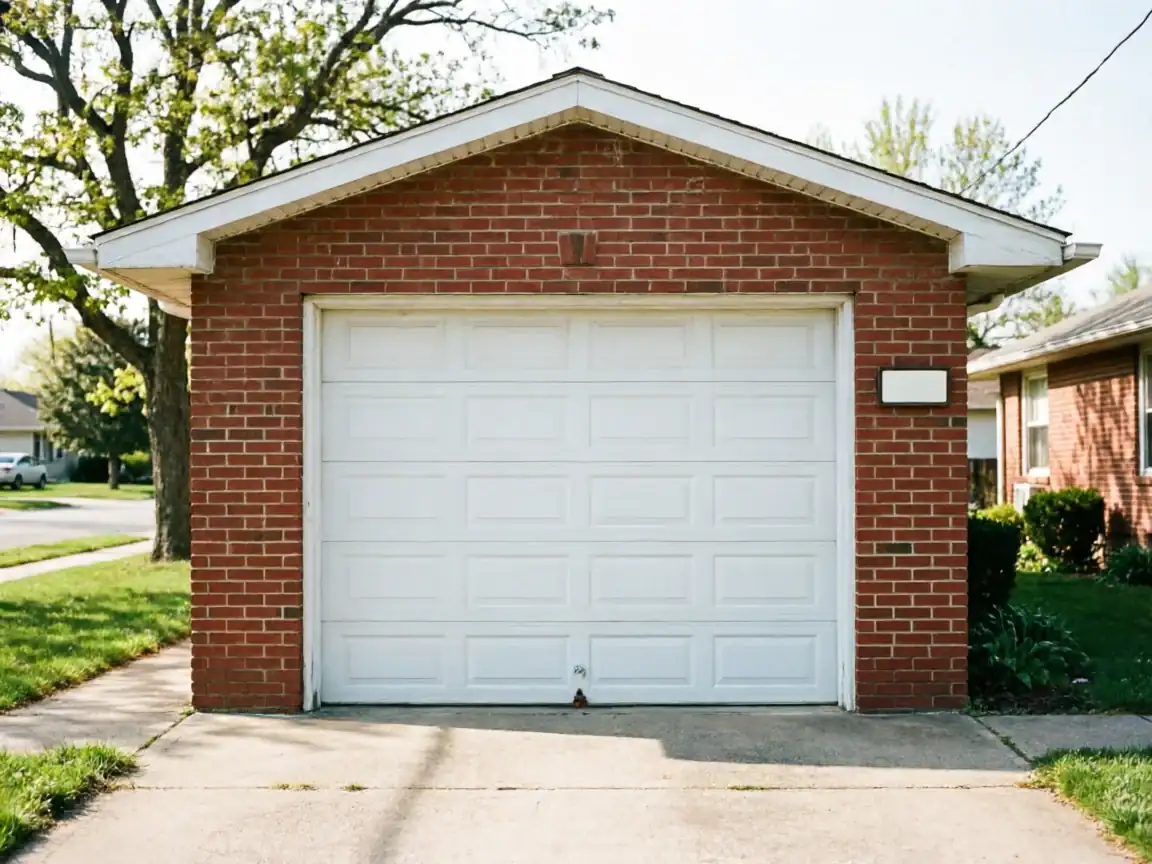
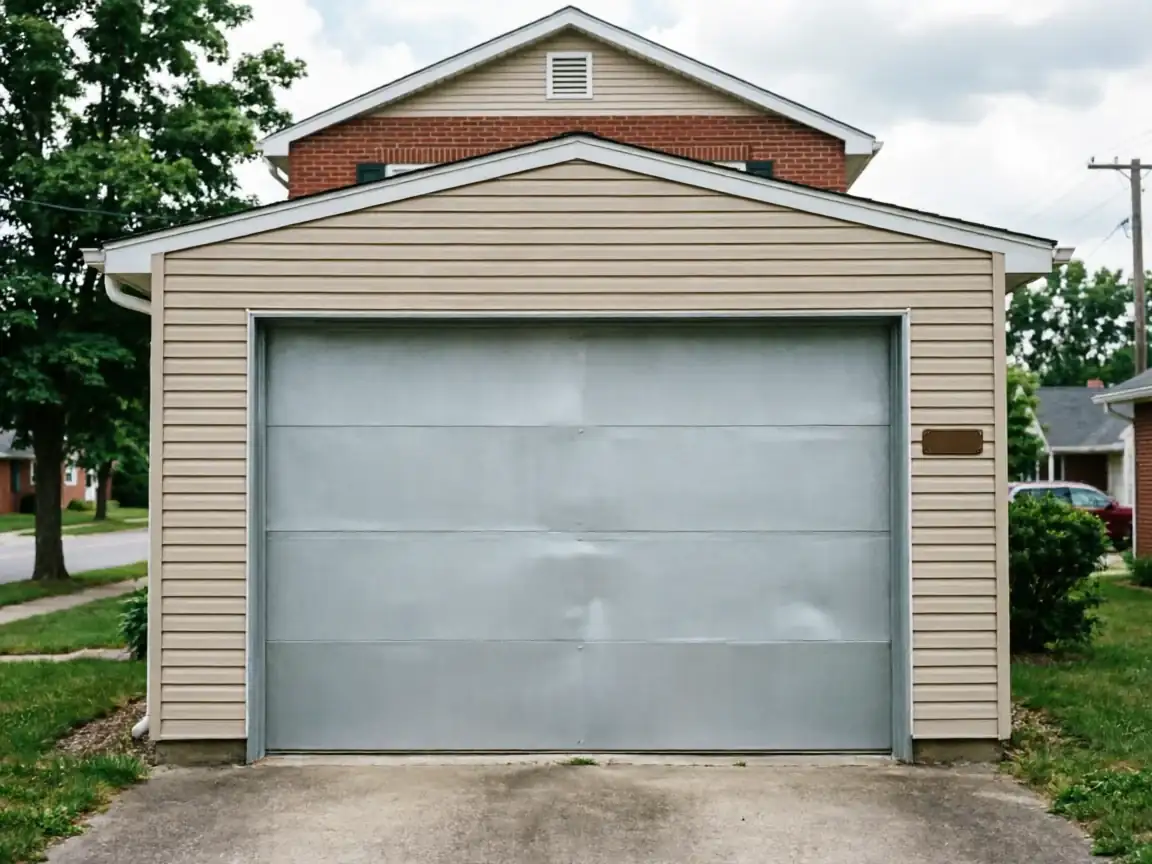
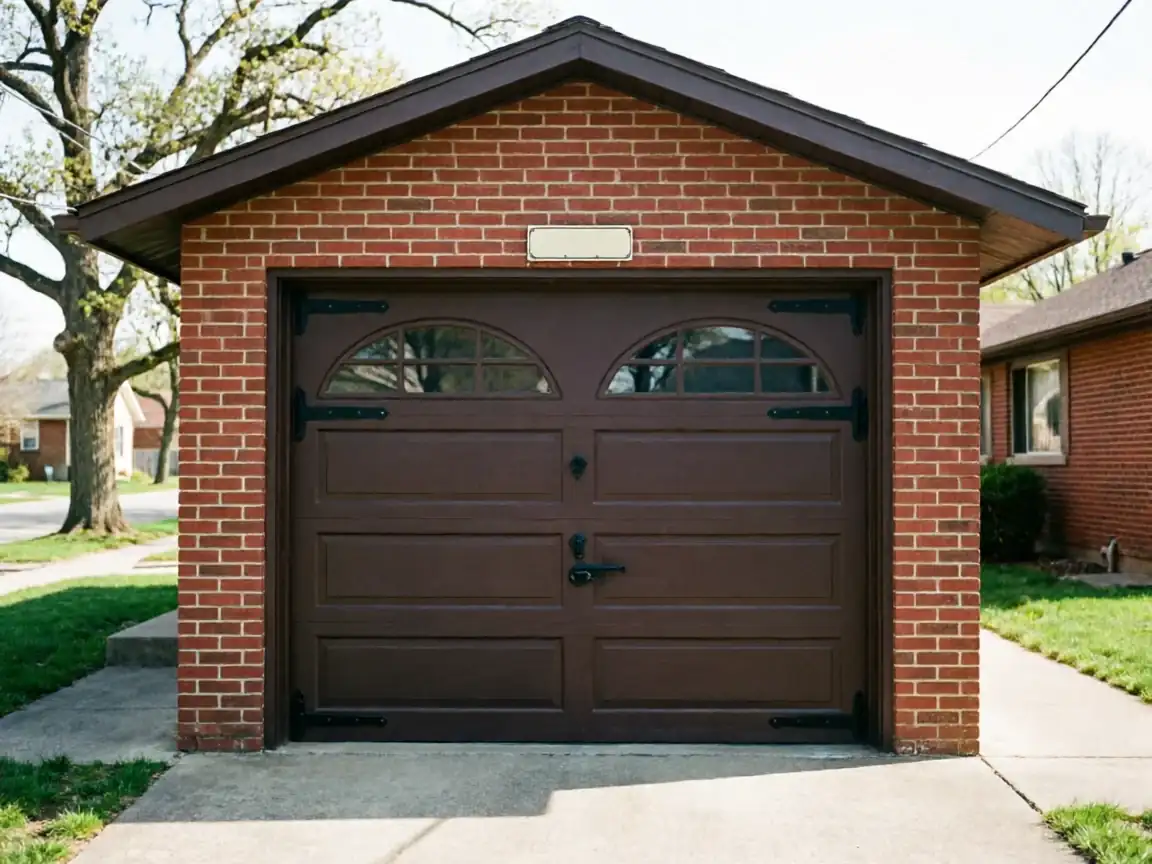
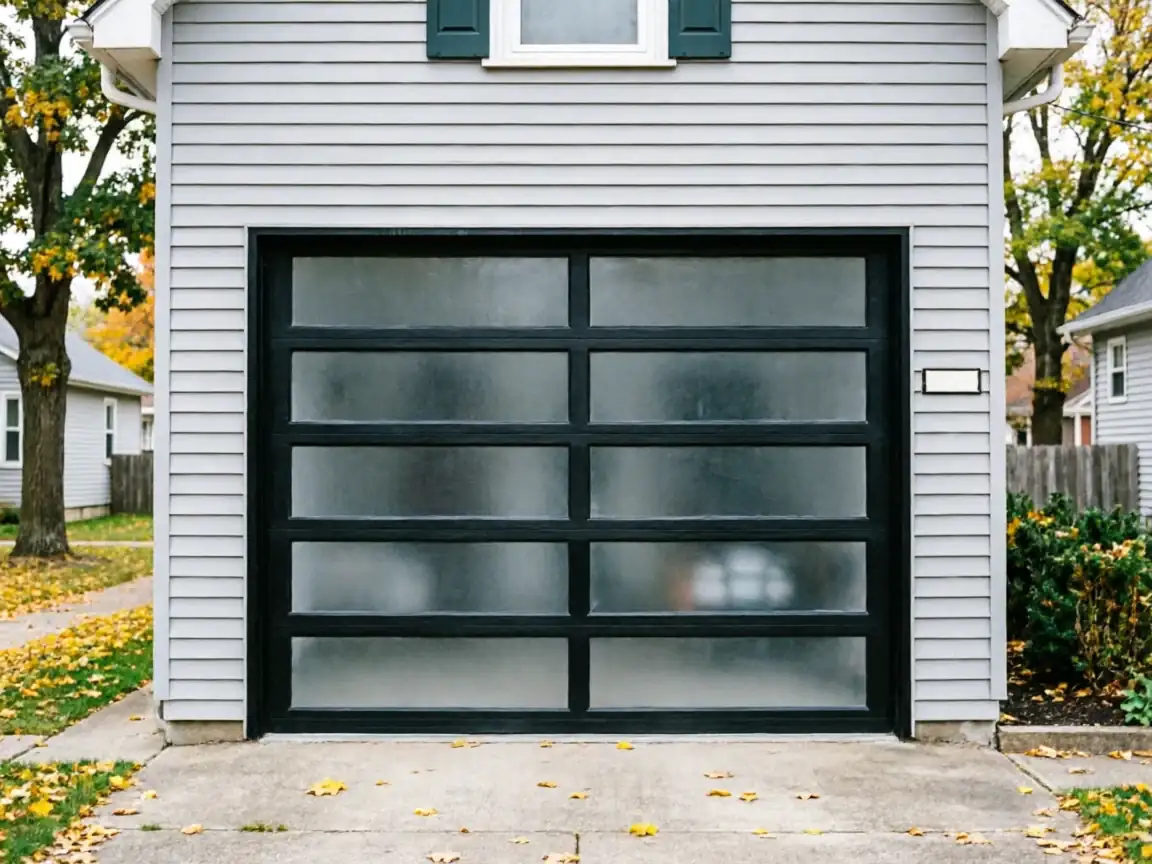
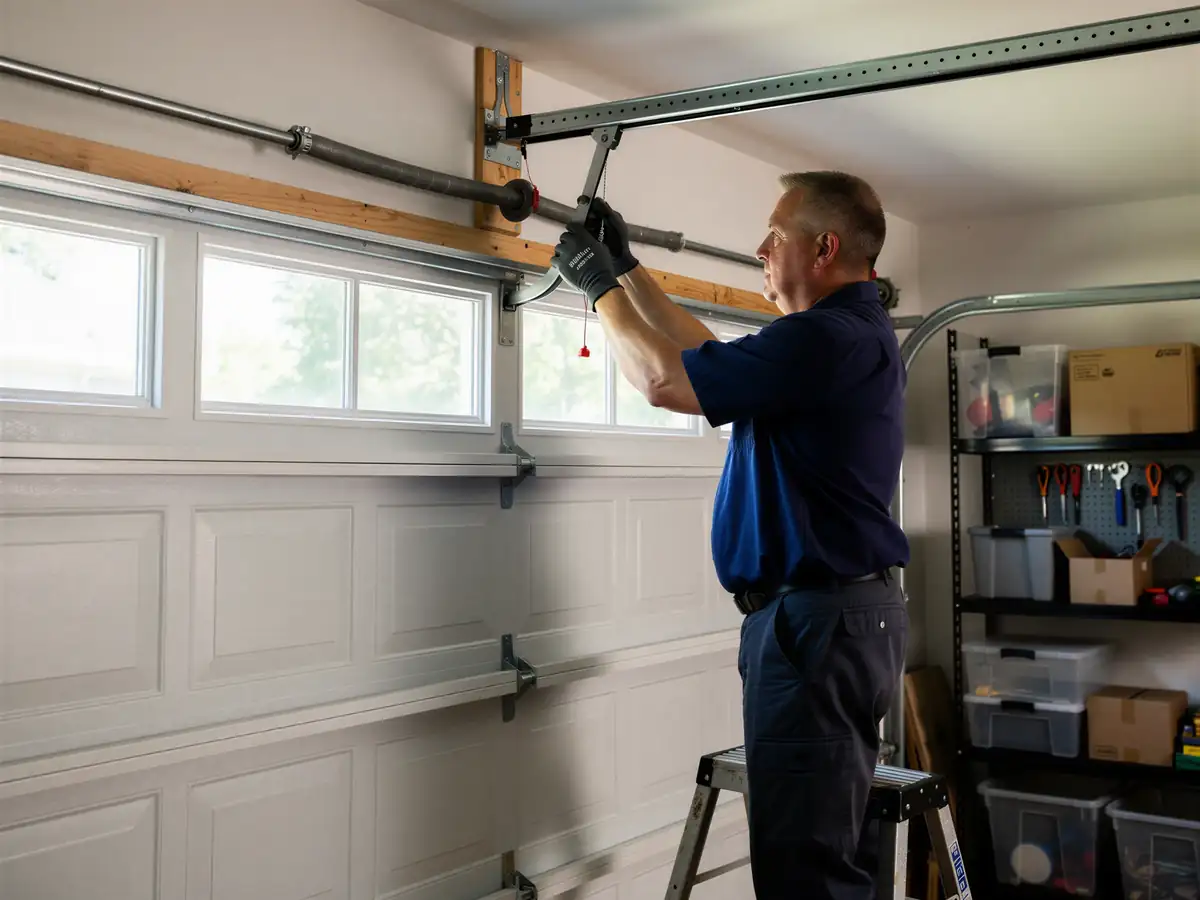
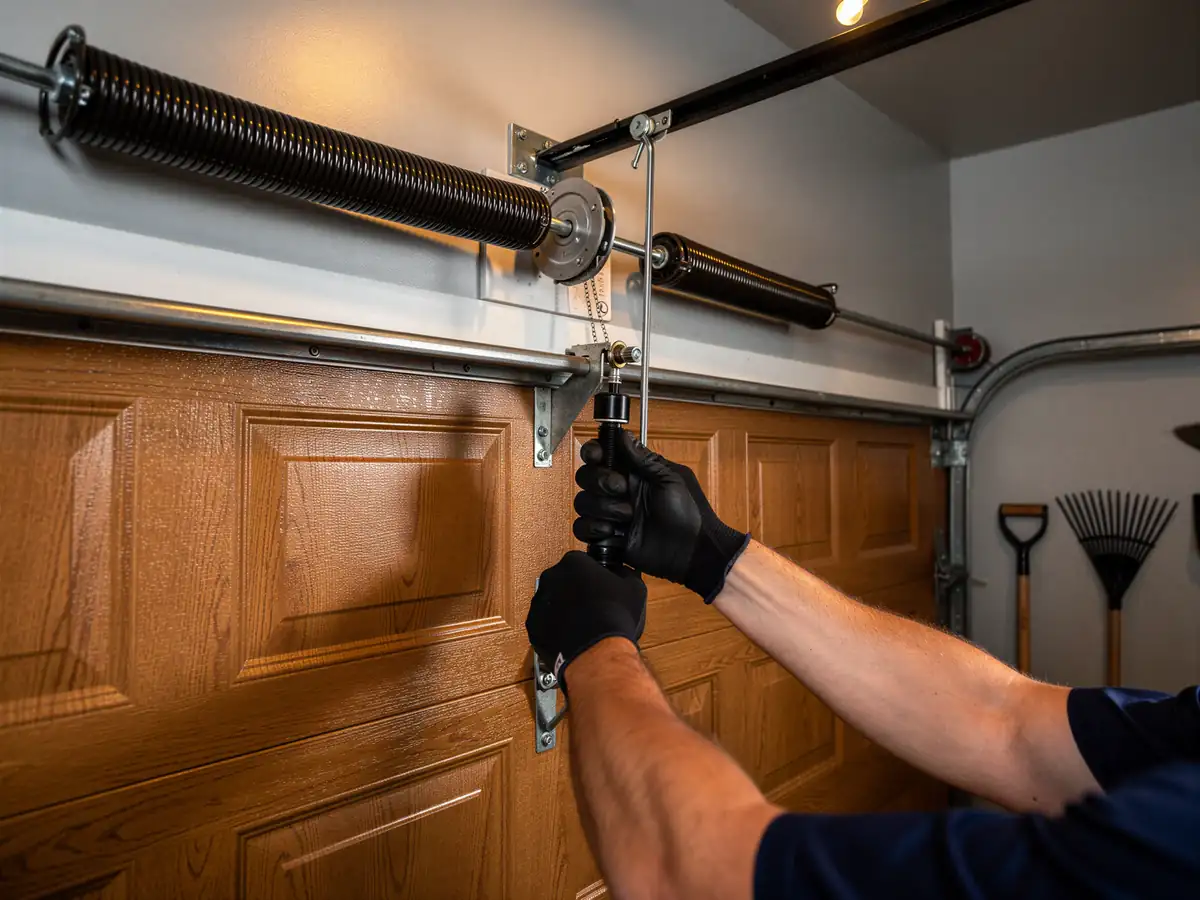
The houses here mostly show their age the same way: a torsion or extension spring that's lost its temper, a panel that's racked from years of an opener forcing a bent track, or rollers that have worn their channel wide enough to rattle on every cycle. At a median year built of 1965, most of St. Louis Park's garage doors have outlived two or three openers already, and the door itself is often the original or a direct replacement from decades back. When the opener finally gives out, the spring and hardware underneath it are usually close behind.
The Cost of This Job
St. Louis Park sits roughly 20 miles from our shop in Lakeville, which is why we build the route into the estimate rather than promising a same-day arrival. That drive is part of why we quote a job before we load the truck rather than guess at a number over the phone.
Cost splits along a line that tracks the income number more than people expect. St. Louis Park's median household income sits at $100,250, comfortably above the point where most owners choose a full tear-out over a patchwork fix once a door needs more than one repair in a year. A single broken spring or a bent section is worth fixing outright. A door that needs a spring, new rollers, and a track straightened in the same visit is usually cheaper, over several years, to replace than to keep patching - that's the honest math, not a sales line.
One limitation worth saying plainly: if a part is obsolete - an odd-width torsion spring from an older build, say - we may need a day or two to source it rather than finish in one trip.
What Can Go Wrong
With 24,126 households in St. Louis Park
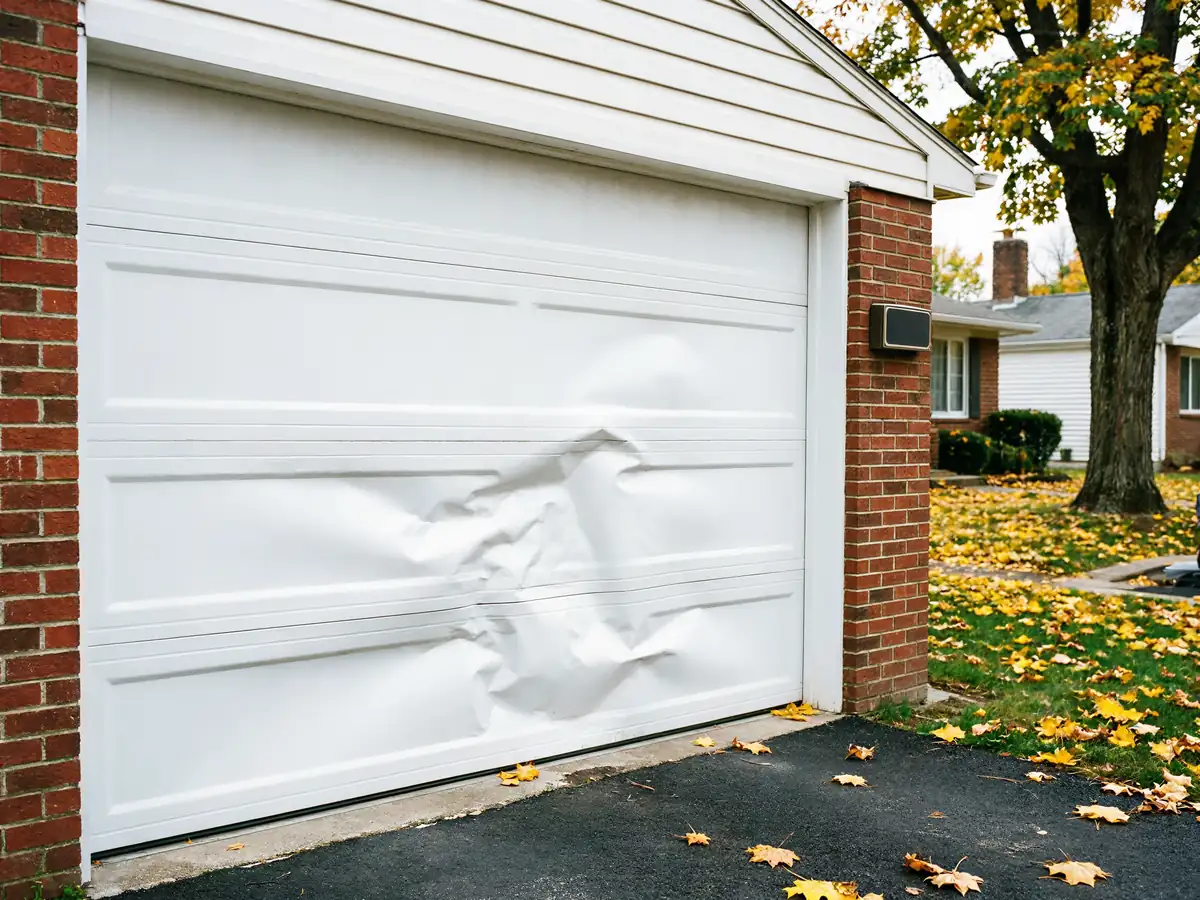
A good share of them still running the extension-spring setups that were standard in 1965 construction. Extension springs sit alongside the horizontal track rather than above the door, and they don't fail gently - when the cable or the spring itself lets go, the door can drop hard enough to crack a panel or jump the track entirely.
- 24,126 households
Openers from that era, or their later replacements, often weren't matched to today's lighter steel doors
So the travel limits and force settings drift out of adjustment over the years. That shows up as a door that reverses for no reason, or one that closes but doesn't seat, leaving a gap along the bottom.
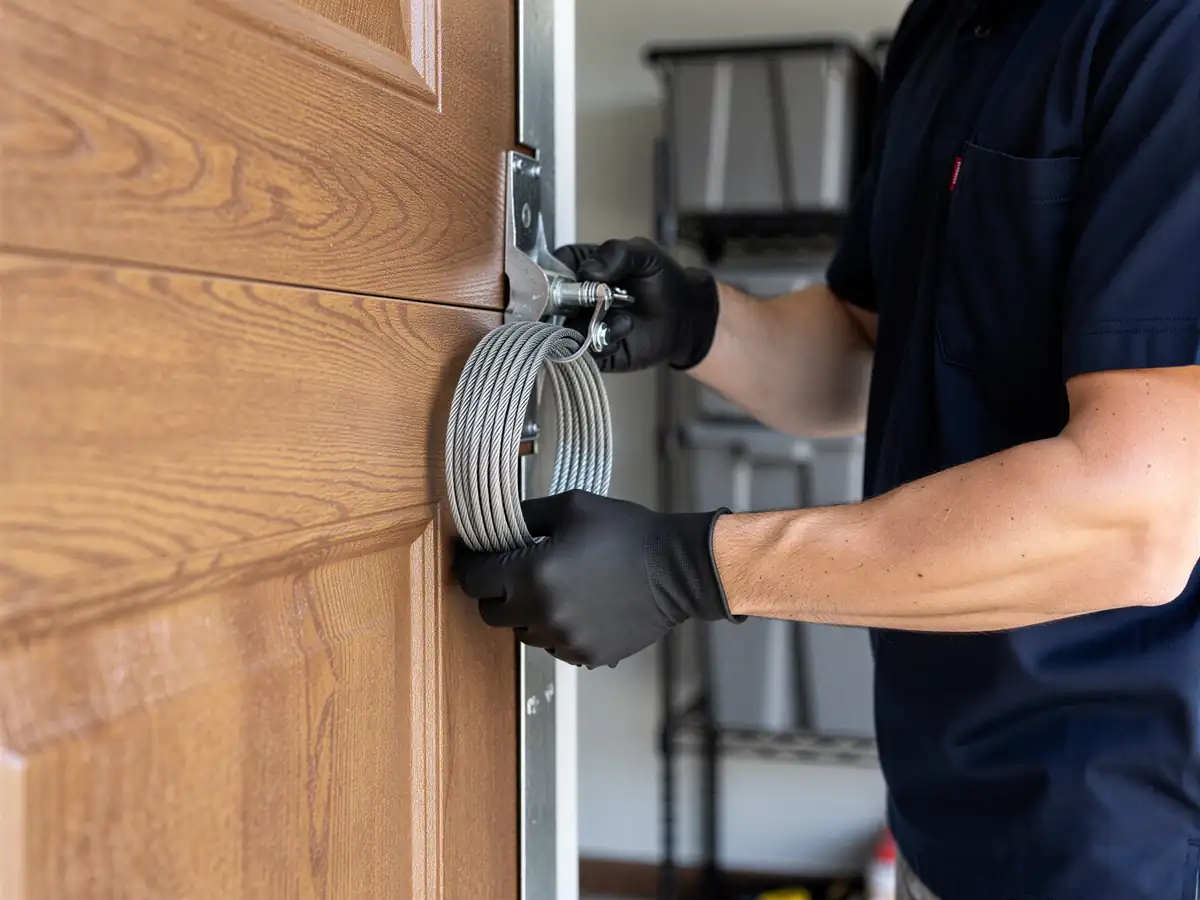
Cables fray at the drum first, usually invisible until the day they snap
Rollers - especially the original steel ones - wear their track wide and start binding on the turn where the vertical track meets the horizontal. None of this is unusual for a house of this age; it's just what forty-plus years of daily cycles on hardware never designed for a maintenance-free lifespan looks like.
What Causes It Around Here
The cold is the other half of the story. This area sits in a cold climate band, and the swing between a January morning and a July afternoon puts real stress on steel track, nylon rollers, and the lubricant in an opener's gearbox. Metal contracts, torsion springs lose a little tension, and a door that closed level in October can bind on one side by February.
The typical house here went up around 1965, a decade or more before the 24,126 households of St. Louis Park started replacing those first-generation doors with anything lighter or better insulated, so a lot of the original hardware has simply never been swapped out. Combine 1960s steel with decades of expansion and contraction and the failure points are predictable: springs, cables, and the fasteners holding the track to framing that's shifted slightly over the years.
We cover St. Louis Park from our shop in Lakeville, along with the rest of the towns in this part of the service area, and the age and climate pattern is consistent enough that we know what to check first before we even open the door panel.