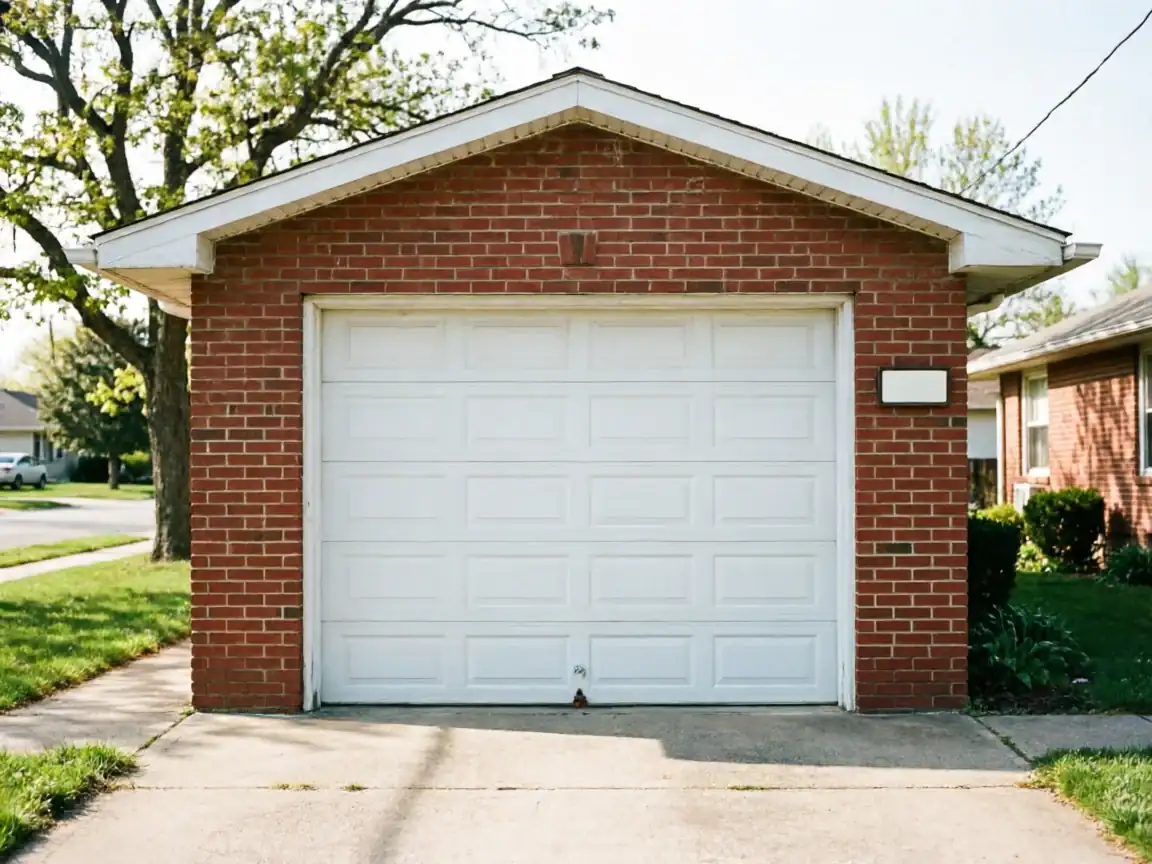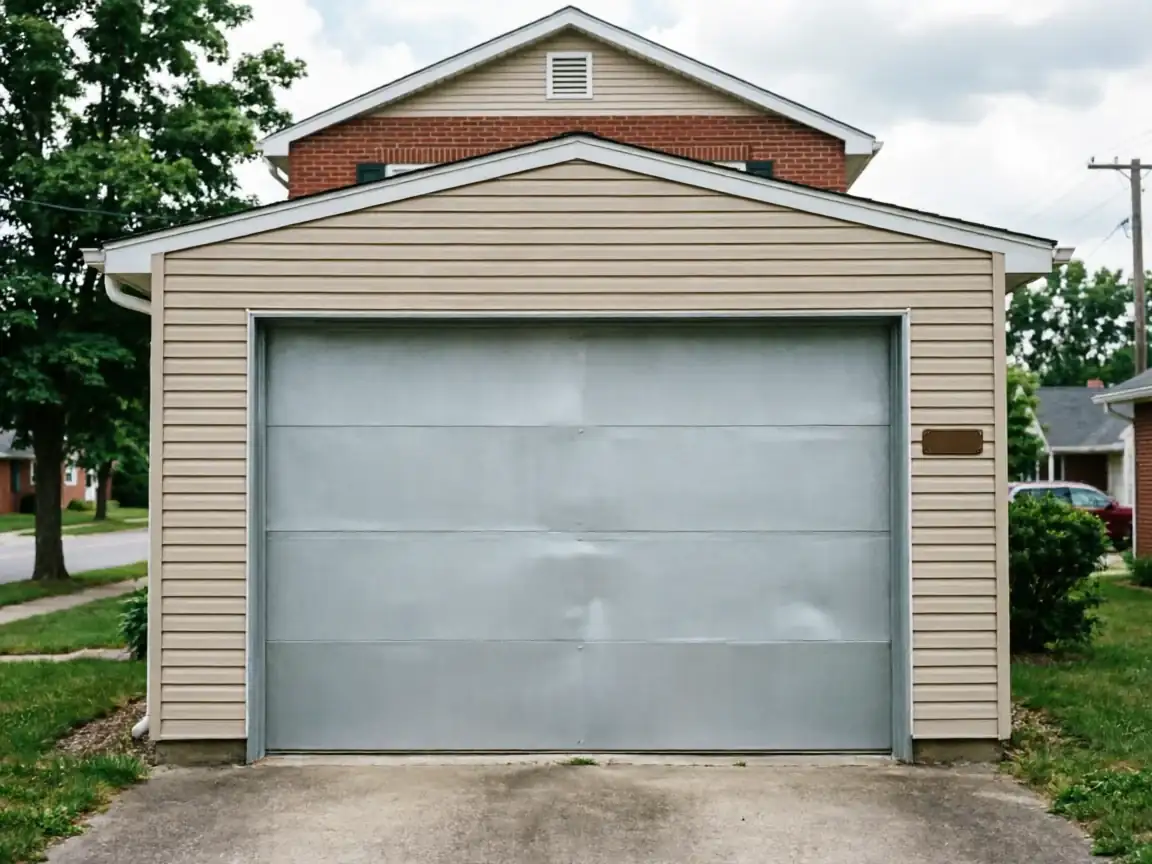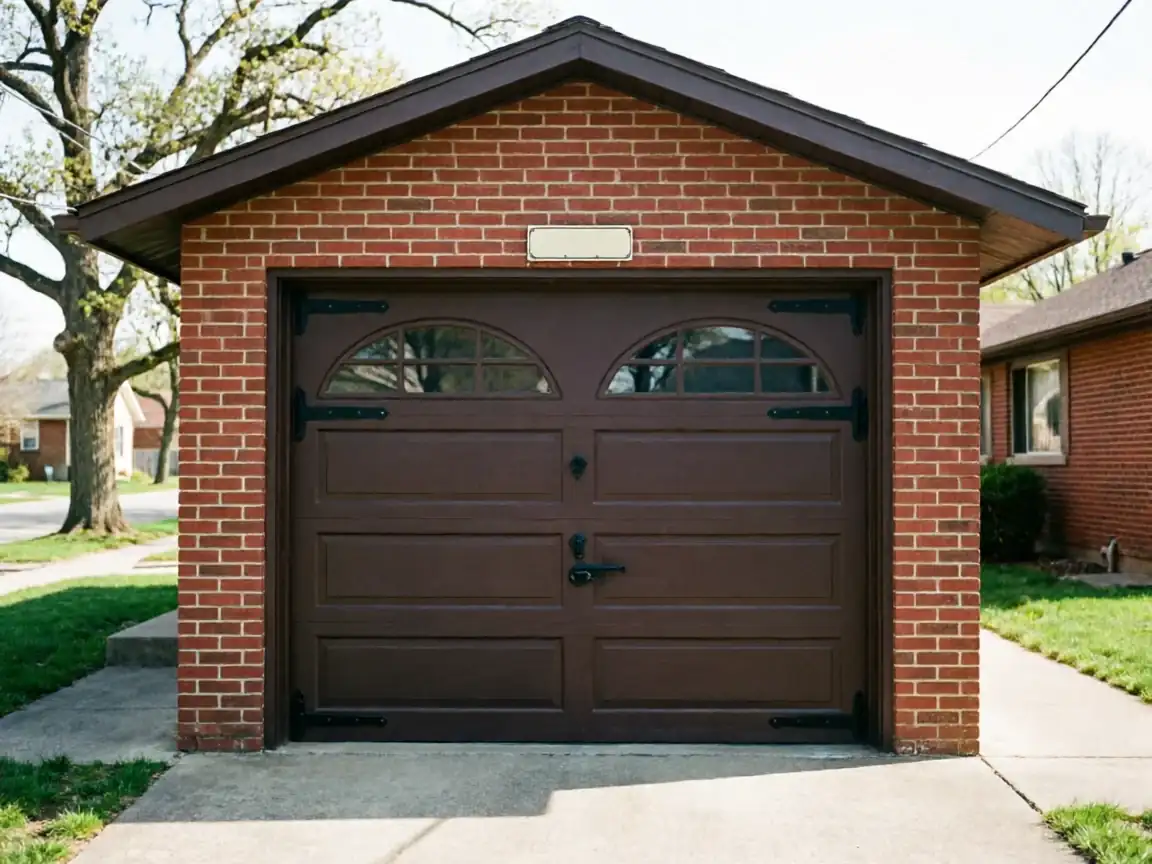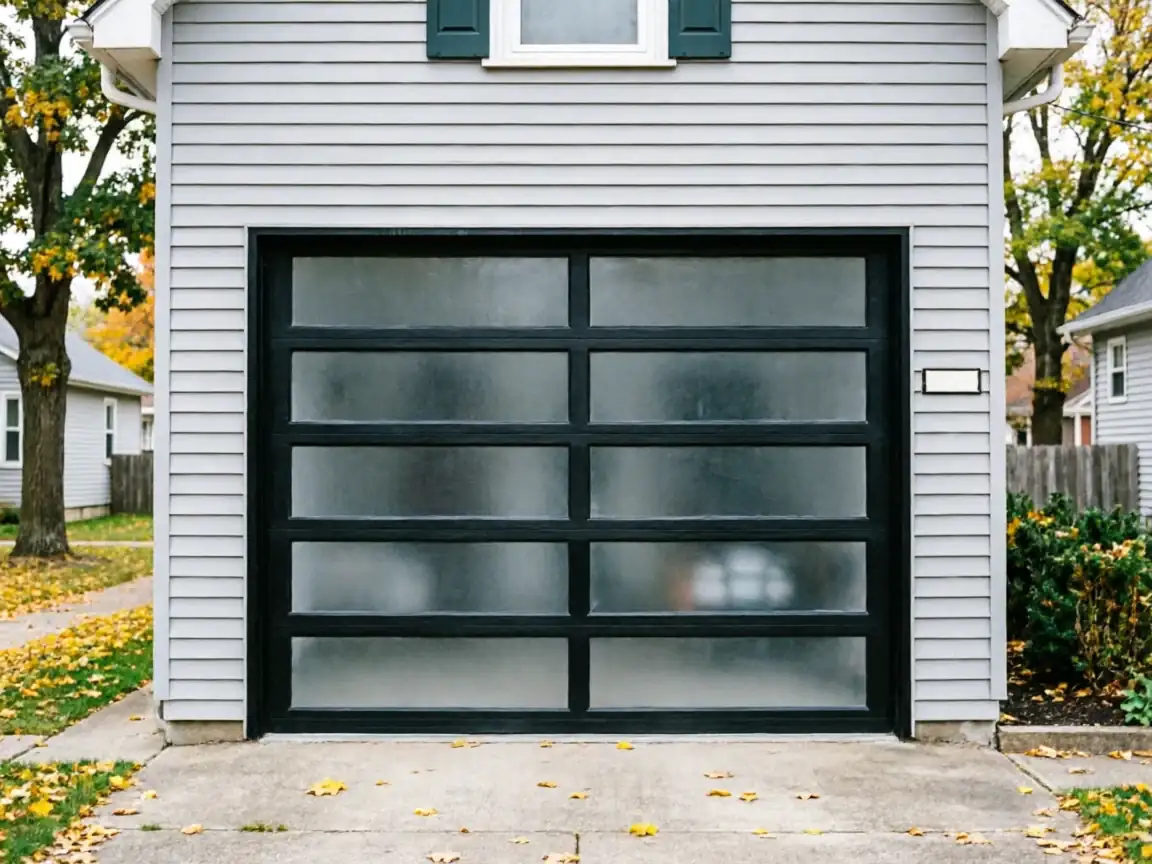
How to Book
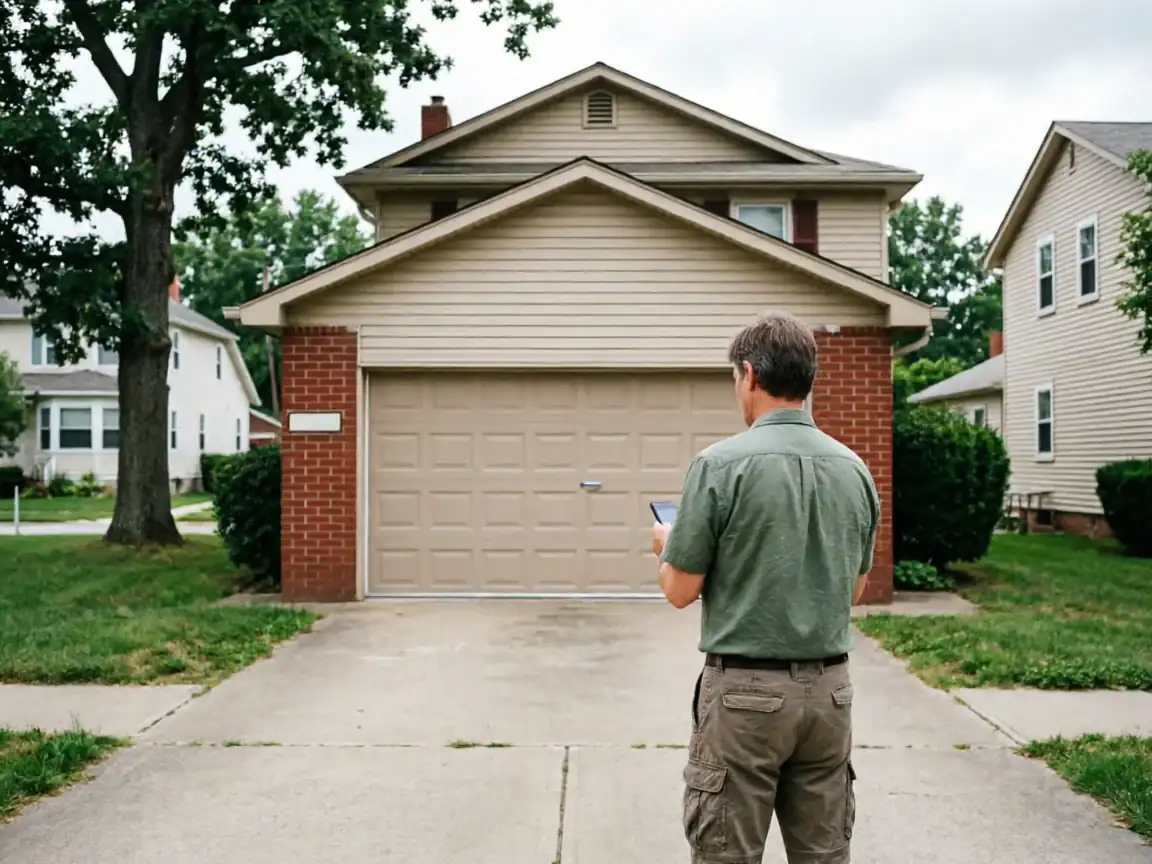
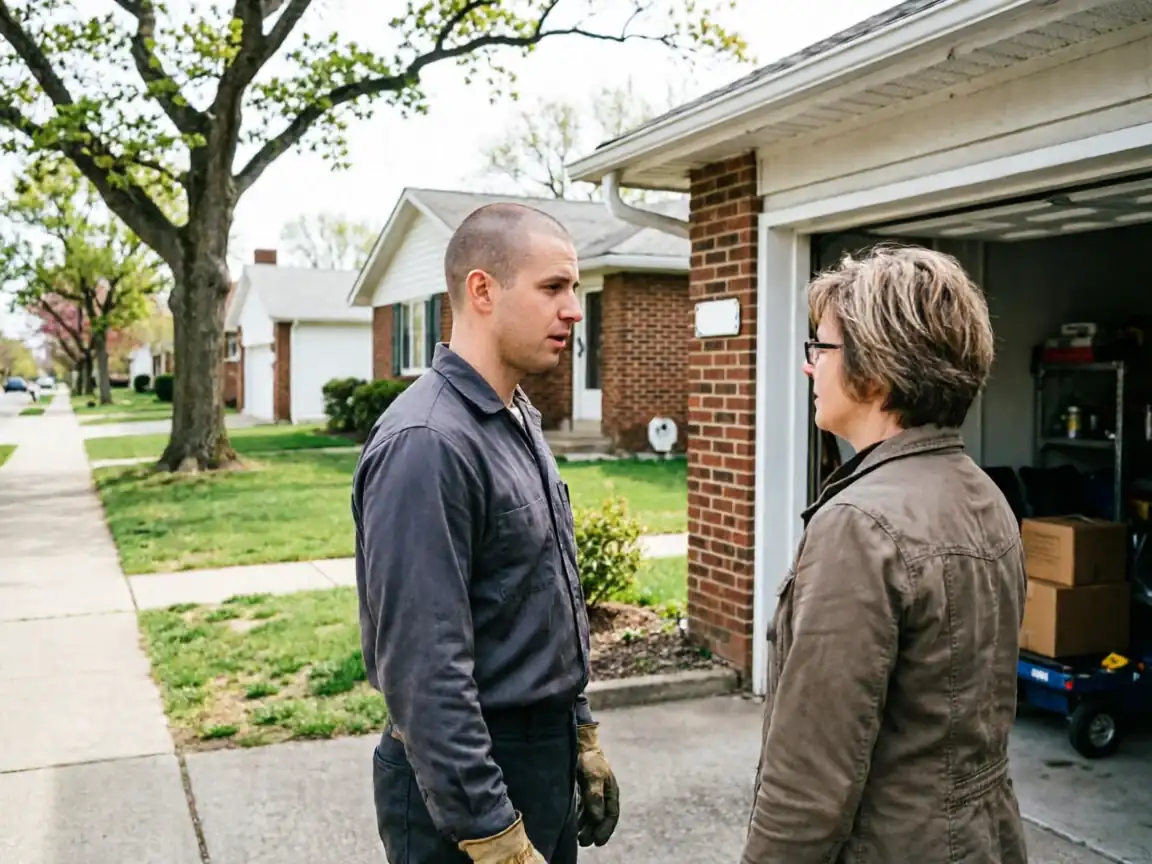
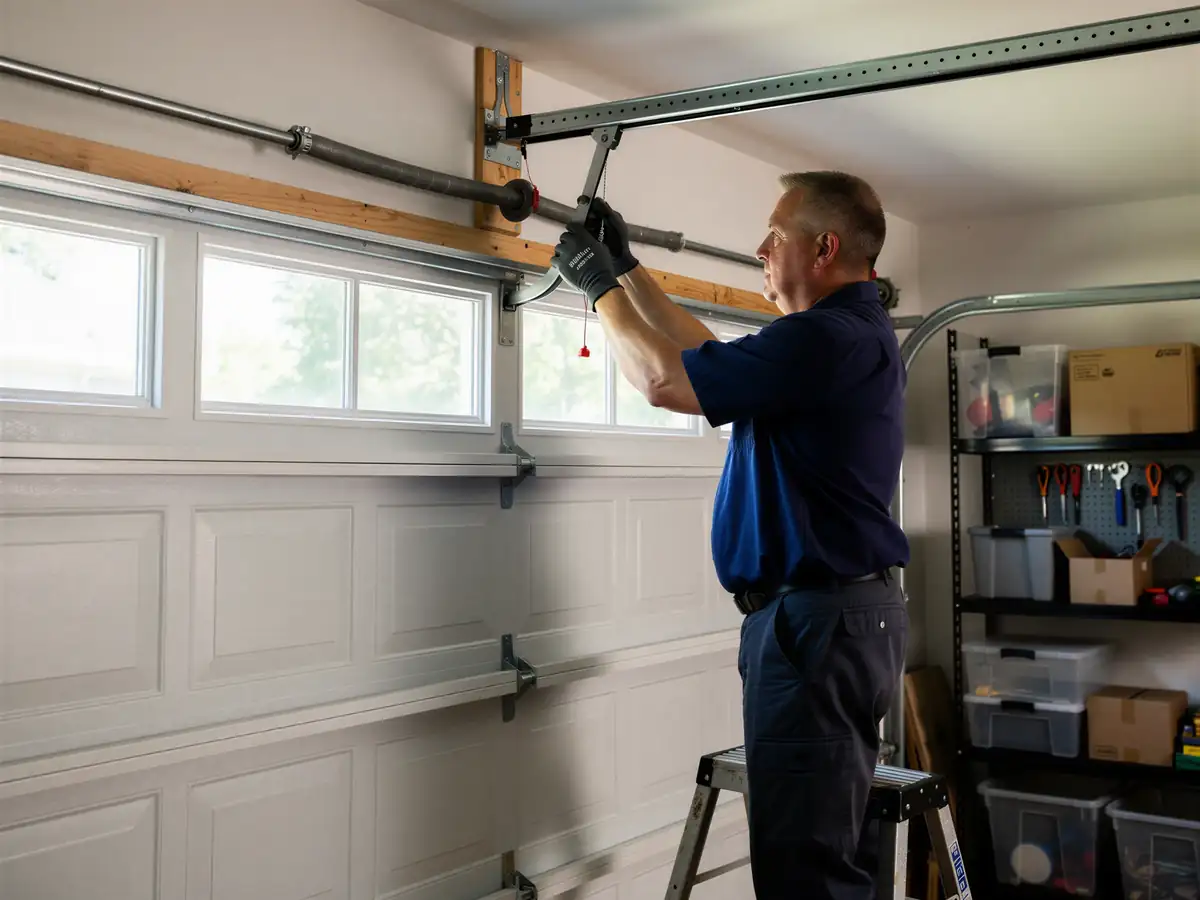
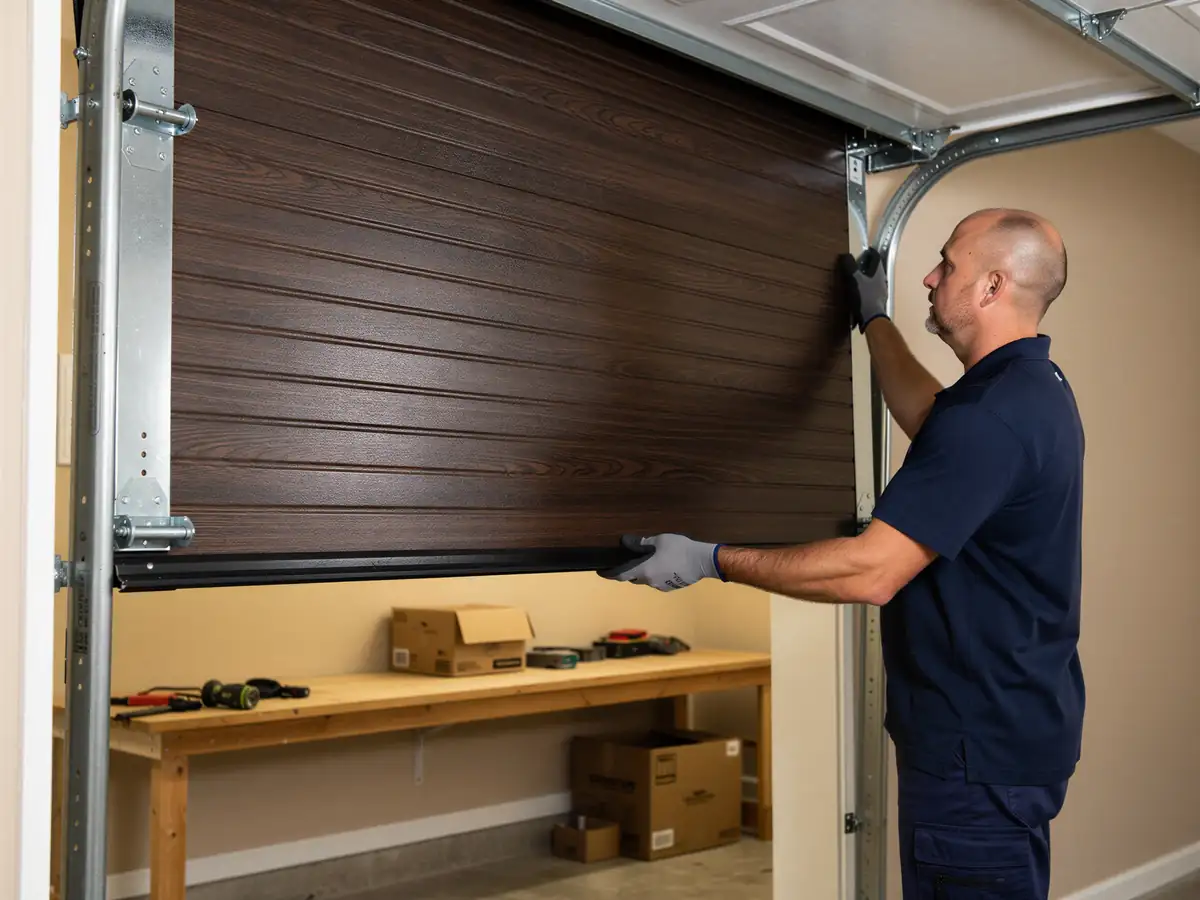
You don't need a broken spring to call us. Most of the maintenance work we do across this service area is scheduled ahead of a season change, not after something snaps. Reach us through the contact page on our site and tell us roughly how old the door is and whether it's ever been serviced - that's enough for us to plan the visit. We work the whole area covered by this page, not just one neighborhood, so appointment windows depend on where your street falls relative to the rest of the route that day. If you've never had the door touched since it was installed, say so; it changes what we bring on the truck. One thing we won't do is promise a same-day slot for a routine tune-up when the calendar's full of emergency calls - those jump the line, same as they would for you if your door was the one stuck shut. Book early in the fall if you want it done before the cold sets in hard. Visit the homepage to get started: /
The Cost of This Job
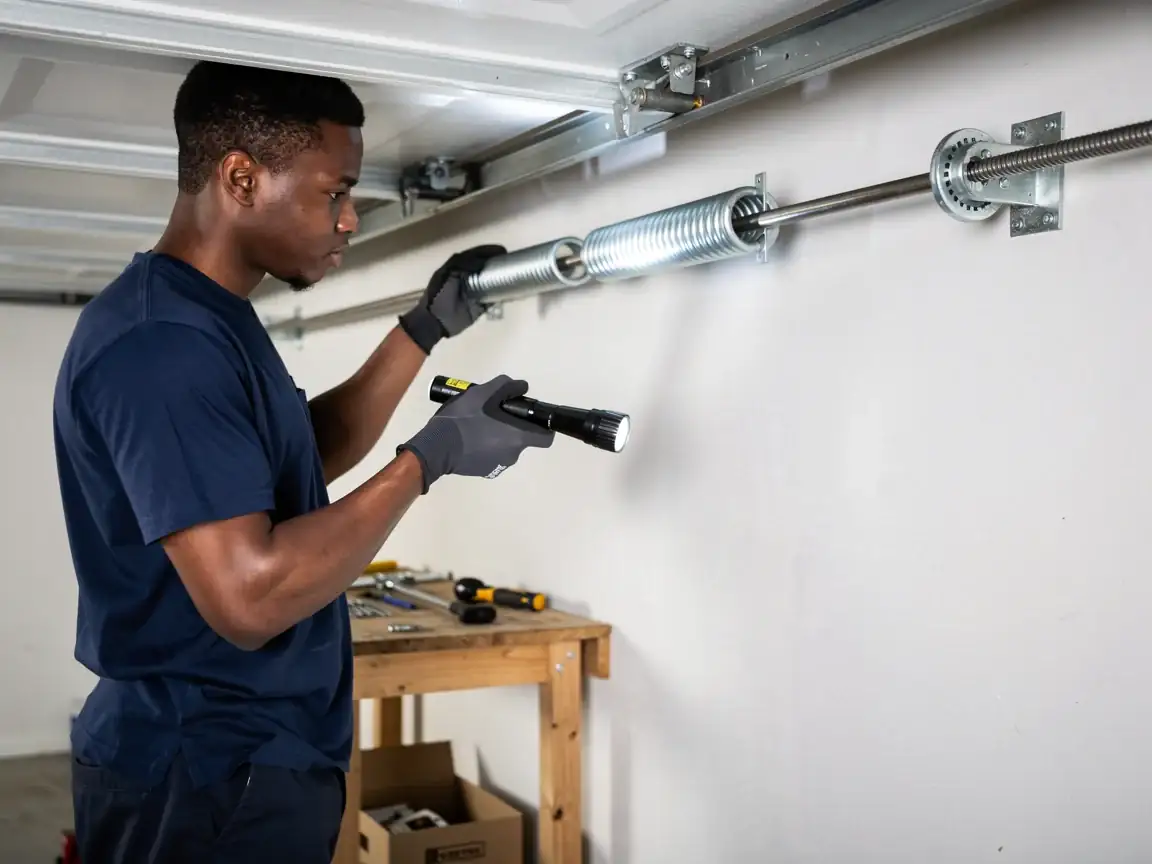
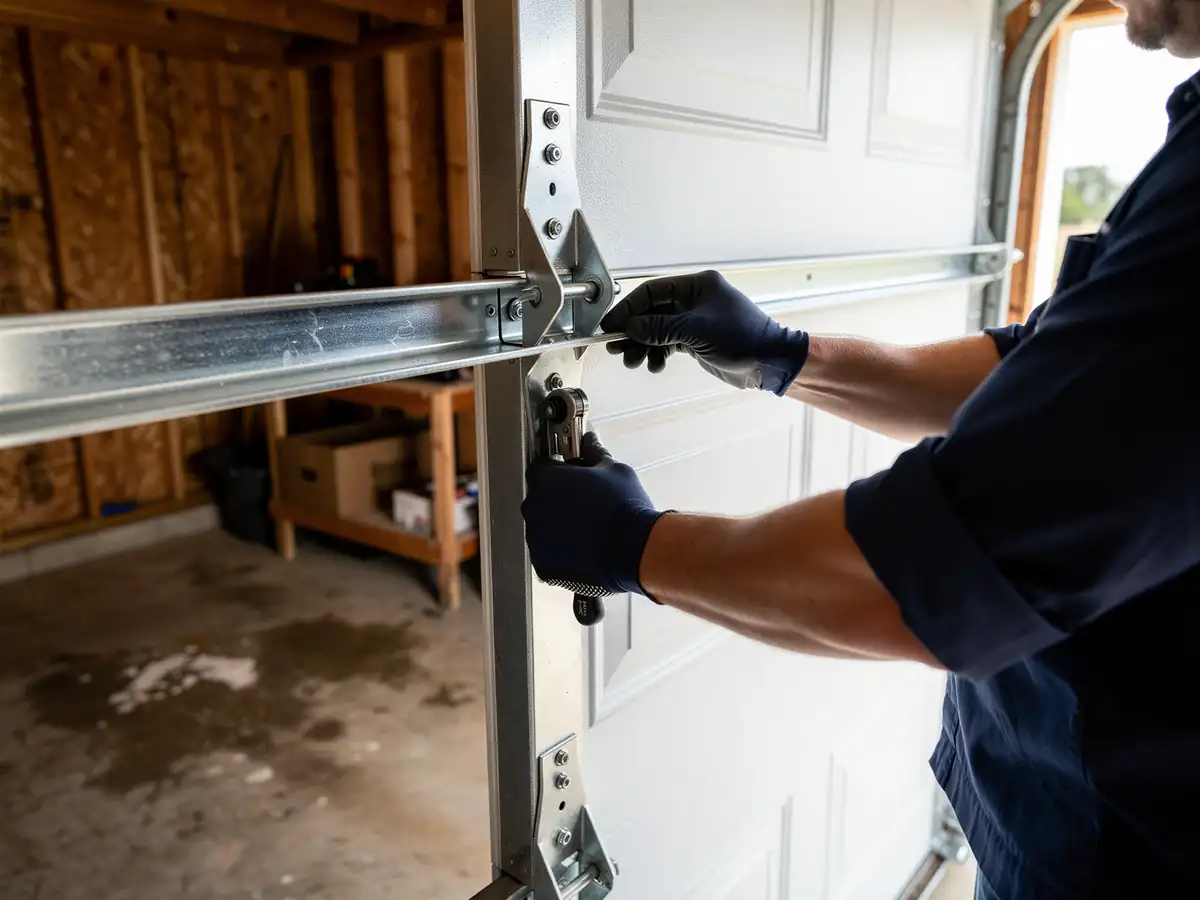
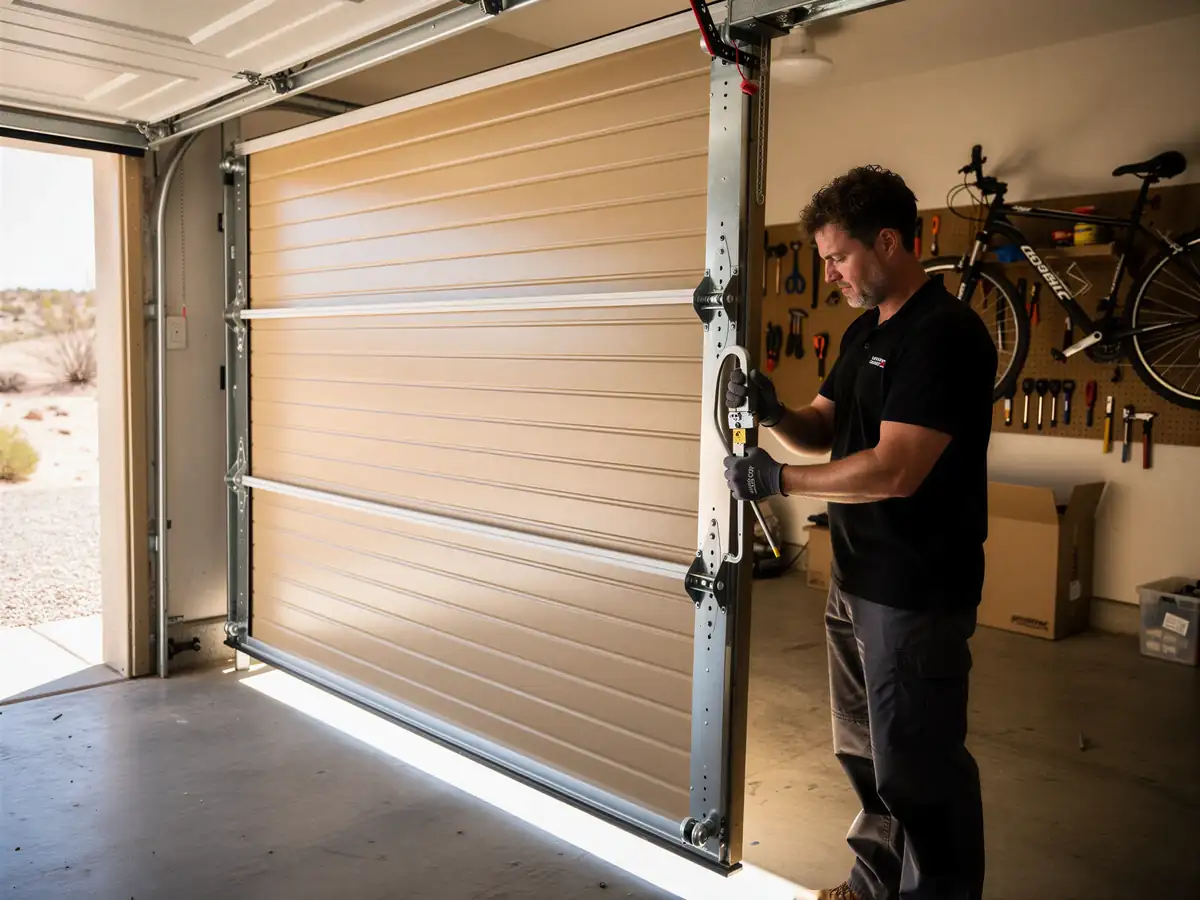
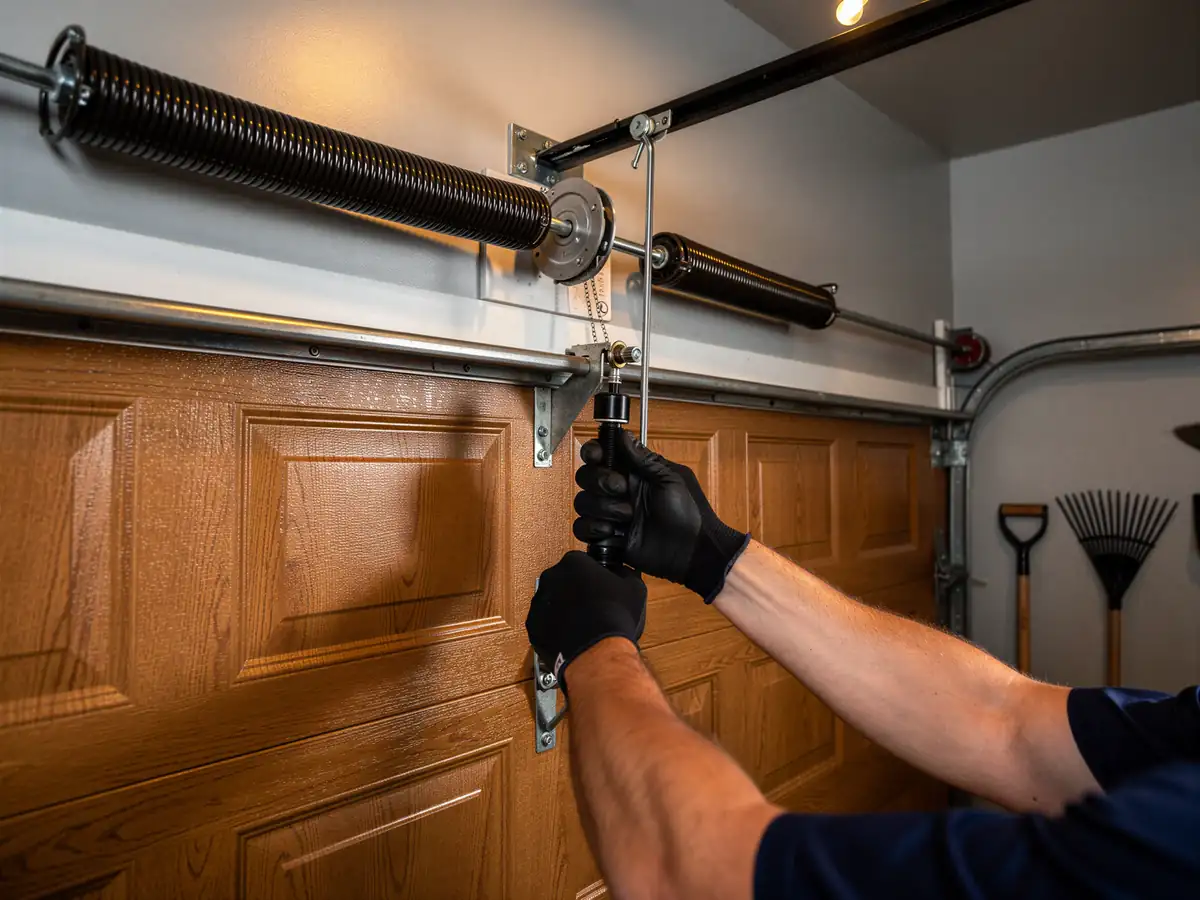
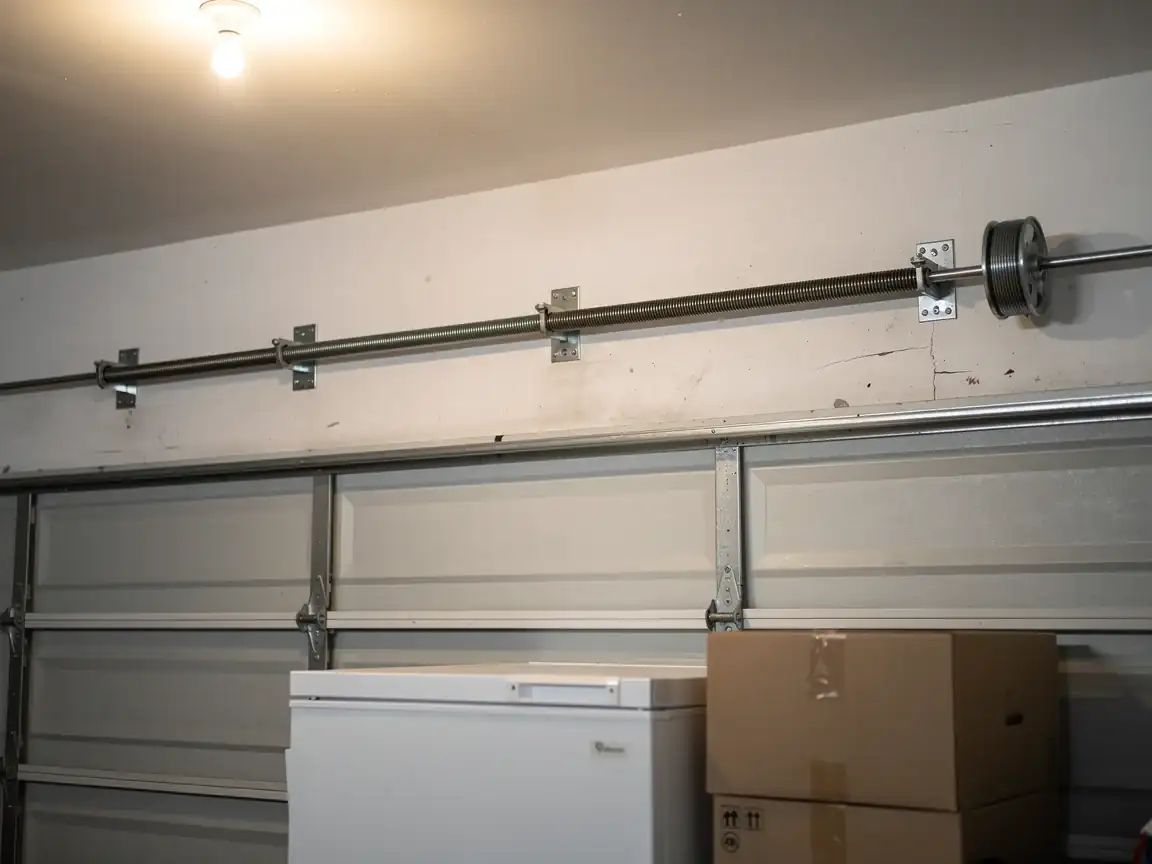
We're not going to hand you a flat number here, because a tune-up on a door that's been ignored for fifteen years is a different job than one that's been serviced on schedule. What drives the cost is what we find once the door's open: how much the rollers have worn, whether the torsion spring still has even coil spacing, whether the track is still square to the wall. A straightforward lubrication and adjustment visit costs less than one where we're also replacing worn hardware mid-visit. Across the households we serve - and there are 53,681 owner-occupied houses in this area out of 120,874 total households - the range of what people need varies a lot by how old the door is and how it's been treated. We'll look at the door first and quote the job before we touch anything, not after. If a repair during the visit turns out to cost more than the tune-up was worth, we'll tell you that too, rather than run up a bill on a door that's close to the end of its life anyway.
How It Shows Up
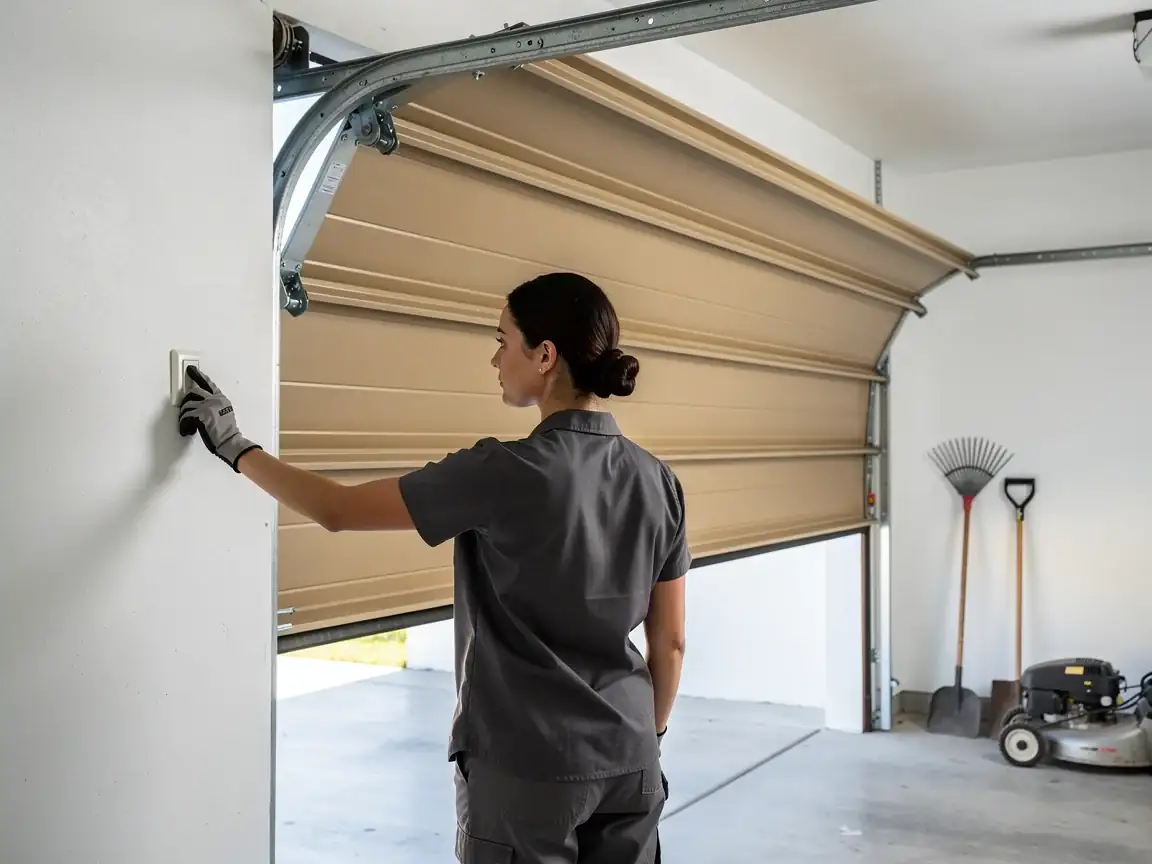
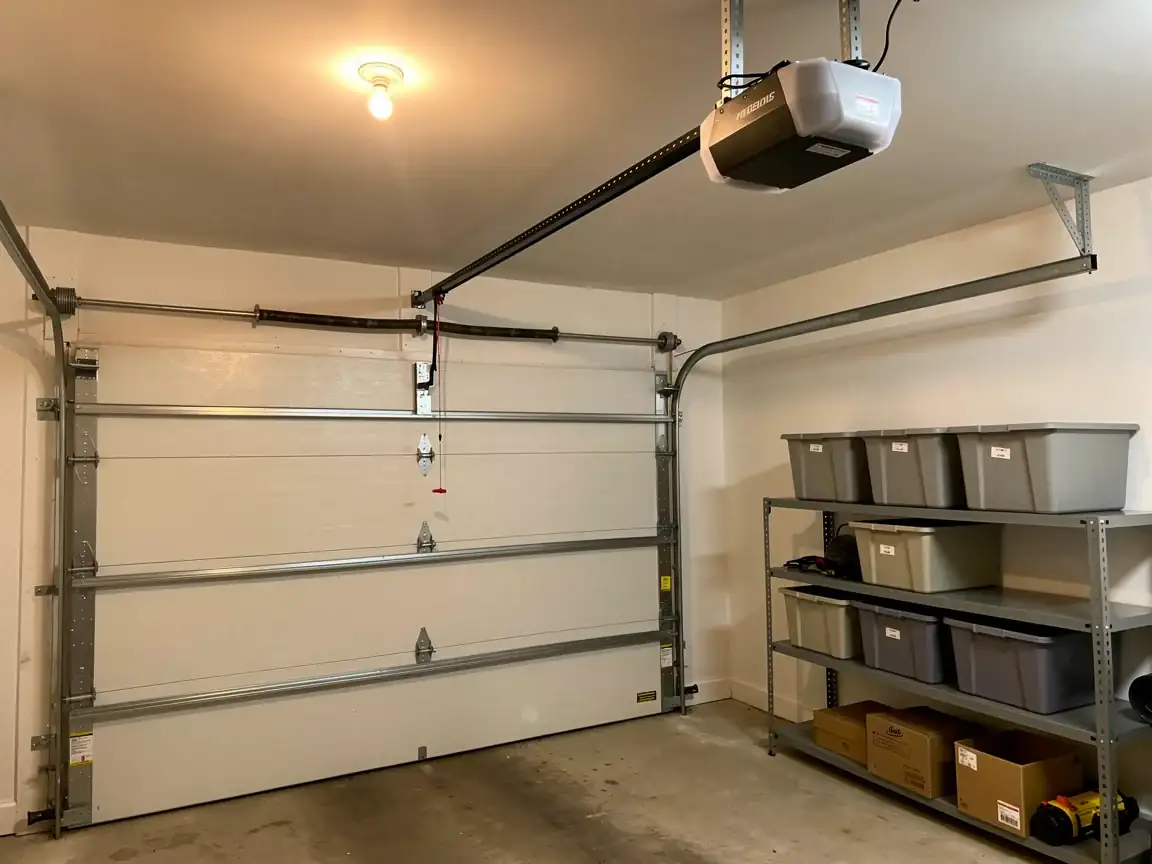
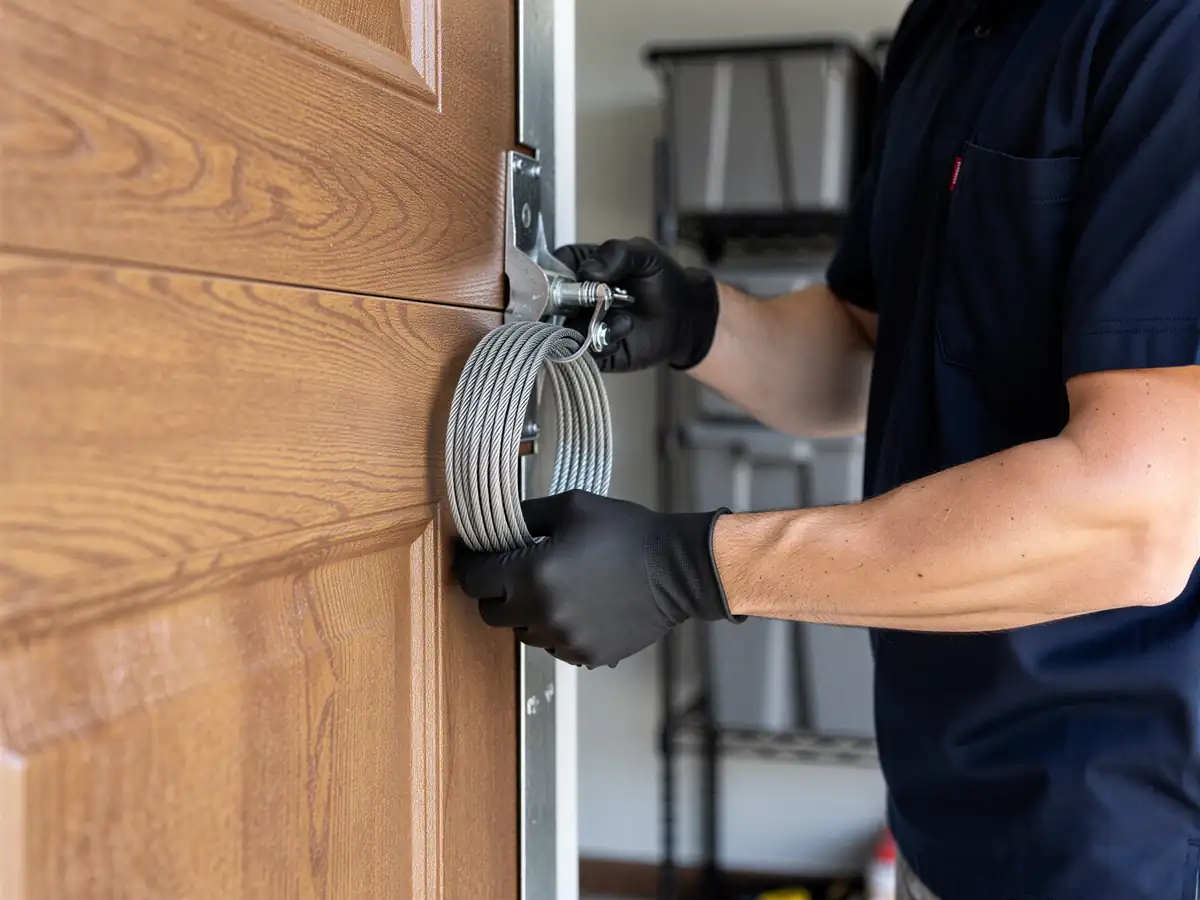
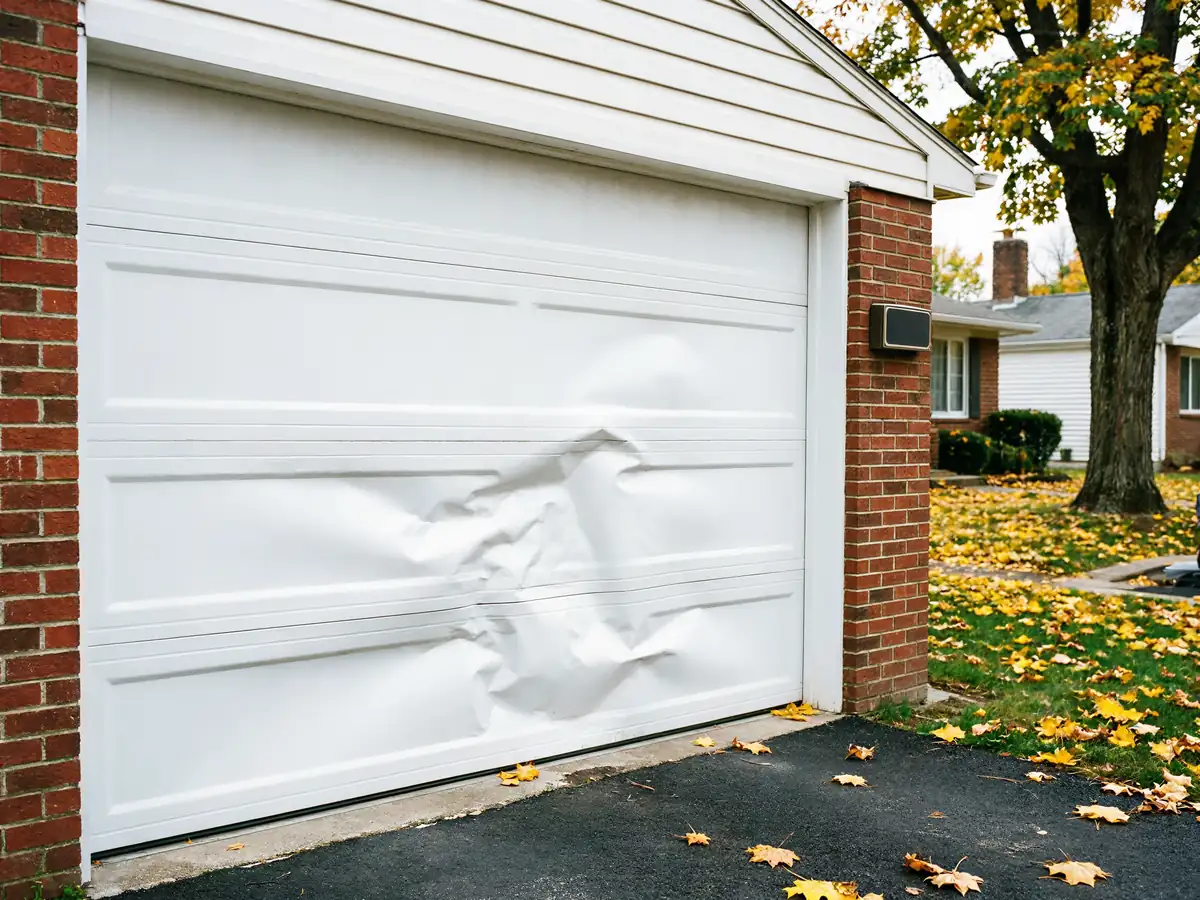
The first sign is usually sound, not failure. A door that used to roll up quiet starts making a grinding noise on the way up, or the opener takes a half-second longer to get it moving - that's the torsion spring giving up tension it used to have. In houses from the 1980s and 90s stock common across this area, we also see hinges that have gone from smooth pivots to stiff ones that squeal at the same spot on every cycle, because the factory grease dried out years ago and nobody re-lubed it. Once the cold moderate winter sets in, those same symptoms get sharper - a door that was merely noisy in September can bind halfway up in January because the stiffened hardware is now fighting contracted metal on the track. Owners sometimes mistake this for an opener problem and replace the opener, when the real issue was a track and roller set that needed grease and adjustment months earlier. If the door still opens and closes but sounds rough doing it, that's the window to get it serviced, not after it stops moving.