What Was Built Here
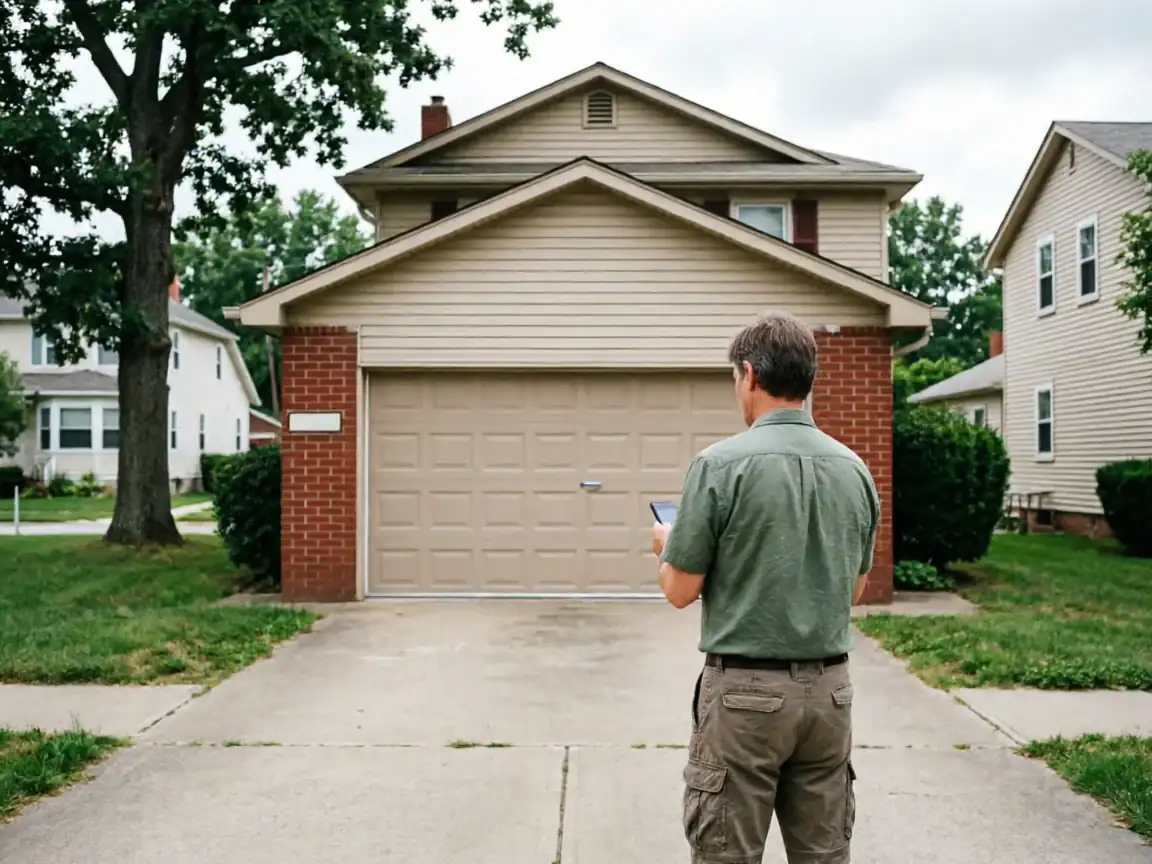
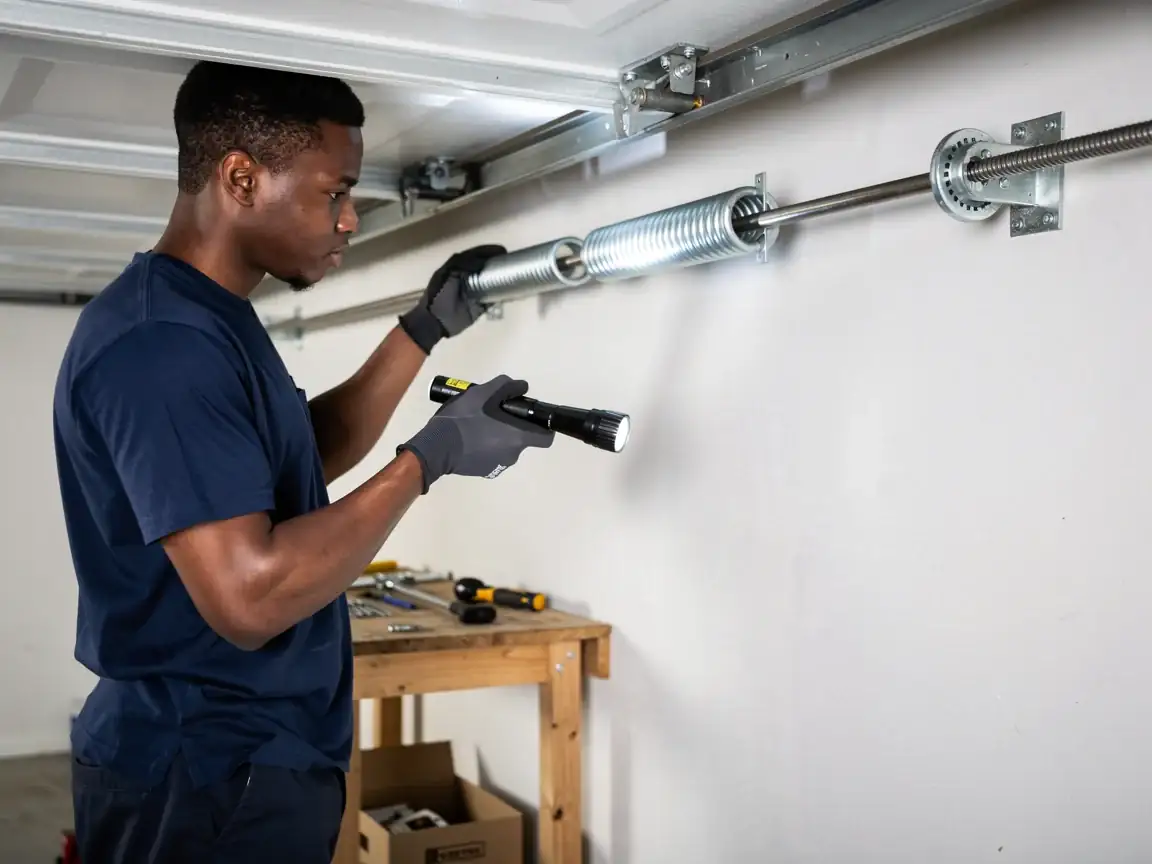
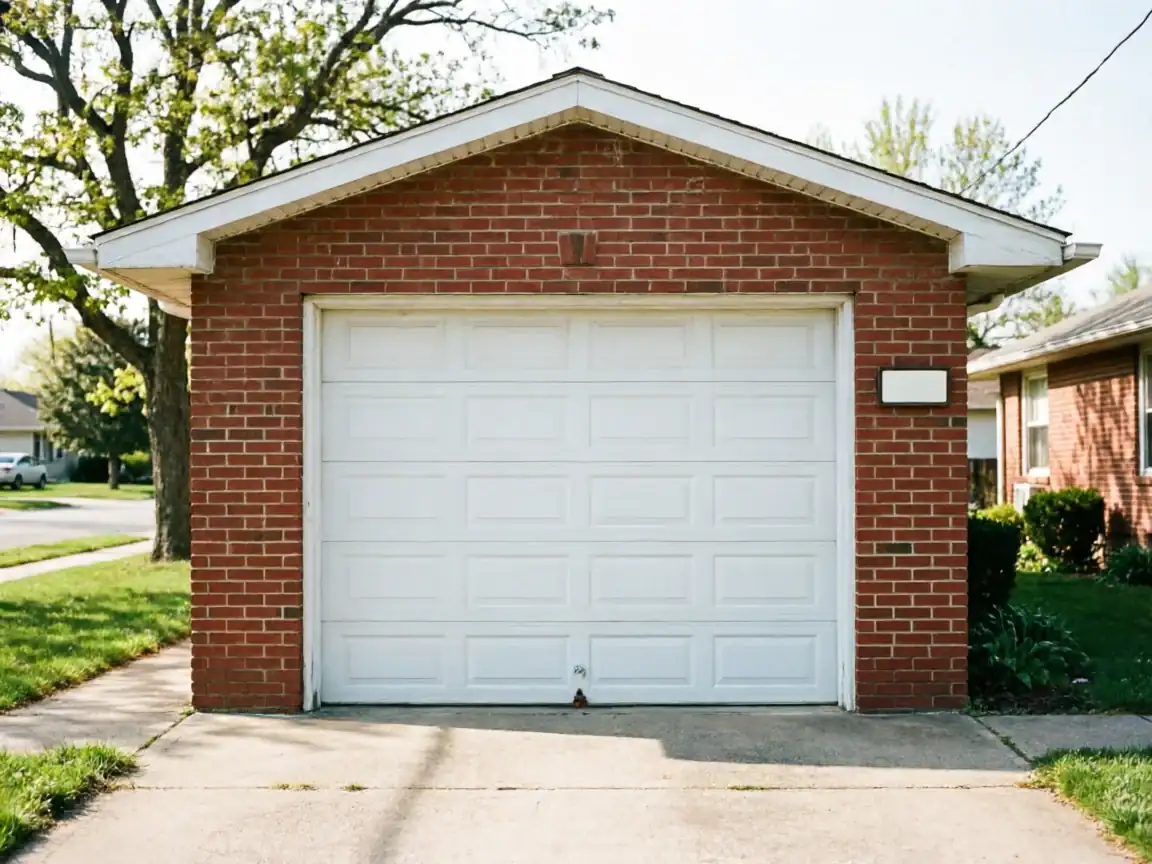
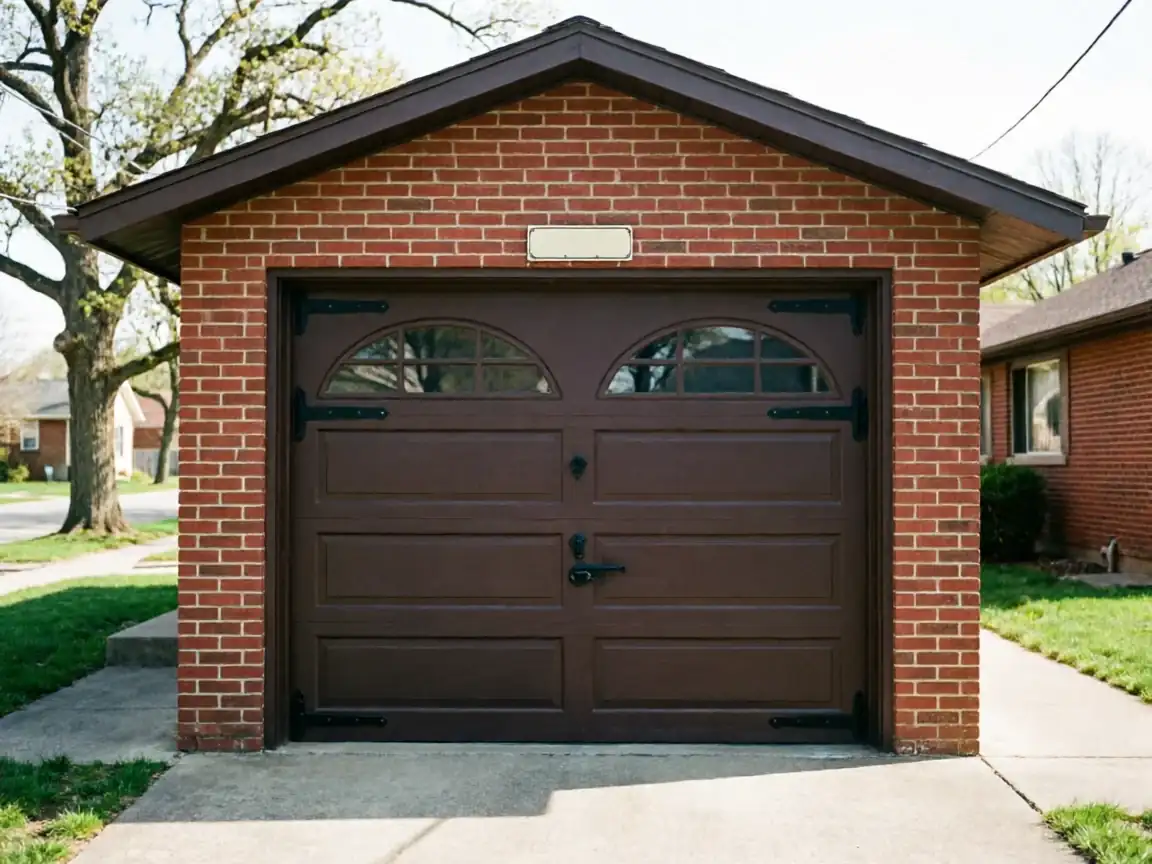
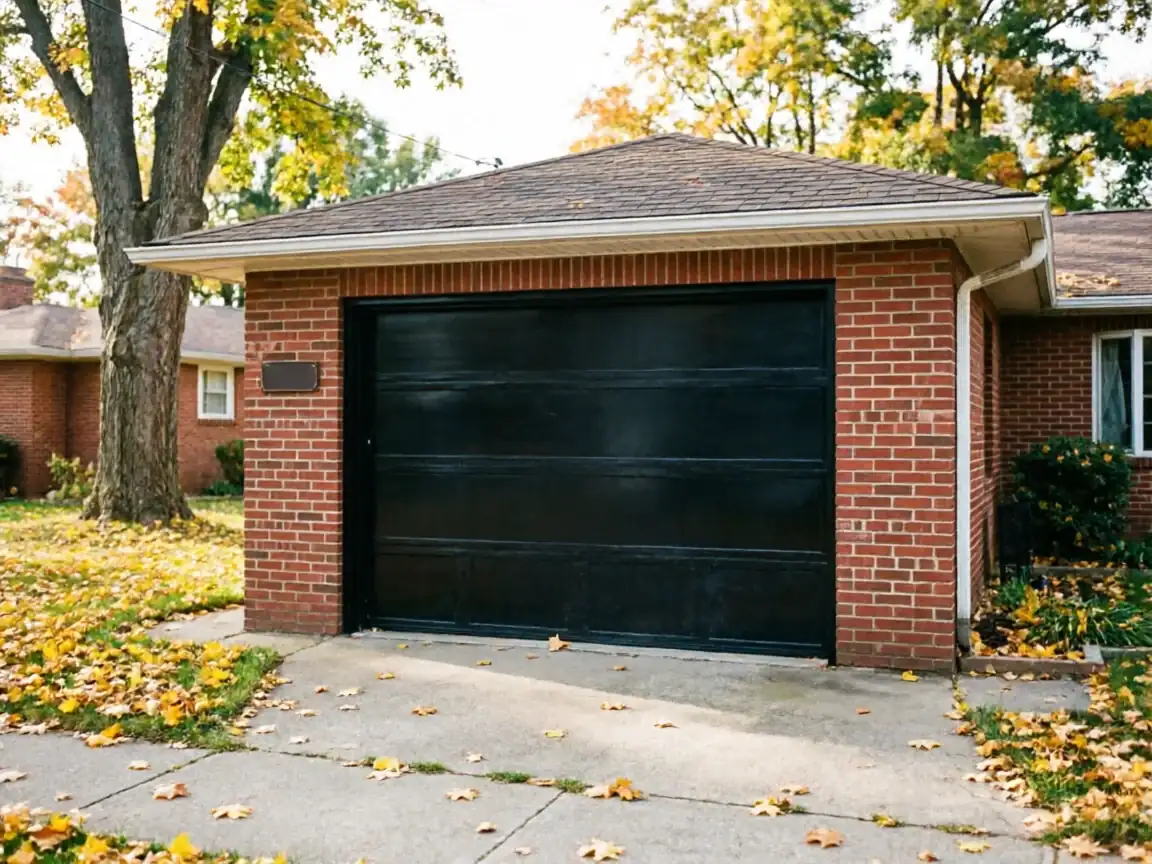
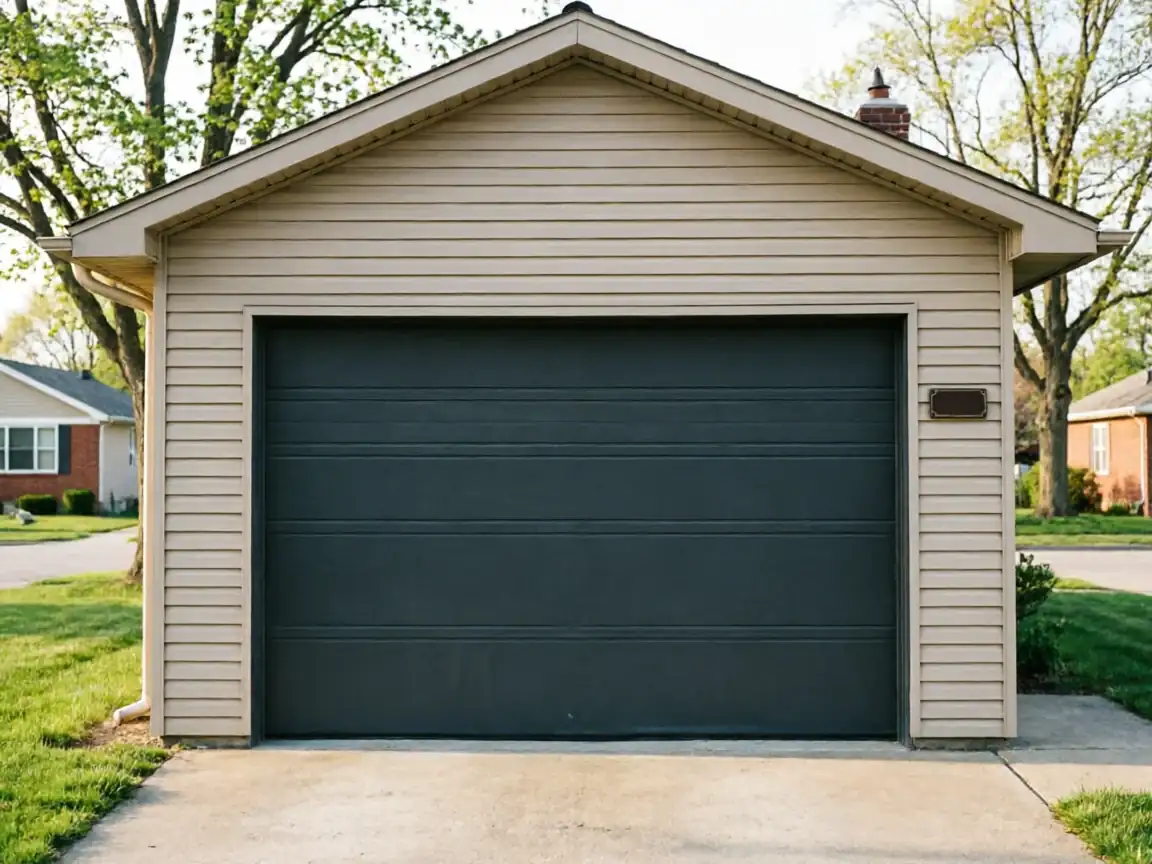
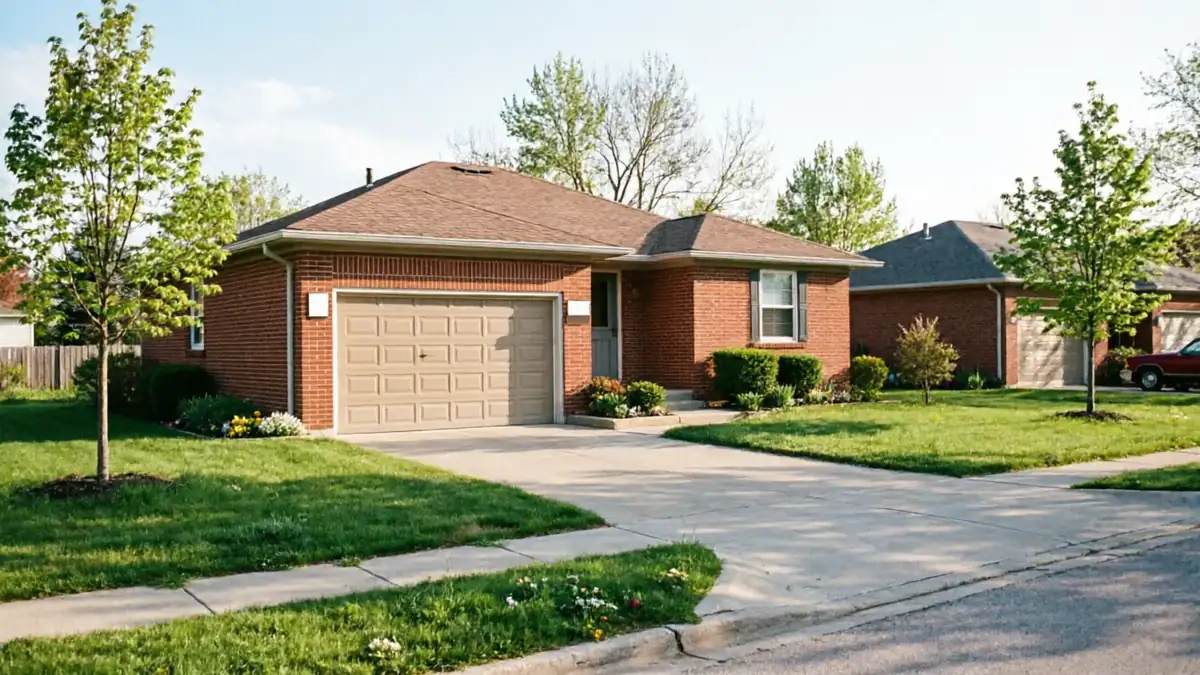
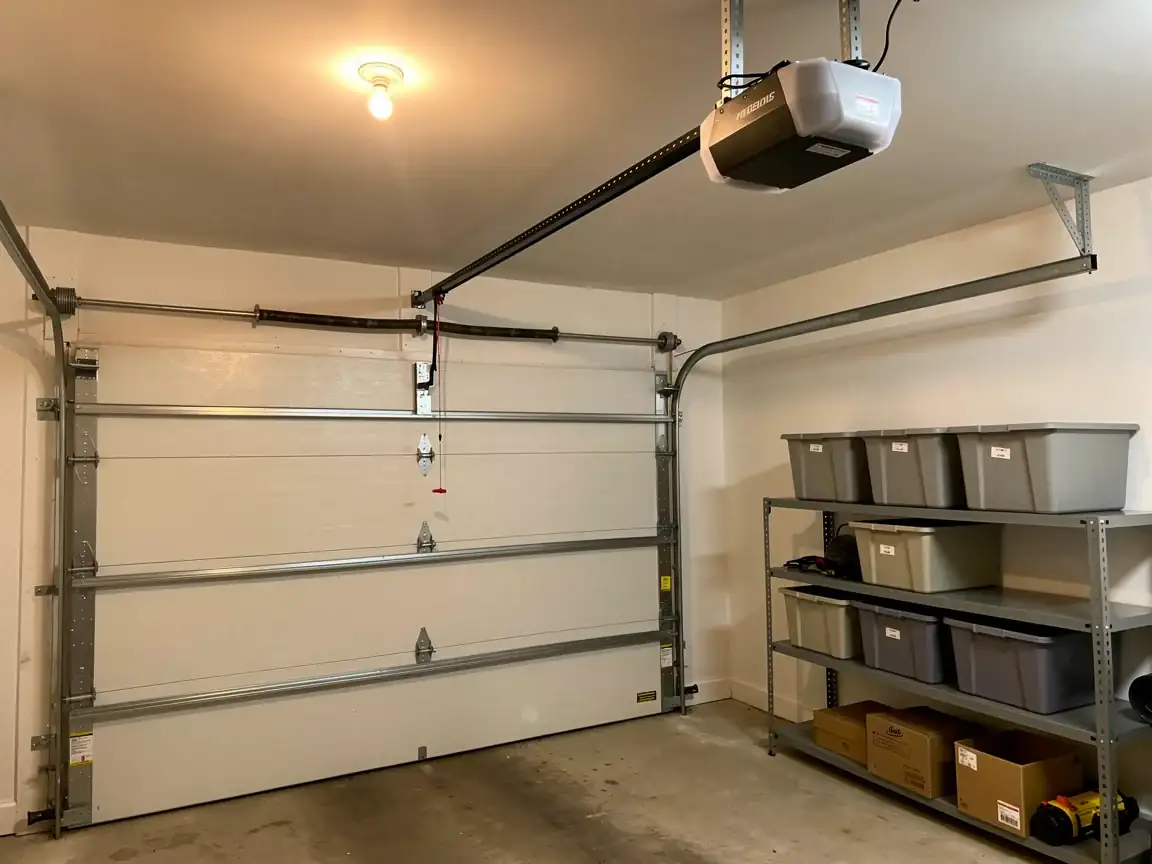
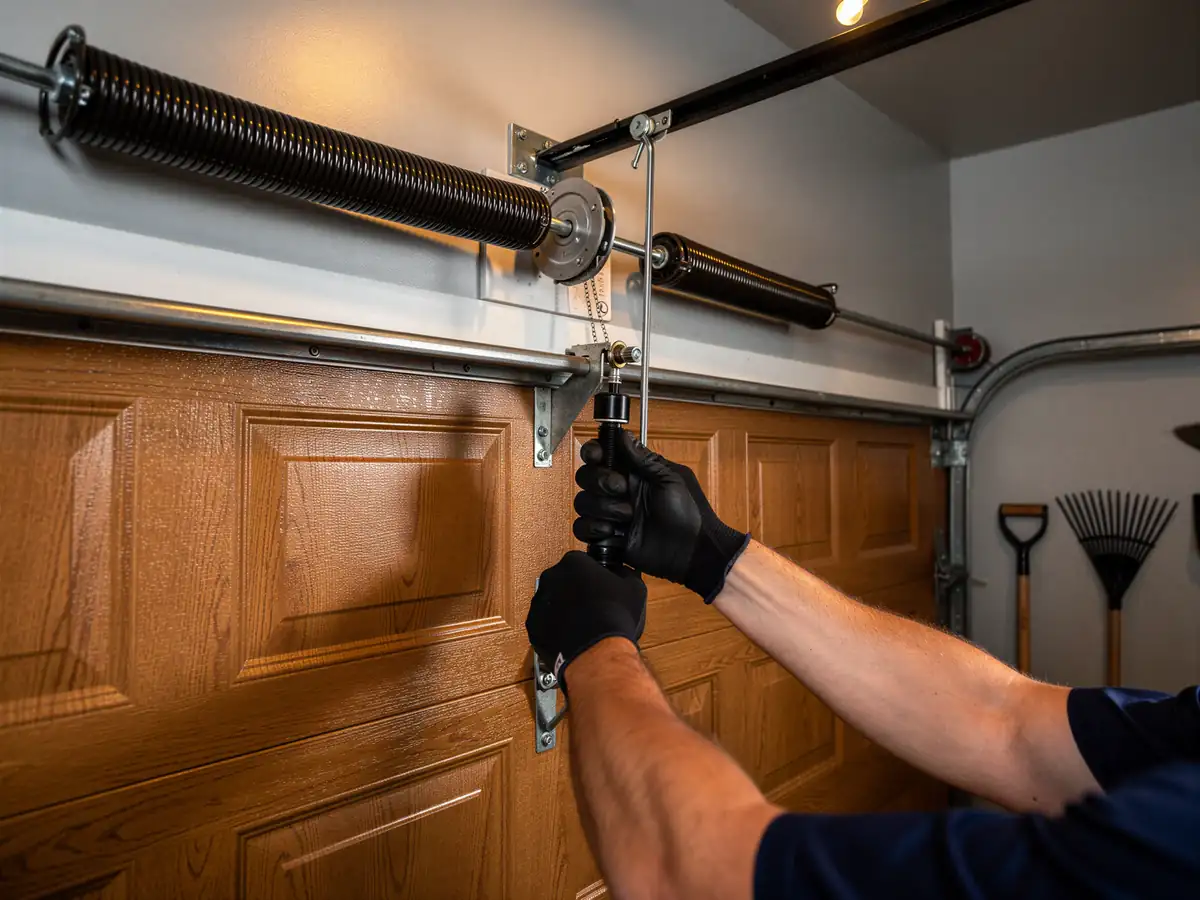
Chanhassen's housing stock centers on 1993, which puts most of the garages we'd work on here a decade or more newer than the typical house across our wider service area, where the median build year runs closer to 1984. That gap matters. A garage built in the early '90s almost always came with a steel sectional door on a torsion spring system, not the older extension-spring setups you still find in neighborhoods built before 1980. With roughly 9,607 households in this area and a median income around $138,034, we also see more doors that have already been upgraded once - insulated panels, newer openers, sometimes a second garage added on. That's a different job mix than a town still running on its original 1960s hardware.
The Usual Work Here
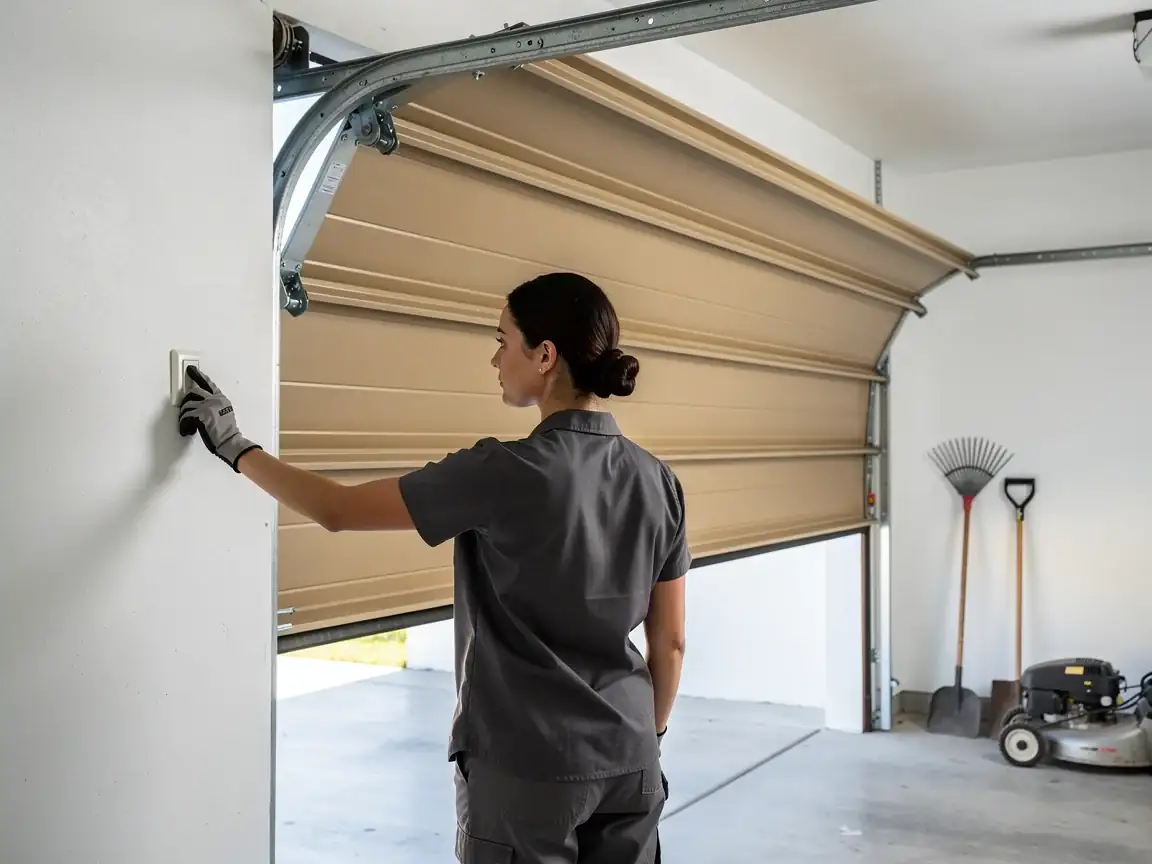
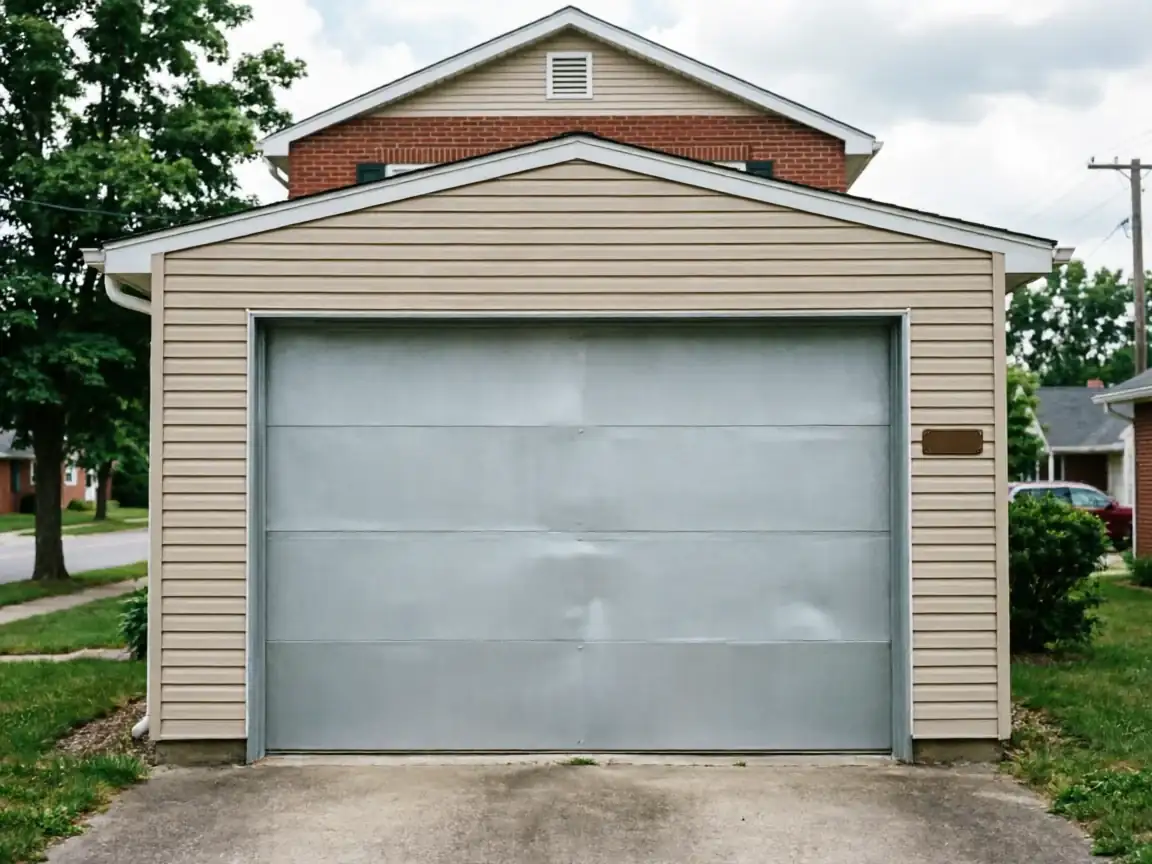
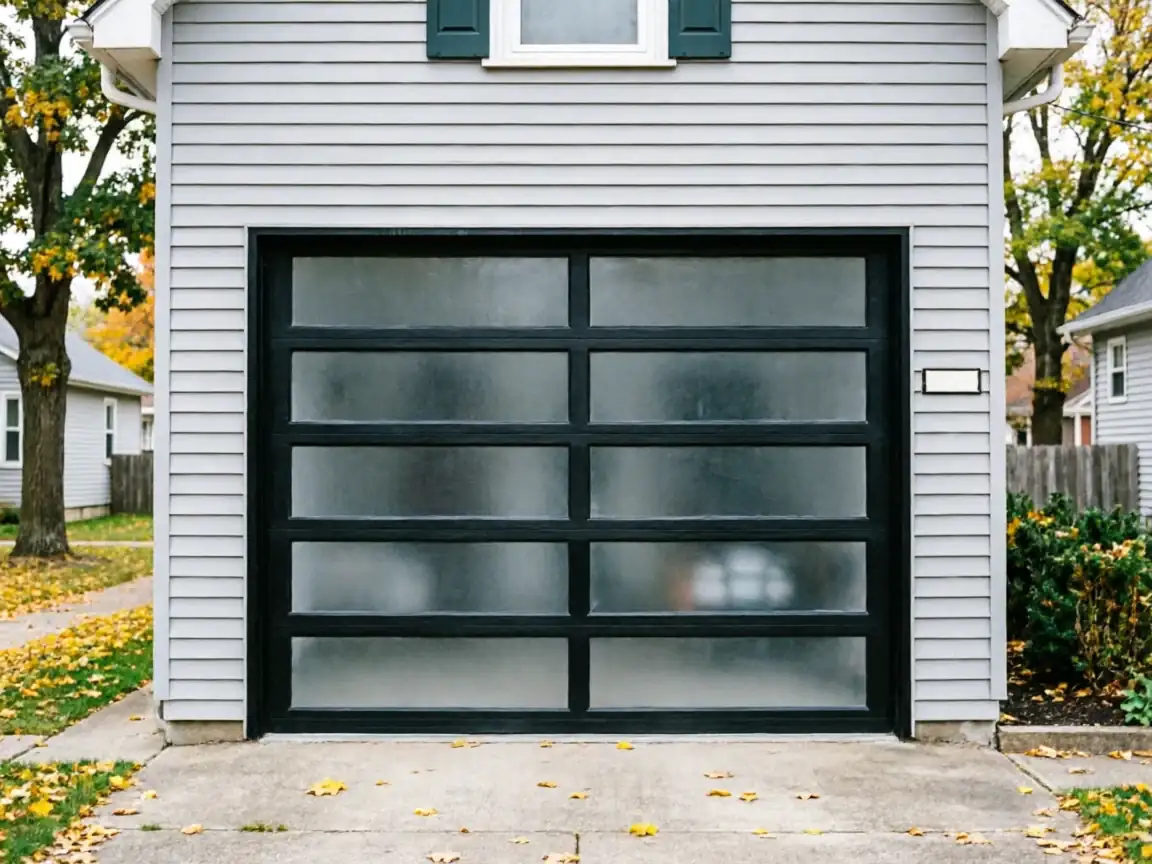
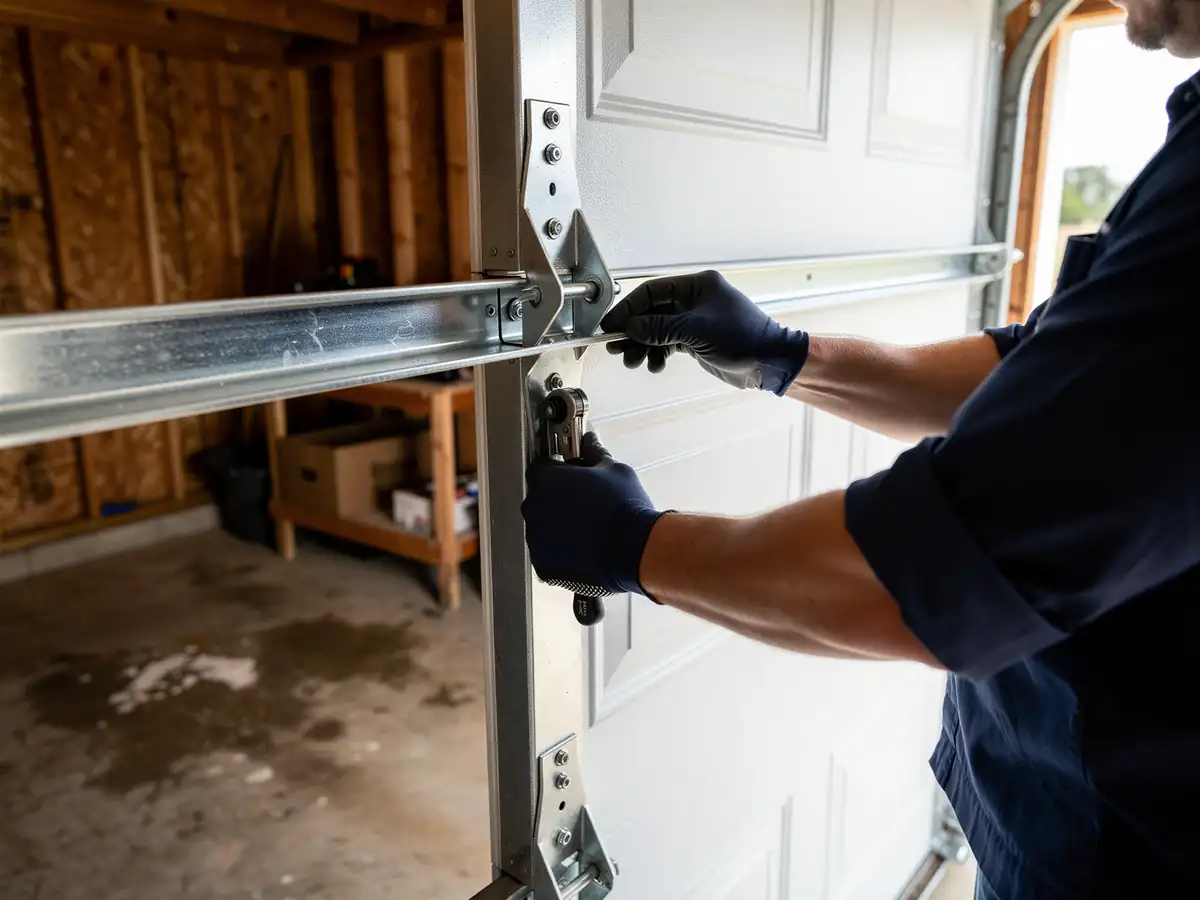
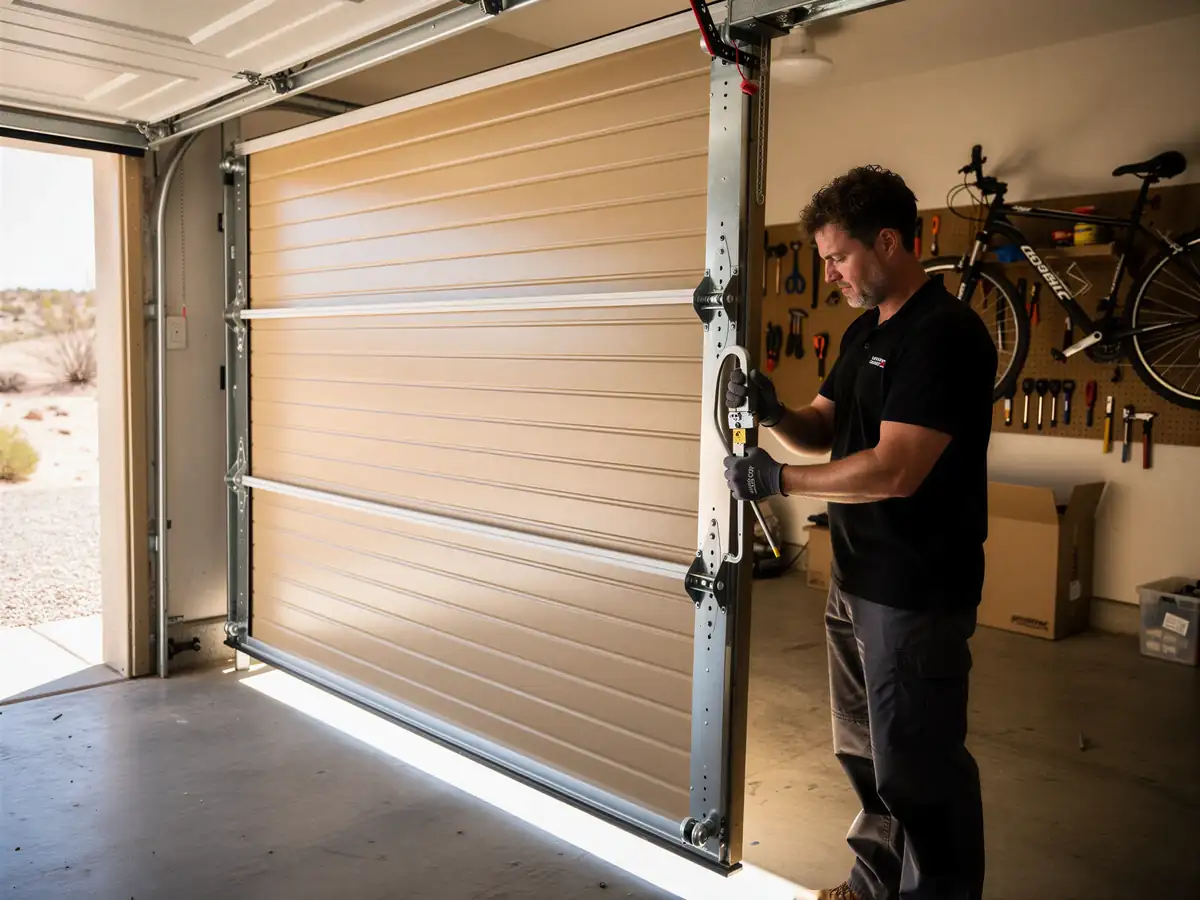
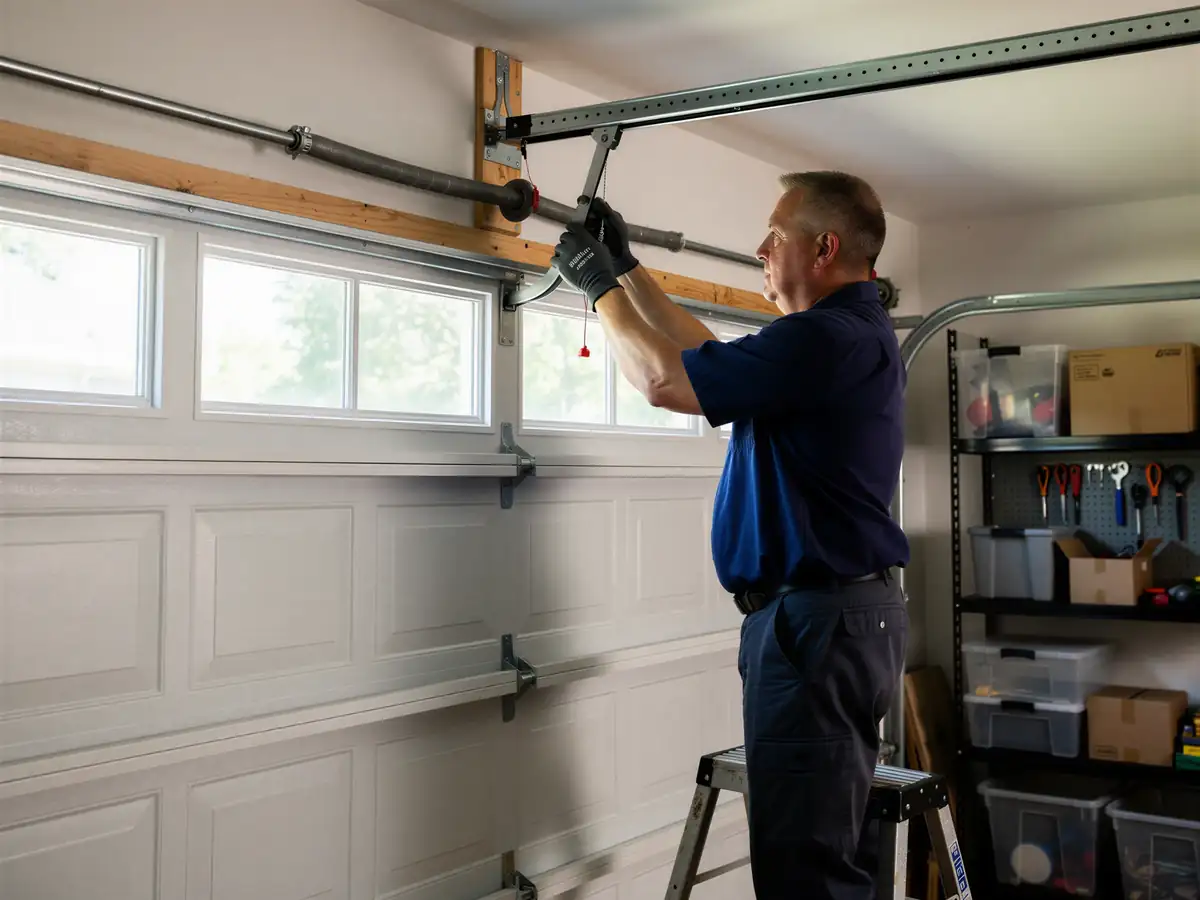
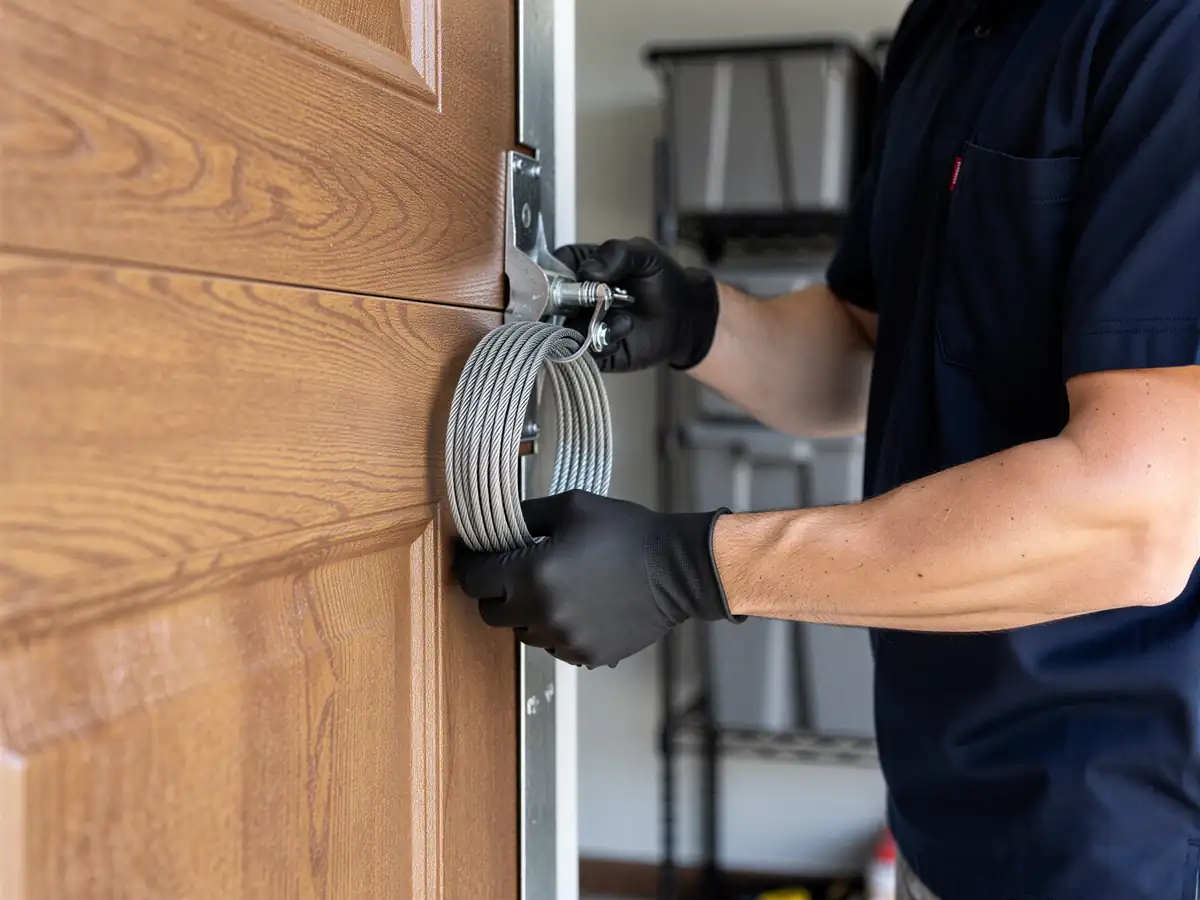
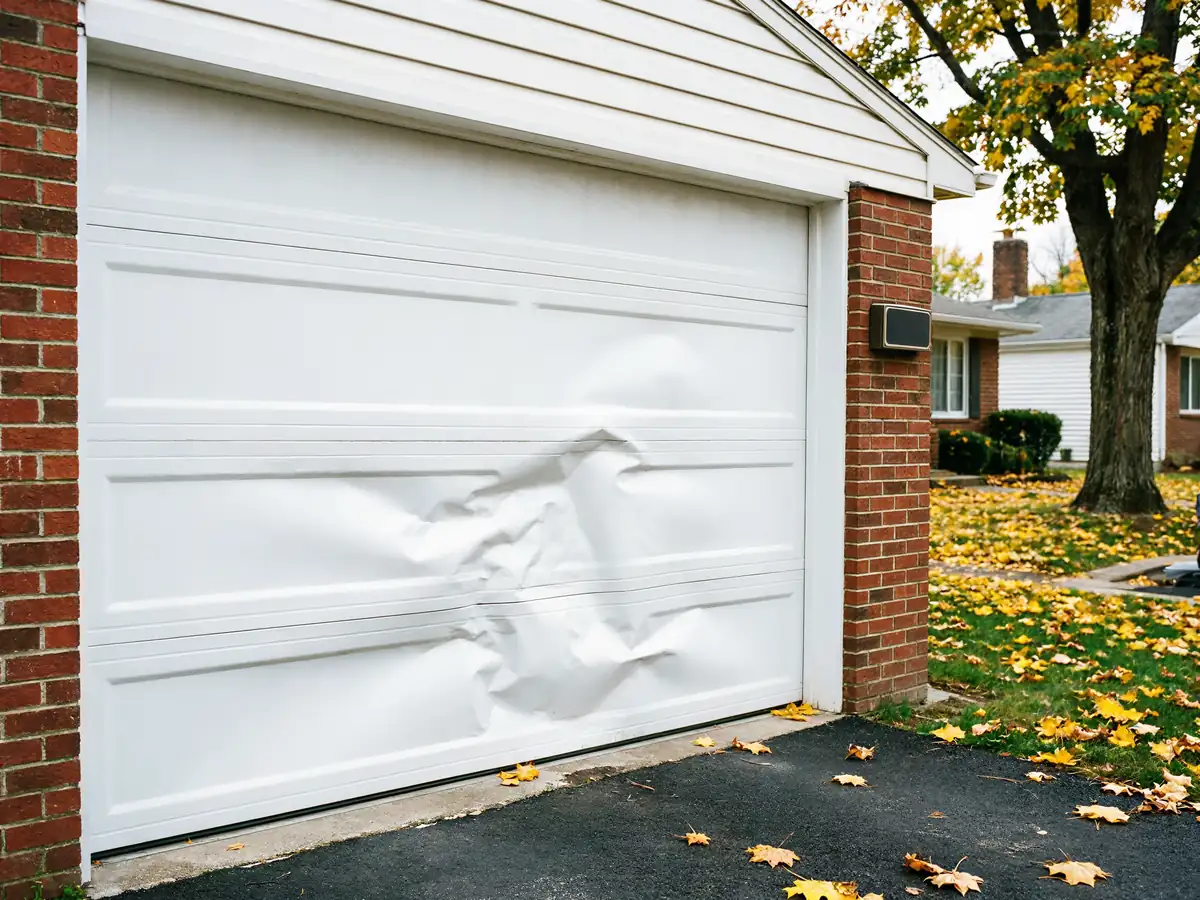
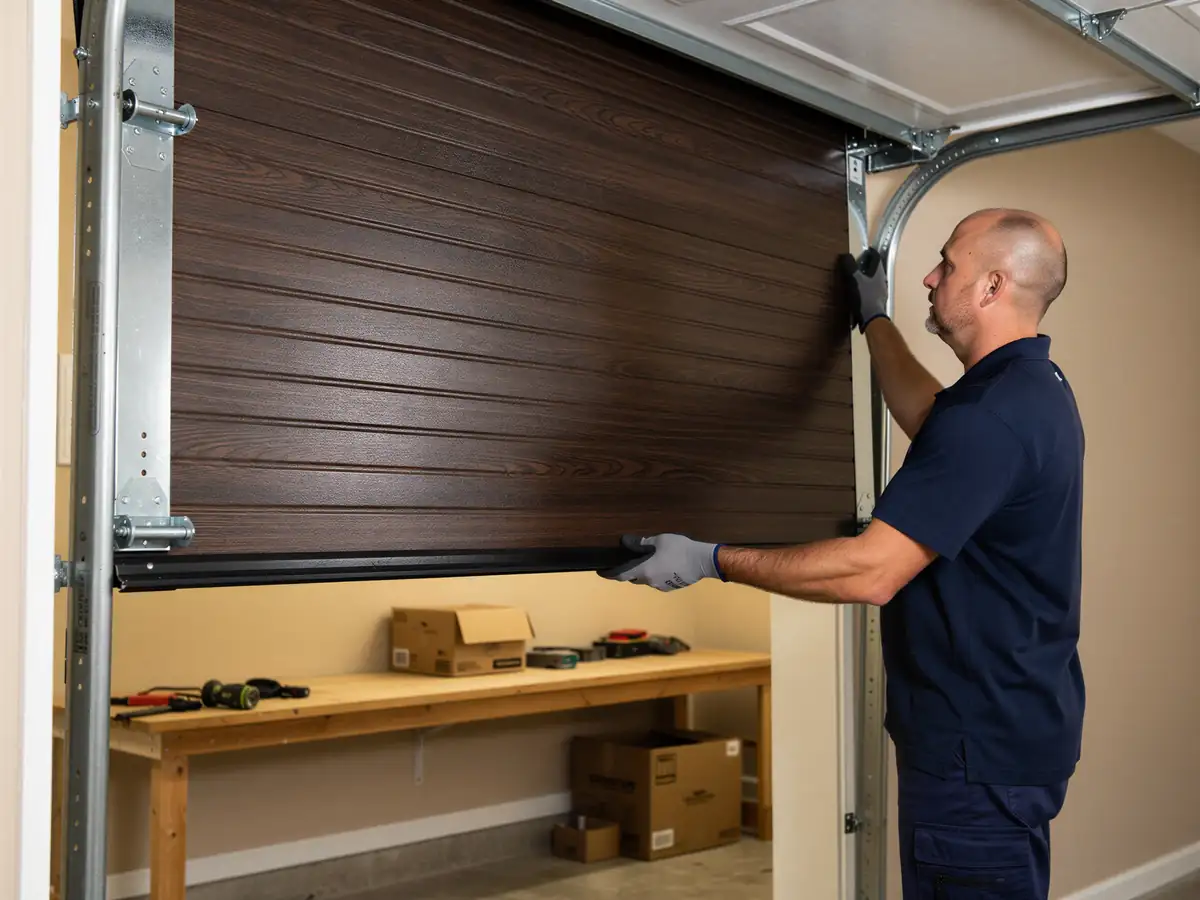
Doors from the early-to-mid '90s era tend to fail in predictable ways once they hit 25-30 years old: torsion springs losing tension, nylon rollers cracking, and chain-drive openers with worn gears or dying capacitors. We also see a fair number of steel panels with surface rust starting at the bottom seal, which is normal for this climate band - cold winters with real freeze-thaw cycling put stress on weatherstripping and bottom brackets every year. Because household incomes here run well above the regional median, we also get more calls for upgrades than straight repairs - quieter belt-drive openers, battery backup units, insulated panel swaps - rather than just patching something to limp along another winter.
How We Get to You
We run out of Lakeville, about 20 miles from Chanhassen, so we're not a depot sitting around the corner. That drive is built into how we schedule the day - we batch calls in this direction rather than treating every one as a separate trip across the metro. It means we're not the people to call for a same-minute lockout at 2am, and we're upfront about that. For a scheduled repair, a spring replacement, or an opener swap, the distance doesn't change the work - it just means we plan the route before we load the truck.