Doing It Yourself
Chanhassen's median household income sits at $138,034, well above the $99,460 median across the wider service area we cover out of Lakeville. That number matters here because it changes the math on a damaged panel. A homeowner at this income level usually isn't trying to stretch a door another five years with a mismatched replacement panel bought online - they want it done right once, and that often means we're talking full-door replacement rather than a patch job.
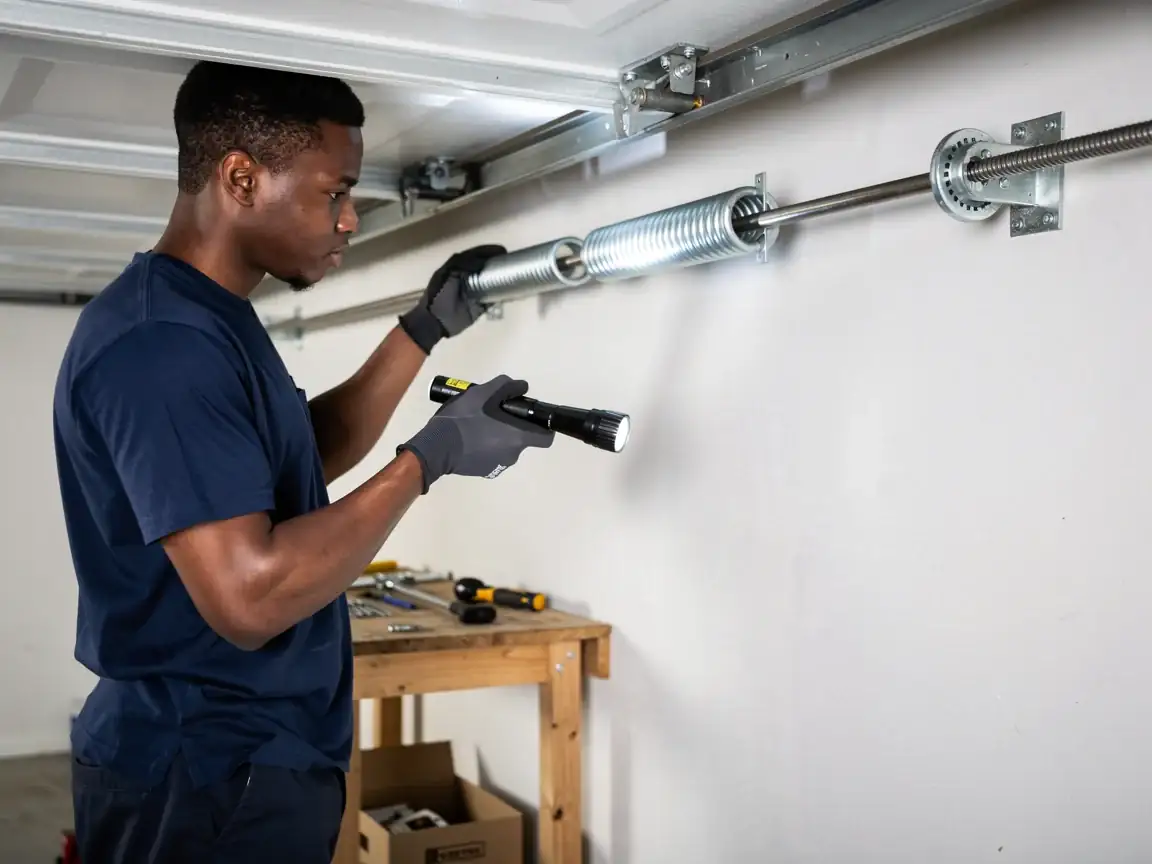
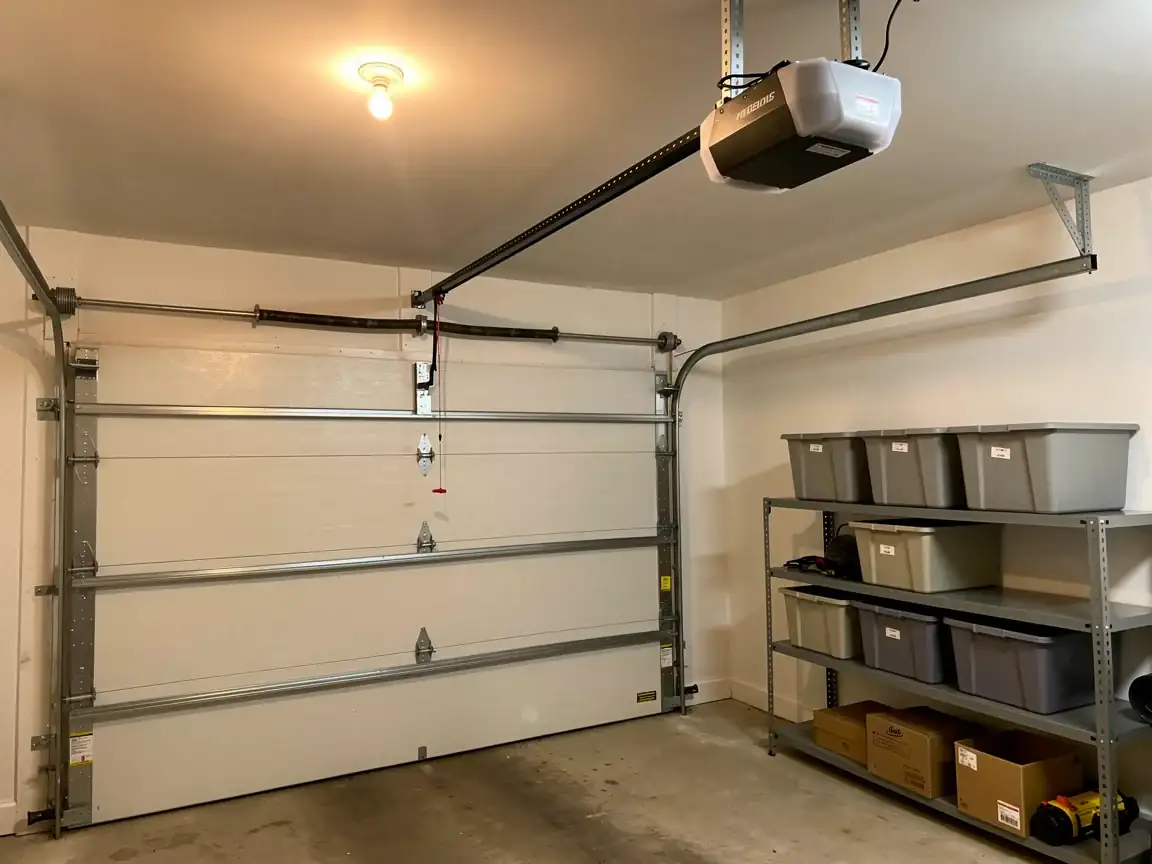
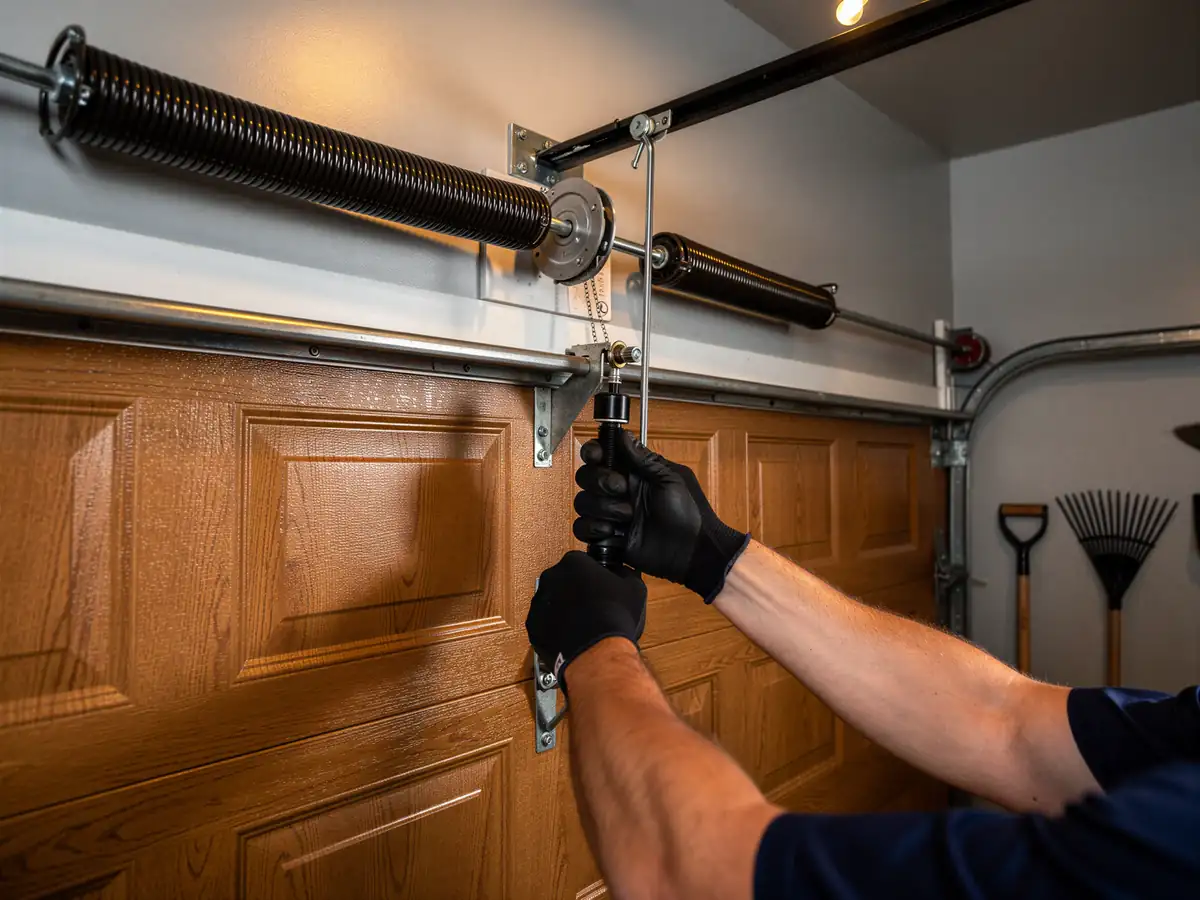
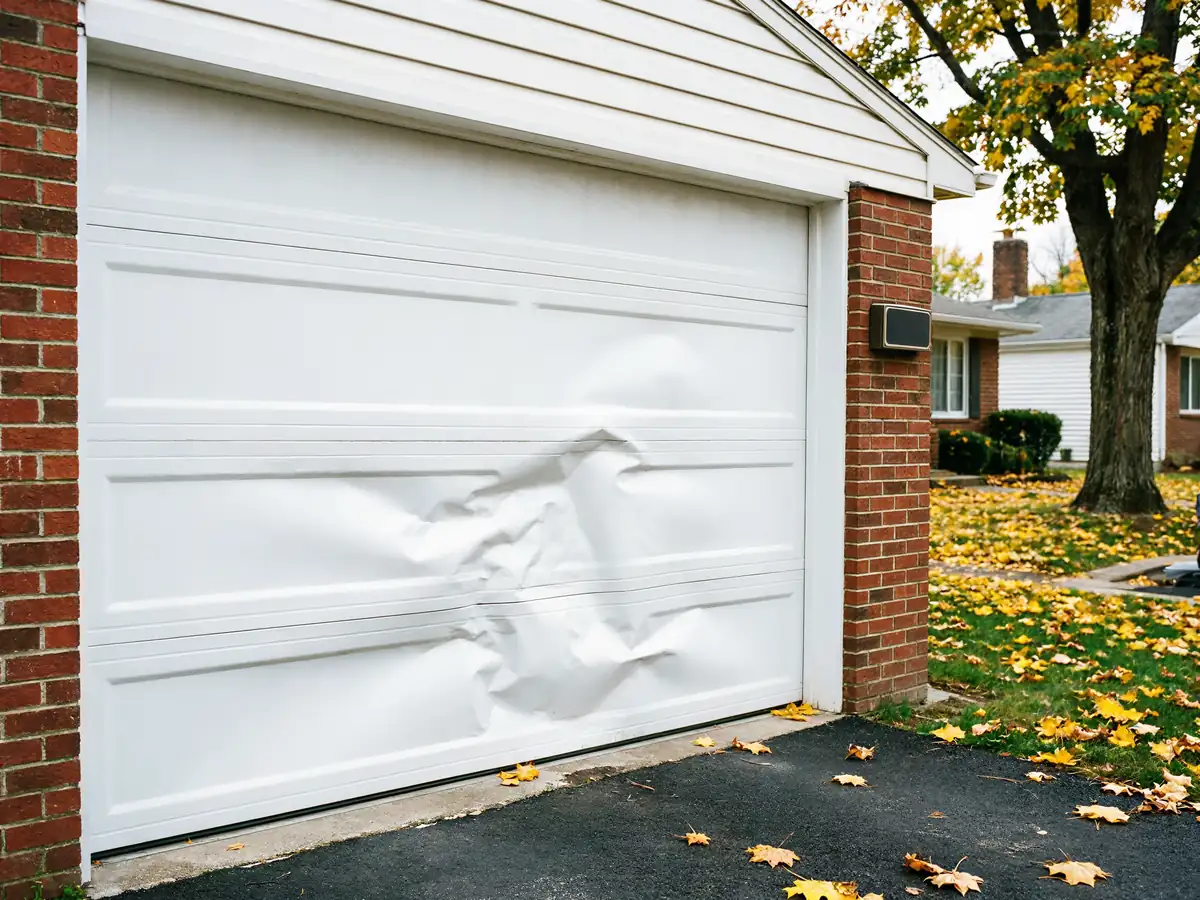
That said, a single dented panel on a sectional door is sometimes a real DIY candidate if the door is newer and the panel is still in production. The risk isn't the panel itself - it's everything around it. Pulling a panel means disconnecting the door from the spring system, and if that door still runs on its original torsion spring from a 1993-era build, you're working with hardware that's been under tension for three decades. We've seen homeowners get hurt doing exactly this. If the door won't move freely by hand with the opener disconnected, stop and call - that's a spring problem hiding behind what looked like a panel problem.
What the Repair Takes
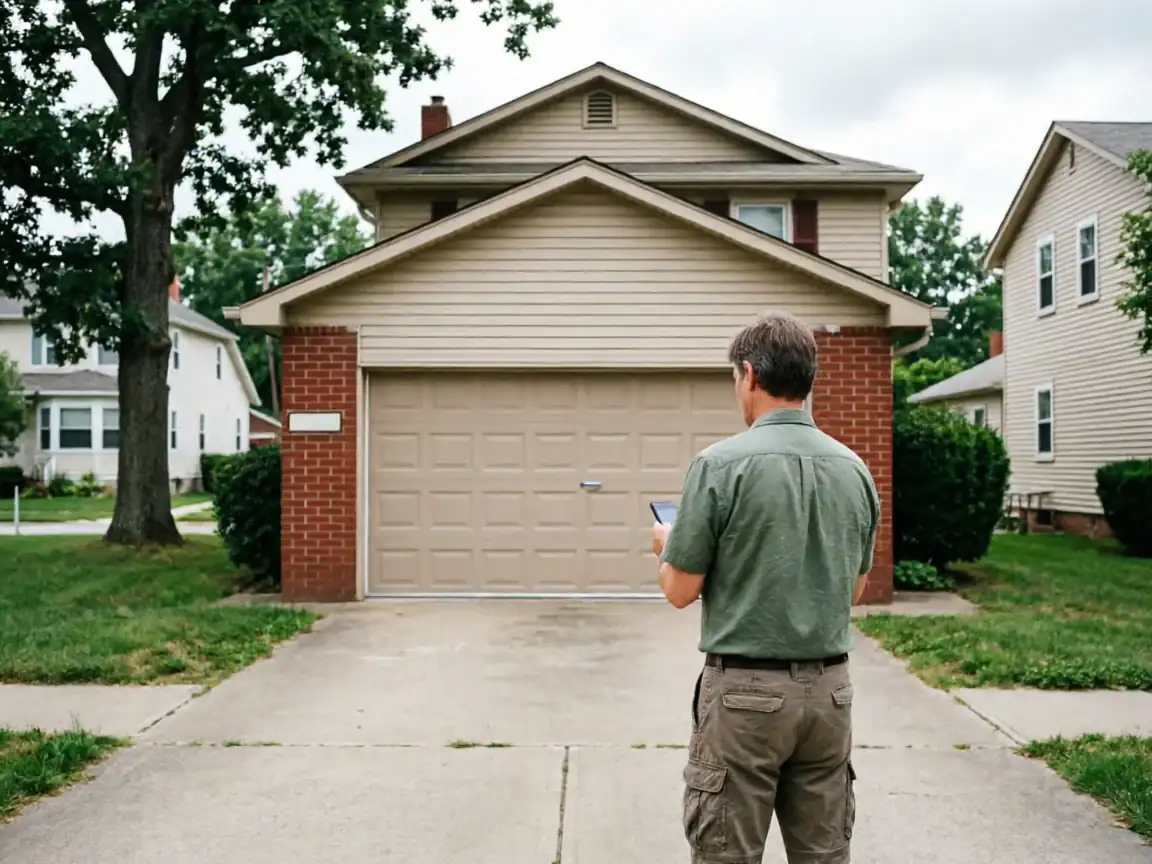
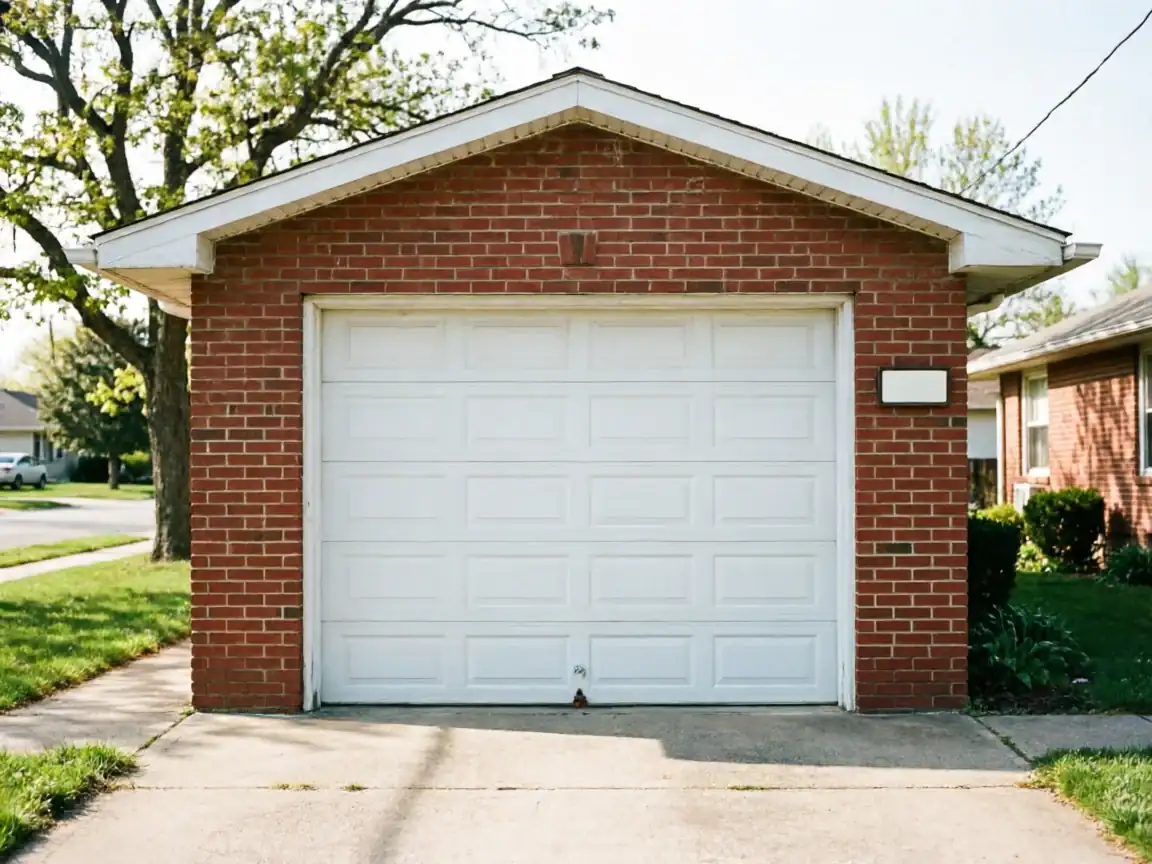
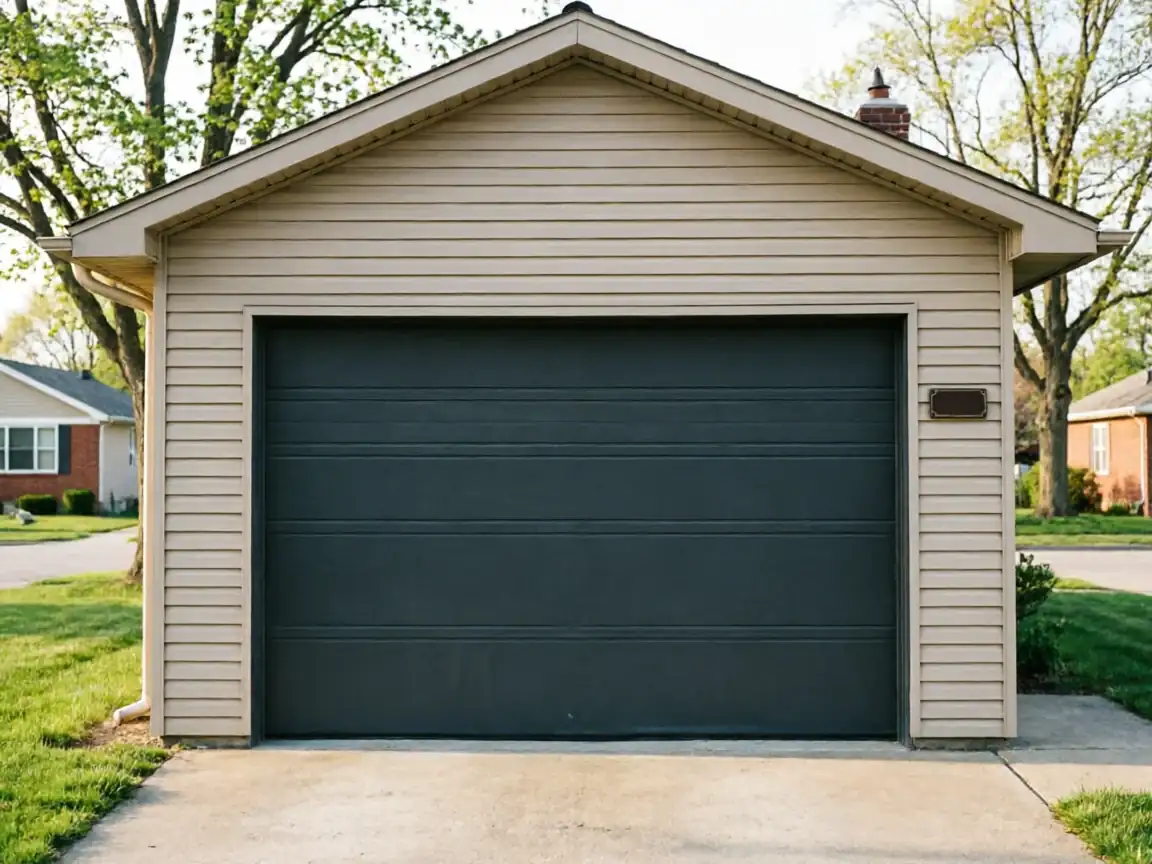
The housing stock across our service area spans 1955 to 2004, with a service-wide median build year of 1984. Chanhassen runs newer than that average, with most garage doors here original to construction around 1993. That decade matters for panel work: doors from this era were mostly steel sectional with polystyrene insulation, built to common stock widths, which is good news - panels are more likely to still be available than on the older doors we see elsewhere in the territory.
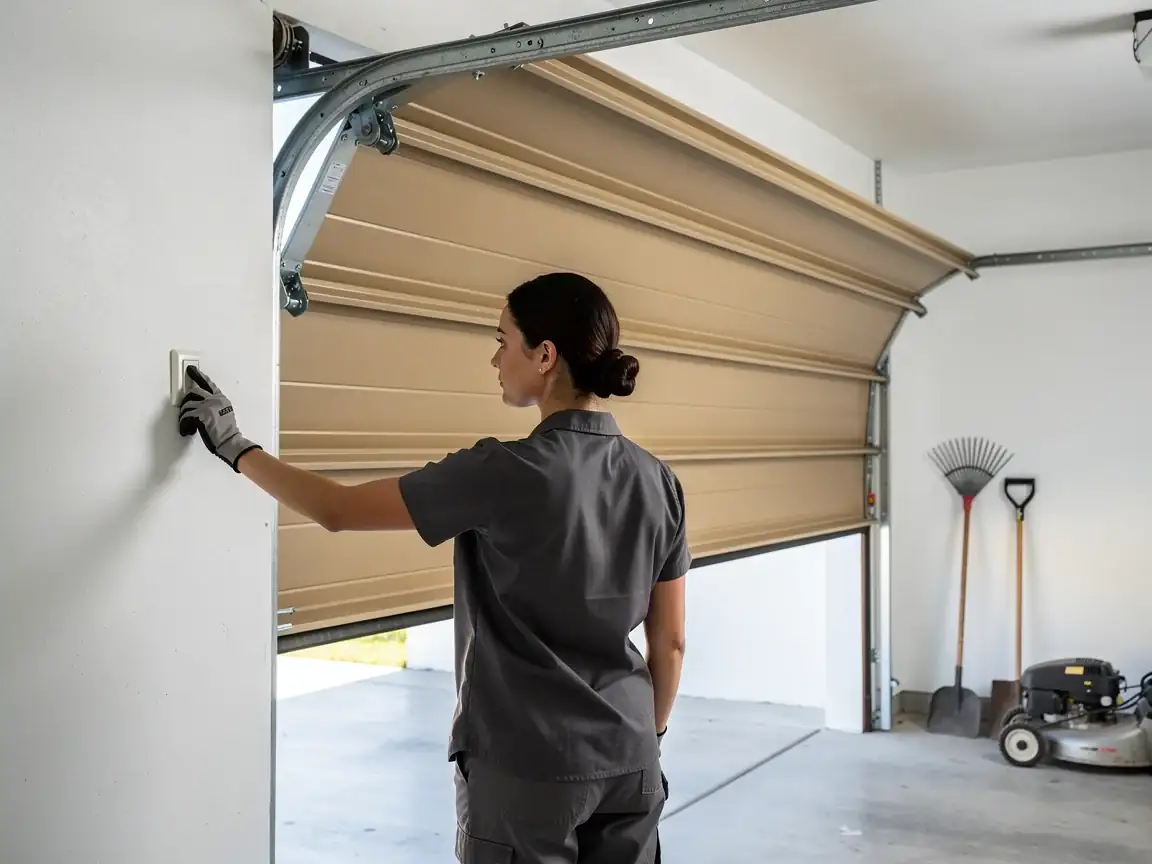
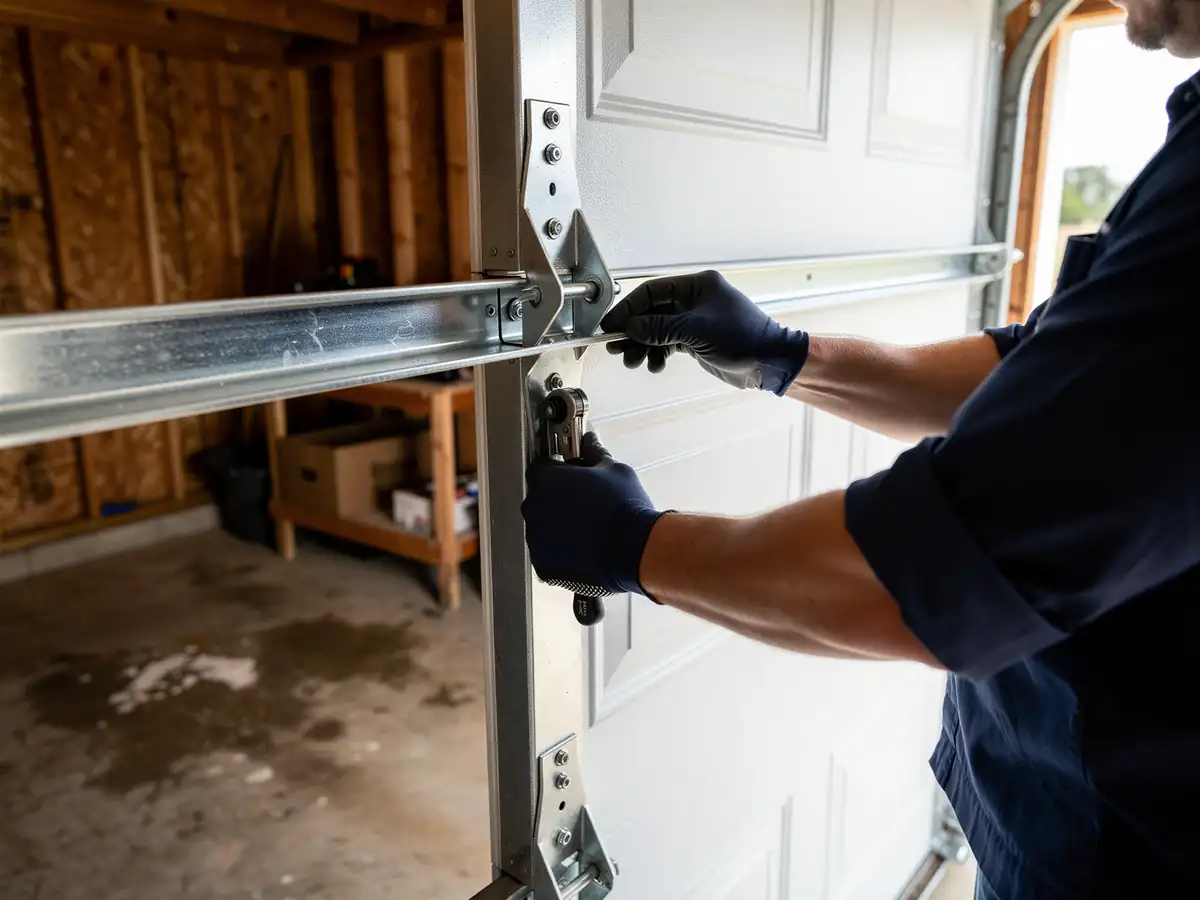
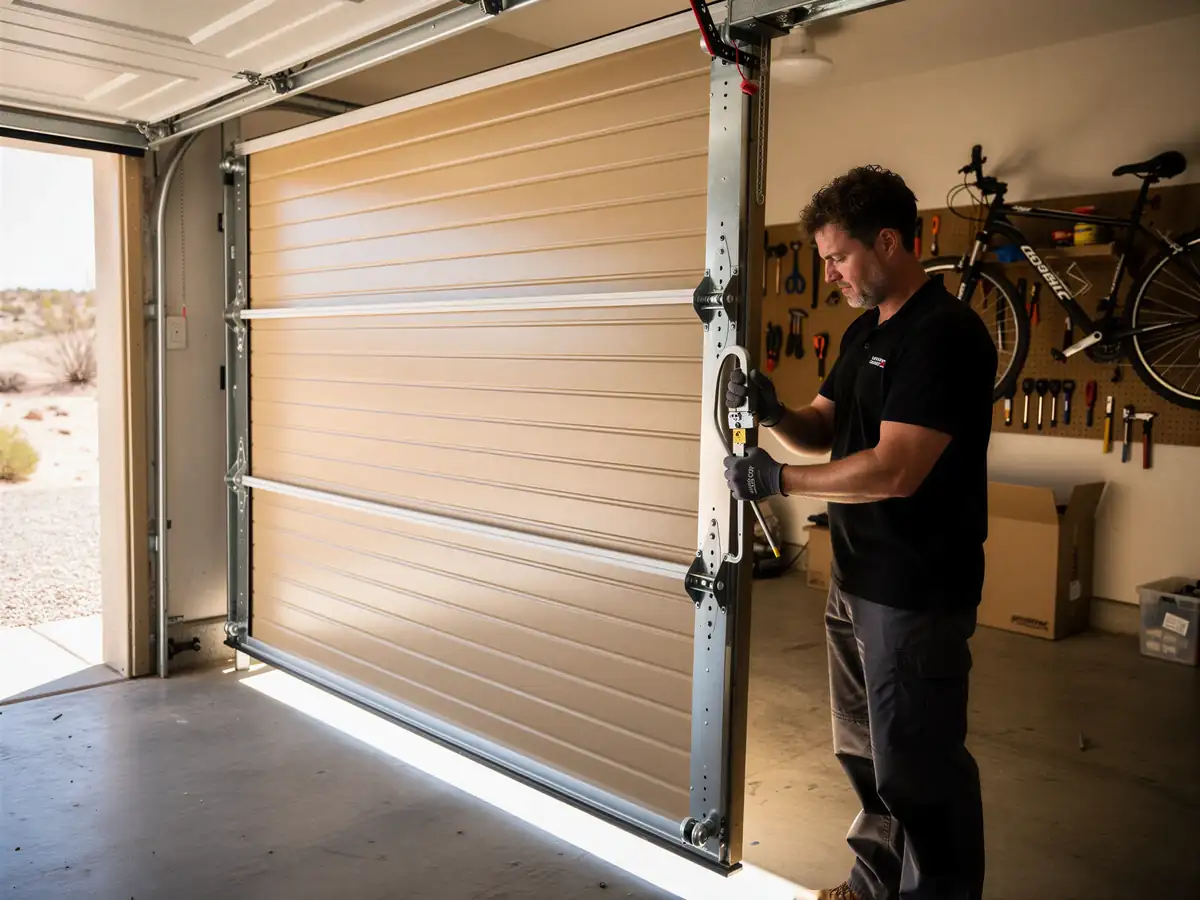
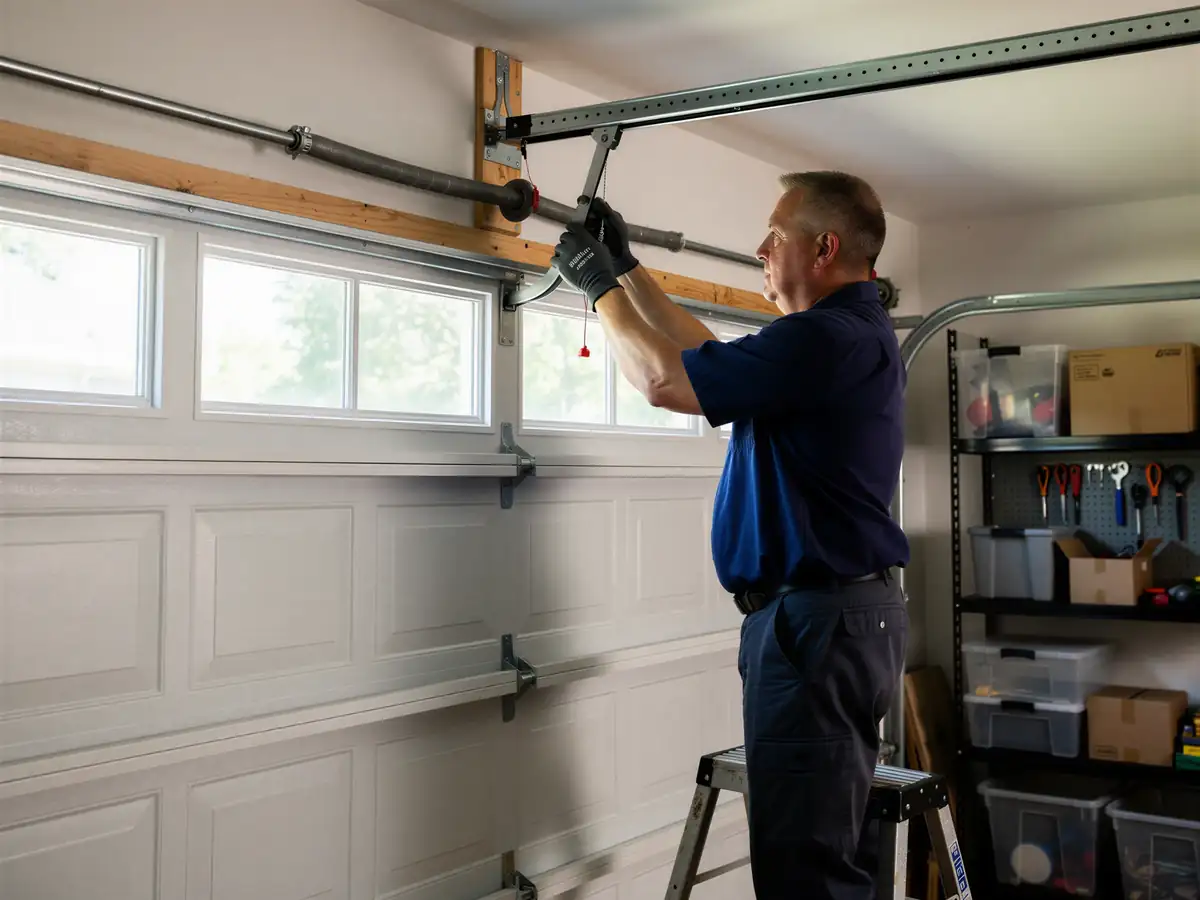
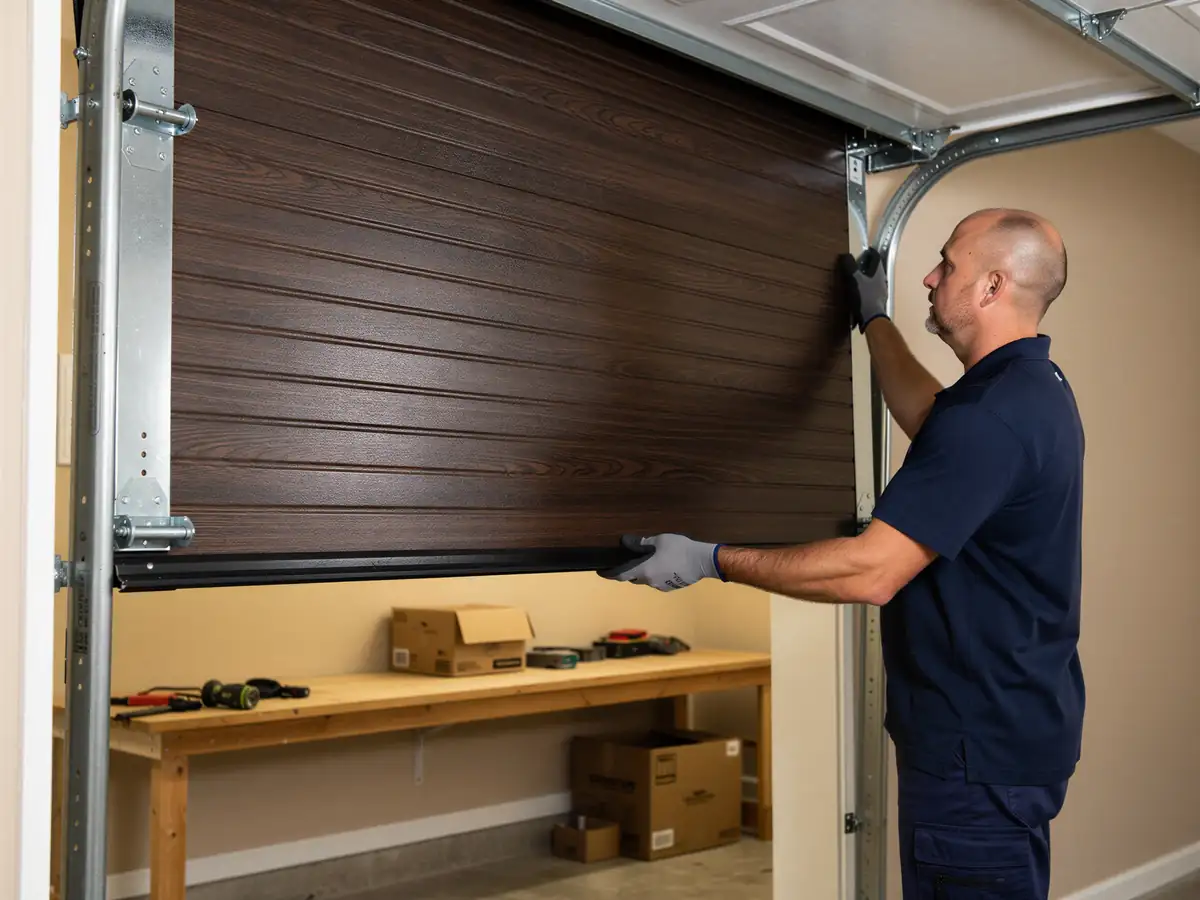
The actual job is straightforward when the panel matches: disconnect the opener, relieve spring tension, pull the hinges and rollers off the damaged section, swap the panel, and reset the hinges so the door sits flush on the track. Where it gets slow is alignment. A door that's run slightly off-track for years will have worn rollers and a track that's shifted a few degrees, and a new panel will show every bit of that misalignment as a rub or a binding corner. We check track plumb before we ever touch the new panel, not after.
What Is on the Truck
We stock common sectional panel sizes that cover a good share of the doors built in our service area's 1980s-90s construction wave
Which lines up with most of what's on the ground in Chanhassen (F2 is not available here - using F1 instead: the broader 1955-2004 range). What we don't carry is every color and texture combination. If your door is a less common panel style, we'll order it, and that can mean a wait - we're not going to pretend a non-stock panel shows up the next day.
Our winter stock skews toward insulated panels
Because the region sits in a cold climate band with real heating-season demand. An insulated replacement panel on an otherwise uninsulated door won't do much for your energy bill, so if you're replacing one panel on an old door, we'll tell you honestly whether it's worth matching insulation or whether the whole door should go instead.
We travel the 20 miles out from Lakeville for these jobs
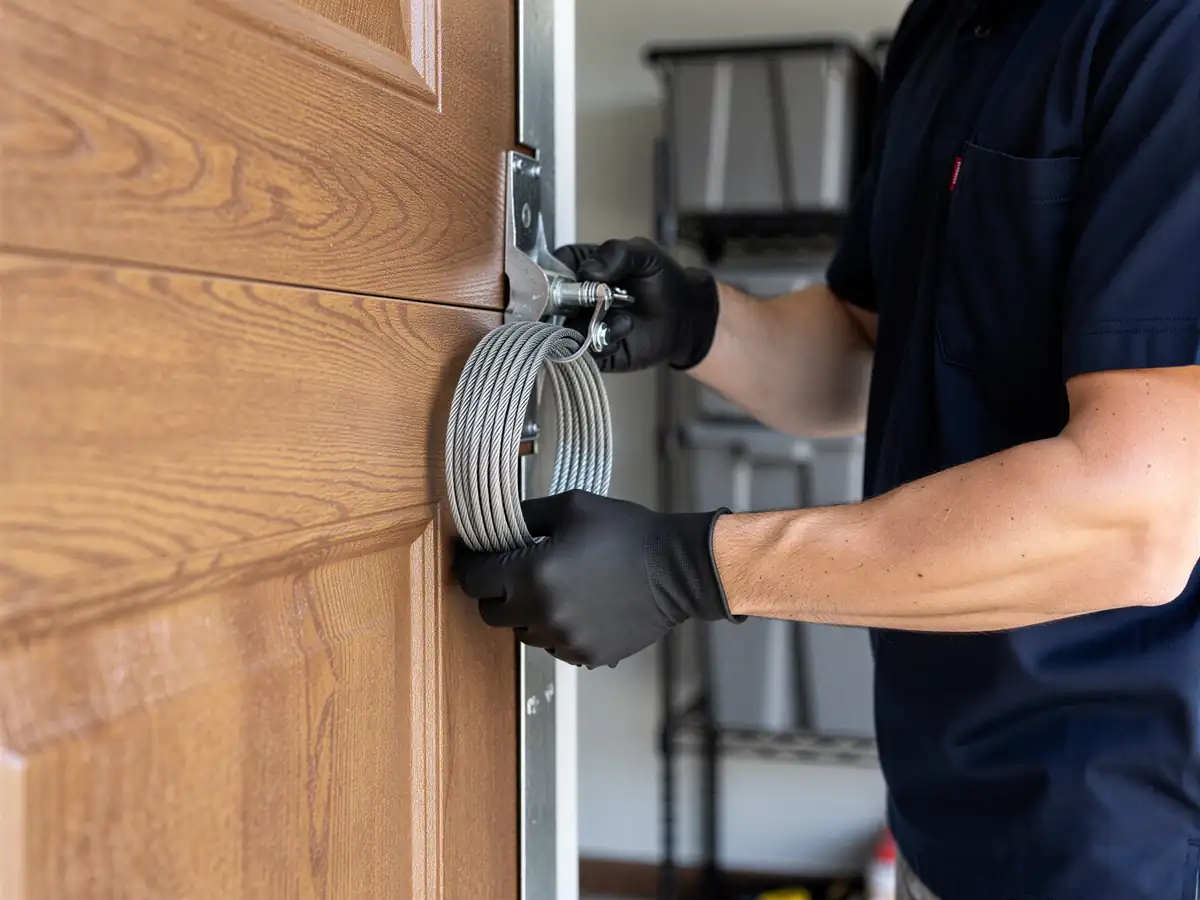
So we load the truck for the visit - multiple panel sizes, hinge sets, rollers, and the cables that usually need replacing anyway once a door's been opened up.
- 20 miles
The Cost of This Job
With 9,607 households in Chanhassen and a median income well above the regional figure, we end up quoting full-door replacement more often here than panel-only repair, simply because the math favors it once you're paying for labor, a non-stock panel, and the risk that a second panel fails in a year or two. That's not a sales pitch - it's what the numbers tend to show once we're standing in front of the door.
We don't have a published price list to hand you here, and we're not going to invent one. What we can tell you is that a single matched stock panel costs less than a non-stock order, and that cost gap is usually the deciding factor between repair and replacement on a door that's otherwise sound. If the door is original to a 1990s build and has more than one damaged panel, replacement is almost always the better dollar-for-dollar call.