Doing It Yourself
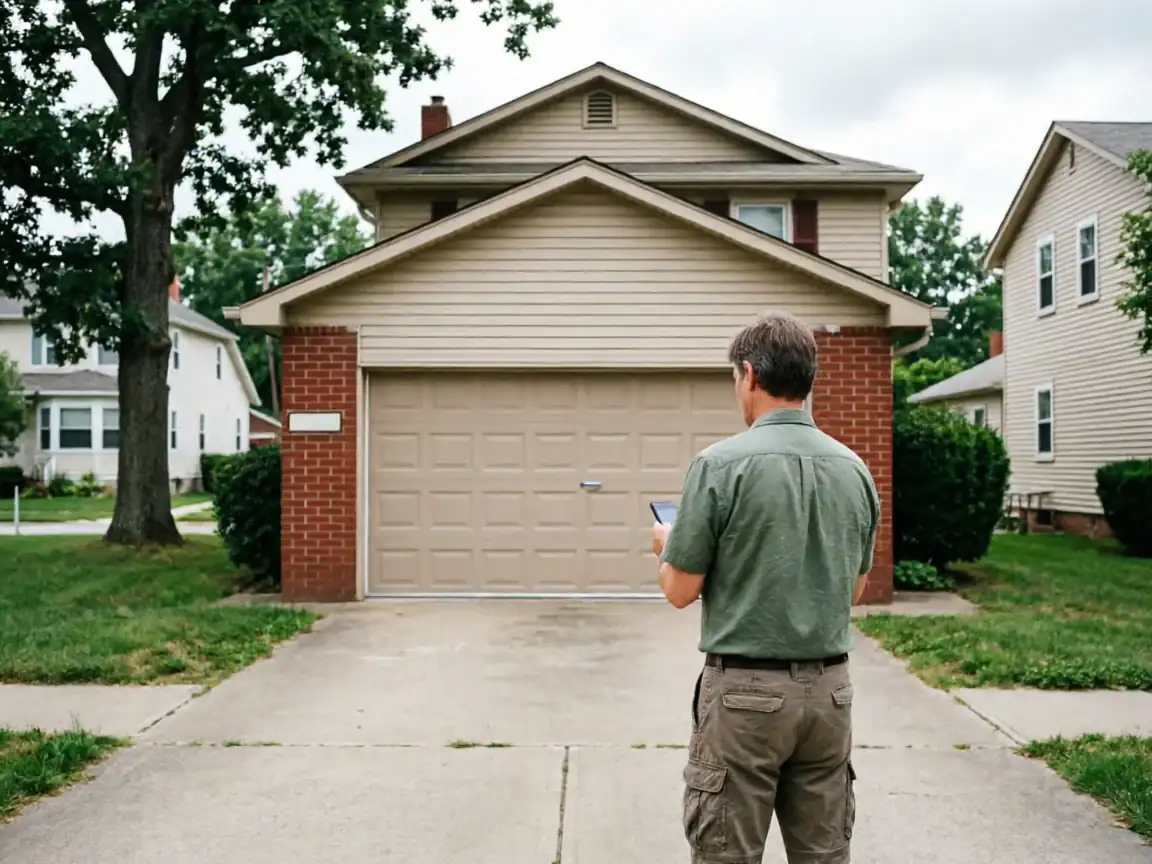
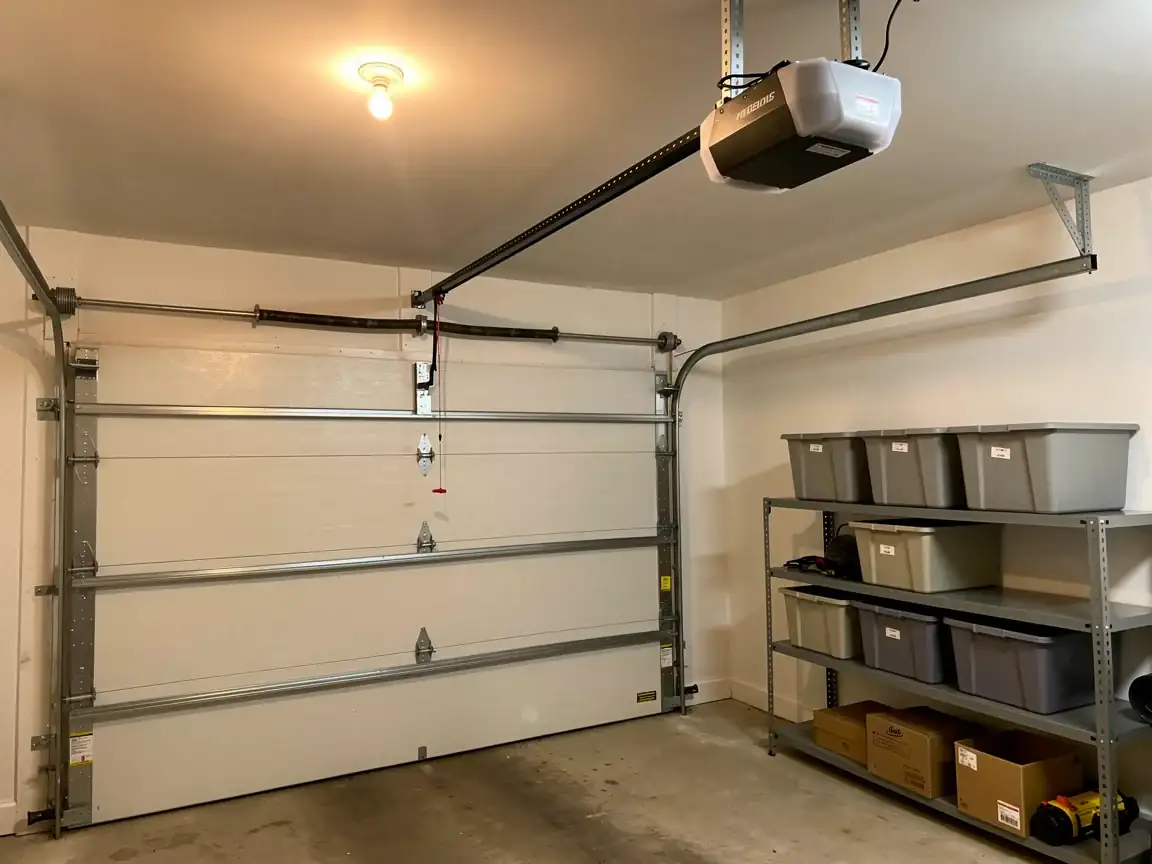
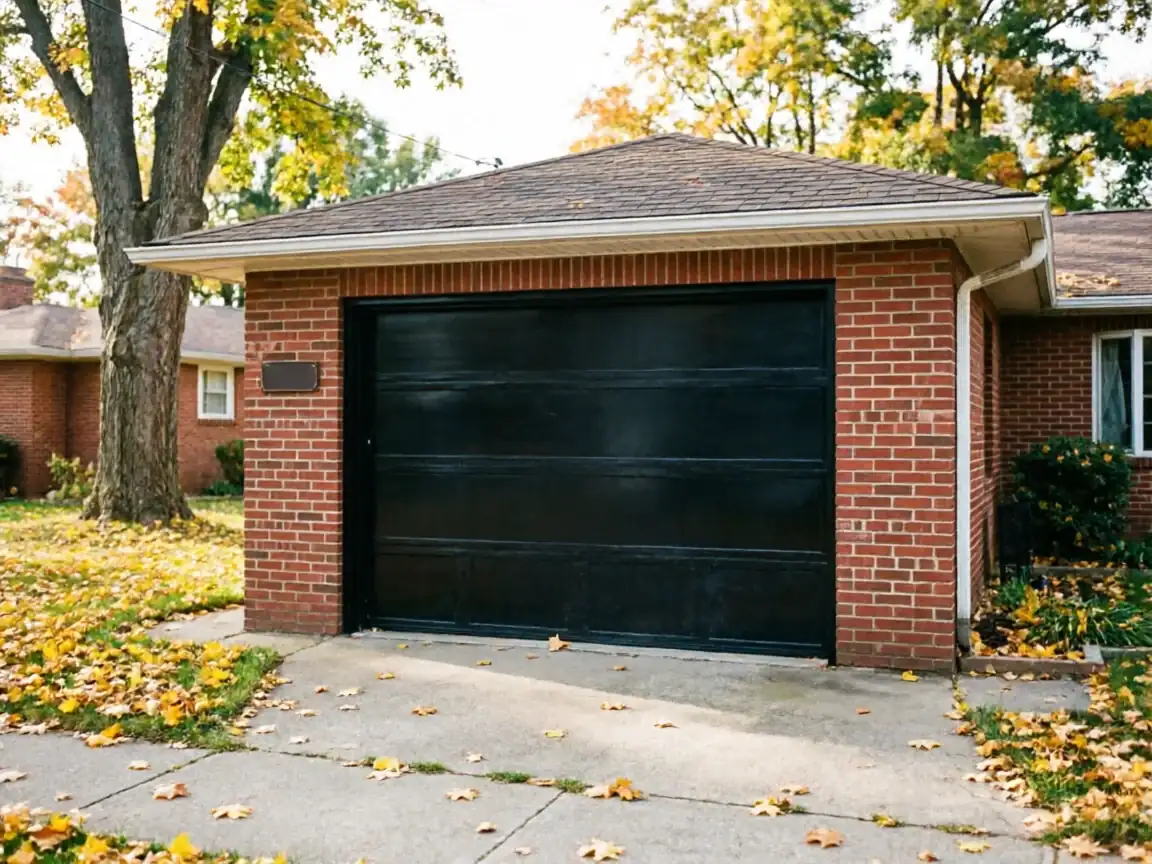
Most houses on the Chanhassen side of our service area went up around 1993. That matters more than people think, because a garage door built in 1993 still has its original torsion spring in a lot of cases - nobody pulls a working spring just because it's getting old. The problem is that steel fatigues on a cycle count, not a calendar, and a spring rated for 10,000 cycles doesn't care that it still looks fine.
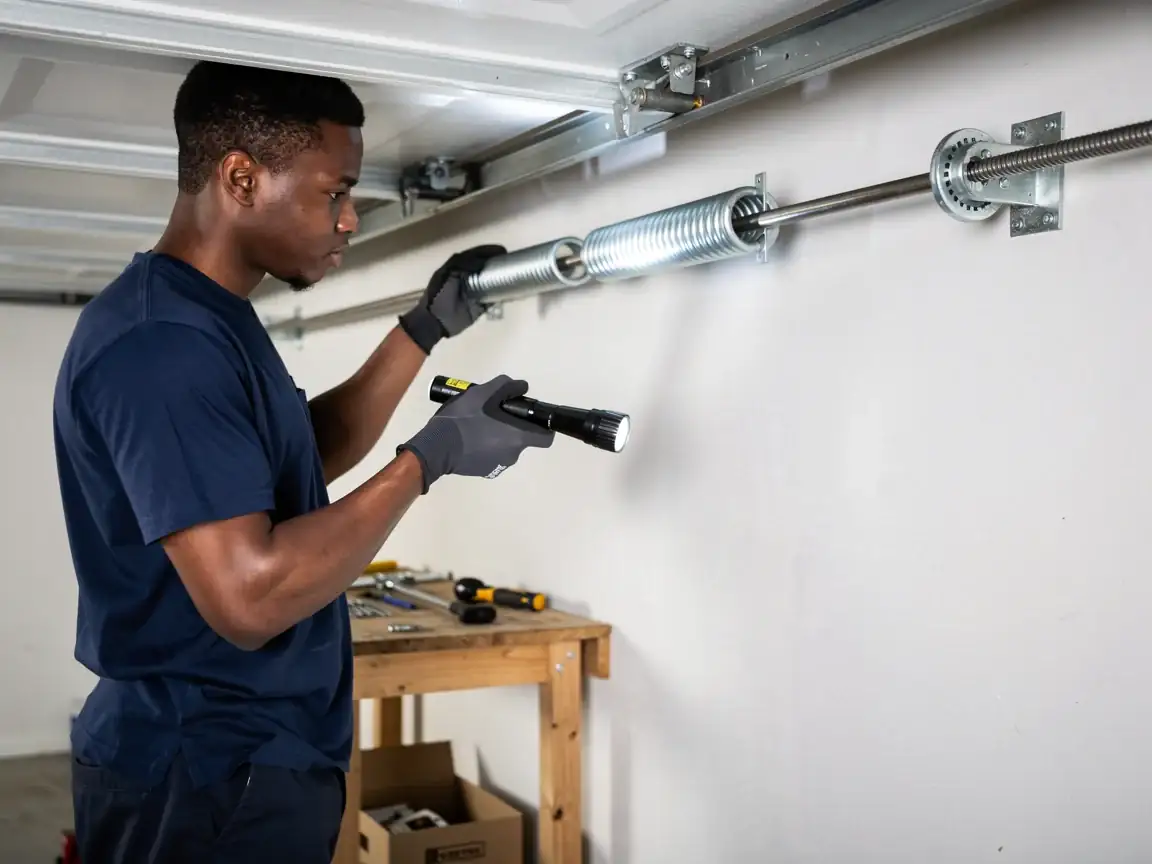
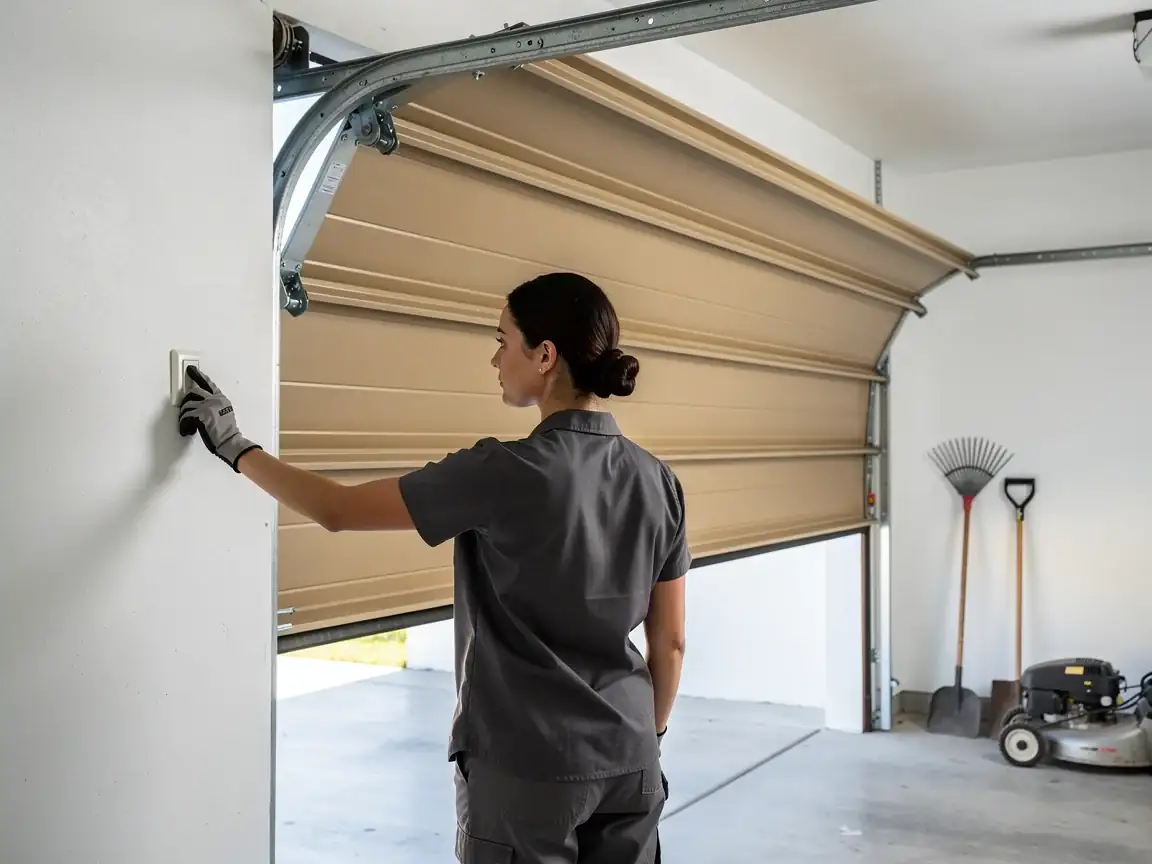
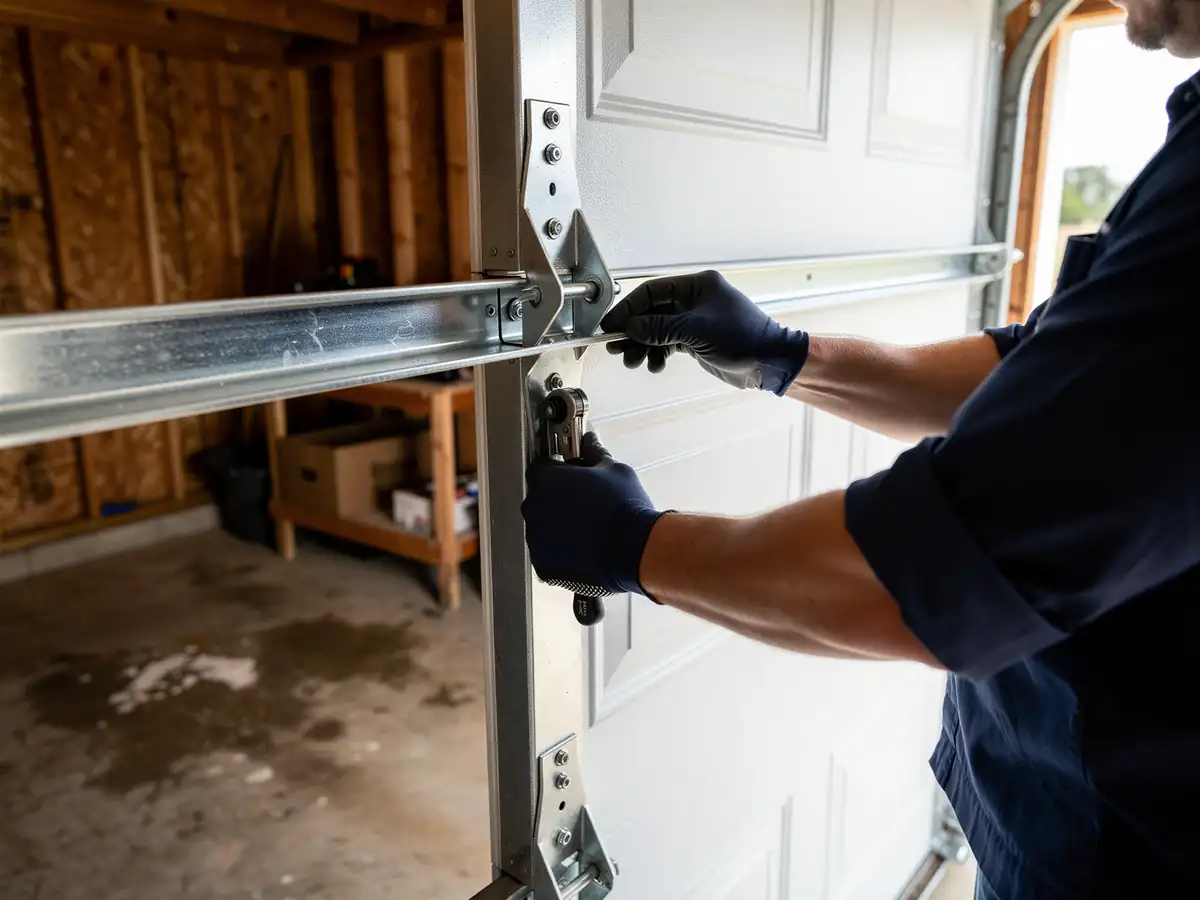
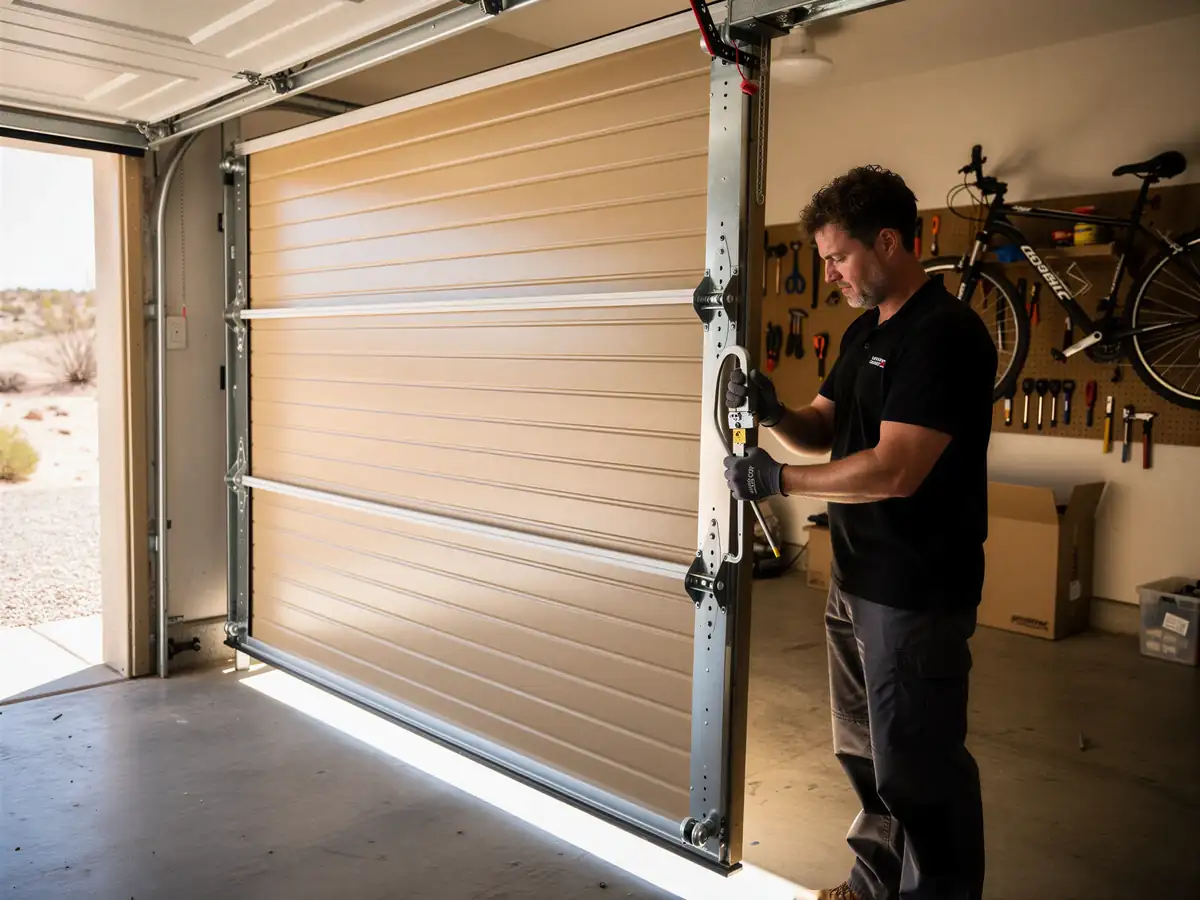
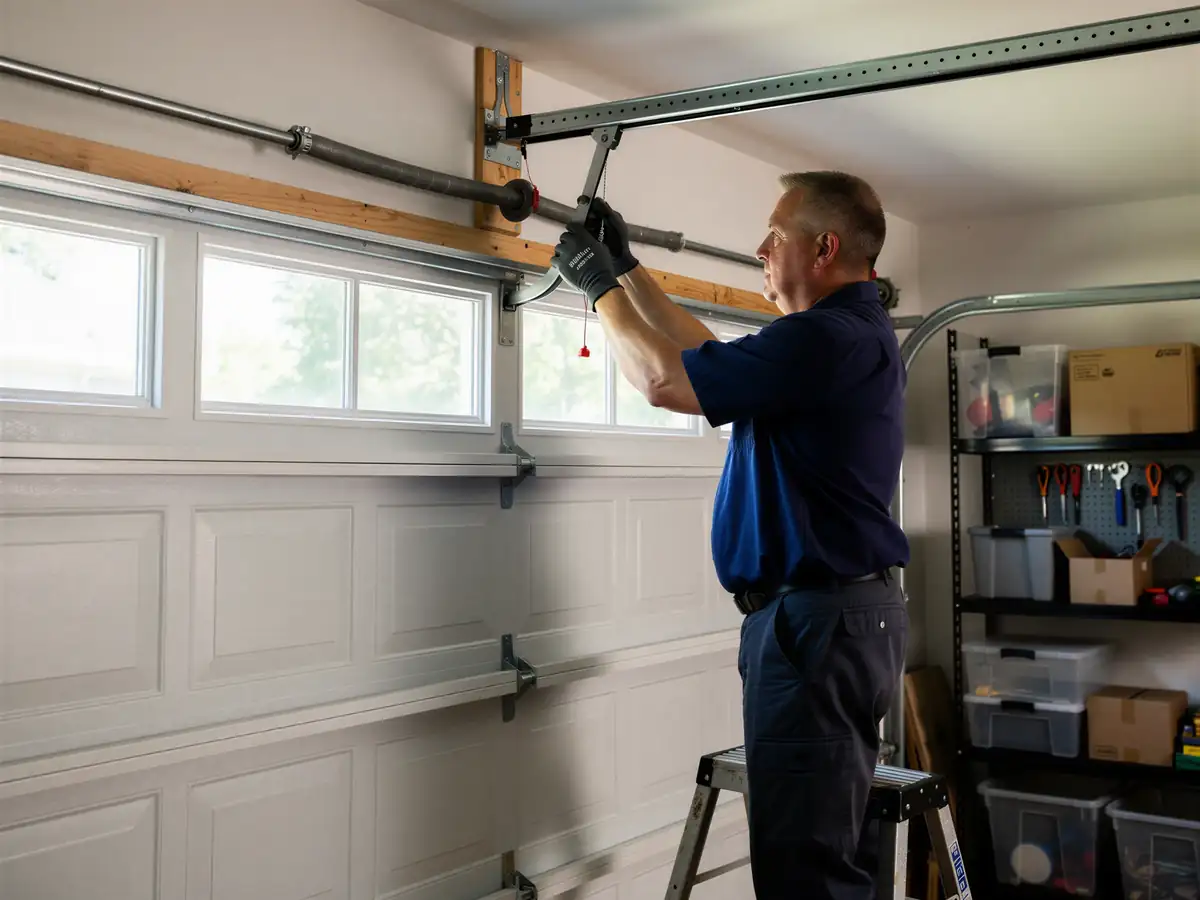
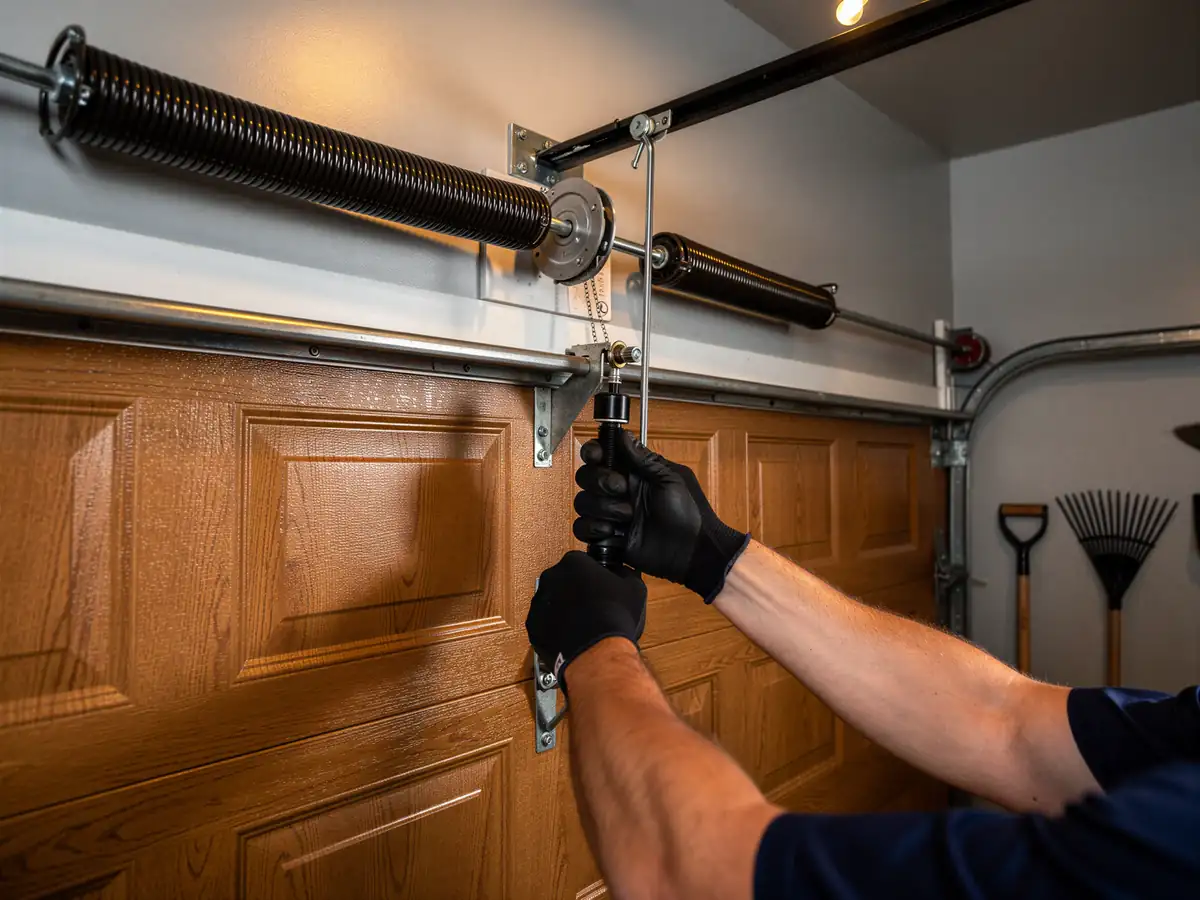
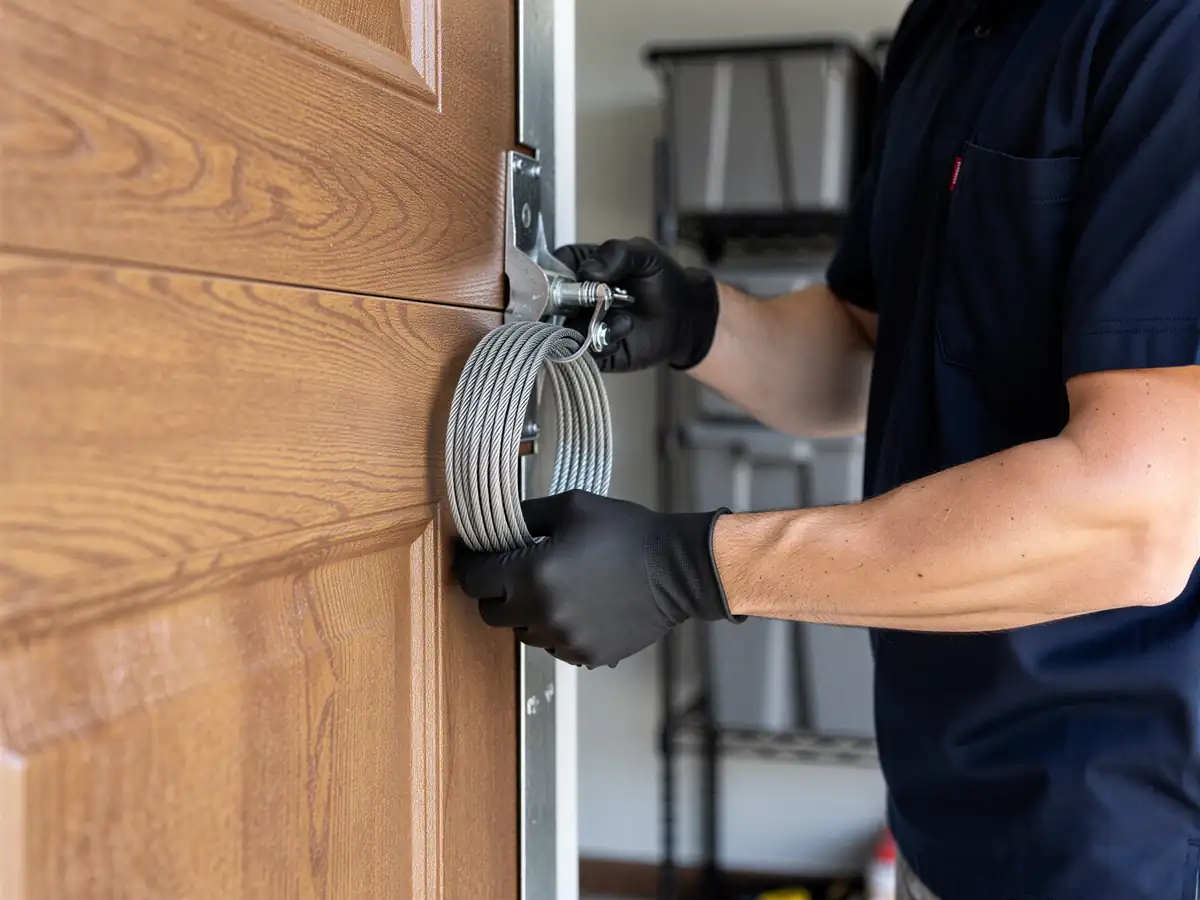
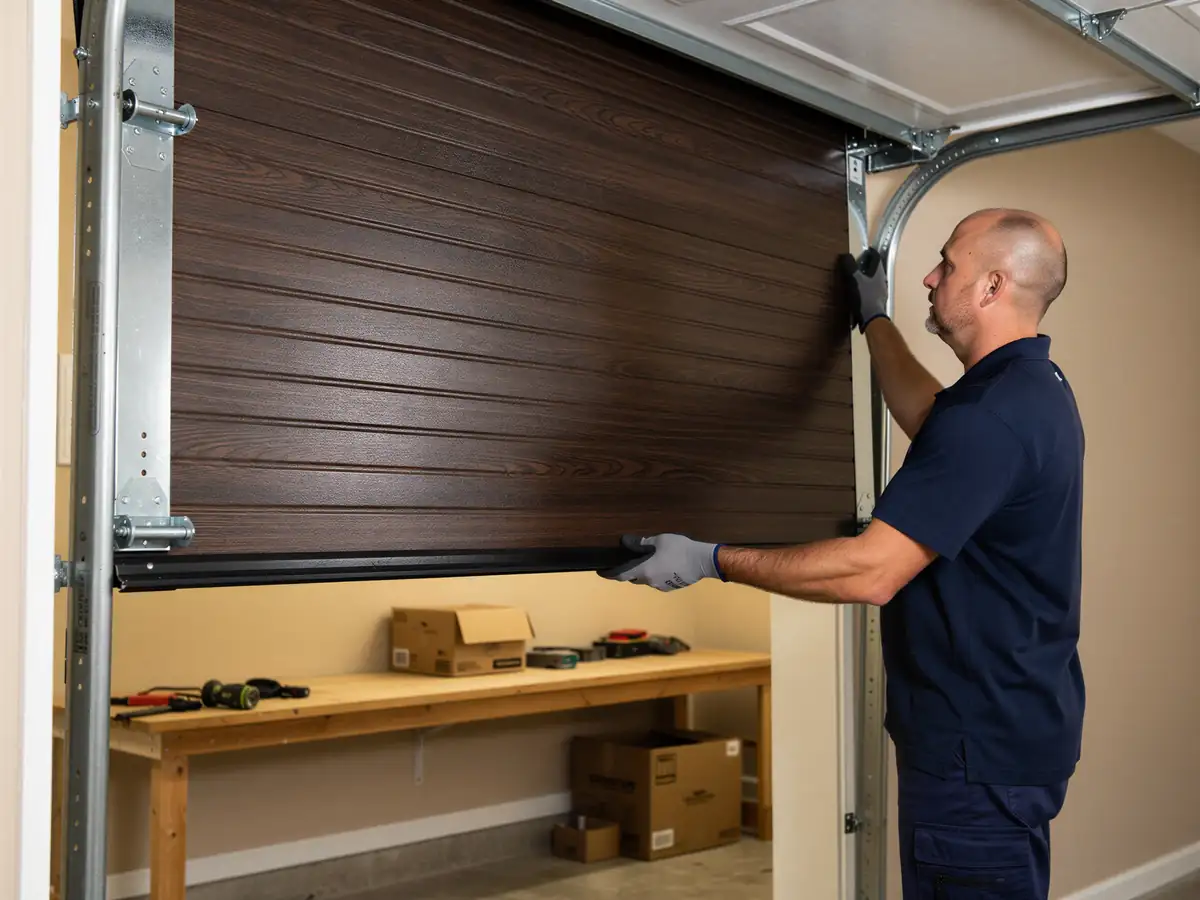
If your door is slow to open, makes a bang when it lets go, or the opener strains and reverses, that's usually the spring giving out, not the opener. Torsion springs are under real load - enough to cause serious injury if you unwind one without the right bar and a clear sense of what you're doing. We'd rather you call than improvise this one. Lubricating hinges and rollers, tightening loose bolts on the track, and testing the auto-reverse by setting a 2x4 under the door are all fine to do yourself. Winding or unwinding a spring, or working on the cable drums, is not a project we'd recommend handling solo, whatever the videos make it look like.
The area's cold winters add their own wrinkle: cold steel is stiffer and more prone to snapping under load than warm steel, so late-winter spring failures are common here. See our Chanhassen area page for more on what we cover out this way.
What the Repair Takes
A straightforward torsion spring swap on a door from this era usually means matching the wire size and wind to what's already on the shaft, since builder-grade doors from the 1990s typically ran a single spring sized for the door weight at the time - not always to today's standard. We measure rather than guess, because an undersized spring just fails again in a year.
Openers from houses built in the early-to-mid 1990s are often on their second or even first motor still, chain-drive units that have outlived their gears and need more frequent lubrication than a newer belt-drive. When one of these finally quits, we'll tell you straight whether a new drive gear kit is worth it or whether the whole unit is due for replacement - on a unit that old, parts for the exact model aren't always stocked anywhere, including on our truck.
Cold-climate wear shows up in other spots too: nylon rollers crack and seize in freezing temps faster than steel ones, and weatherstripping on doors from this build period has usually hardened past the point of sealing anything. None of this is Chanhassen-specific damage, exactly - it's what happens to doors from the early '90s wherever winters get cold, and this area's climate band qualifies.
What Is on the Truck
Because we're driving the 20 miles out from Lakeville rather than working out of a branch in Chanhassen
We load the truck based on what we expect to find before we leave, which means stocking the spring sizes and track hardware that match the housing stock out this way - doors and openers from the 1984-2004 window that makes up most of the service area, Chanhassen included.
- 20 miles
That covers the common cases
Single torsion springs in the wire gauges that era used, standard-width tracks, universal remotes and keypads, and the rollers and cables that wear out on a 20-to-40-year-old door regardless of brand. What it doesn't cover is every oversized or custom door a builder might have installed as an upgrade back then - those sometimes need a part ordered in, which means a second trip.
We'd rather tell you that up front than pretend every job gets finished in one visit
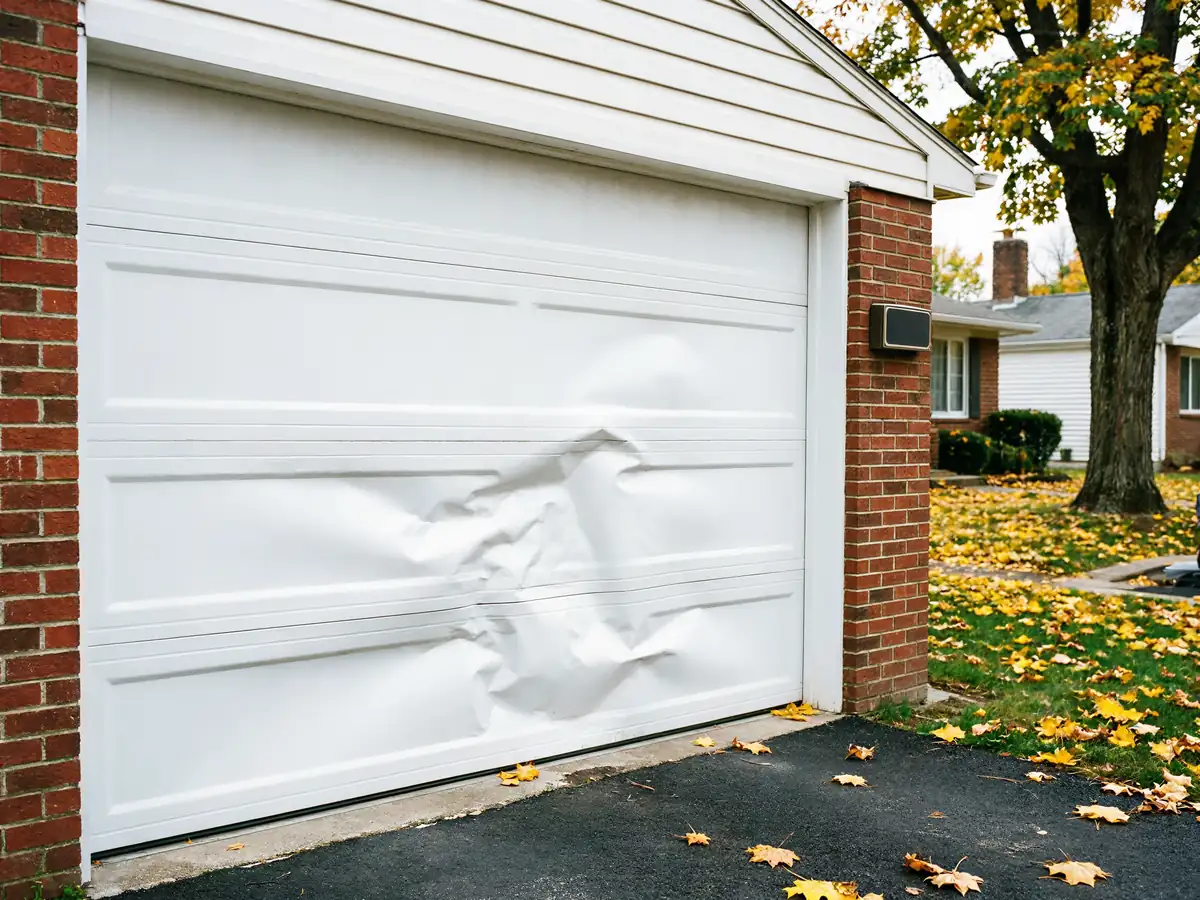
If your door is a standard single or double panel from the era most of this area was built in, odds are good we're already carrying what it needs.
The Cost of This Job
We don't post flat prices here because the job itself varies - a single spring swap on a standard door is a different job from an opener replacement on a unit nobody's serviced since it was installed. What we can tell you is what drives the number: whether the part is something we're already carrying on the truck for this area's housing stock, or something we have to order for a less common door size.
Households in this part of the service area report a median income well above the wider area average, but that doesn't change parts pricing - a torsion spring costs what it costs whether the house is worth more or less. What does change the bill is condition: a door that's been limping along on a failing spring for months sometimes takes out a cable or a drum along with it, turning a one-part job into three.
If you want a number before we're standing in your driveway, the honest answer is we need to know the door's age, size, and what's already failed. For general service-area pricing and scheduling, see our main Lakeville service page.