Doing It Yourself
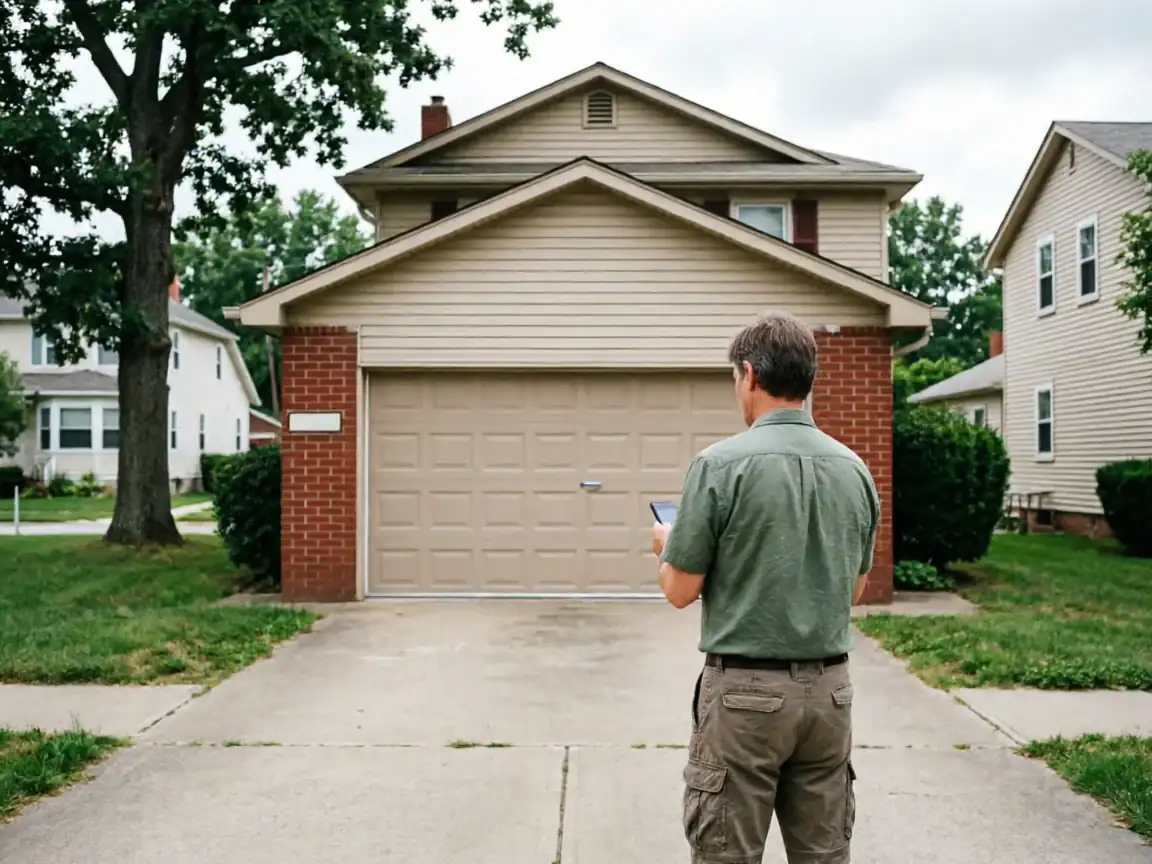
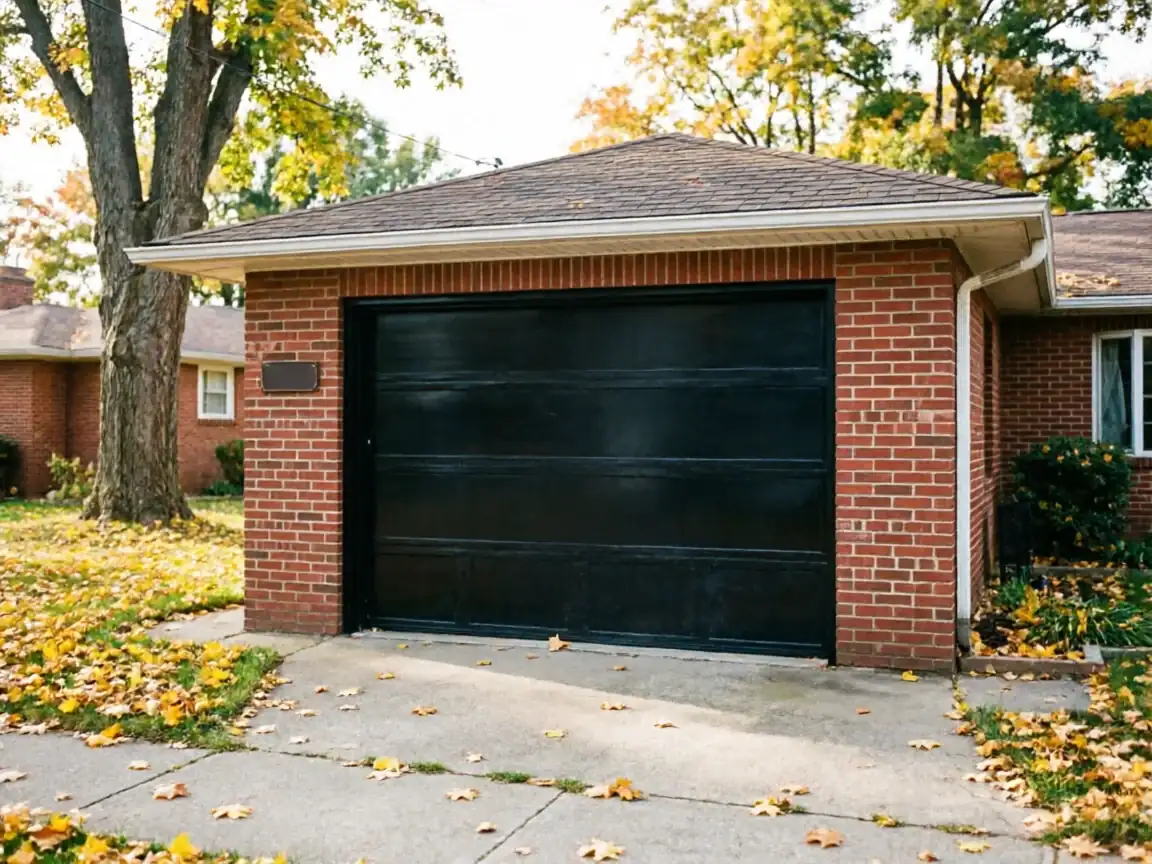
Chanhassen has about 9,607 households, which is a decent-sized pocket of garages but not so many that every house is identical. Most were built around 1993, which matters more than people think. That's roughly the point federal rules kicked in requiring auto-reverse safety sensors on new openers, so a lot of these houses have brackets and wiring sized for that first generation of sensor-equipped units, not for what's sold today.
A homeowner who wants to swap a chain-drive unit for something quieter can do the physical mounting in an afternoon. What trips people up is the electrical tie-in and getting the travel limits and force settings right on a door that's 30 years old and has sagged a little on its rollers. Get the force setting wrong and the opener either won't close all the way in cold weather, when steel contracts, or it reverses on nothing.
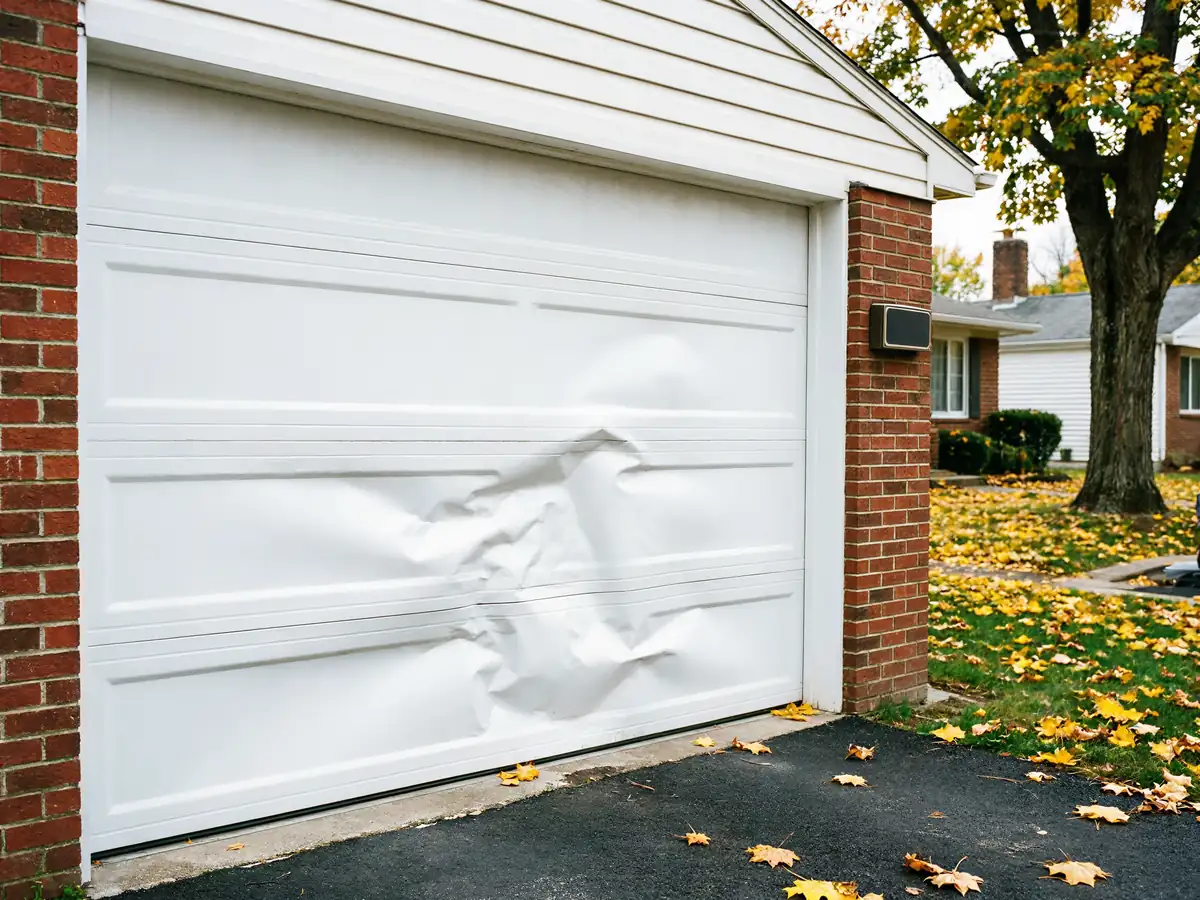
We're honest about this one: if your existing rail and header bracket are solid and you just want a straight swap, a careful DIYer can do it. Where it stops being a weekend project is anything involving a bent track, a header that's pulling away from the framing, or wiring that predates grounded circuits - that's when a bad install becomes a liability, not a shortcut.
What the Repair Takes
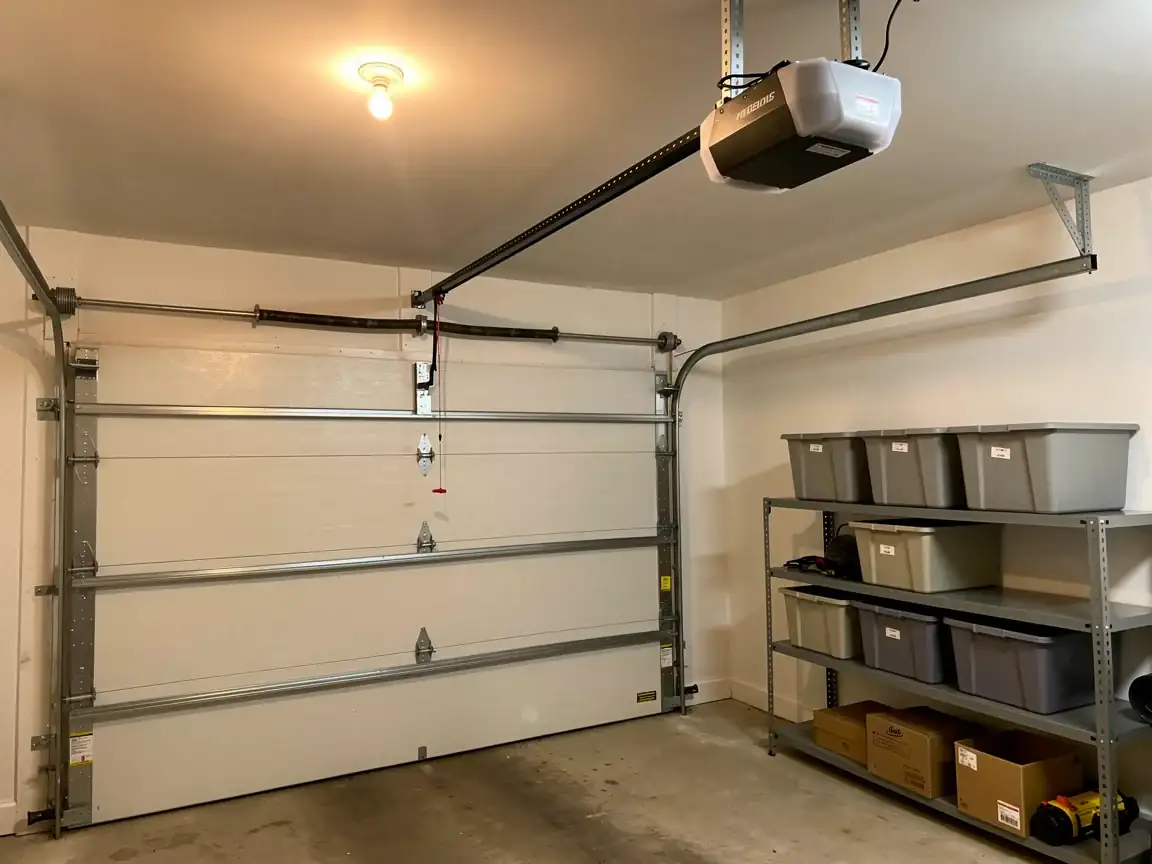
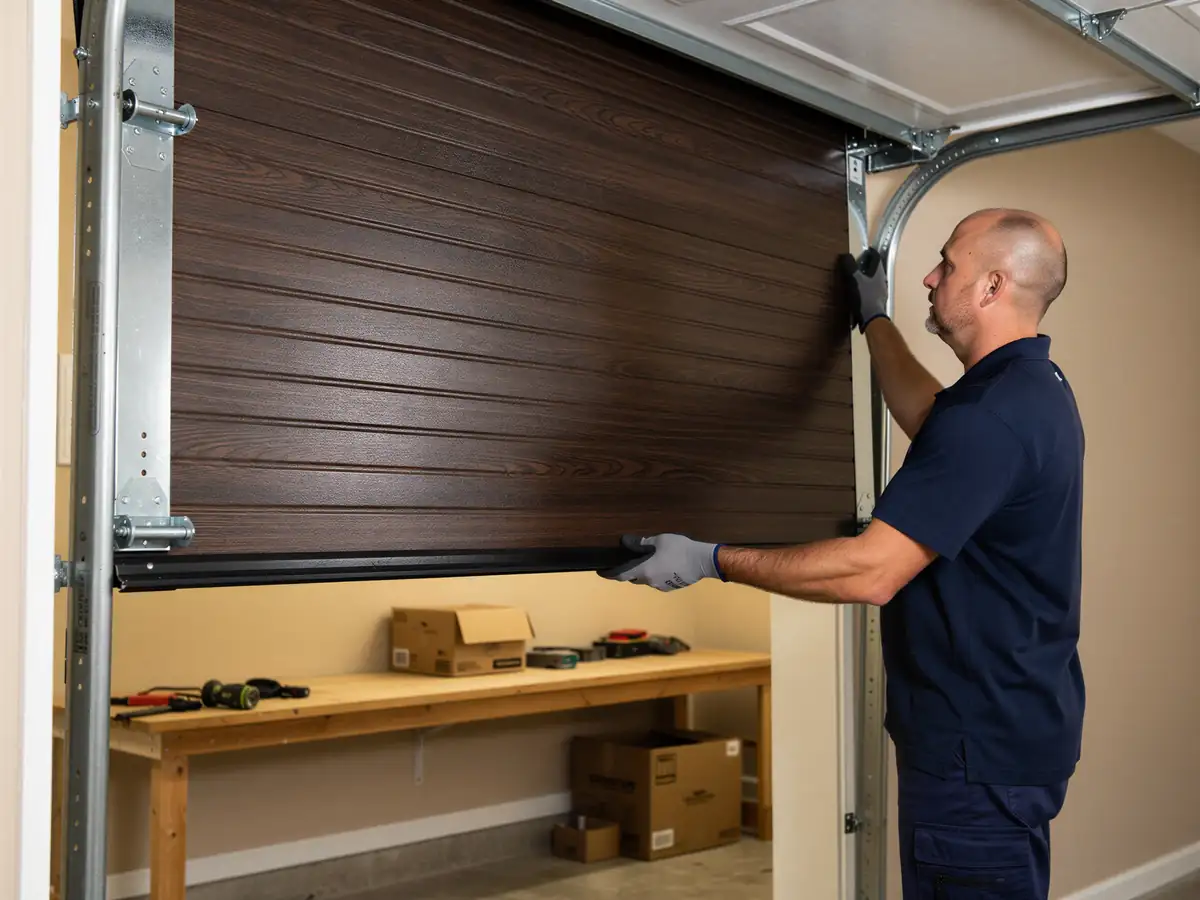
An opener install on a Chanhassen garage usually starts with checking what's actually there before anything gets ordered. Houses from the early '90s built boom often have the original steel rail and a chain-drive unit that's outlived its gears but kept its bracket positions, so matching those saves time on the header side.
The area sits in a cold climate band, and that shapes two decisions on every job: we set opener force and travel limits assuming the door will see real temperature swings between a 70-degree garage in summer and well below freezing in January, and we check that the sensor wiring is routed where road salt and winter moisture won't get at the connectors over time.
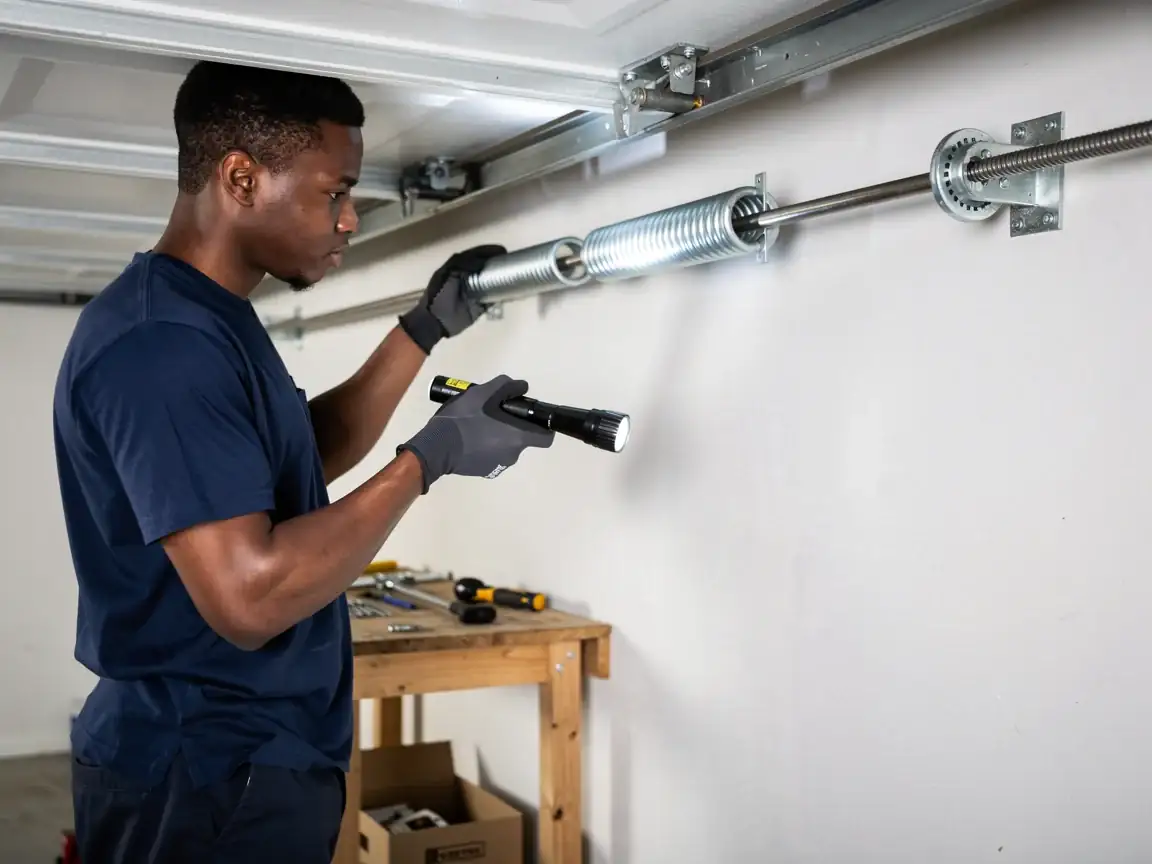
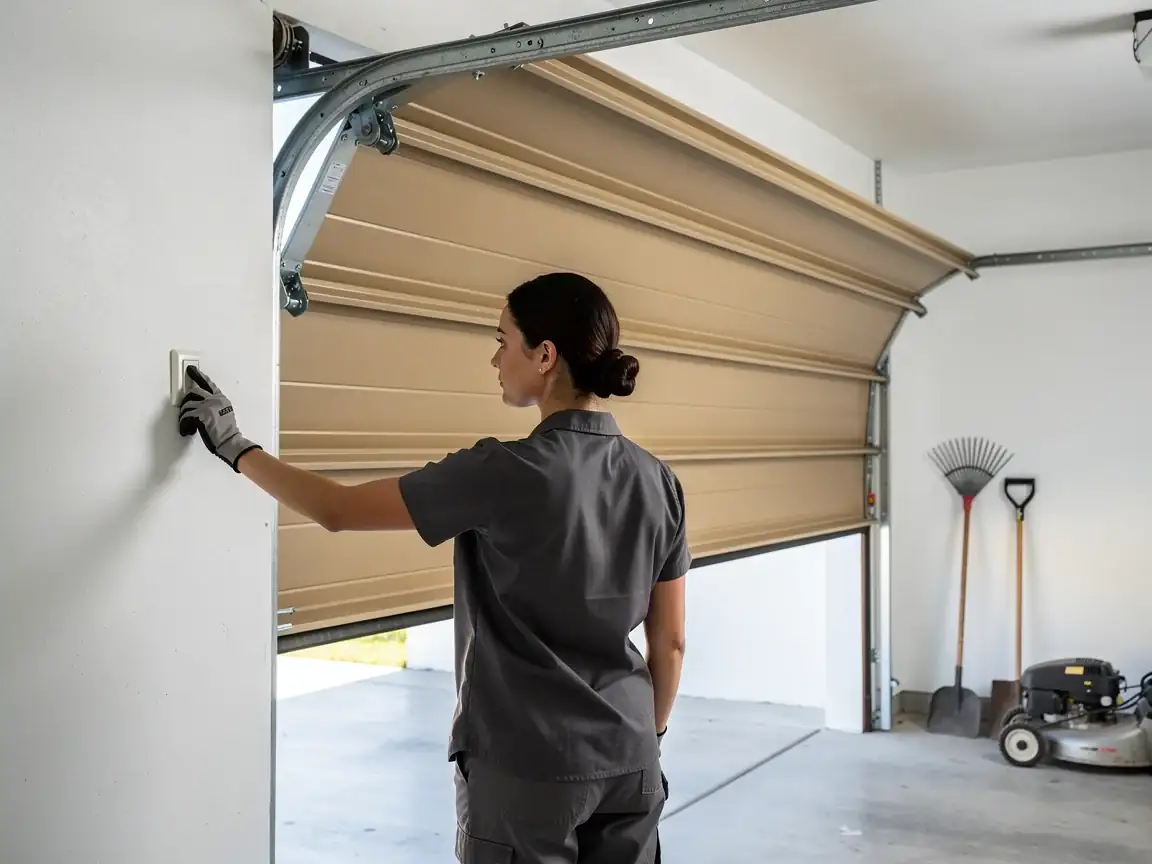
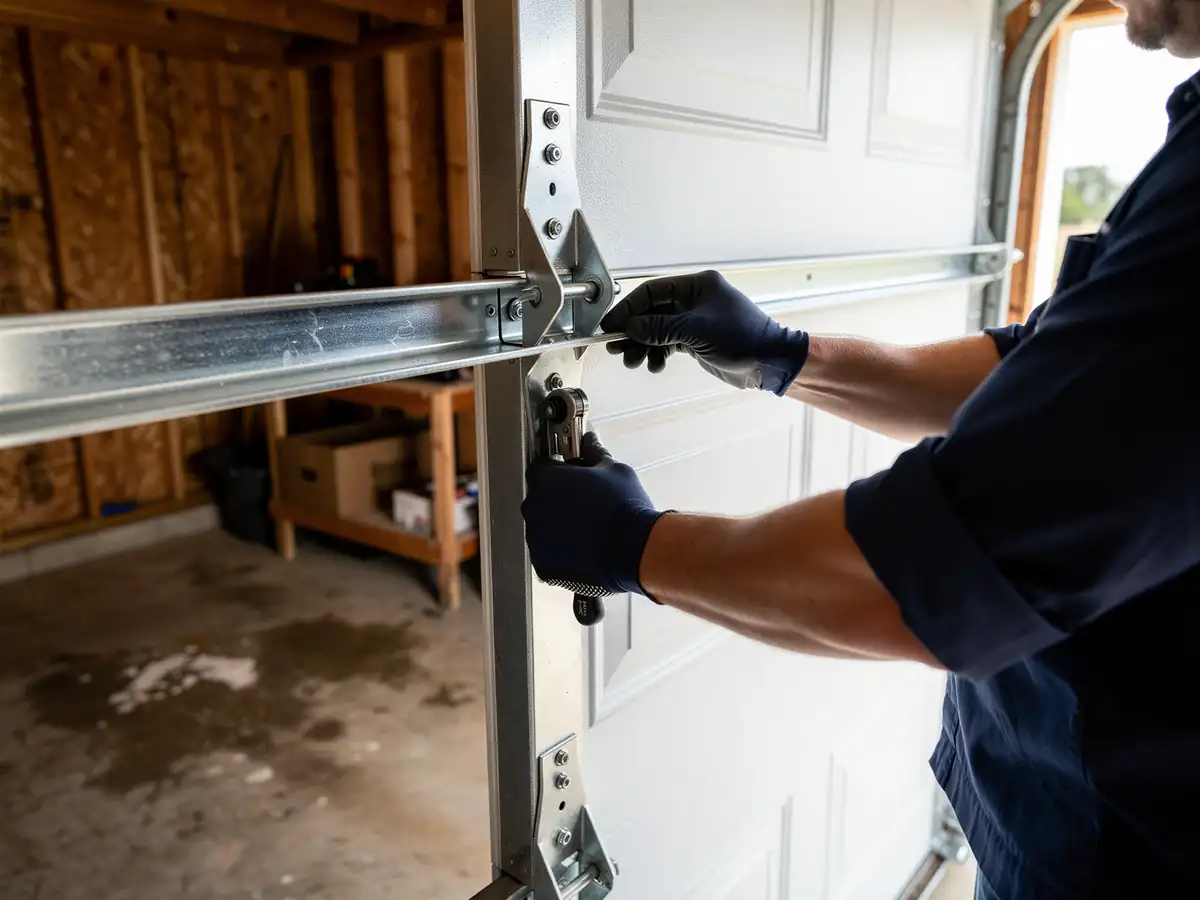
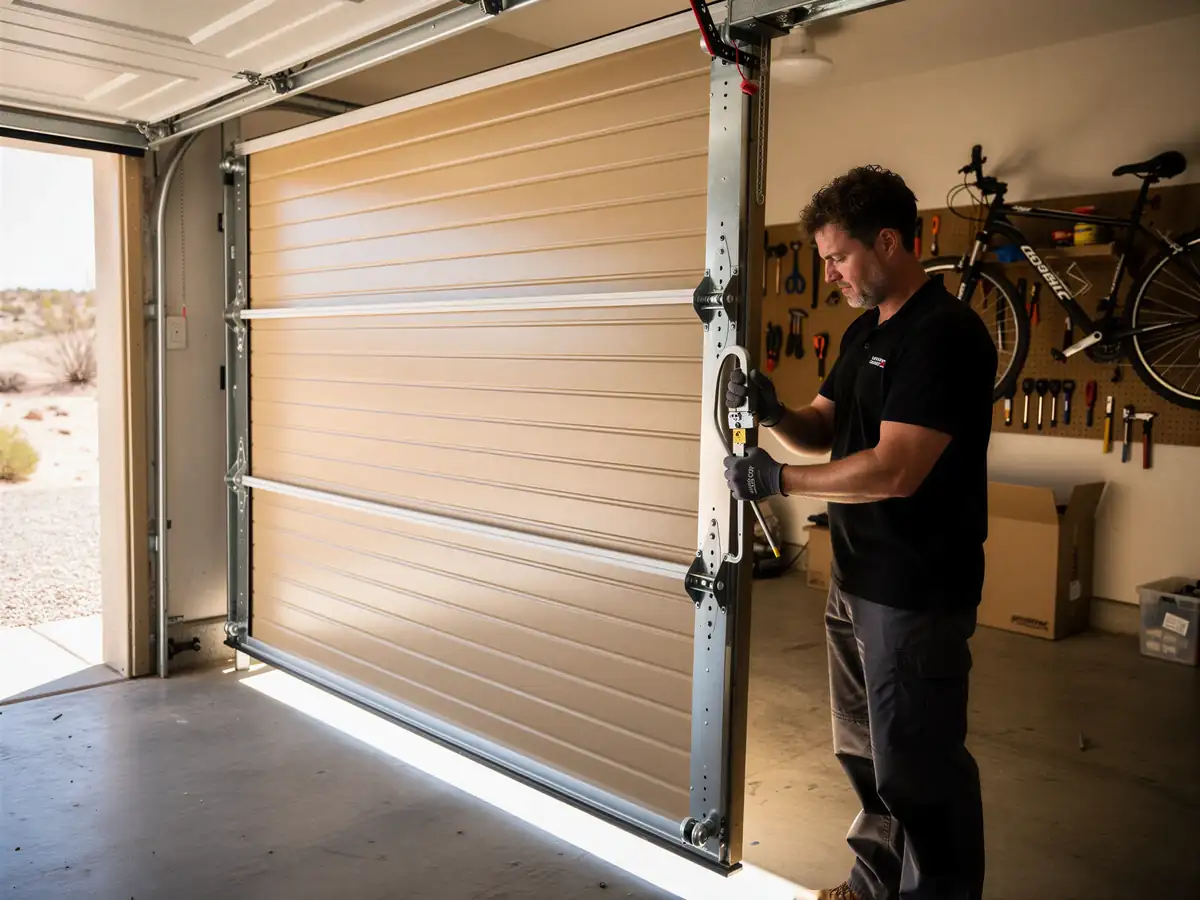
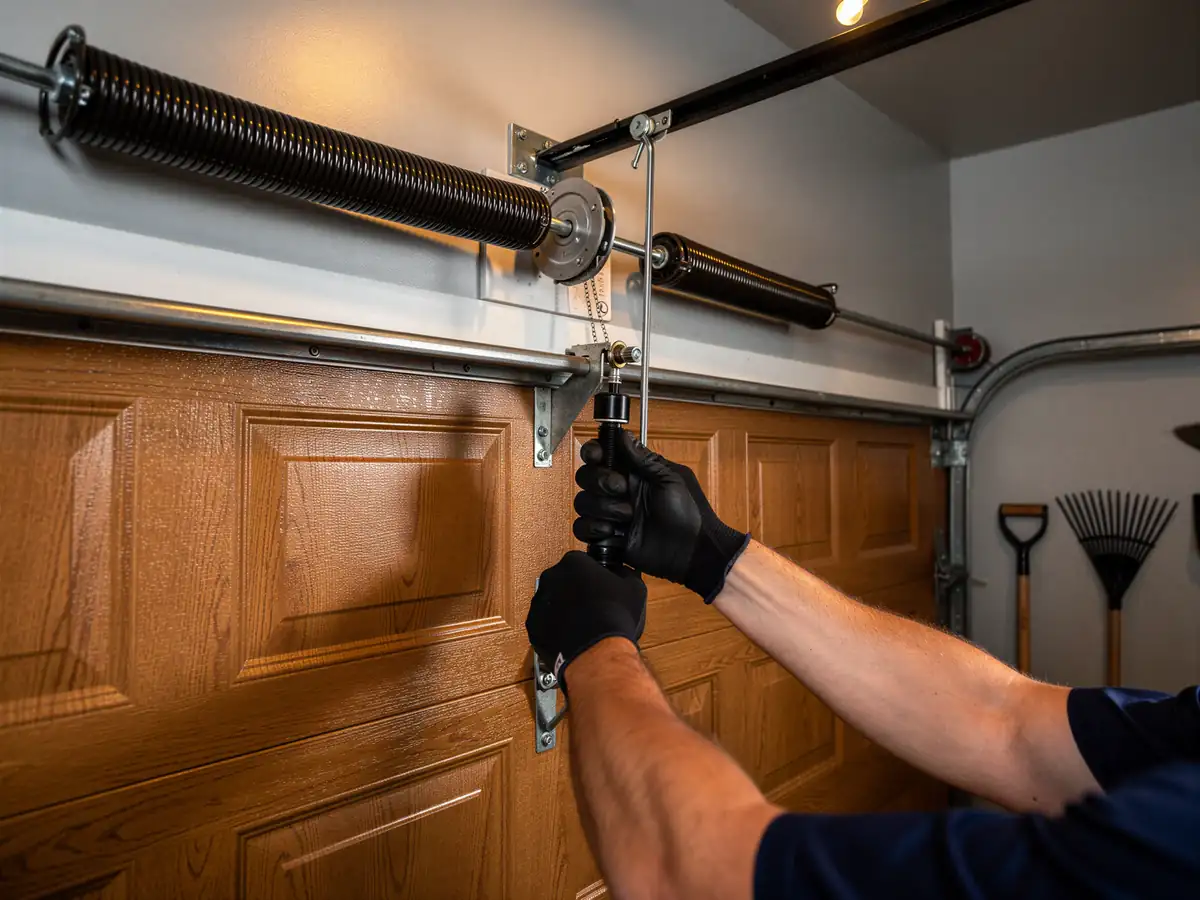
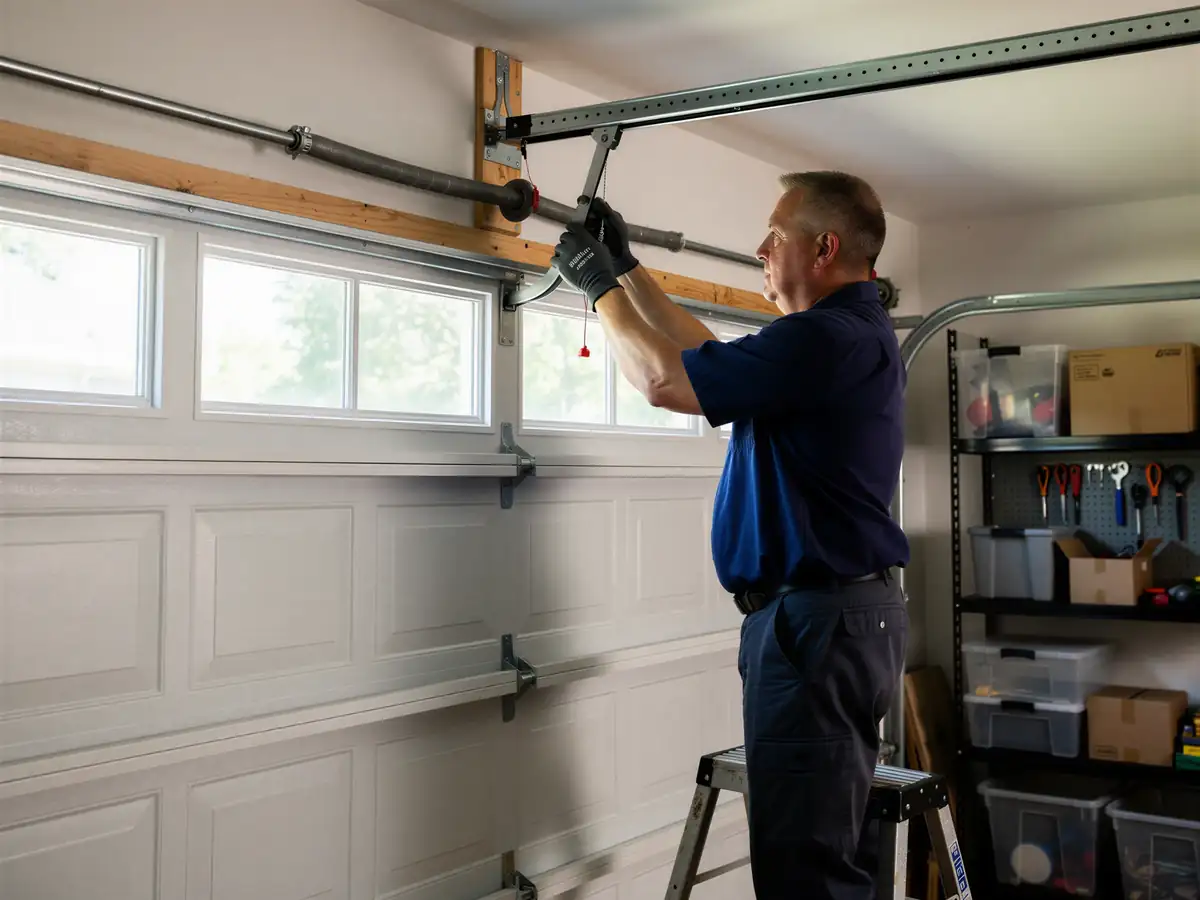
After the unit is mounted, the work that actually takes the time is calibration - travel limits, force, and safety reversal - plus confirming the door balance is right before the new opener ever lifts full weight. An opener fighting a door that's out of balance will burn out its gears in a year or two no matter how good the unit is, so we check spring tension as part of the same visit rather than bolt a new opener to an old problem.
What Is on the Truck
We come from Lakeville, about 20 miles out
So the truck is loaded before we leave rather than restocked mid-route. For Chanhassen specifically, that means carrying belt-drive and chain-drive units in a couple of horsepower ratings, battery backup modules, and both standard and heavy-duty header brackets, since houses built across the 1980s and '90s here don't all use the same mounting depth.
- 20 miles
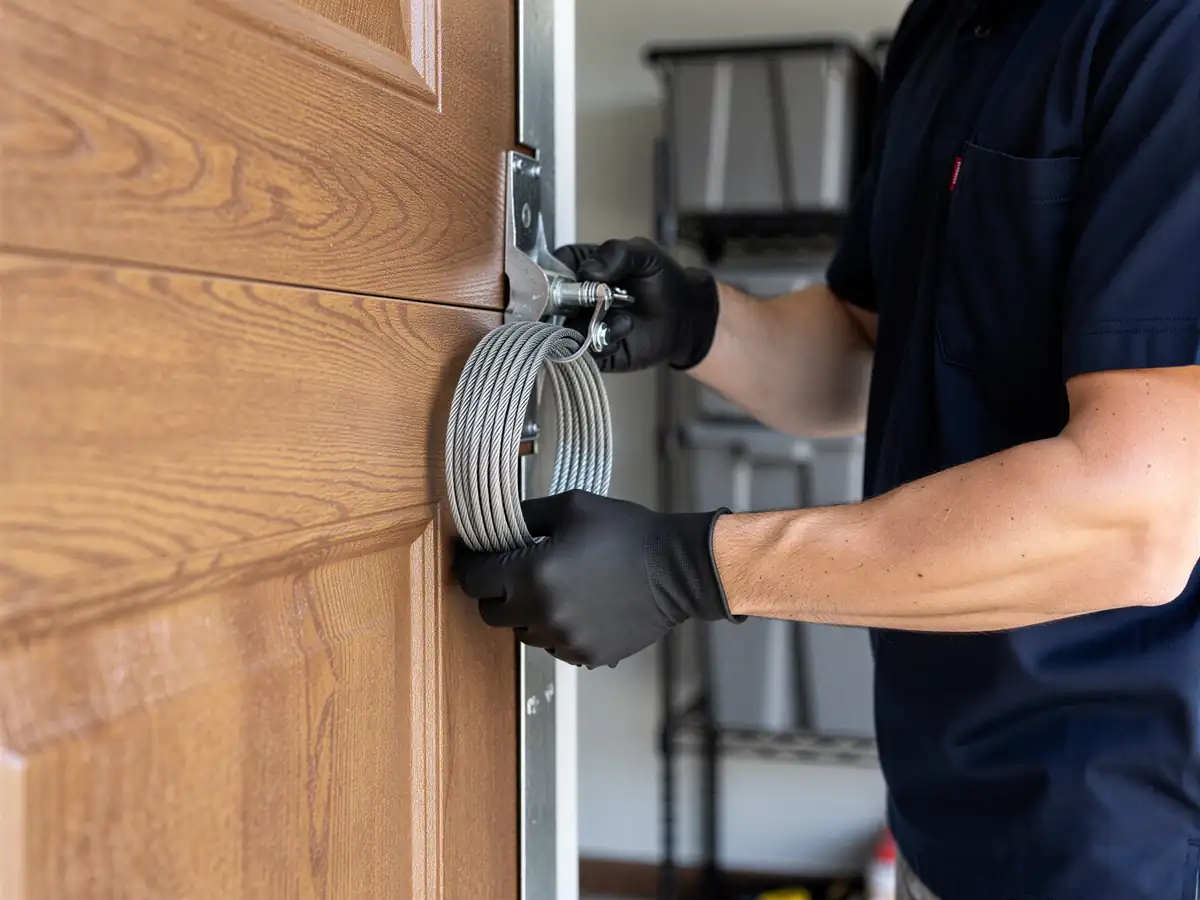
We also carry the wiring and sensor hardware needed to bring an older setup up to current auto-reverse standards
Since a fair number of openers out here predate that as a factory feature. Rail sections in a couple of lengths come along too, because garages from this era vary more in ceiling height and door travel than people expect walking in.
What we don't carry is custom smart-home integration gear beyond what ties into the opener itself
If a homeowner wants full whole-house automation layered on top, that's a conversation for a different trade, not something we stock on the truck.
The Cost of This Job
Chanhassen's median household income runs around $138,034, well above the wider service area's $99,460, and that shows up in what gets requested here: more belt-drive units with battery backup, fewer bare-bones chain-drive swaps bought on price alone.
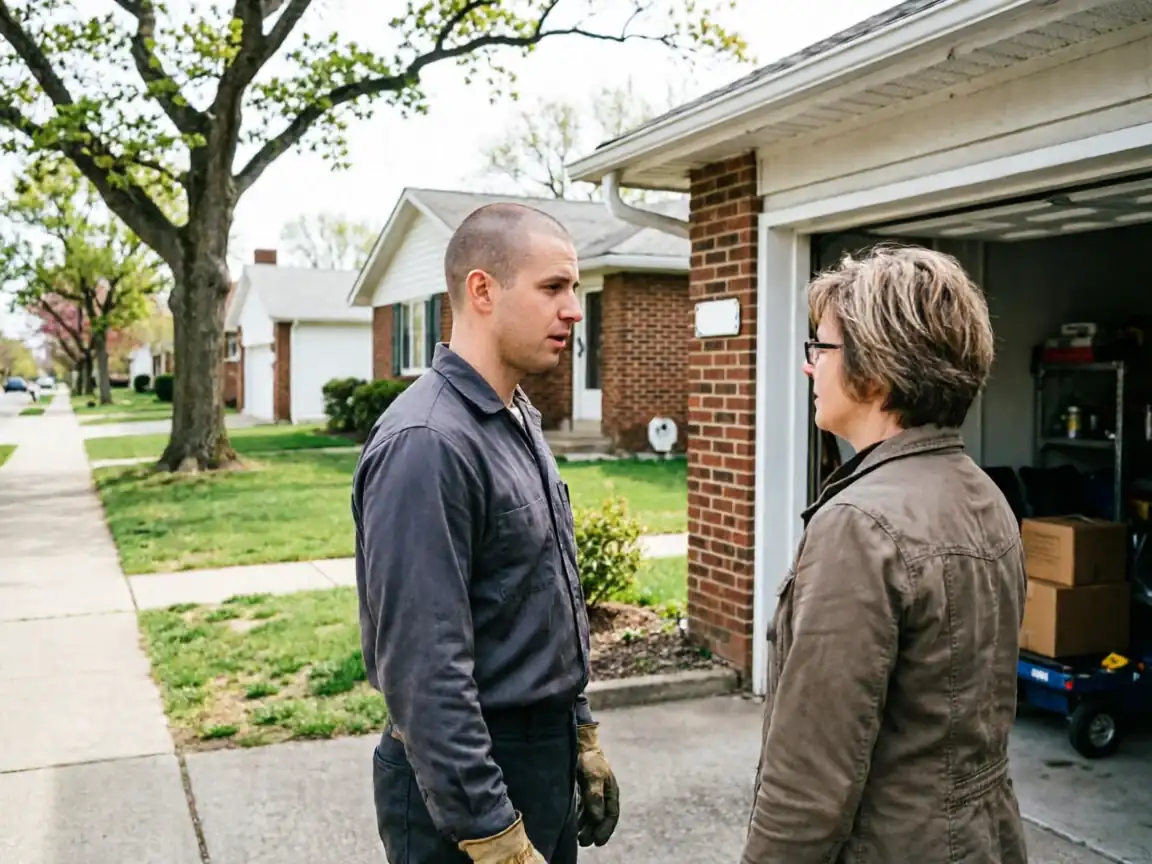
We don't have a flat number to quote you in writing here - the honest answer depends on the unit tier, whether the existing rail and bracket can be reused, and whether the door balance needs correcting at the same visit, which we'll flag before any work starts rather than after. What we can tell you is that reusing sound hardware from a 1990s-era install, where the bracket spacing still matches, usually costs less than a full header retrofit on an older or mismatched setup.
The trip itself from Lakeville is factored into how we schedule the job, not into a separate fee line - we plan Chanhassen work as single full visits rather than send a truck out twice for one install.