How It Shows Up
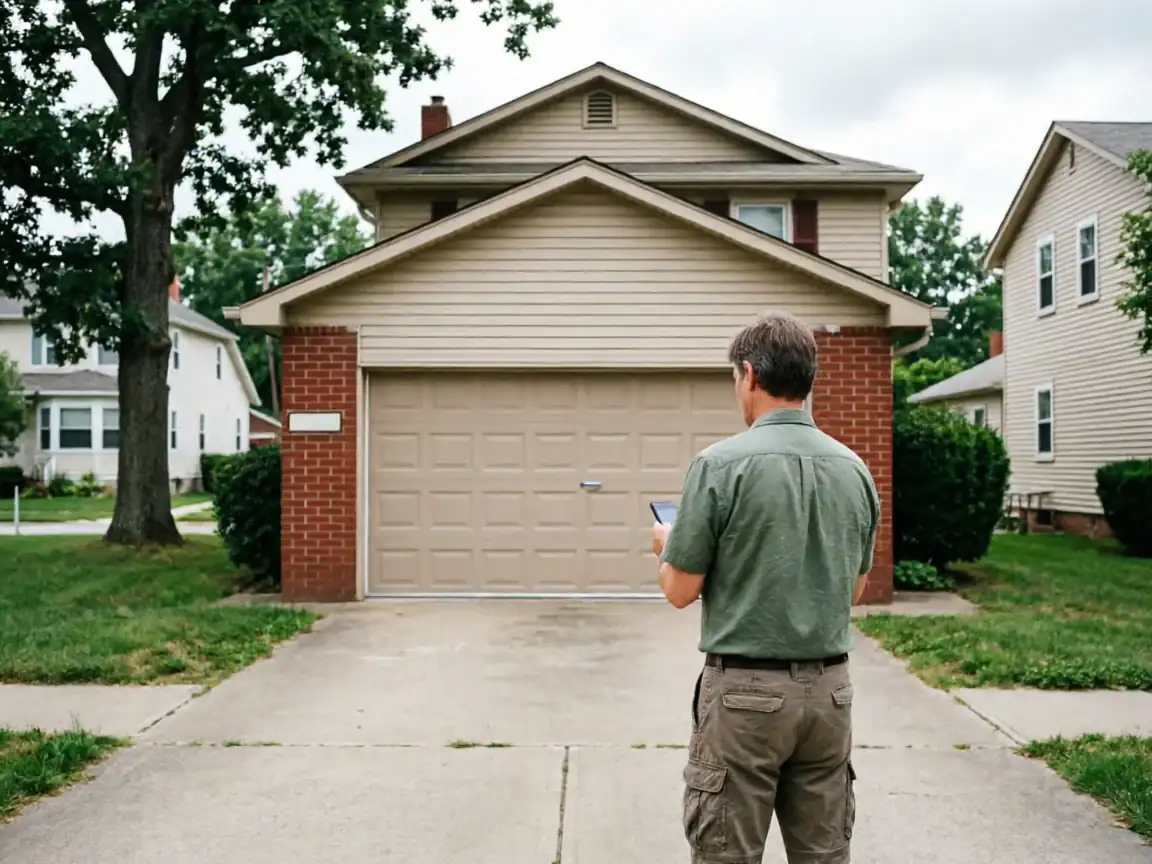
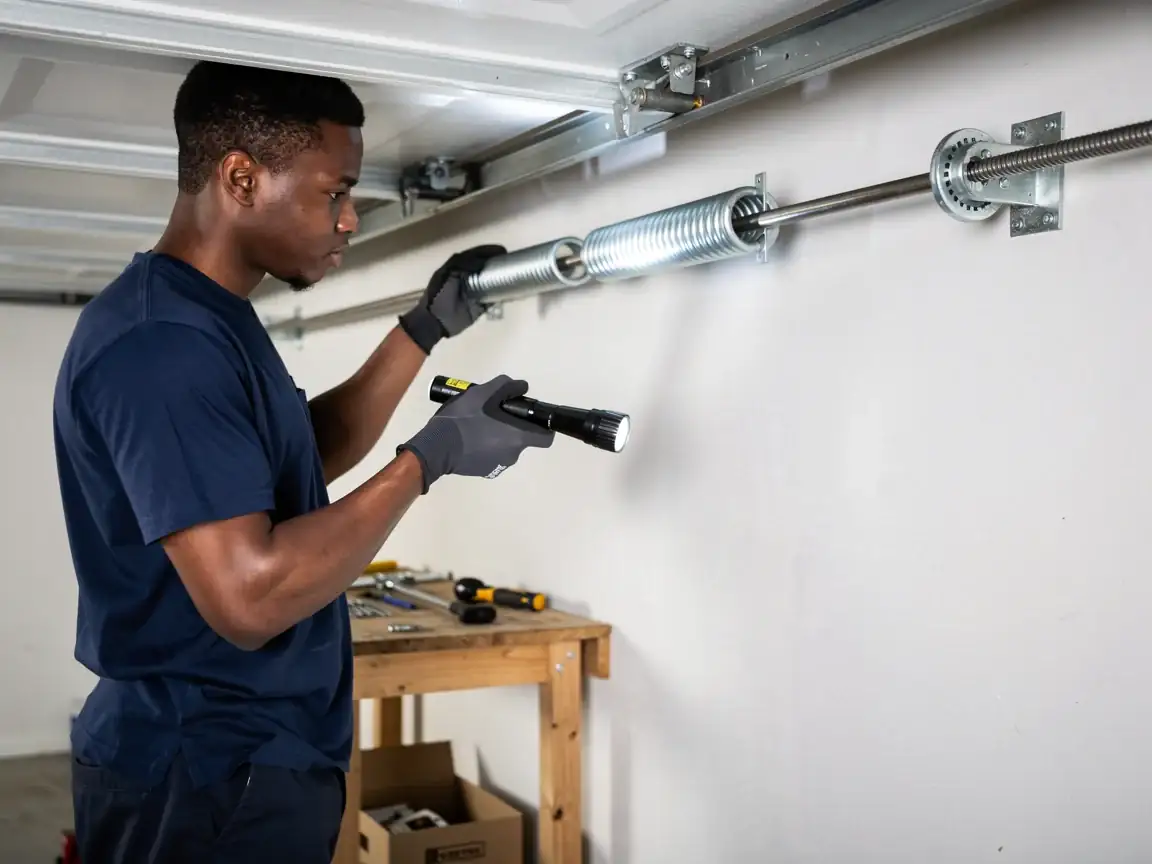
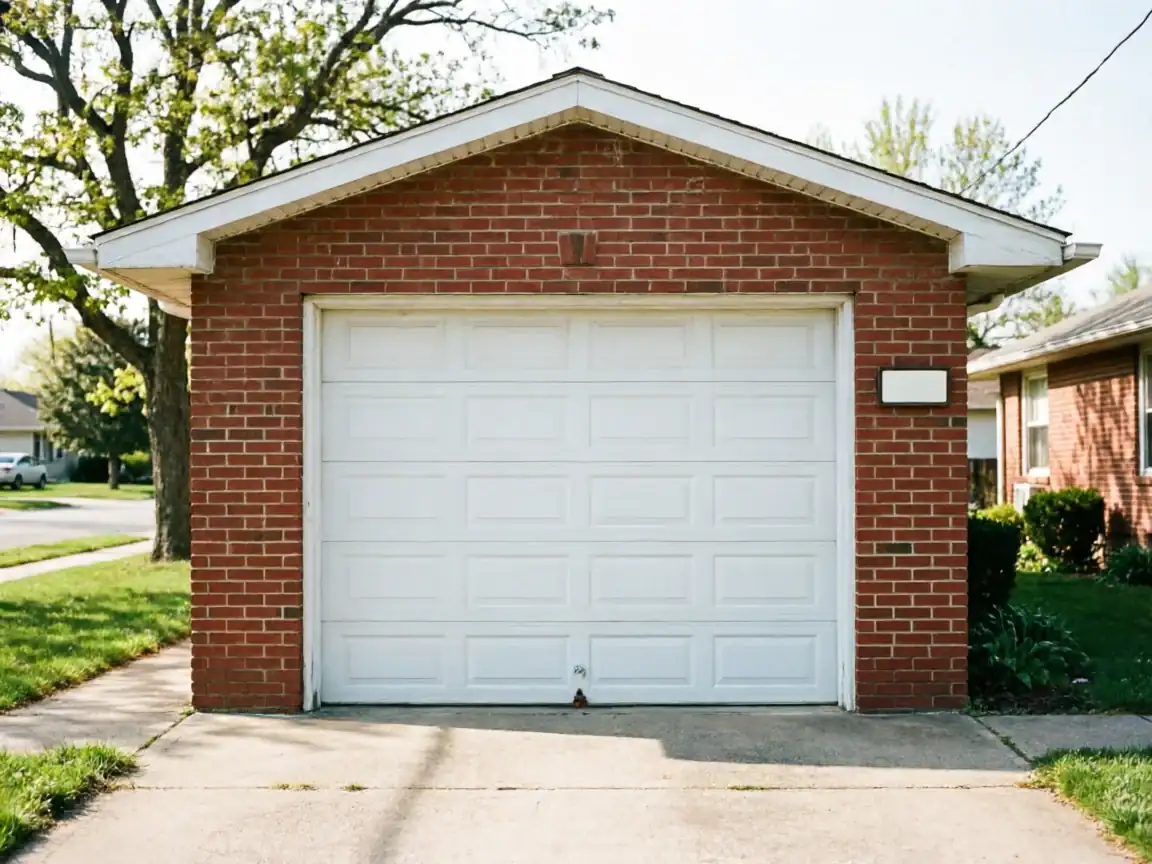
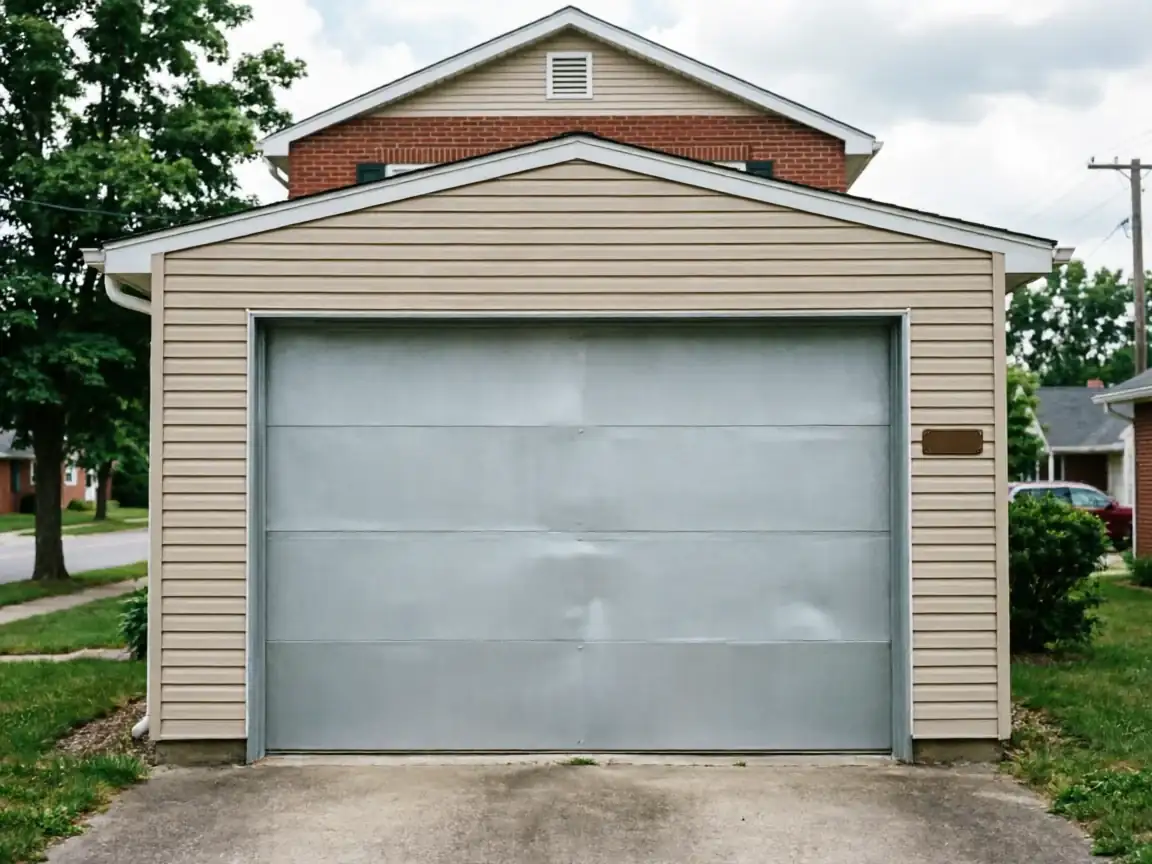
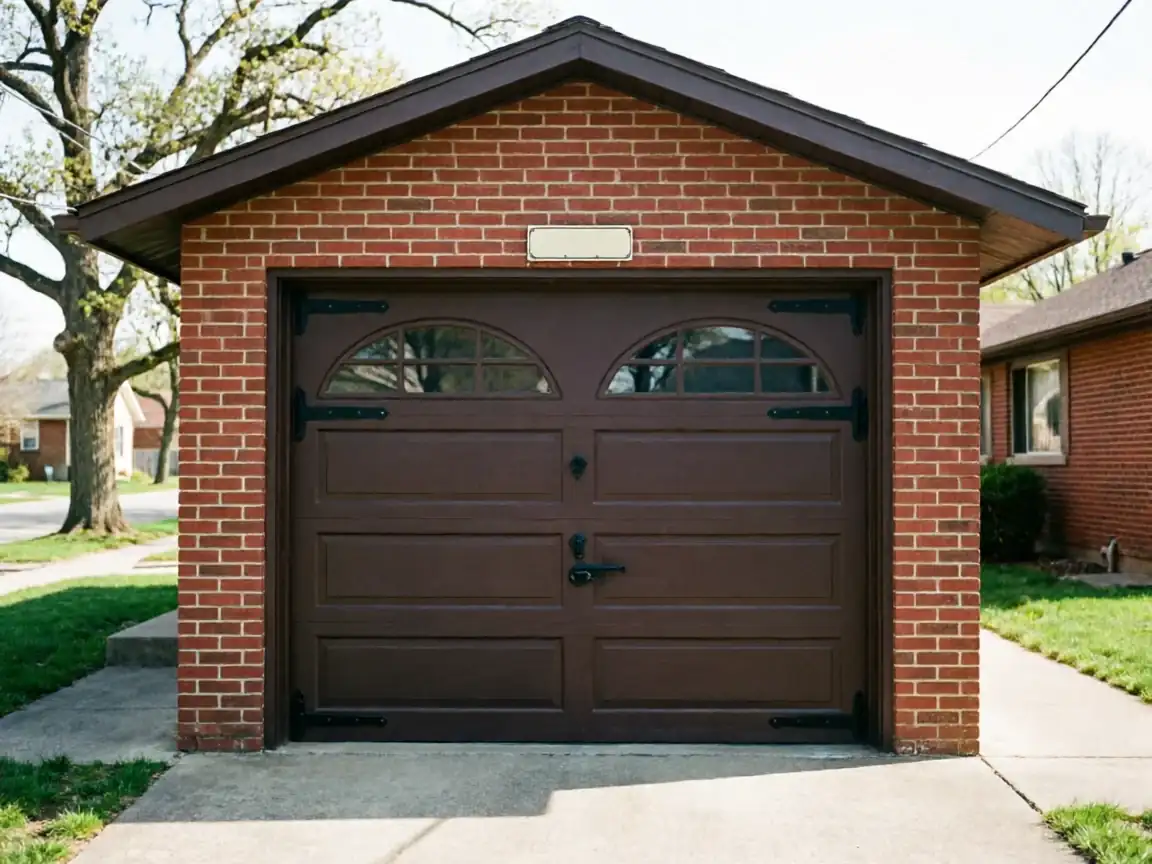
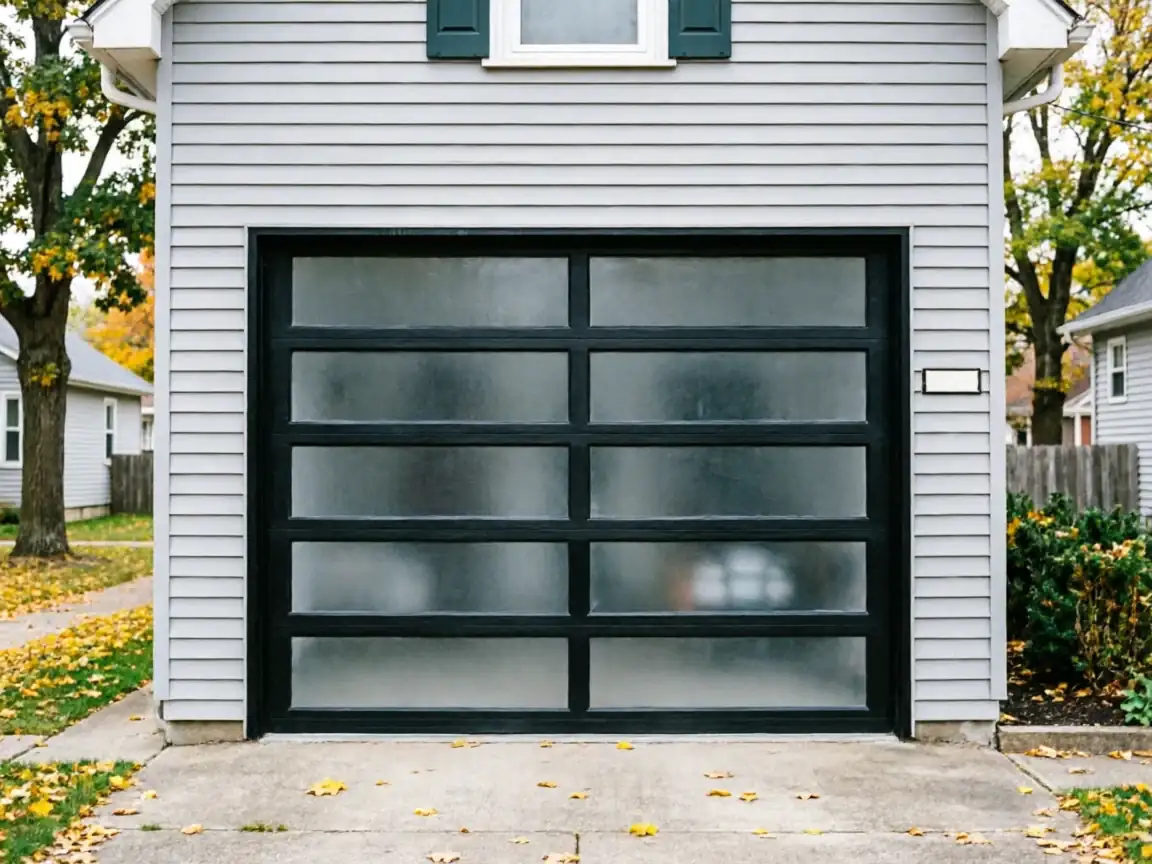
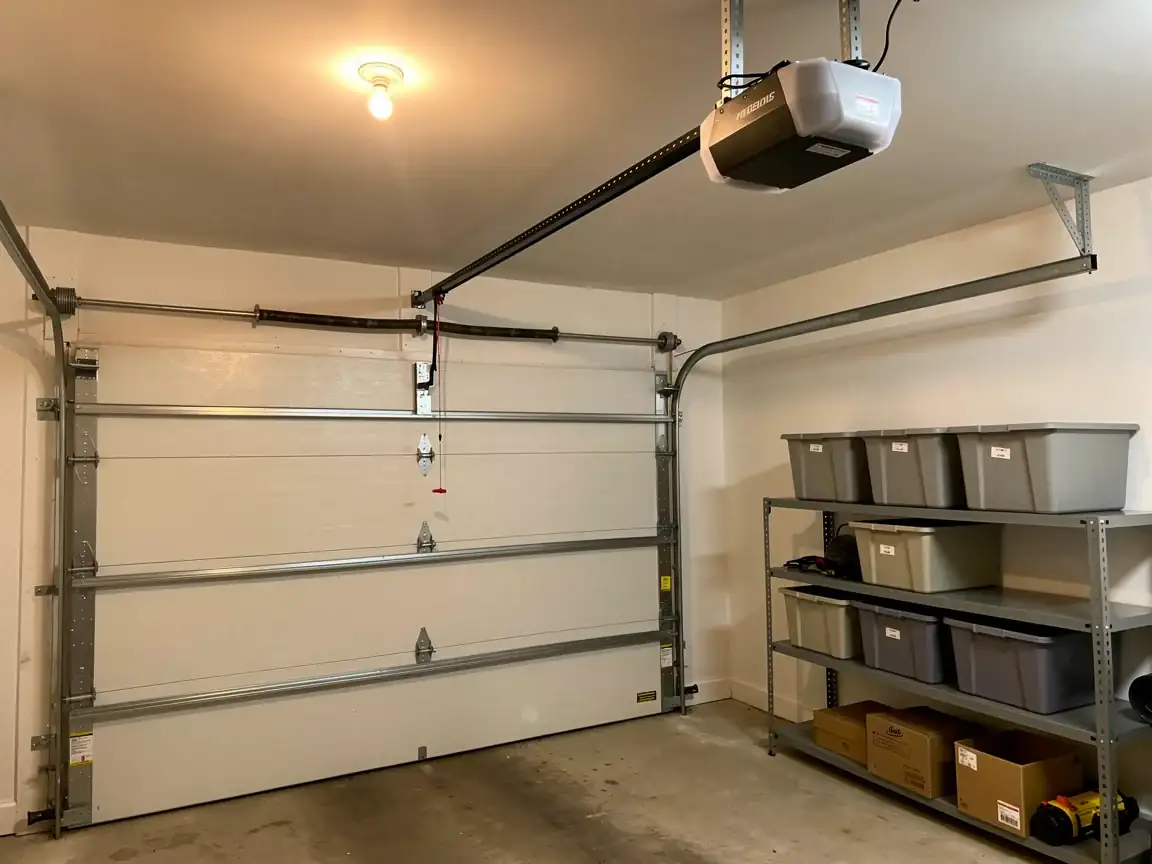
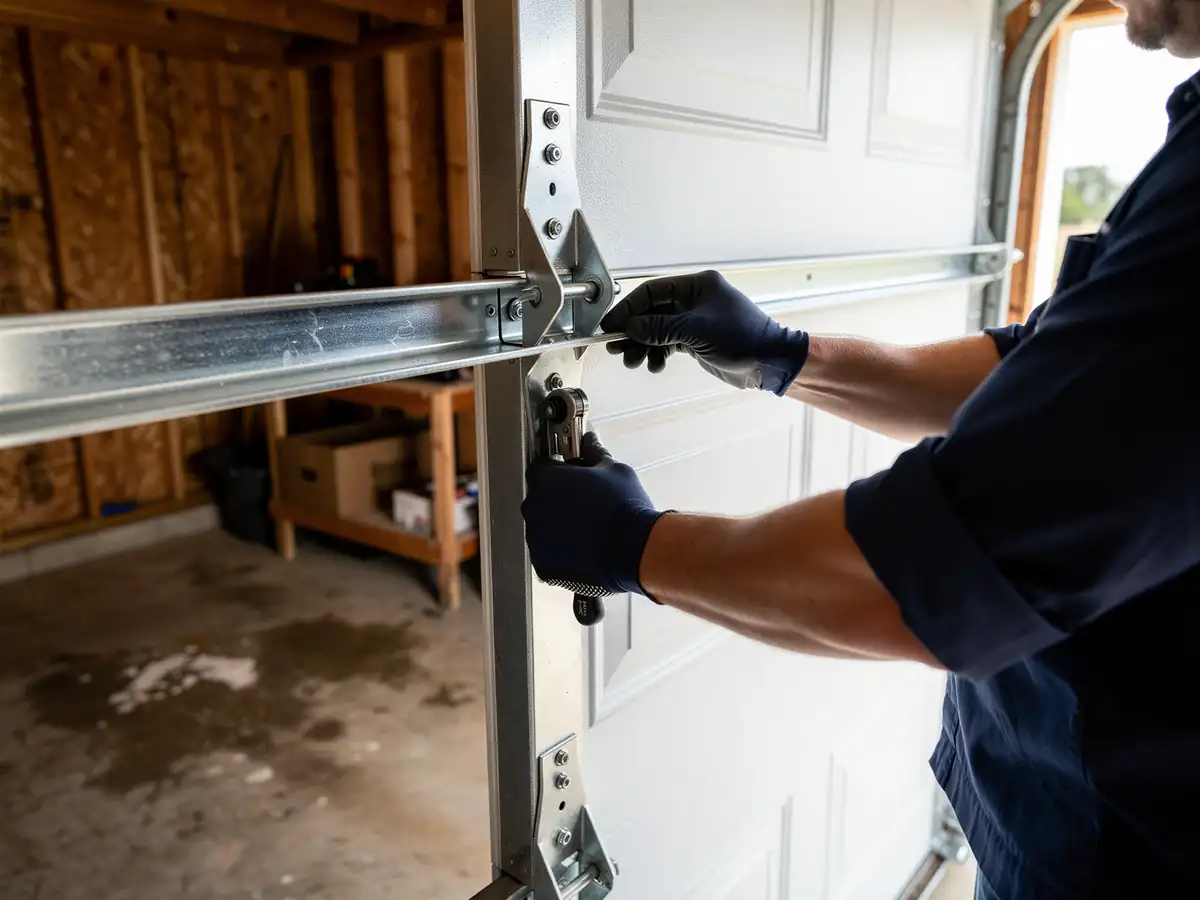
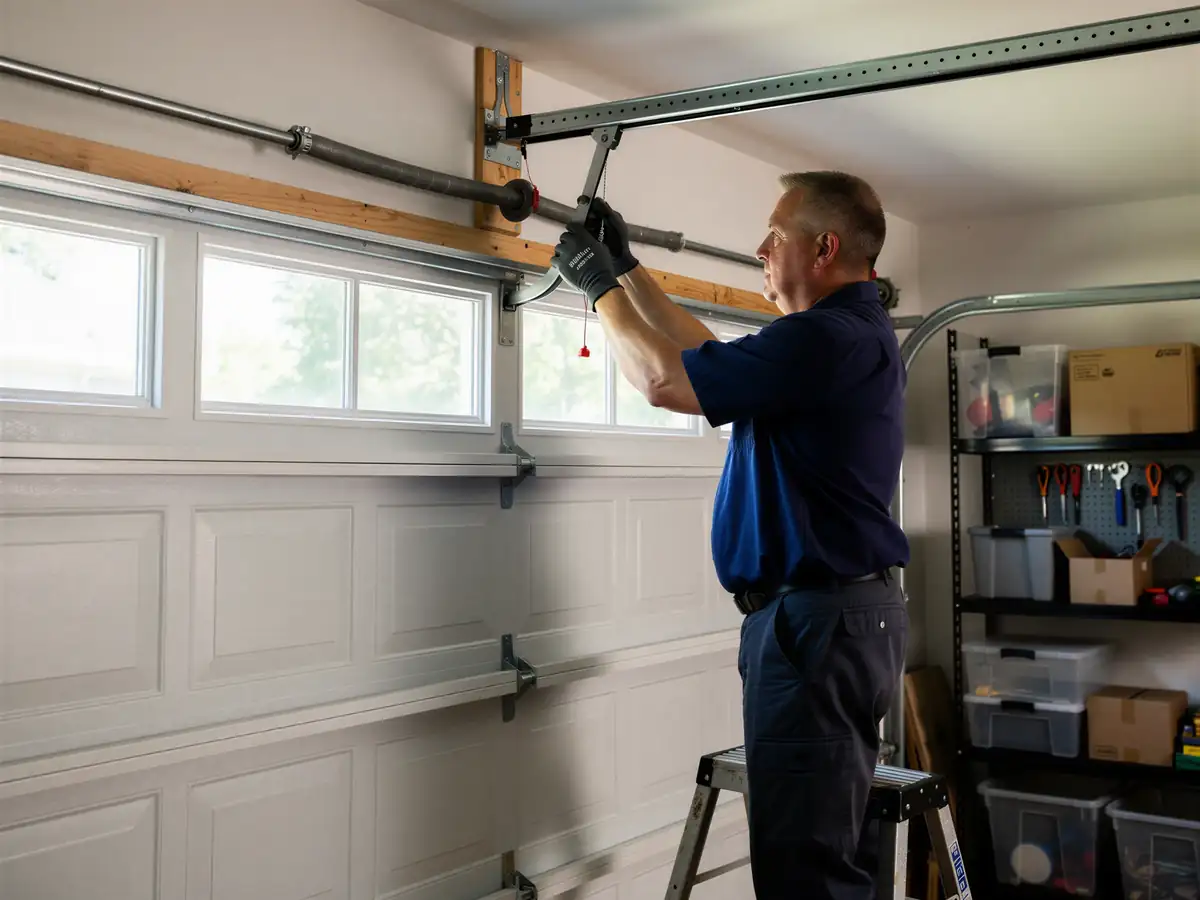
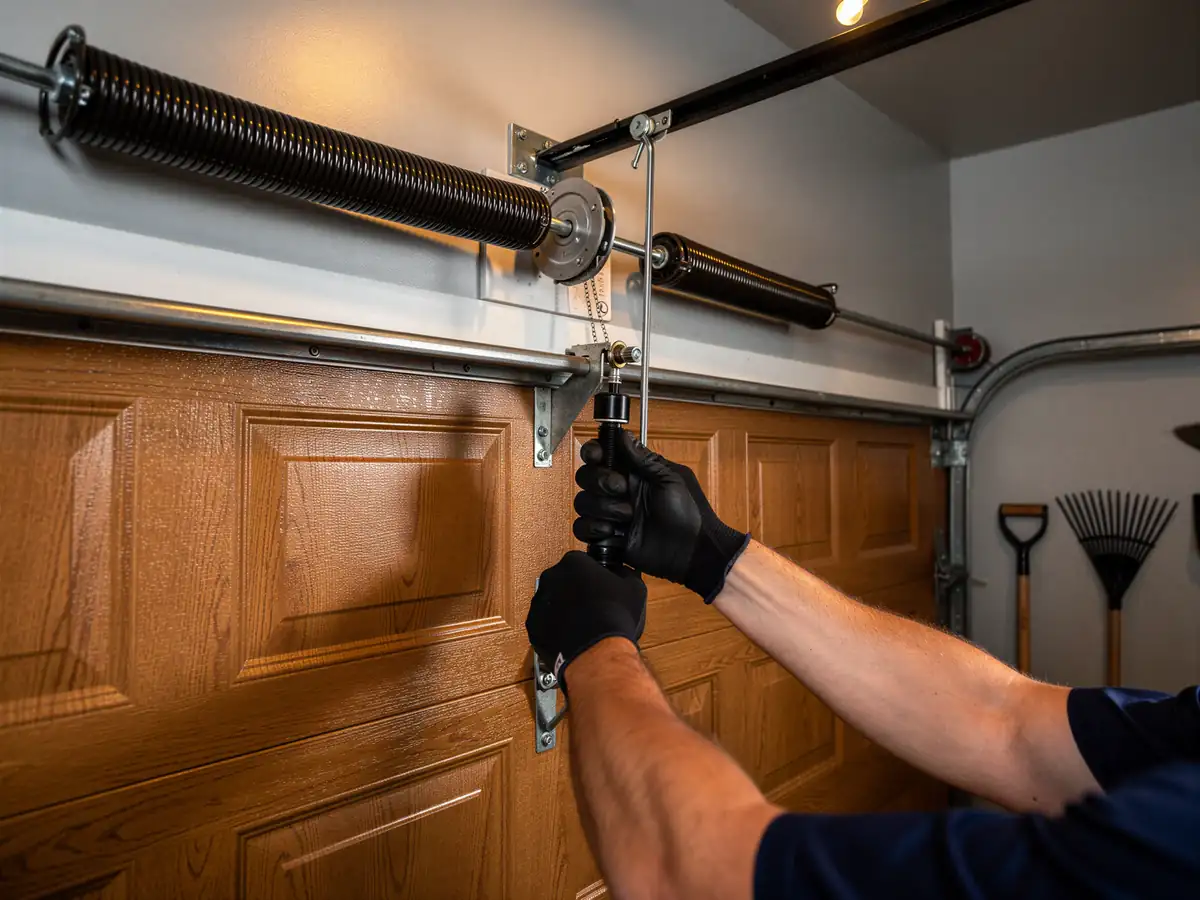
If your house in St. Louis Park went up anywhere near the neighborhood's 1965 median build year, there's a real chance the torsion spring, the hinges, or even the original opener chain have never been swapped out. Nobody tears into a working garage door until it stops working, so hardware from the build era tends to sit there for decades, quietly losing lubrication and tension. You'll usually notice it as a door that shudders on the way up, a spring that looks stretched or has visible gaps between coils, or an opener that grinds before the door moves at all. None of that means the door is dying today. It means the parts are old enough that "routine" maintenance now has to include a real look at hardware that was never meant to run this long without service. We come out from Lakeville, about 20 miles away, to check exactly that kind of aging gear rather than just spraying the track and calling it done.
The Cost of This Job
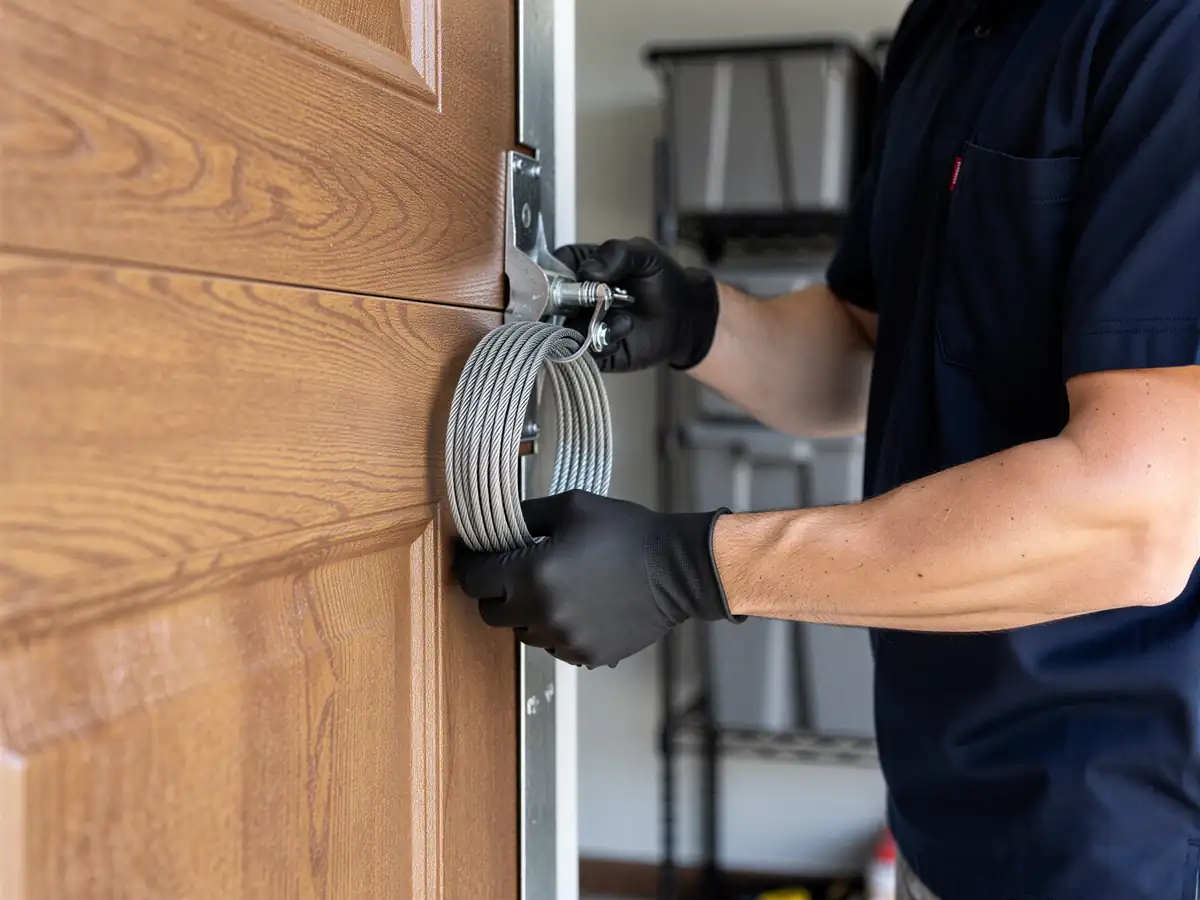
St. Louis Park's median household income sits around $100,250, among roughly 24,126 households in the area - numbers that matter because they shape what kind of door and opener setup is actually on these houses. Higher-income areas with older housing stock often mean a mix: some owners replaced doors and openers decades ago with mid-grade equipment, others still have whatever came with the house. A maintenance visit on original 1960s-era hardware usually runs longer than a tune-up on a five-year-old door, simply because there's more to inspect - springs, cables, rollers, and track alignment all need a real look, not a glance. We won't pad a simple tune-up into a bigger job than it is, but we also won't tell you a worn cable is fine just to keep the visit short. If the opener or spring is past the point where maintenance helps, replacement is usually the straighter answer, and we'll say so plainly.
What Causes It Around Here
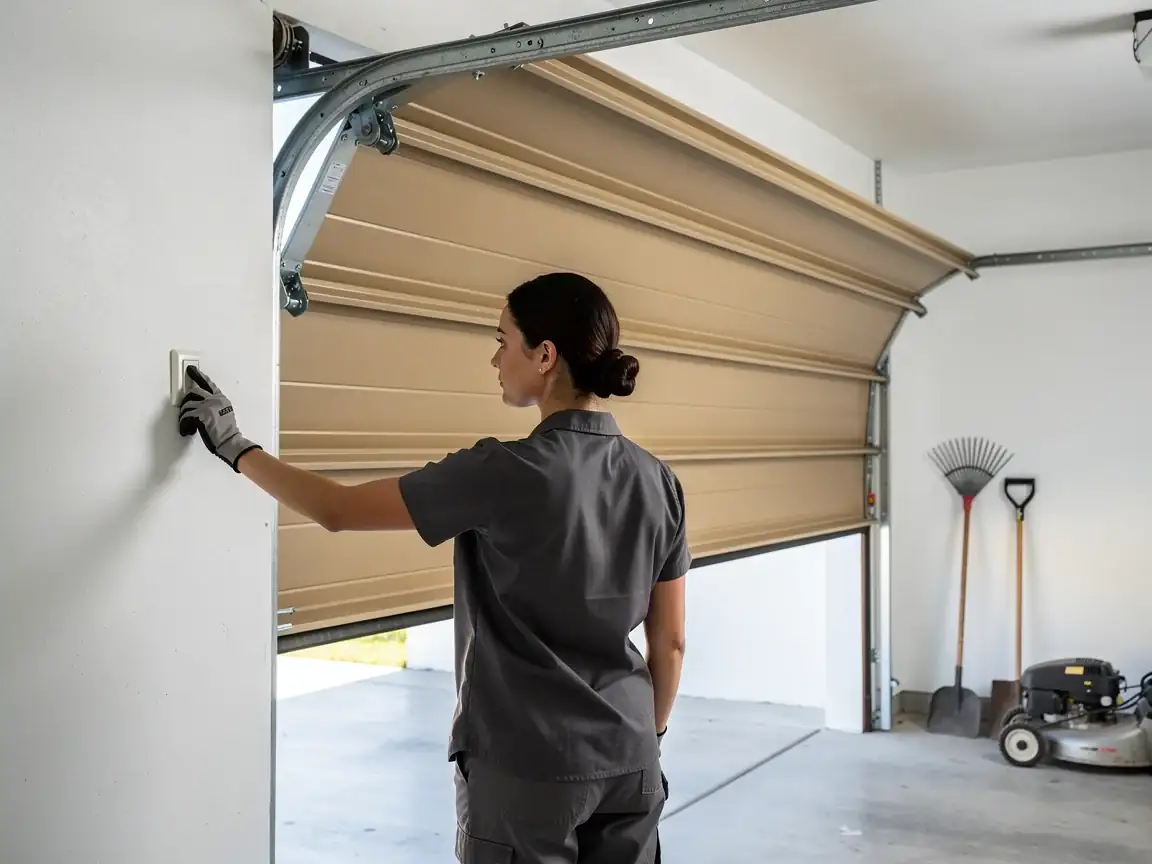
Minnesota's cold winters put real stress on garage door hardware, and that stress compounds on equipment that's already decades old. Steel springs and cables contract in the cold, lubricant thickens or dries out, and openers work harder to lift doors that have gained a little extra resistance from stiff rollers or a slightly bent track. On a newer door, that's a minor seasonal annoyance. On original hardware from a house built around 1965, it's one more cycle of stress on parts that were never serviced in the first place. We're honest that we can't inspect everything remotely or guess condition from a photo - a proper maintenance check means hands on the springs, cables, and opener, which is why we make the drive out from Lakeville rather than offering a phone diagnosis.