How It Shows Up
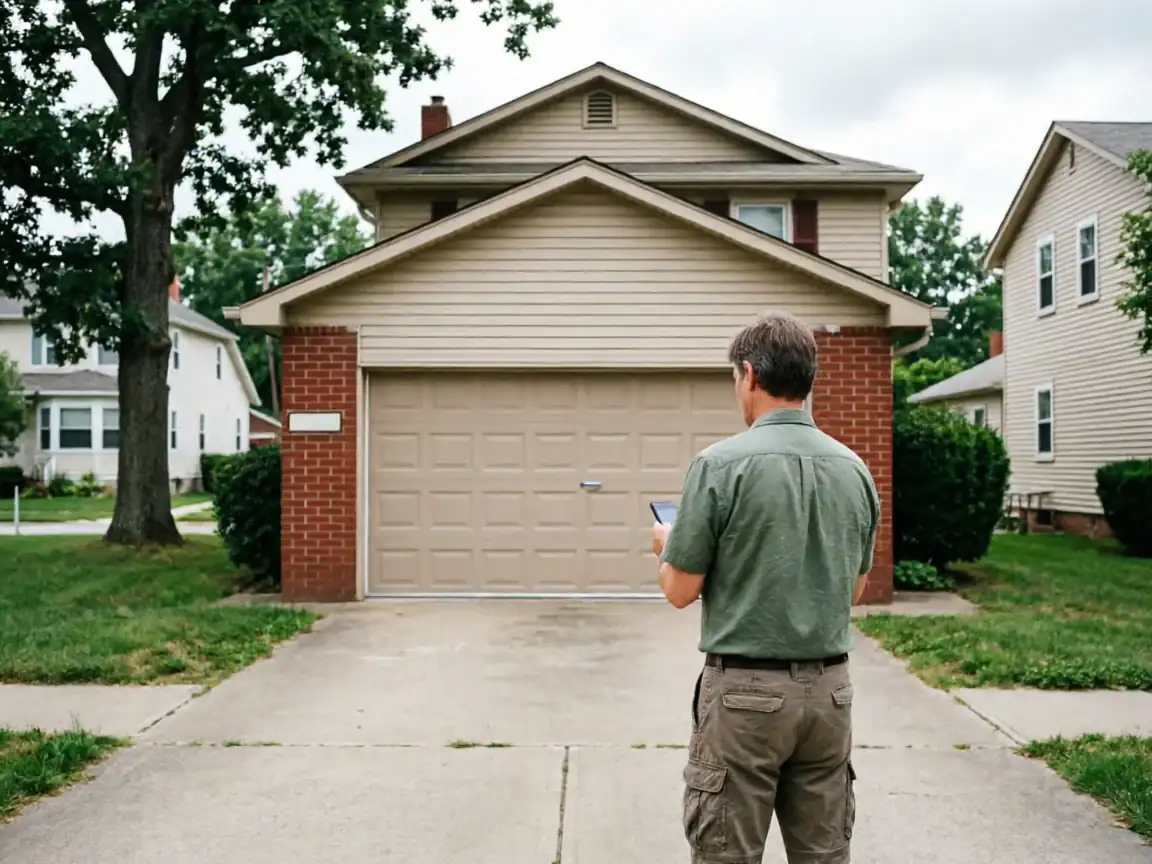
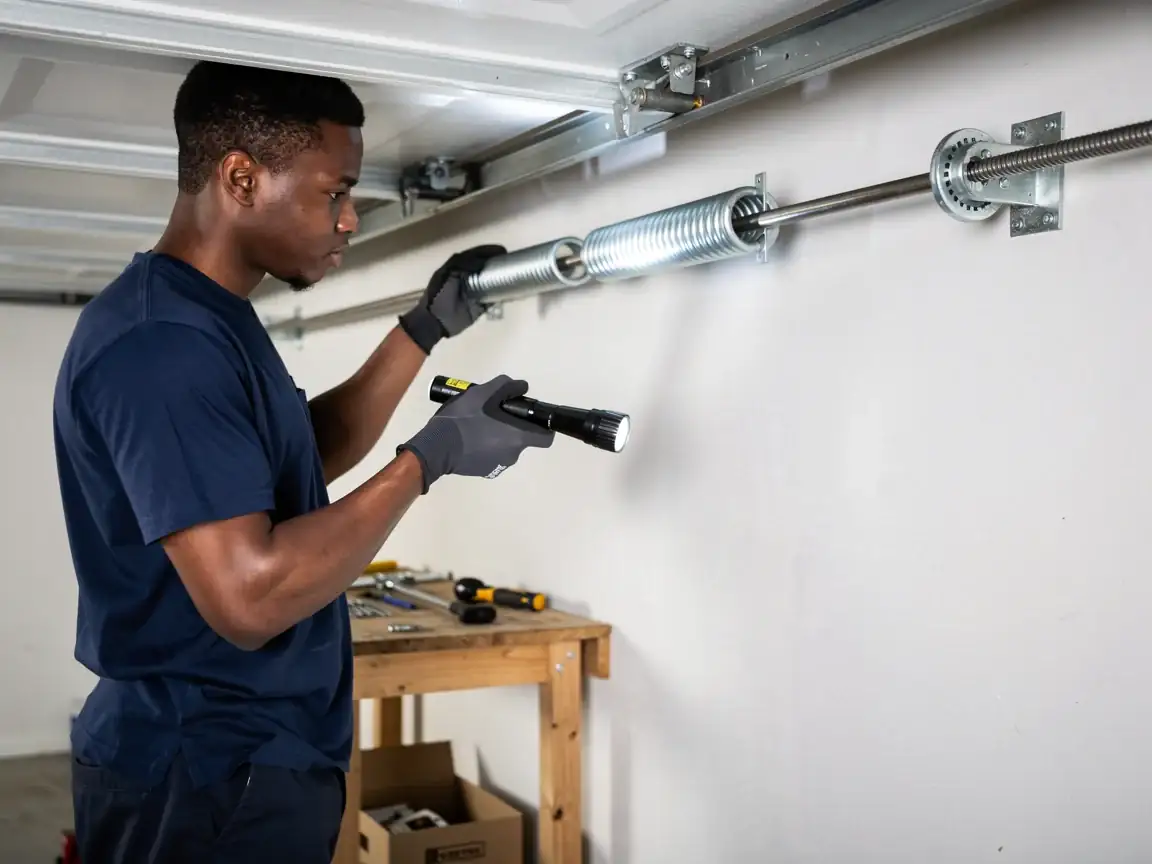
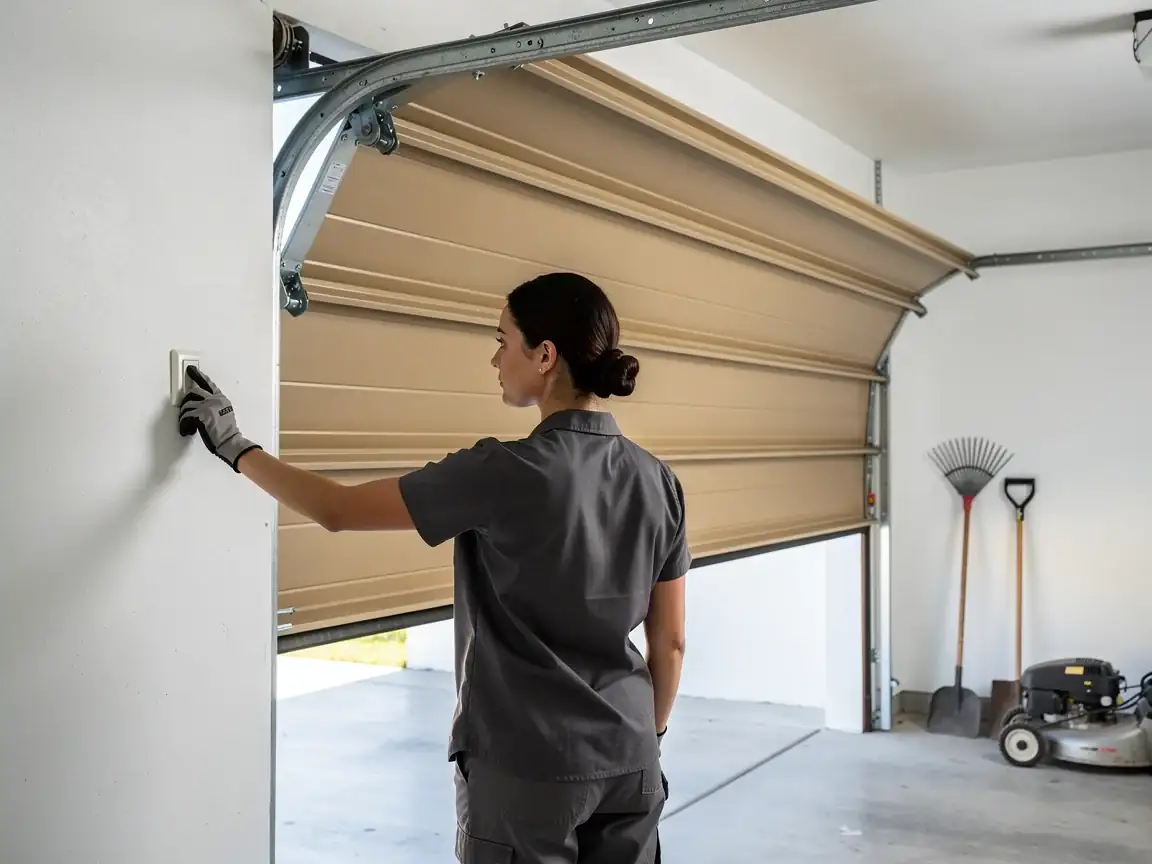
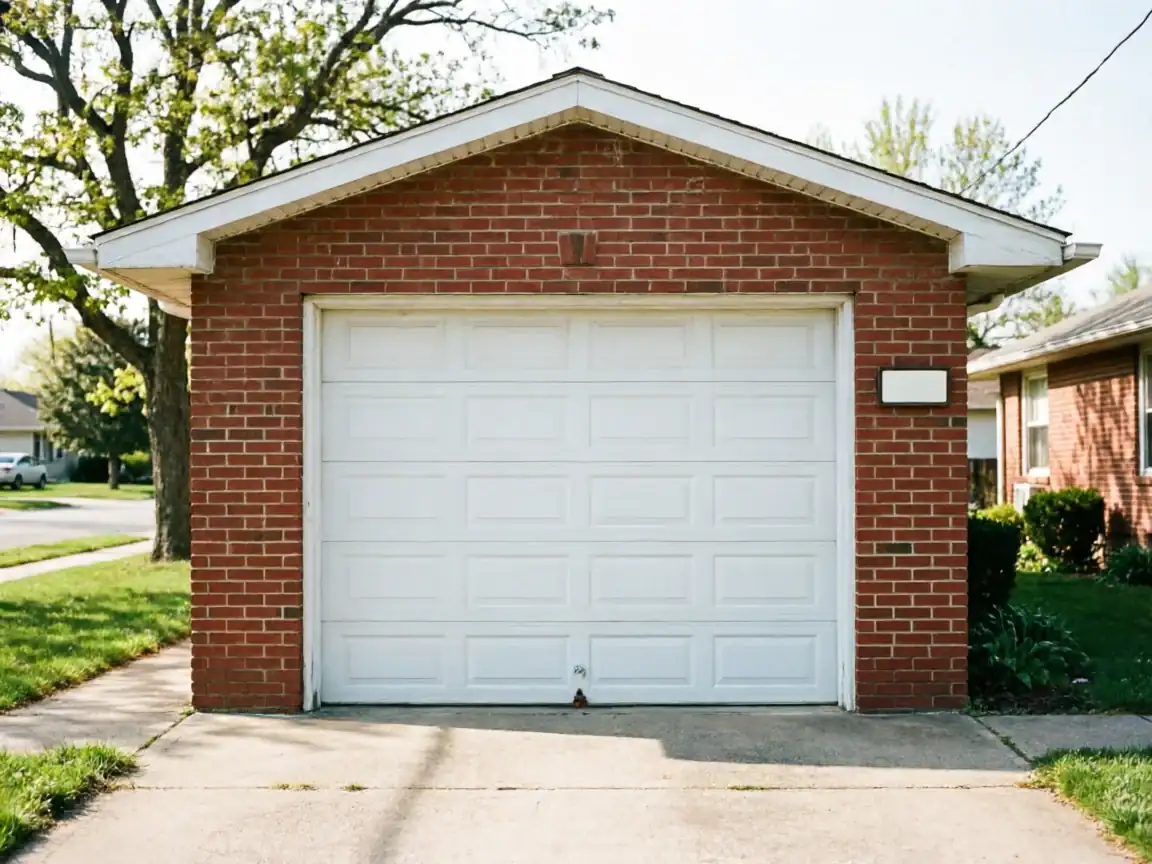
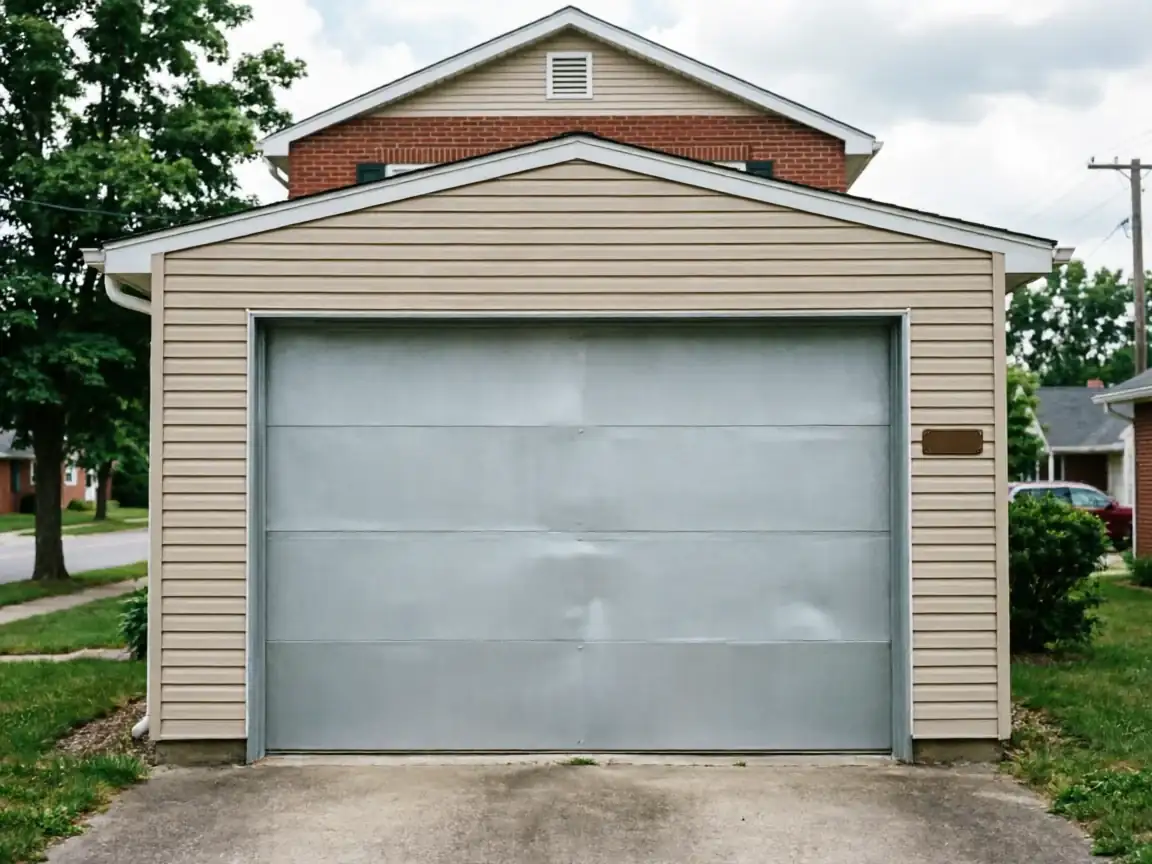
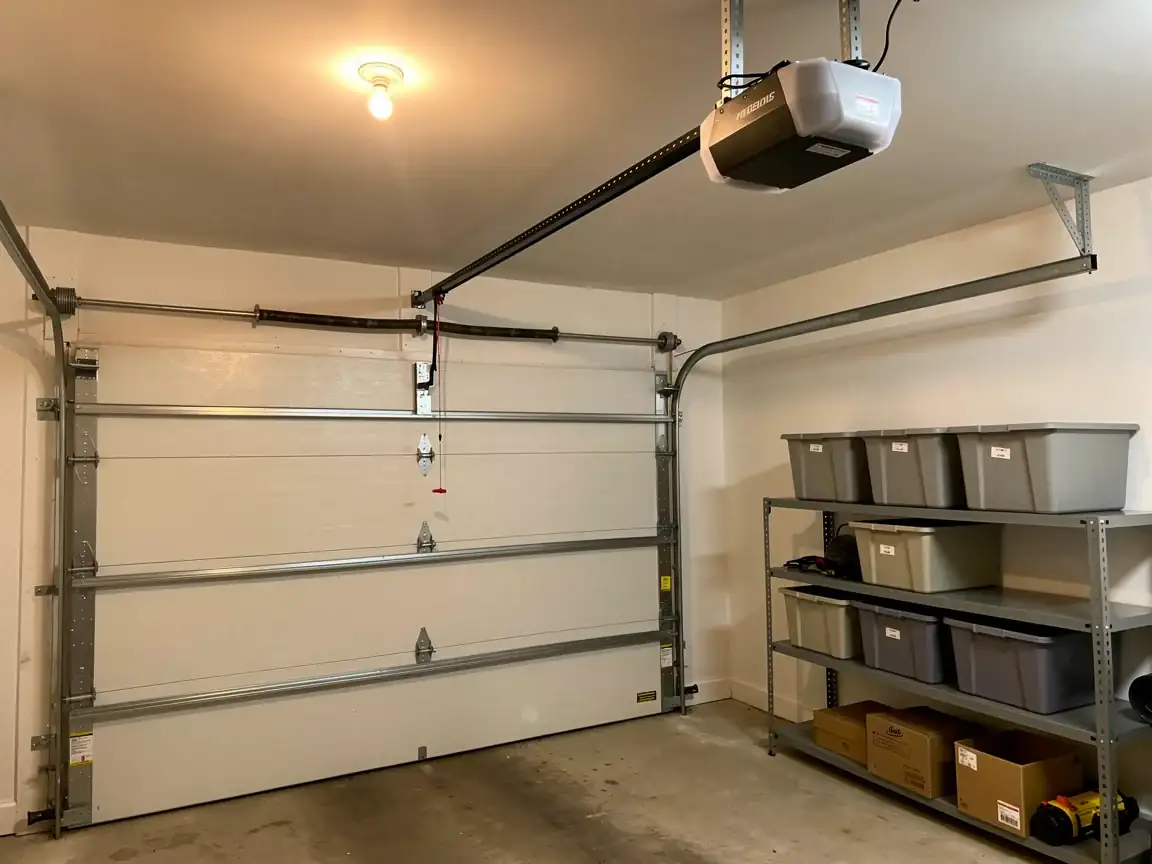
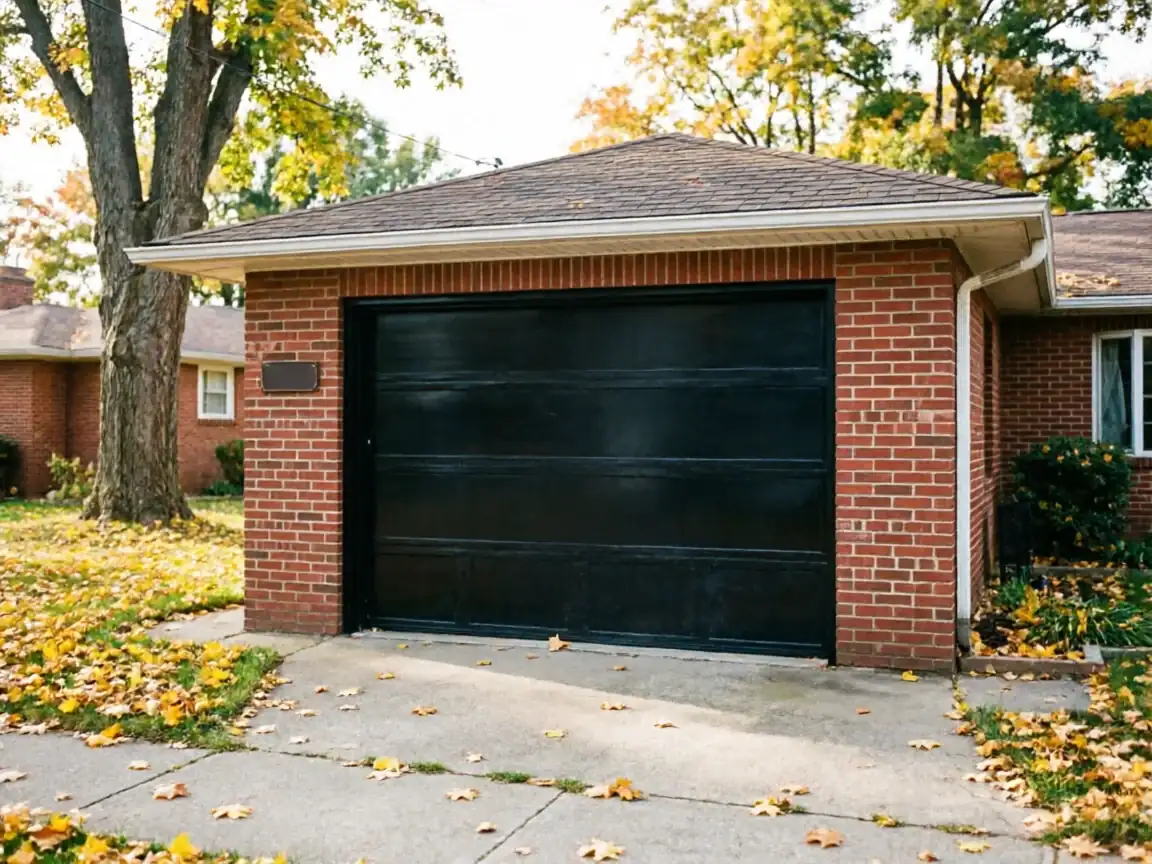
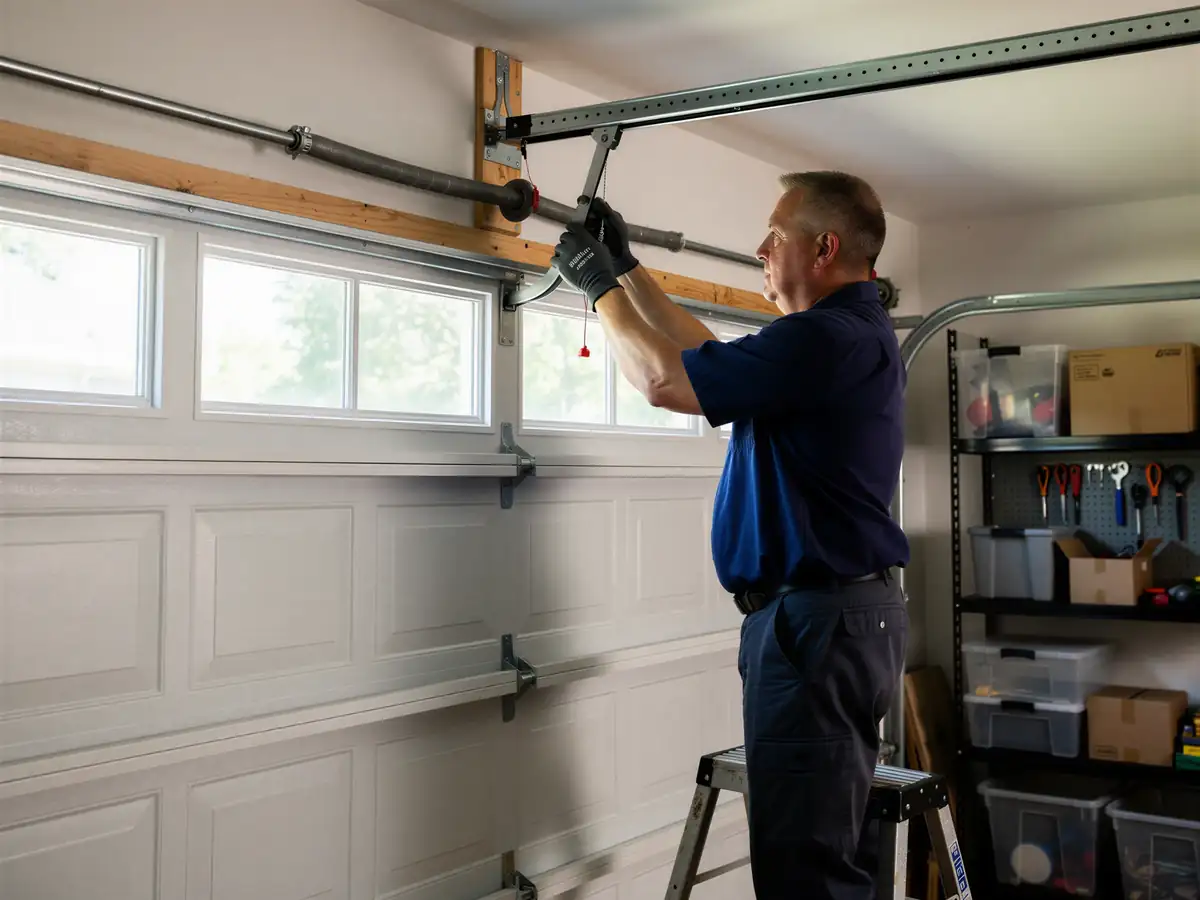
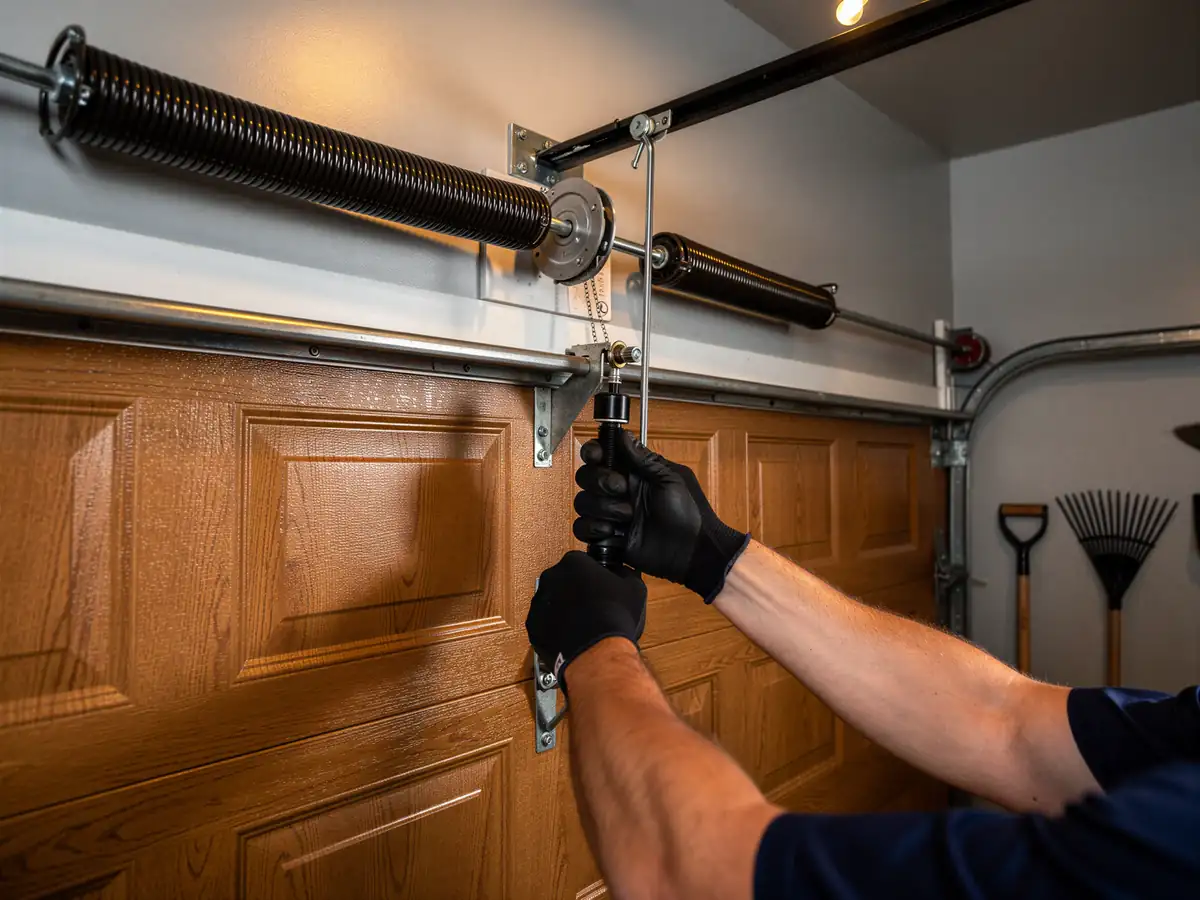
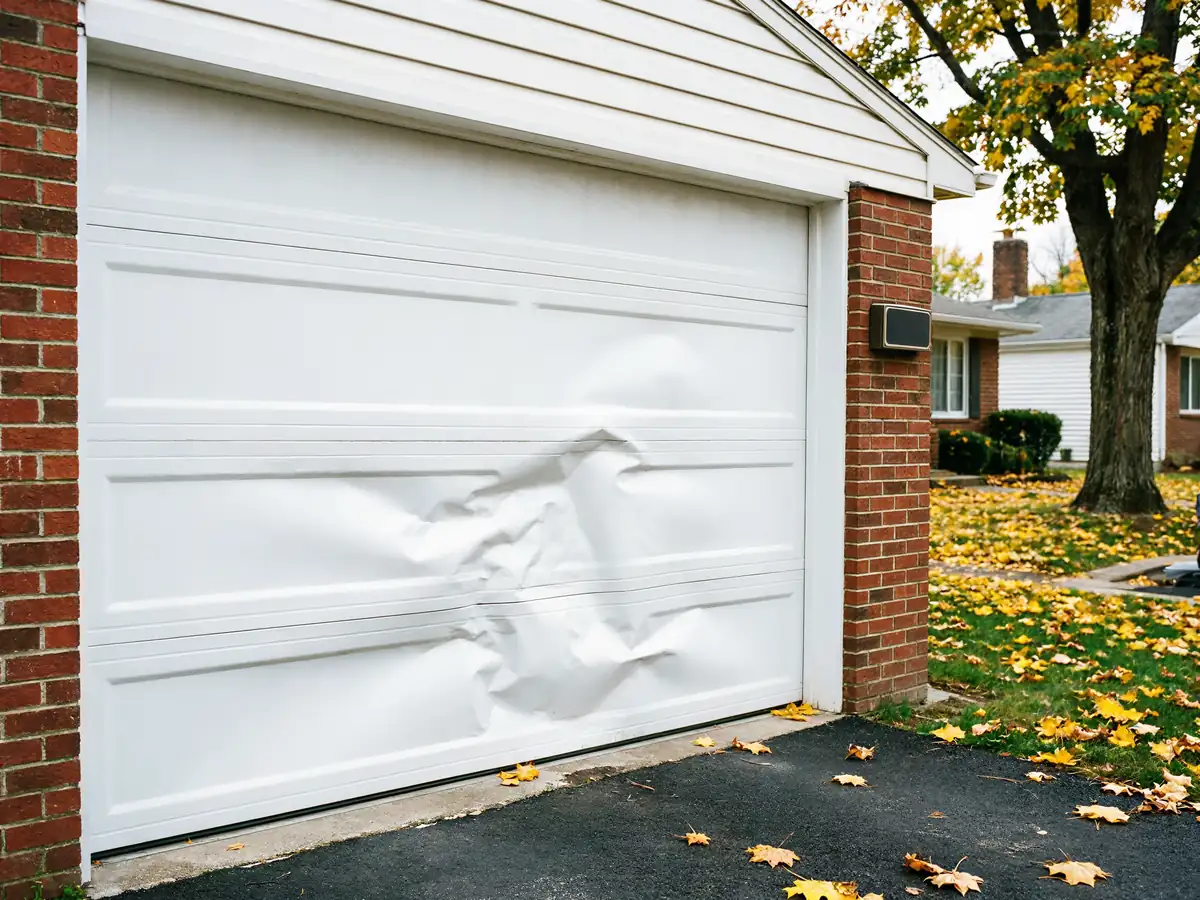
St. Louis Park's housing stock centers on 1965, which puts it later than a lot of the broader service area we cover out of Lakeville, where homes run anywhere from 1955 to 2004. Doors going up around 1965 were almost always steel, raised-panel, single-layer, and bolted to extension spring hardware mounted along the horizontal track rather than the torsion setups that came later. Fifty-plus years on, that's the door you still find on a lot of these houses, sometimes with one replacement generation already behind it from the 80s or 90s.\n\nWhat you notice first is usually the bottom panel. It takes the brunt of plow splash and shoe traffic, and on a steel door that age the galvanizing is thin enough that rust starts from the inside of the seam, not the face. You'll see a hairline bubble under the paint before you ever see a hole. Second most common: a dent from a bike, a trash can, a car bumper, that's deep enough to bind the roller track rather than just look bad. On a 1965-style raised panel profile, one bent panel throws off the whole door's travel because the panels interlock at the seams.
The Cost of This Job
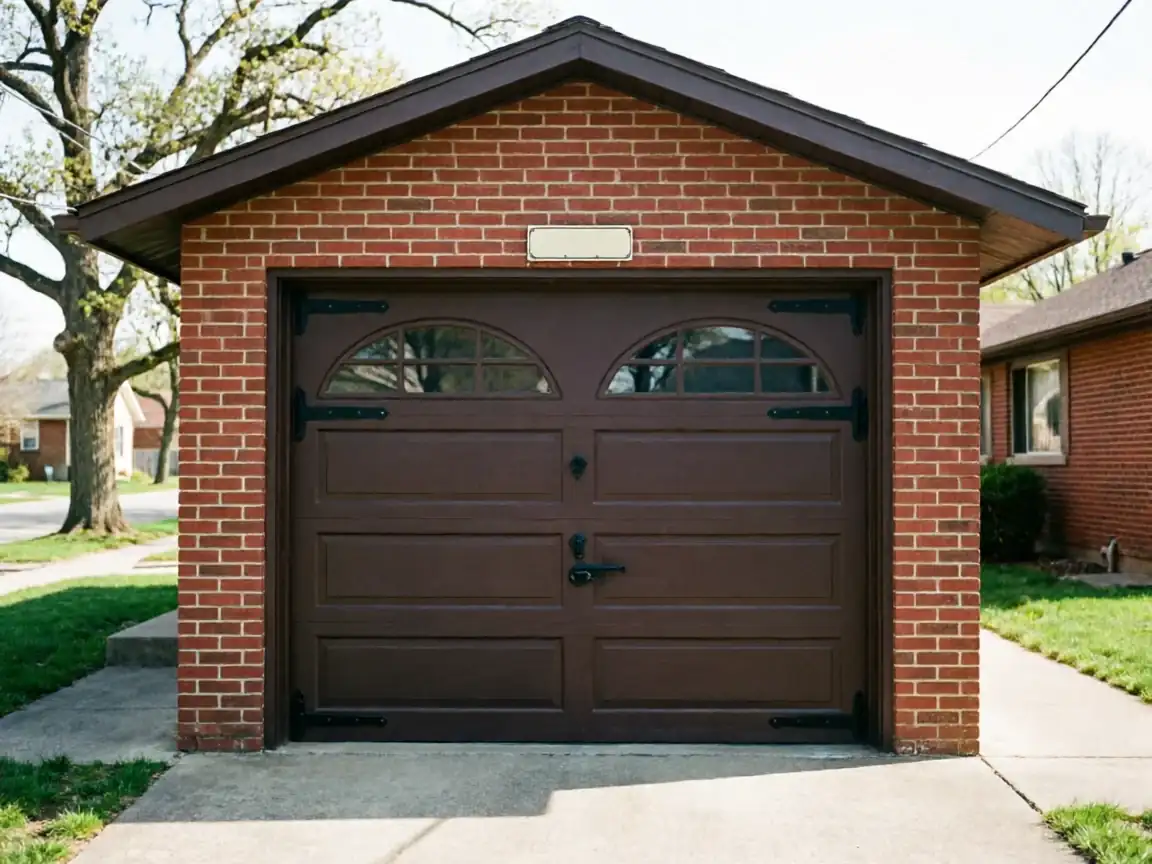
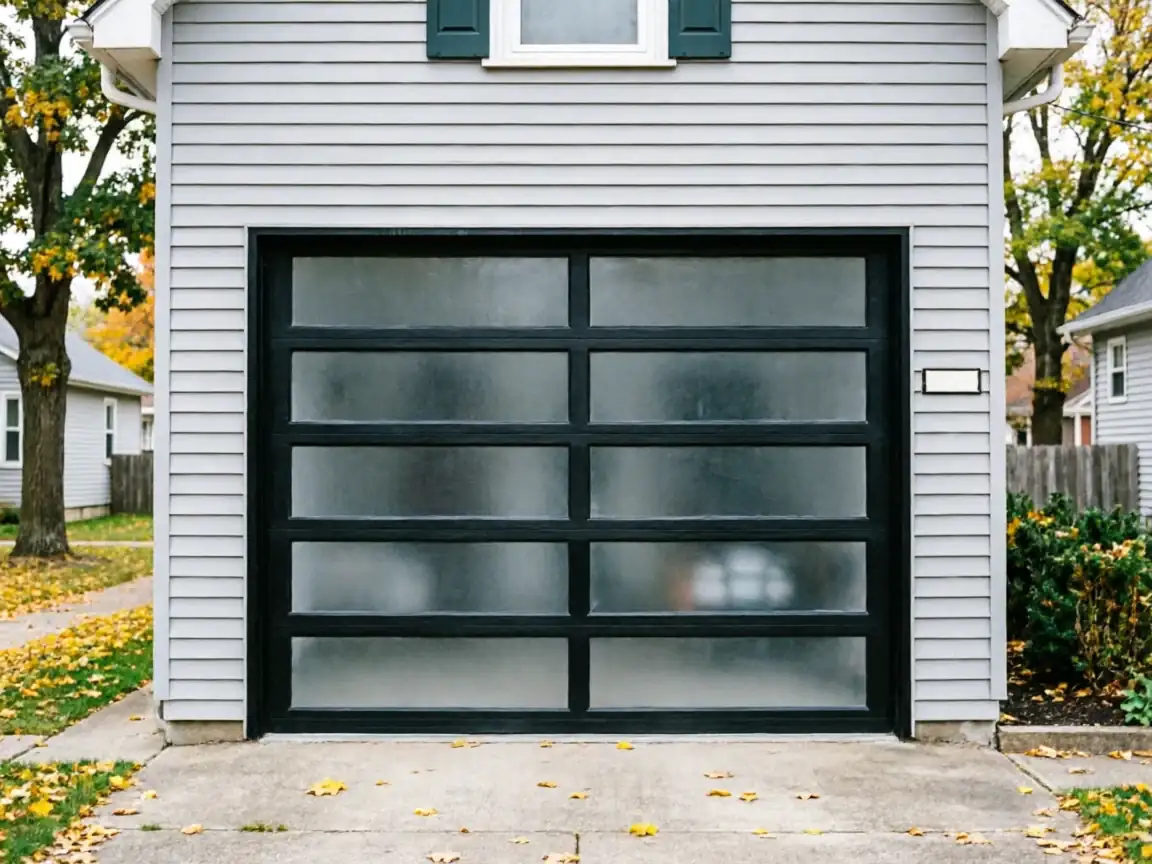
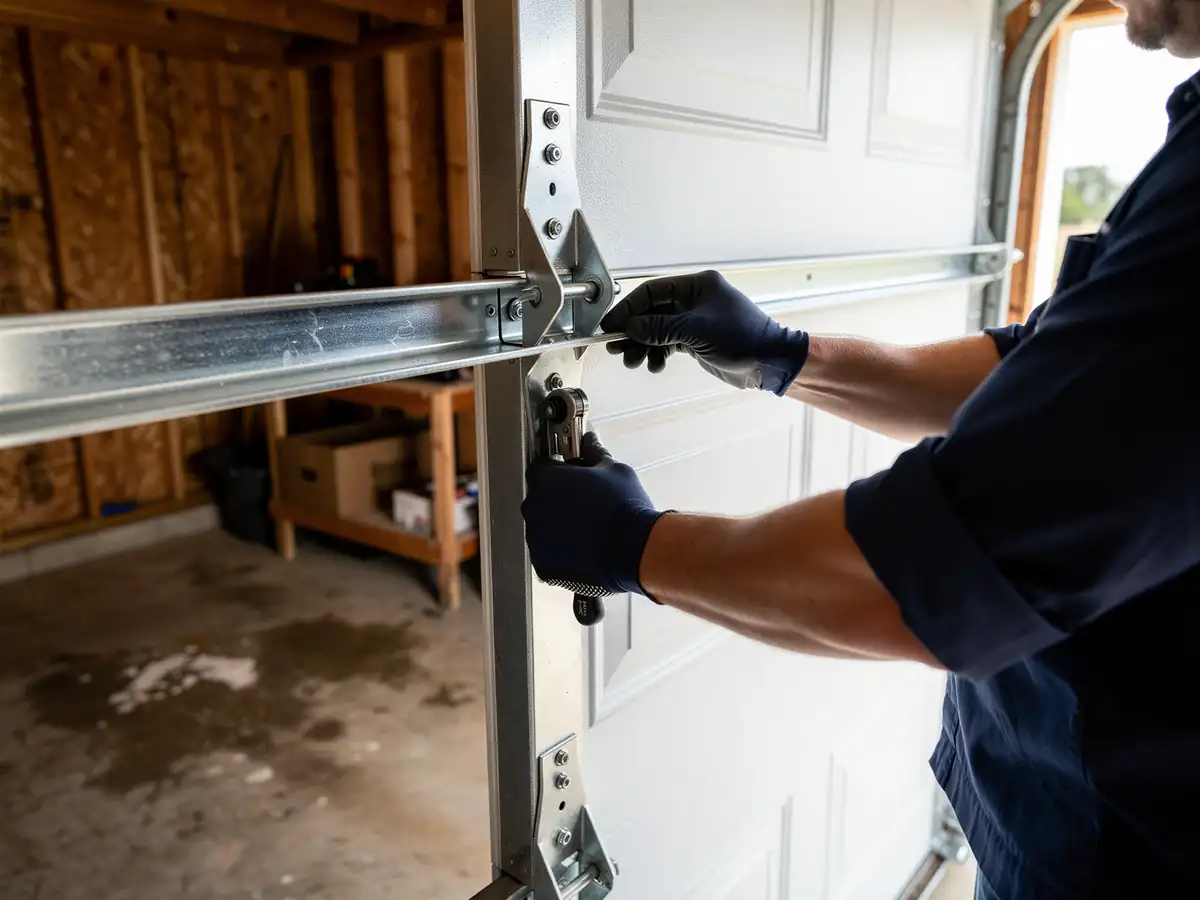
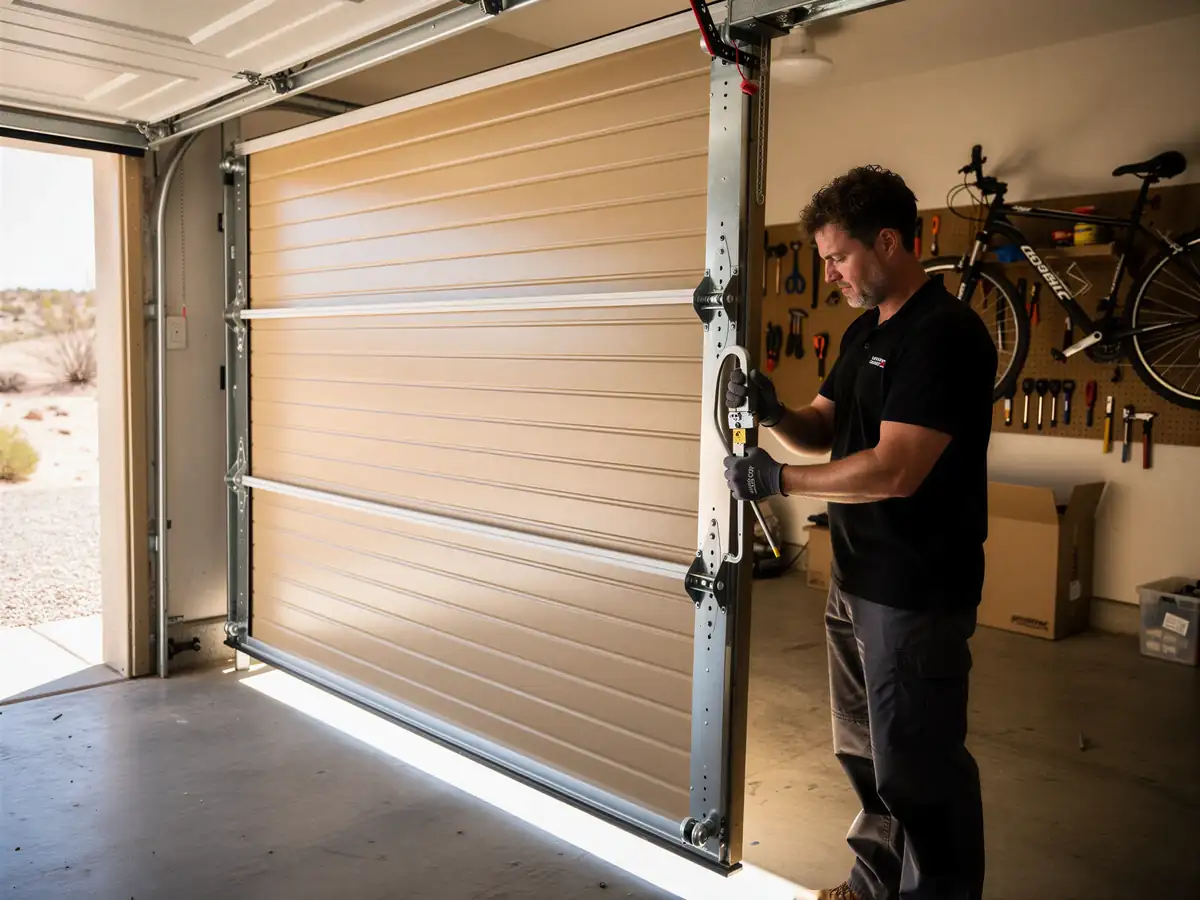
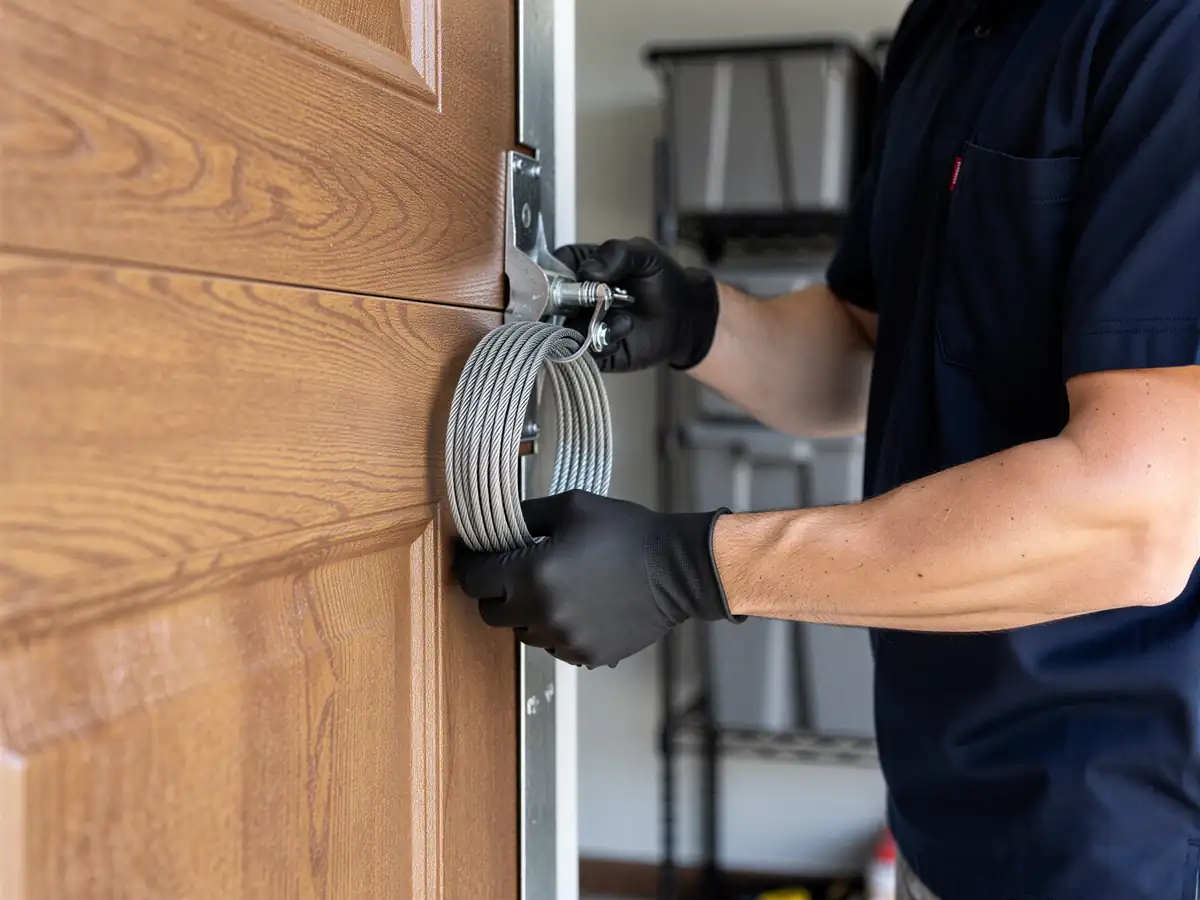
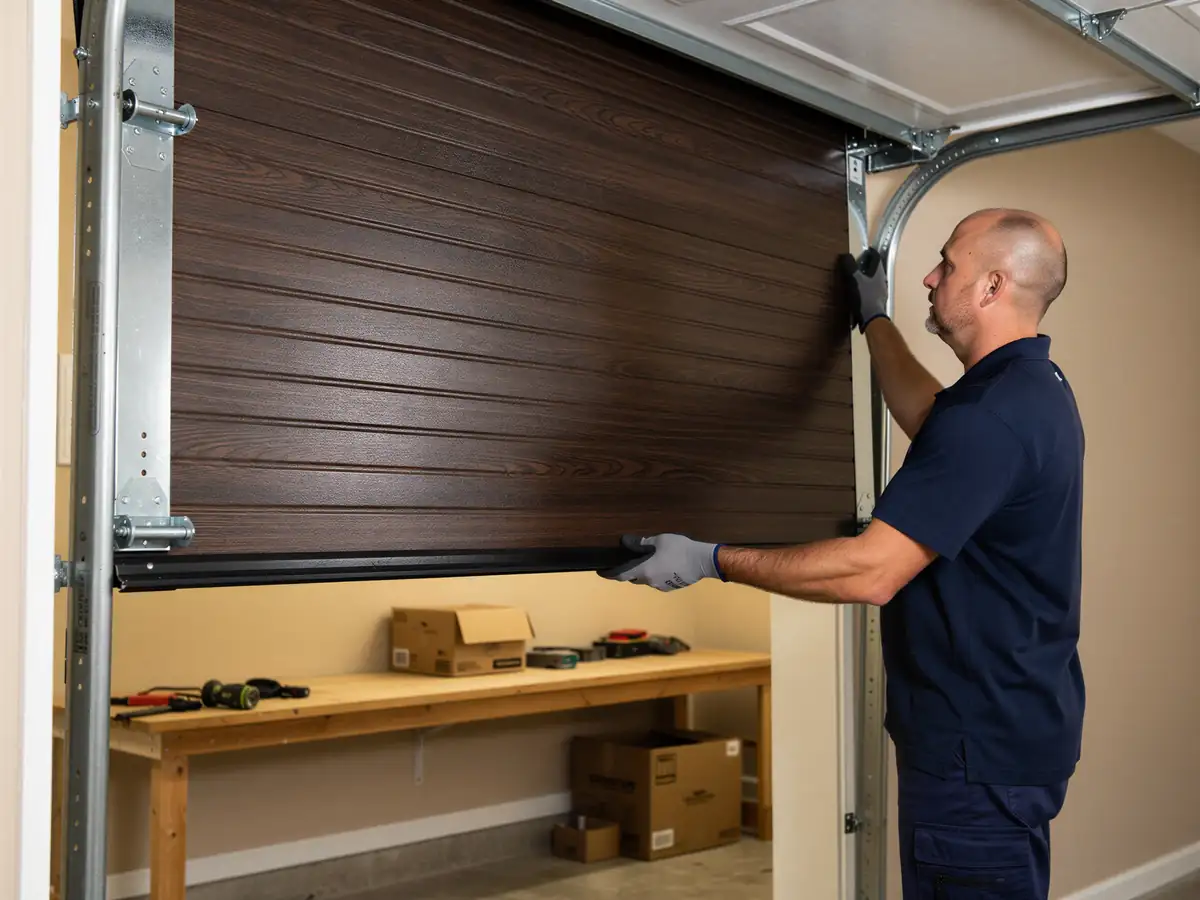
Panel-only replacement costs less than a full door, but it only works if we can get a matching panel. That's the catch with houses this age. A door built or last replaced in the 1960s or 70s used panel profiles and panel heights that most manufacturers don't stock anymore. Sometimes we can source a close match; sometimes the honest answer is that the discontinued panel means full door replacement is the real fix, not a patch.\n\nSt. Louis Park's median household income runs $100,250, a bit above the $99,460 median across the rest of our service area, and in practice that means more owners here choose to replace the whole door rather than chase down a single panel that may not match in finish or depth anyway. That's not a sales pitch, it's just what we see on the ground: once you're paying for one new panel plus the labor to blend it in, the gap to a full door narrows fast. We'll always quote the panel-only option first if it's genuinely available.
What Causes It Around Here
This whole service area sits in a cold, moderate climate band, and St. Louis Park gets the same winter conditions as the rest of it: freeze-thaw cycles, plowed streets, and road salt that ends up sprayed onto the bottom foot of every garage door on the block. On a 1965-era steel panel, that salt spray works into the seam from the inside, which is why the rust almost always starts where you can't see it until the paint already bubbles.\n\nAt roughly 24,126 households, St. Louis Park has enough of that same-era building stock that we see this pattern repeat house after house on a given block, not as an isolated case.\n\nOne thing to know going in: we run out of Lakeville, about 20 miles from St. Louis Park, which puts it toward the outer edge of our coverage, farther than closer stops like Credit River or Elko New Market. We still take the job, but panel-matching jobs here get scheduled rather than handled same day, especially if we need to track down a profile that isn't a stock item.