The Cost of This Job
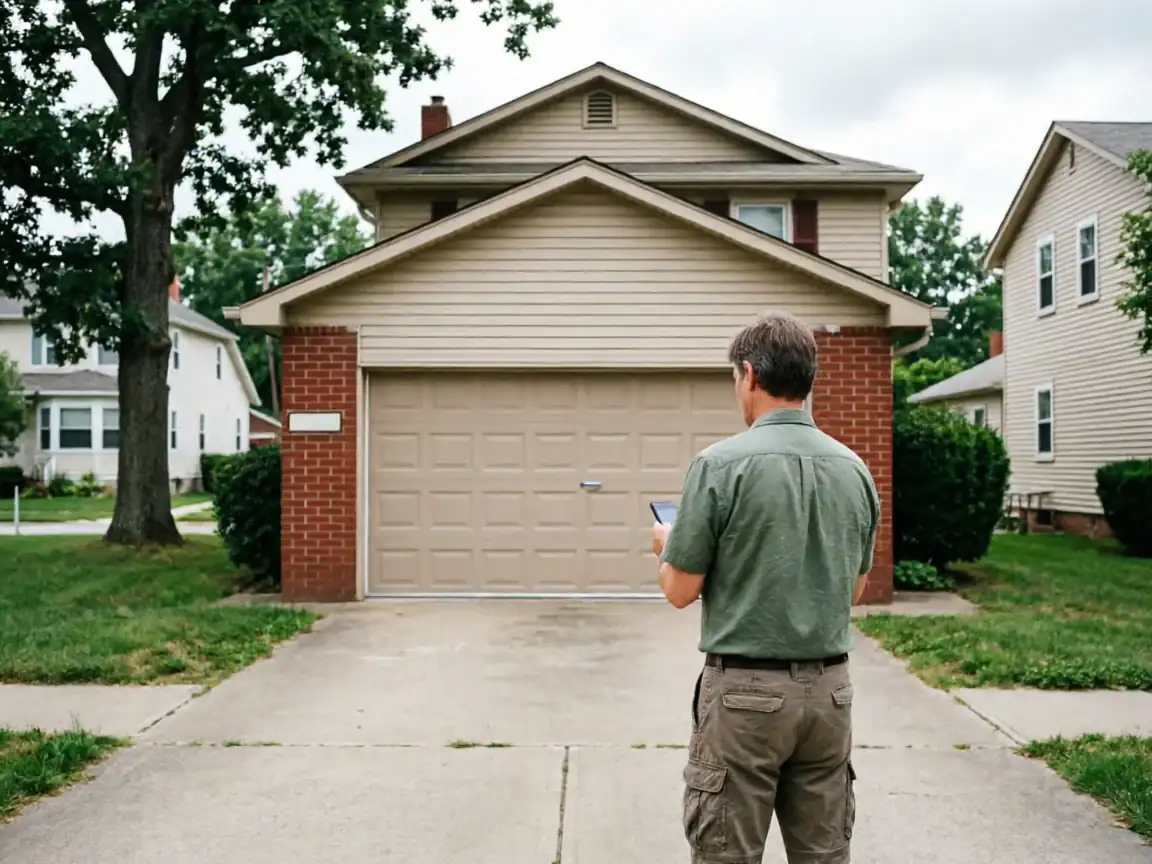
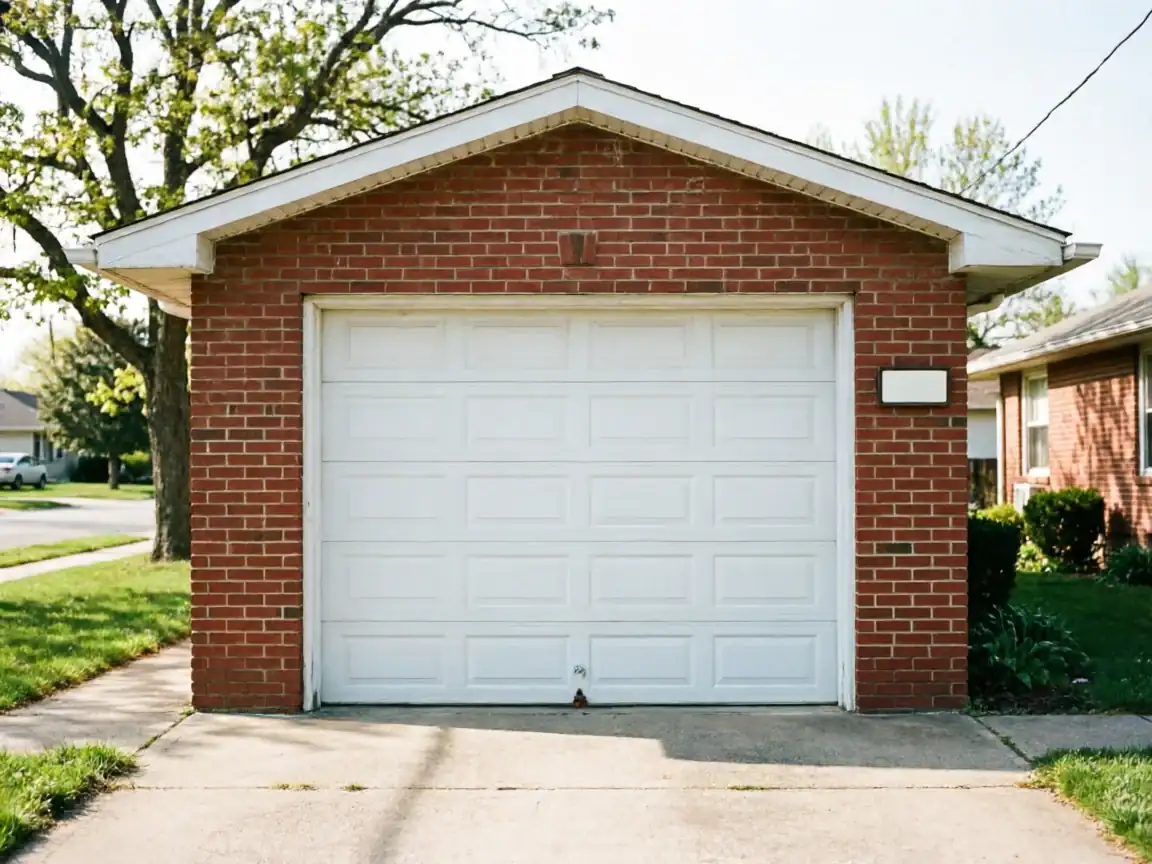
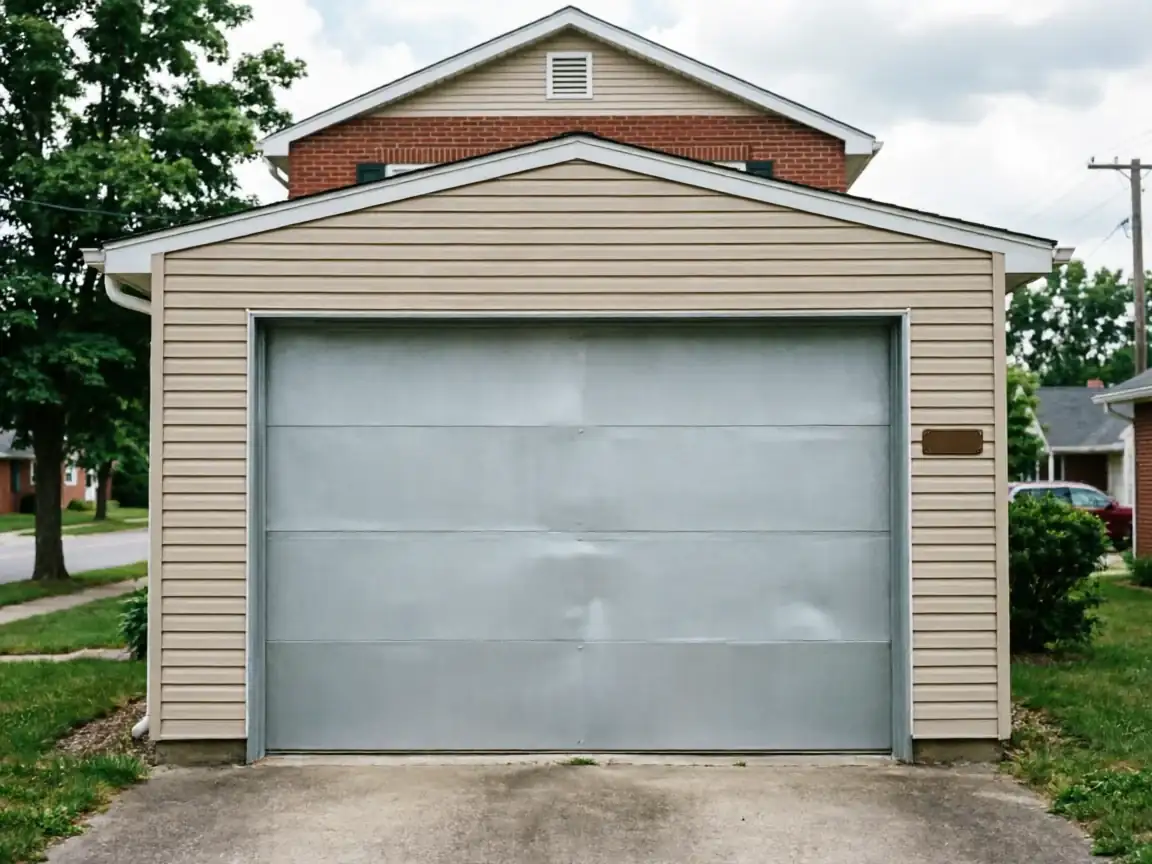
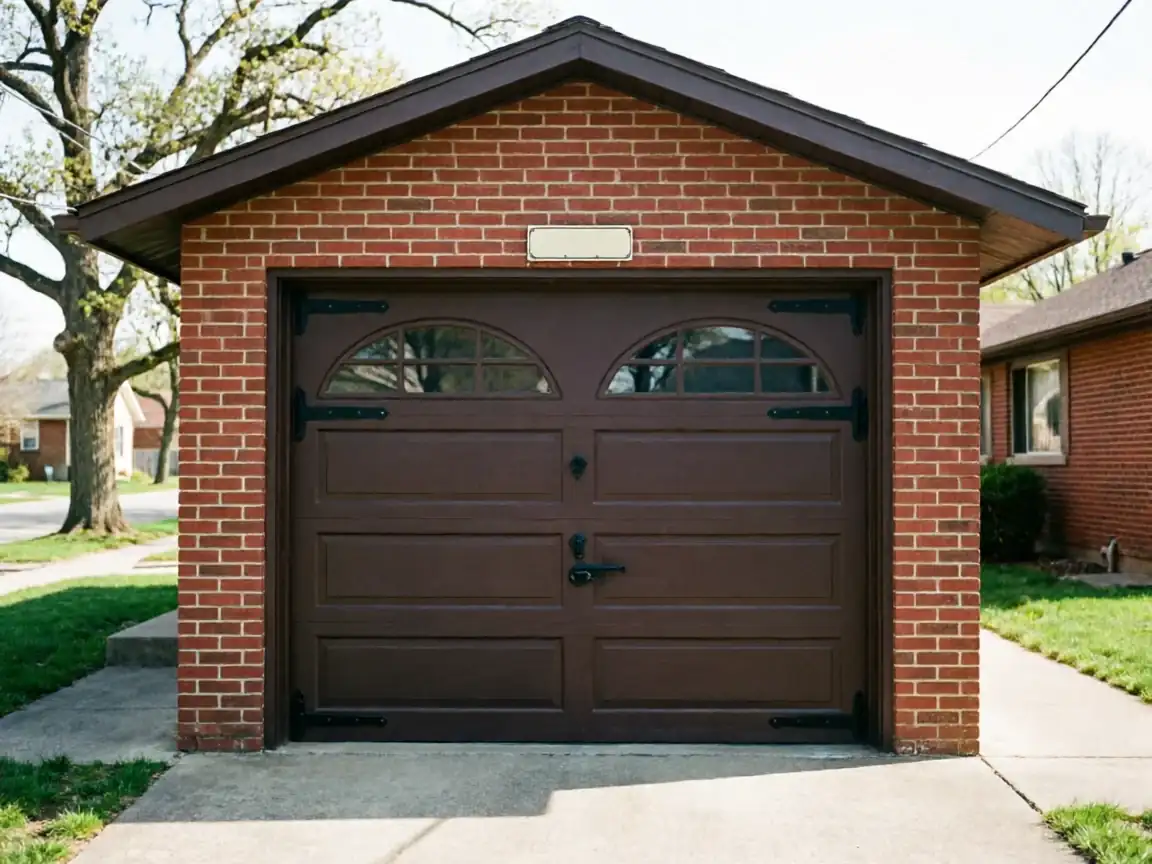
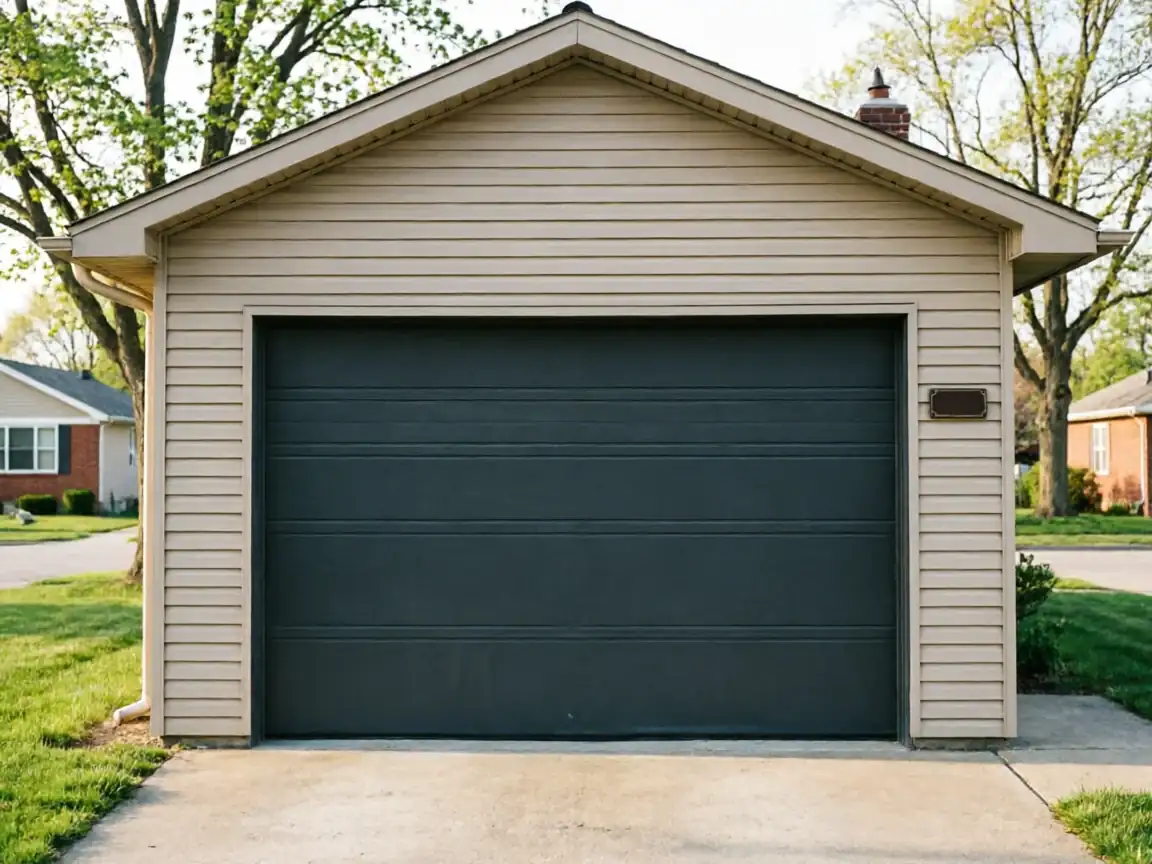
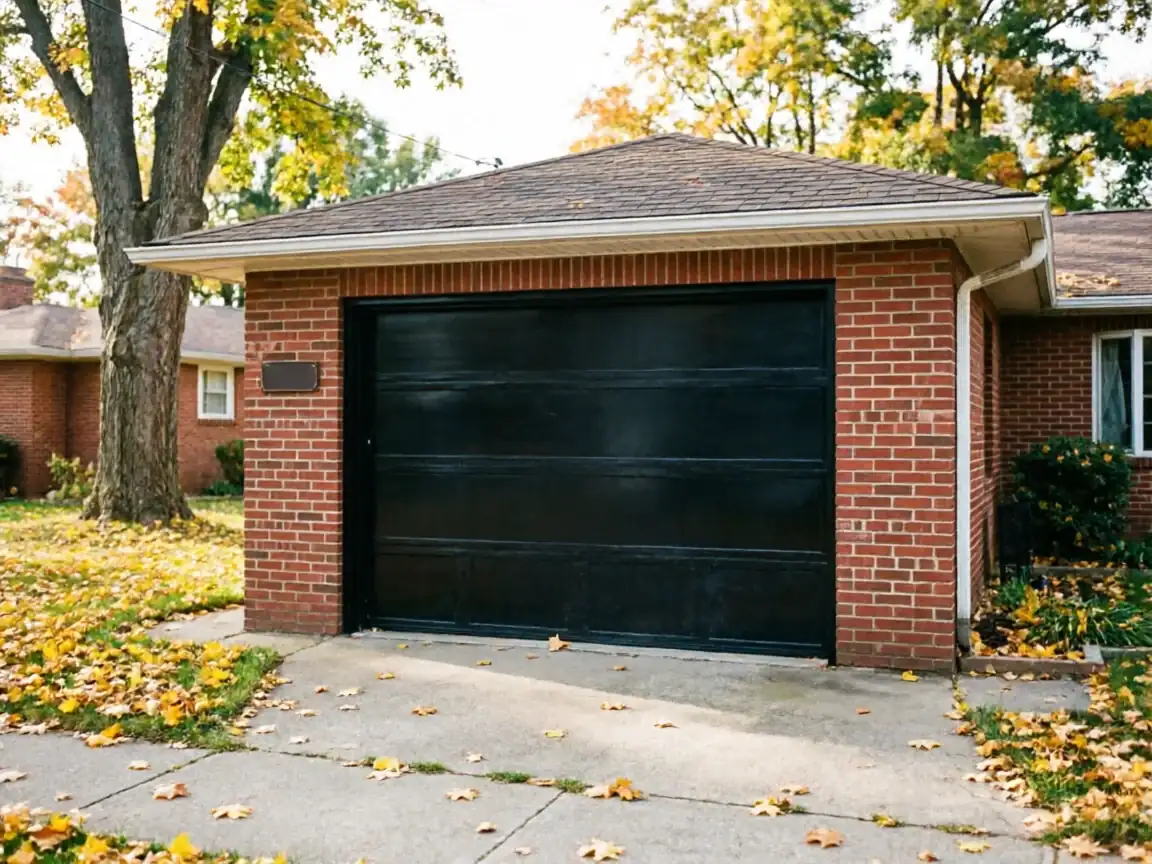
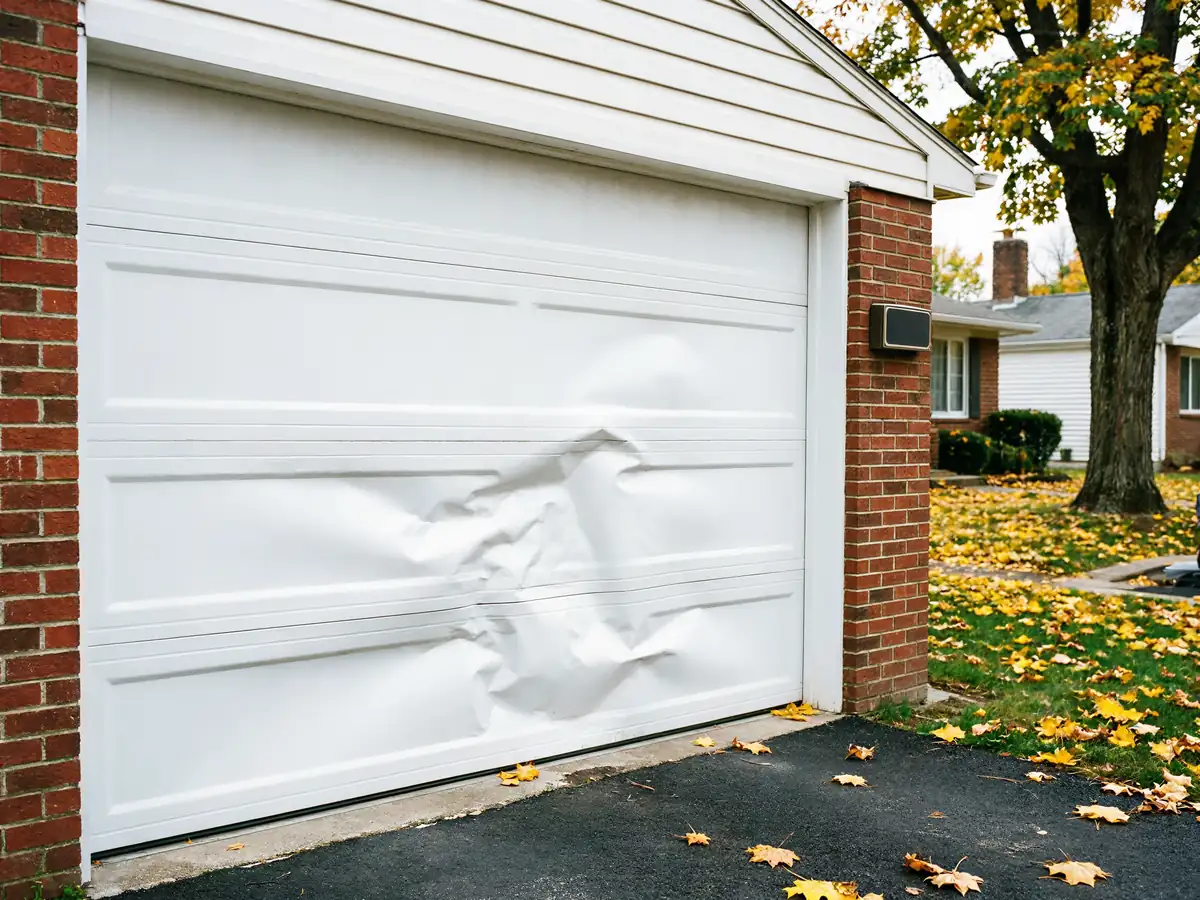
The number that matters here isn't the service area's overall housing age, it's this town's own. Inver Grove Heights homes cluster around a median build year of 1990, about six years newer than the 1984 median across the rest of the area we cover out of Lakeville. That gap sounds small until you're standing in the garage. A 1990s build almost always already has a steel sectional door on a standard torsion spring setup, not the older one-piece or extension-spring hardware you still find in the oldest pockets of the service area. That means swapping in a new door is usually a straight hardware match, not a structural rebuild of the track or jamb.
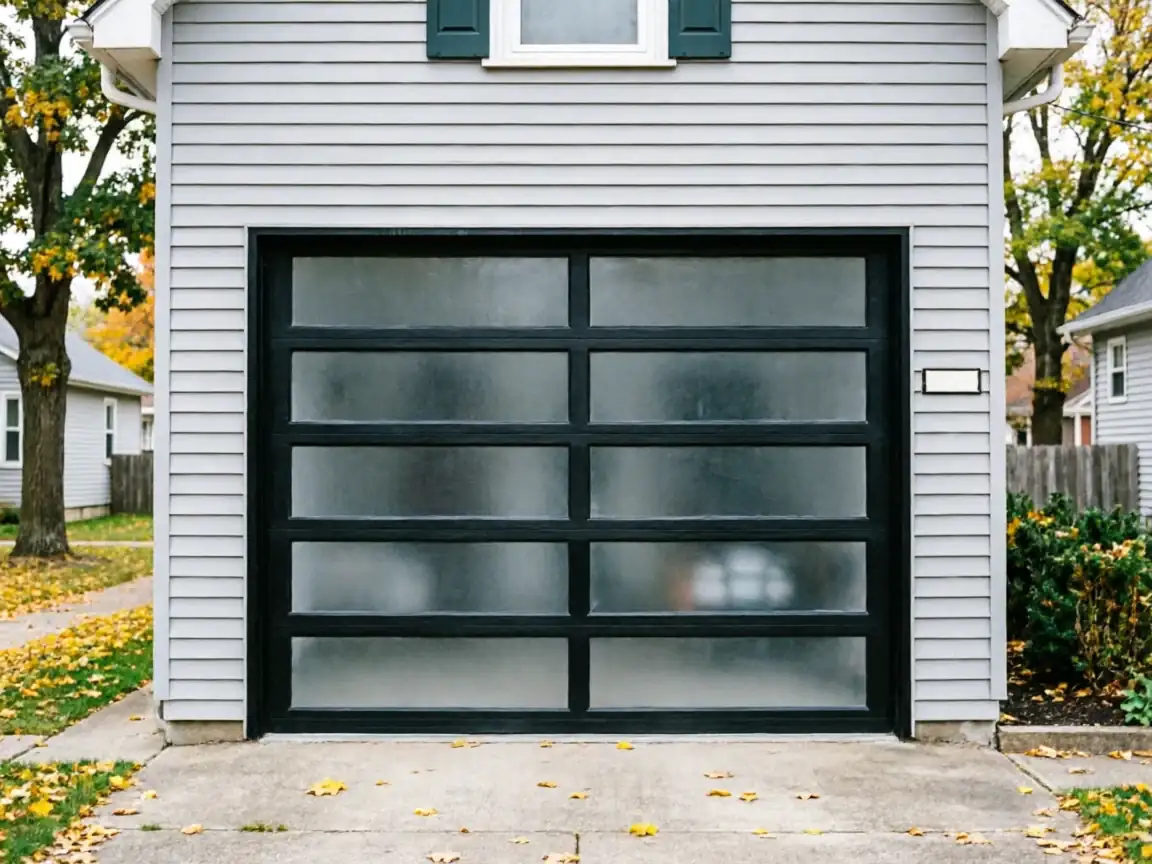
Median household income here runs $104,055, a bit above the $99,460 median for the wider area, which tracks with the newer construction and larger garages common in builds from this period. Expect a wider range of double-door widths than you'd see in older neighborhoods, and insulated steel is the common upgrade path rather than a necessity forced by an outdated opening. We price by door size, insulation level, and whether the opener and track need replacing alongside the door, not by a flat rate, because a 1990s double door job and a single door job aren't close to the same cost.
How to Book
We run this job out of Lakeville, about 14 miles from Inver Grove Heights, so scheduling means building the drive into the appointment window rather than promising a same-town response. Call or send a request through the site, tell us the door size and whether you're replacing an existing opener or keeping it, and we'll set a measure date. For a newer build like most of what's in Inver Grove Heights, measuring is usually quick since the opening is standard width and the header and track positions are predictable.
We don't keep a local branch or a drop-off yard in town, so there's no walk-in counter to swap parts same day. Everything comes out on the truck already specified to the job from the measure visit. If you already know your rough opening size and door style, mentioning it when you call saves a step, but we'd rather measure in person than guess off a text.
What Can Go Wrong
On a 1990s-era door, the most common failure isn't the door itself
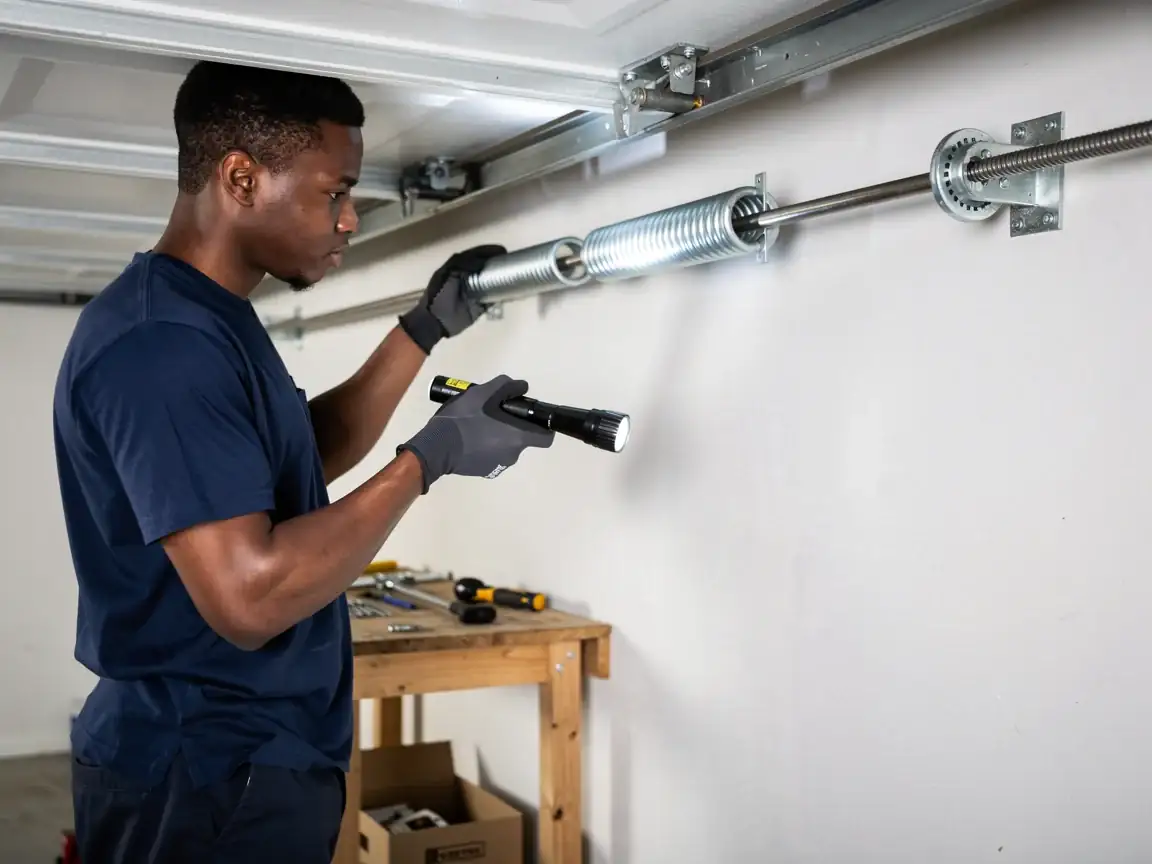
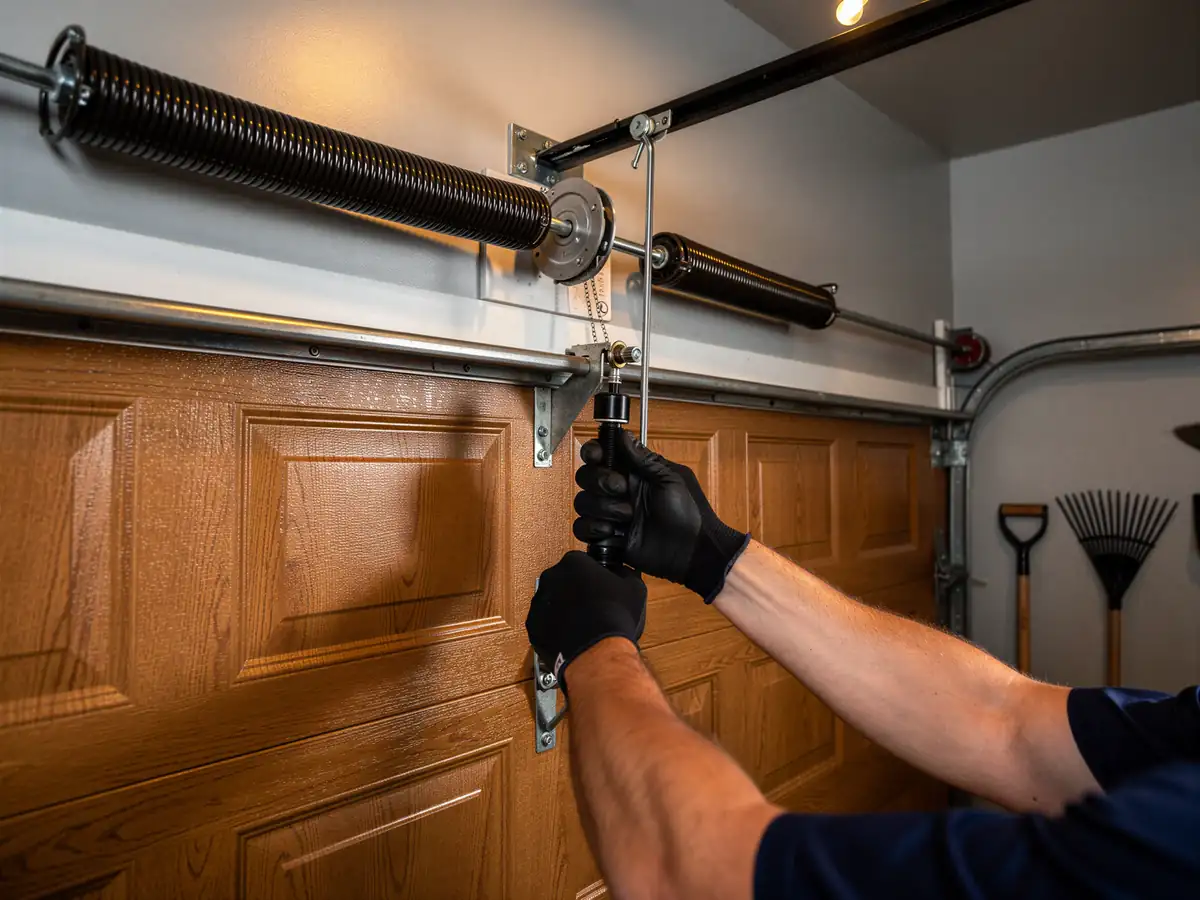
It's the torsion spring reaching the end of its cycle count or the opener's gears wearing out while the panels still look fine. That mismatch - good door, dead spring or opener - is why some installs here end up as opener-plus-hardware jobs rather than full door swaps, and why we check the spring and opener condition before quoting a door replacement.
Cold winters put stress on seals and bottom weatherstrip on doors this age
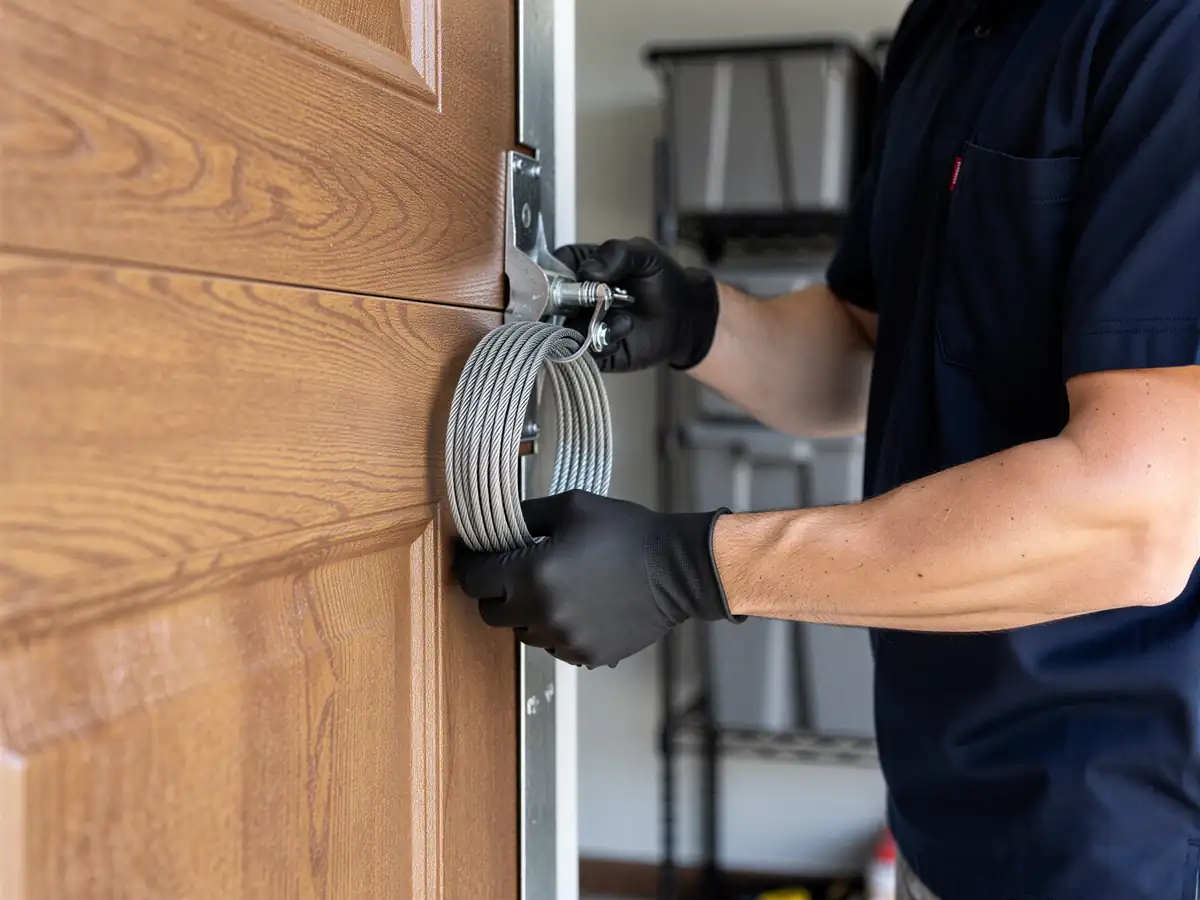
A door that's 30-plus years old and insulated to older standards can let noticeably more cold air into an attached garage than a current insulated steel panel does. If the track is out of square from age or a settled slab, that's a separate repair we flag before install, since a new door on an out-of-square track won't seal or run right no matter how good the panel is. We won't install a door onto hardware we think will fail in a year - if the spring, drum, or track needs replacing too, we'll say so upfront rather than let it become a callback.
Doing It Yourself
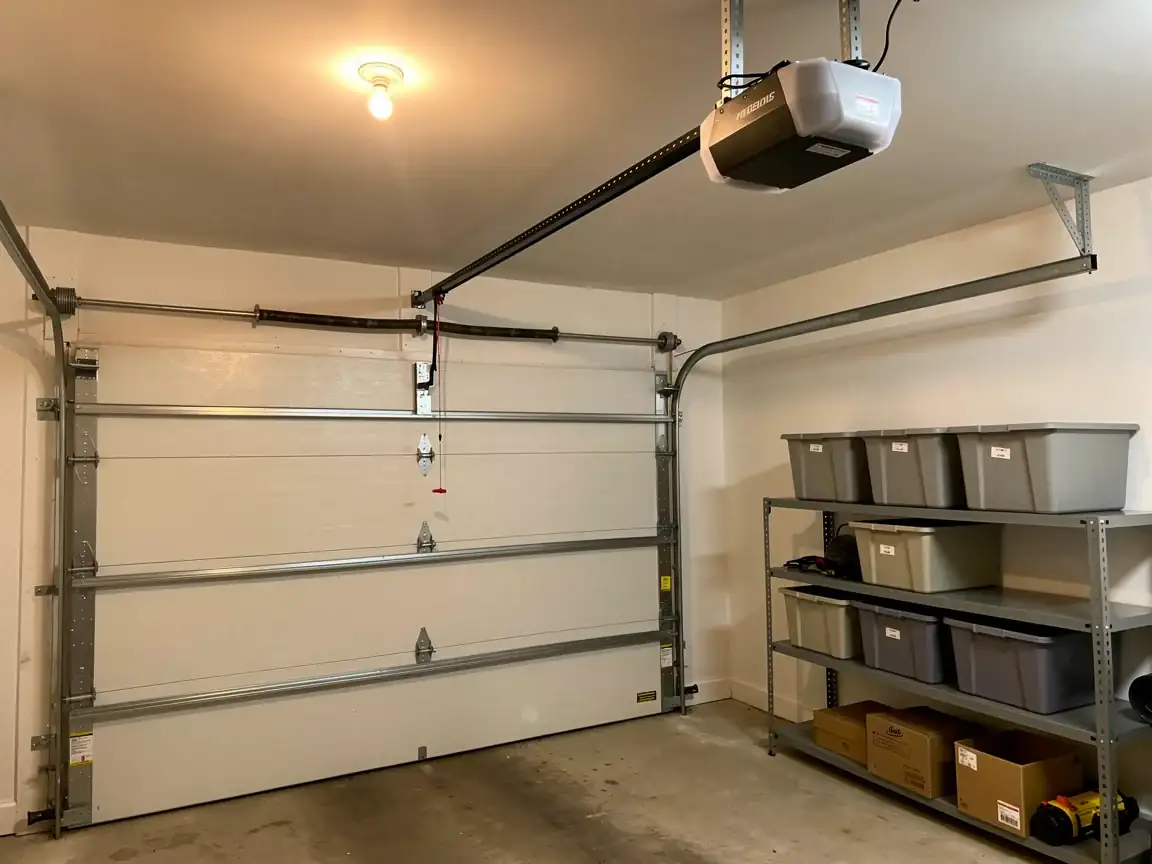
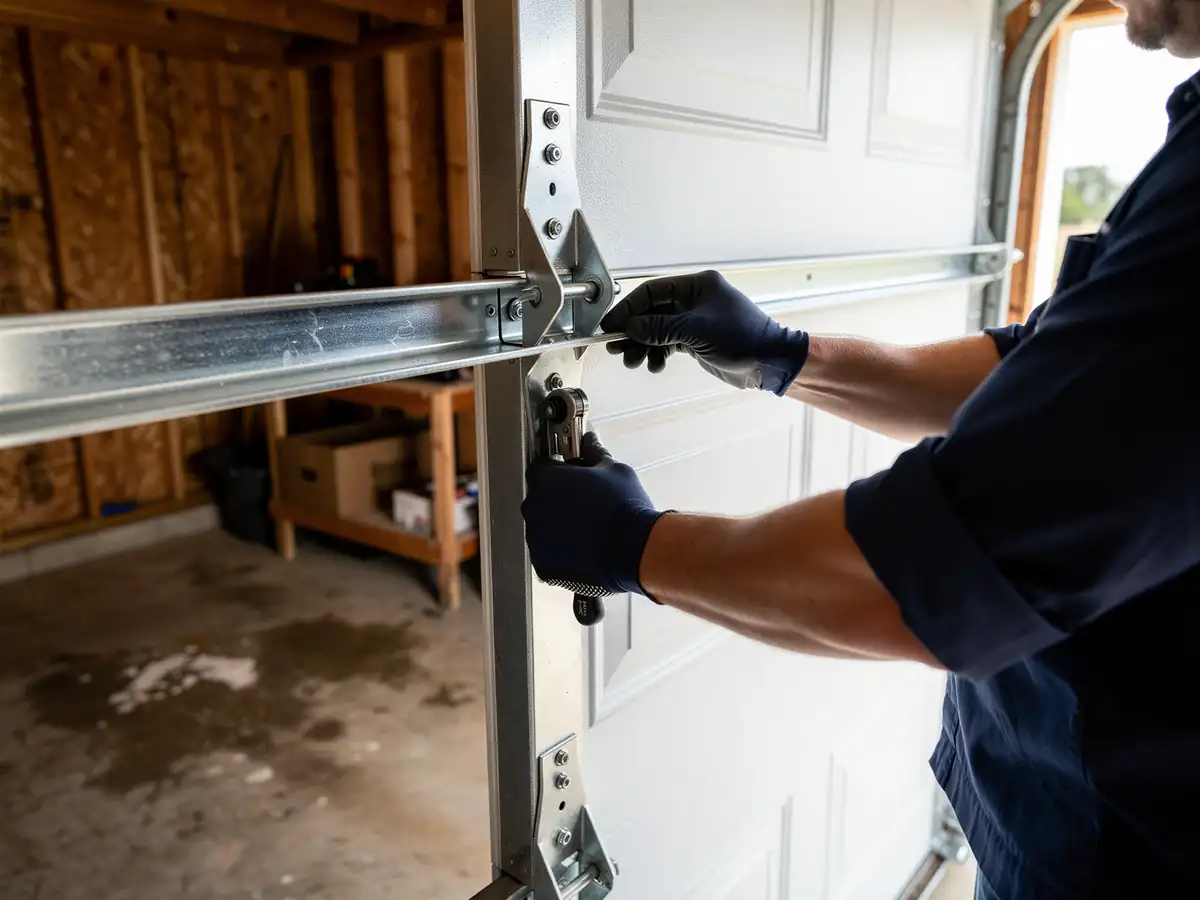
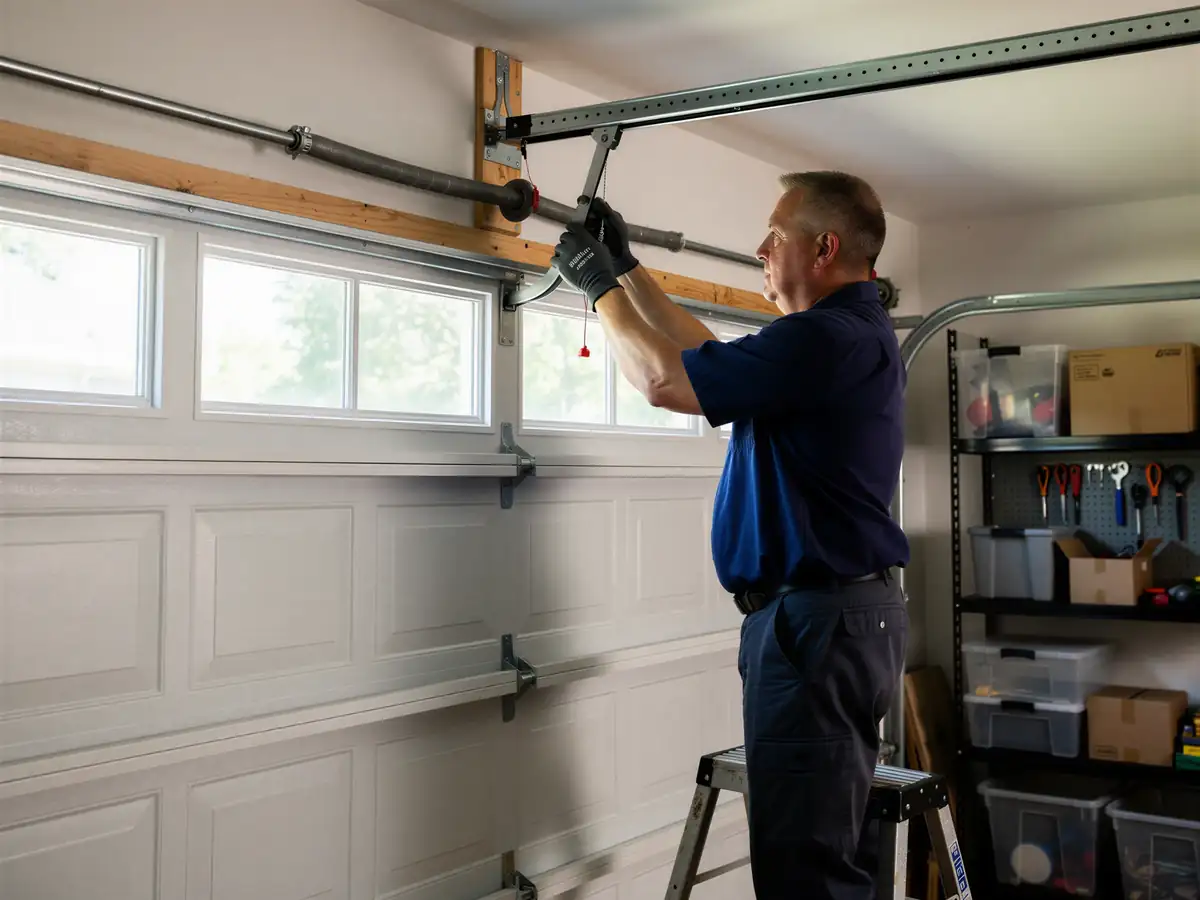
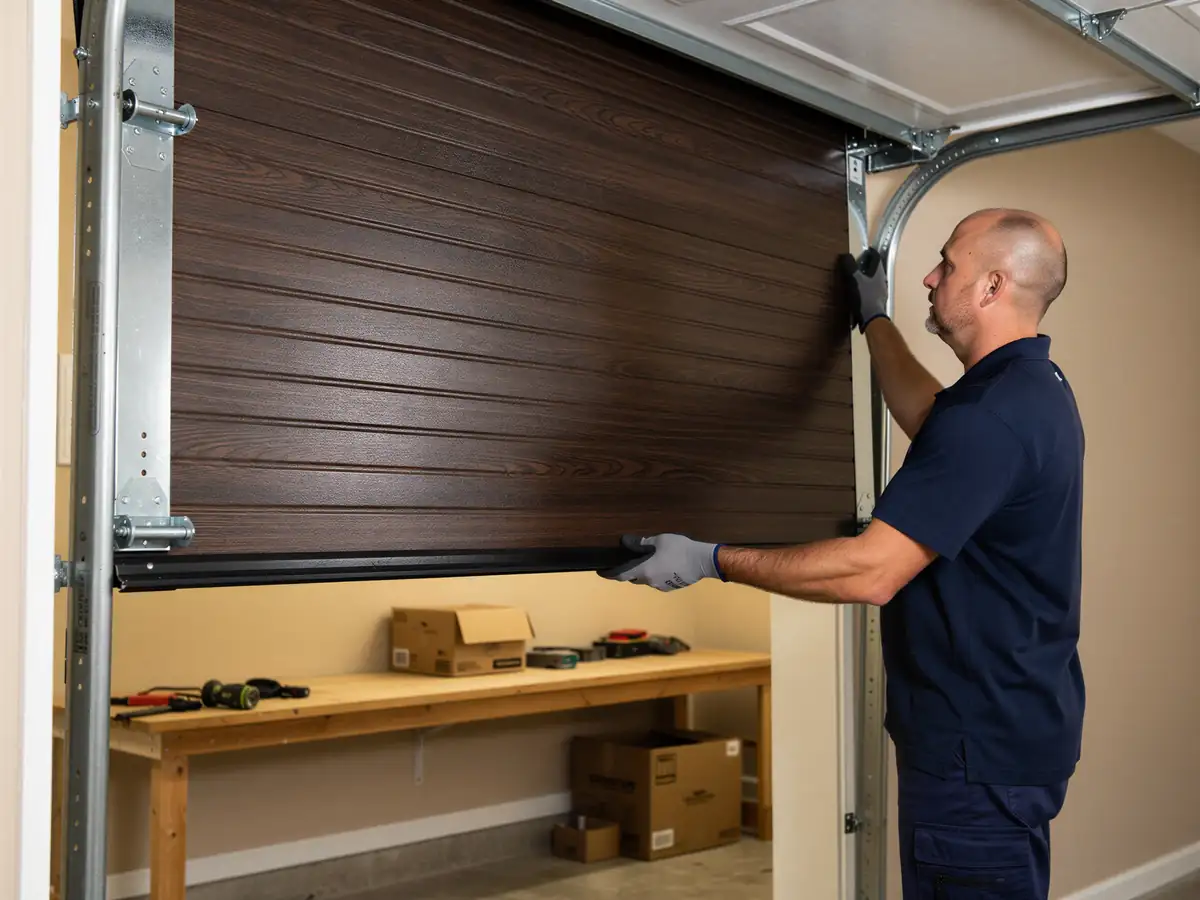
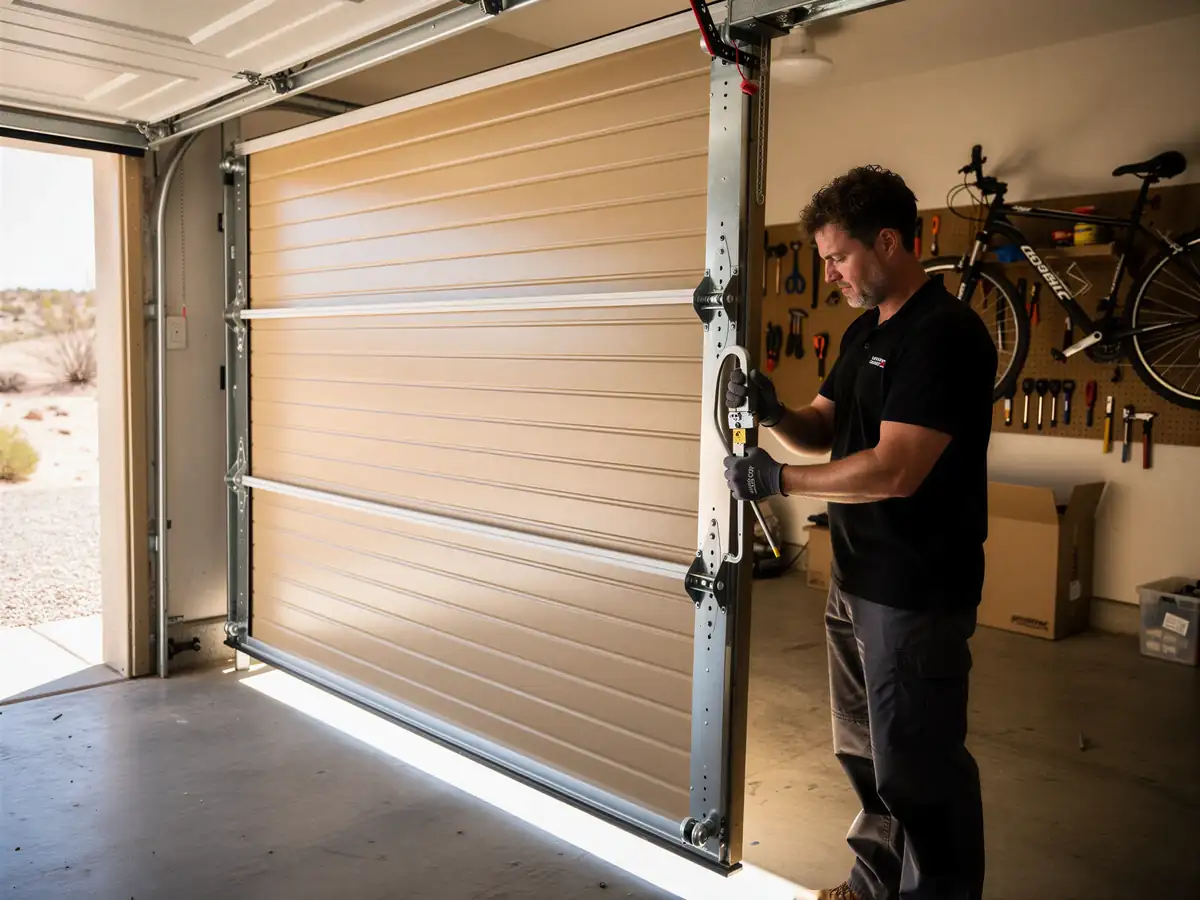
A garage door panel swap on a standard double-car opening, which is what most Inver Grove Heights houses have, is within reach for someone comfortable with basic tools if the existing track and header are square and the opener is staying as-is. Where it stops being a weekend project is the torsion spring. These doors run on spring tension that can snap a bar or take a finger off if you don't have the winding bars and clamps set up right, and getting the spring wind count wrong on a new door means it won't balance - it'll either crash down or fight the opener.
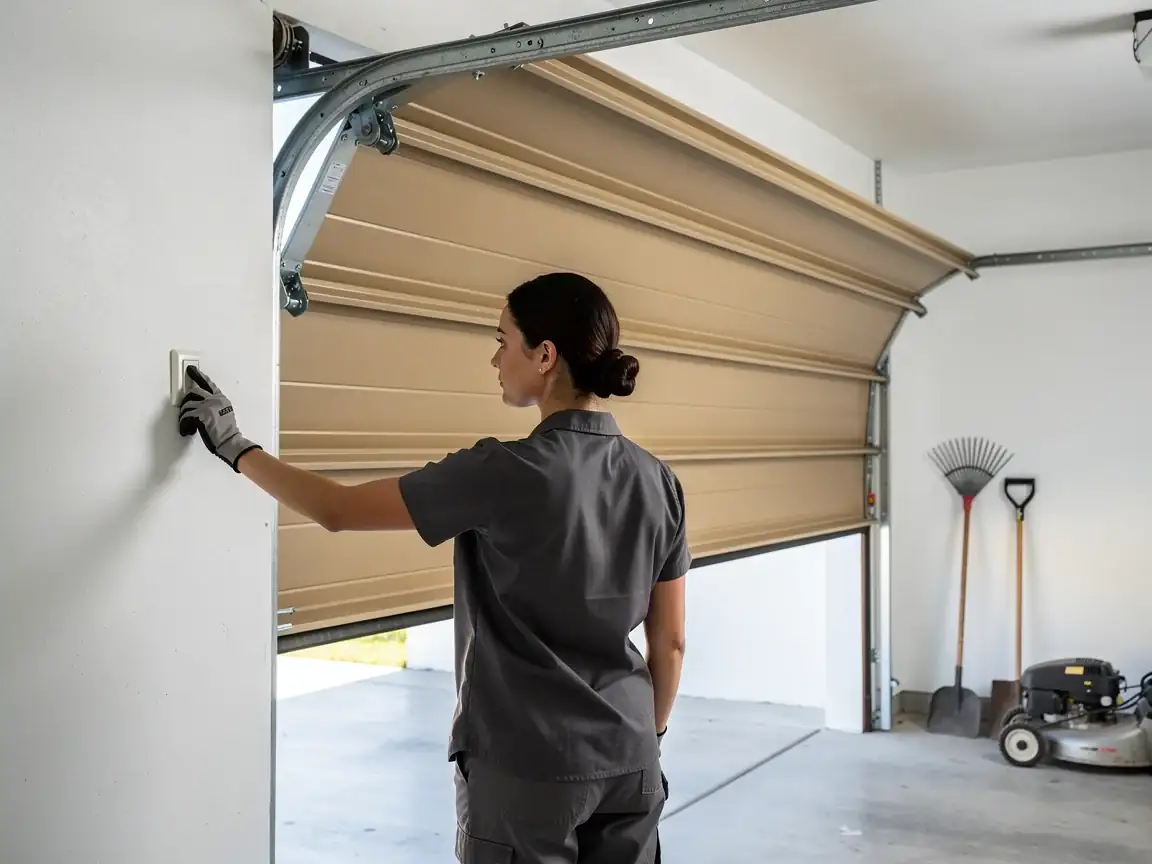
If your opener is original to a 1990s build, it's likely past the point where parts are easy to source, and pairing a new door with a tired opener motor is a false economy. We'd rather tell you to replace both together than have you spend a Saturday on a door that still won't lift right afterward. If you're set on doing the panel work yourself, at minimum have the spring and balance checked by someone who does it daily before you call it finished.