The Cost of This Job
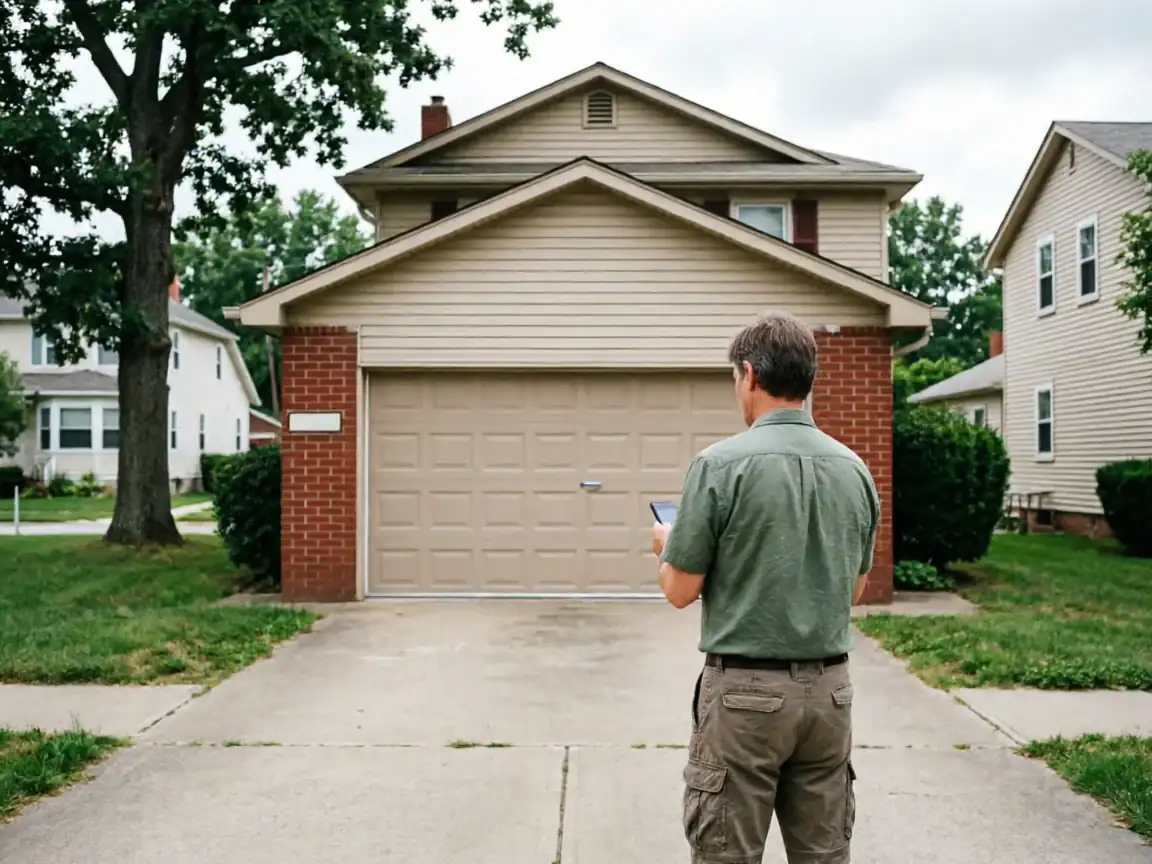
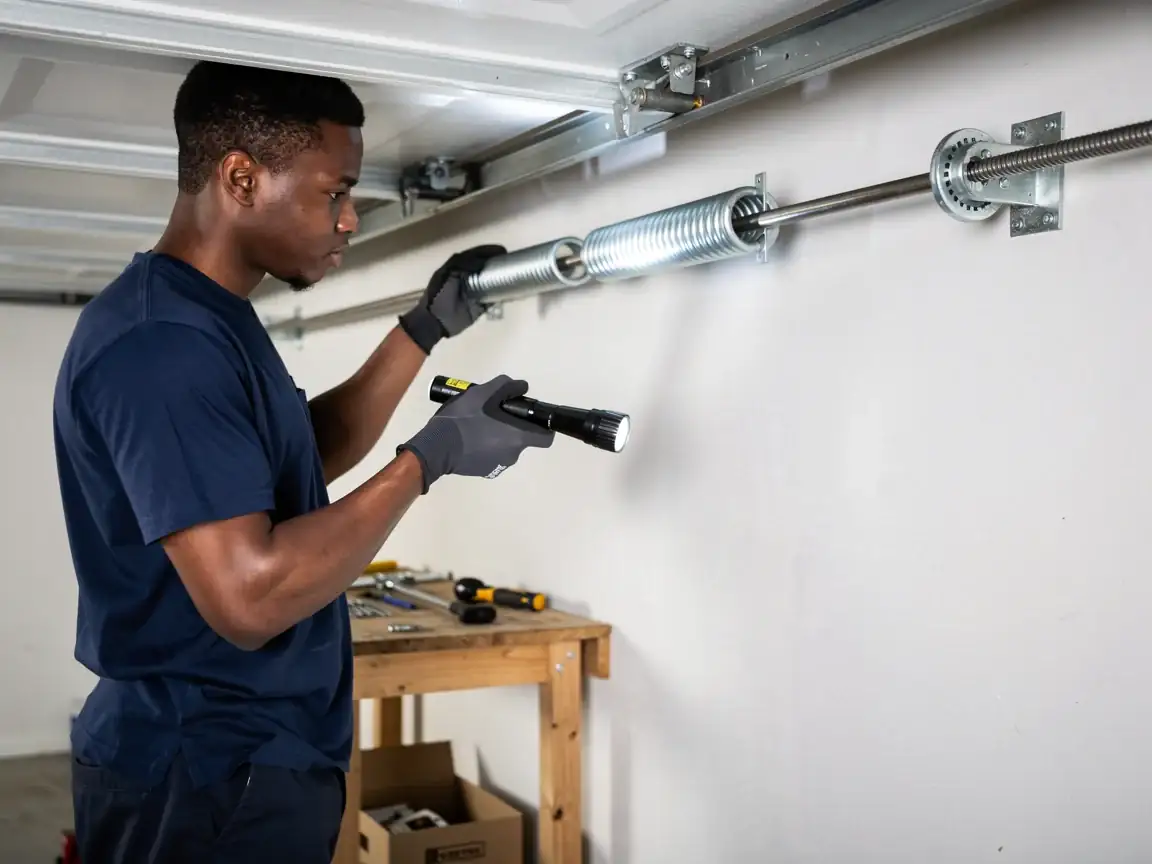
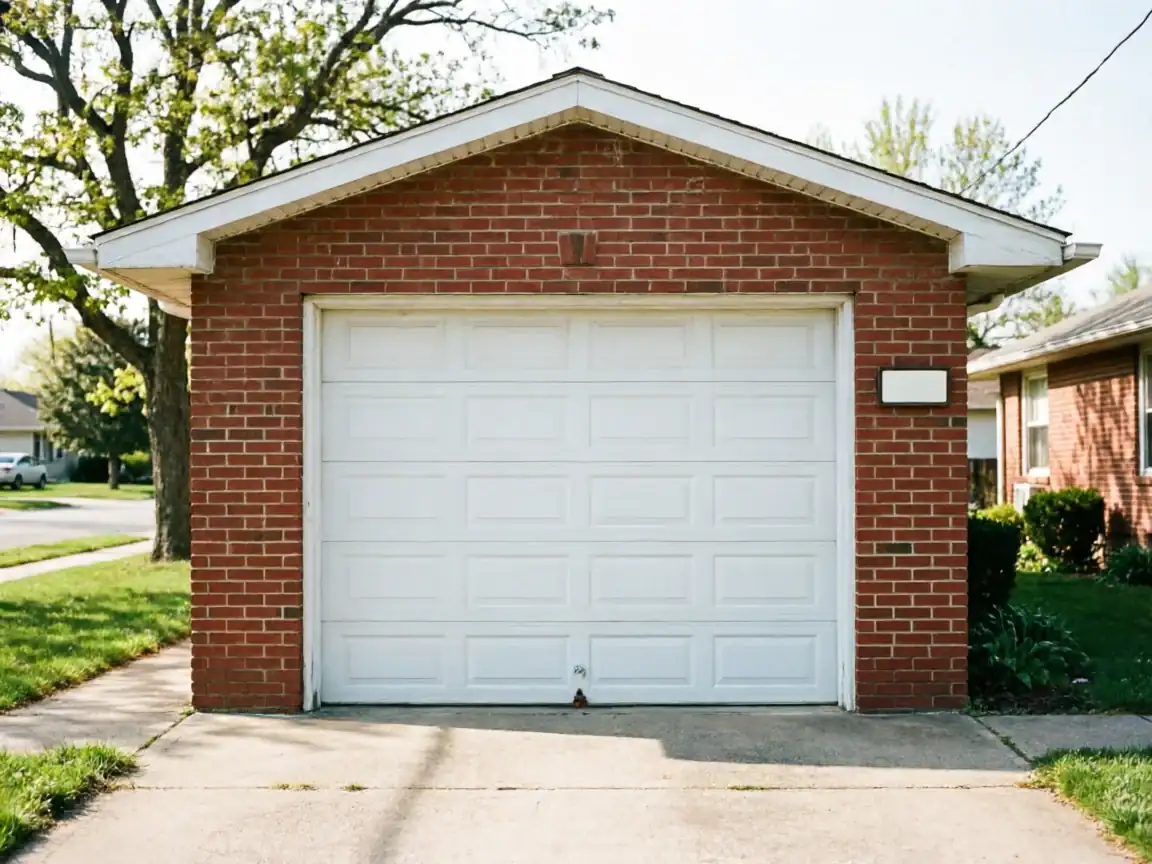
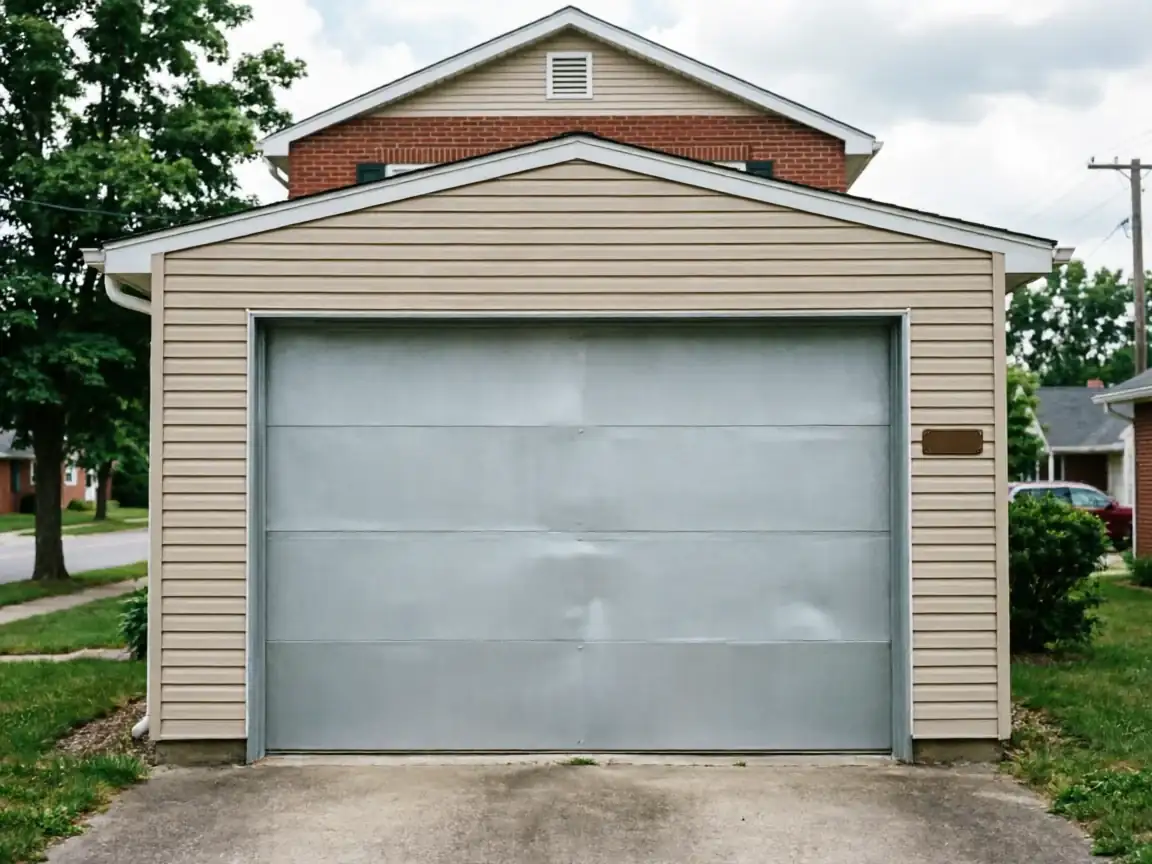
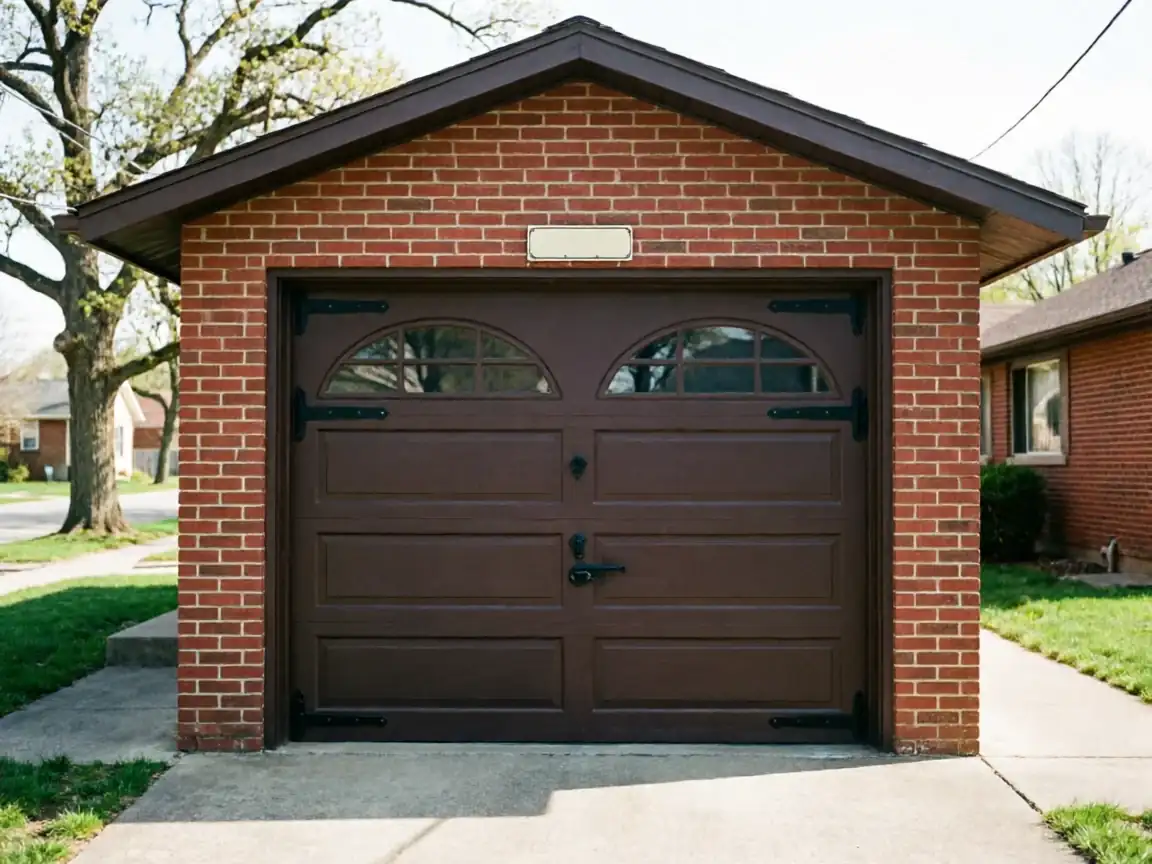
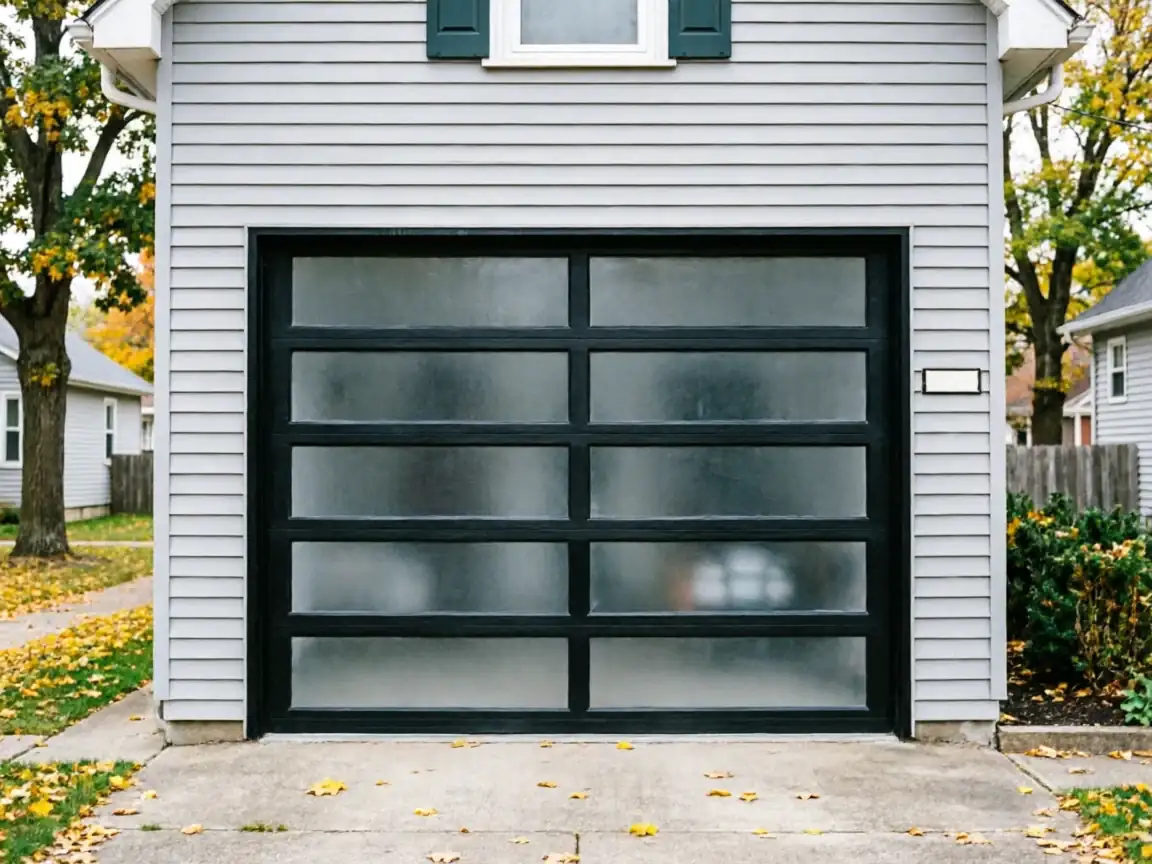
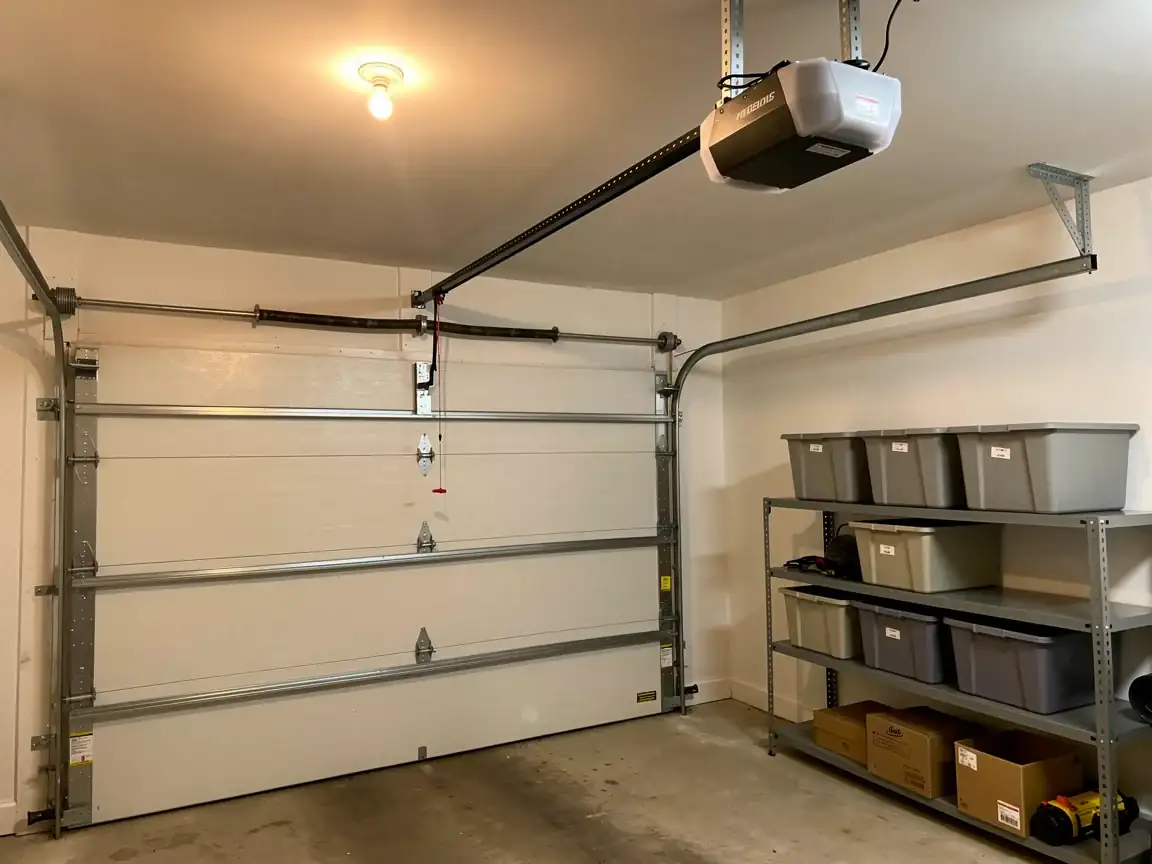
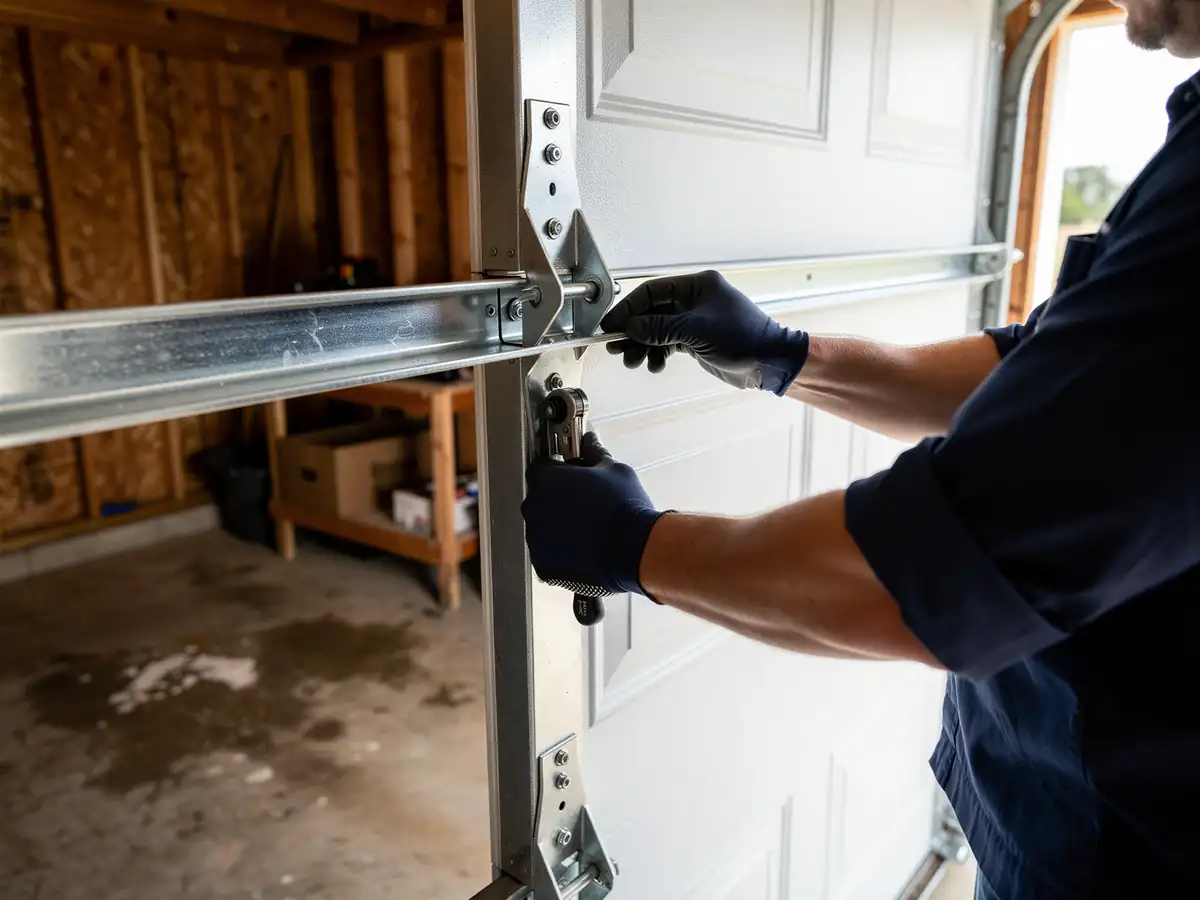
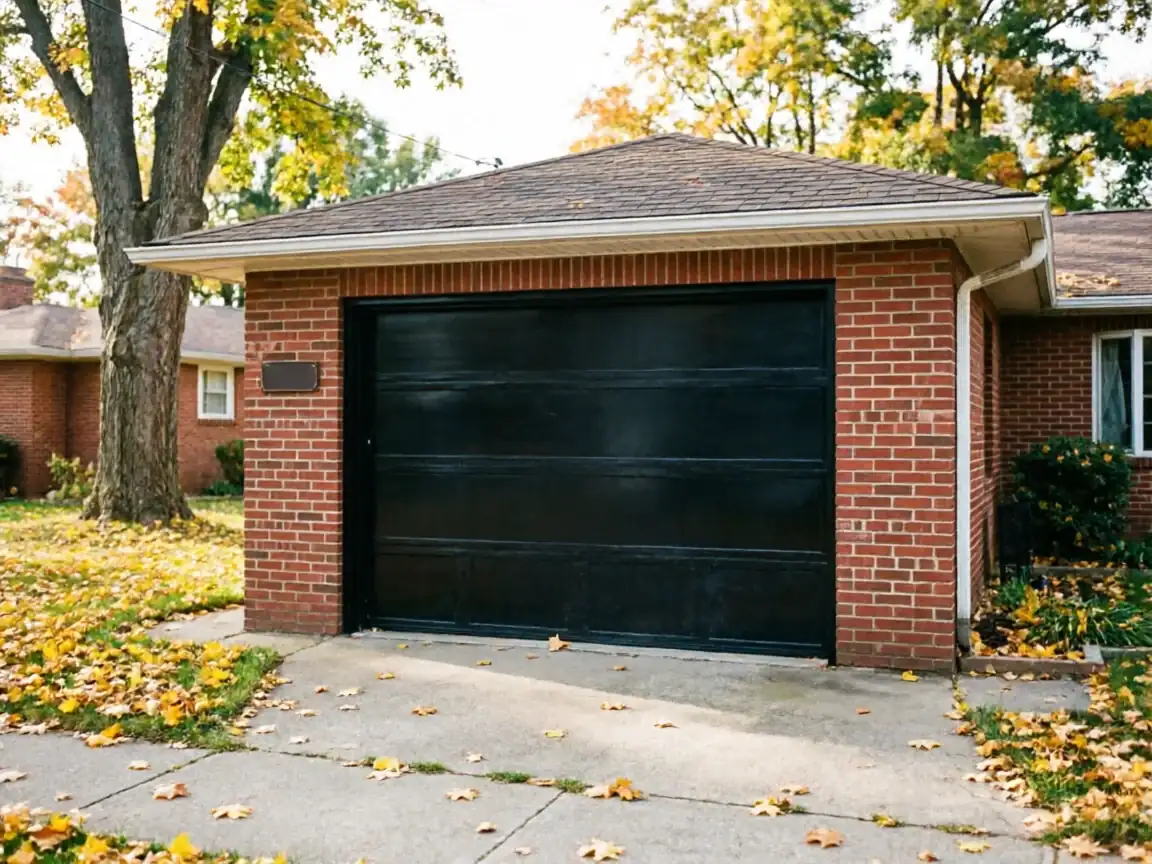
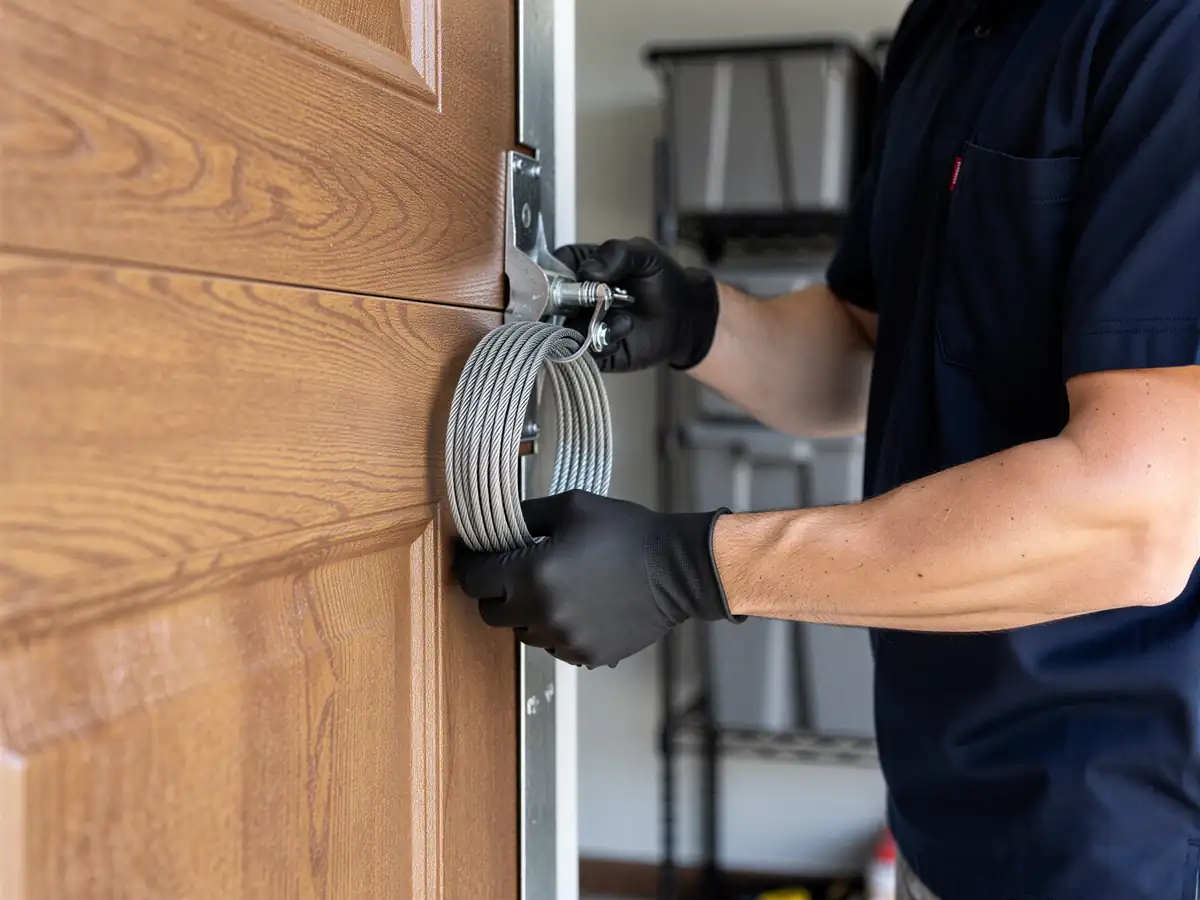
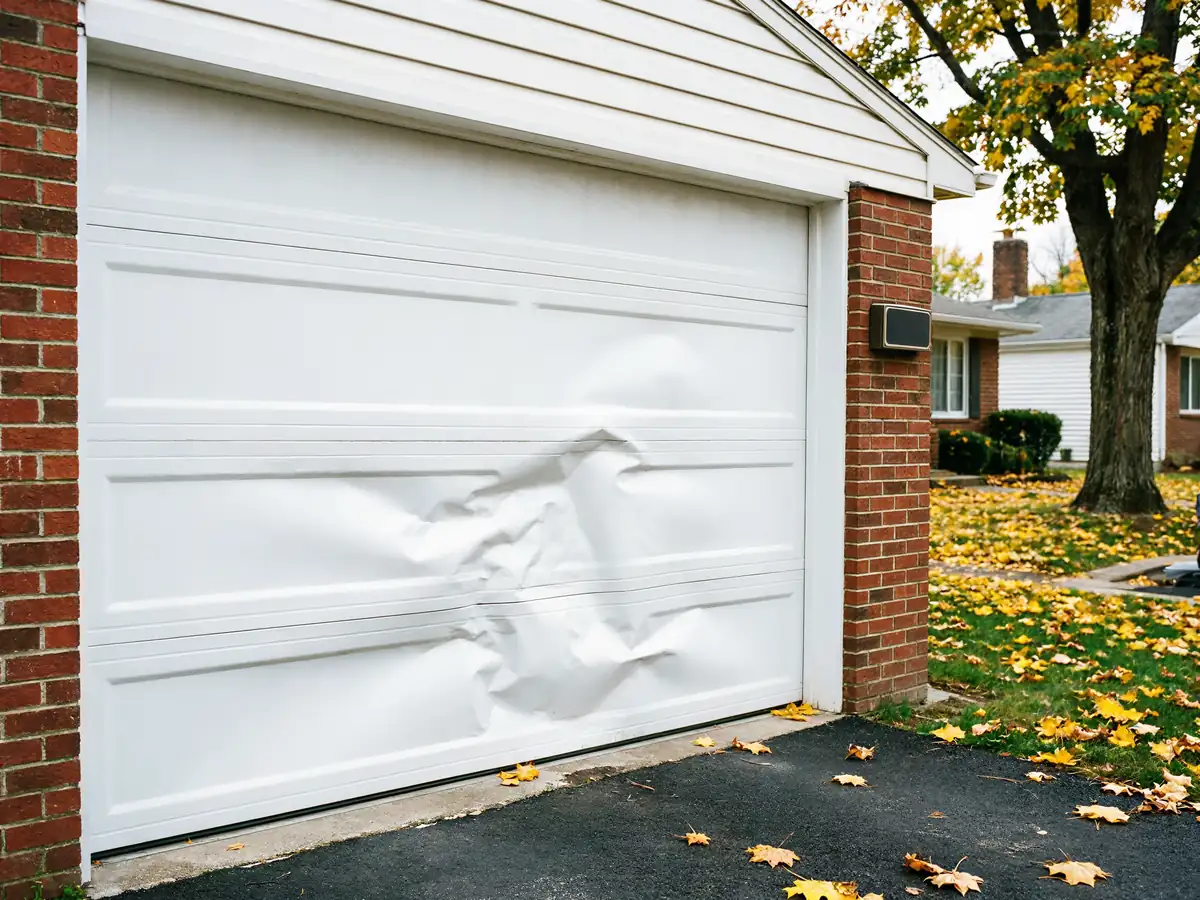
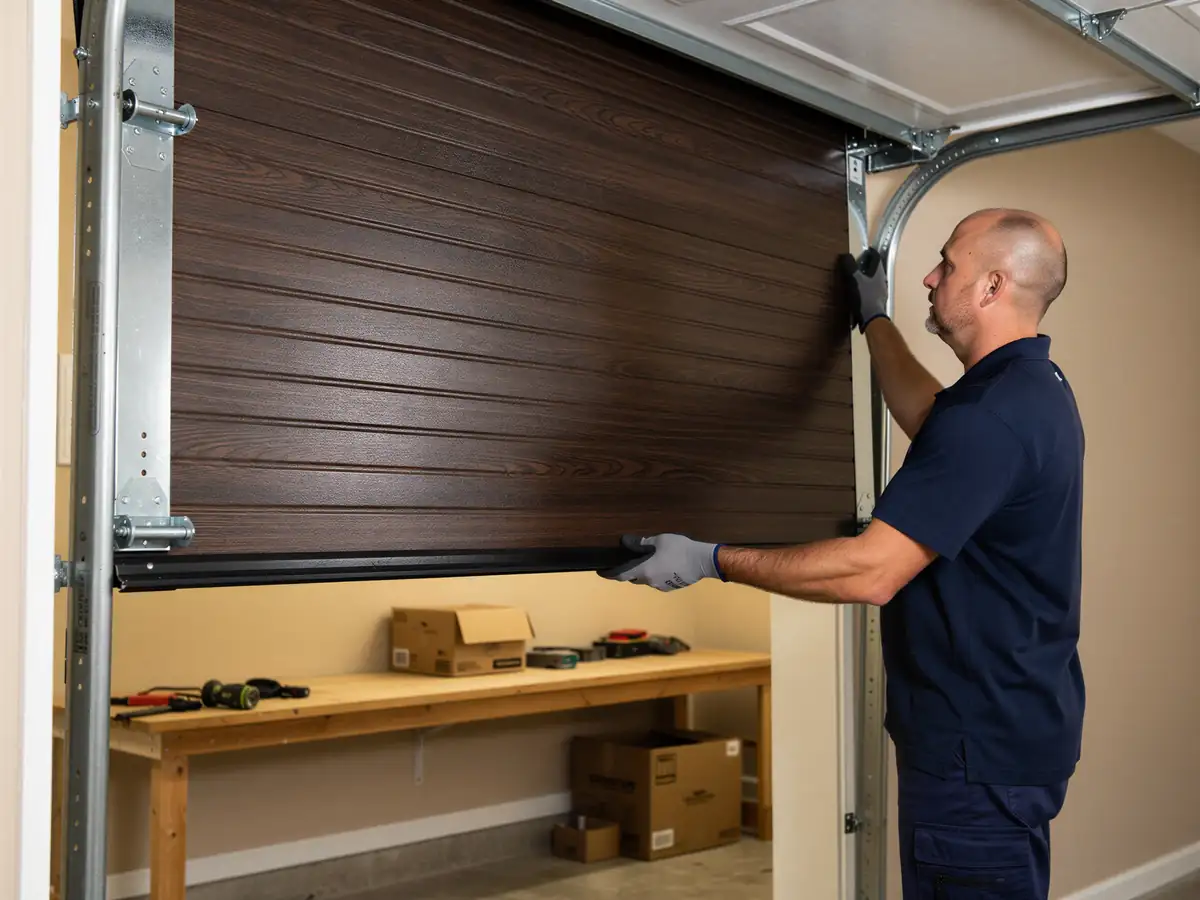
A maintenance visit on a door from this part of Inver Grove Heights isn't the same job as one in a neighborhood built last decade. The median house here went up around 1990, which means a lot of garage doors are still running the hardware they shipped with: steel rollers that have never been swapped for nylon, torsion springs rated for a cycle count that quietly ran out years ago, and openers with drive belts or chains that have stretched past factory spec. Pricing a tune-up means pricing for what's actually on the track, not a generic number. A straightforward lube-and-adjust on a door that's been serviced before costs less than a visit where we find a spring near the end of its life or a sensor pair that's never been aligned correctly. We won't know which one your door is until we're standing in front of it. What we can tell you is that in a neighborhood this age, finding original hardware under heavy wear isn't the exception - it's closer to the rule. If a part needs replacing instead of adjusting, we'll quote that separately before doing the work, not after.
How to Book
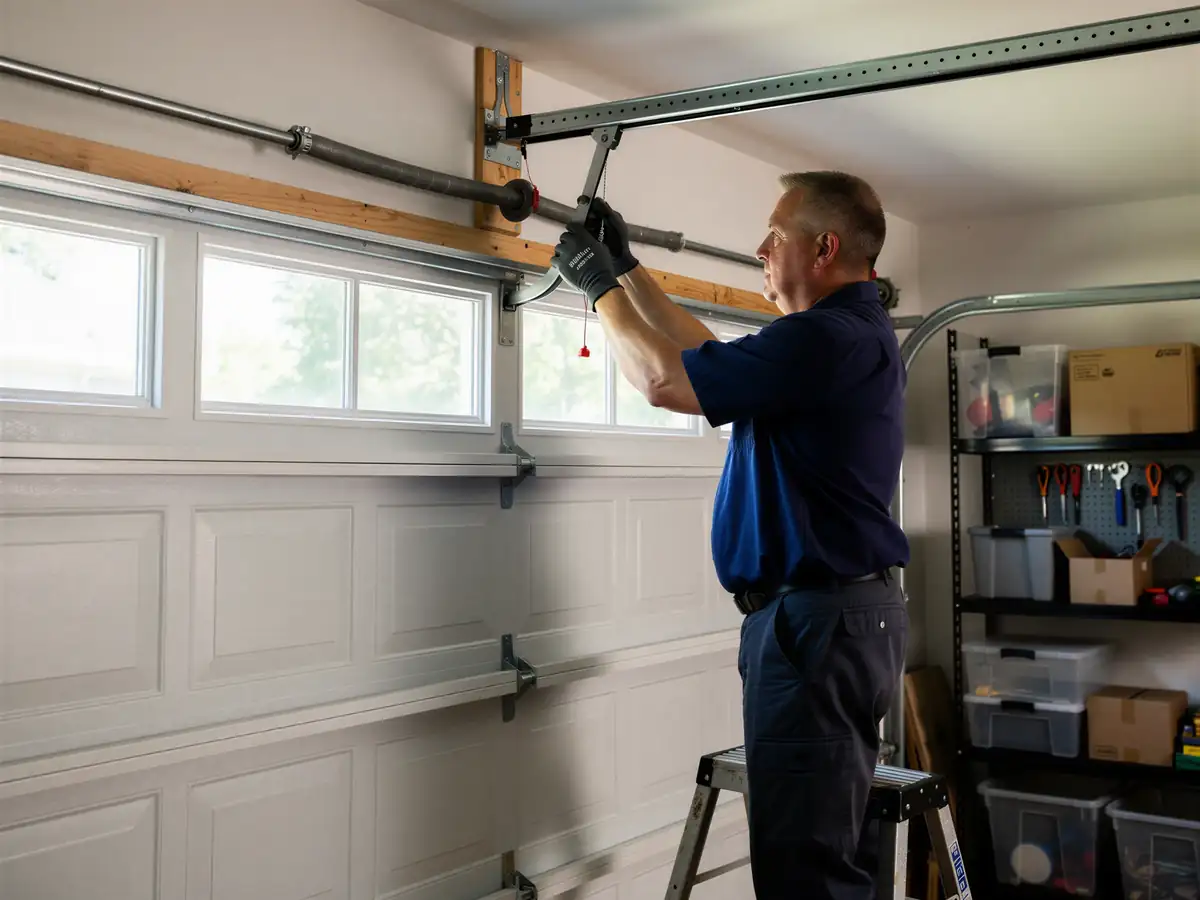
We run routes out of Lakeville, and Inver Grove Heights sits about 14 miles out on that map. Booking a maintenance visit here works the same as anywhere else we cover - you tell us the door's age and any noise or sticking point you've noticed, and we schedule the truck out. Because this is a drive, not a next-door call, it helps to flag anything specific up front: a door that's been slow to close, a remote that's lost range, or an opener that grinds before it catches. That lets us bring the right parts instead of a second trip. See the area page for Inver Grove Heights for what else falls inside this service zone, and the main Lakeville maintenance page covers the full rundown of what a tune-up includes if you want the general scope before you call.
Doing It Yourself
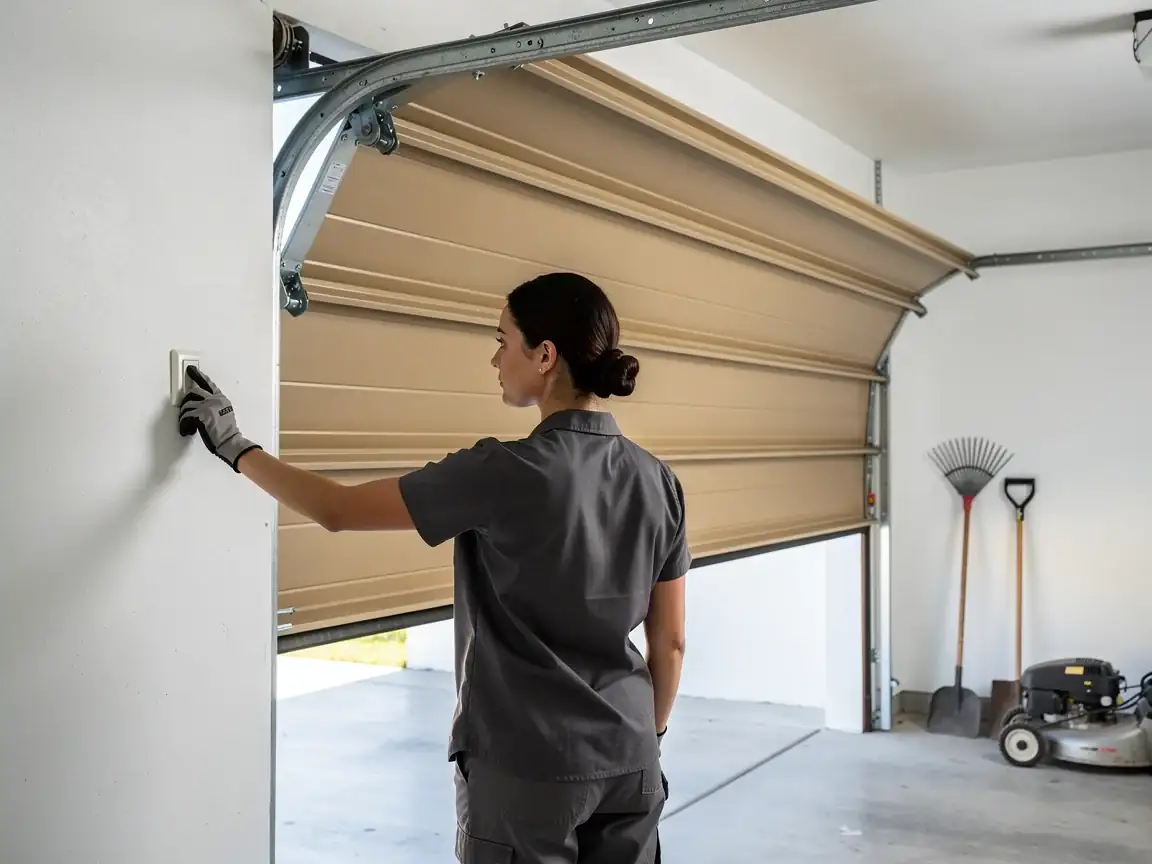
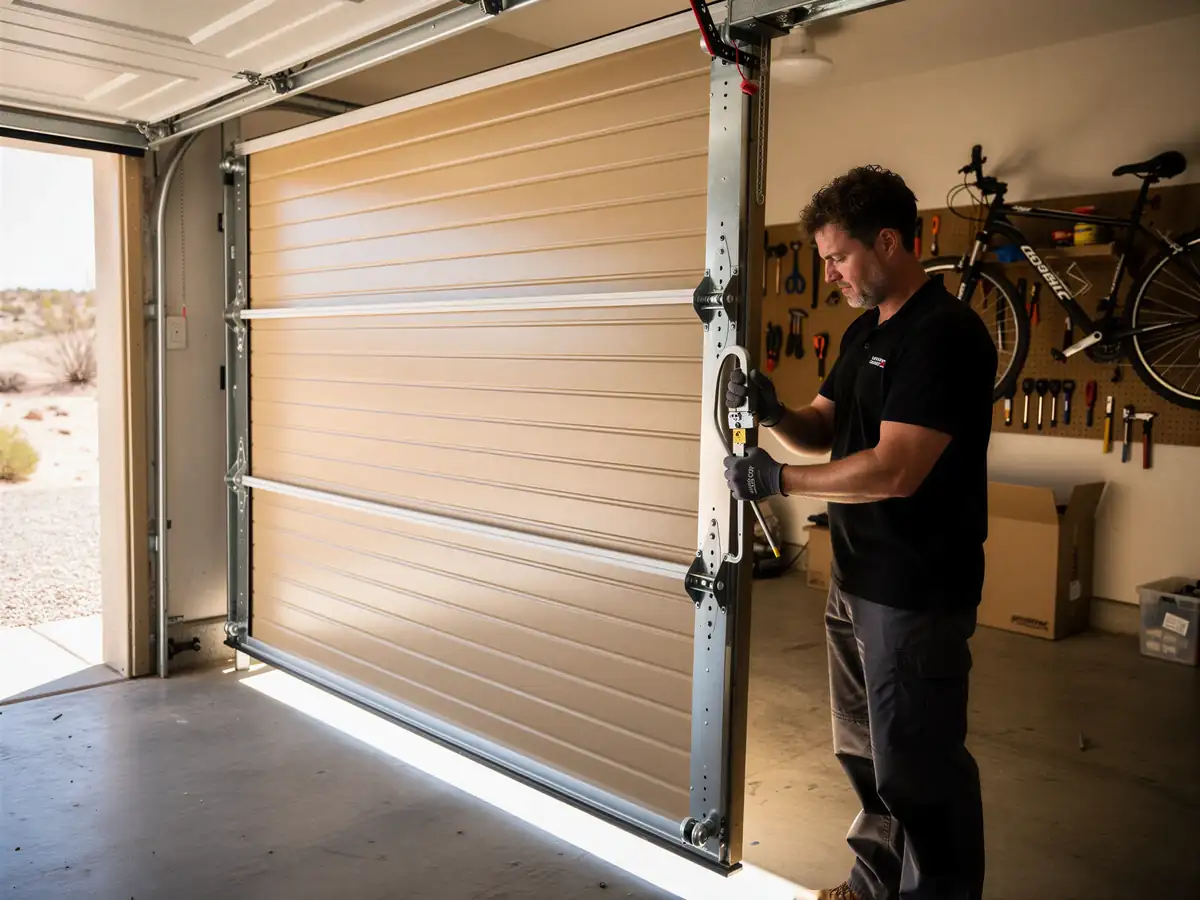
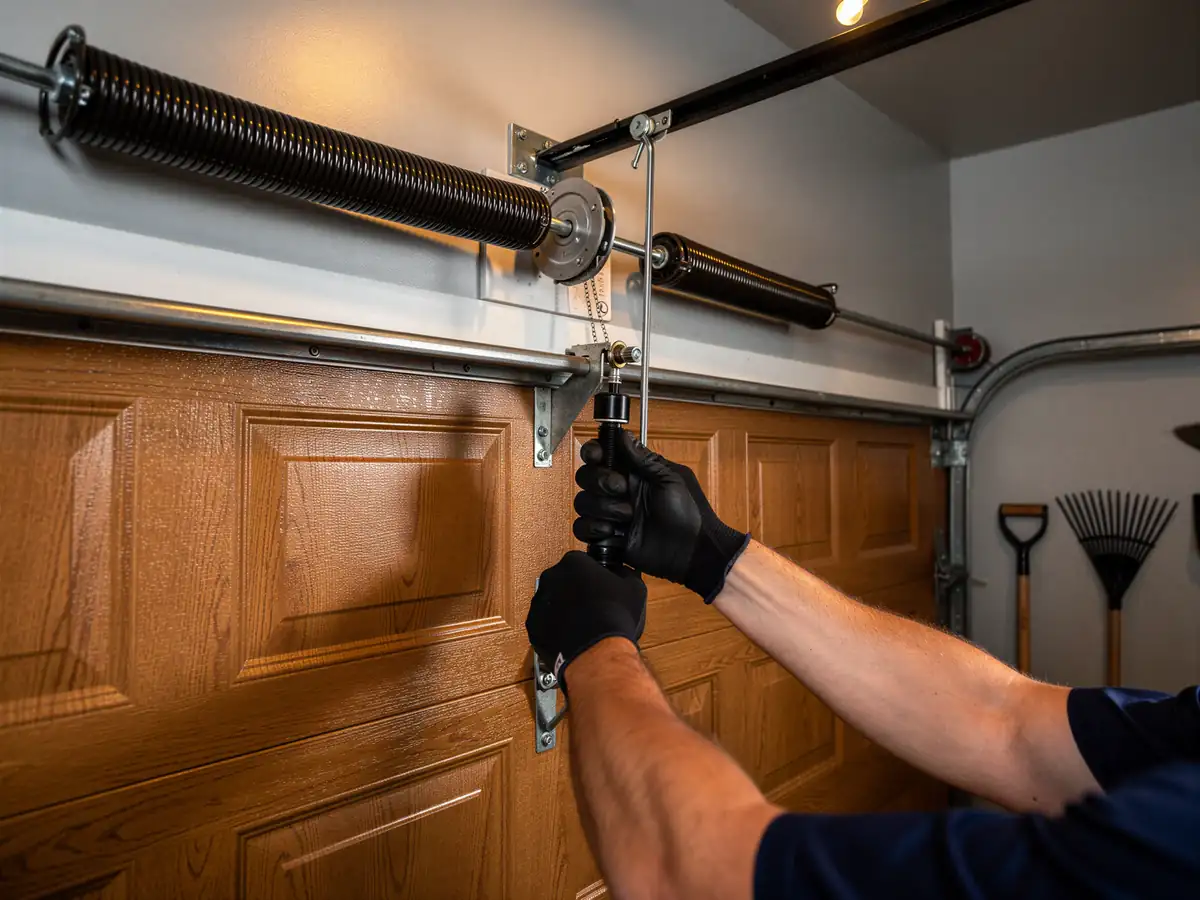
Some of this you can handle without calling anyone. Vacuuming the track, wiping down the rollers, and checking that the photo-eye sensors near the floor are clean and aligned takes ten minutes and catches a surprising number of nuisance problems. Tightening the bolts on the track brackets is safe too, as long as the door is down and the opener is unplugged. What you shouldn't touch on a 1990-era door is the torsion spring itself. These springs are wound under real tension, and on hardware this old, nobody can tell you from the outside how much life is left in the coil. We don't recommend DIY spring work on any door, but it matters more here, where the spring has likely never been replaced since the house was built. If your door is sticking, grinding, or closing unevenly, that's past the point of a home fix - it's worth having someone look at the spring and the opener's drive mechanism together before one takes out the other.