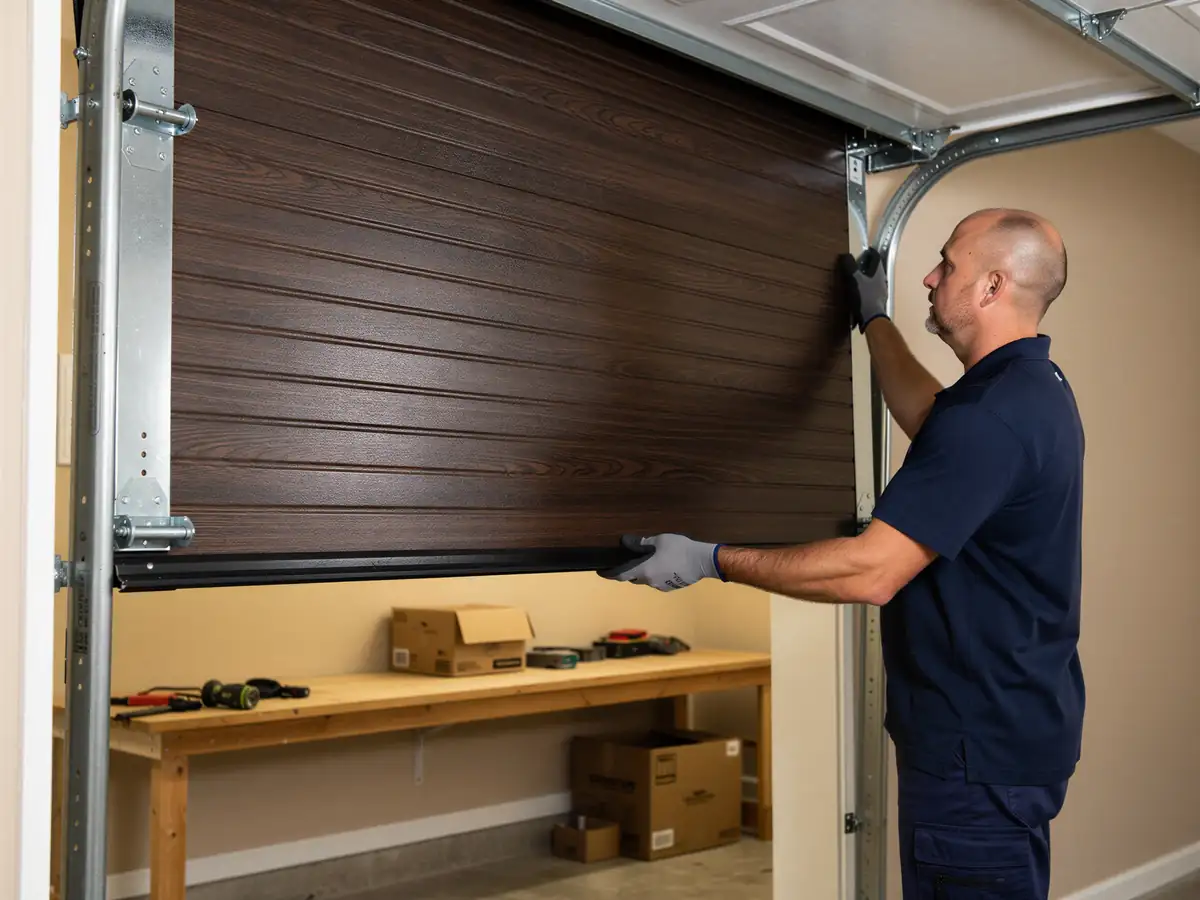
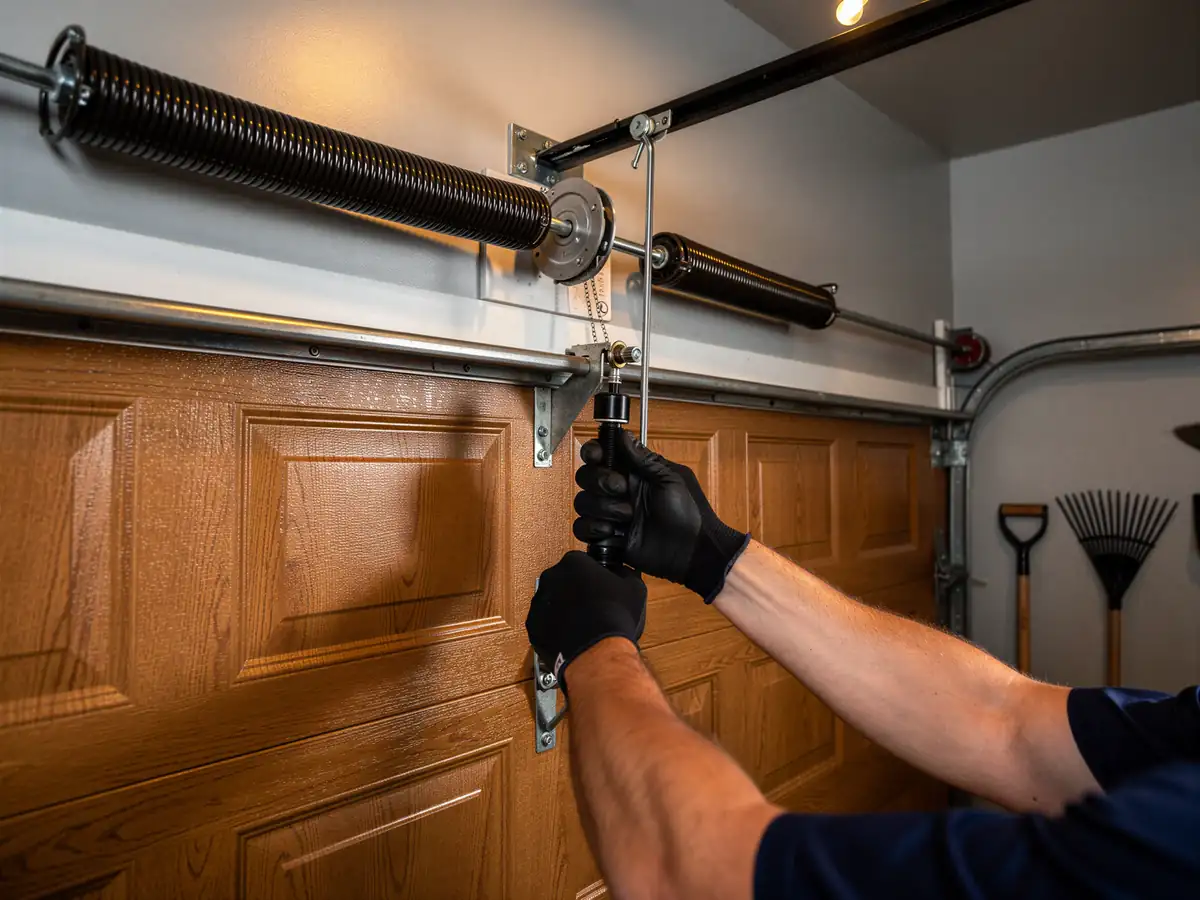
The Cost of This Job
We don't have a posted price for this job, and we're not going to invent one just to fill a box. Spring cost depends on door weight, whether you've got one torsion spring or two, and whether the drums, bearings or cable took damage when the spring let go. A single door with one worn spring is a different job than a double door that's been running on a mismatched pair for years. What we can tell you is how the drive shapes the visit: Inver Grove Heights sits 14 miles from our shop in Lakeville, and that distance is already baked into how a call here gets scheduled and routed, not added on as a surprise once a truck is on your street.
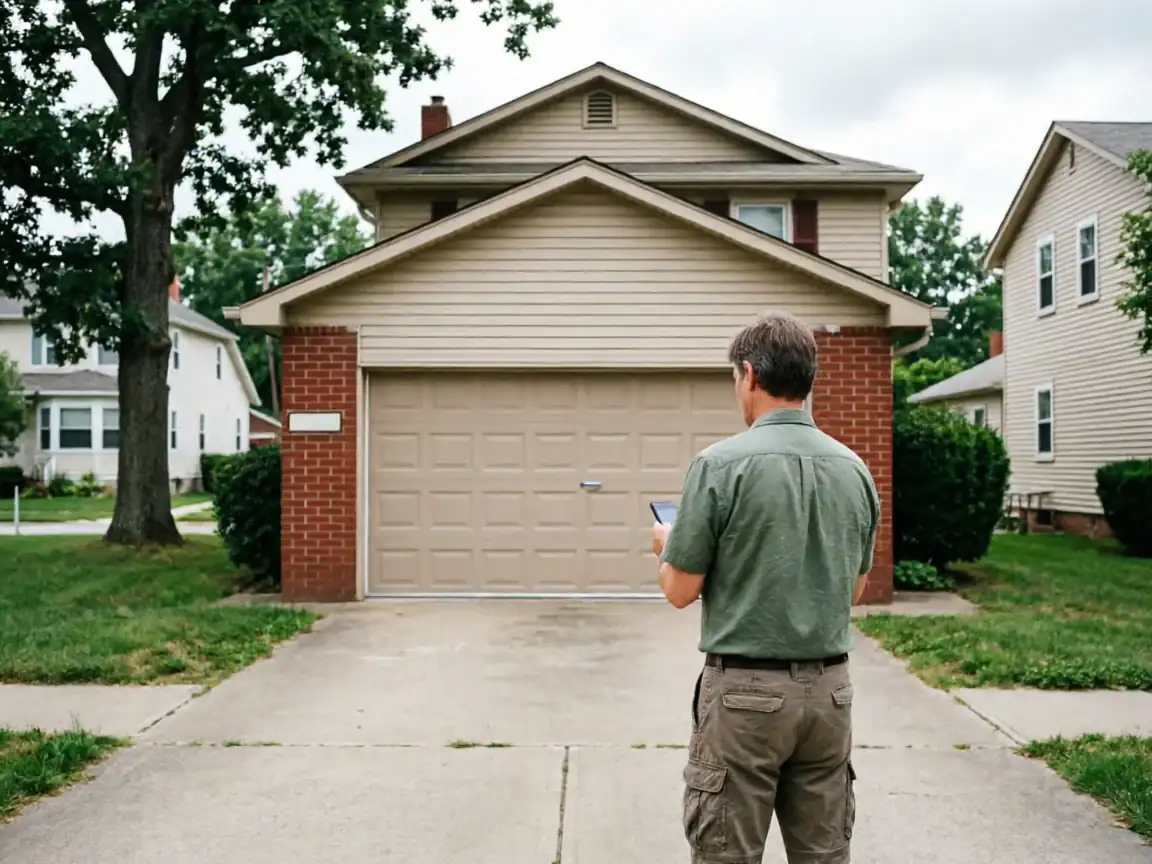
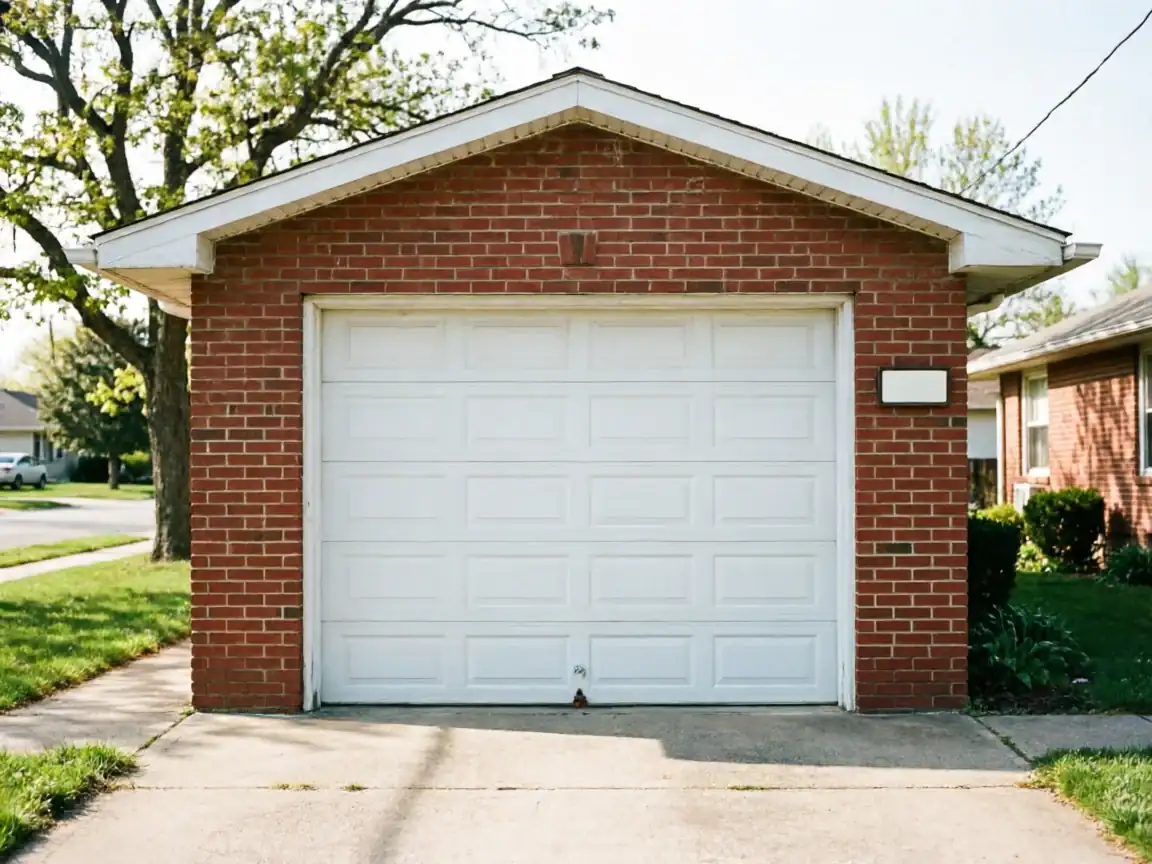
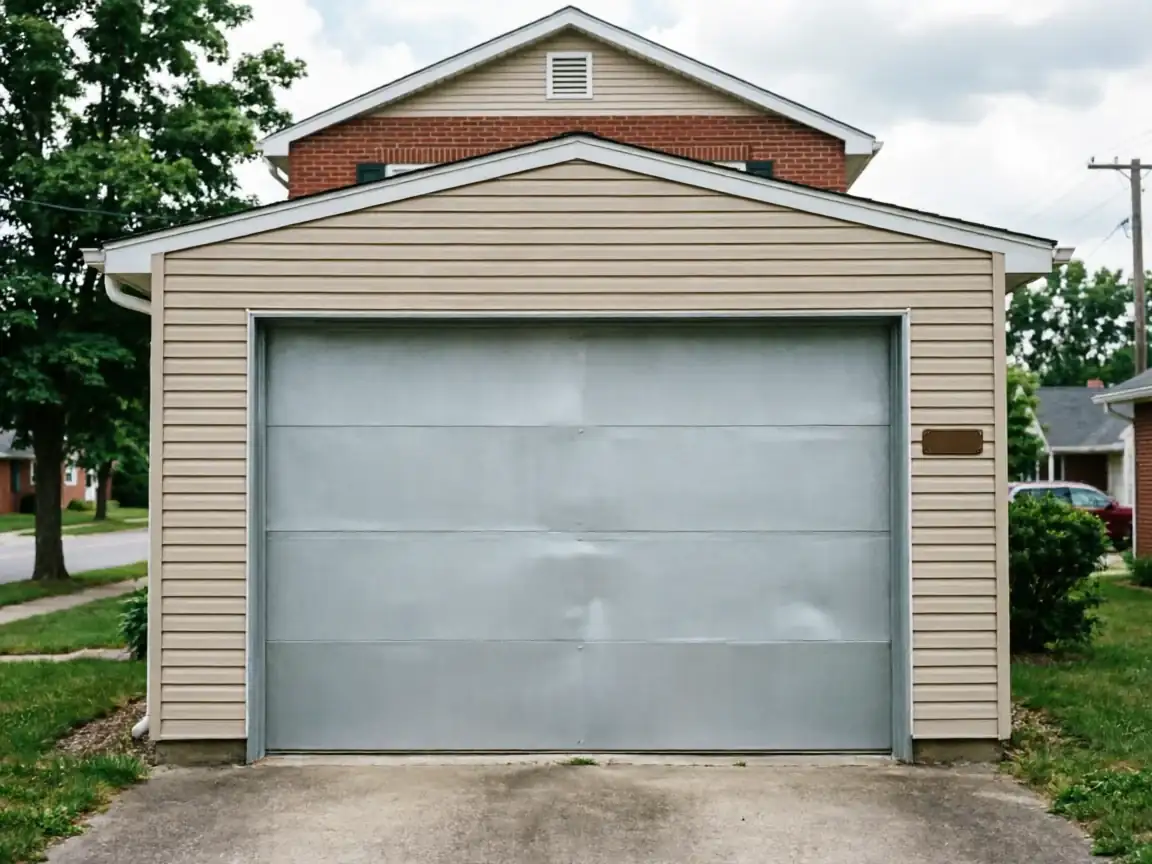
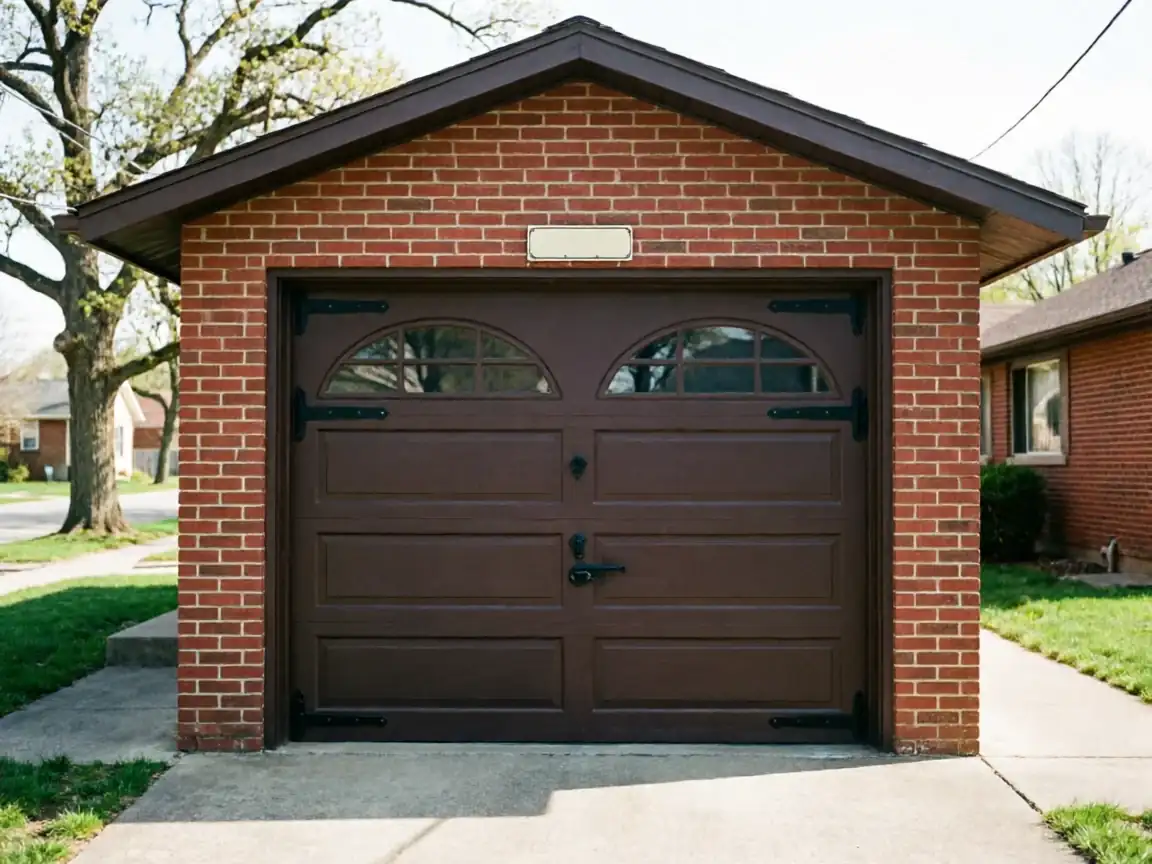
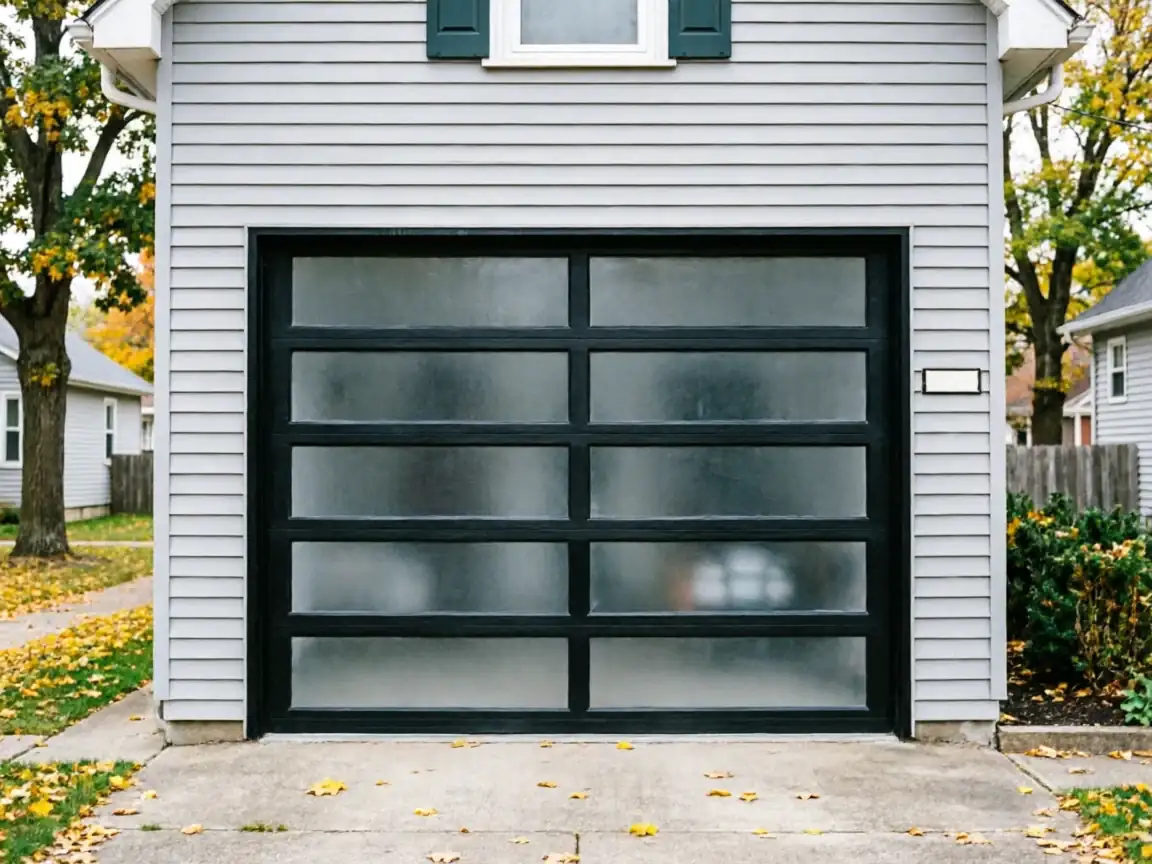
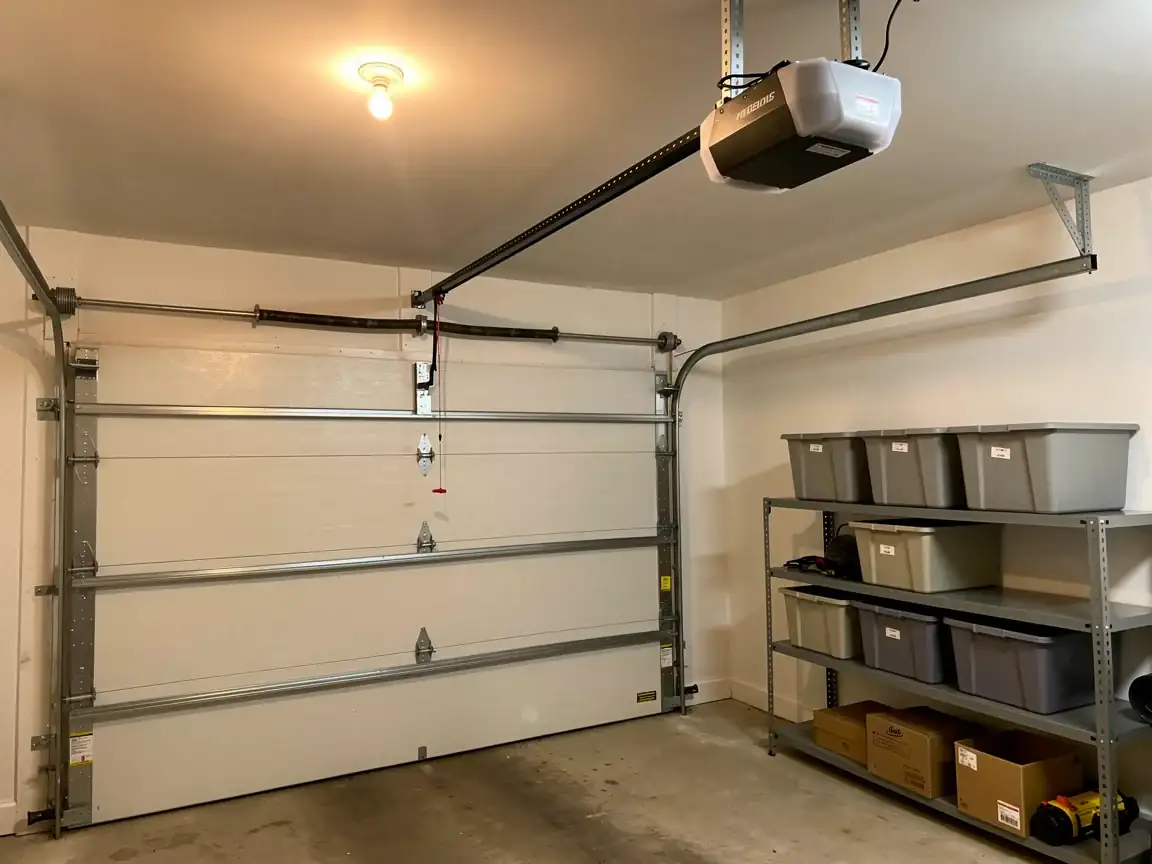
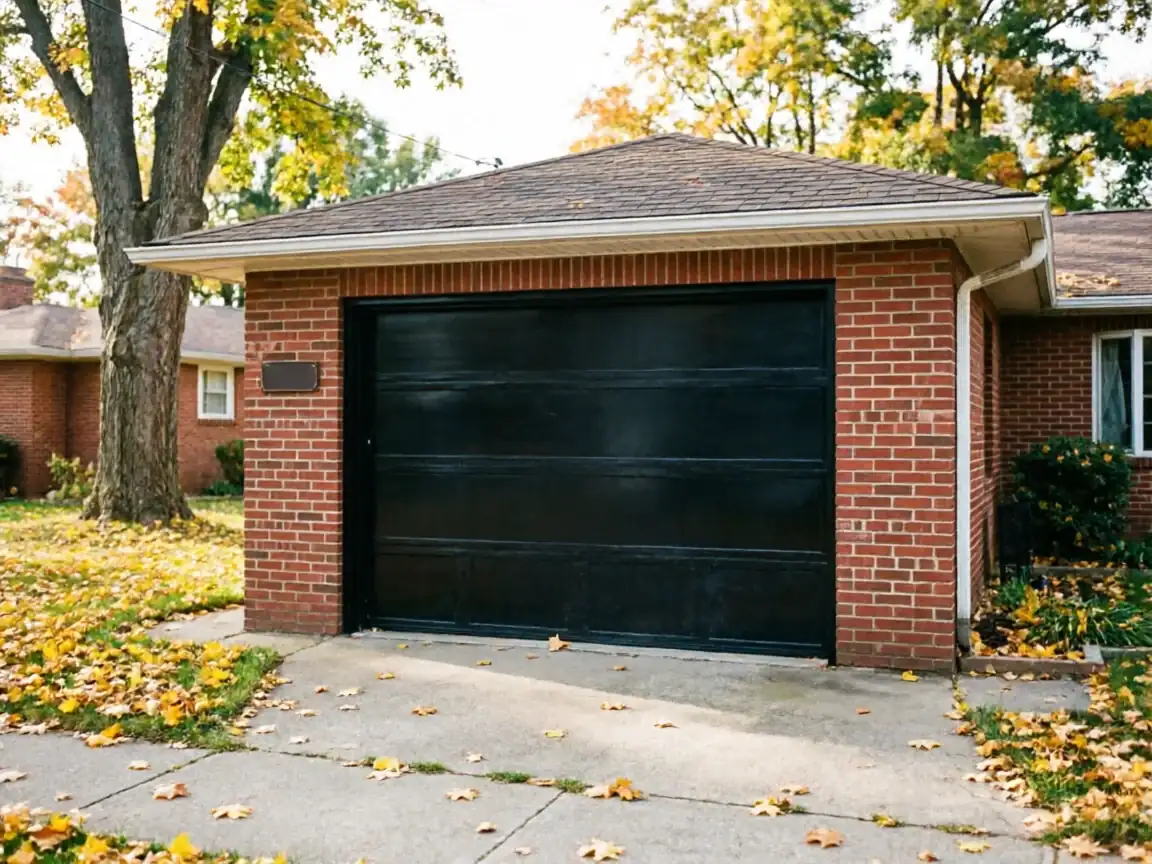
Most of the houses we work on in Inver Grove Heights went up around 1990, which puts them squarely in the era of steel torsion springs on standard-lift track - not the older low-headroom or side-mount setups you'd find in a neighborhood built decades earlier. That matters because parts availability and labor time both track the era of the hardware. A straightforward torsion spring swap on a 1990s double door is about as uncomplicated as this job gets.
How to Book
Call and tell us the door is making a bang, won't budge, or that the opener is straining and the door barely lifts an inch - that's almost always a broken torsion spring, and it's the single most common reason we get a call out of Inver Grove Heights. We'll ask for your address so we can route the Lakeville truck efficiently, since every visit out this way is part of the same day's loop through the southern service area, not a special trip.
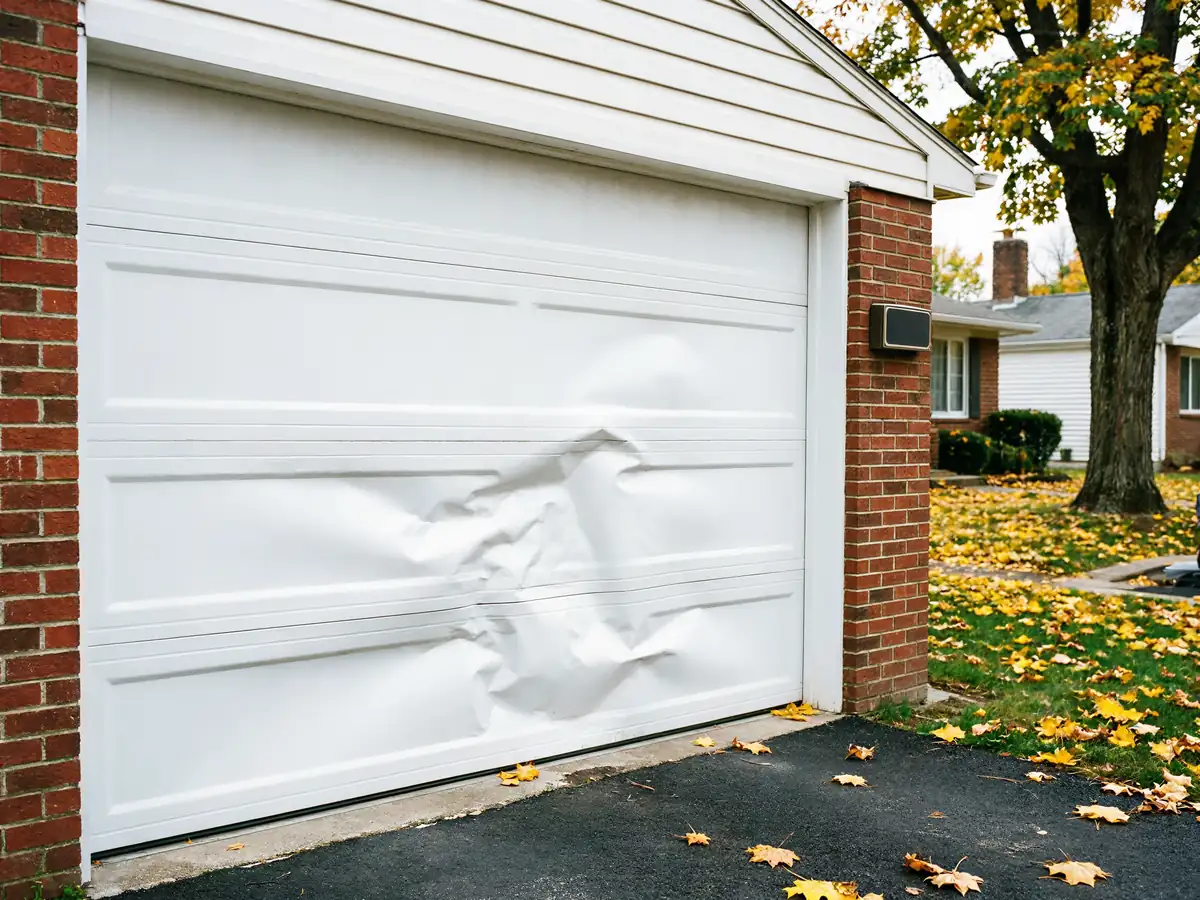
We don't run a branch or a counter in Inver Grove Heights - this is a Lakeville-based crew making the 14-mile drive - so we can't promise a same-hour window the way a shop with a local yard could. What we can do is give you a realistic time when you call, based on where the truck already is that day. If your spring broke with the door down, leave it down and leave the opener alone until we get there; forcing it open on a broken spring is how cables and brackets get bent too, which turns a spring job into something bigger.
What Can Go Wrong
On a house built around 1990, the most common failure we see is a torsion spring that's simply worn out
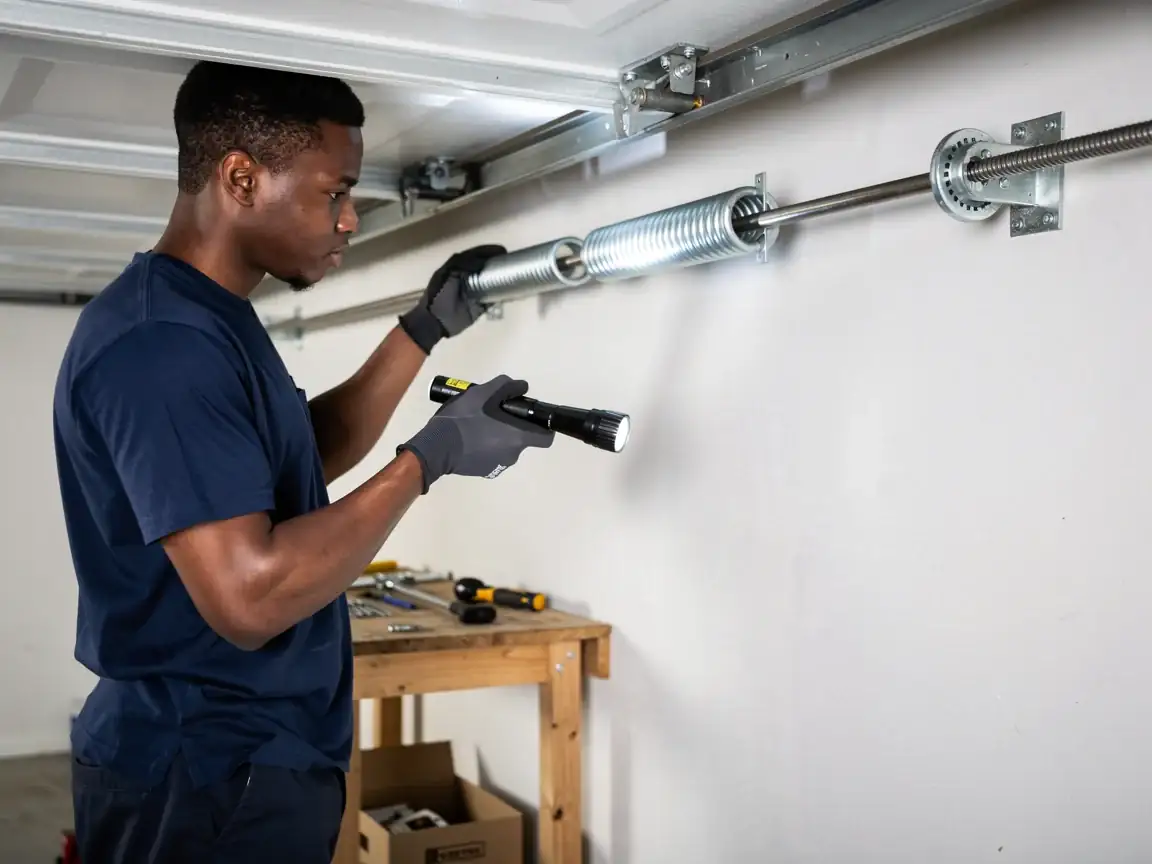
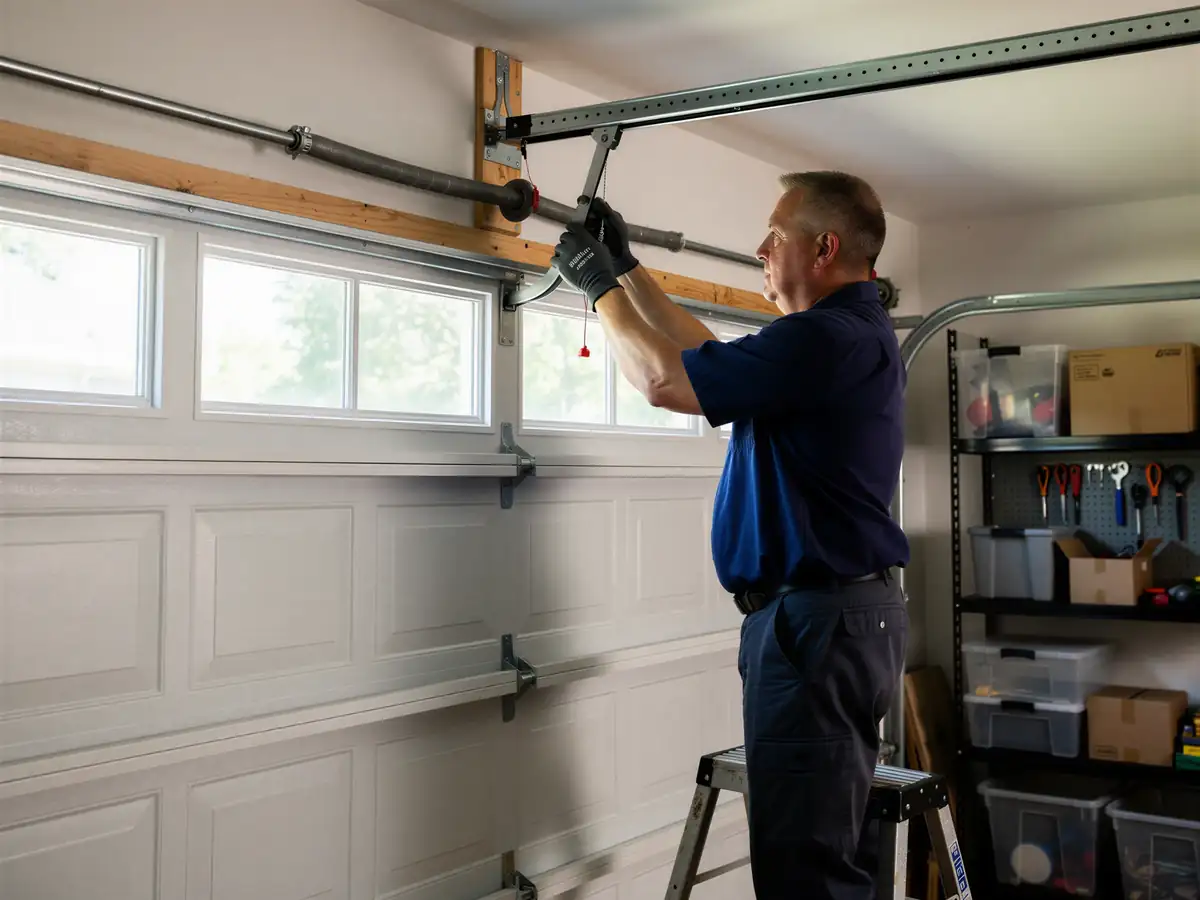
These springs are rated for a number of open-close cycles, and after a few decades of daily use, they fatigue and snap, usually with a loud bang. Second most common: one spring breaks on a double-spring door and the owner doesn't notice right away because the opener is strong enough to limp the door along on one spring for a while. That limping is hard on the opener's gears and on the remaining spring, so it's worth catching early.
Less common but real
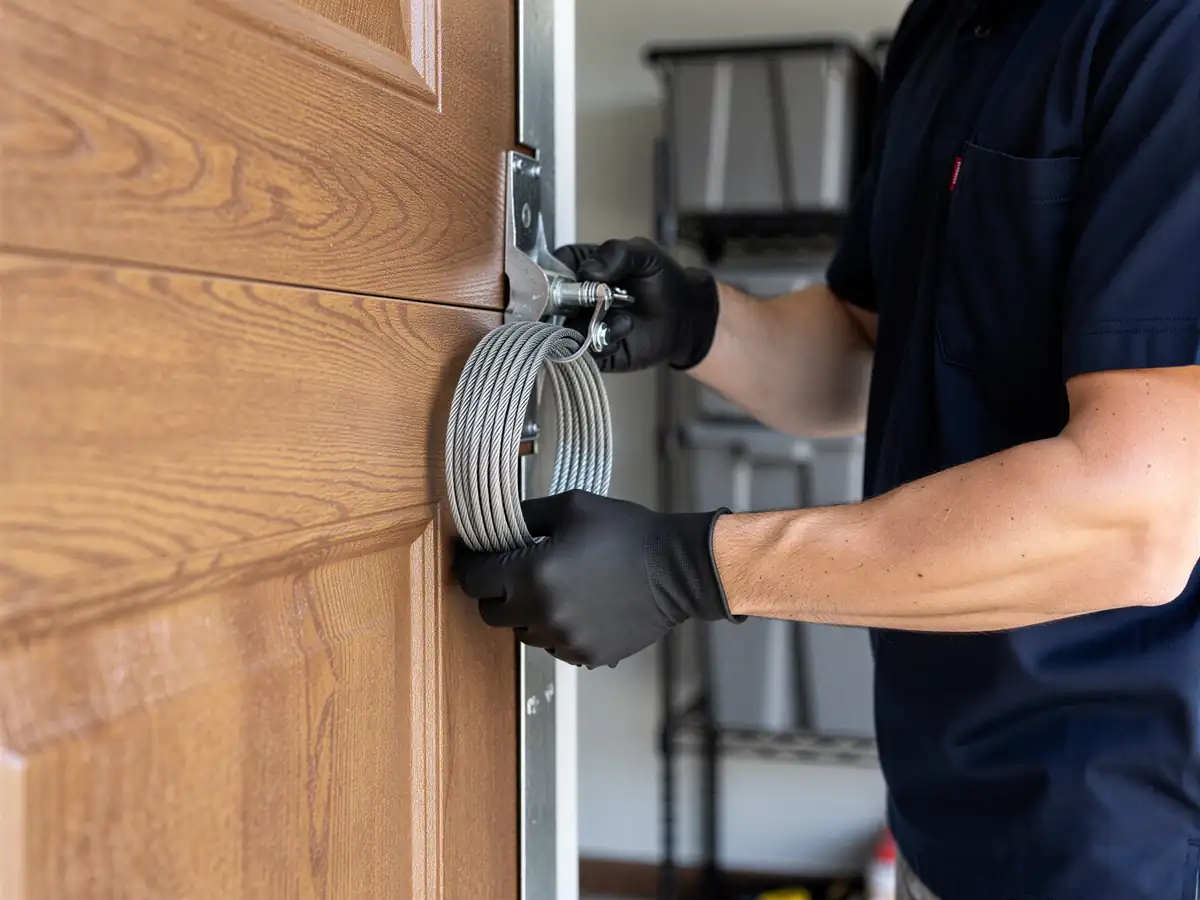
A broken spring that takes the lifting cable with it, or one that's bent a drum or end bearing plate on the way out. Minneapolis-area cold is a factor too - in a climate with real winter swings, metal fatigue in springs can accelerate compared to a mild-climate house, and a cold garage makes a worn spring more likely to go in January than July. We don't carry every spring size and wind on the truck for every possible door, so a less common size can mean a short parts wait rather than a same-visit fix - that's the one limitation worth knowing going in.
Doing It Yourself
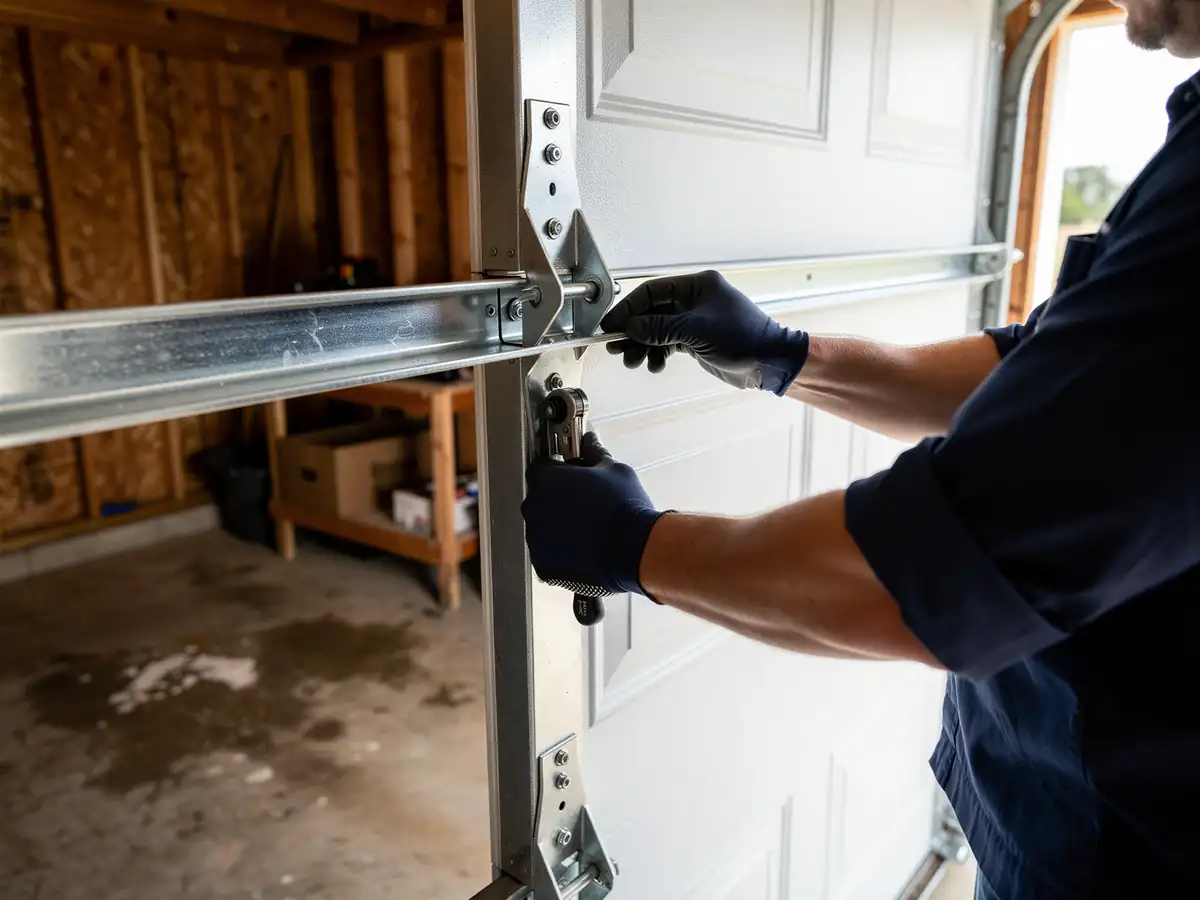
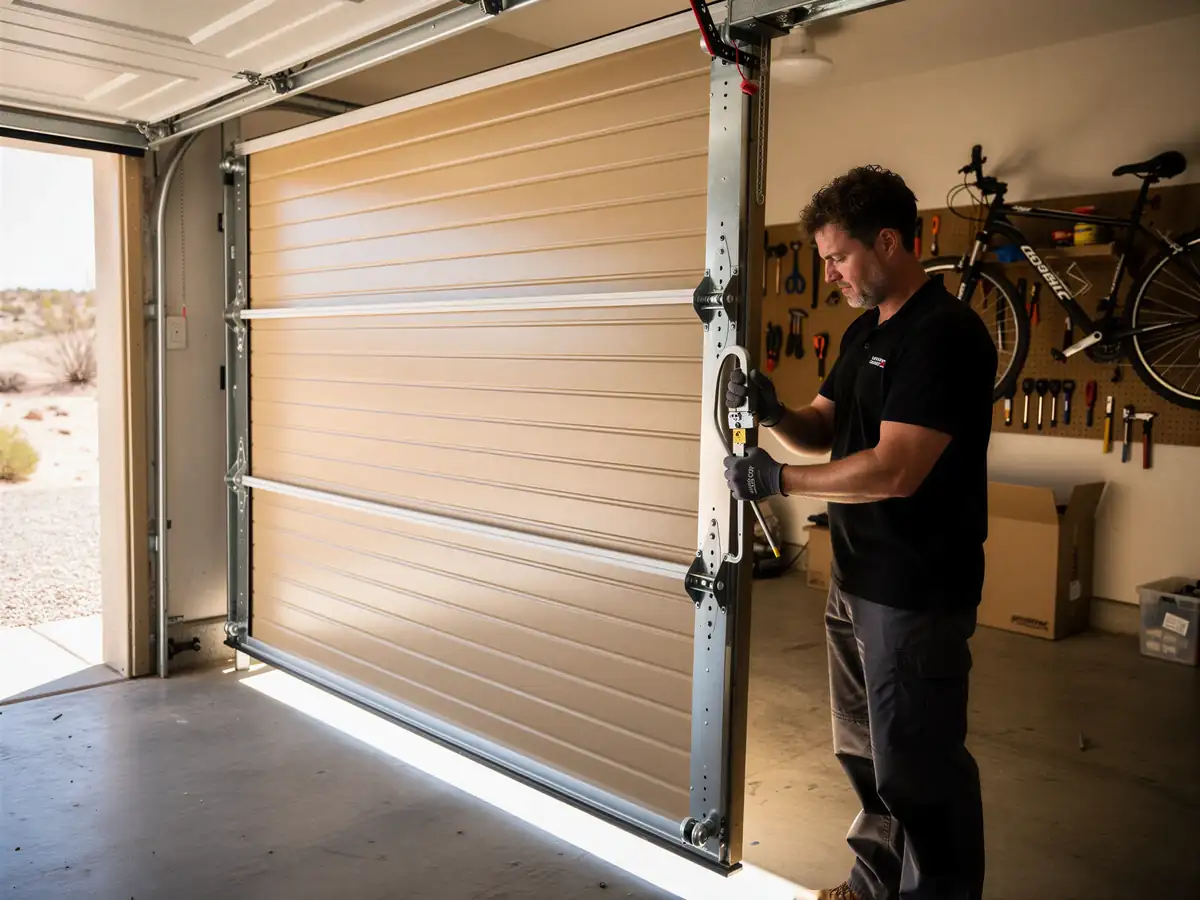
We'll say it plainly: don't try to replace a torsion spring yourself. These springs are wound under several hundred pounds of tension, and the winding bars and clamps needed to do it safely aren't things most homeowners have lying around, let alone know how to use. People lose fingers and worse on this exact job every year. This isn't a filter-change or caulking job.
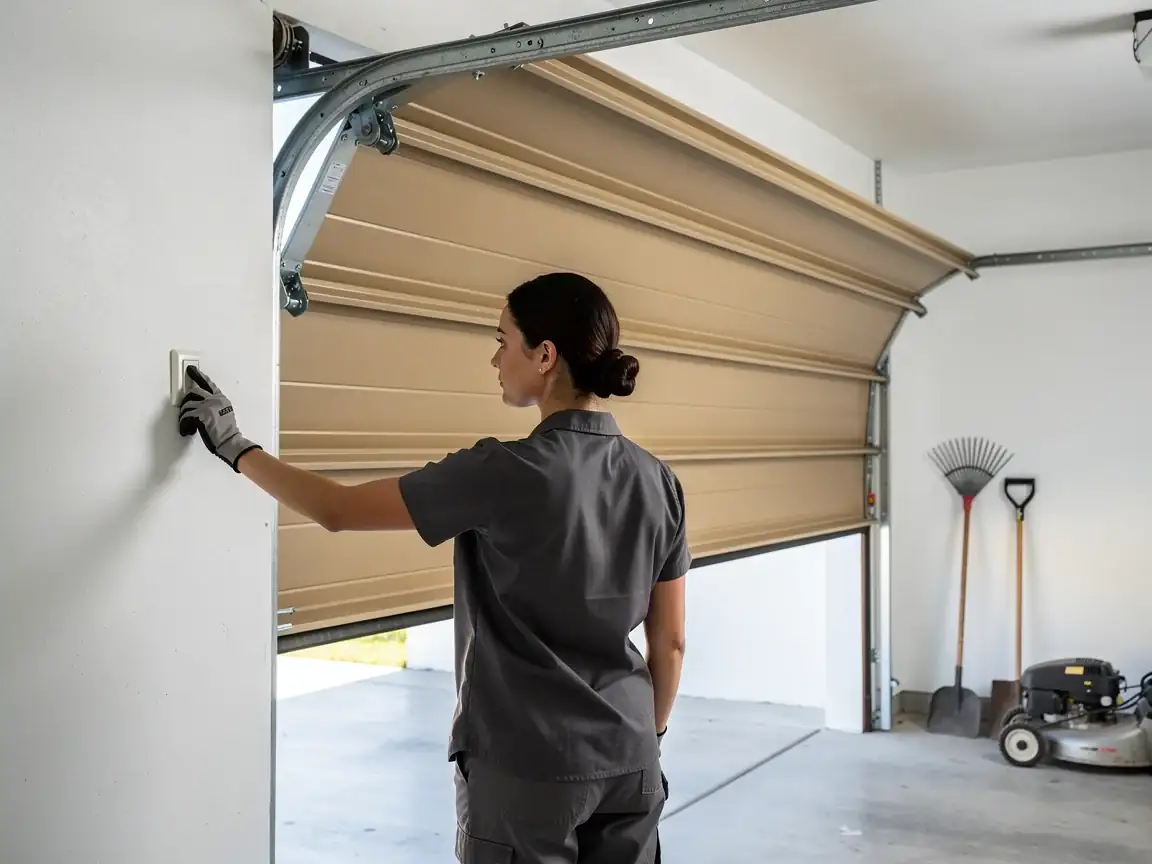
What you can safely check yourself: whether the door is binding on a track, whether a roller has jumped the rail, or whether the opener's travel limits need adjusting - none of that involves the spring under tension. If you hear a bang and the door won't lift, or lifts crooked, that's a spring call, full stop. Don't cut a wound spring, don't loosen the set screws on the winding cone, and don't let anyone stand under the door while it's unsupported. Leave the door closed, unplug the opener so nobody tries the remote, and call it in.