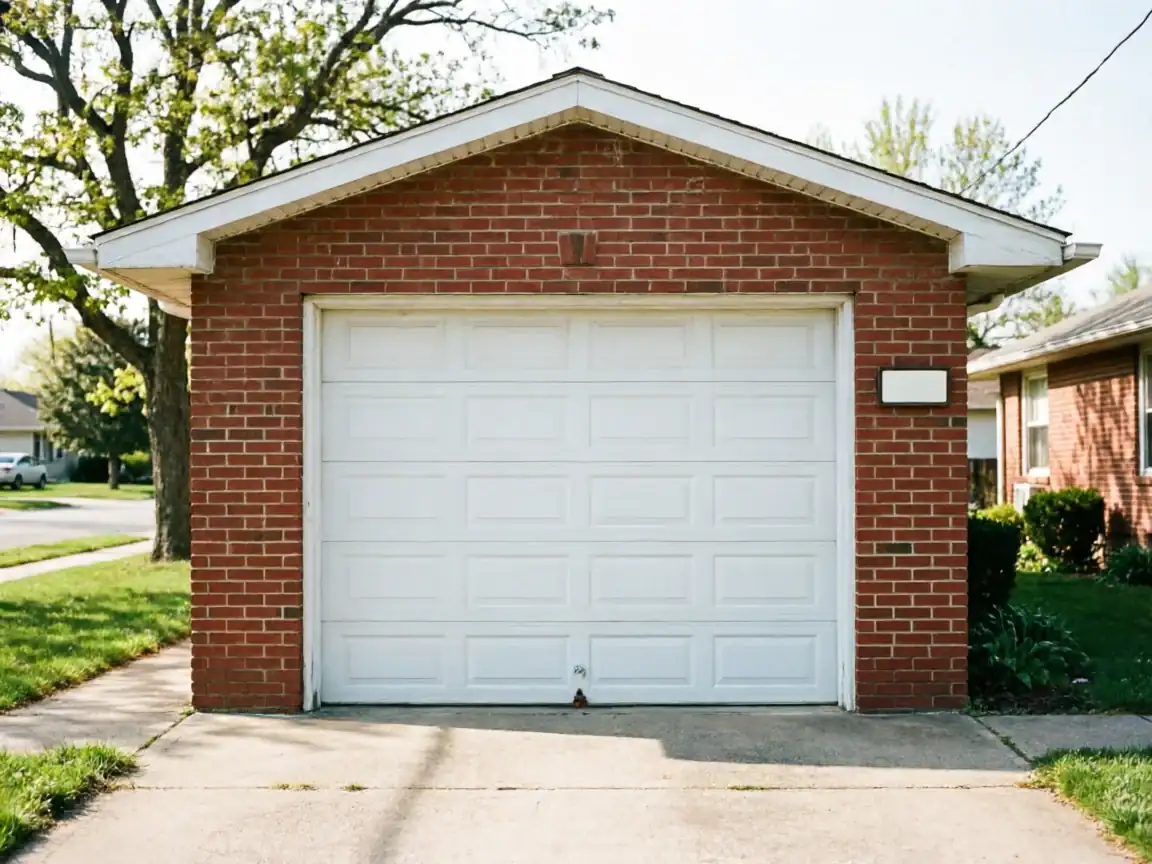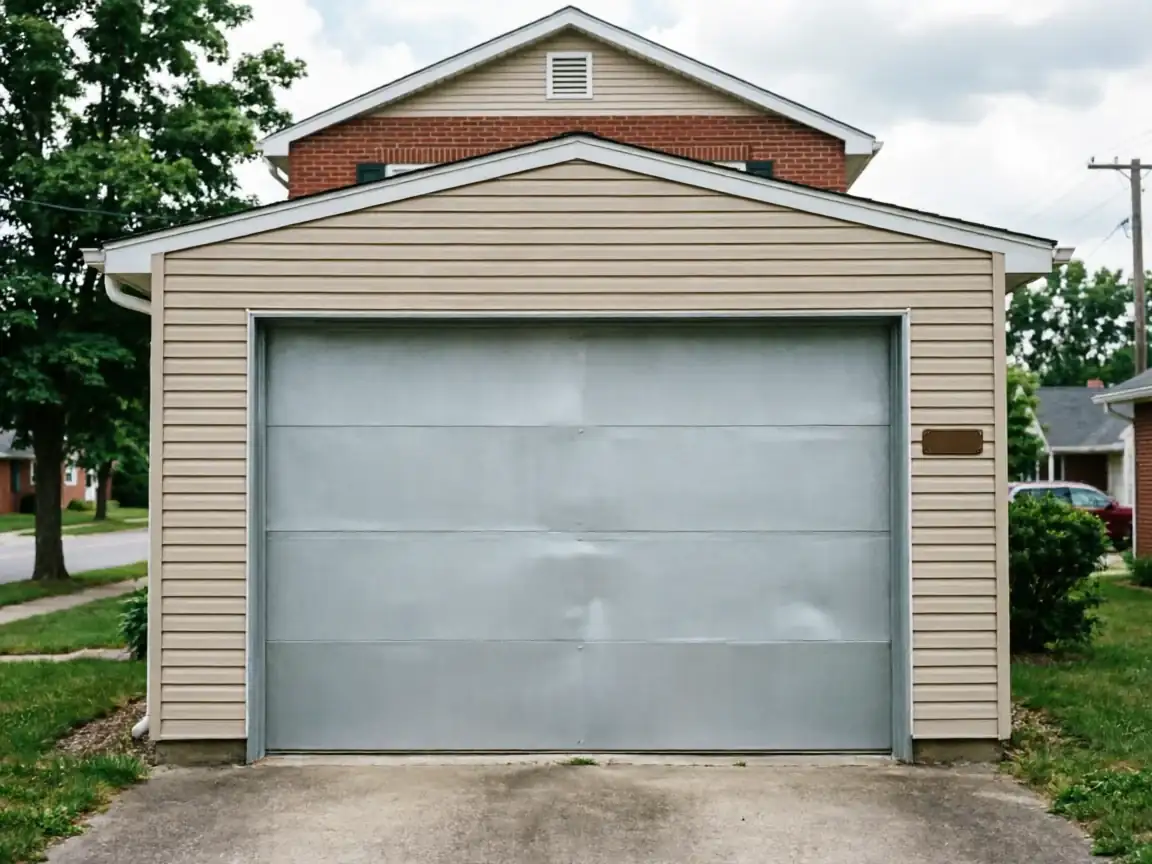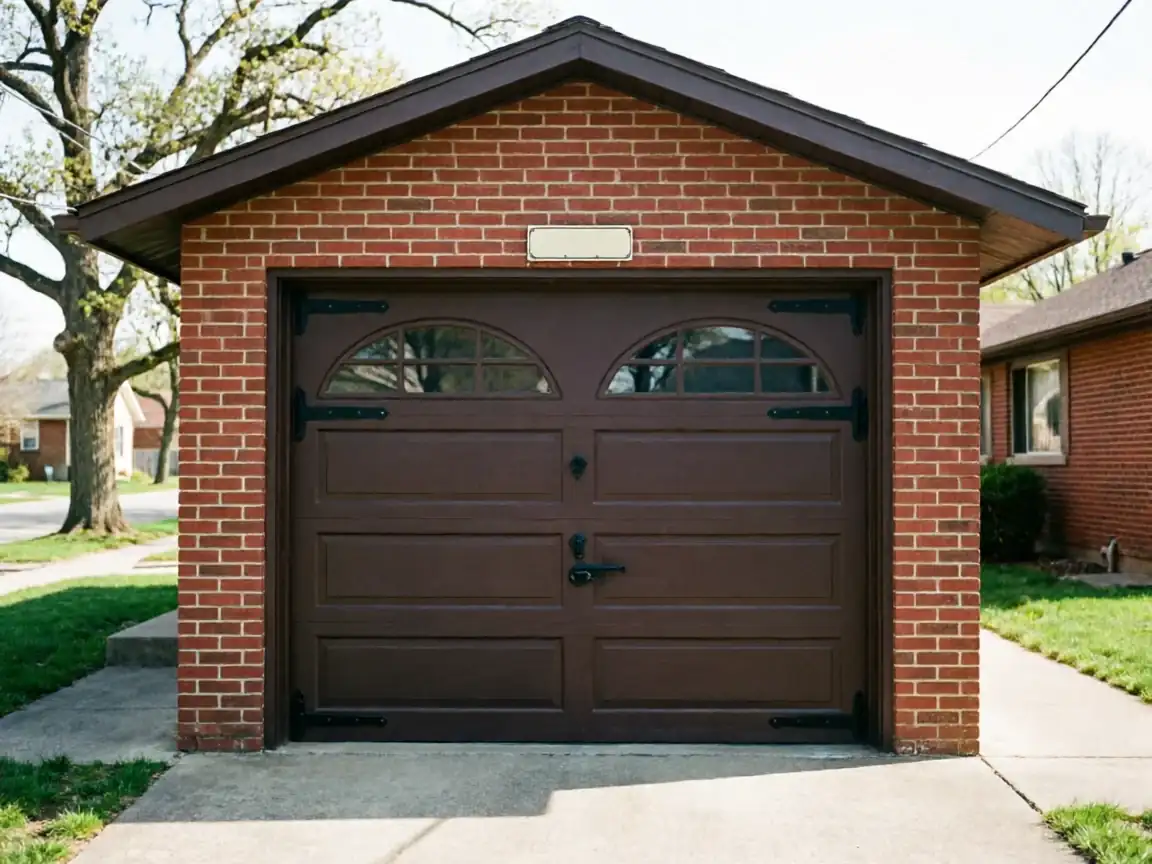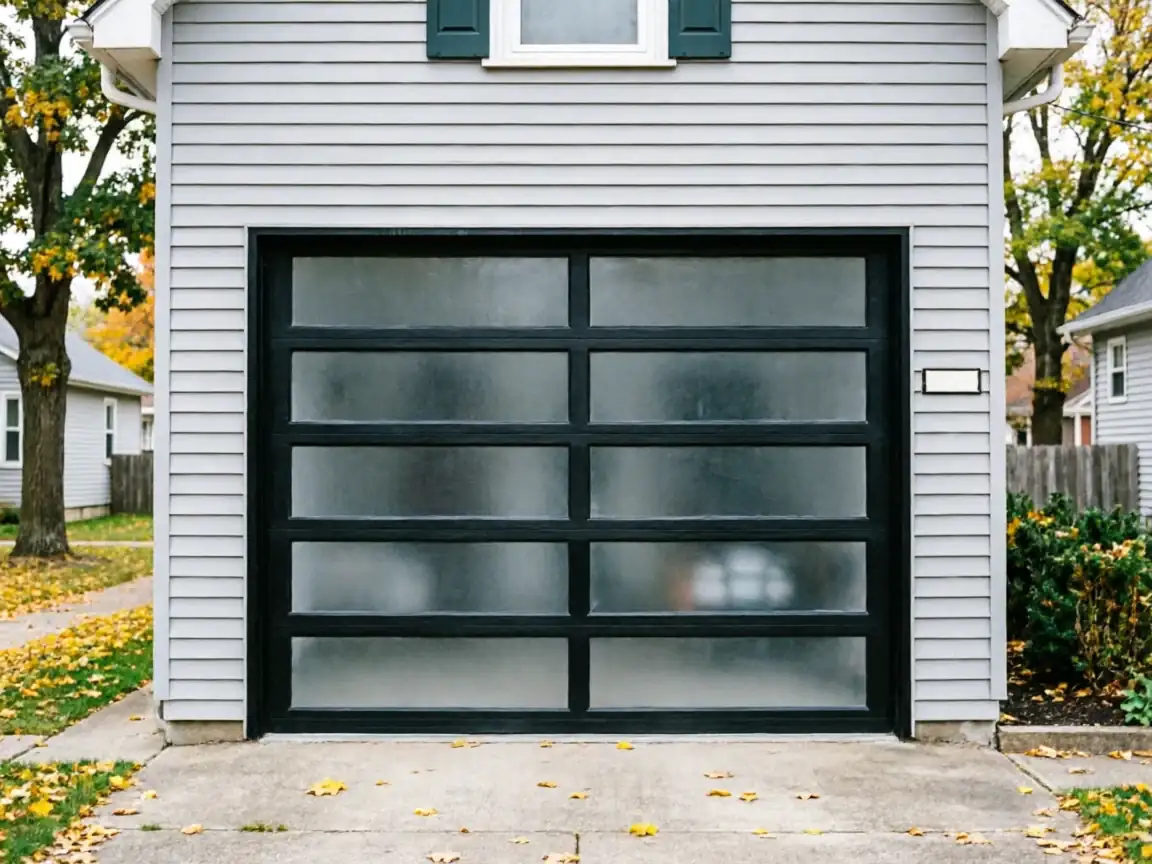
How Long You Are Without the Door
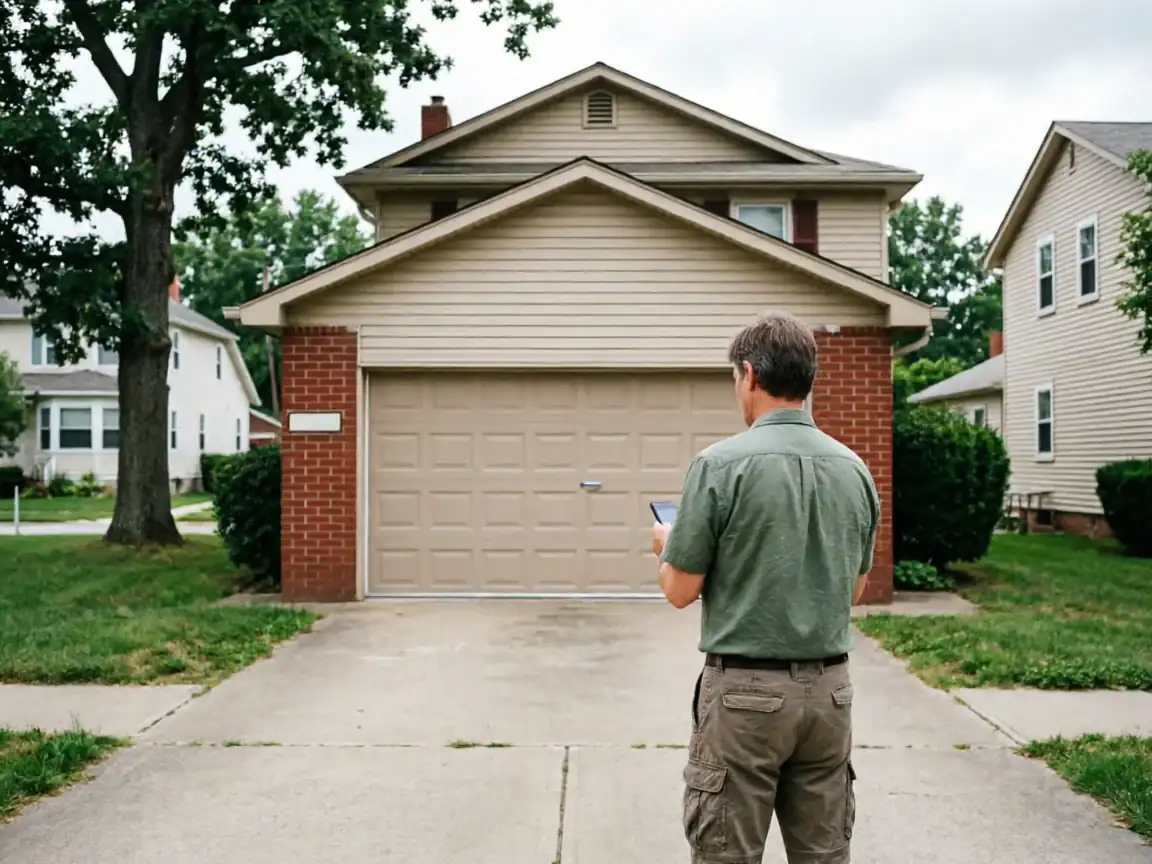
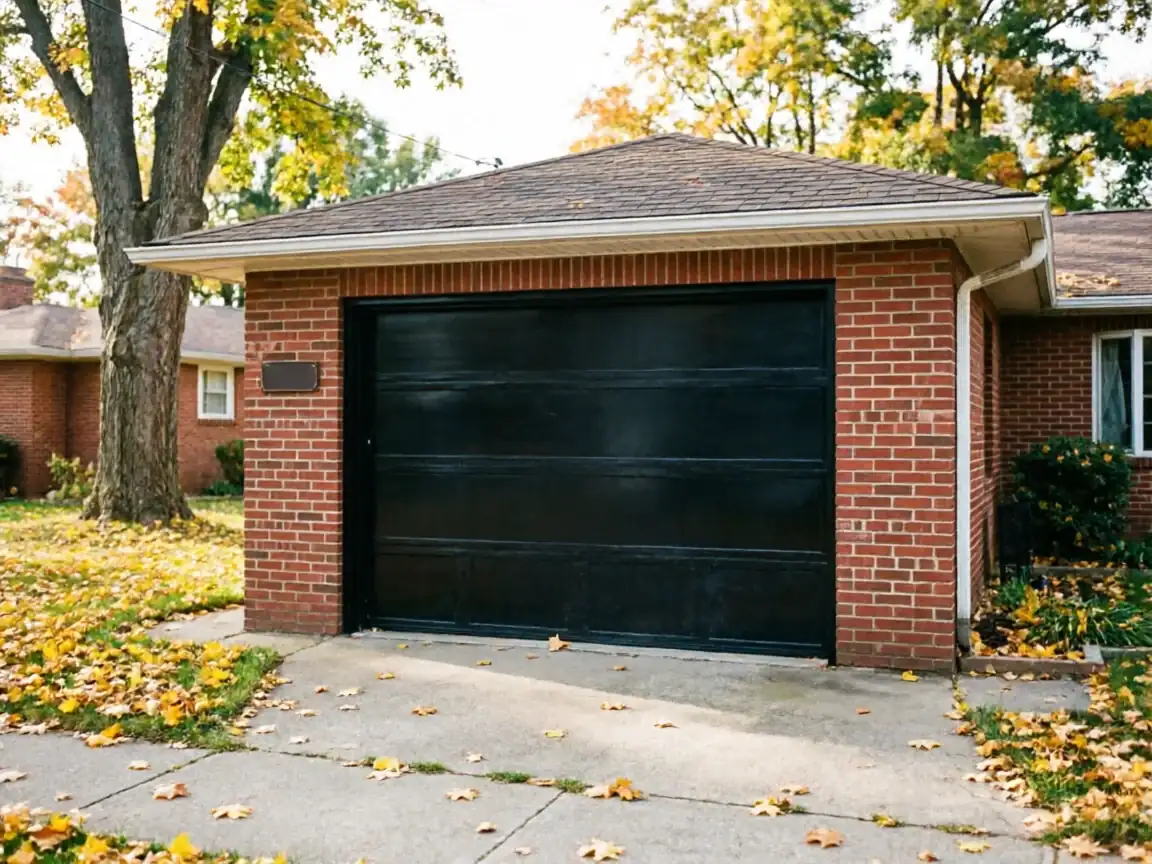
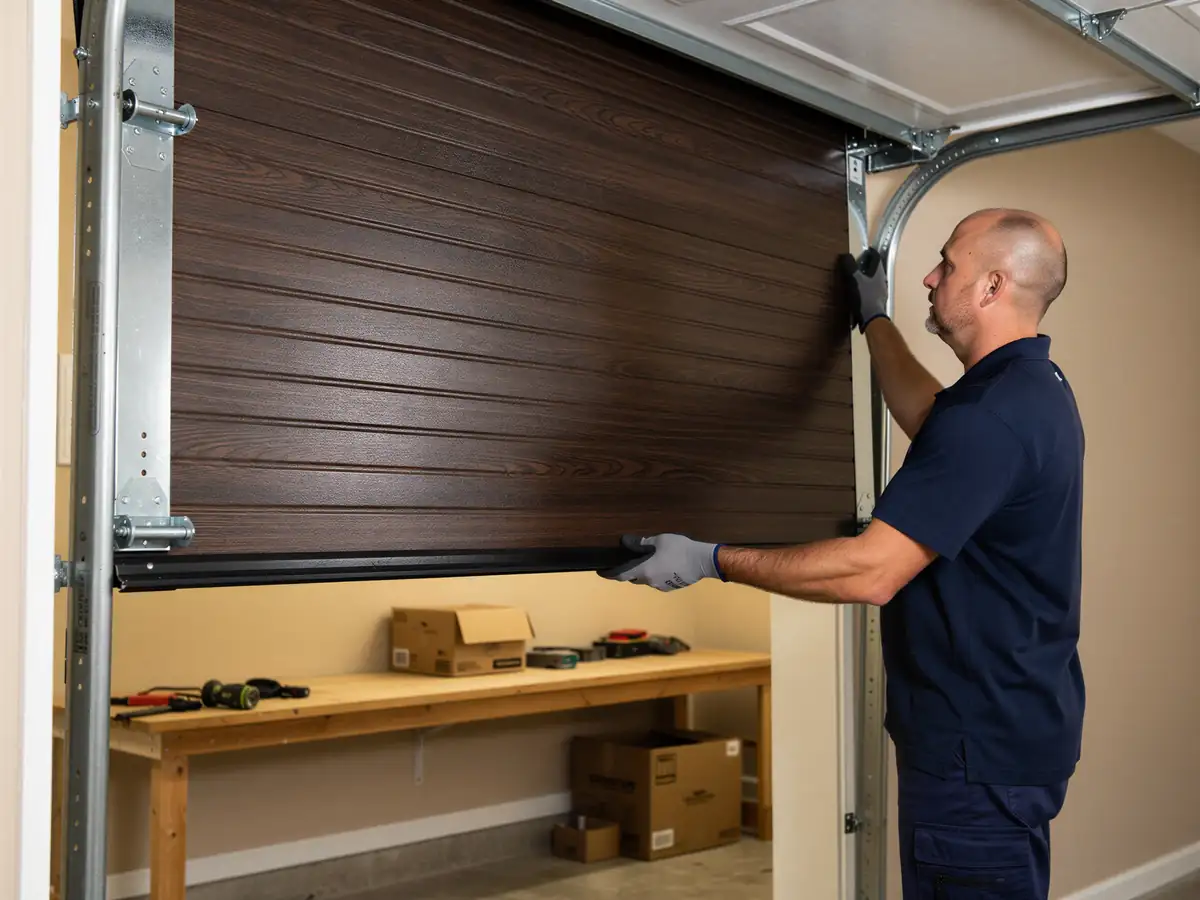
We run this job out of Lakeville, 9 miles up the road, so the drive isn't the bottleneck - matching the panel is. Elko New Market's housing mostly went up around 2004, which puts most doors here in the steel-skin, foam-core era rather than the old solid-wood or single-layer steel doors you'd find in an older part of the service area. That's good news for fit: manufacturers were already standardizing section heights and panel widths by then, so matching an existing section is usually a parts-lookup problem, not a guessing game.
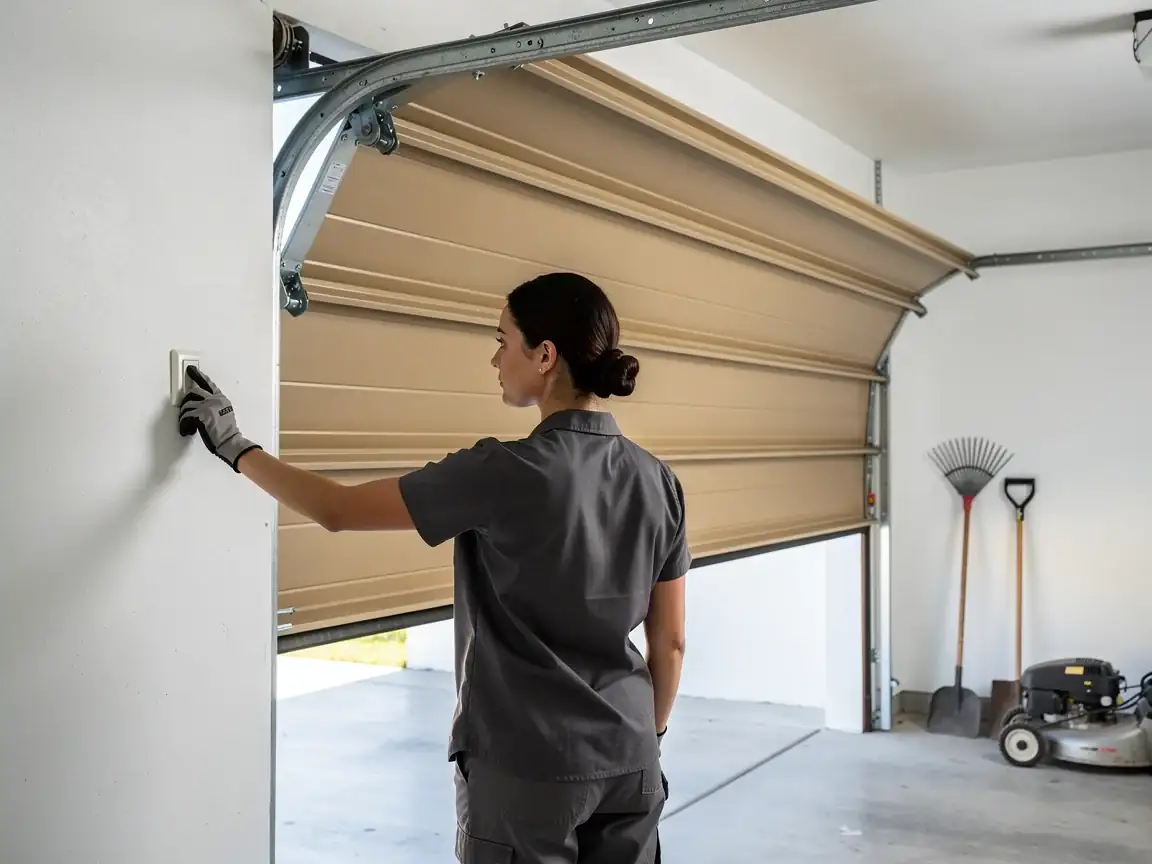
The wait is mostly about the panel itself showing up, not the diagnosis. If your door is a common width and height for a 2004-era build, we can often source the matching section without a special order. If it's a less common size or a discontinued color run, that's where the timeline stretches - we'll tell you straight if we're waiting on a supplier rather than letting you assume we're just slow. In the meantime a single damaged panel on an otherwise sound door doesn't have to mean the door sits open or unsecured; we can usually brace or secure it so the house stays closed up while the part is in transit.
How to Book
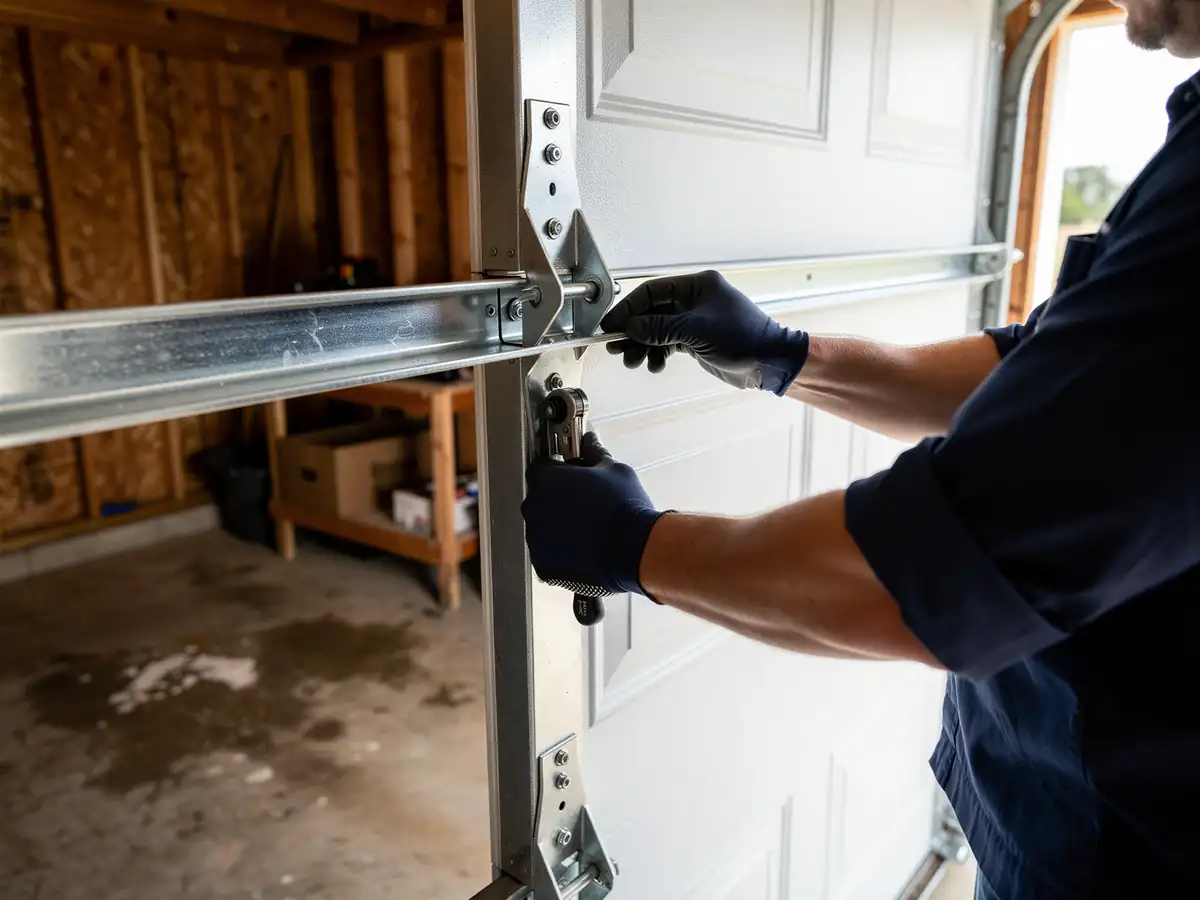
Since we're covering Elko New Market from Lakeville rather than keeping a crew parked in town, the fastest way to get a straight answer on parts and timing is to tell us the door's age and, if you have it, the brand or model sticker on the inside of the section. A 2004-built house usually still has that sticker legible, unlike a lot of older stock where it's worn off or painted over.
You can see how we cover the wider area, including Elko New Market, on our service area page, and if what you actually need is a full door swap rather than one panel, our Lakeville panel and door replacement page covers that broader job. For this specific repair - one or two damaged sections on a door that's otherwise working - give us the dimensions and a photo if you can, and we'll tell you whether it's a stock match or a special order before we book the drive out.
The Cost of This Job
We don't have a flat number to quote here without seeing the door
And we're not going to invent one. What we can tell you is what drives the cost on a house built around 2004: these doors are almost always steel sandwich panels with a foam core, and a replacement section matched to the existing finish and insulation rating costs more than a bare, uninsulated steel panel would. If your door is a common builder-grade model from that era, parts tend to be easier to source and the job is more predictable. If it's a higher-end insulated door with a less common panel profile, expect the panel itself to cost more than the labor to install it.
One honest limit: if more than two sections on a door are damaged
Or the track and hinges show wear along with the panel, replacing the whole door is often cheaper and more reliable than chasing discontinued matching panels one at a time. We'll tell you when we think that's the case instead of selling you a patch job that won't hold.
What Can Go Wrong
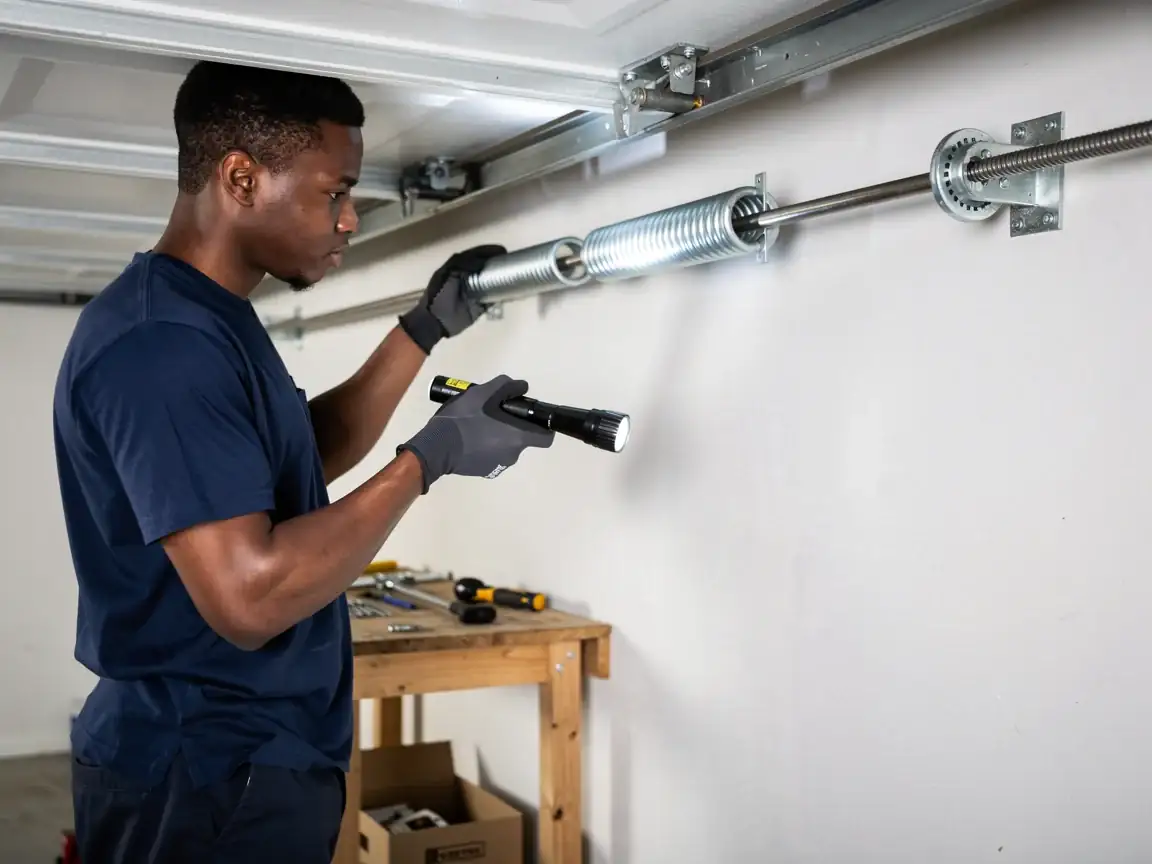
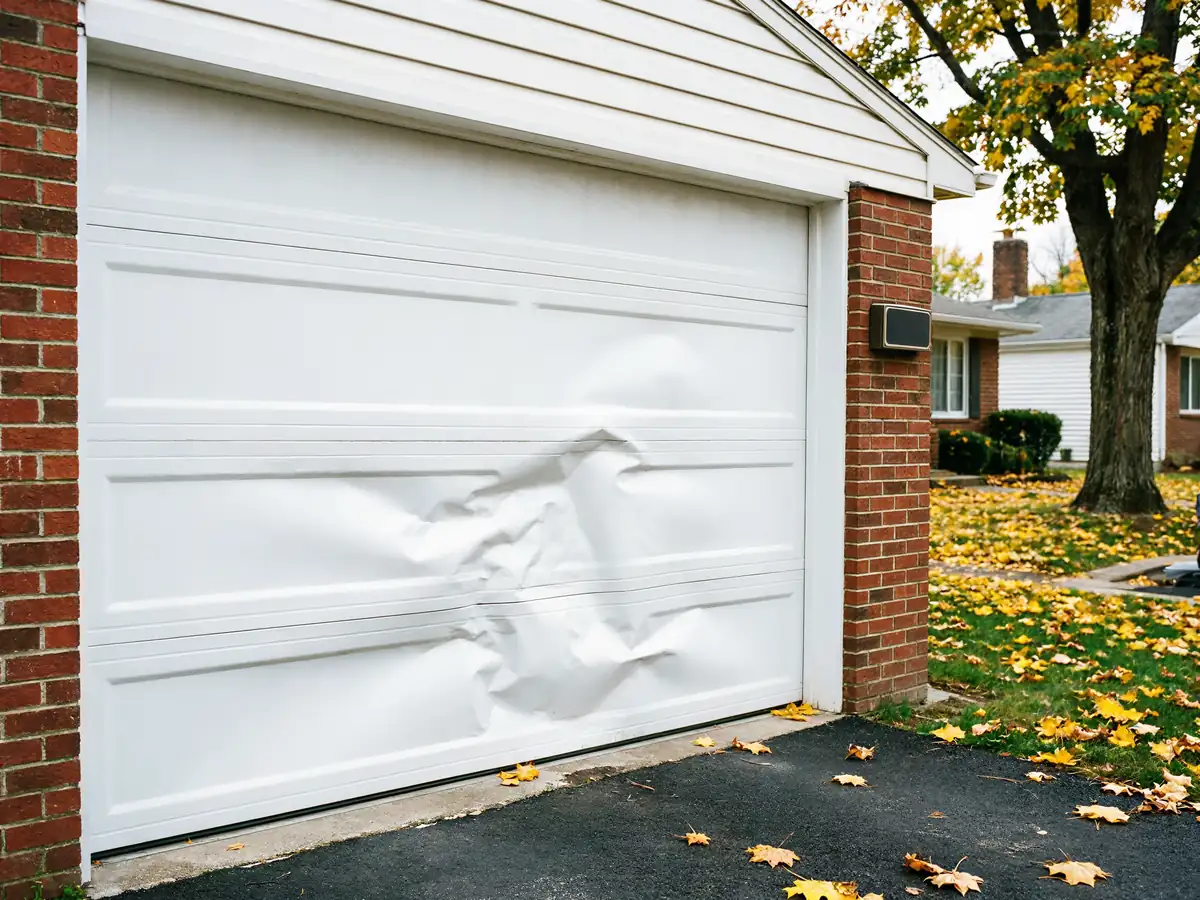
The newer steel-and-foam panels common in Elko New Market's 2004-era stock fail differently than the solid wood or single-layer steel doors on older houses elsewhere in the area. The most common issue we see on these doors is delamination - the foam core separating from the steel skin at a seam, which shows up as a soft spot or a panel that flexes when you push on it rather than a clean crack. A hard impact, like a car bumper or a ladder, can crease the steel skin without breaking it, which still throws off the whole section's fit against its neighbors.
Cold-climate moisture is the other factor. Minnesota winters put these doors through repeated freeze-thaw cycles, and on the bottom panel especially, trapped moisture between the steel skin and foam core can rust the panel from the inside out before it shows on the surface. By the time you see bubbling paint or a rust line at the bottom edge, the foam behind it has usually already taken damage. Catching that early, before the rust reaches the hinge mounts, is the difference between swapping one panel and replacing the whole door.