How Long You Are Without the Door
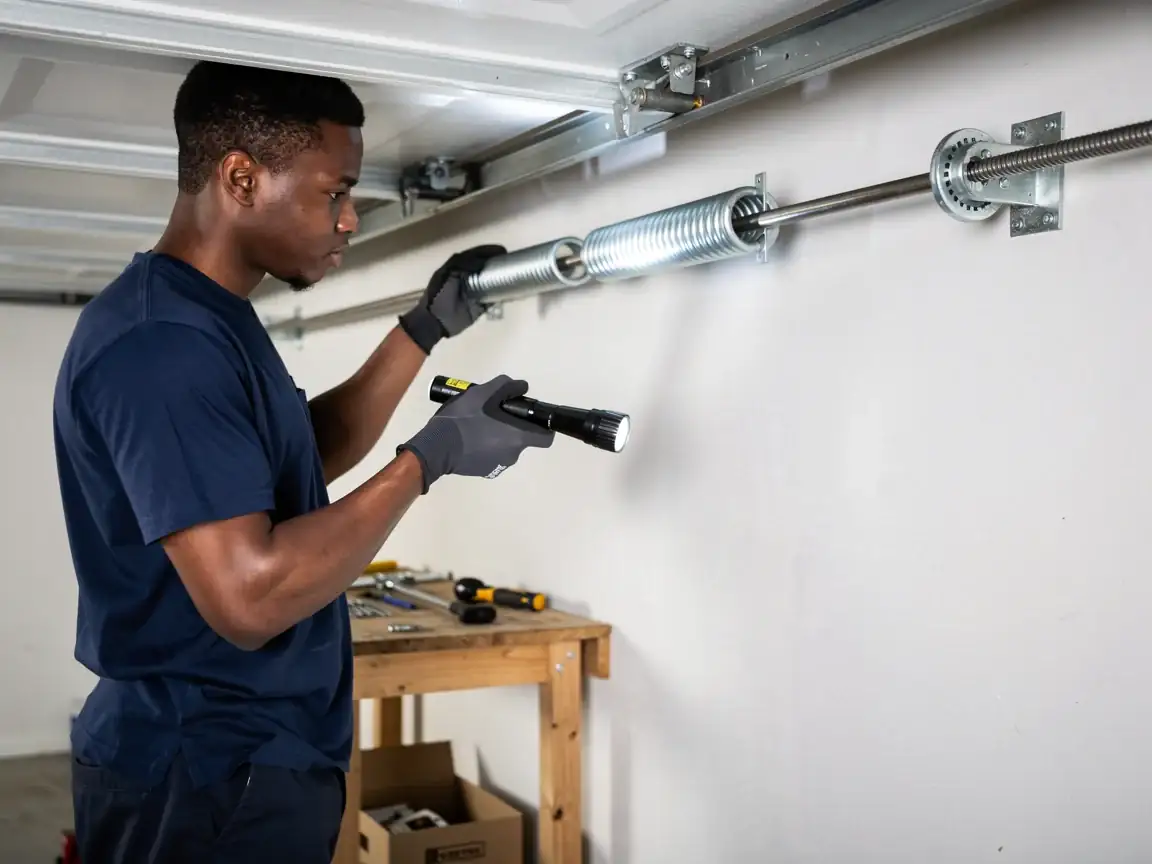
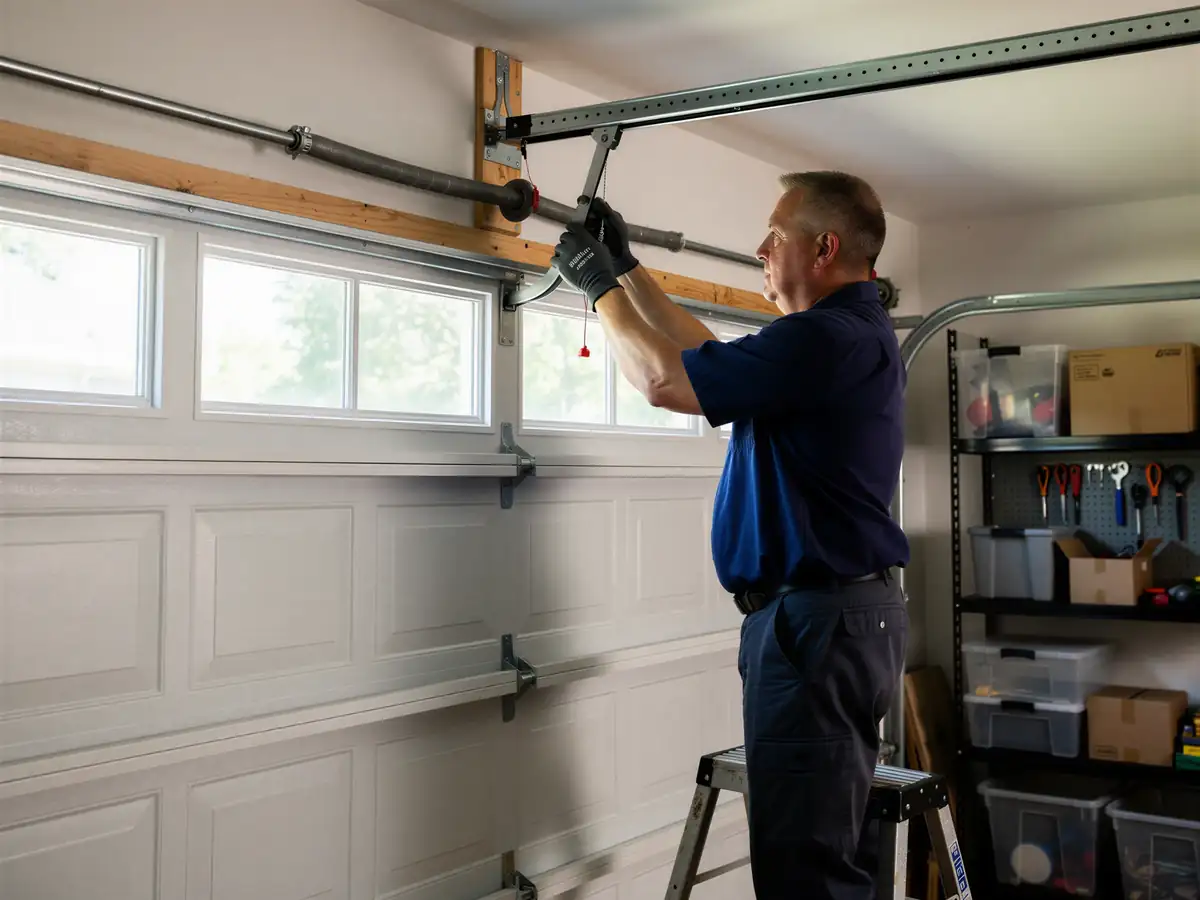
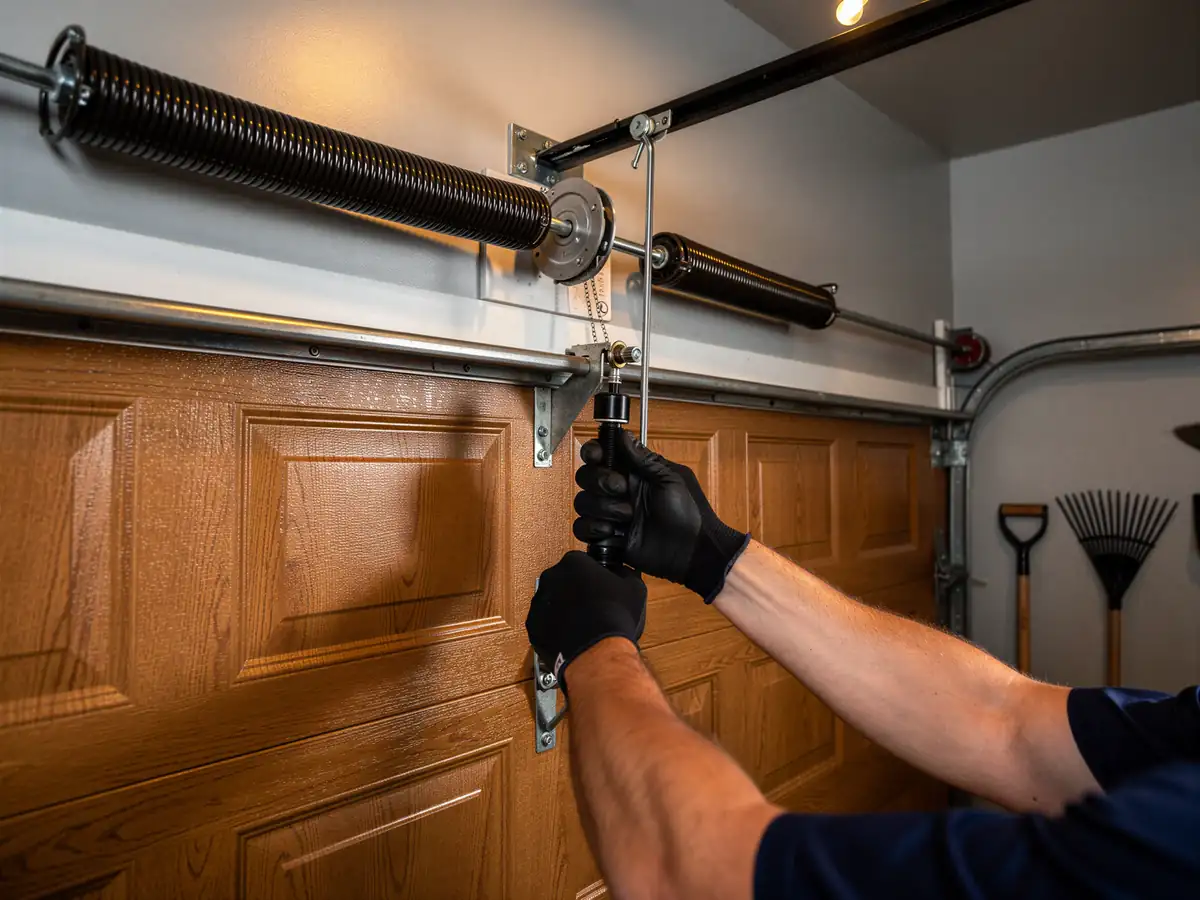
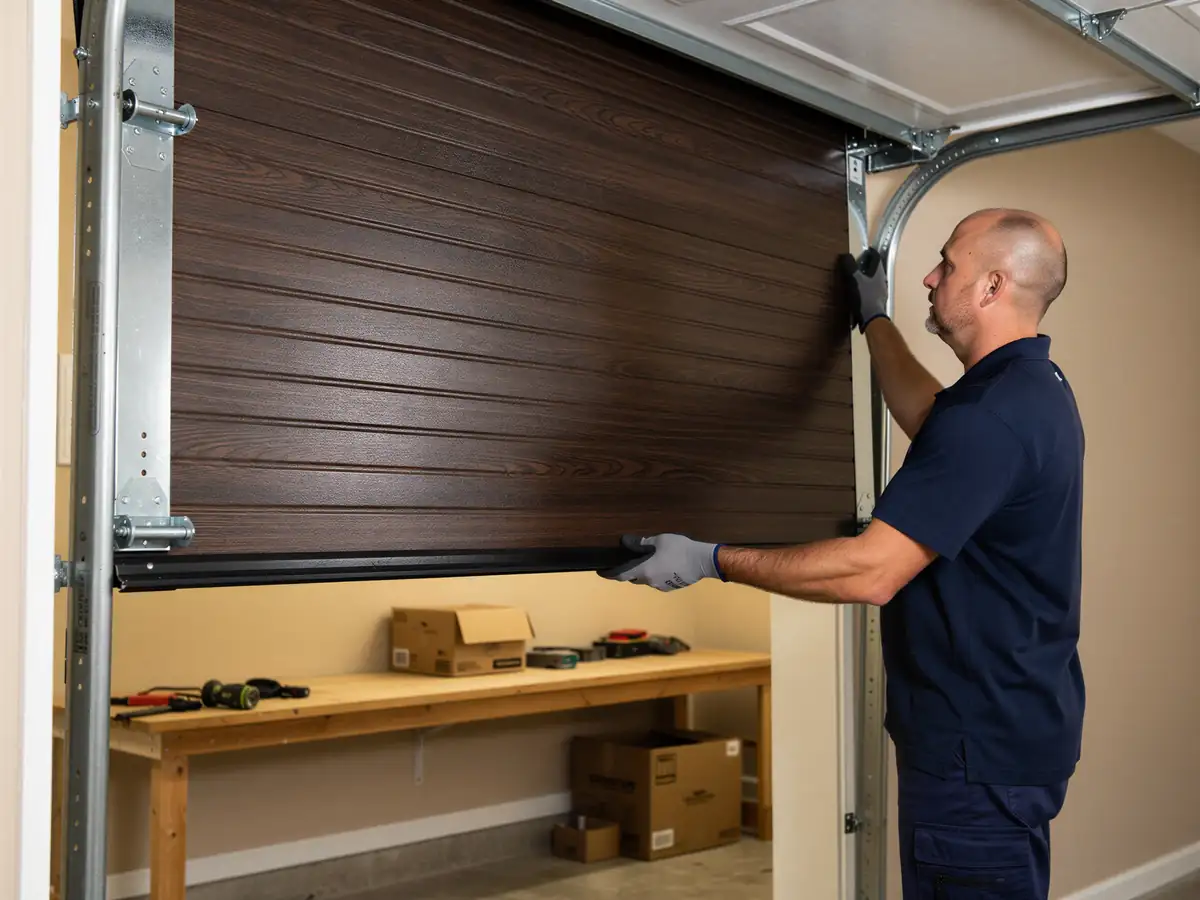
We run this job from Lakeville, nine miles up the road, so a maintenance visit here doesn't mean waiting on a crew with no other stop that day. Because Elko New Market's housing stock centers on a median build year of 2004, two decades newer than the 1984 median across the wider service area, most doors we open up here are original factory installs with galvanized torsion springs and sealed bearings, not the patched-together hardware you find on older houses. That usually means the inspection and adjustment itself runs quick, no digging through decades of mismatched replacement parts. The time sink, when there is one, is almost always a part we don't carry on the truck for a job this specific, and we'll say so rather than stall you with a second visit we didn't need to book. A routine tune-up, lubrication, track alignment, cable tension check, balance test, is a same-visit job on a door this age. What takes longer is if the opener's logic board has started failing intermittently, which shows up more on doors nearing the fifteen-year mark than on fresh ones.
How to Book
Start at our Elko New Market area page to see this town listed alongside the other towns we reach from Lakeville. From there you can request a maintenance visit without having to explain where you are first. With 1,578 households here, this is a smaller town than most of the other stops on our route, so scheduling tends to be straightforward rather than squeezed between bigger jobs. Tell us the door's age and whether it's ever had a spring or opener replaced; on a 2004-era build that's often still the original setup, and knowing that ahead of time means we bring the right parts instead of guessing. We don't maintain doors we haven't seen, so the first visit always includes a full look at springs, cables, rollers, and the opener's force settings before anything gets adjusted. If you're not sure whether your door needs a tune-up or something more, say so when you call; we'd rather talk it through than show up for the wrong job.
What Can Go Wrong
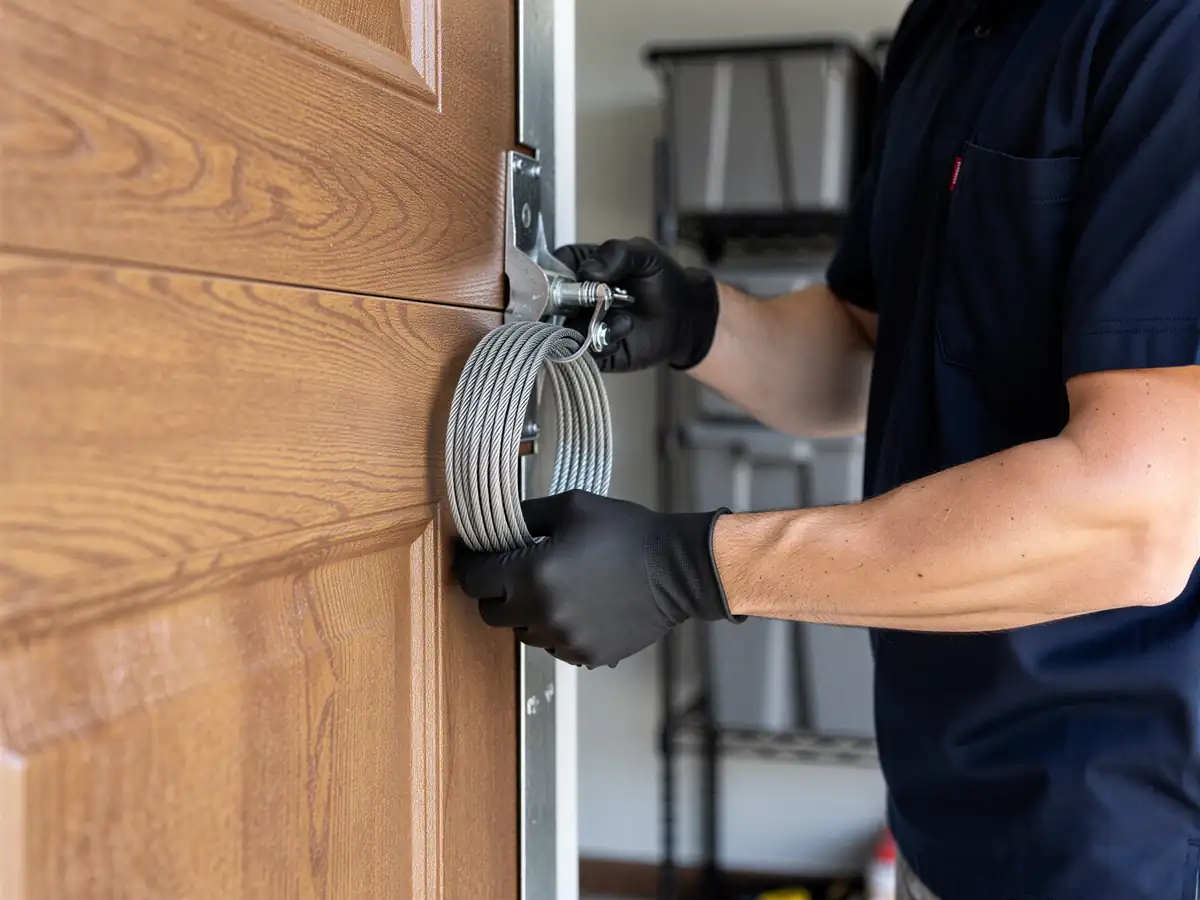
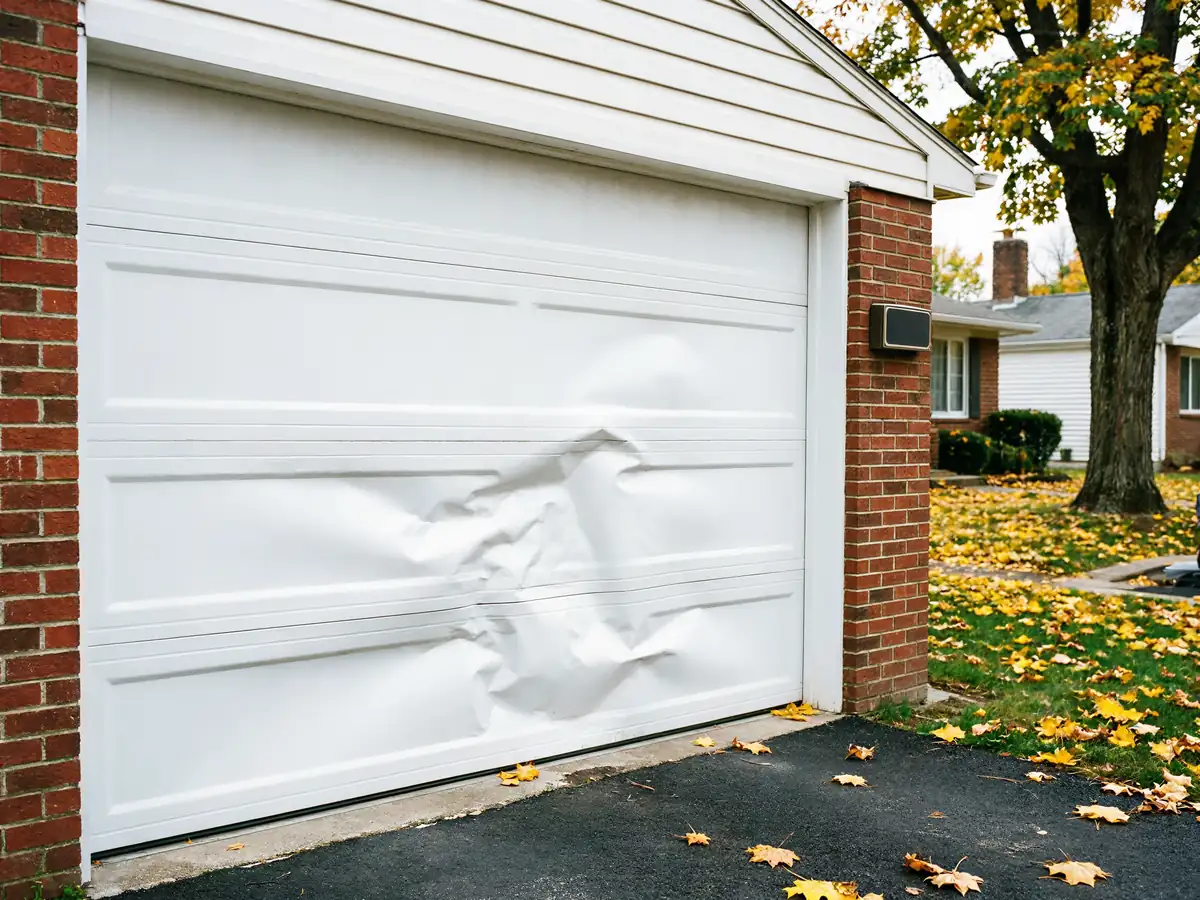
This area sits in a cold-moderate climate band, and that's the main thing that wears on a door built in the early 2000s. Grease hardens in winter, weatherstripping cracks at the bottom seal, and the opener's force setting can drift as the door's weight balance shifts slightly with age, none of which shows up as a dramatic failure, just a door that's slightly harder to open each month until one day it isn't. On newer doors like the ones common here, the failure point is more often the opener's electronics or a sensor knocked out of alignment than the spring itself, which is a different problem than what we see on houses built decades earlier. We'll be straight about one limit: if a part has to be special-ordered, that adds days we can't shorten, and we won't pretend otherwise just to get the job booked. Catching a worn roller or a fraying cable at a maintenance visit is cheap. Catching it after it snaps mid-cycle costs more and sometimes takes the opener motor with it.