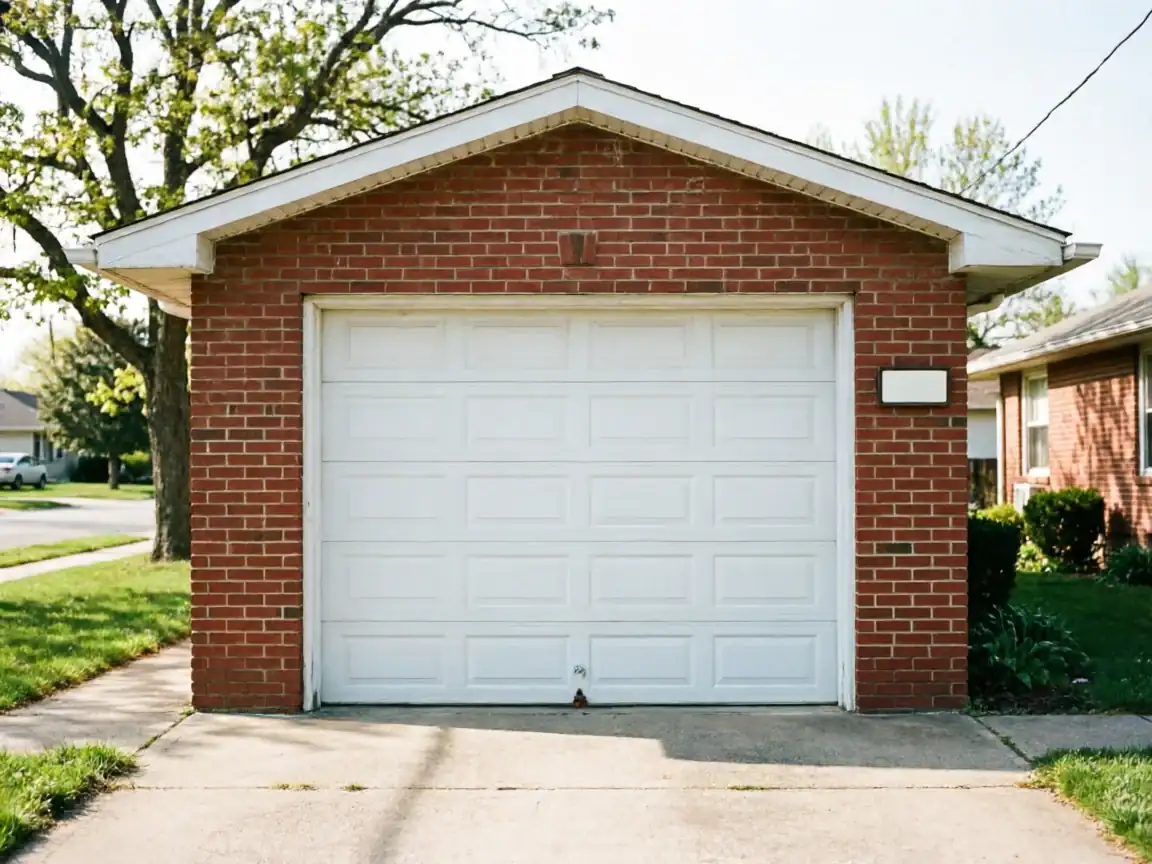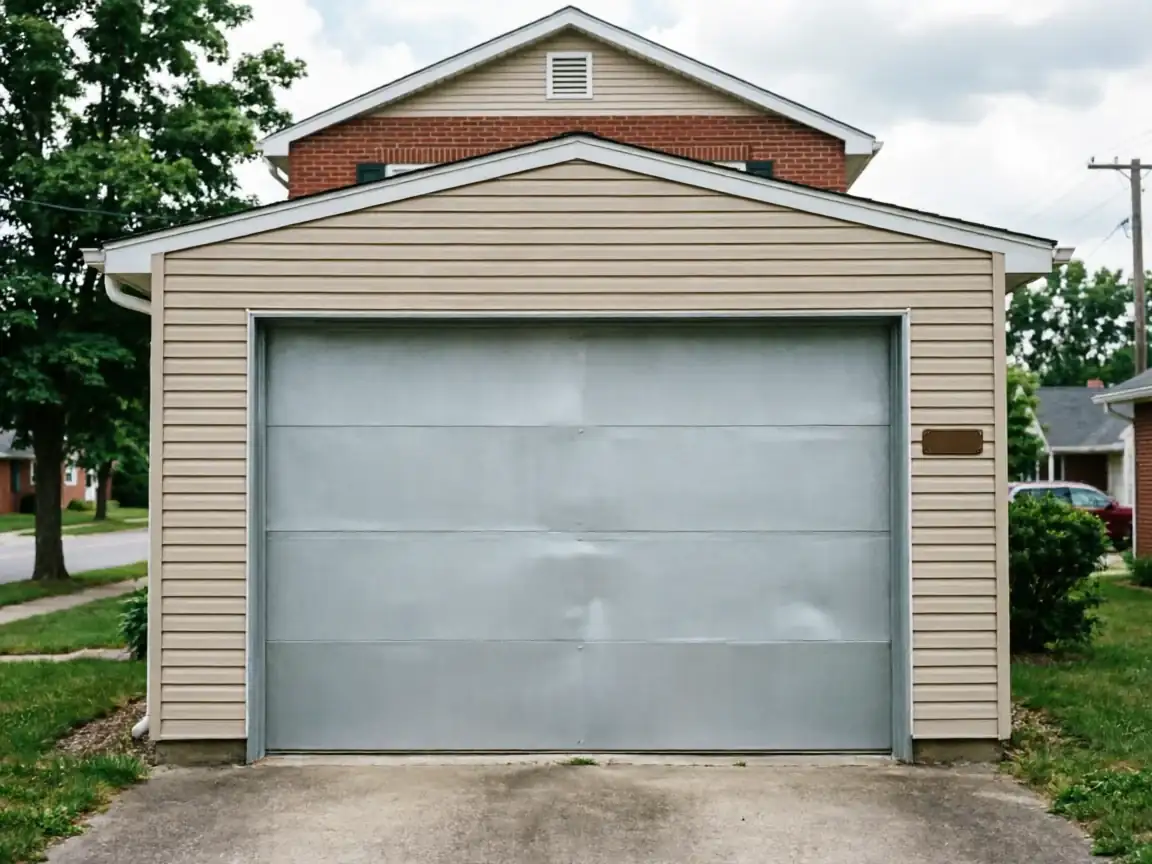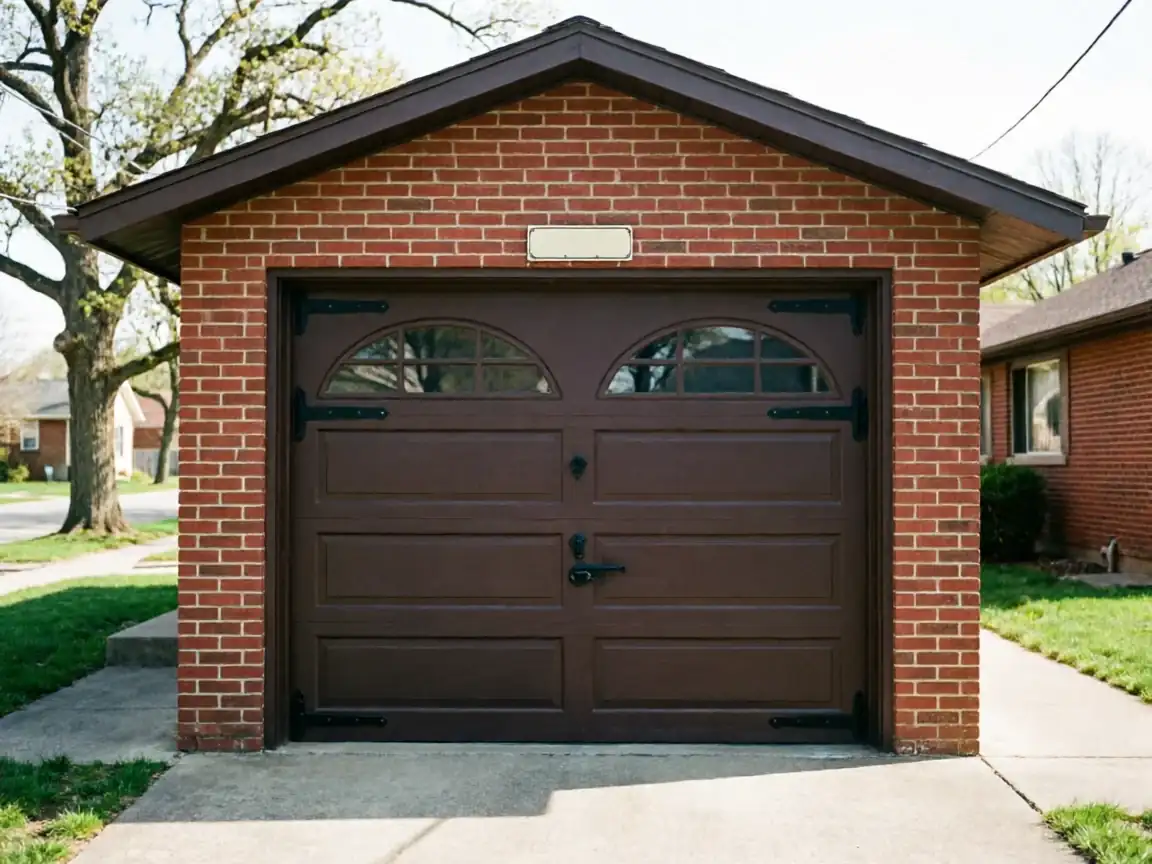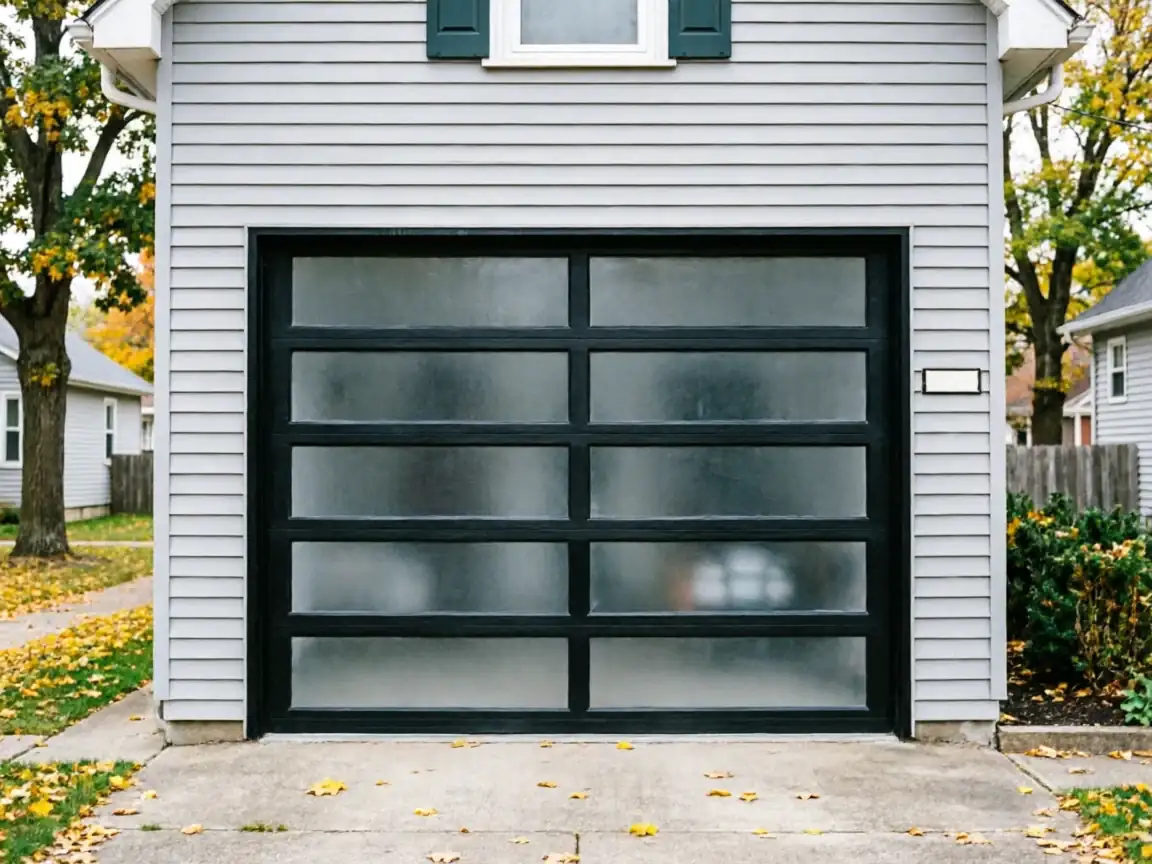
How Long You Are Without the Door
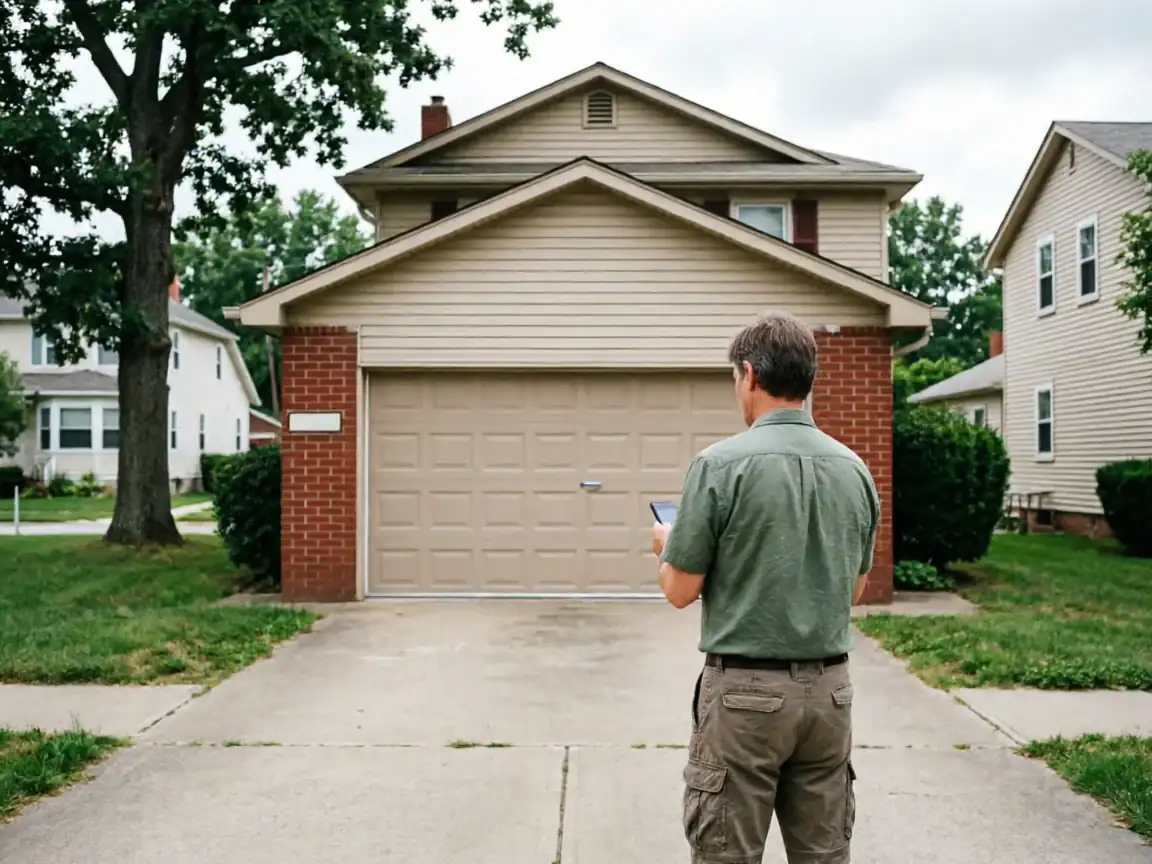
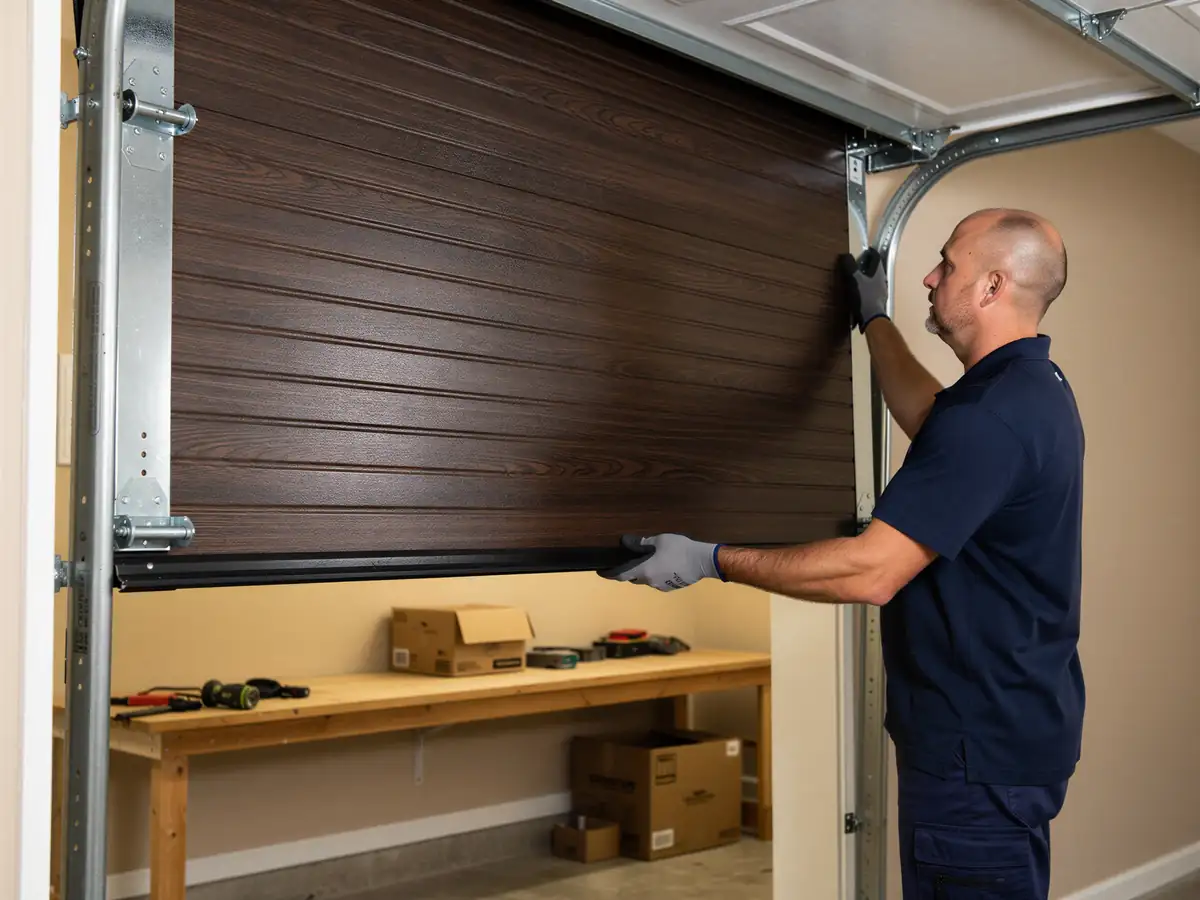
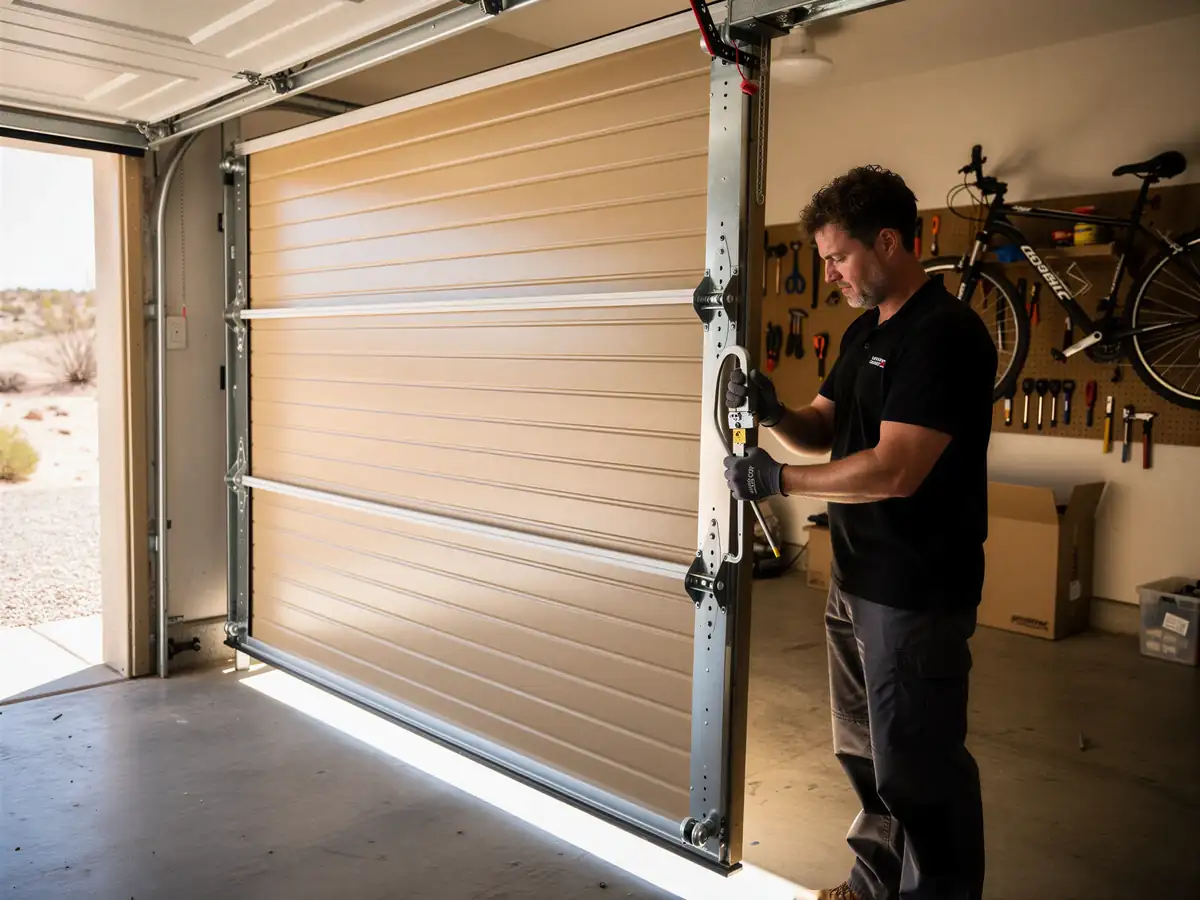
Elko New Market sits 9 miles from our Lakeville shop, which matters more for an install than for a repair call. A new door job isn't a 20-minute fix - it's measuring the opening, confirming the track and spring sizing against the header, then coming back with the actual door and hardware loaded on the truck. On that drive, a scheduling miss costs real time, so we build the second trip into the quote instead of guessing.
Houses here mostly went up around 2004, newer than the 1984 median across the wider service area. That means standard openings, square headers, and headroom that hasn't settled or shifted the way it has in older stock. The upside: fewer surprises once we're on site, and less chance of discovering the rough opening is a half-inch out of square. We still bring shims and won't promise a same-day swap sight unseen - some openings need a trim piece we don't carry on the truck.
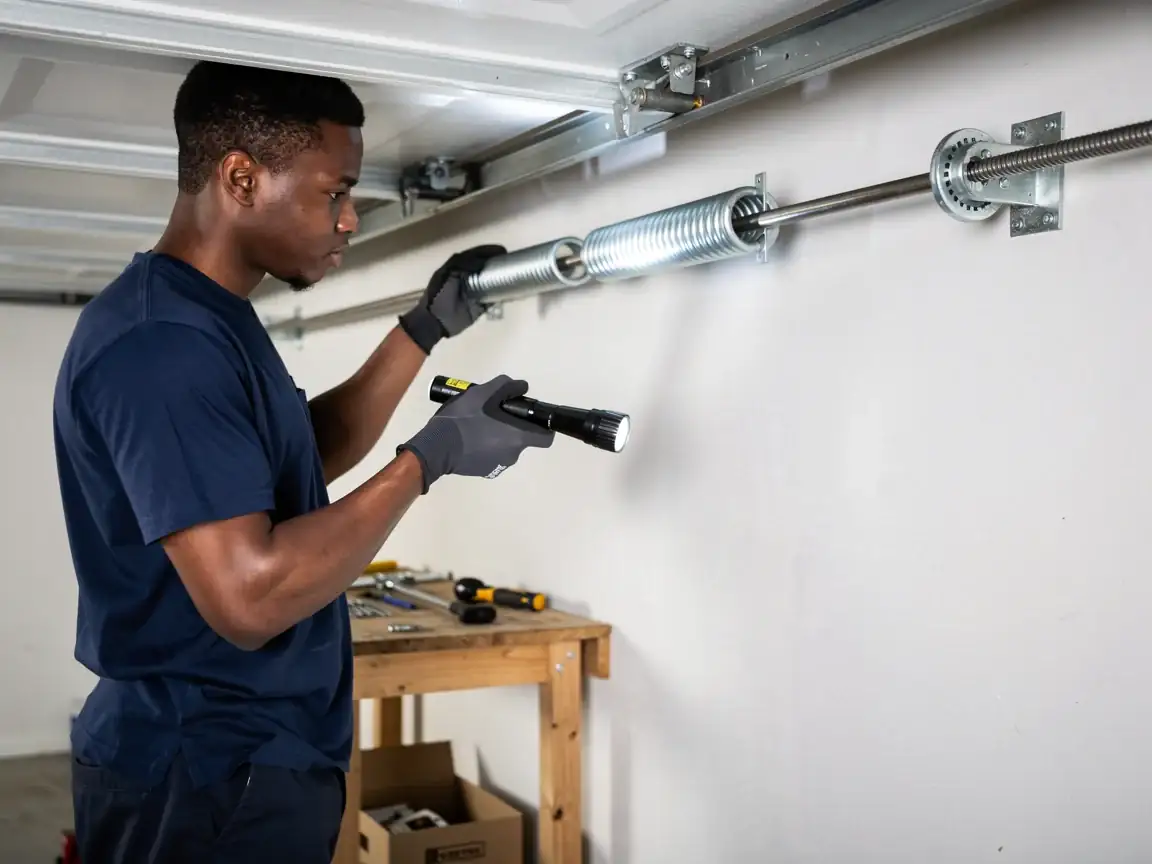
If your garage door motor or track is original to a 2004-era build, it's roughly two decades old, which is close to the end of life for a lot of standard torsion springs rated for 10,000 cycles. Replacing the door at that point is often cheaper than patching a worn opener against a door it was never sized for.
How to Book
Because the job runs from Lakeville, booking here works best as a single appointment covering both the measure and the install, rather than two separate visits spread across weeks. Tell us the door's rough width and whether it's a single or double bay - most Elko New Market garages built in the early 2000s run standard 16-foot doubles or 9-foot singles, so we can usually pull stock sizes and cut down the lead time.
We'll ask about your opener too. A door swap on a newer home often means keeping the existing opener if it's already a modern chain or belt-drive unit, which saves you money over replacing both. If the opener predates the door by a decade or more, we'll flag that during the quote rather than after the truck's already loaded.
See the Elko New Market area page for what else we cover out this way, or check the Lakeville installation page for the full rundown of install options across the service area.
The Cost of This Job
We don't post a flat number for Elko New Market specifically
Door cost depends on material, insulation level, and window options you pick, same as anywhere we drive to. What does change the math here is the housing stock: with most homes built around 2004 instead of the 1980s mix seen closer to Lakeville, openings tend to be standard sizes, which keeps custom-cut costs off the quote more often than not.
Elko New Market's median household income runs $147,381
Well above the $99,460 median across the broader 24-area service territory. That doesn't change what we charge, but it does mean insulated steel and higher-end panel options get asked about here more than bare single-layer doors. We'll quote both and let you decide - a mid-grade insulated door does the job fine in this climate zone, and we won't push an upgrade you don't need.
One limitation worth saying plainly
Custom widths, odd headroom, or specialty finishes add lead time on the manufacturer side that we don't control. If your opening is a standard 9- or 16-footer, that's rarely an issue.
What Can Go Wrong
The service area sits in a cold, moderate climate band, and that affects door choice more than most homeowners expect. A non-insulated single-layer door on a garage that backs onto a finished room loses heat fast once temperatures drop, and in a newer build where the garage was designed as part of the thermal envelope, that shows up as a cold wall indoors, not just a cold garage.
With roughly 1,578 households in Elko New Market and most garages dating to the same early-2000s building wave, the failure pattern we see is less about rot or sagging wood - common in older stock - and more about worn rollers and stretched cables on doors that have simply logged 15-20 years of daily cycles. That's a wear issue, not a design flaw, and it's often a reason to replace the door rather than keep patching the same worn track.
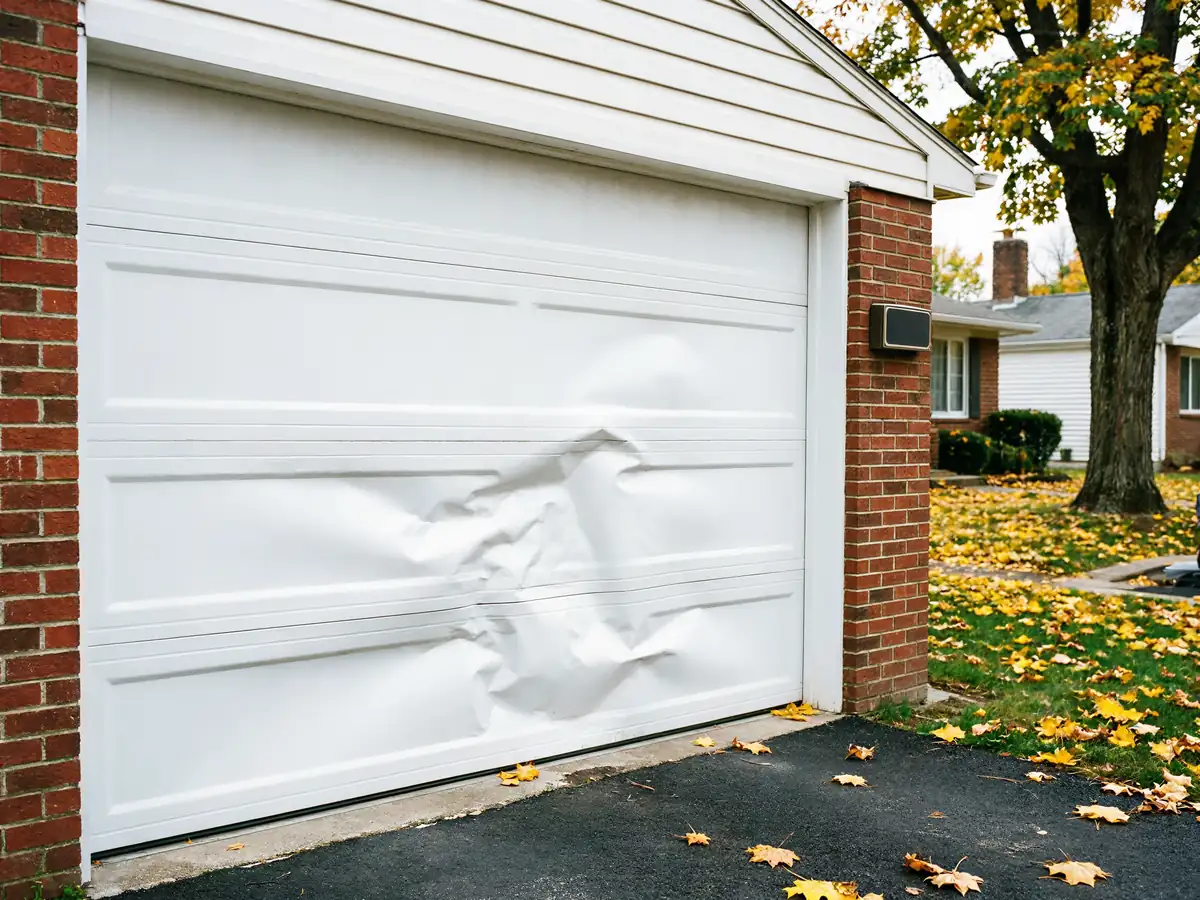
We won't tell you a door needs replacing if a new set of rollers and a cable fixes it. But if the panels are dented, the insulation's failed, or the springs are original to a 2004 install, patching it usually costs more over two years than putting in a new door once.