What Can Go Wrong
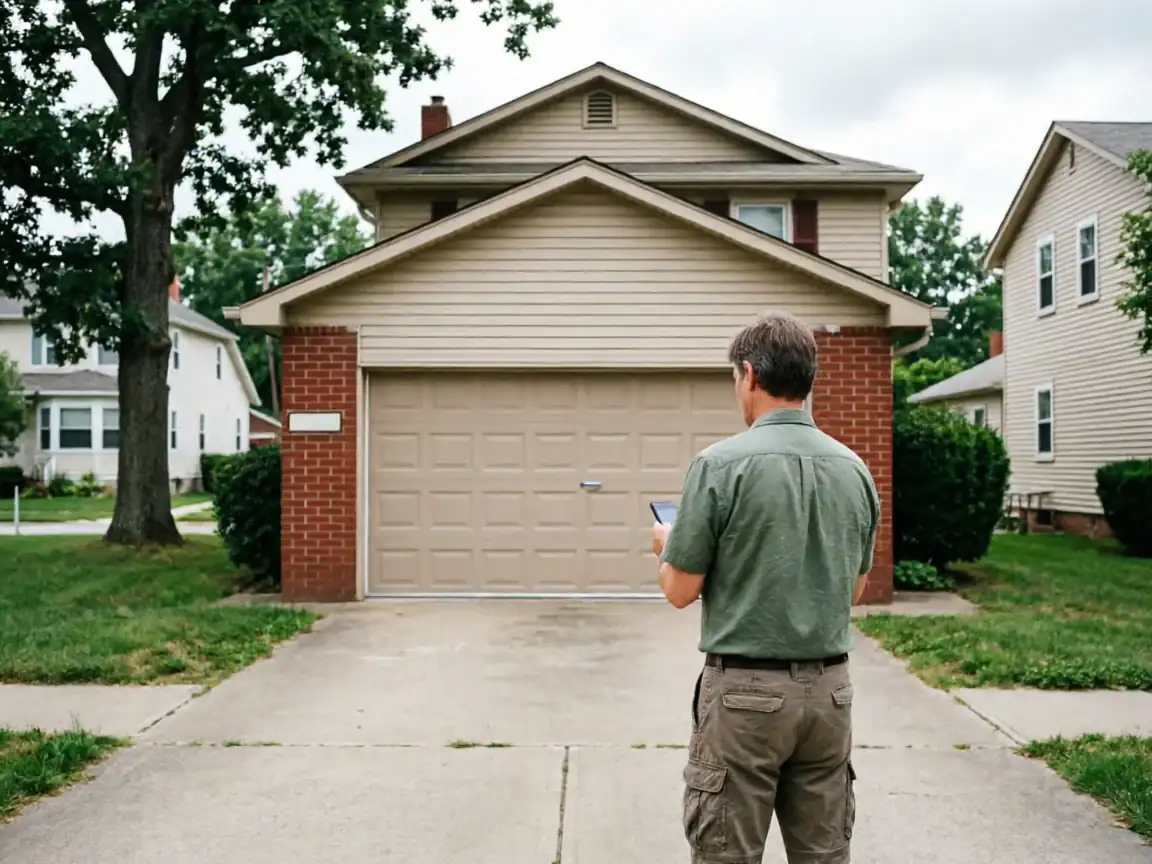
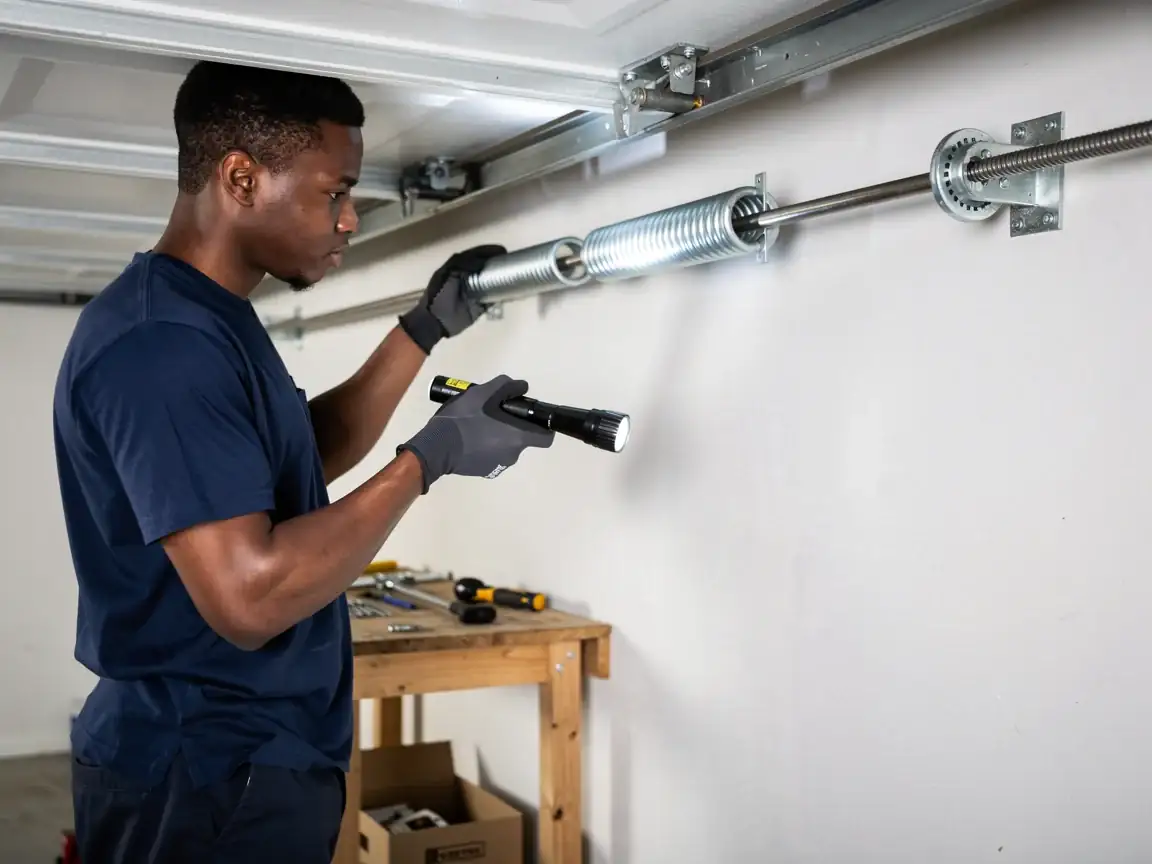
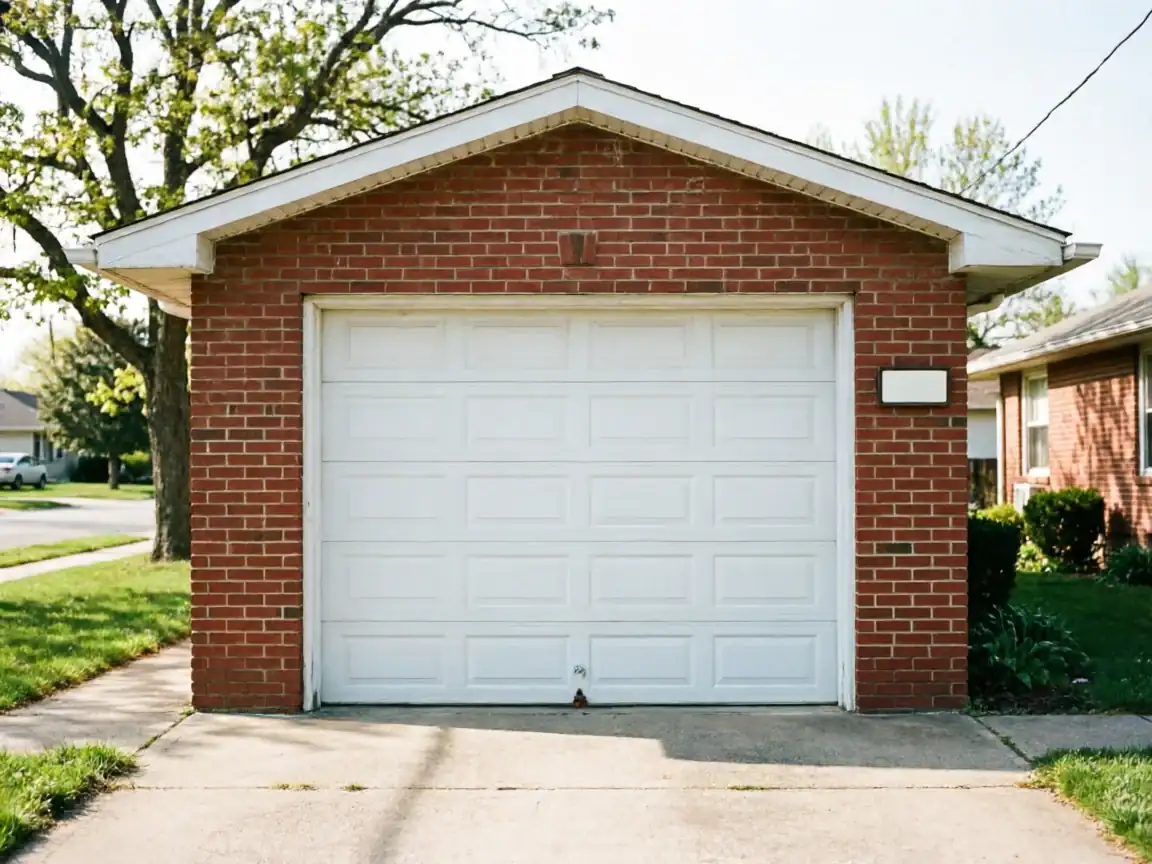
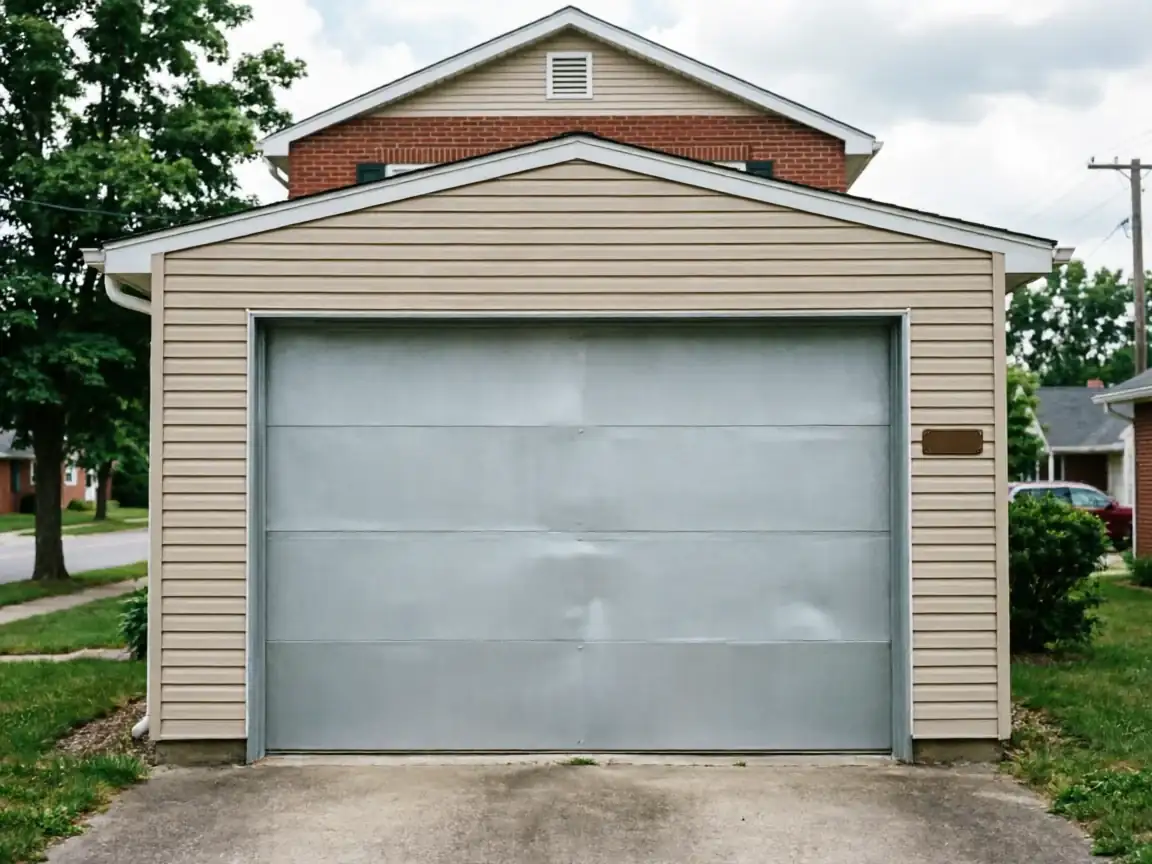
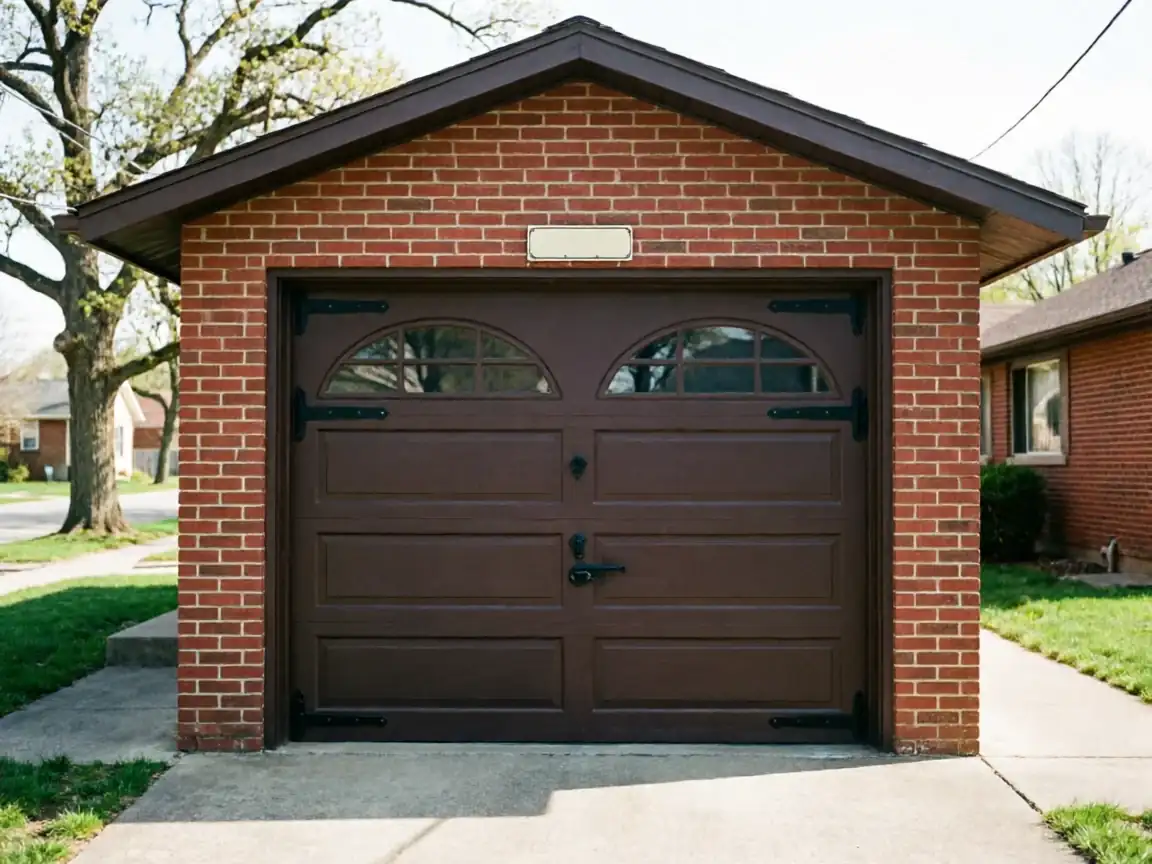
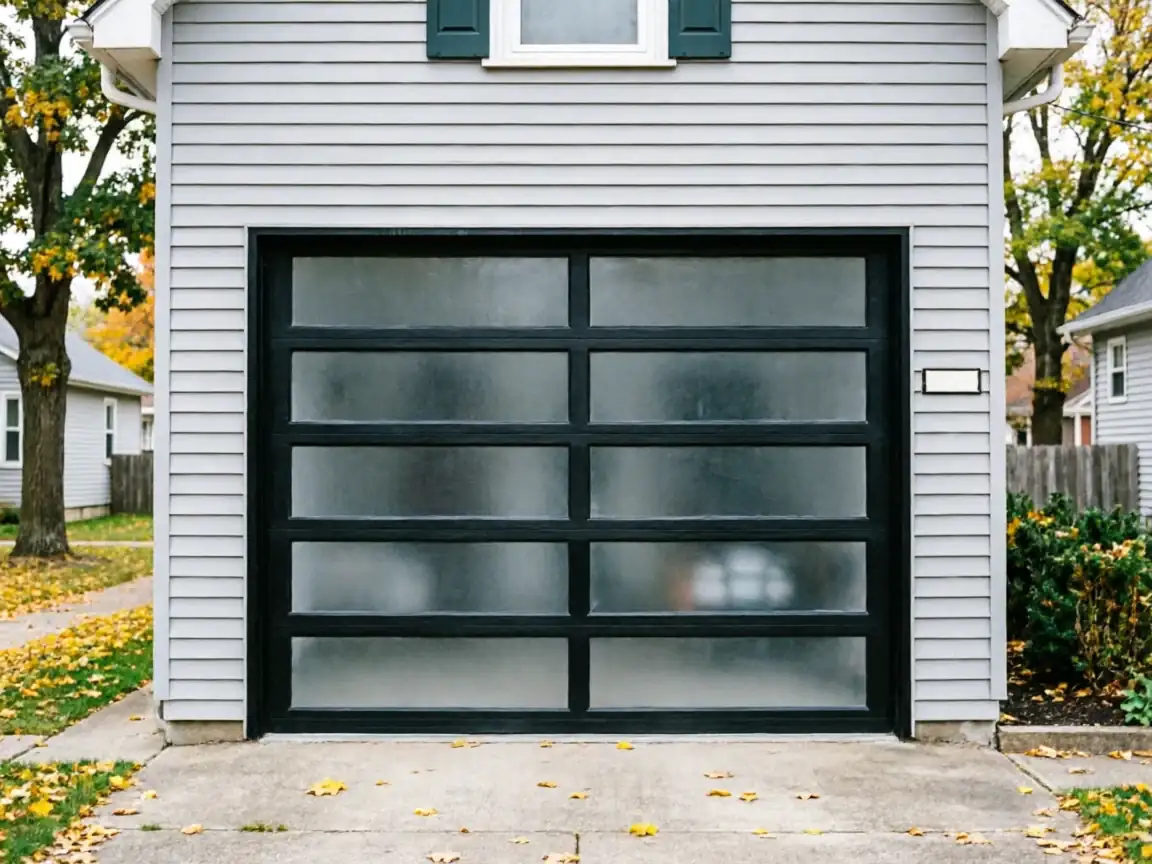
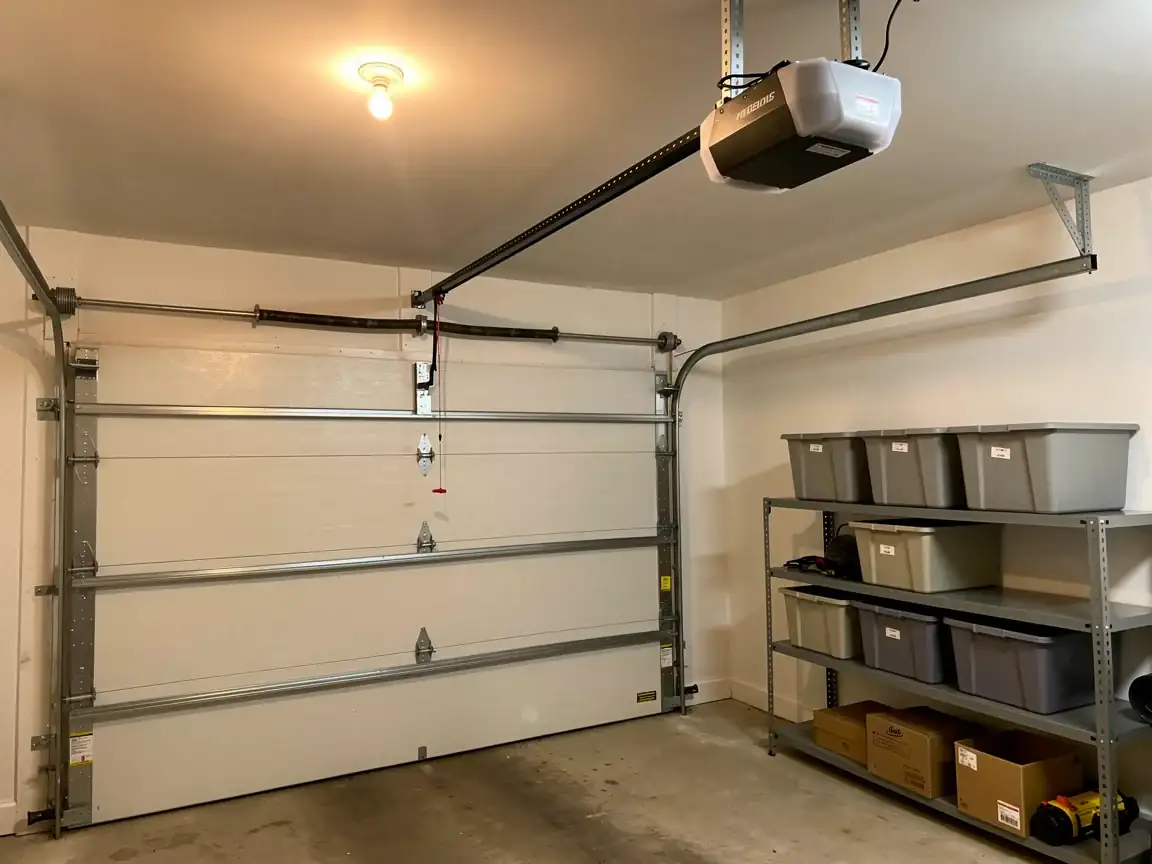
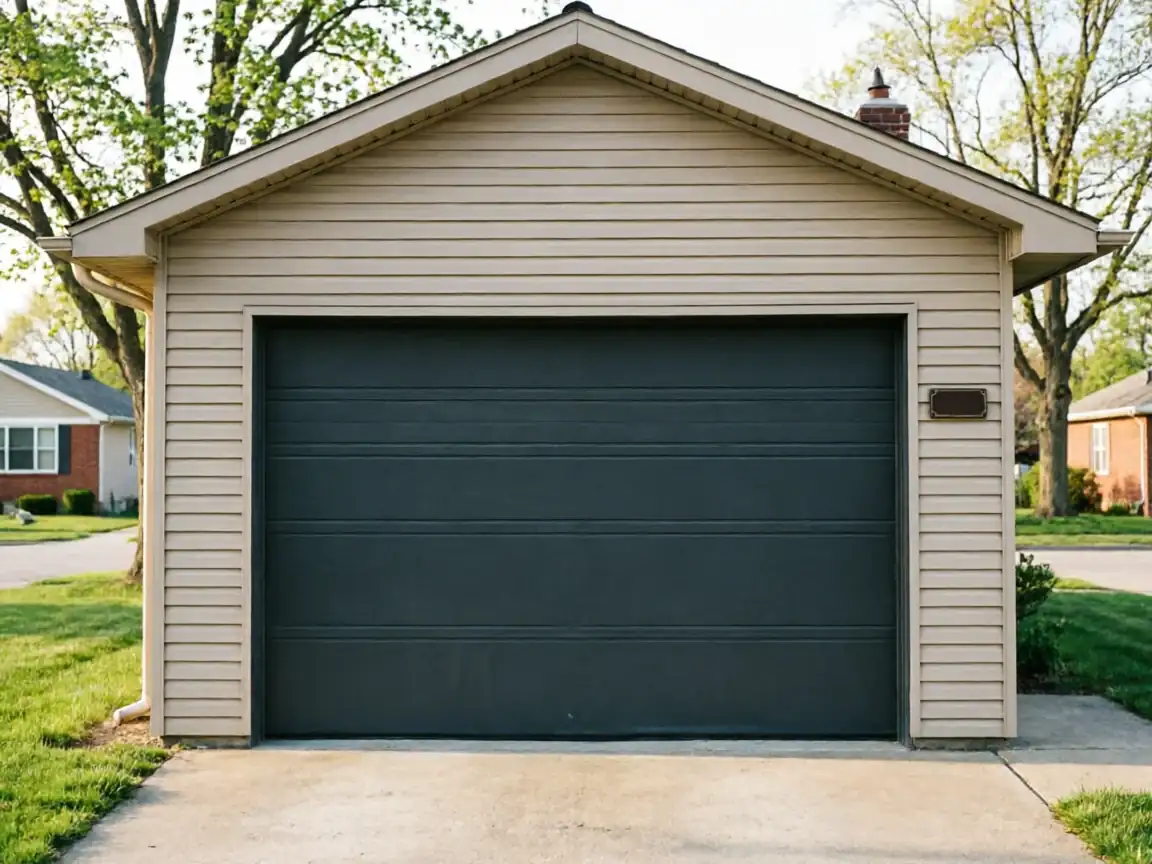
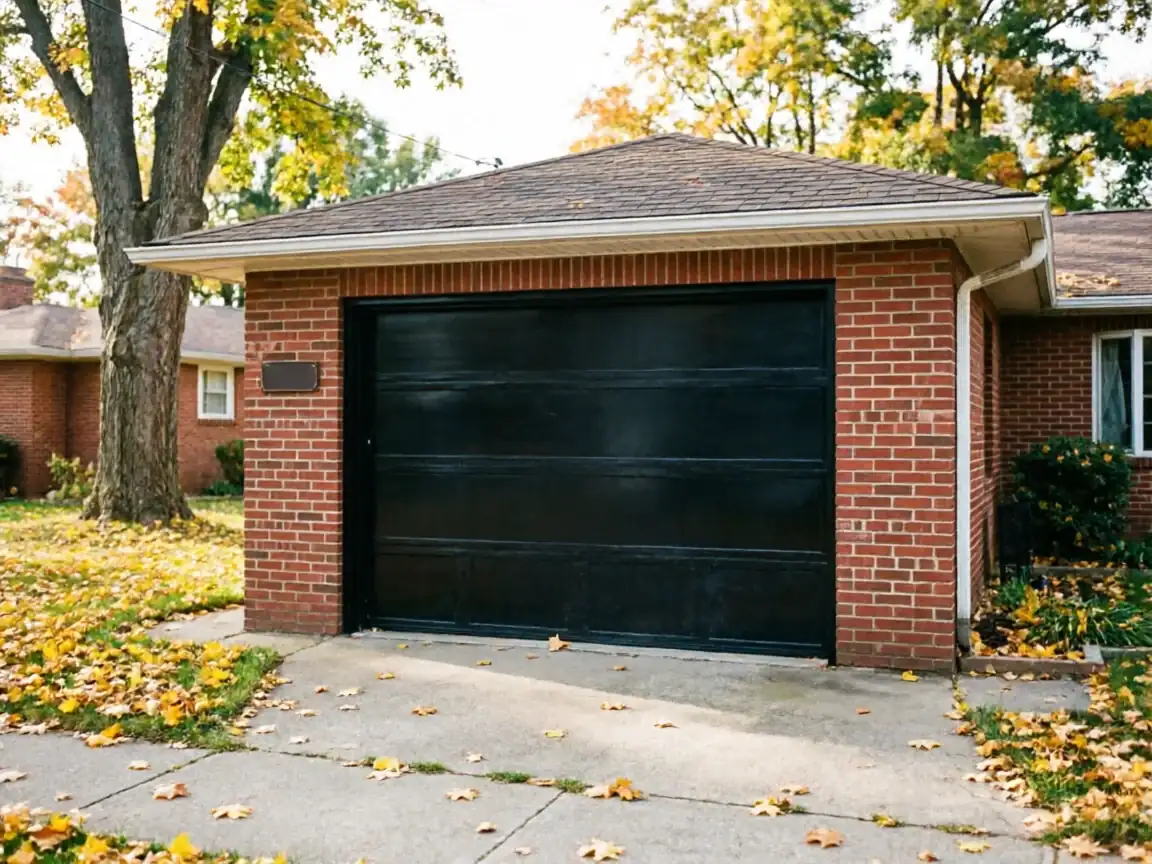
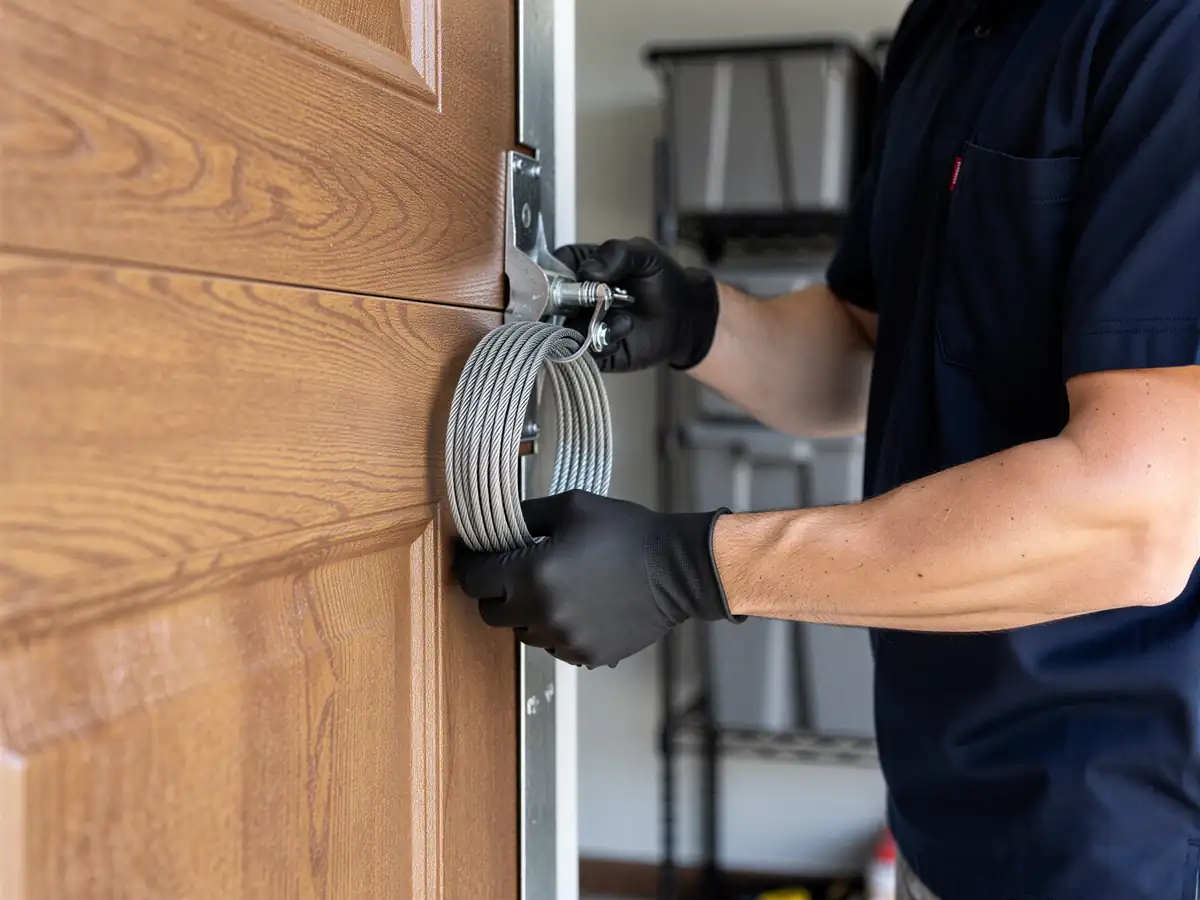
Most garages in Richfield date to around 1959, and a lot of those are single-car bays built for a lighter door than what you'd find in newer construction. That matters more than people think when it comes to openers. A door from that era, if it's still original, often has less structural bracing across the top panel, and a modern opener with too much pull can rack the frame or tear the top fixture right out trying to force a door that's slightly out of square after sixty-some years of settling. We also see garages where a previous owner swapped in a heavier insulated door but never upgraded the opener to match, so the unit strains on every cycle and burns out the drive gear early. Before we install anything, we check the door's actual weight and balance, not just the make of the old opener. On a door this old, the track and hinges usually need a look too, since an opener installed onto worn hardware just finds the weak point faster. We've seen it fail at the hinge before it ever touches the new motor.
Doing It Yourself
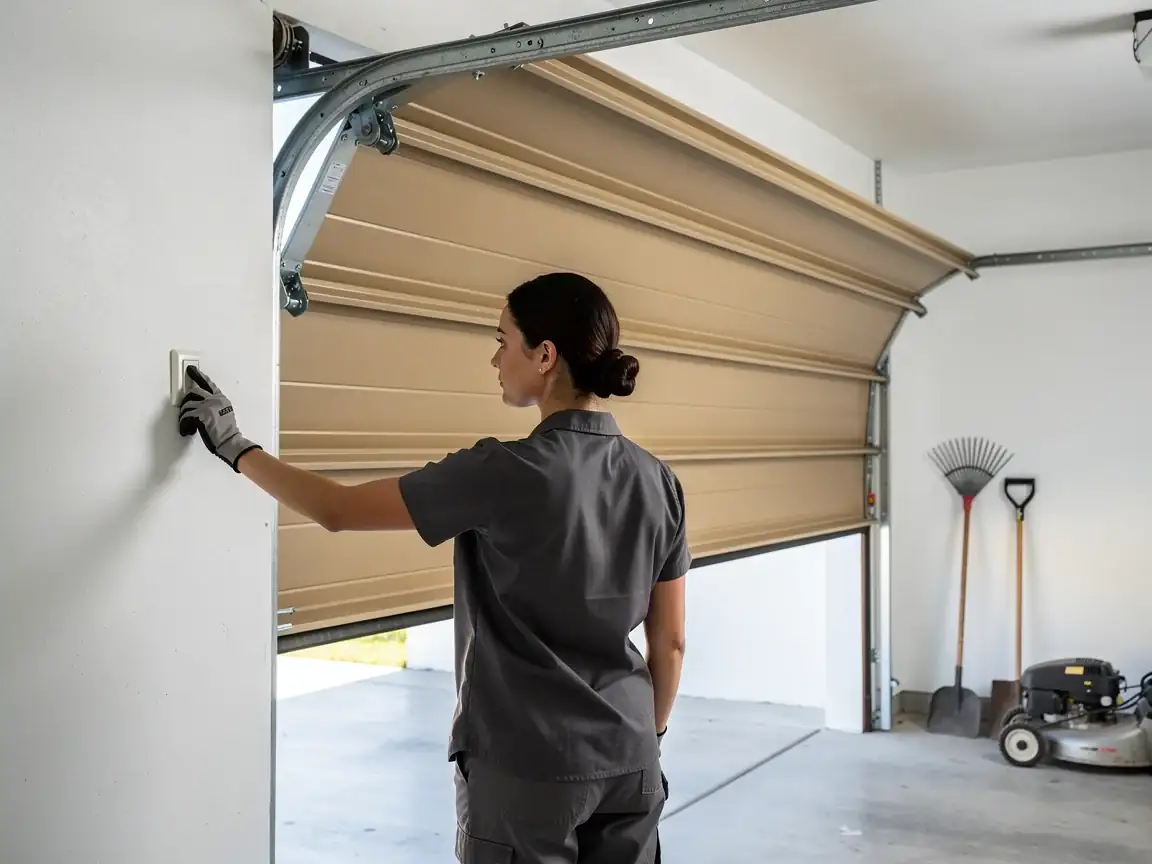
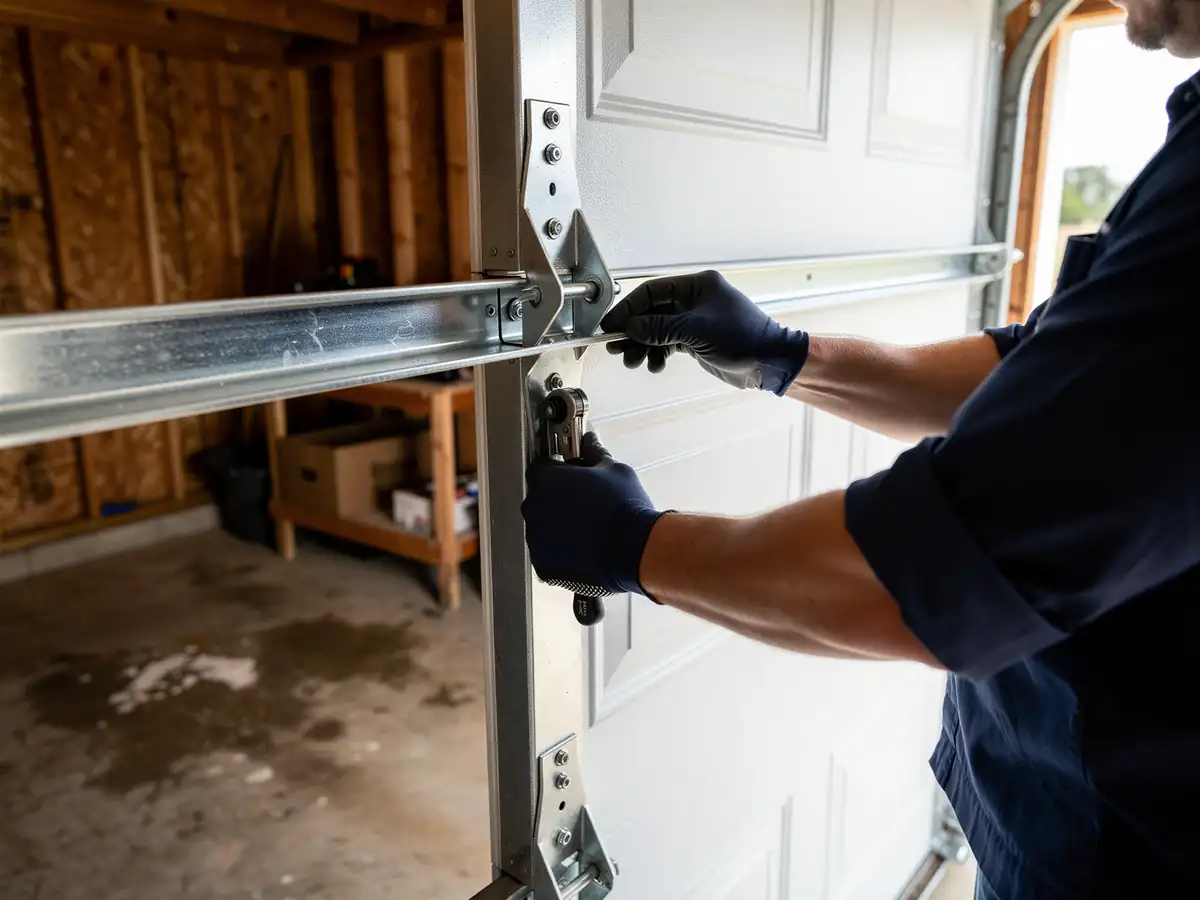
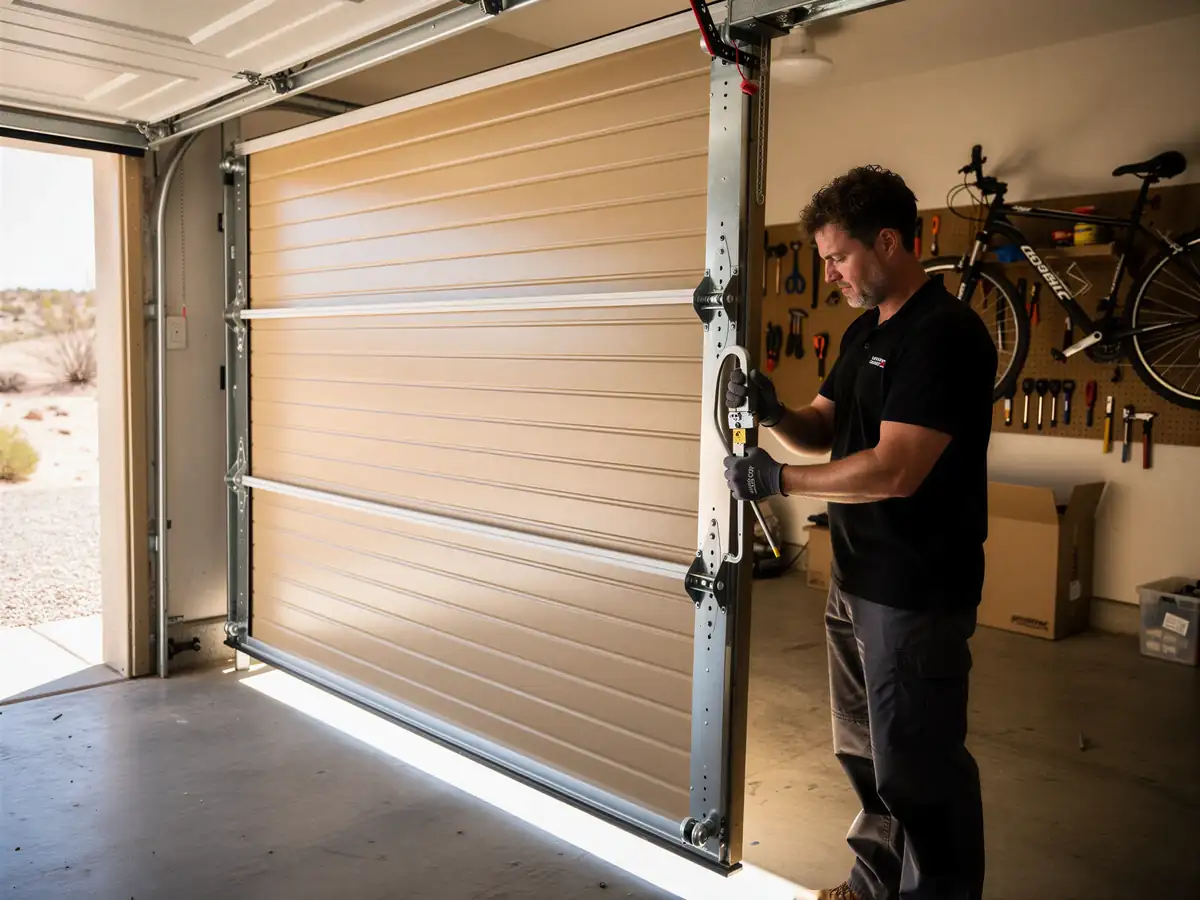
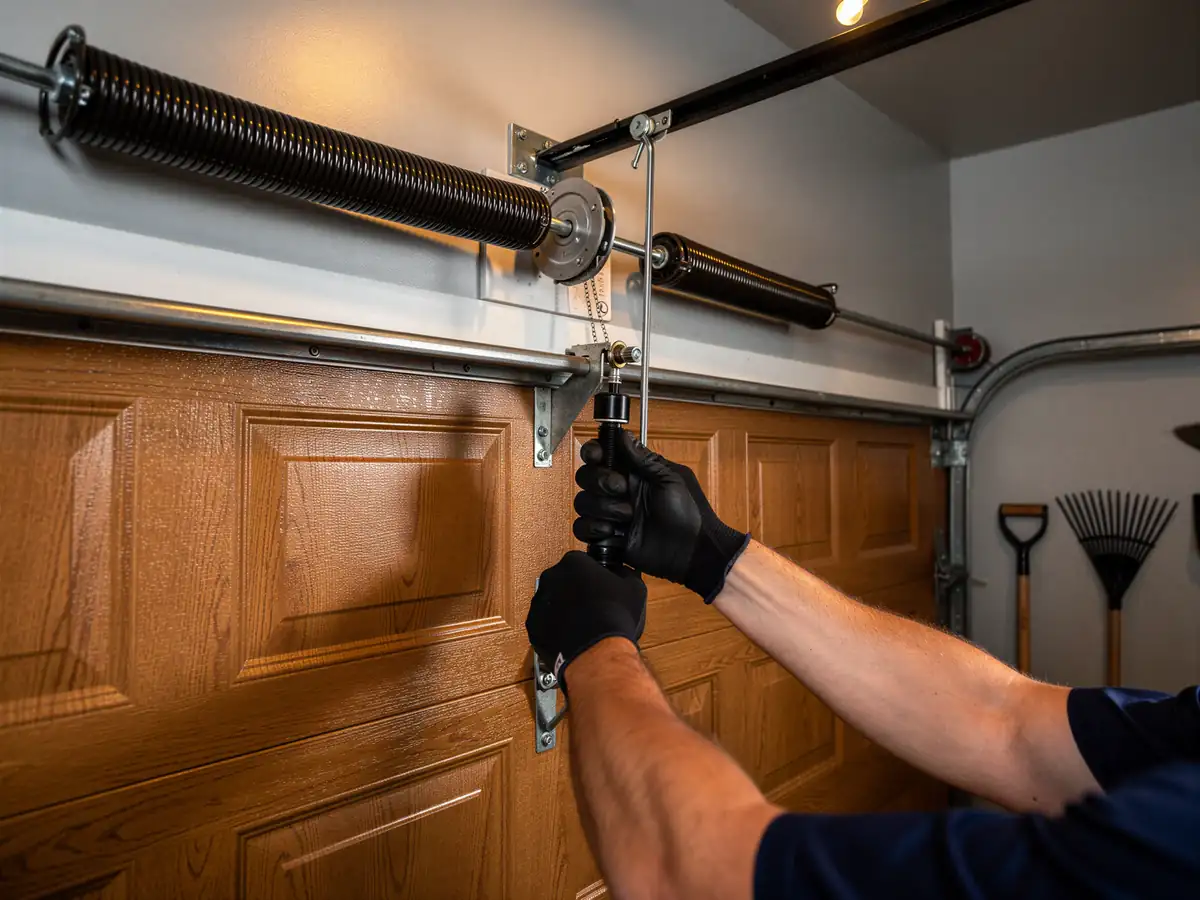
You can buy a wall-mount or belt-drive opener kit at any hardware store, and the instructions make it look like an afternoon job. The honest part: wiring the safety sensors correctly and setting travel limits on a door with an older, unbalanced spring system is where most DIY installs go wrong. If the door isn't properly balanced first, a new opener will mask that problem for a while and then fail trying to lift a door that's fighting gravity on one side. We won't talk you out of doing simple maintenance yourself, but opener installation on a door of this vintage usually means checking spring tension and hardware wear at the same time, and that's not a one-person, one-afternoon job if the door's never been serviced.
The Cost of This Job
We're not going to throw a number at you here, because the real cost driver on a Richfield job isn't the opener unit itself, it's what the door needs alongside it. A single-car door from 1959 with original hardware might need new rollers or a spring adjustment before the opener goes on, and that changes the total. A household here runs a median income around $84,055, noticeably below the broader service area's figure, so we try to be upfront early about whether the door is worth the extra work or whether the opener install should wait until a bigger repair. Call for a walk-through and we'll tell you what we actually see, not a phone estimate based on guesswork.
What Causes It Around Here
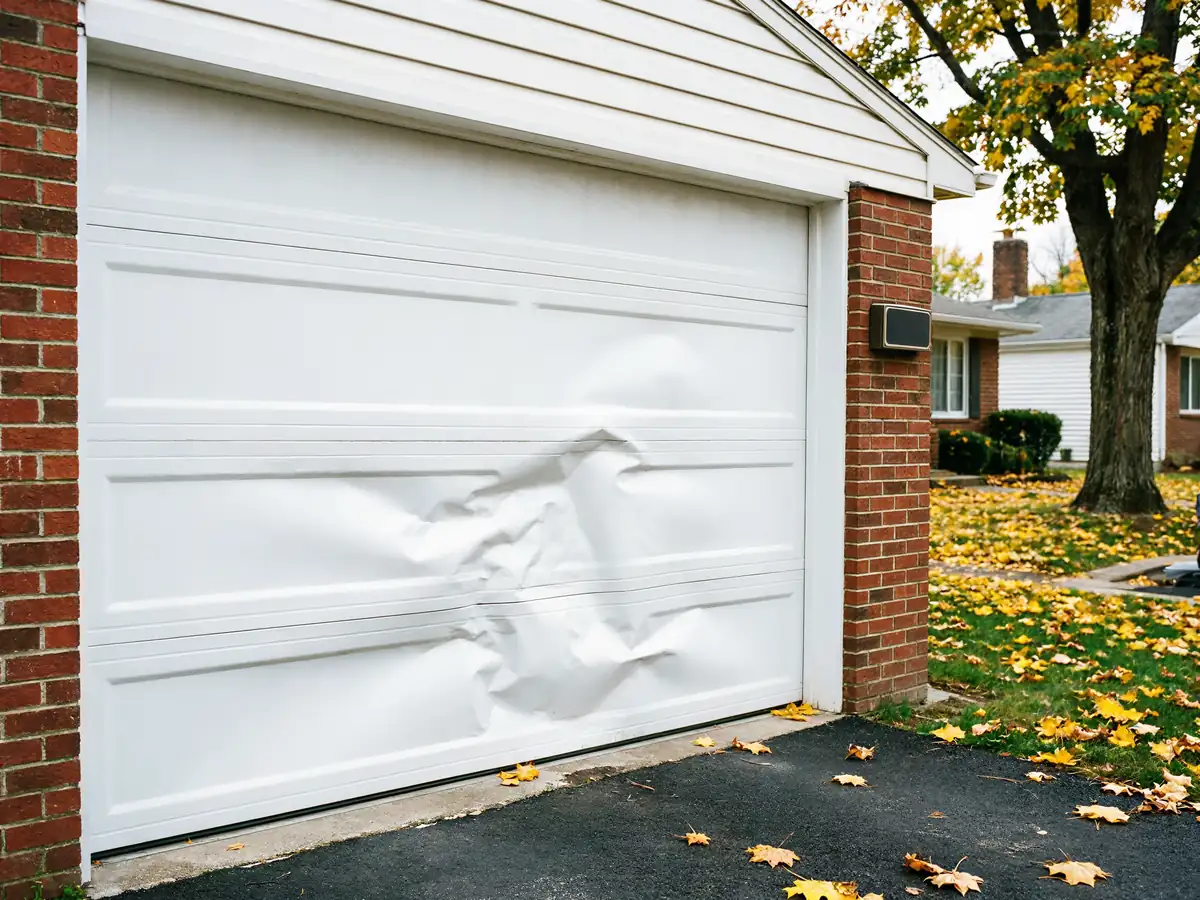
Richfield sits inside a cold-winter climate band, and that cold is hard on garage door openers in specific ways. Grease in the drive mechanism thickens below freezing, chains lose a bit of tension as metal contracts, and the photo-eye sensors can ice over on the coldest mornings, which is often mistaken for an opener failure when it's really just a sensor reading a frosted lens. On a door built when this neighborhood went up, around 1959, there's also the compounding issue of age: the door itself has had sixty-plus winters to warp slightly at the panel seams, and an opener has to work a little harder every cold snap to pull a door that doesn't sit perfectly square anymore. None of that is unique to one house, it's just what a cold-climate garage this old deals with every January.