What Can Go Wrong
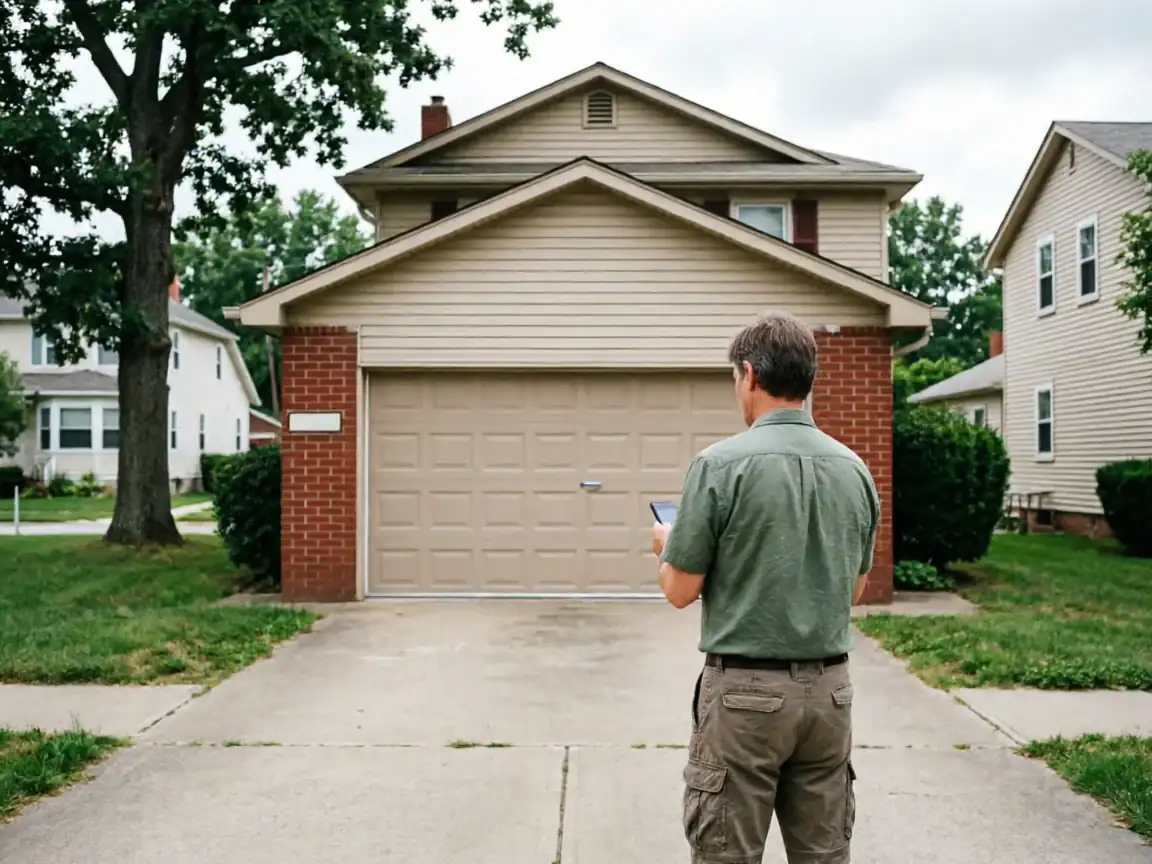
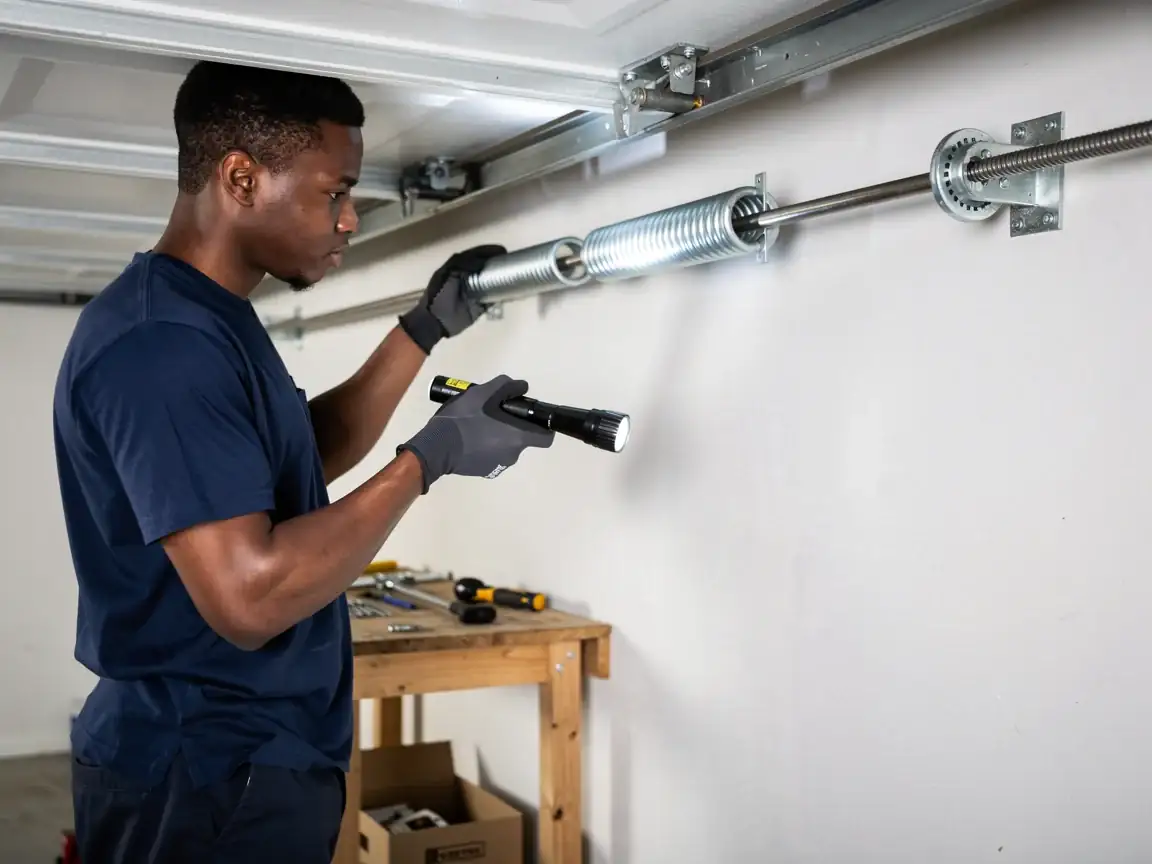
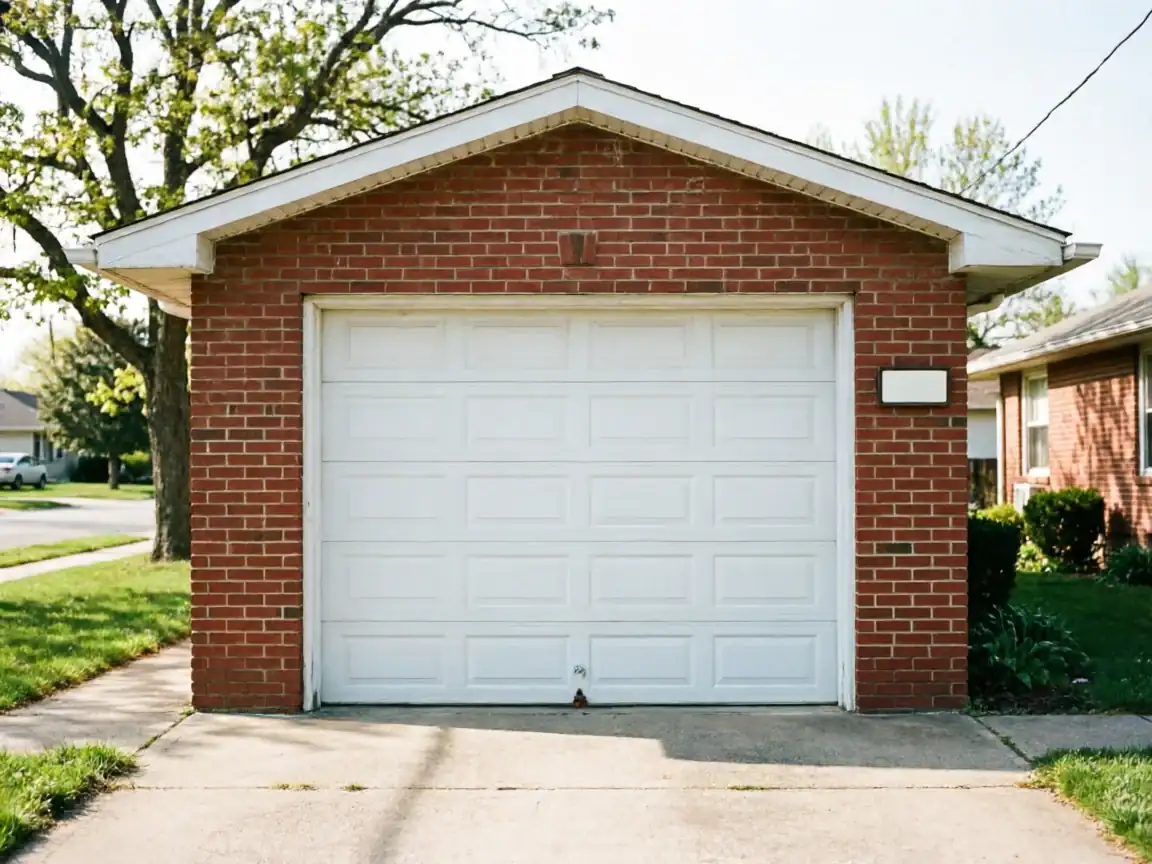
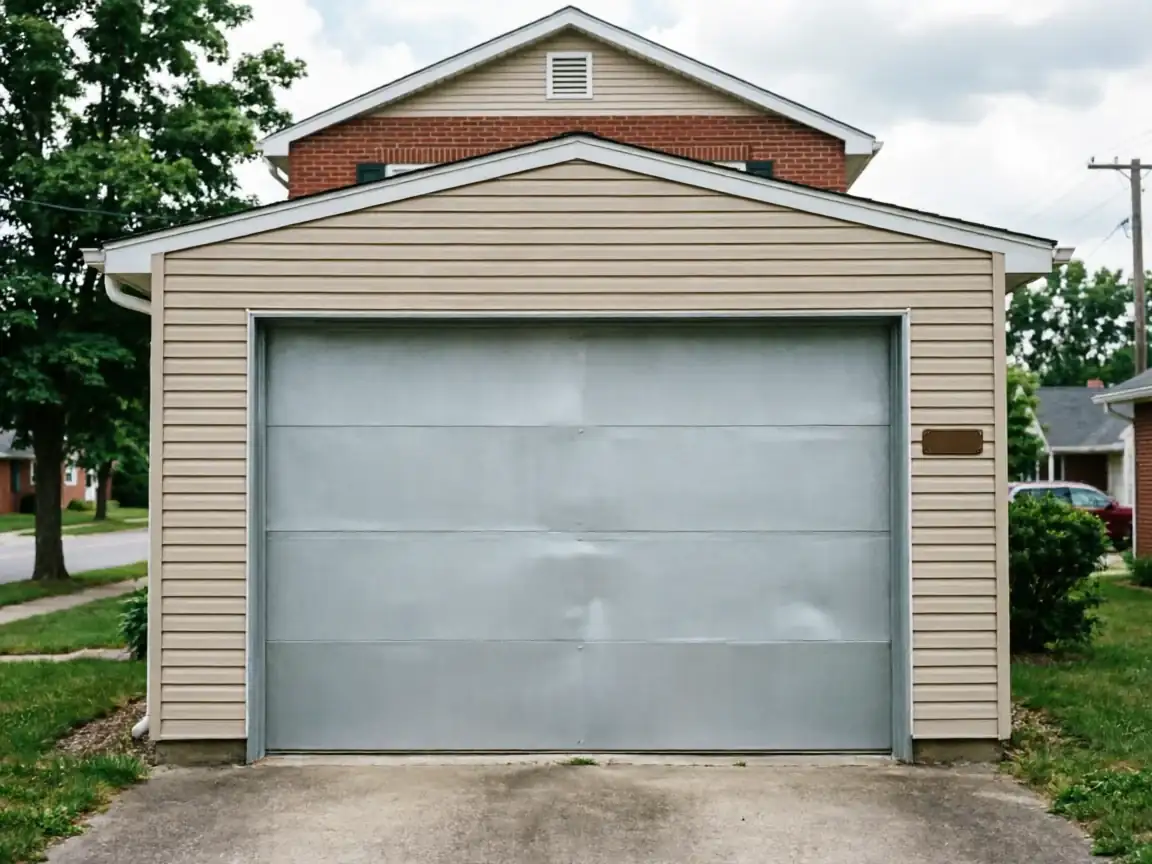
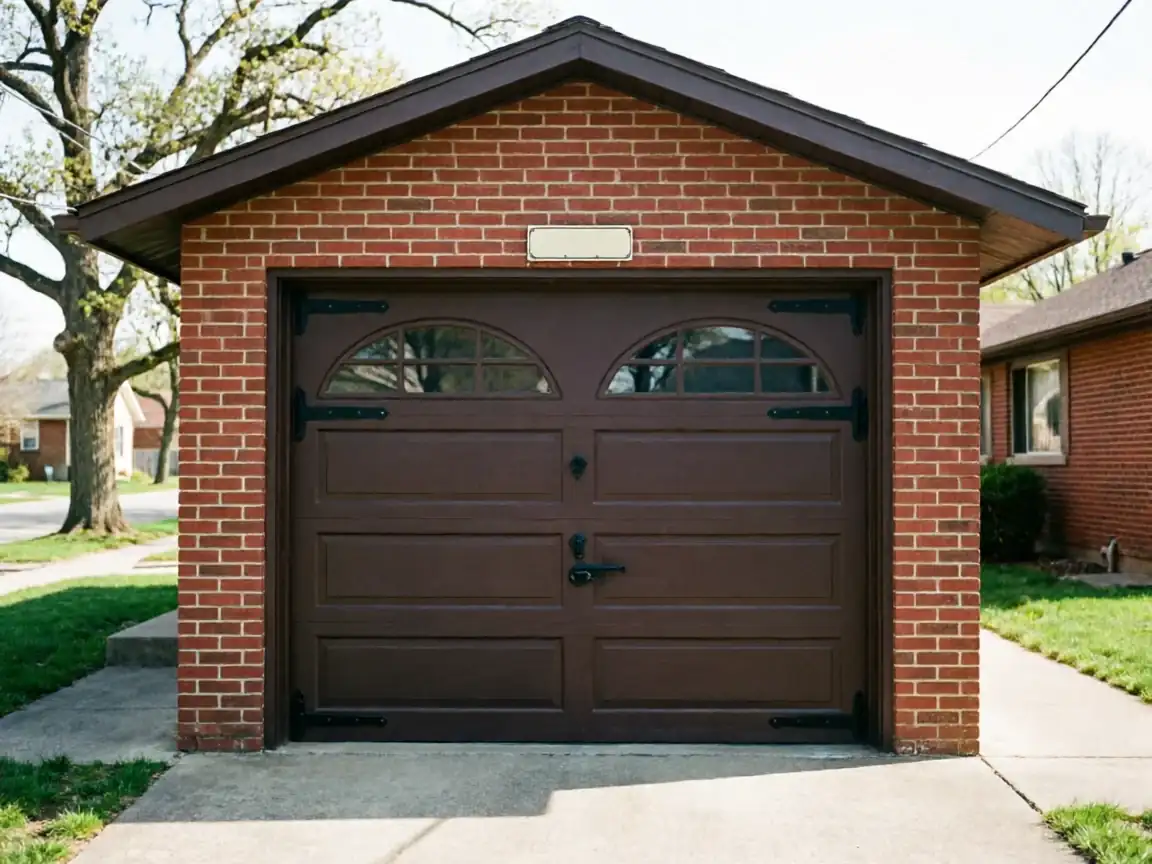
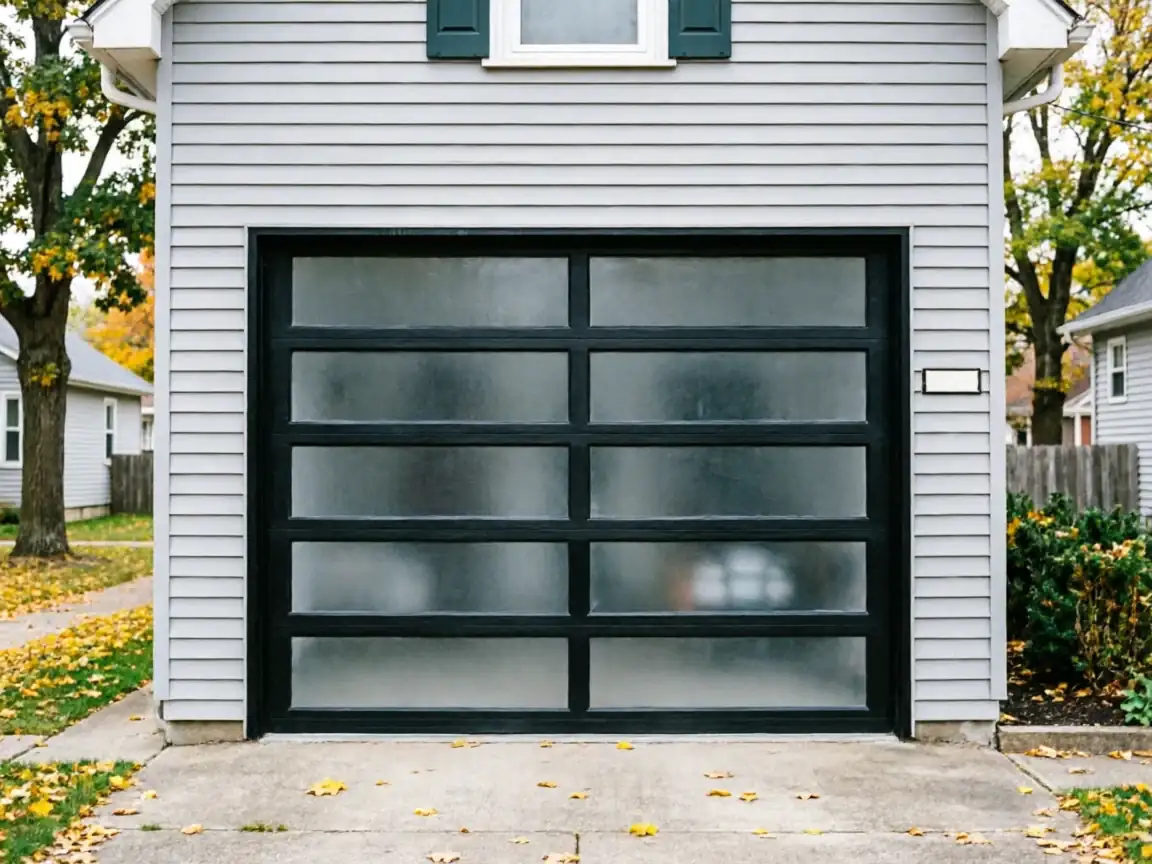
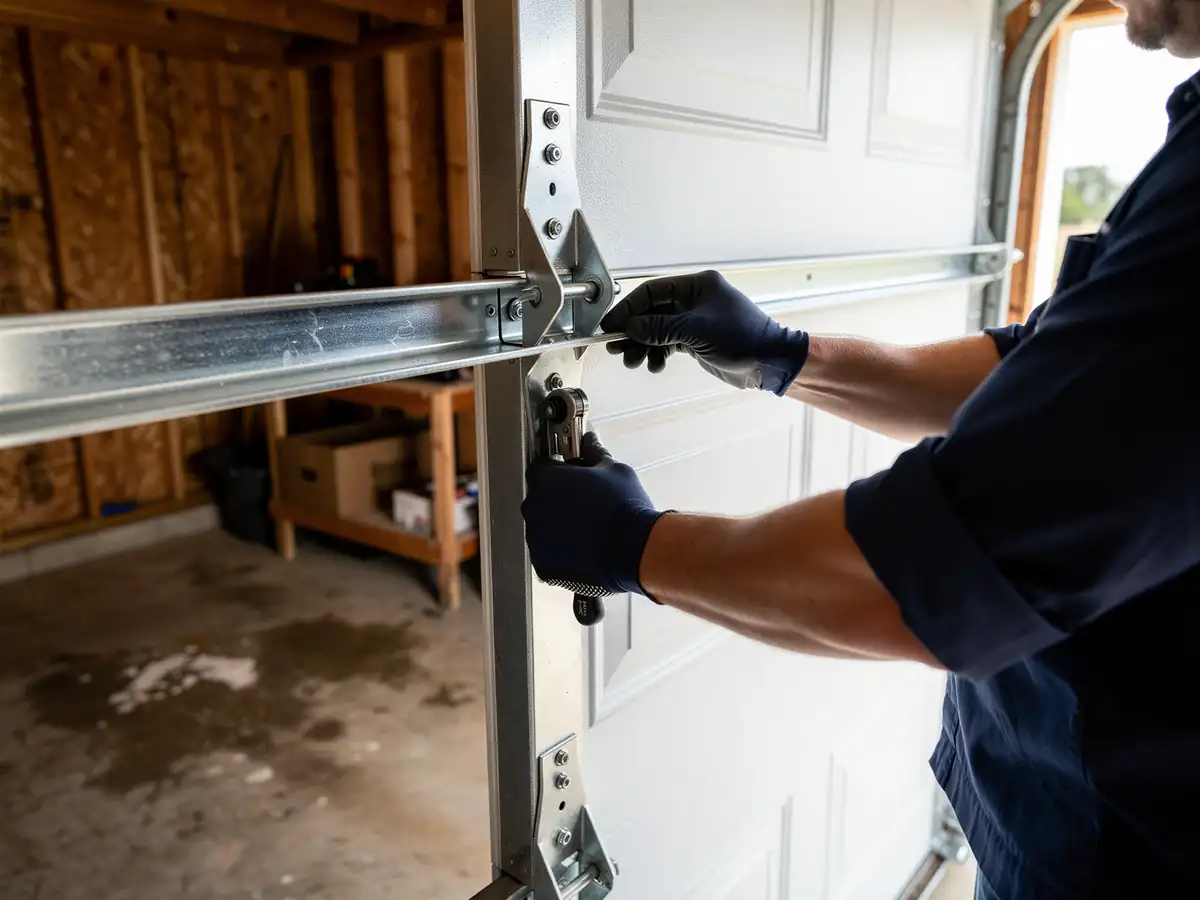
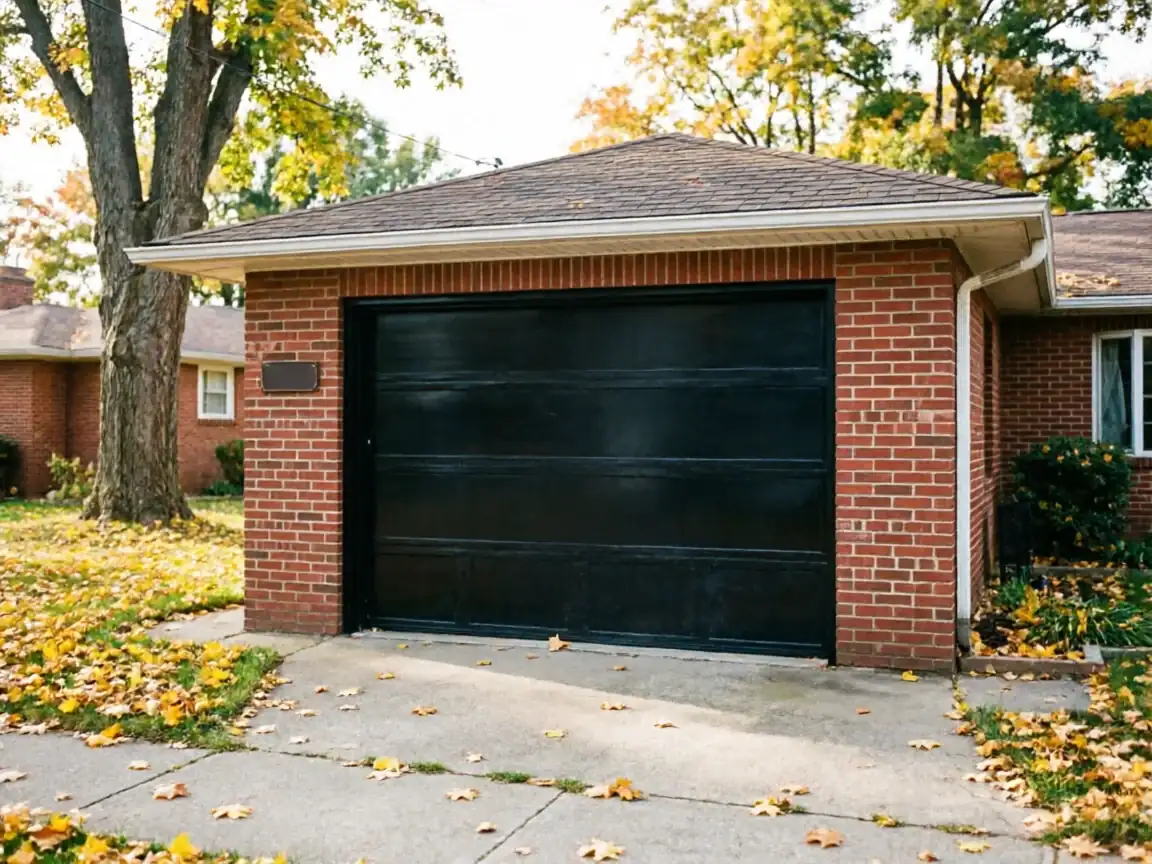
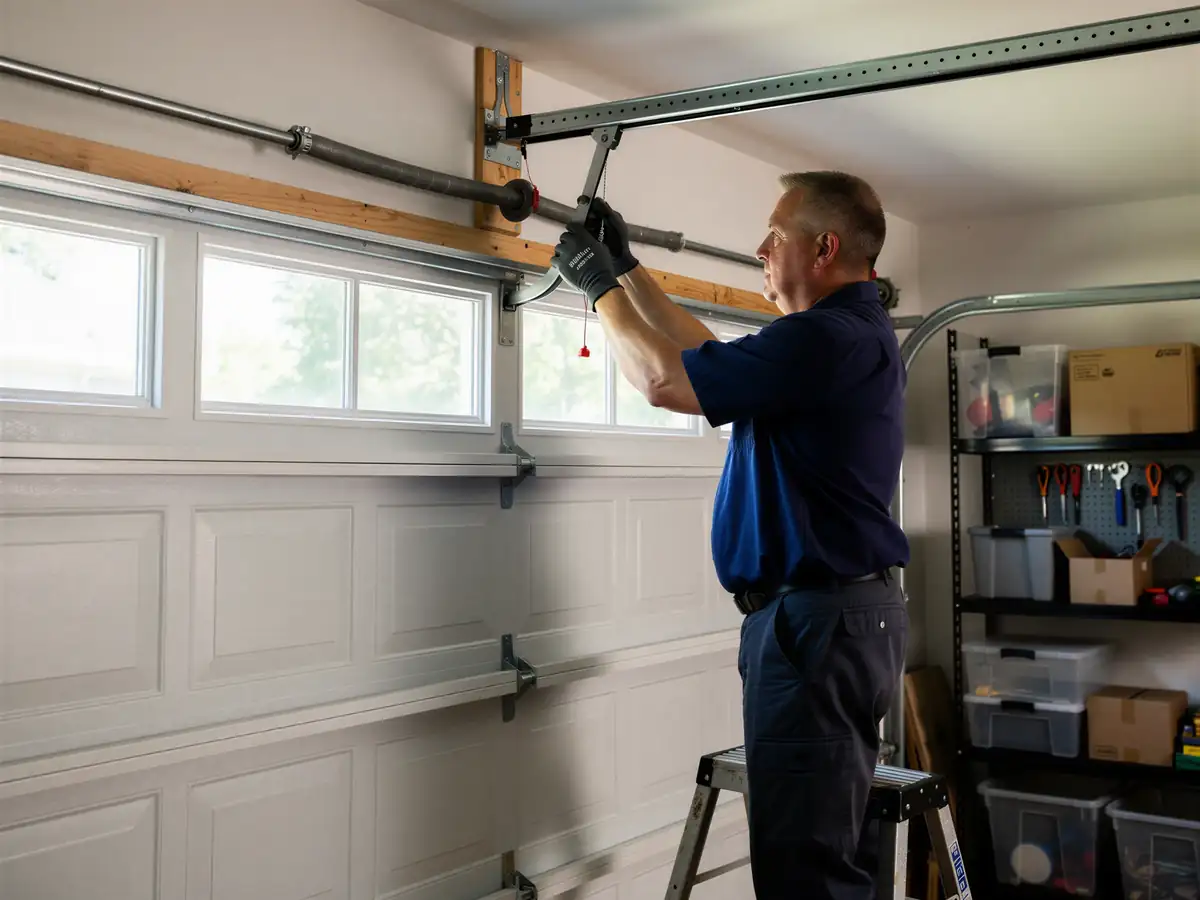
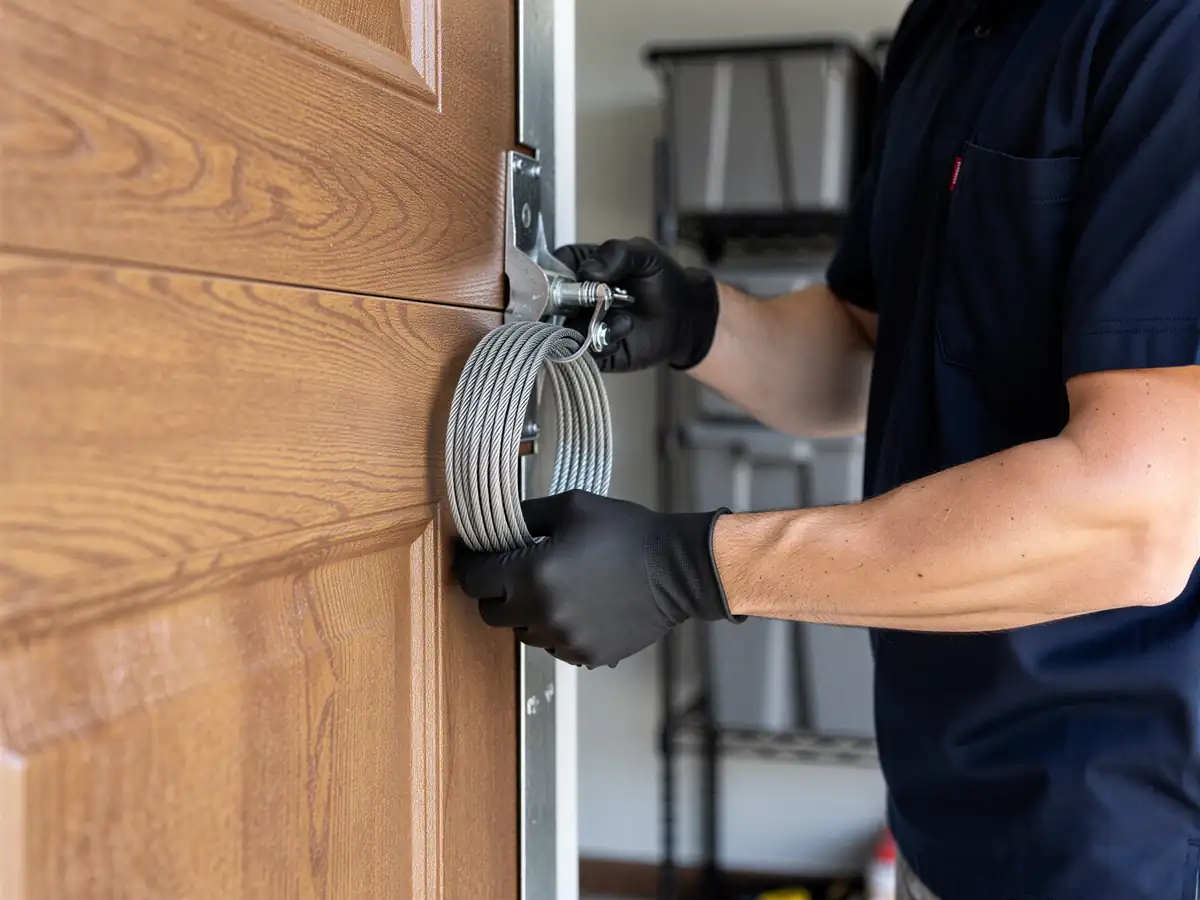
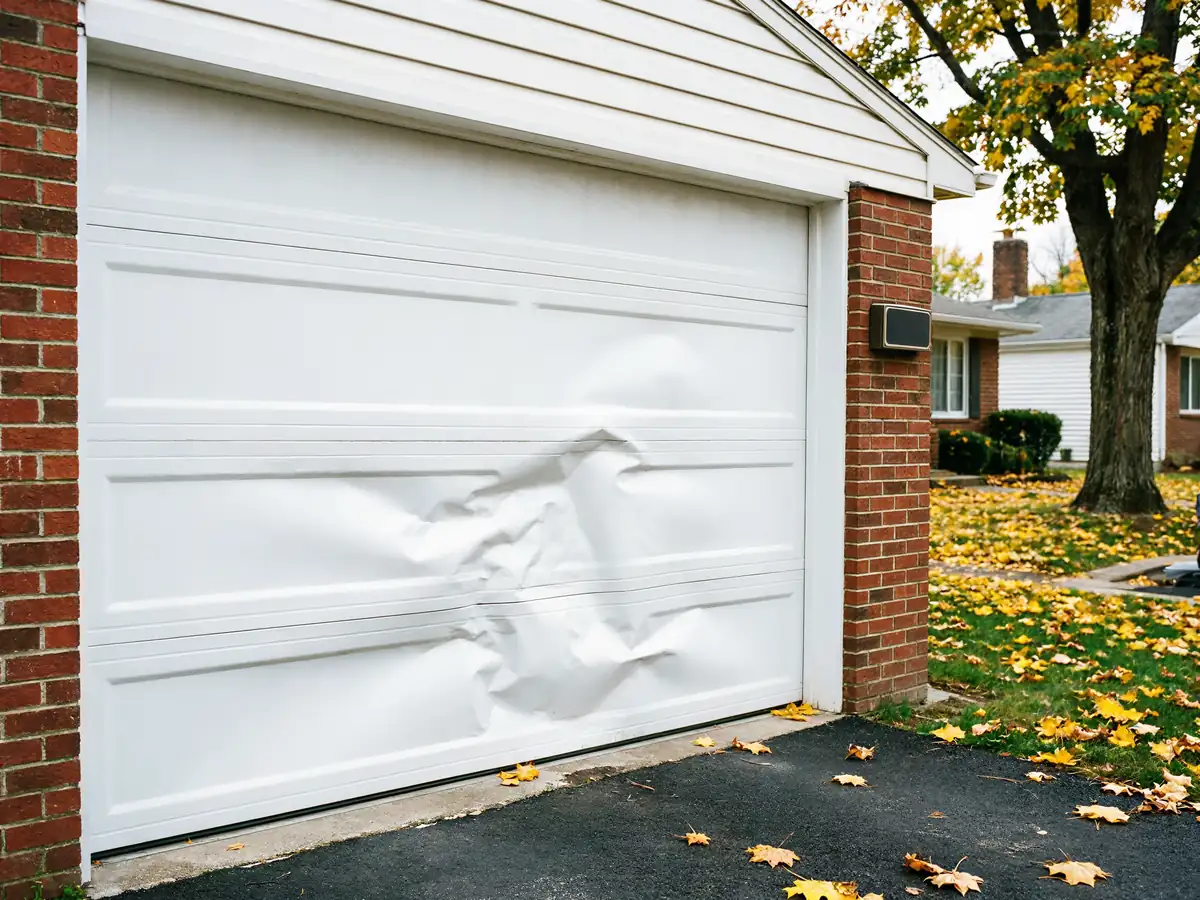
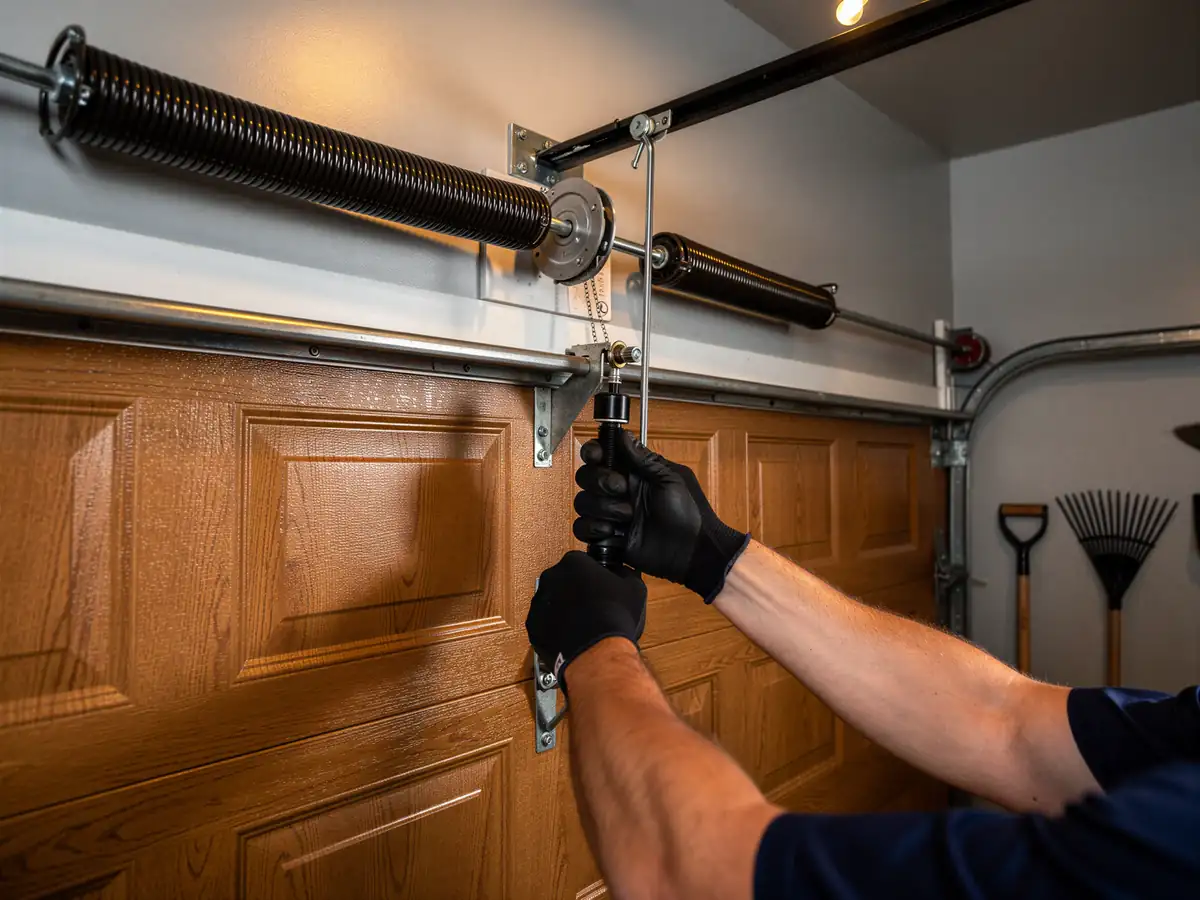
A broken torsion spring is the most common call we get from this side of the metro, and on a house built around 1959 - which is the median age of homes in Richfield - that spring is often the original or a direct replacement from decades back. The coil winds down, a cable can slip its drum, or a center support bracket cracks from fatigue. On older extension-spring setups, which still show up on this vintage of garage, a frayed safety cable or a stretched spring eye is a common failure point too. Either way, the door either won't lift at all or slams down hard on the way closed, which is the spring no longer carrying its half of the door's weight. We also see bottom brackets pull loose on doors where the spring has been overdue for replacement for years and the opener's been taking the strain it wasn't built to take. None of this is urgent in the sense of a flood or a fire, but a door stuck half-open or fully down with a car trapped inside is urgent to the person standing in the driveway, and that's most of what this call is.
Doing It Yourself
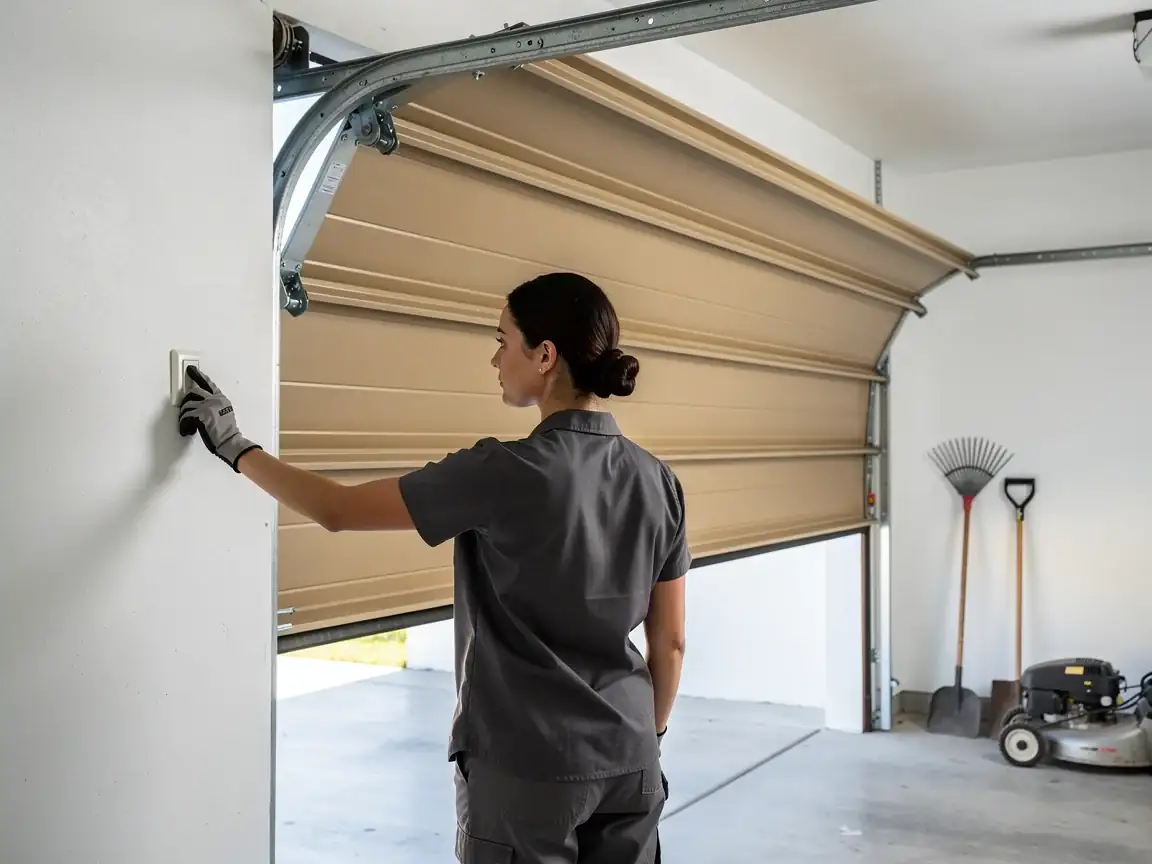
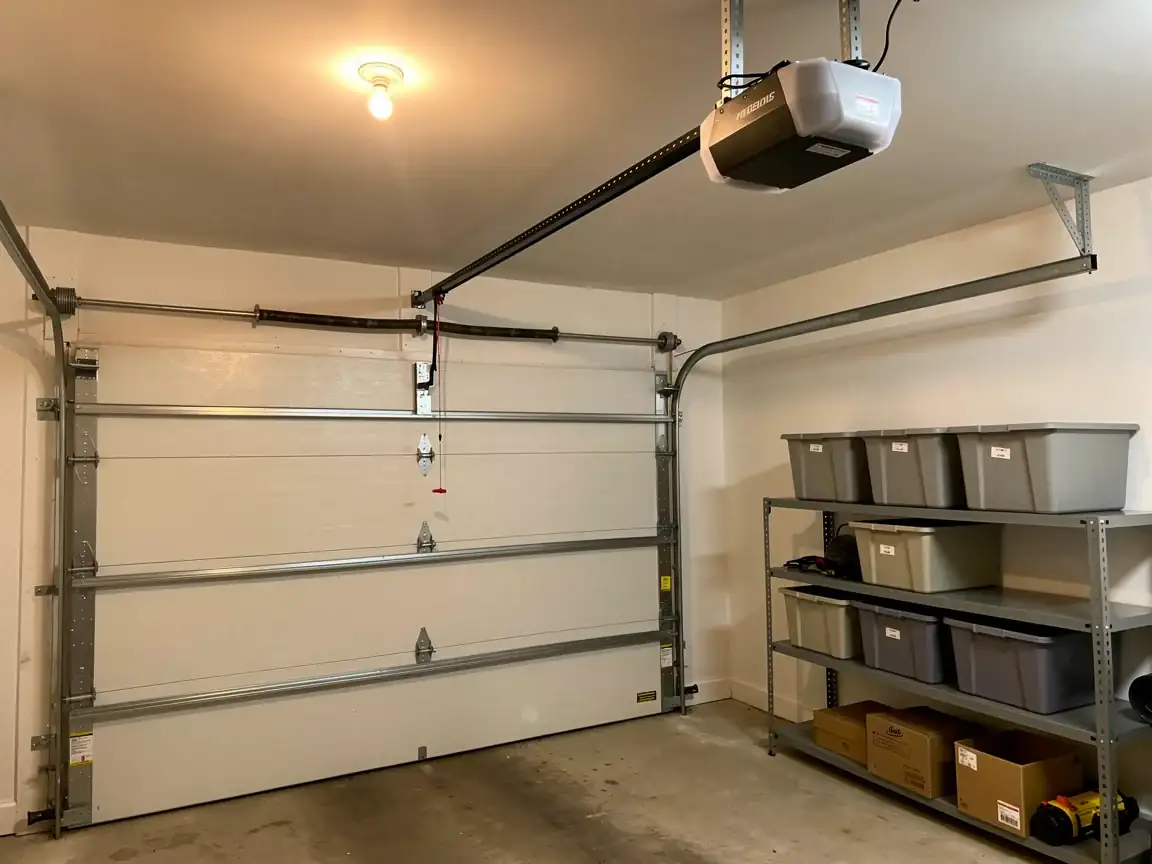
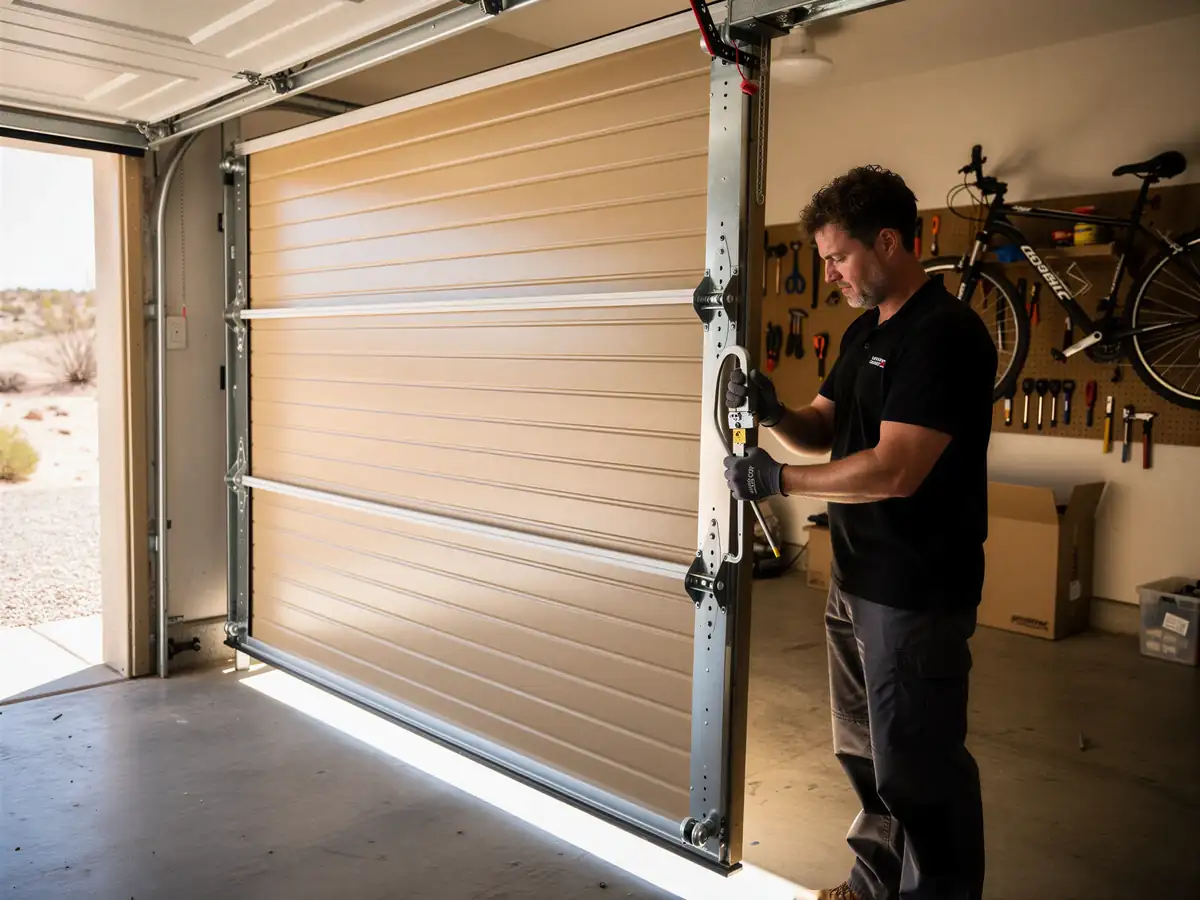
Don't wind or unwind a torsion spring yourself. It's under enough stored tension to break a bone or worse, and the tools for it aren't something most homeowners keep in a drawer. What you can safely do is look: check if the spring is visibly separated (a torsion spring in two pieces is unmistakable), check if a cable has come off its drum, and check whether the door is noticeably off-balance when a second person lifts it with the opener disconnected. If the door is heavy to lift by hand or drops fast once it clears a few feet, that's the spring, not the opener. Past that point, call it in rather than reach for a ladder and a winding bar.
The Cost of This Job
We don't have a posted price list for this page, and quoting one without seeing the door would be a guess, which isn't something we're willing to put in writing. What we can tell you is what drives the number: single door versus double, one spring versus two, and whether it's a standard torsion setup or an older extension system that needs extra parts to bring up to a safer standard. A household here earns a median $84,055 a year, which puts most spring jobs well within a normal home-repair budget rather than a major expense, but the honest answer is still: we tell you the number after we've looked at the door, not before.
What Causes It Around Here
Richfield's housing stock centers on 1959, and that matters for springs more than almost anything else about the house. A door from that era, or one replaced once since, is likely running on hardware sized to specs from a different decade, and cold-weather cycling over 60-plus winters is what finally takes a spring out. The service area sits in a cold moderate climate band, and the freeze-thaw swing is what fatigues steel coils faster than a mild climate would - the spring compresses and expands with temperature on top of the daily lift cycles, and that's cumulative wear a newer door in a warmer region wouldn't see at the same rate. Combine that with 16,221 households across Richfield's footprint, a lot of them built in the same narrow window, and you get a town where spring failures cluster by age of house rather than by chance.